After You Call
You call (619) 467-1115 and talk to someone who can tell you
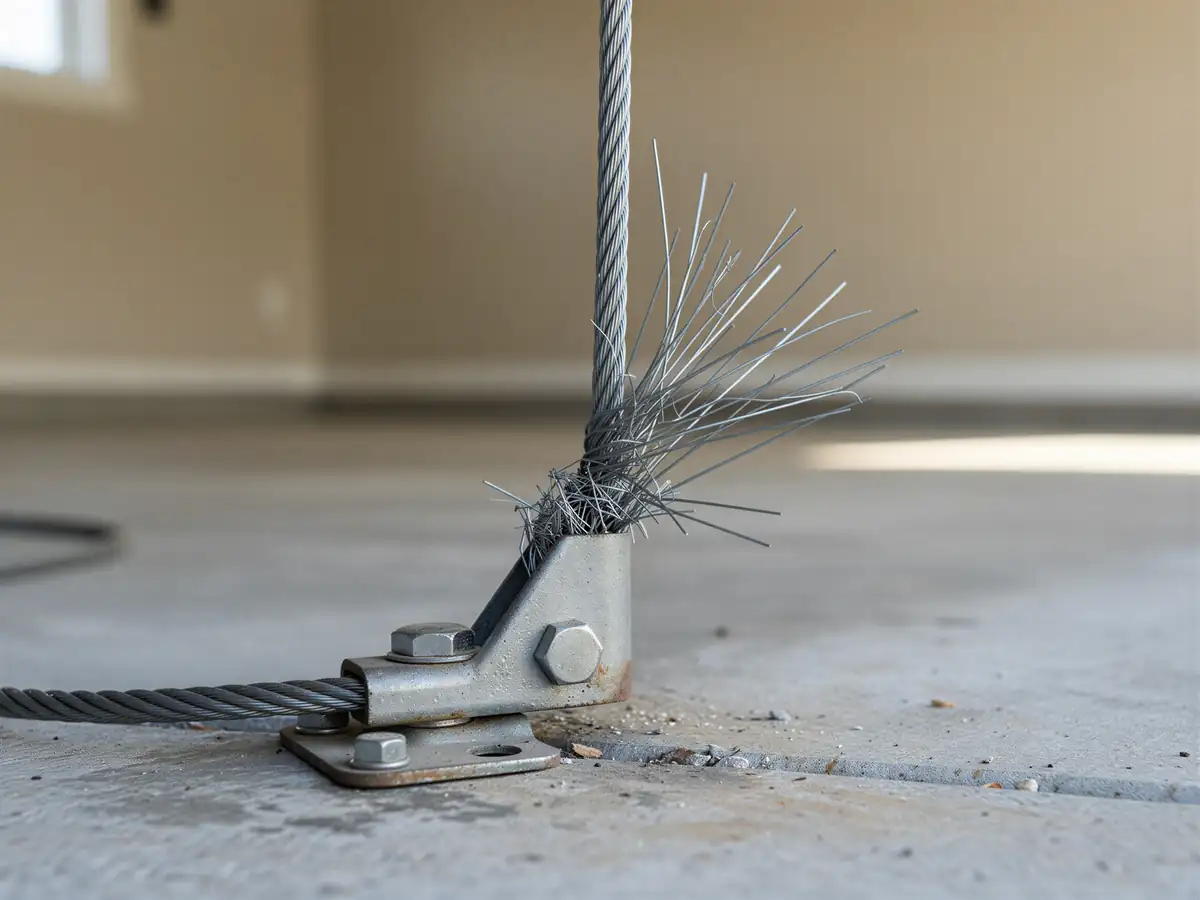
Before a truck ever leaves, roughly what's wrong based on what you describe - a door that won't budge usually means a broken torsion spring, a door that reverses halfway up usually means a track or sensor problem. We work out of 10605 Jamacha Blvd in Spring Valley, which puts most of the area we cover inside a short drive: Casa de Oro-Mount Helix, Lemon Grove, and La Mesa are all about two miles out, La Presa the same, with Rancho San Diego and Bonita around five.
We don't quote a fixed price over the phone without seeing the door
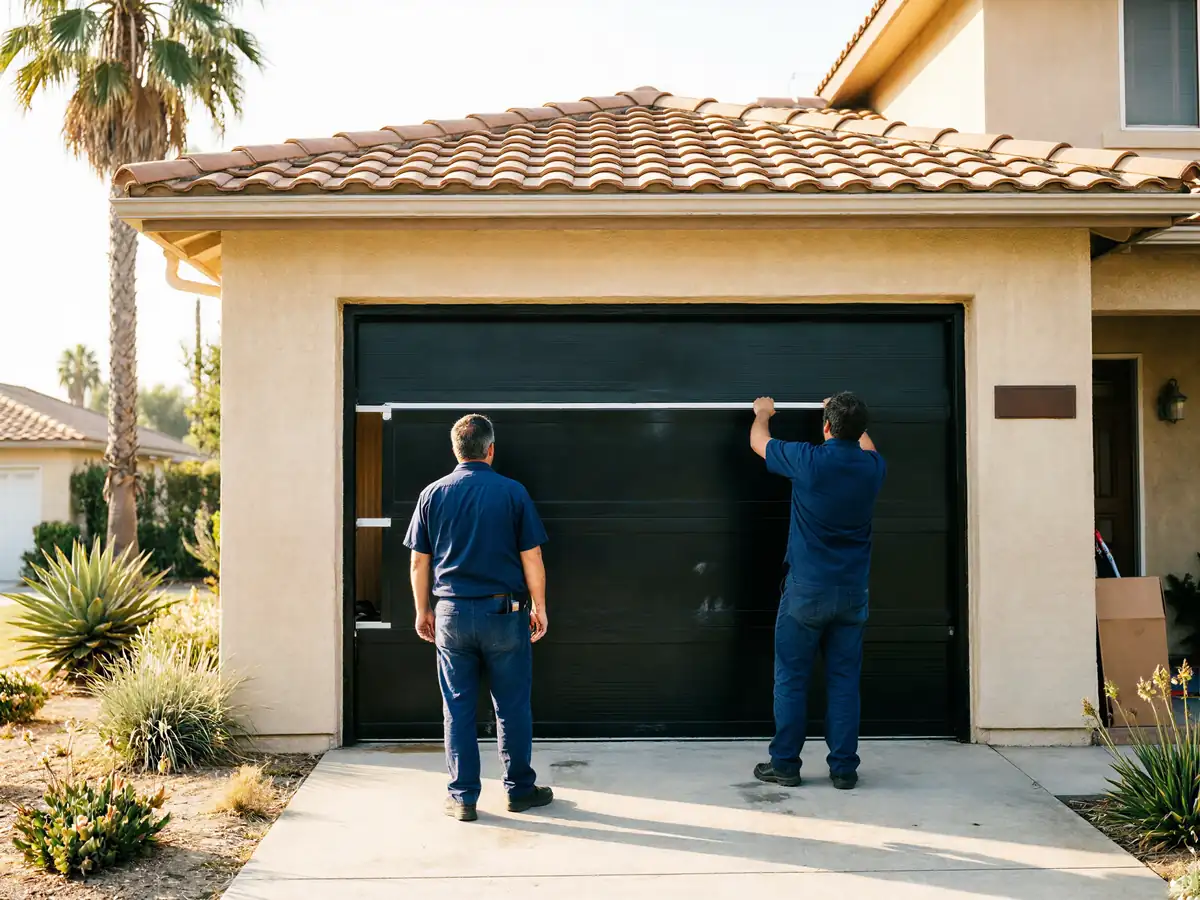
Because a broken spring on a single door and a broken spring on a double door with the same symptom can be two different jobs. What we can tell you is whether it sounds like a same-visit fix or something that needs a part ordered first. Once someone's at the house, the job itself is usually the spring, the cable, the opener, or the track - we diagnose on site and tell you what it'll cost before any work starts, not after.
Plain Answers
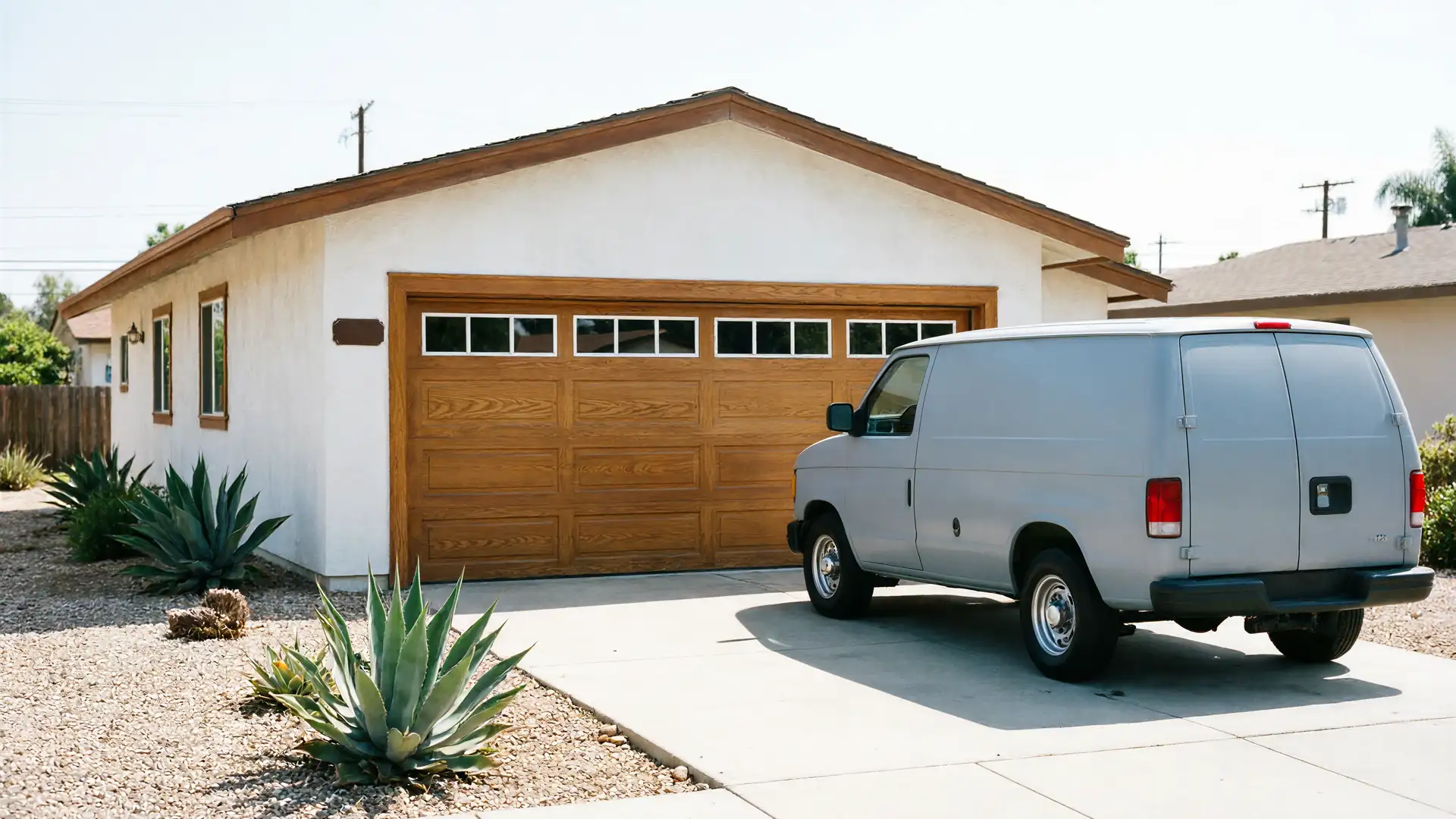
Spring Valley sits in a mild temperate band, so we're not fighting the freeze-thaw cracking that tears up tracks and hinges in colder climates. That's the honest upside of the weather here. What it doesn't fix is age. A lot of the doors we open up were installed when the house was built, and across this stretch of houses that means the 1960s and 70s mostly, with the broader run going from 1967 to 1988 and a median around 1975. A spring built to last fifteen to twenty cycle-years doesn't care that the weather's been kind to it.
Here's the limitation we'll own: if a door is old enough that the track is bent, the panels are rusted through at the bottom, and the opener motor is also dying, we'll tell you straight that replacement makes more sense than patching three separate failures one at a time. We'd rather lose a repair job than sell you three band-aids on a door that's done. We also don't do new construction installs - our work is repair and replacement on existing doors, not building out a garage from scratch.
What We Actually Do
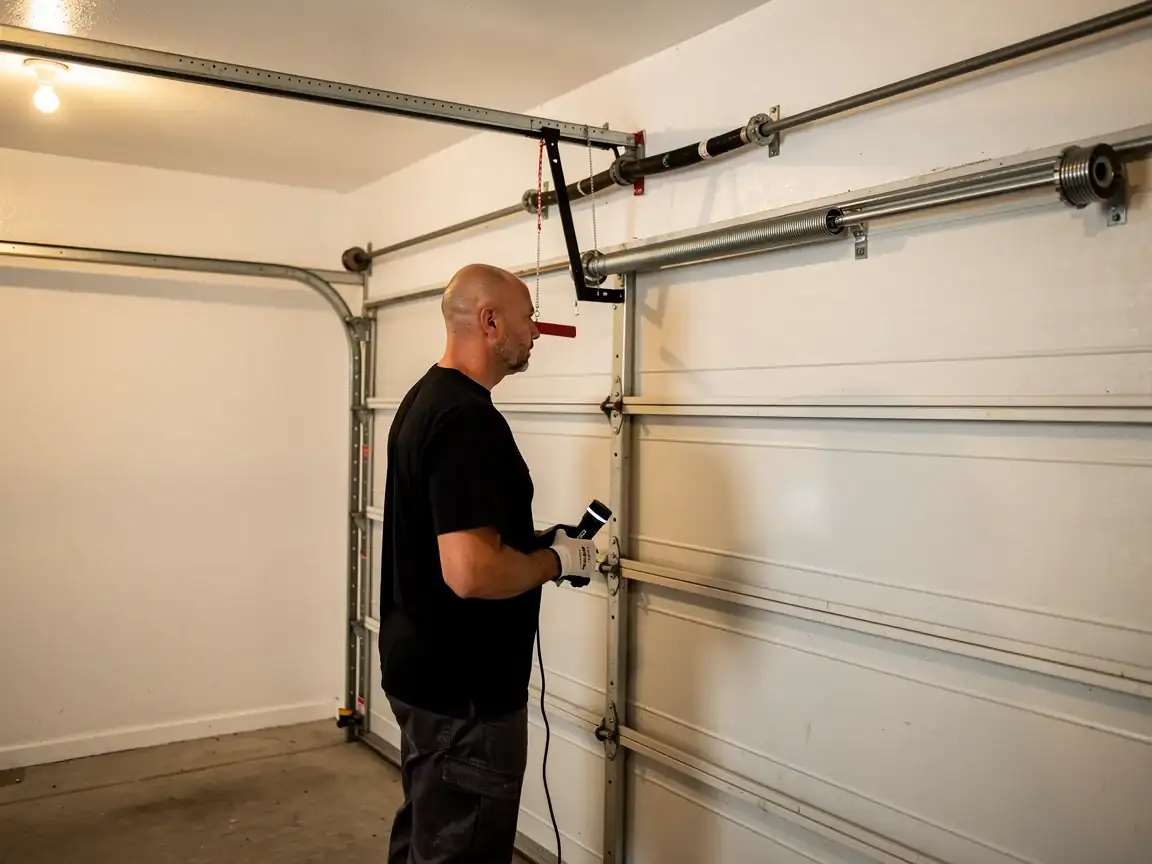
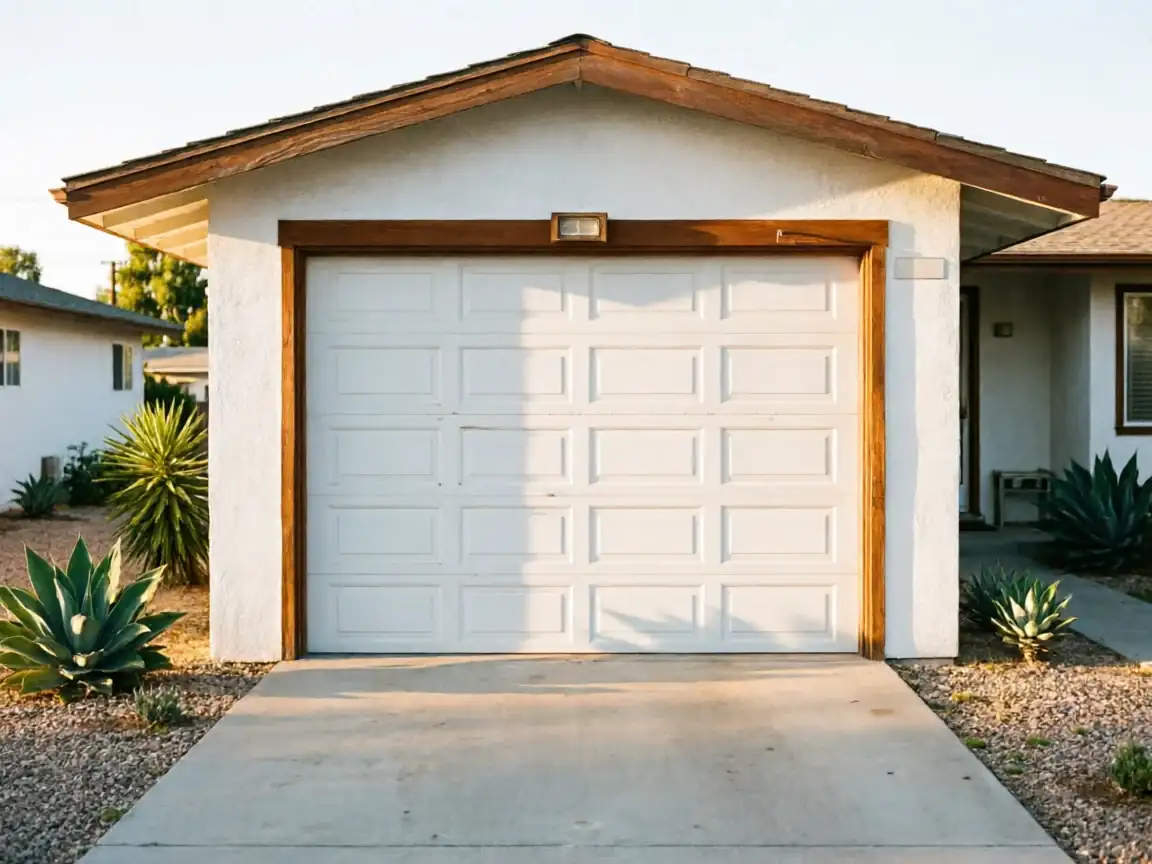
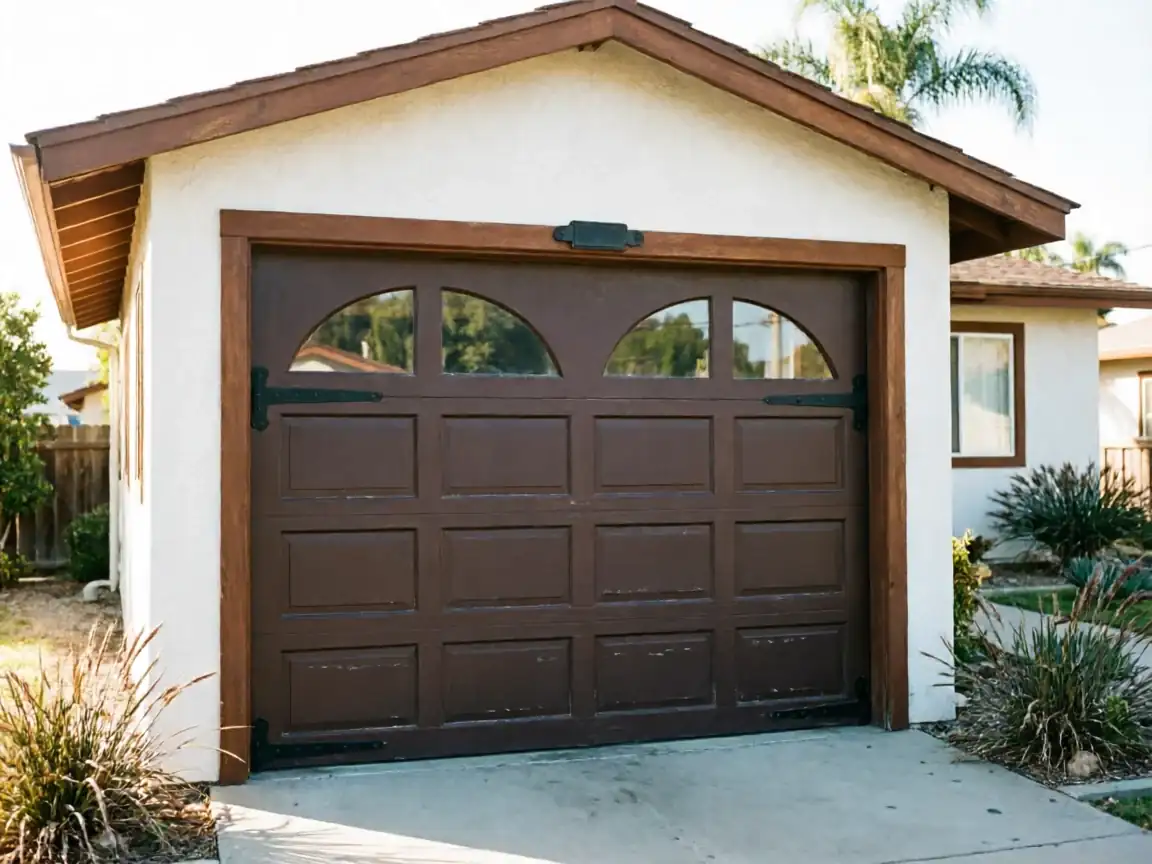
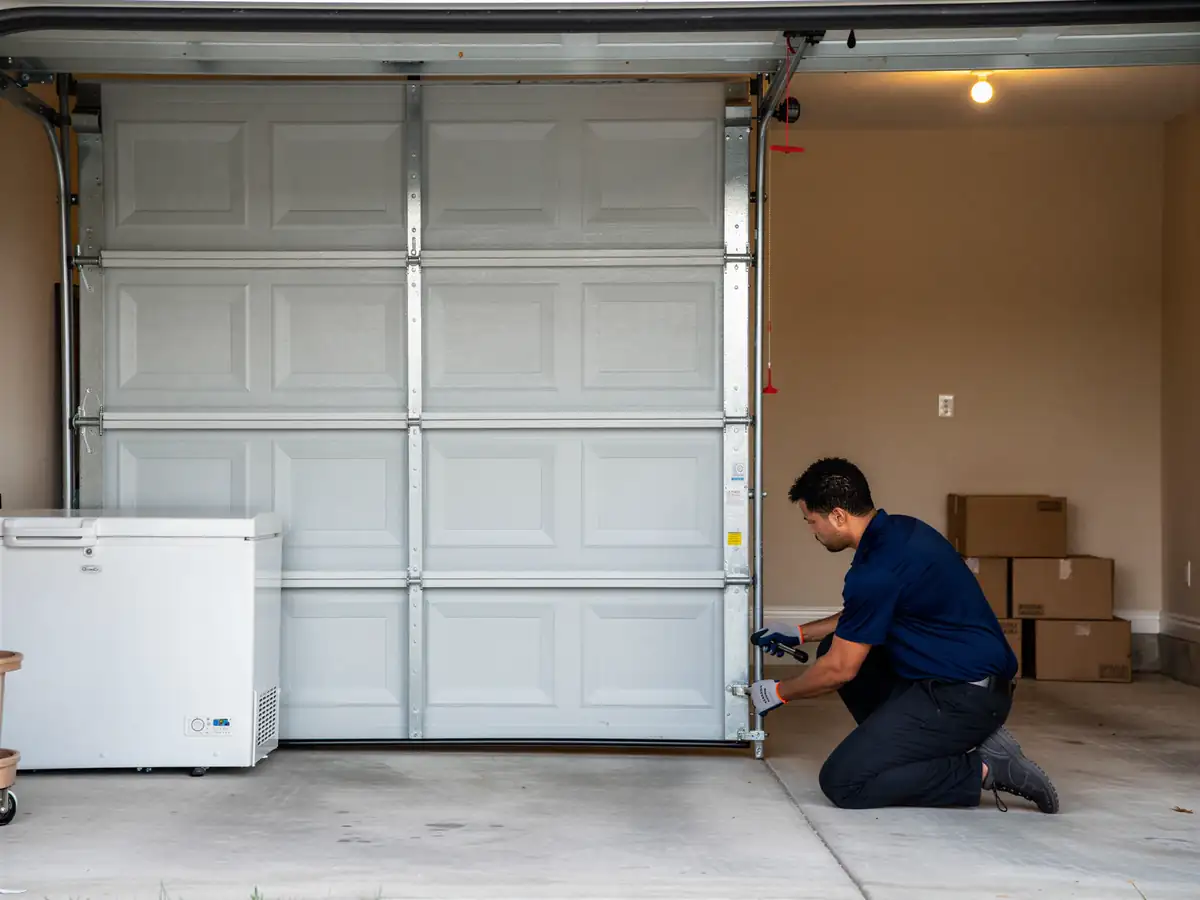
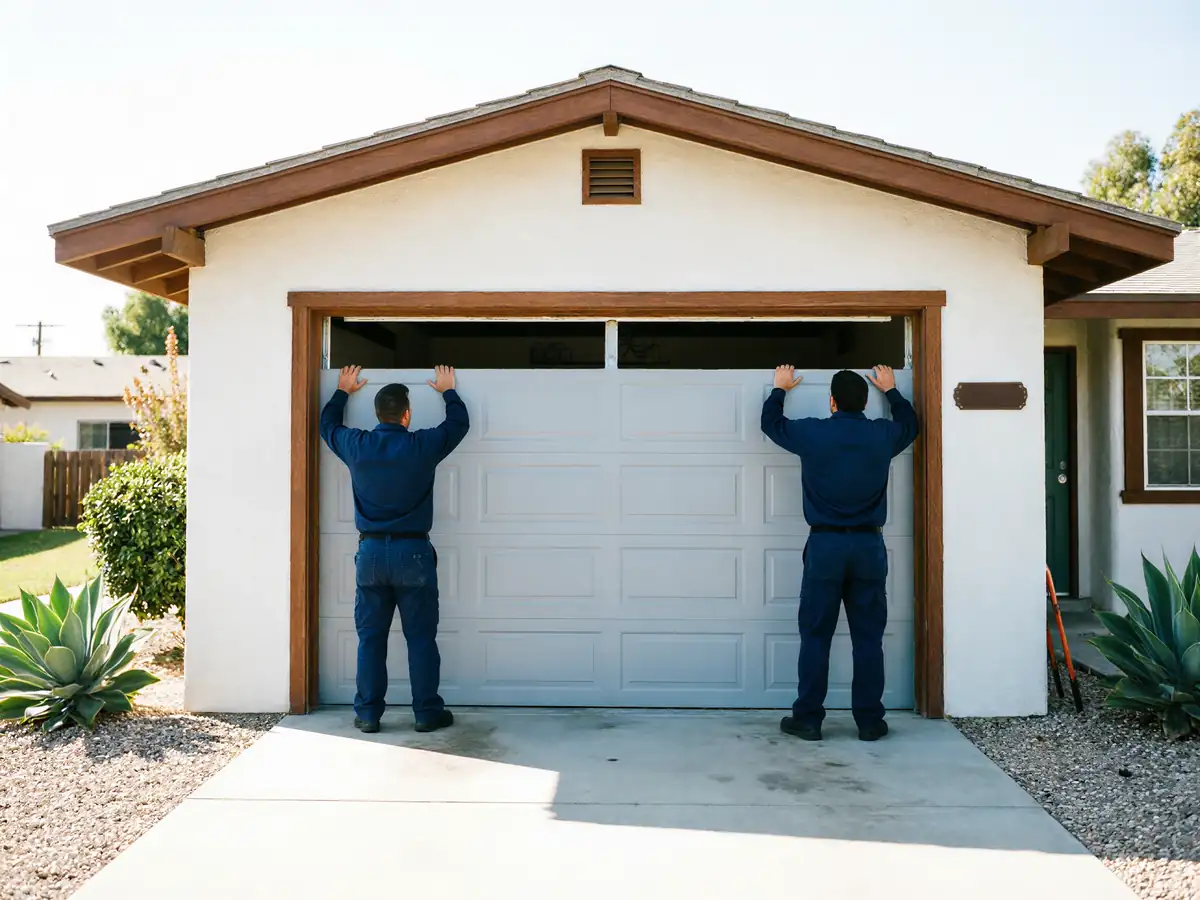
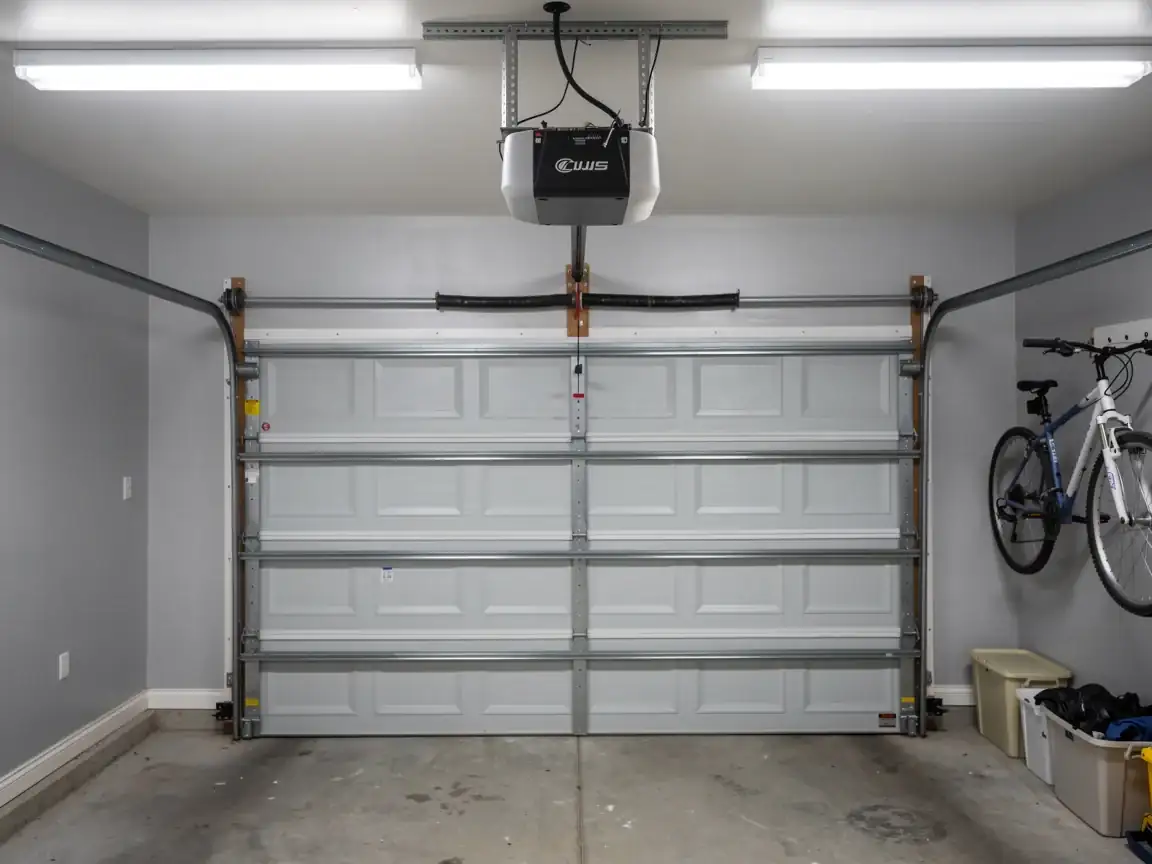
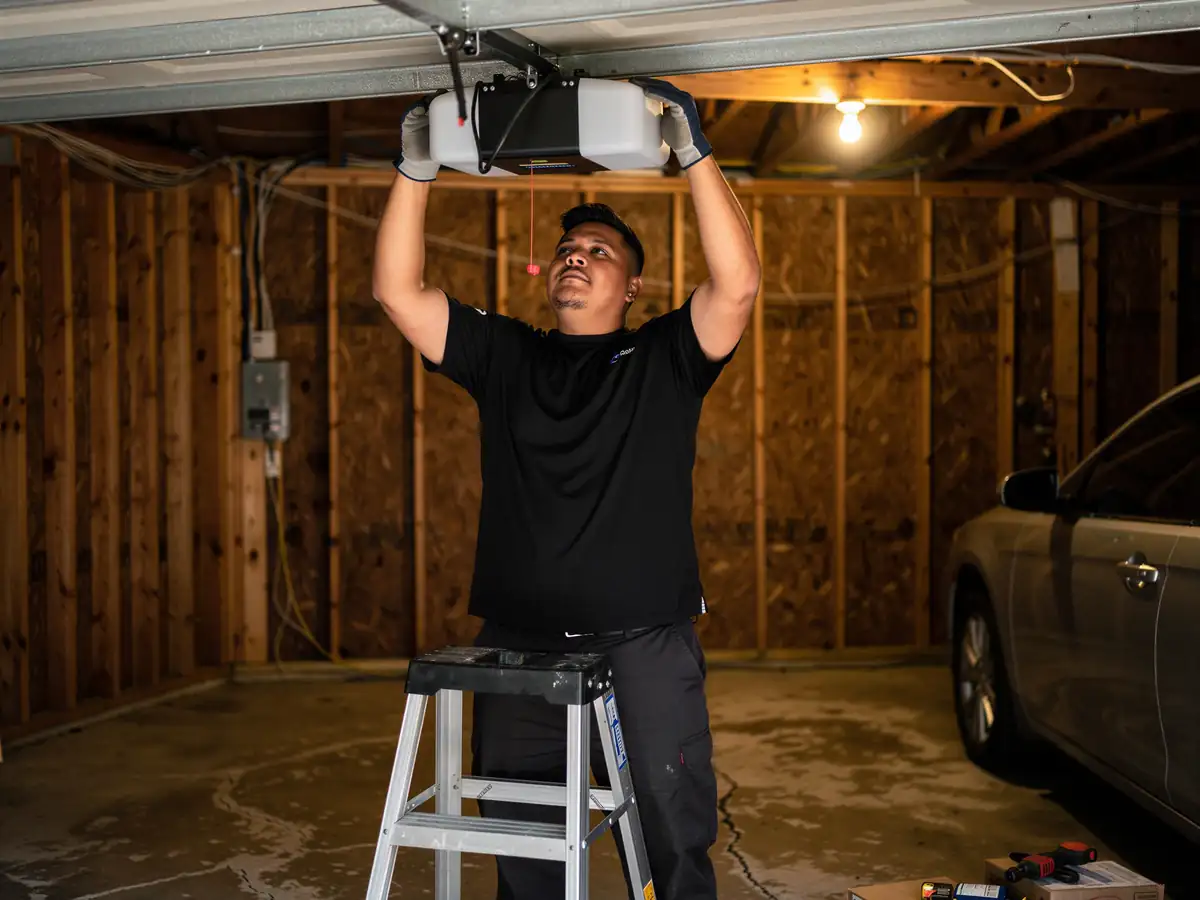
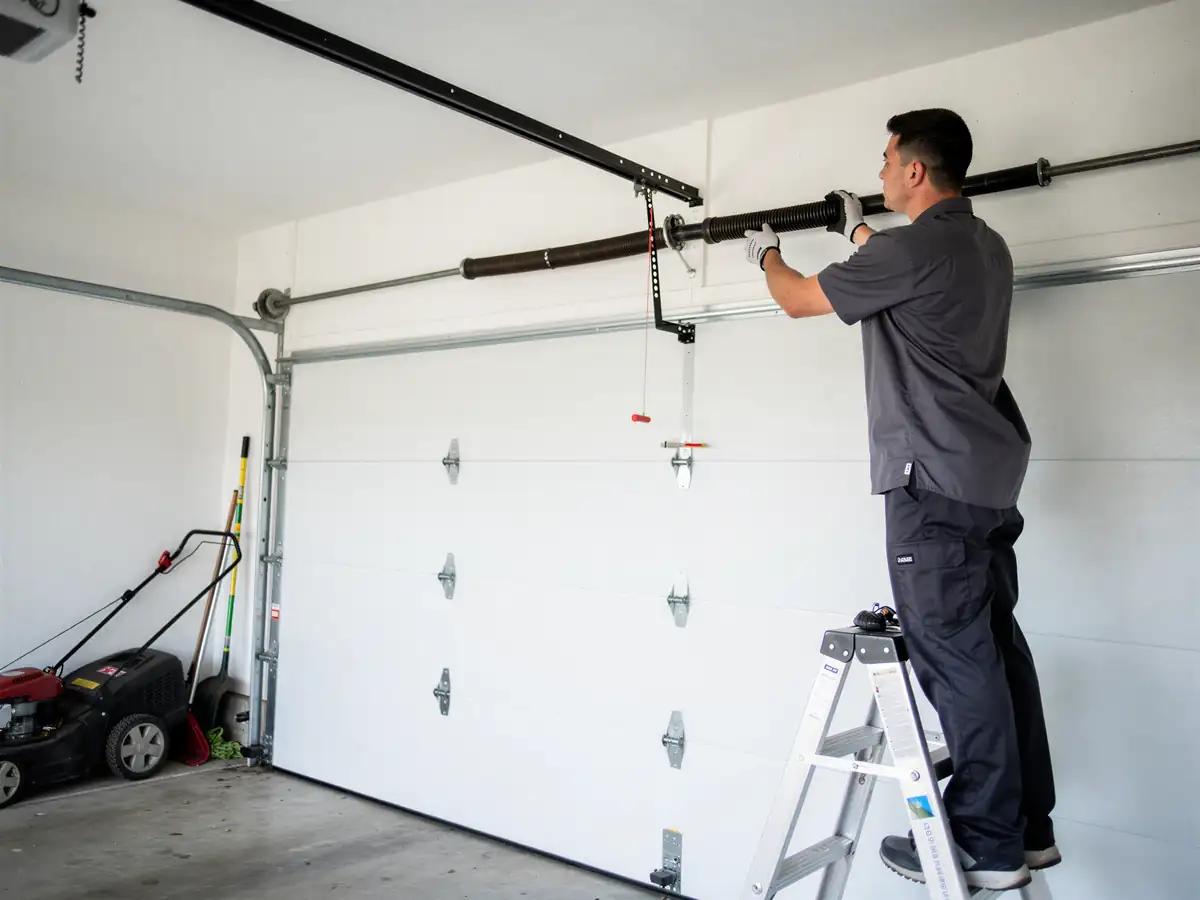
Torsion springs are the most common call - on a house built in the 1967-1988 window, a spring that's never been touched is either close to failing or already has. We also work cables, rollers, and tracks, and we replace openers when the motor burns out or the logic board stops talking to the remote. Panel repair comes up when a door's been backed into, which happens more than people expect on older single-car doors with narrower clearance.
Across the eighteen communities we cover - from Casa de Oro-Mount Helix two miles out to Alpine sixteen miles north - the housing stock runs mostly 1960s and 70s construction, so a lot of what we see repeats: same-era torsion hardware, same-era panel gauge, same wear patterns. With roughly 46,922 owner-occupied houses across the area we serve, a good share of them are still running the original door hardware that came with the build. At a median household income of $105,887 across the service area, most owners here choose to replace a worn-out opener outright rather than keep feeding it new parts. We don't do fencing, gates, or general carpentry - doors, springs, openers, and the hardware that moves them is the whole business.