Season by Season
Spring Valley sits in a mild temperate band
So you don't get the freeze-thaw cycle that wrecks garage door hardware in colder parts of the country. That's good news and it's also why people here get caught off guard - a sudden noise doesn't have a cold snap to blame, so owners assume something dramatic happened overnight. It didn't. What you're hearing is usually gradual wear finally crossing a threshold.
In the warmer stretches, steel expands slightly and dry grease thins out faster
So a quiet door can start humming or squealing as summer goes on. Through the milder months, that same grease can gum up with dust if it hasn't been wiped and reapplied, which brings back the grinding sound once the door moves again after sitting. There's no month here where the door gets a true break from use or from heat - it's a steady, year-round load on hardware that, in a lot of these houses, has already been carrying that load since the 1970s or 80s. That's the real pattern to watch: not a seasonal spike, but a slow climb in noise as original parts age out.
What to Check
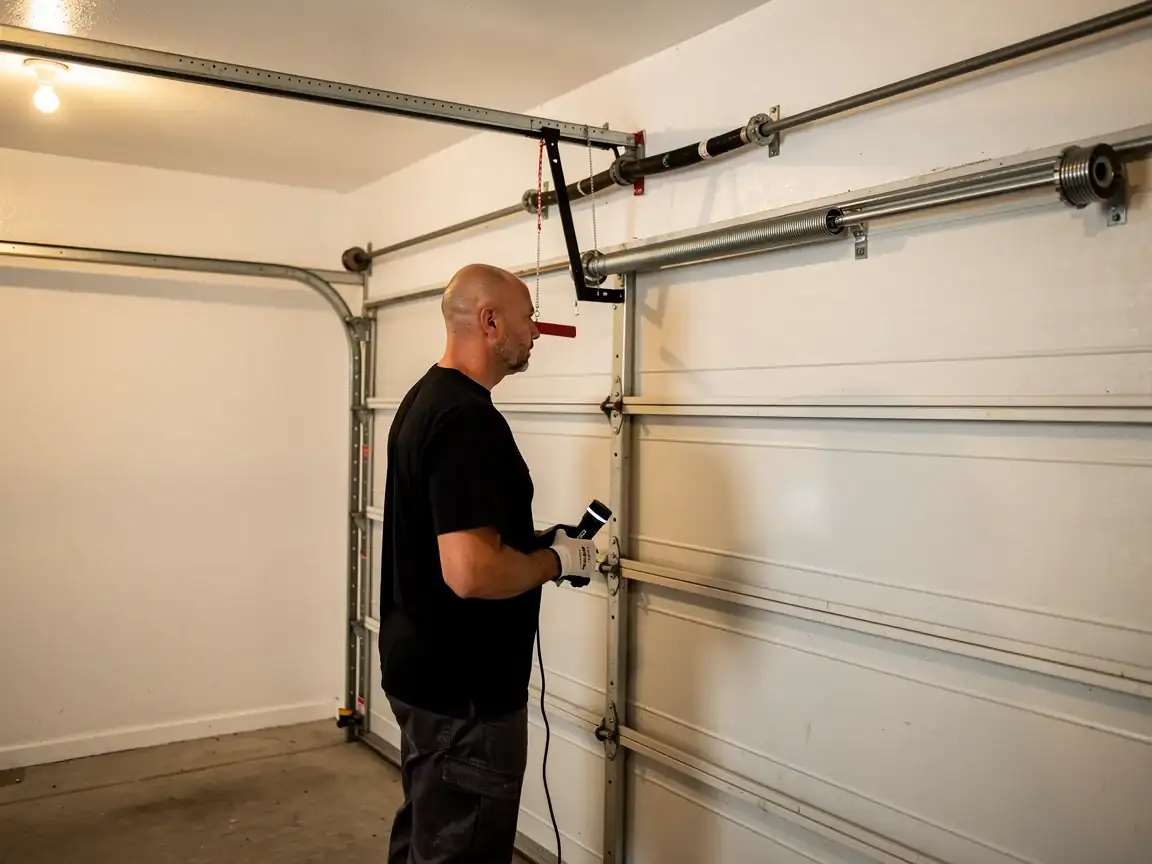
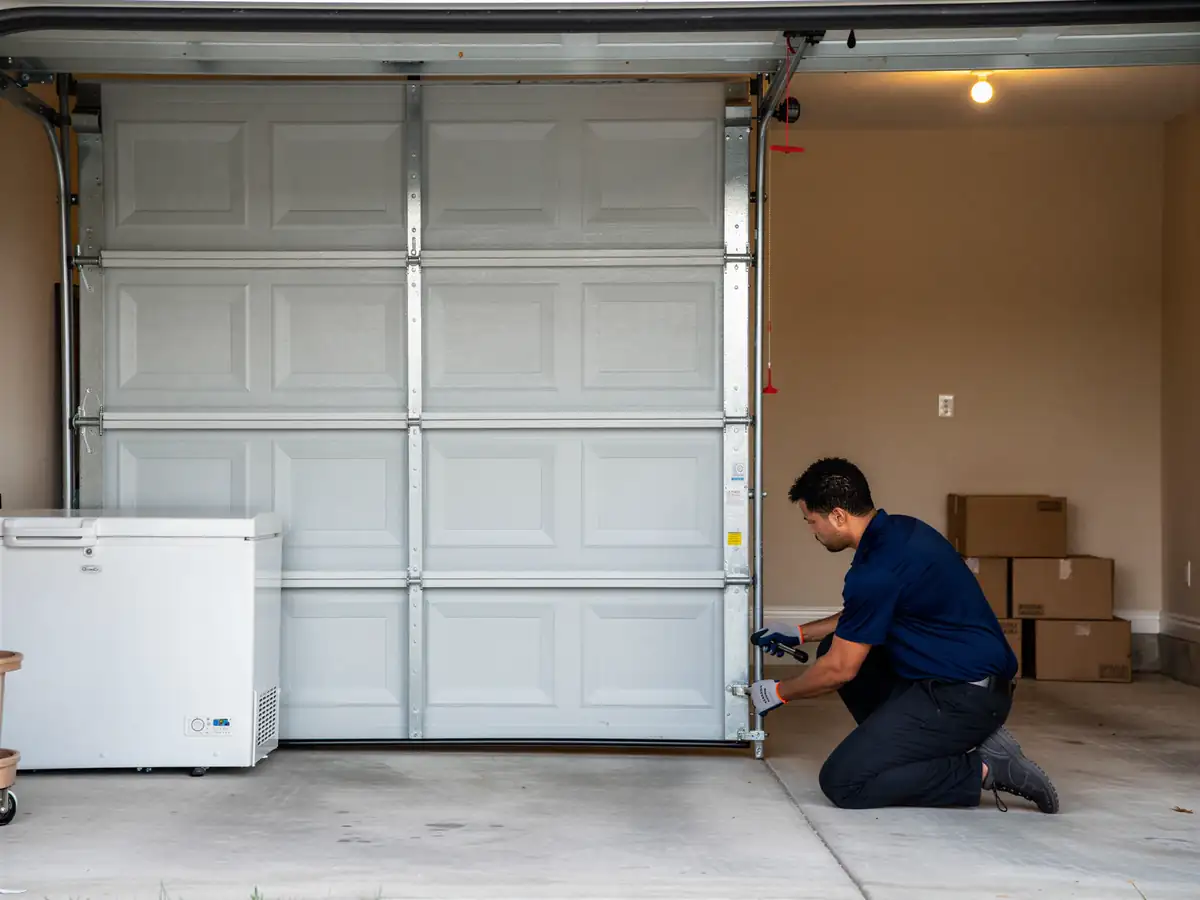
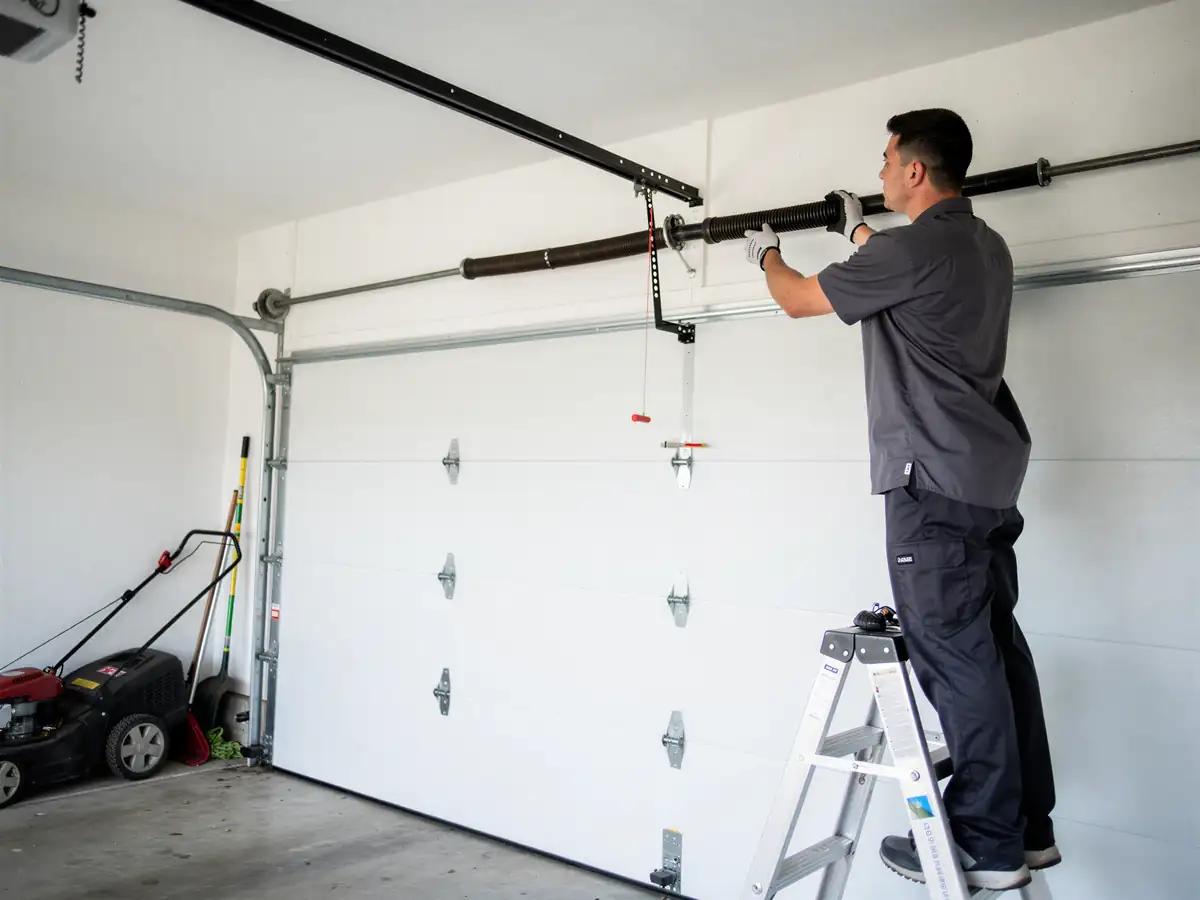
Start at the springs above the door. If you hear a loud bang followed by the door refusing to open evenly, that's a torsion spring letting go - common once a spring built into a house from the 1967-1988 wave hits the end of its cycle count. A rhythmic thunk as the door travels usually means a bent track section or a roller that's worn flat, not round.
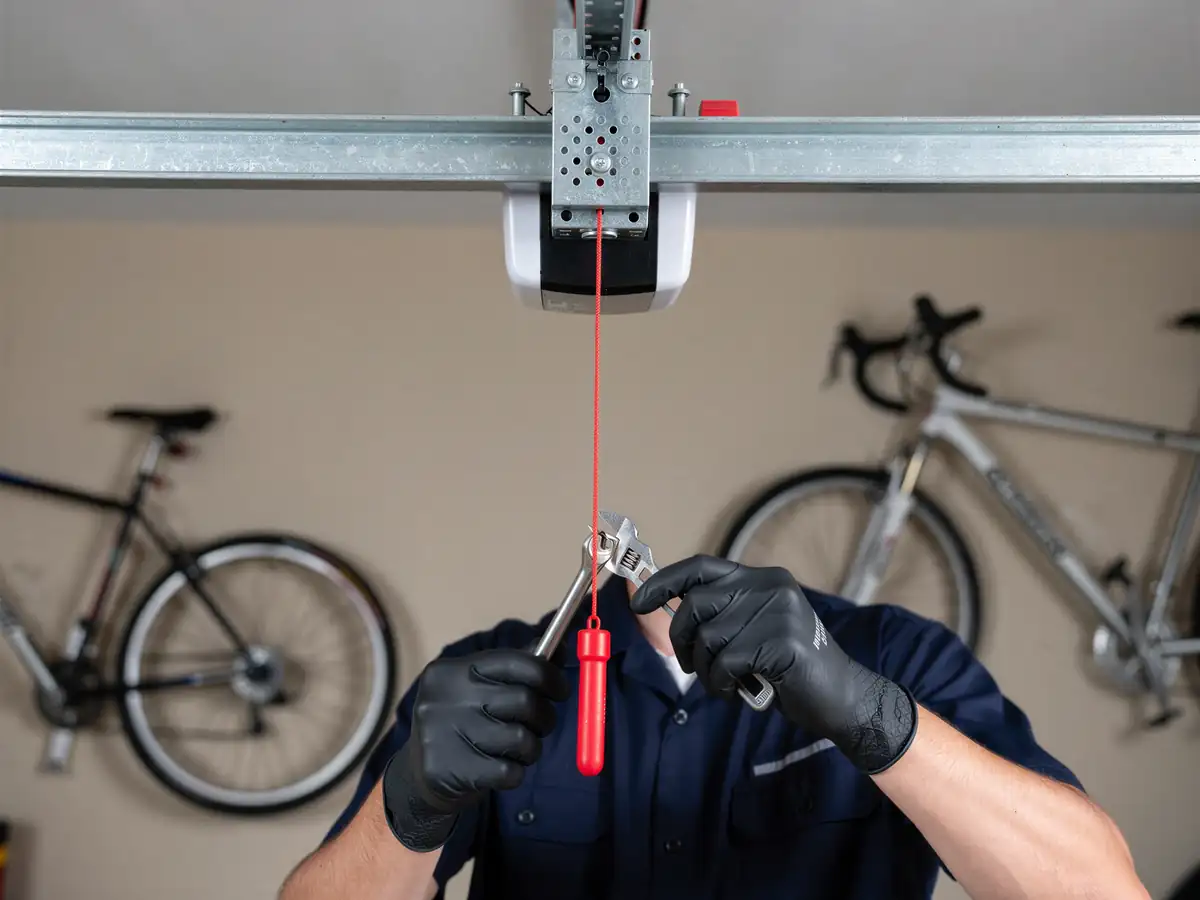
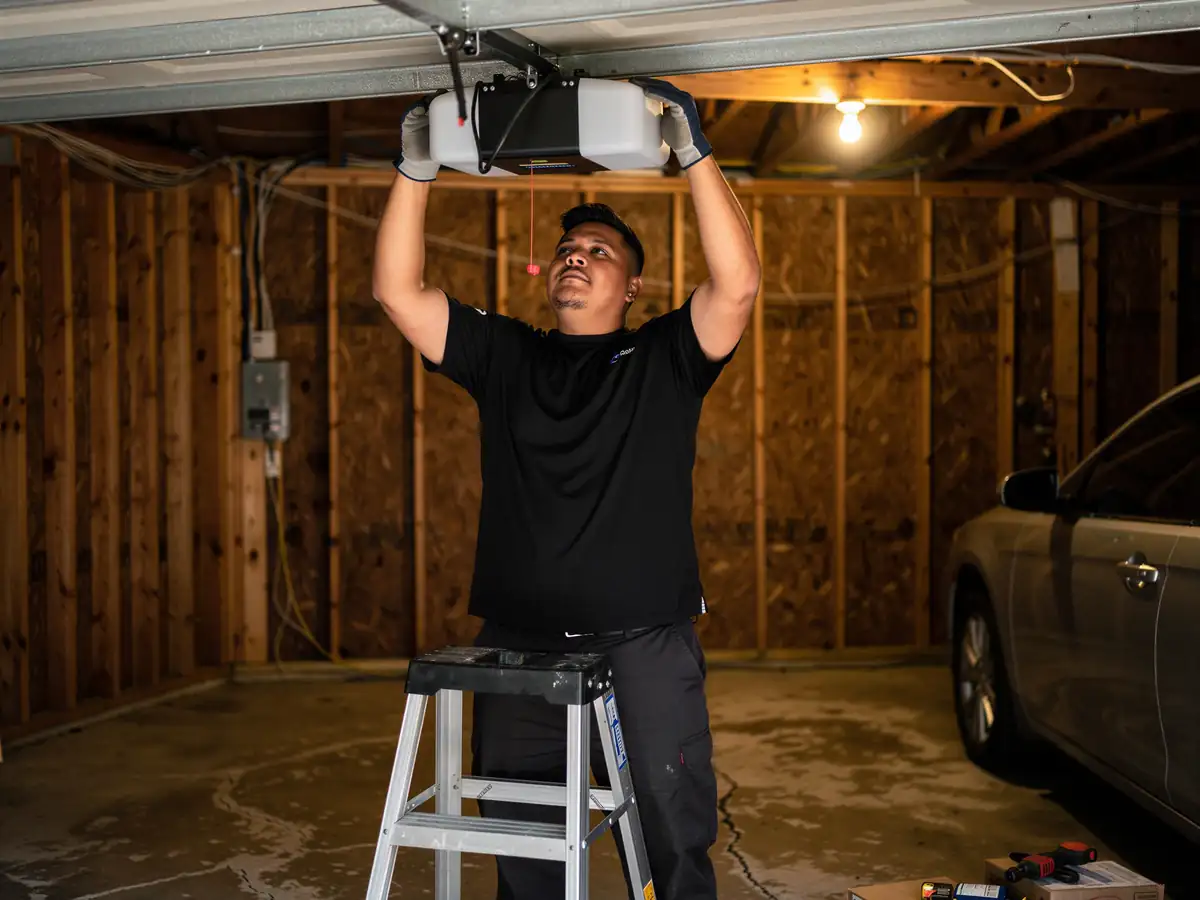
Listen for grinding specifically at the motor end of the opener. That's usually the drive gear, a plastic part that wears down faster than anything else in the system and is cheap compared to what happens if you ignore it - a stripped gear eventually means the opener runs but the door doesn't move at all.
A squeal that rises and falls with the door's travel points to dry hinges between panels. That one's the easiest fix and the one people put off longest because it doesn't sound urgent. It is worth doing anyway - unlubricated hinges are what eventually cause the louder, more expensive noises above. We don't inspect every noise over the phone; some of this only tells you the real story once we're looking at the actual hardware in your garage.
What Local Conditions Do
The housing stock across this service area - Spring Valley and the string of nearby communities from Casa de Oro-Mount Helix and La Mesa out to Lakeside and Alpine - is mostly 1960s-70s construction, with a median build year around 1975. That matters more than people think. Hardware from that era was built to a different spec than what goes into a door today, and a lot of it is still the original installation, never swapped out, just maintained around.
Because the climate here doesn't force a yearly hardware check the way snow and ice do elsewhere, these original parts often get serviced only when they make noise, not on a schedule. That means by the time you hear something, the part is usually well past the point where a little oil fixes it. It's not that Spring Valley conditions are harsh - they're mild, which is exactly why wear goes unnoticed for years at a stretch. The noise isn't the problem showing up. It's the problem finally getting loud enough to notice.
The Situation
With 46,922 owner-occupied houses across this area built mostly in that same two-decade window
A grinding opener gear or a banging spring is one of the most common calls we get, not an unusual one. If your house falls into that 1967-1988 range, the odds are decent that what's making noise is original equipment.
- 46,922 owner-occupied
Here's the honest limit
We can tell you a lot from a description over the phone, but we can't tell you whether a spring is about to fail or has another two years in it without seeing the wear on it directly. And sometimes the right answer isn't a repair - if the opener, springs, and track are all original and all near the end, patching one part just means we're back for the next one in six months. For a lot of these older Spring Valley houses, replacing the whole system once ends up costing less than three separate repair calls spread across two years.