Garage door repair and spring replacement for La Presa homes built mostly in the 1970s. We travel the 2 miles from Spring Valley for torsion spring, opener, and track calls.
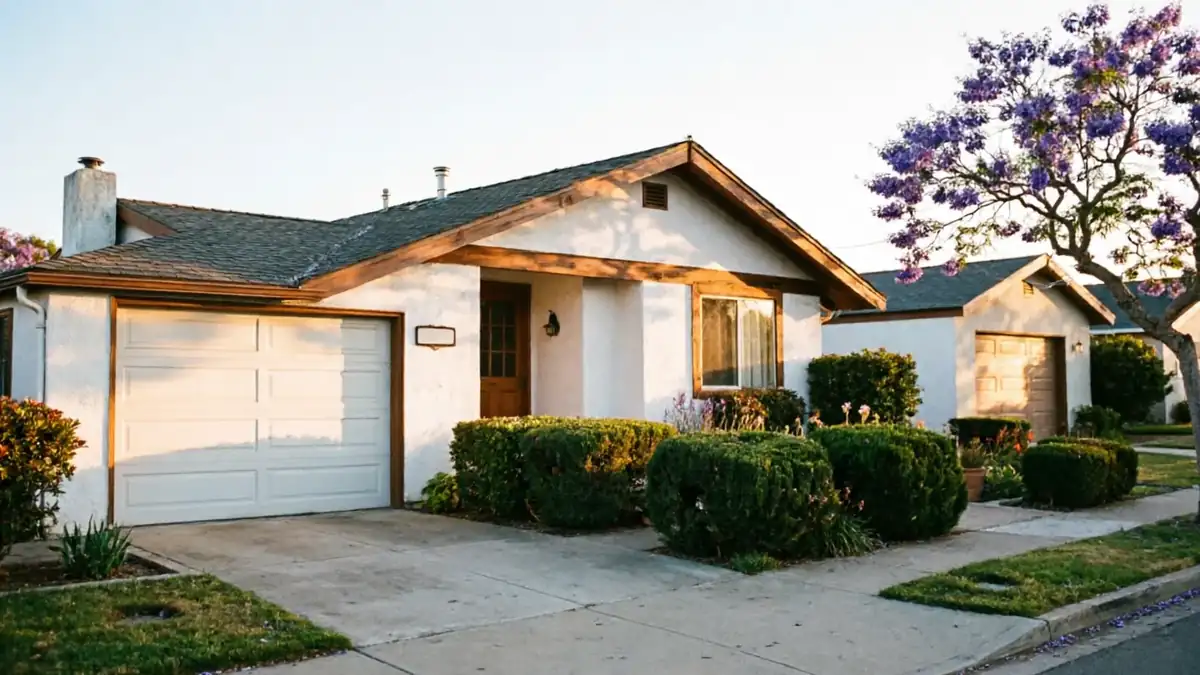
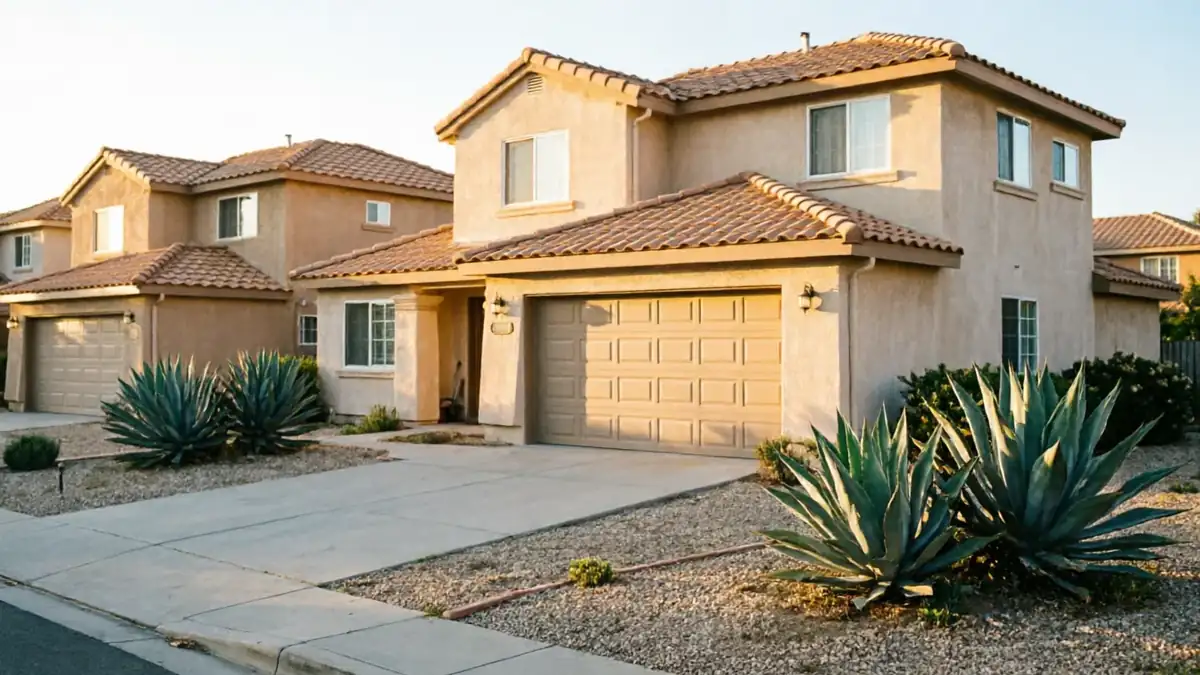
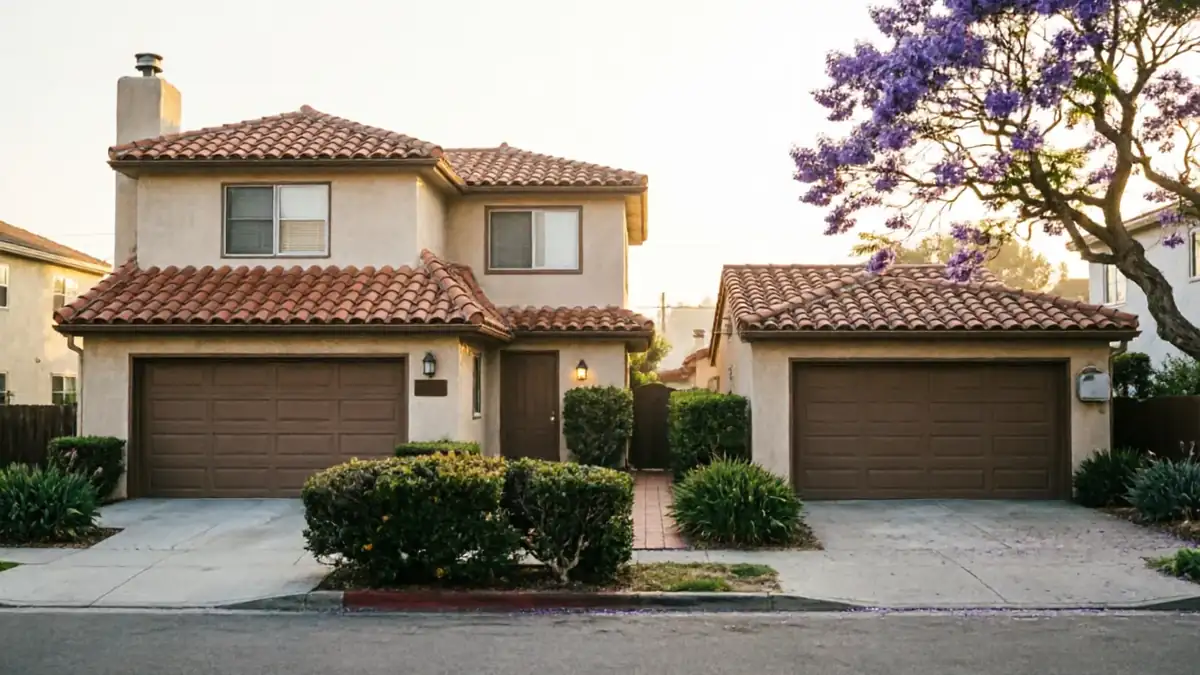
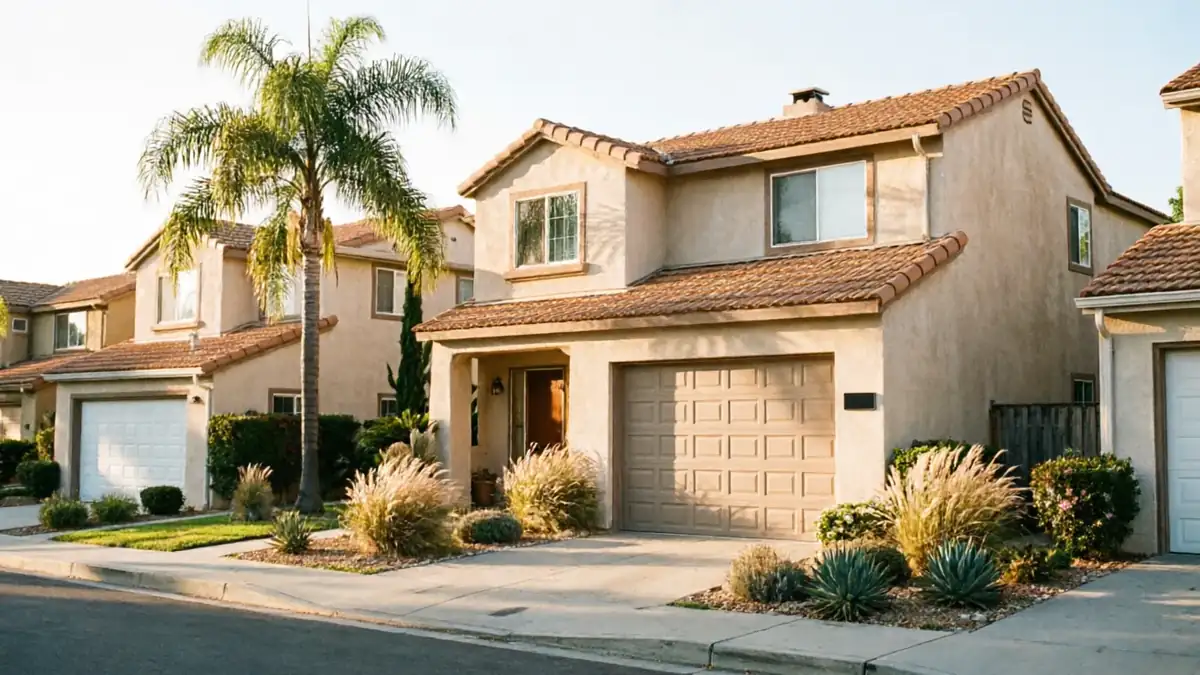
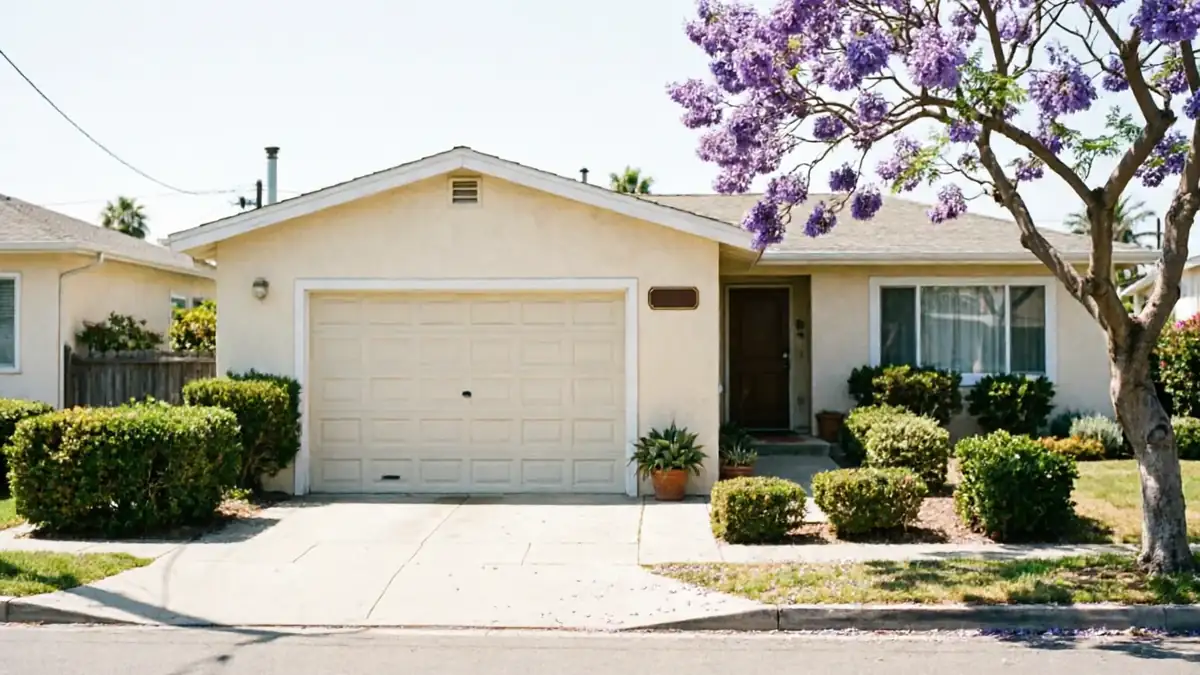
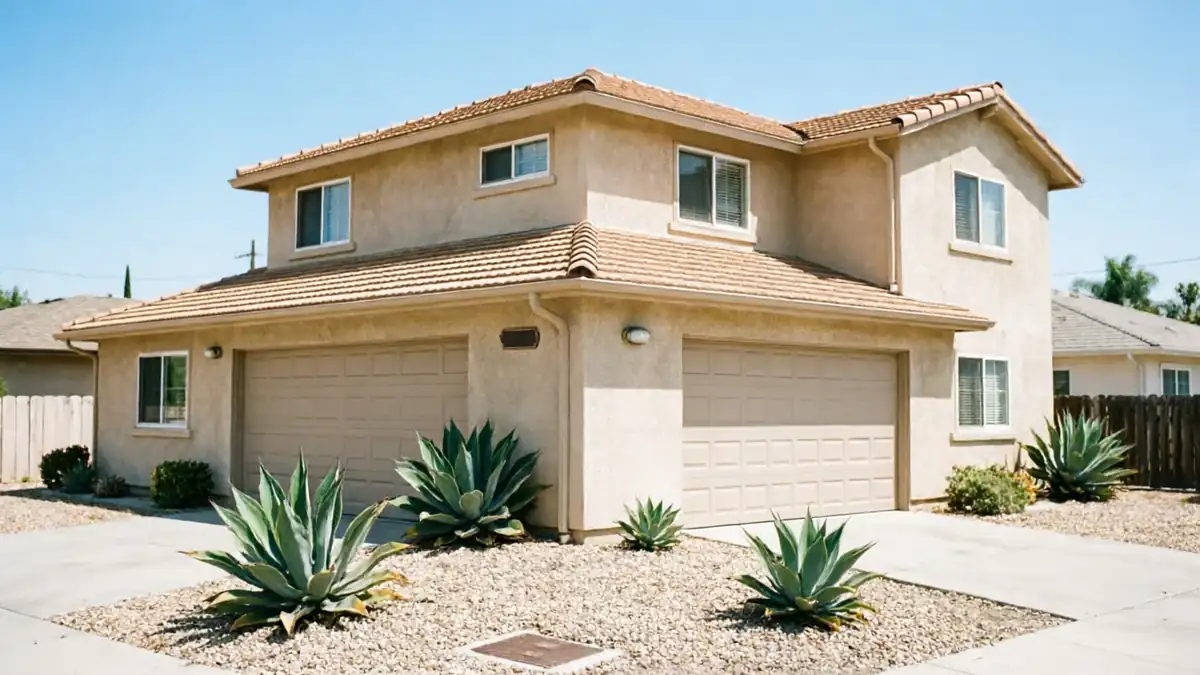
La Presa sits two miles from our Spring Valley yard, and the calls we take from here track closely with what the houses are. The area has 11,155 households, and the homes going up around them trace back to roughly 1975, the same midpoint year we see across the wider 18-community stretch we cover. That means a lot of torsion springs that have been cycling for decades, openers that are on their second or third motor, and steel sectional doors that were the standard build when these streets were platted. We don't get many calls for brand-new smart openers failing to pair with a phone. We get calls for springs that finally let go on a cold morning, and for doors that have started binding on tracks that were never quite plumb to begin with. Median household income here runs around $88,479, noticeably under the $105,887 figure for the service area as a whole, and that shows up in how people decide between a repair and a full replacement - a lot of folks here want the door fixed, not upgraded. We respect that. A repair that gets another ten years out of a door is a good job, not a lesser one.
How That Shows Up in the Door
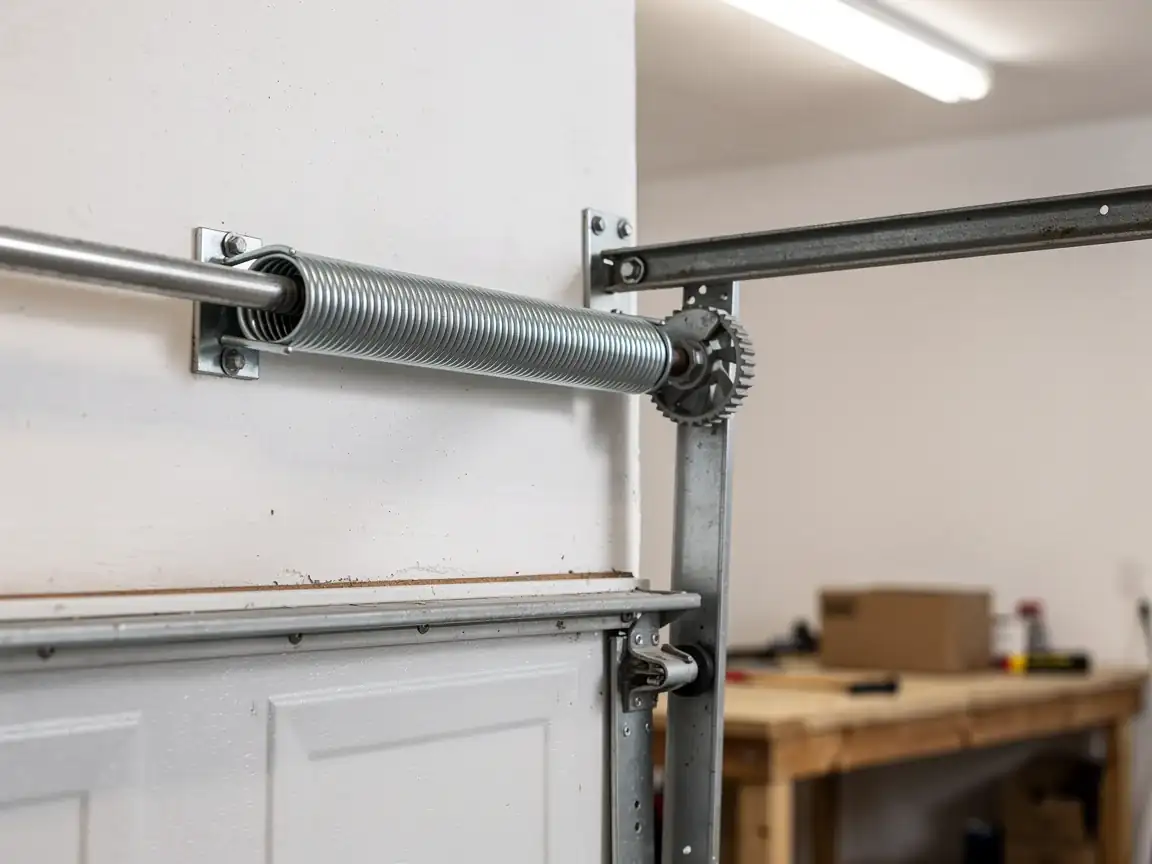
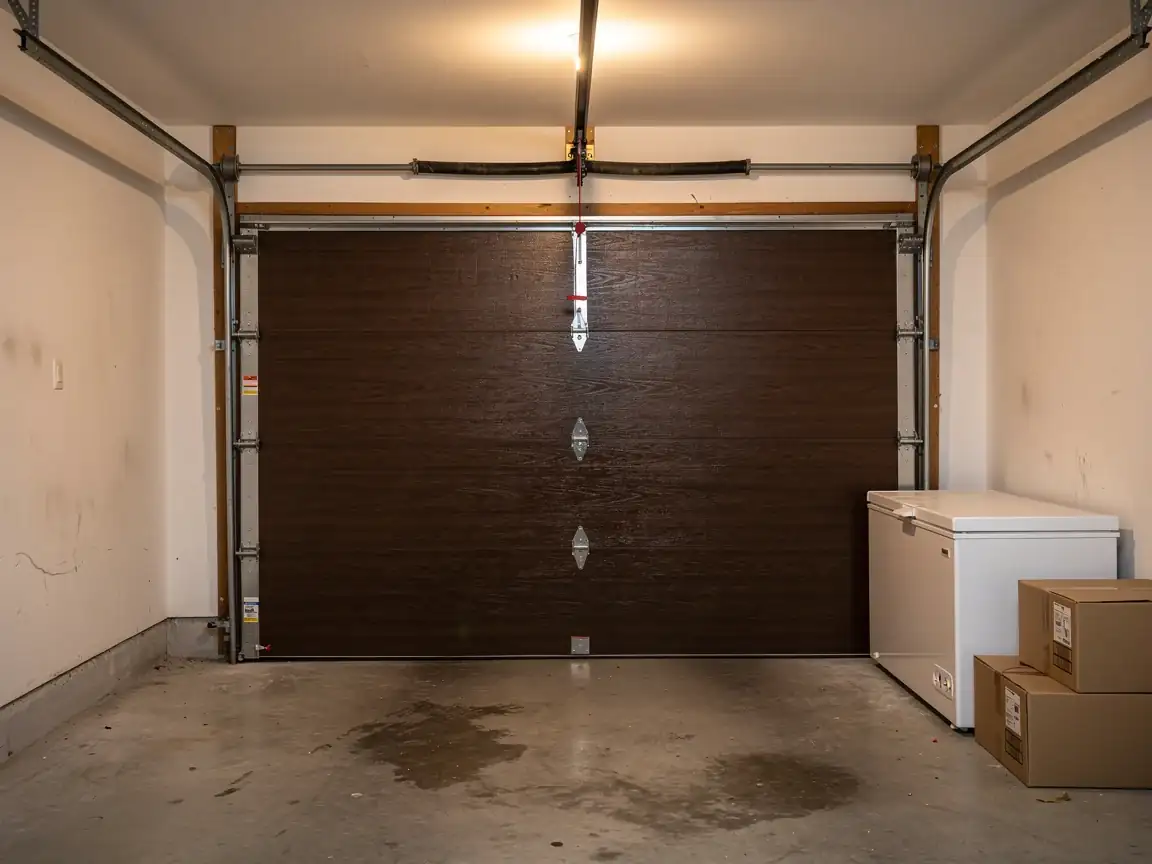
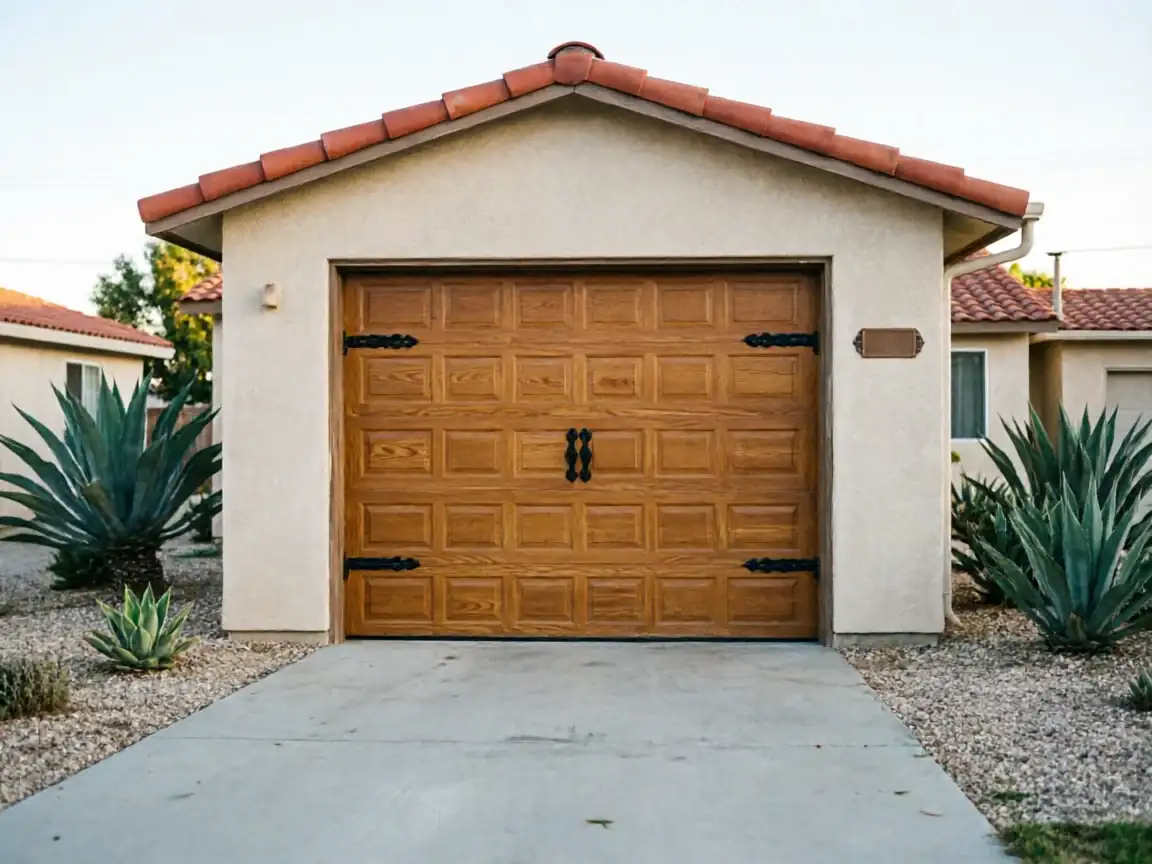
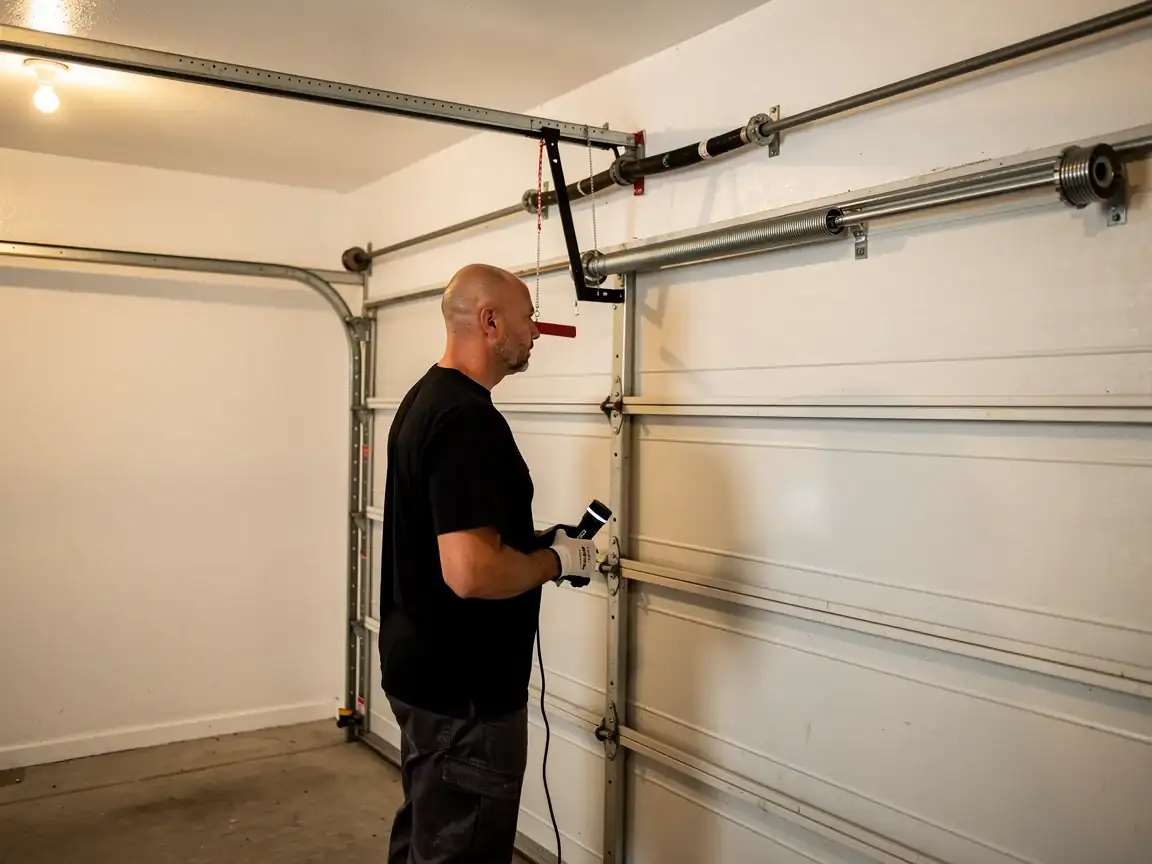
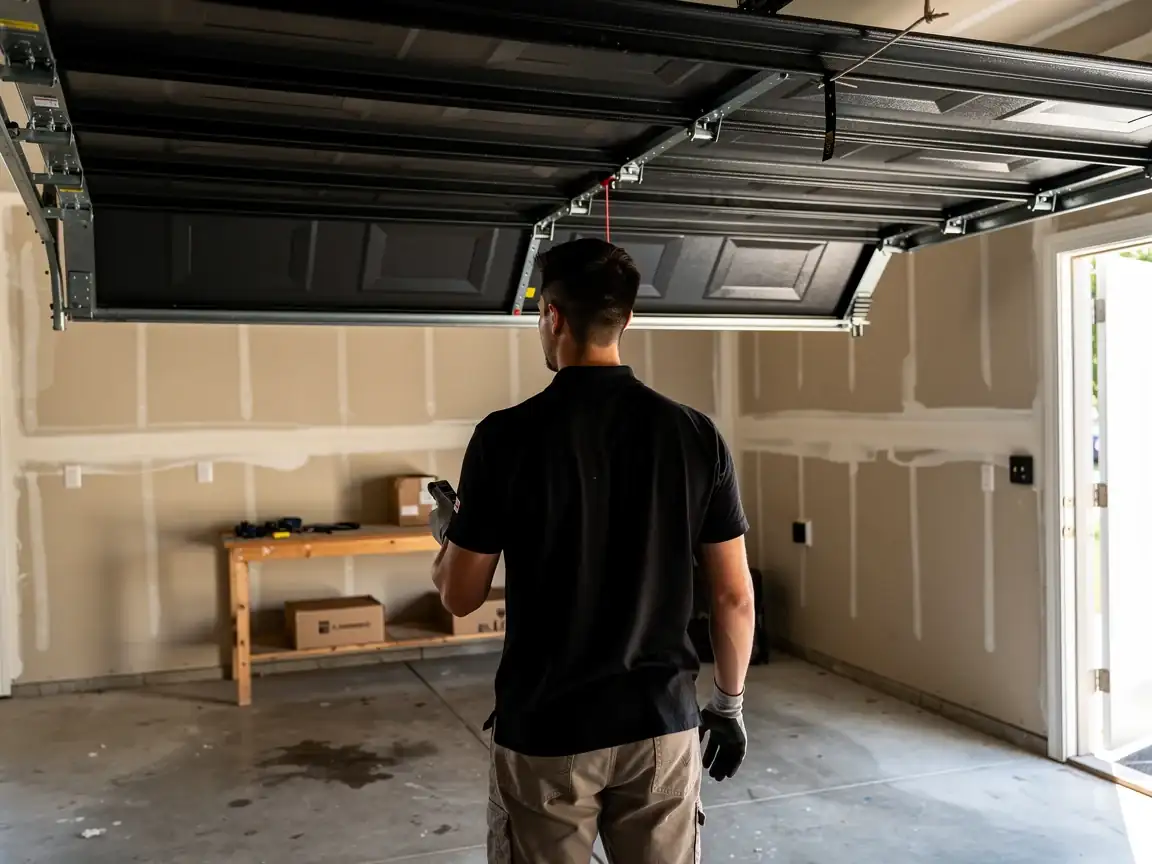
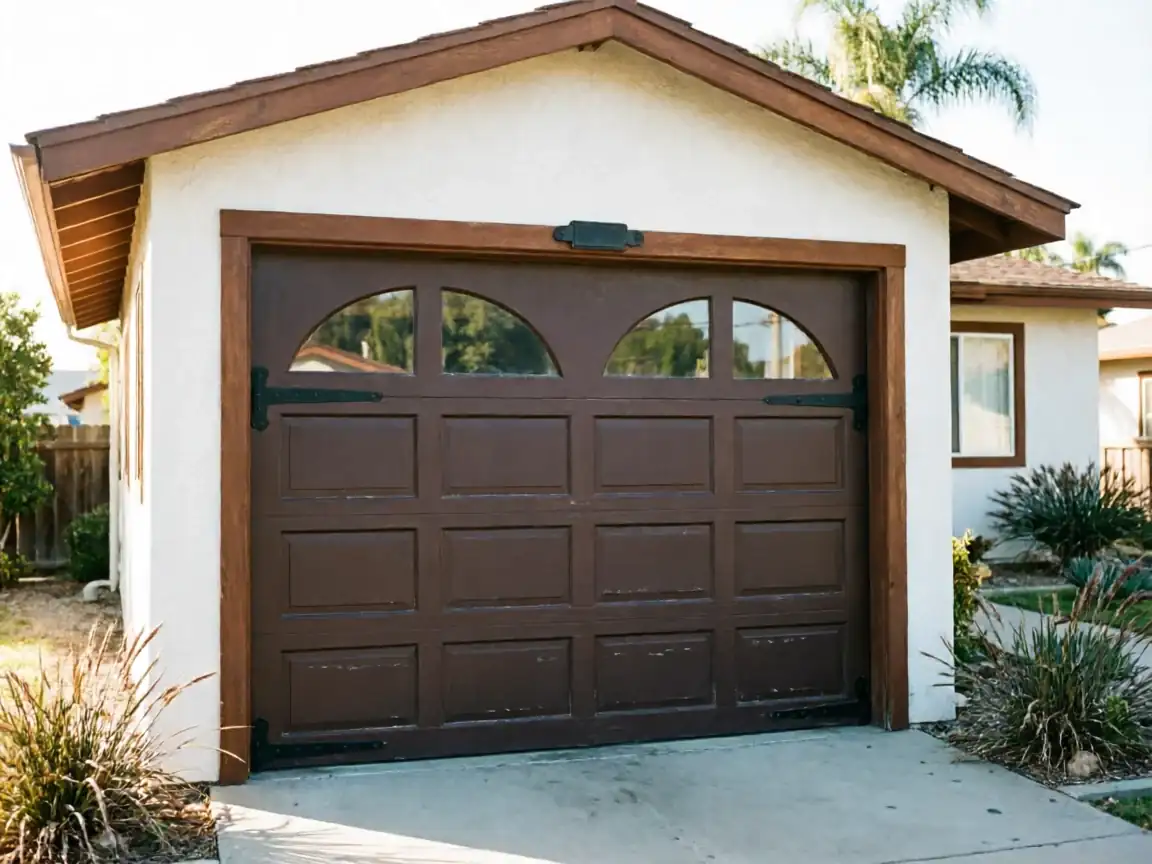
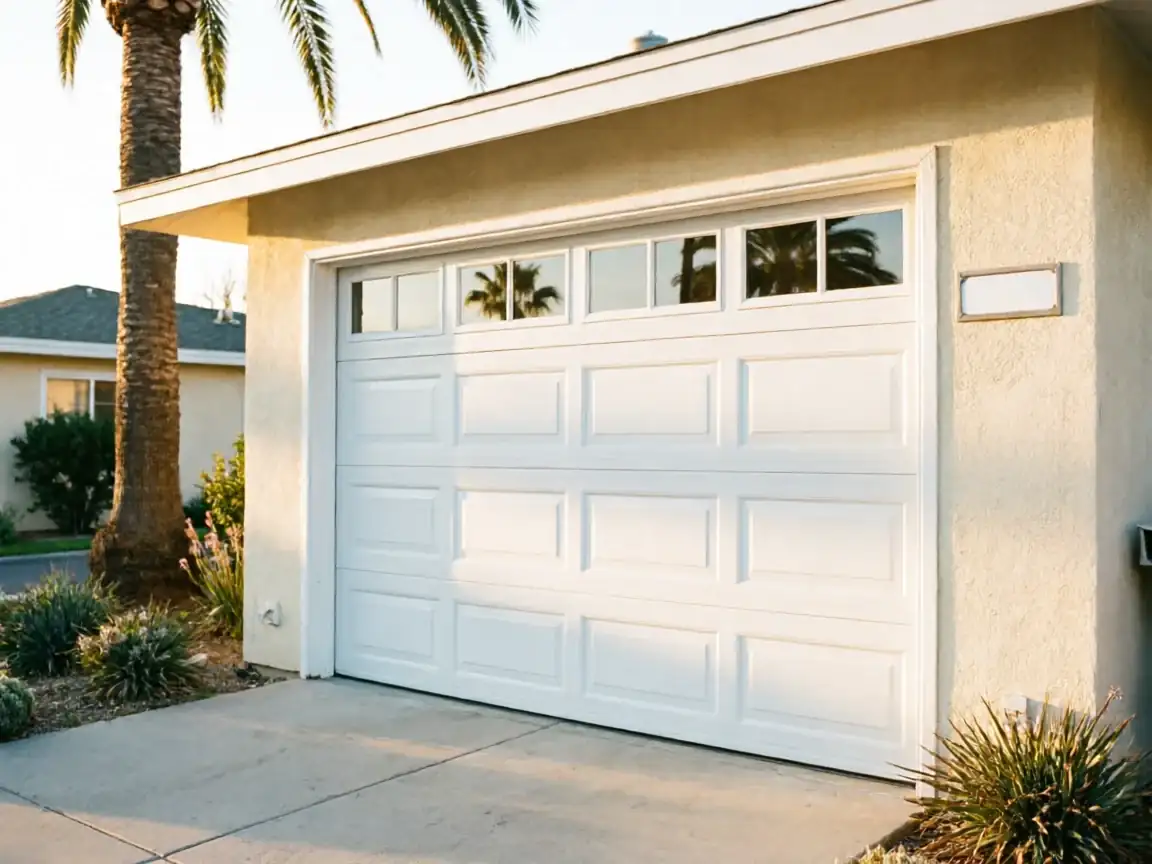
A door built around the mid-1970s was engineered for a lighter household load than most garages carry now. One car, maybe a lawnmower and some shelving - not two cars, a chest freezer, and a workbench of power tools. The torsion springs sized for that original load are often still the ones on the door, just older and fatigued, which is why so many La Presa service calls start with a spring that snapped under a weight the hardware was never rated to hold indefinitely. Tracks from that era are also narrower gauge steel than what gets installed today, so a door that's drifted even slightly off its rollers will bind and groan before it ever fully jumps the track. Openers installed as retrofits in the 80s and 90s on these original doors sometimes don't match the door's actual weight, which burns out the trolley gear faster than it should. None of this means a door from 1975 is a bad door. It means the parts wear on a schedule tied to when the house was built, and knowing that schedule is most of the diagnosis before we've even opened the panel.
How We Get to You
We run out of Spring Valley, and La Presa is about as close a stop as we make - roughly two miles, same distance as Casa de Oro-Mount Helix and Lemon Grove, and closer than Rancho San Diego's five or Lakeside's ten. We don't keep a separate crew or depot in La Presa itself; every job here is a short drive from where the trucks start the day. That short distance doesn't buy you a guaranteed arrival window - we don't promise a response time we haven't verified - but it does mean we're not routing a technician across the county to reach a broken spring or a stuck door. If you're on a street we haven't worked before, that's fine. What matters more than familiarity with the address is familiarity with the era of door it's likely attached to, and that's the part we do know going in.
This Area's Housing
Across the 18 communities we serve, the housing stock mostly dates from the 1960s and 70s, and La Presa sits right in the middle of that range with a median build year around 1975. That consistency matters more than it sounds like it should: it means the failure patterns we see on one street tend to repeat a few streets over, and the parts we carry on the truck are sized for that era rather than for a mix of decades. The climate here is mild temperate - no deep freezes, no monsoon season - so we're not fighting the kind of extreme weather that shortens a door's life through cold-snap steel contraction or storm-driven debris. What shortens these doors' lives instead is just time and cycles: forty-plus years of a spring doing its job, eventually not doing it as well. One honest limit - if a door's track, springs, and panels are all original and all failing at once, replacement usually costs less over the next decade than three separate repair calls, and we'll say so instead of patching it a fourth time.
How it works
From “it’s stuck” to “it’s fixed”
1
Tell us what’s wrong
Describe the symptom - won’t open, loud bang, opener runs but the door won’t move.
2
On-site diagnosis
A technician tests the door under power and by hand and finds what actually failed.
3
Clear, up-front plan
You get the fix that’s needed and what drives the cost - before any work starts.
4
Repaired & tested
The repair is done, the door is set true and tested, and the work area left clean.
Not sure which repair your door needs in Spring Valley, CA? Describe what it’s doing - every job starts with a diagnosis.
Why do so many doors in La Presa need spring replacement around the same time?
Most houses here were built within a few years of 1975, so the torsion springs installed then are hitting the same age and cycle count at roughly the same time. It's not a coincidence - it's the housing stock aging together. When one neighbor's spring goes, the one three doors down usually isn't far behind.
Do you have a separate crew based in La Presa?
No. We run out of Spring Valley, about two miles away, and cover La Presa from there along with the other nearby communities. There's no local depot, just a short drive for every job.
Is it worth repairing an original 1970s door instead of replacing it?
Often, yes, if the track and panels are still straight and it's just a spring or opener. If the track, springs, and panels are all failing together, replacement usually works out cheaper over time than repeated repair calls - we'll tell you which situation you're in.
Does the mild climate here mean less wear on garage doors?
It helps. Without hard freezes or major storms, the doors here aren't fighting the kind of weather stress that cracks panels or seizes hardware early. Most of what we see is straightforward age and cycle wear rather than weather damage.
Ready to get your garage door sorted?
Tell us what it’s doing and where you are in Spring Valley - we’ll take it from there.