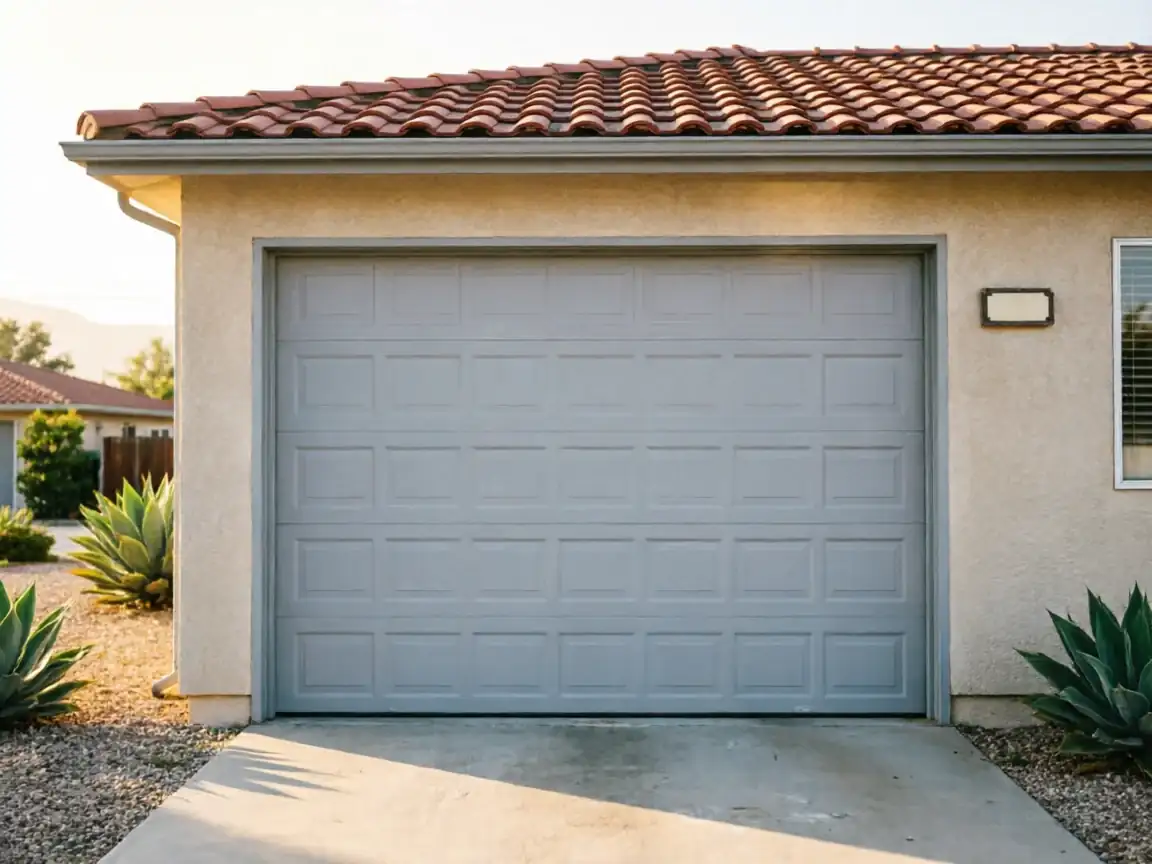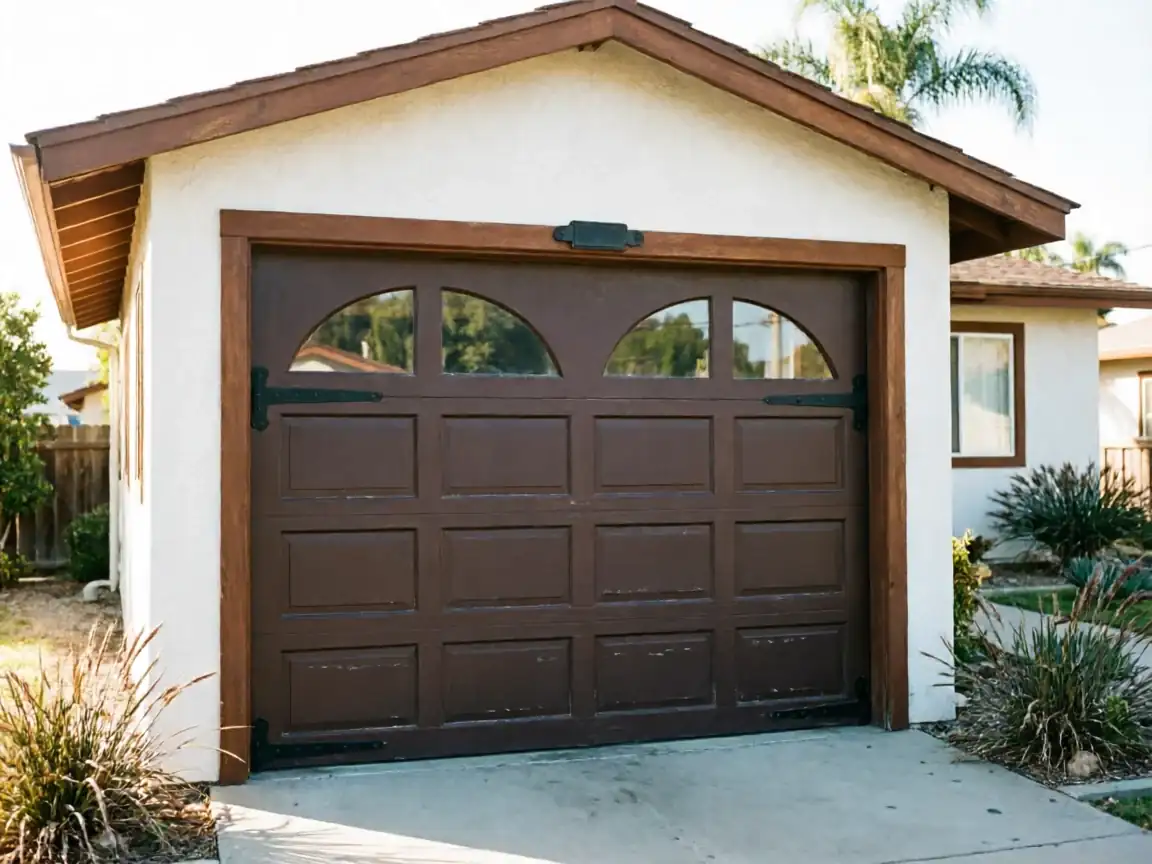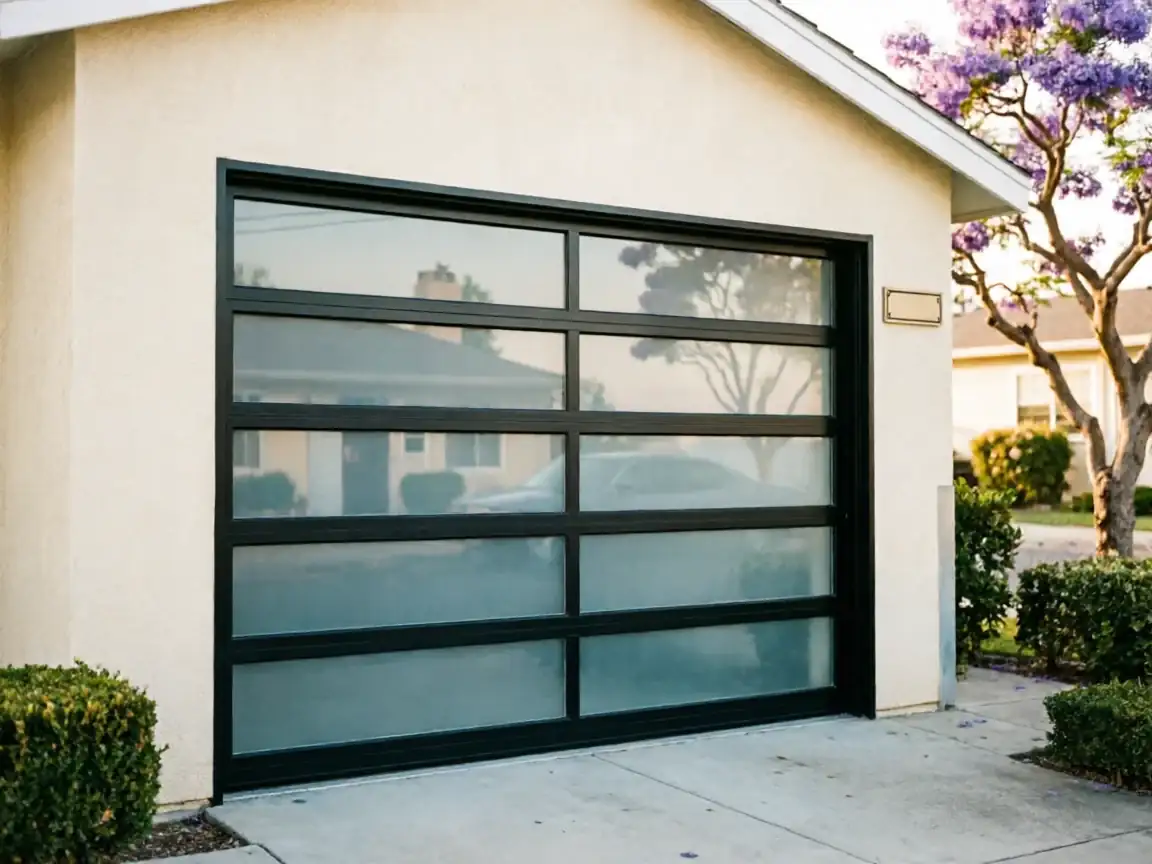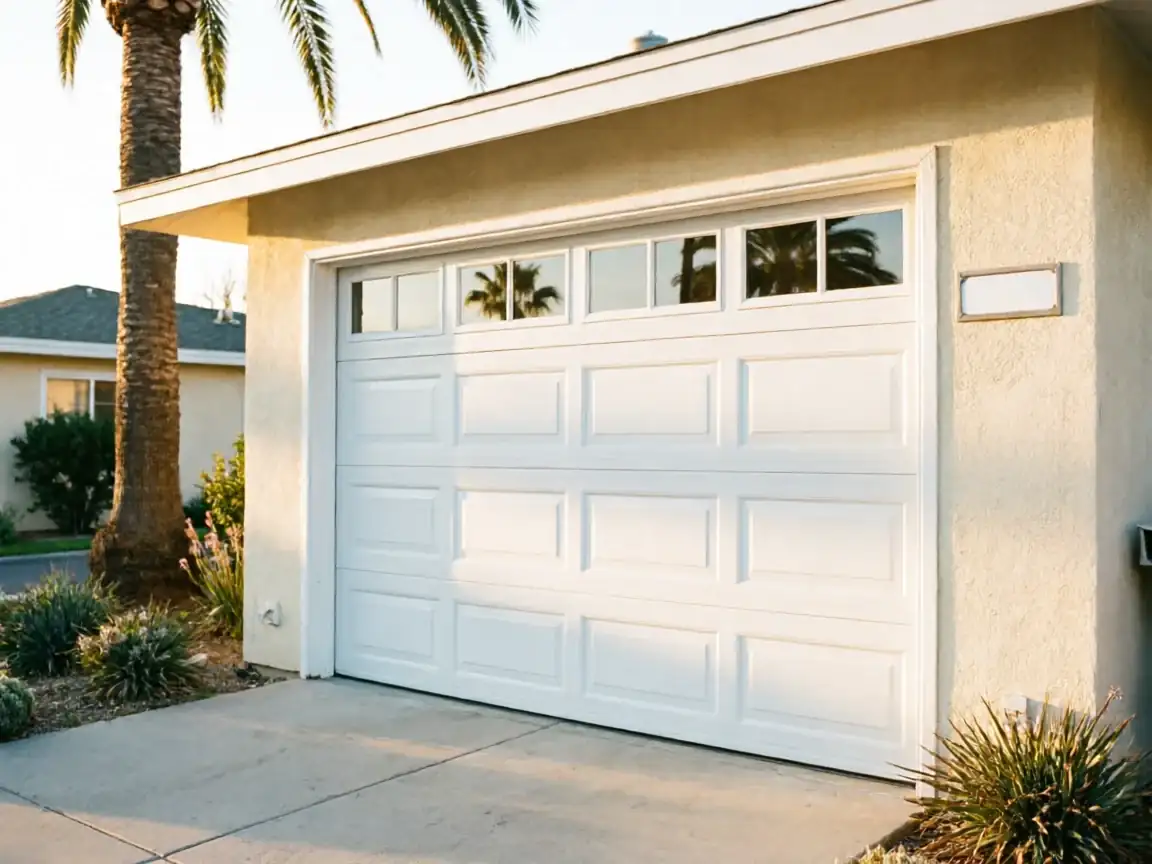
The Cost of This Job
Panel replacement splits into two very different jobs
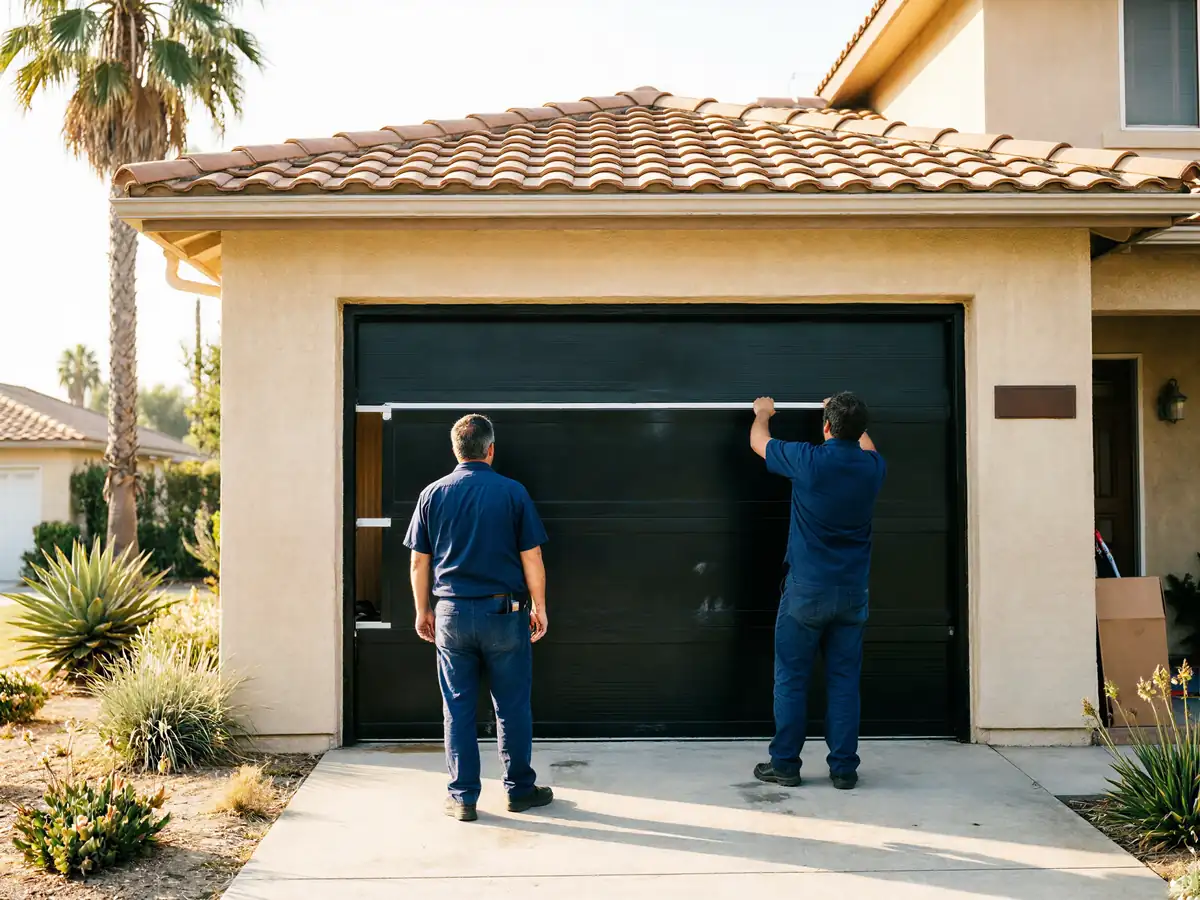
And the price difference between them is large. If your door is a sectional model built within the last fifteen years or so, we can often order a matching panel from the manufacturer and swap just the damaged section onto the existing frame. That's the cheaper path.
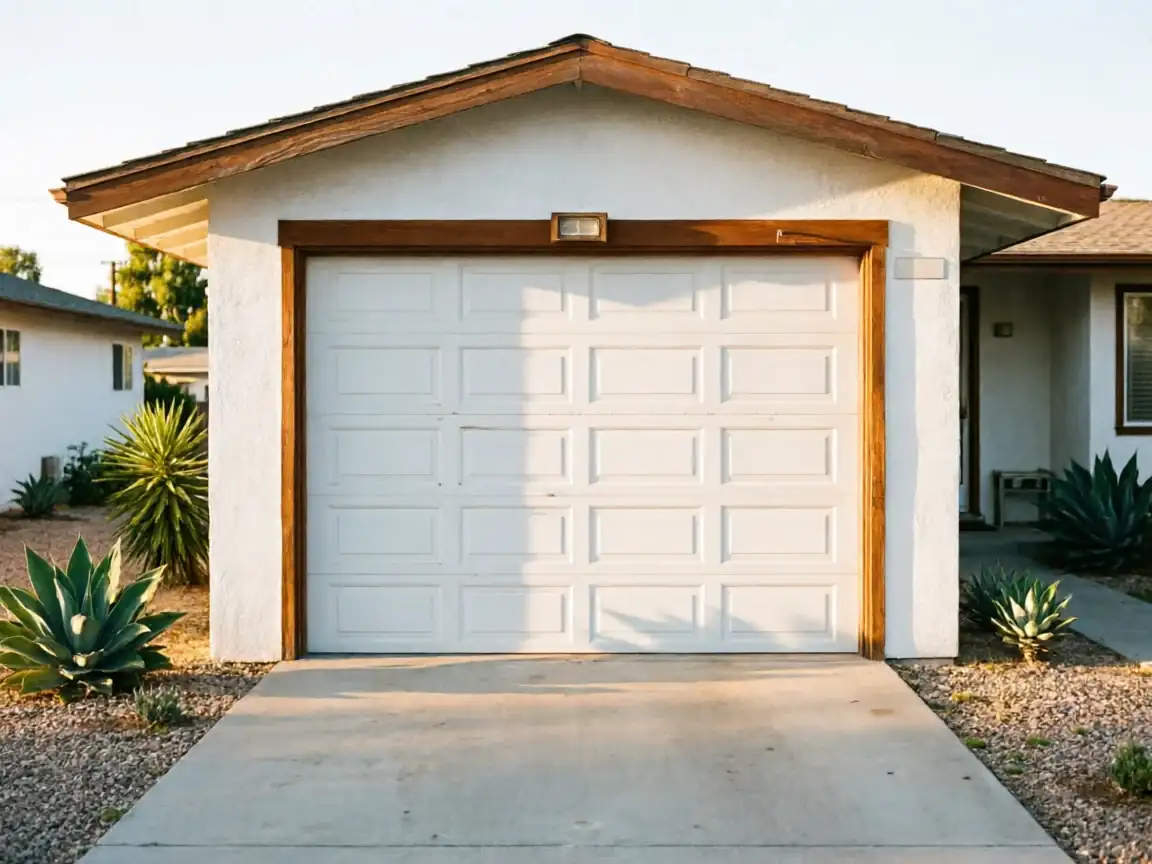
The harder path shows up constantly on houses built in the 1967-1988 window that makes up most of the housing stock across this service area
Those doors are old enough that the original panel profile is discontinued. There's no single replacement section to order because nobody makes that exact ribbing or seam depth anymore. At that point you're not replacing a panel, you're replacing the door, because a mismatched panel on an otherwise intact door looks worse than the dent did and the hardware often won't line up with a new profile anyway.
We don't price jobs sight unseen in writing here
Because the gap between "order one panel" and "full door swap" is too wide to be honest about without seeing the door. What we will tell you on the phone, every time, is which category your door falls into before a truck ever rolls.
What You Are Seeing
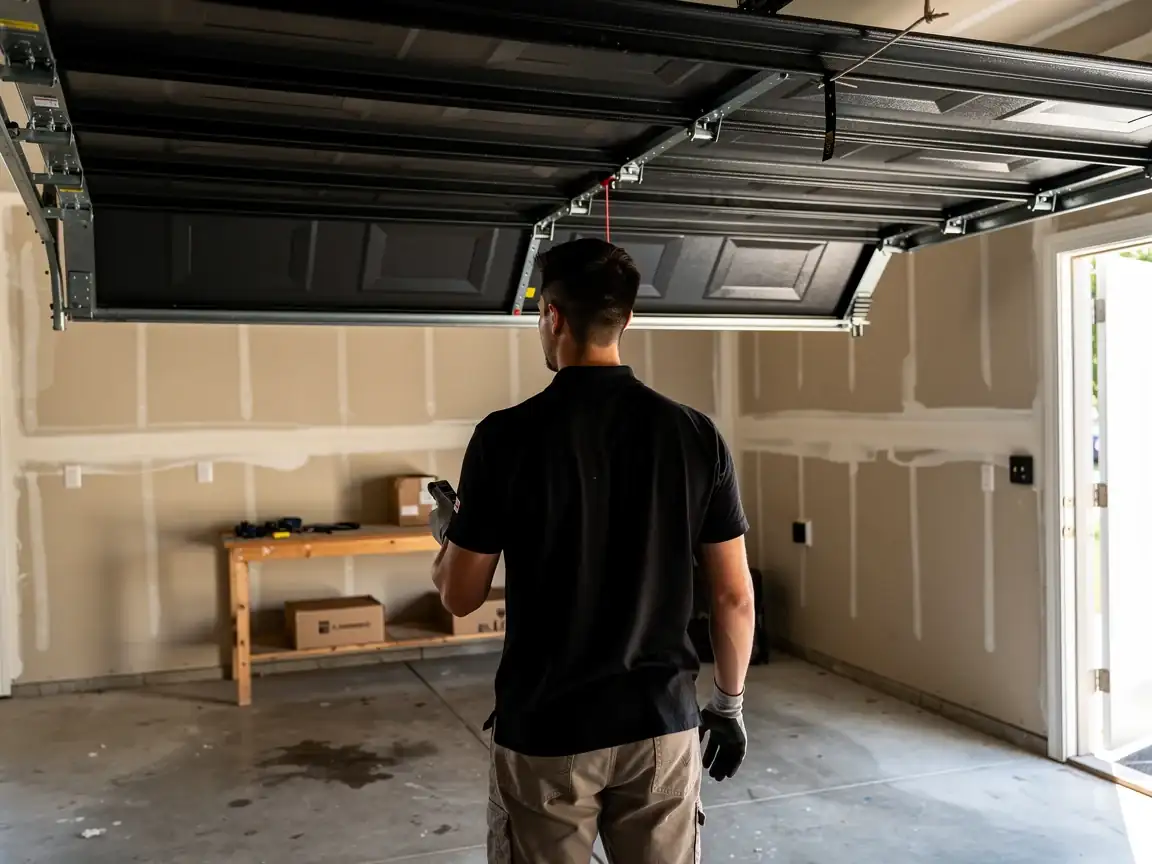
Most panel damage we get called out for is one of three things: a crease across a single section from a car bumper or a kid's bike, a bowed bottom panel where the door's been forced down against an obstruction, or a horizontal split along an old seam where the steel has simply fatigued.
That third kind is the one specific to older stock. Steel panels from the 1960s and 70s don't have the roll-formed stiffening ribs that later doors use, so they flex more over the decades. Add in direct sun exposure, which is routine in this mild temperate climate zone with no real freeze cycle to crack the steel but plenty of UV load year-round, and the paint layer chalks and the steel underneath loses tensile strength faster than people expect from something that's "just sitting there."
You'll usually see this start as a faint horizontal ripple about a third of the way up the panel, long before it actually tears. If you catch it at the ripple stage we can sometimes reinforce rather than replace. Once it's torn, replacement is the only real option.
Why This Fails Locally
Across the roughly 46,922 owner-occupied houses in this service area, the bulk of them went up between 1967 and 1988, with 1975 as the rough midpoint. That's a specific problem for panels, because garage door manufacturing changed meaningfully right around then - steel gauges, panel profiles, and track hardware from doors installed in that window were never standardized the way later doors are, and a lot of those original doors are still the ones on the house.
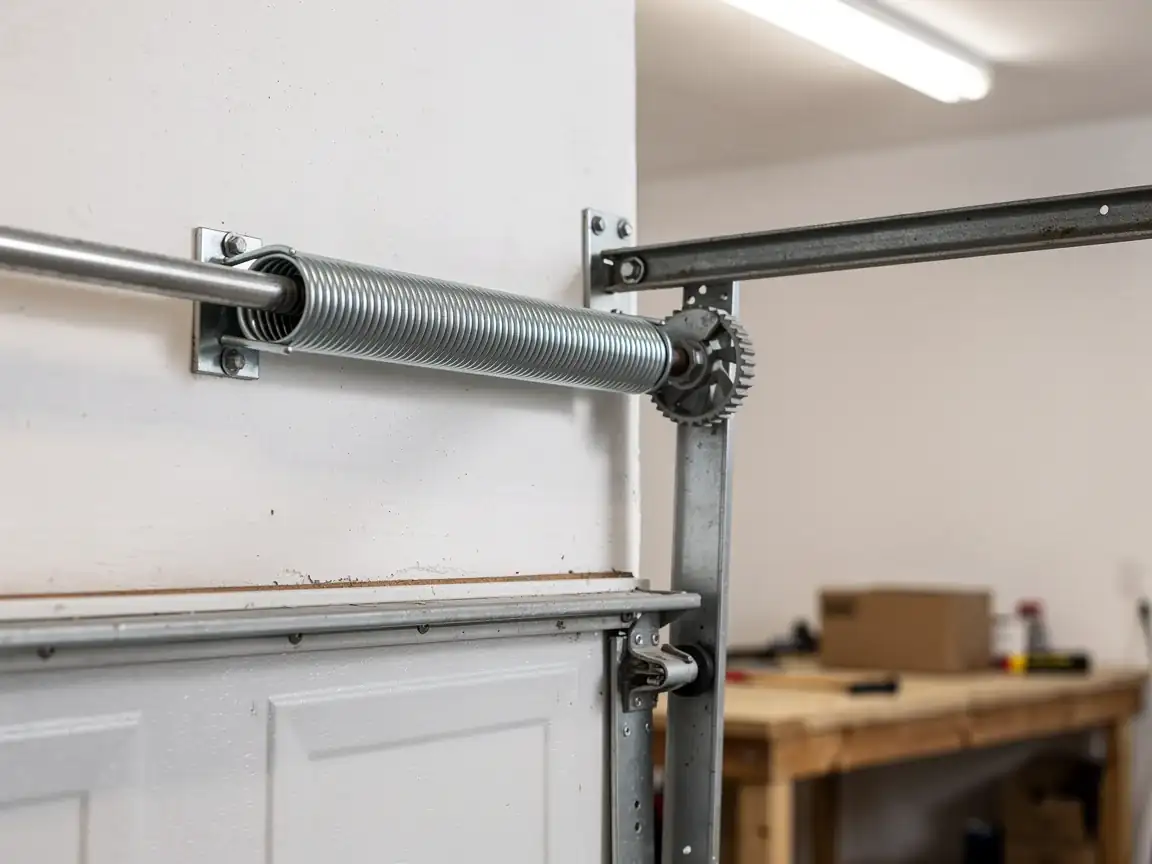
So when a panel fails on a house from that era, the fix isn't "order part number X." It's often a door nobody makes parts for anymore, on hardware that was side-mounted in a way current torsion systems don't match. We see this across all 18 named communities in the service area, not just one pocket - the housing boom that built out this part of the county happened on roughly the same timeline everywhere in it.
The mild temperate climate here isn't the driver of failure the way freeze-thaw cycles or hurricane wind codes are elsewhere. It's slower and quieter: decades of UV exposure fatiguing steel that was never that stiff to begin with, on doors that are now old enough that the manufacturer who made them may not exist in the same form.
The DIY Question
A single bolt-on panel kit, on a newer sectional door where the profile is still in production
Is within reach for a reasonably handy homeowner. Matching paint, aligning the new section so the door still tracks straight, and reinstalling the hinges without stripping the screw holes is the hard part, not the bolting.
Where we'd tell you to stop and call
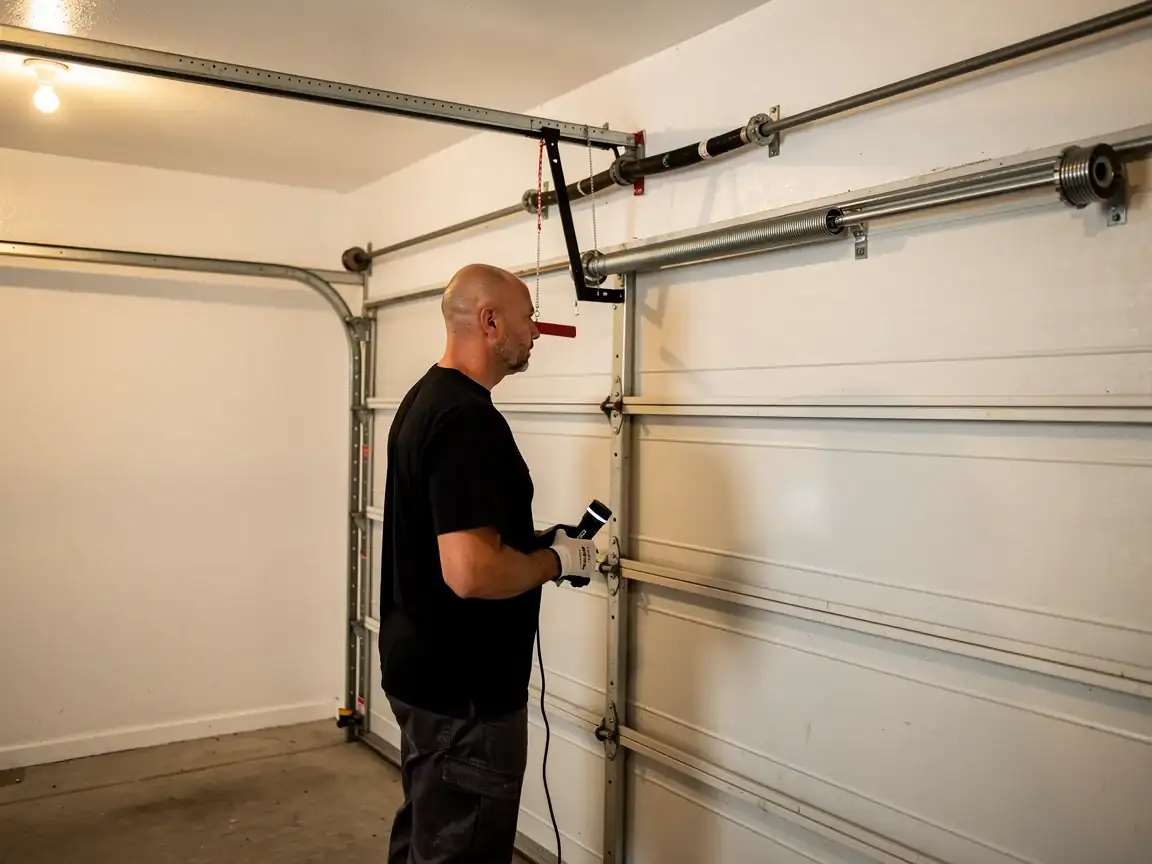
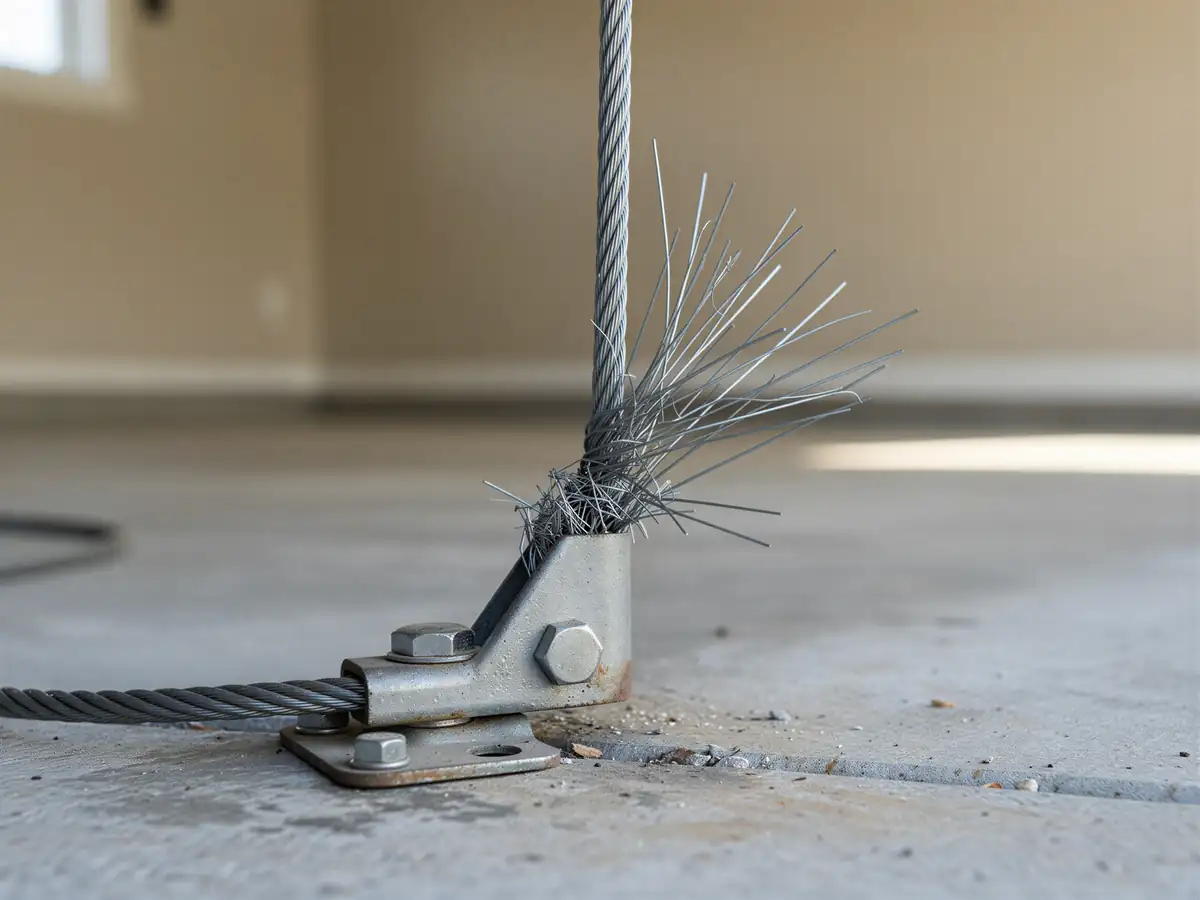
Anything on a door from that 1967-1988 build window, because the panel you're trying to source likely doesn't exist and ordering the wrong-profile replacement wastes money twice. Also stop if the damaged panel is a bottom section with the cable attachment point built into it - that's load-bearing for the whole door's balance, and getting it wrong can let the door drop.
Household income across the service area runs a median around $105,887
And we mention that only because it shapes a real decision point: a lot of owners here are weighing a $150 panel patch against a $1,200+ full-door swap, and the honest answer depends on the door's age, not on what's cheaper this week. A patched panel on a door that's failing elsewhere just moves the next call out a year or two.