What to Check
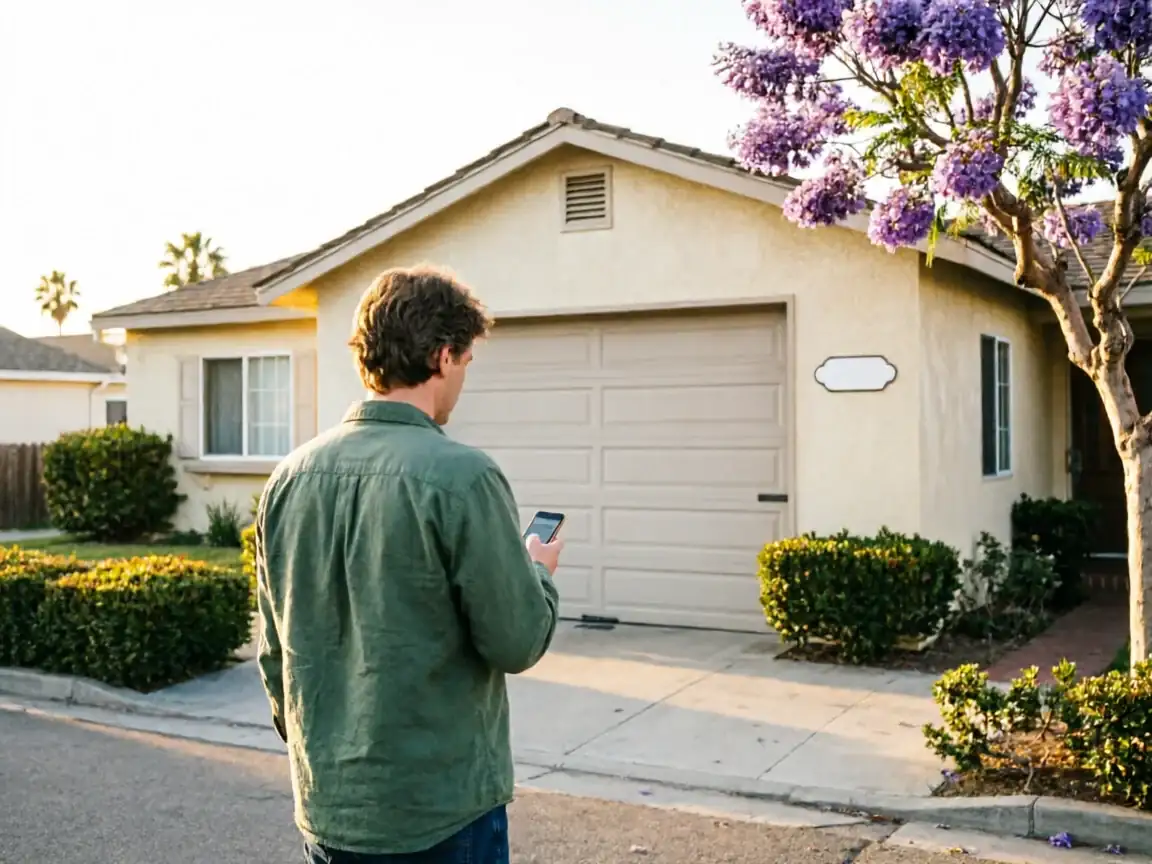
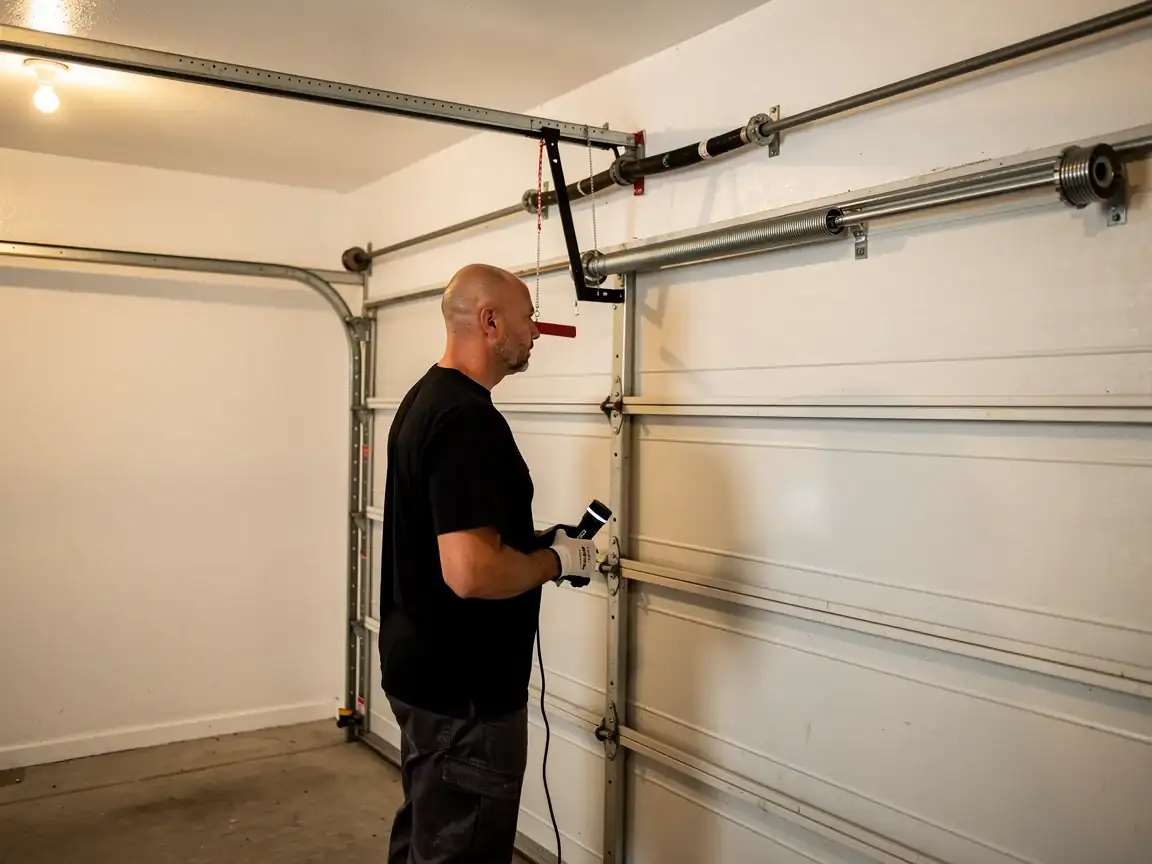
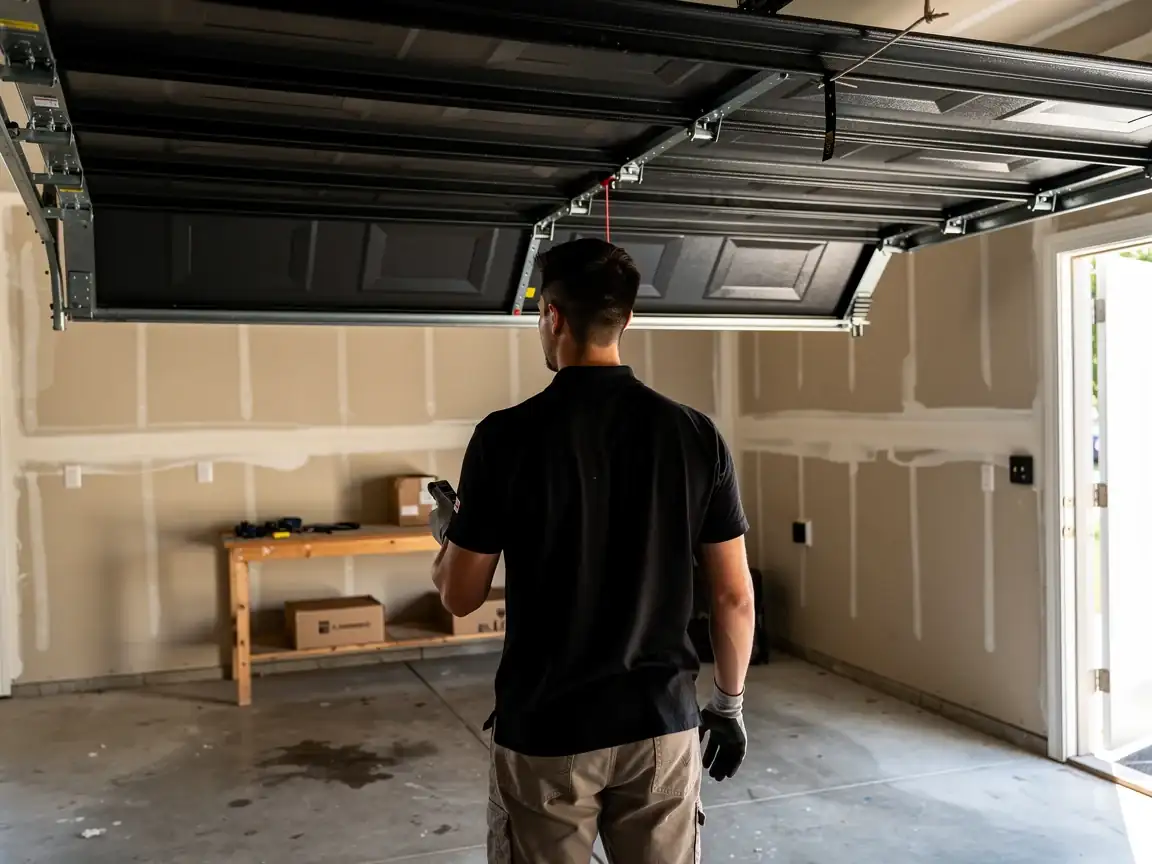
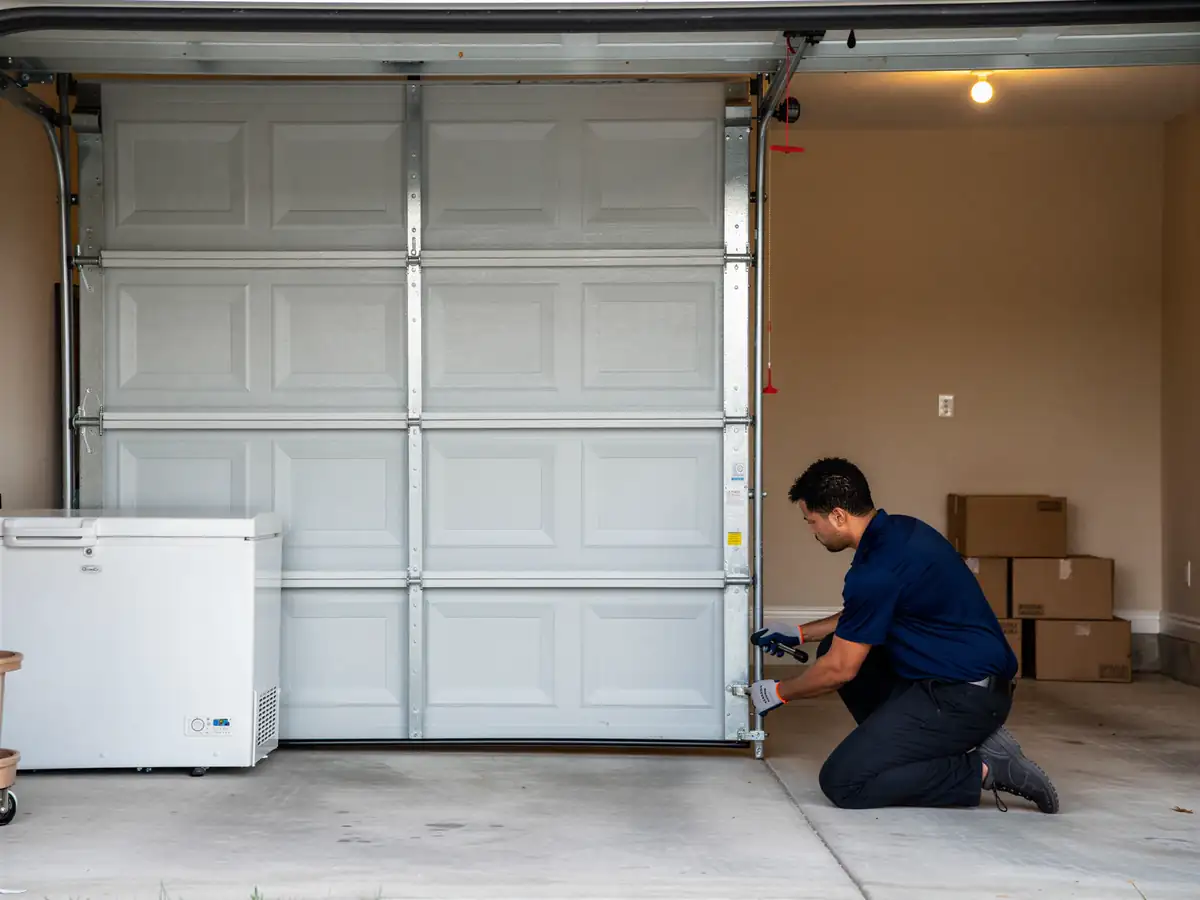
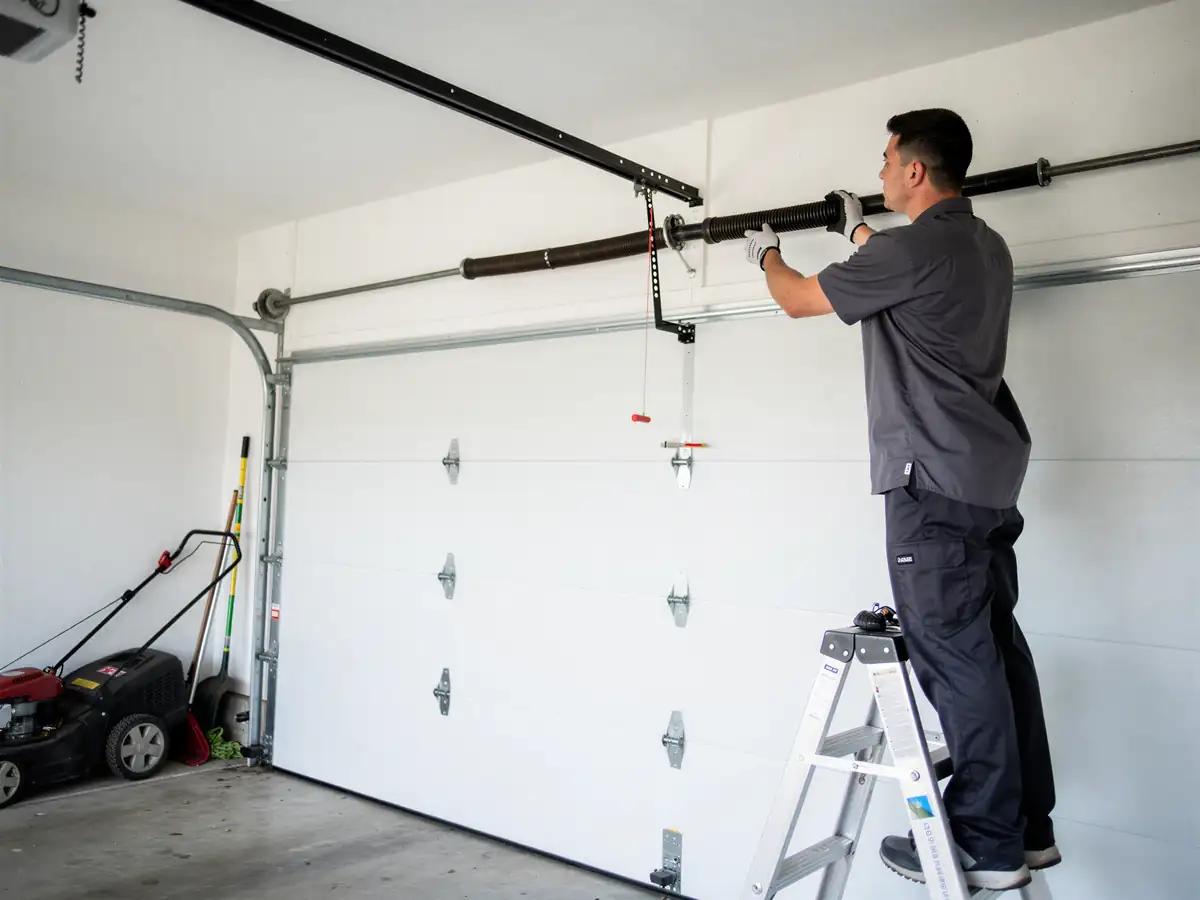
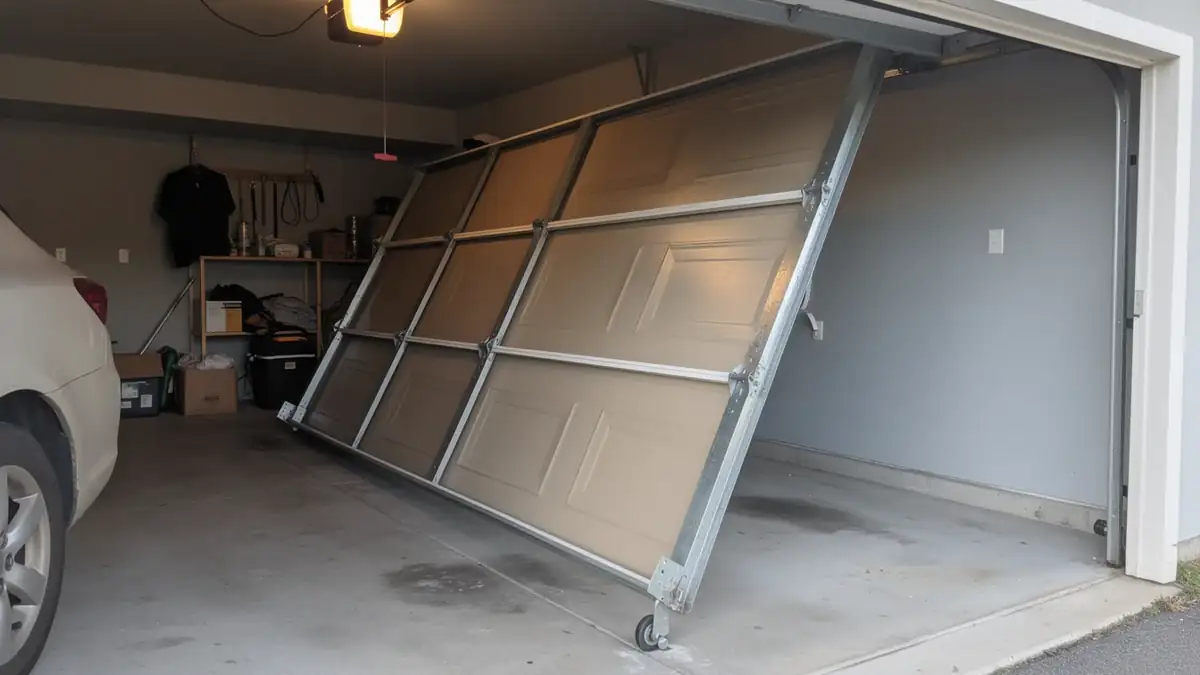
A lot of houses in this area went up between 1967 and 1988, with a median build year of 1975 - which means a good share of the garage doors and track hardware you're looking at are original, or close to it, on homes now pushing fifty years old. Start with the horizontal track where it meets the vertical section near the top of the opening; that bend is where brackets loosen first, especially on older galvanized track that's thinner than what's sold today. Check whether the door hangs level when it's halfway up - eyeball the gap on both sides against the frame. Look at the roller stems where they sit in the track; on hardware this old, play in that joint is usually what lets a track bow outward under the door's own weight. Also check the lag screws anchoring the track to the framing. On a door installed when the house was built, those screws have been working loose through thousands of open-close cycles, and nobody's gone back to re-torque them. None of this requires tools beyond a flashlight and a level, but if you see daylight between the roller and the track at any point, that's not a wait-and-see item.
What Local Conditions Do
Across the eighteen named communities in this part of the county - from here out to places like Casa de Oro-Mount Helix, Lemon Grove, and La Mesa, all two miles out, to Rancho San Diego and Bonita five miles off - the housing stock runs the same: mostly built in the 1960s and '70s. That matters for track problems specifically because it means the garage door hardware across this whole stretch is aging at roughly the same rate, under roughly the same climate. Mild temperate weather doesn't stress metal the way freeze cycles do, so the track itself rarely cracks or snaps. What it does instead is let fatigue accumulate quietly - brackets that back out a sixteenth of a turn per year, rollers that wear a little more on one side because the door's weight distribution shifted slightly decades ago and never got corrected. With 46,922 owner-occupied houses across the service area, most dating from that same build window, a track that's walked out of alignment over fifty years of ordinary use is closer to the rule than the exception. It's not storm damage. It's just time, on hardware nobody's looked at since it went in.