The Calls We Get From Here
Casa de Oro-Mount Helix sits about 2 miles from our shop in Spring Valley
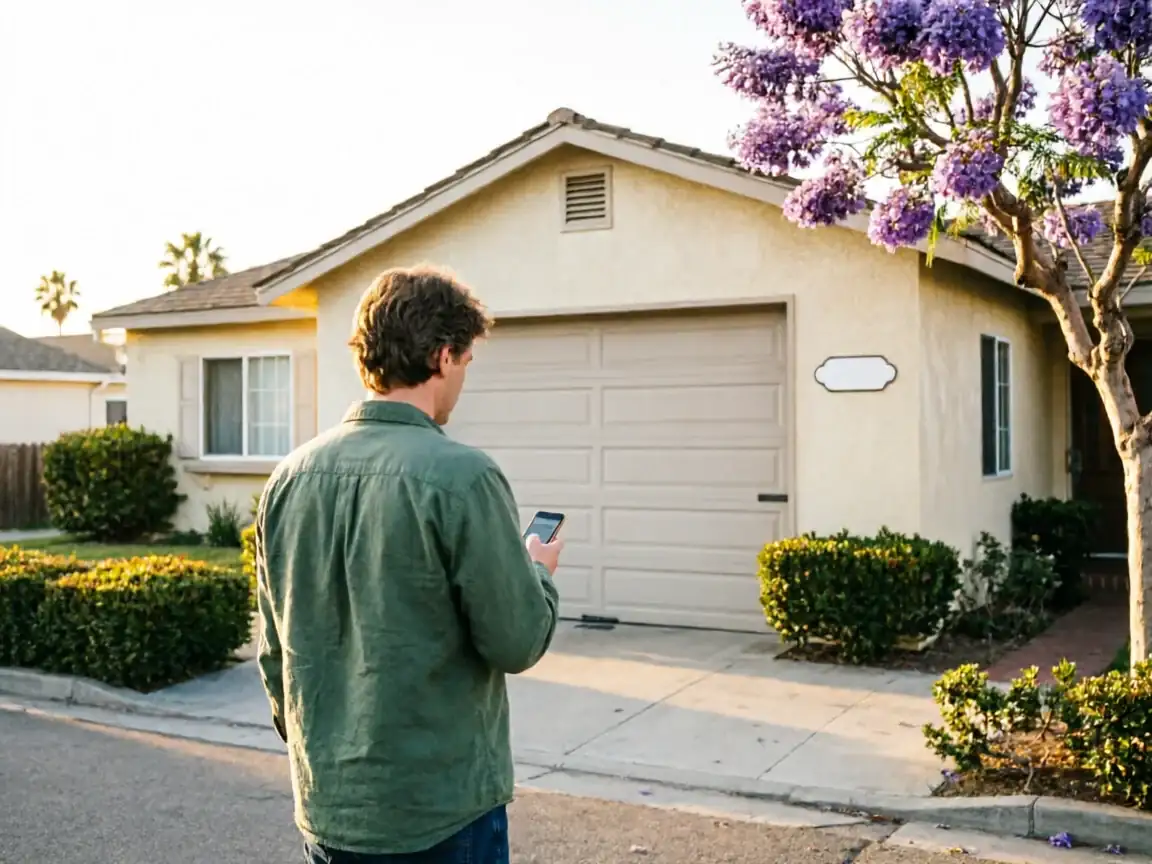
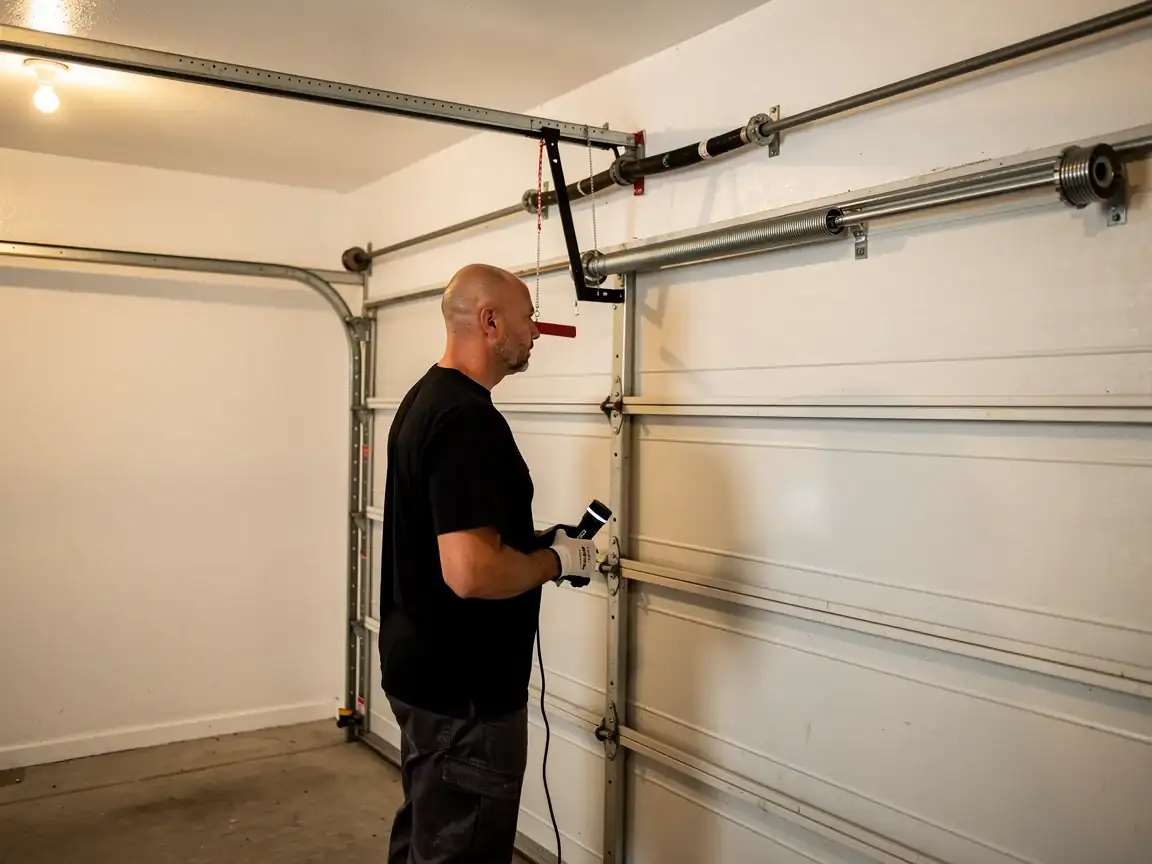
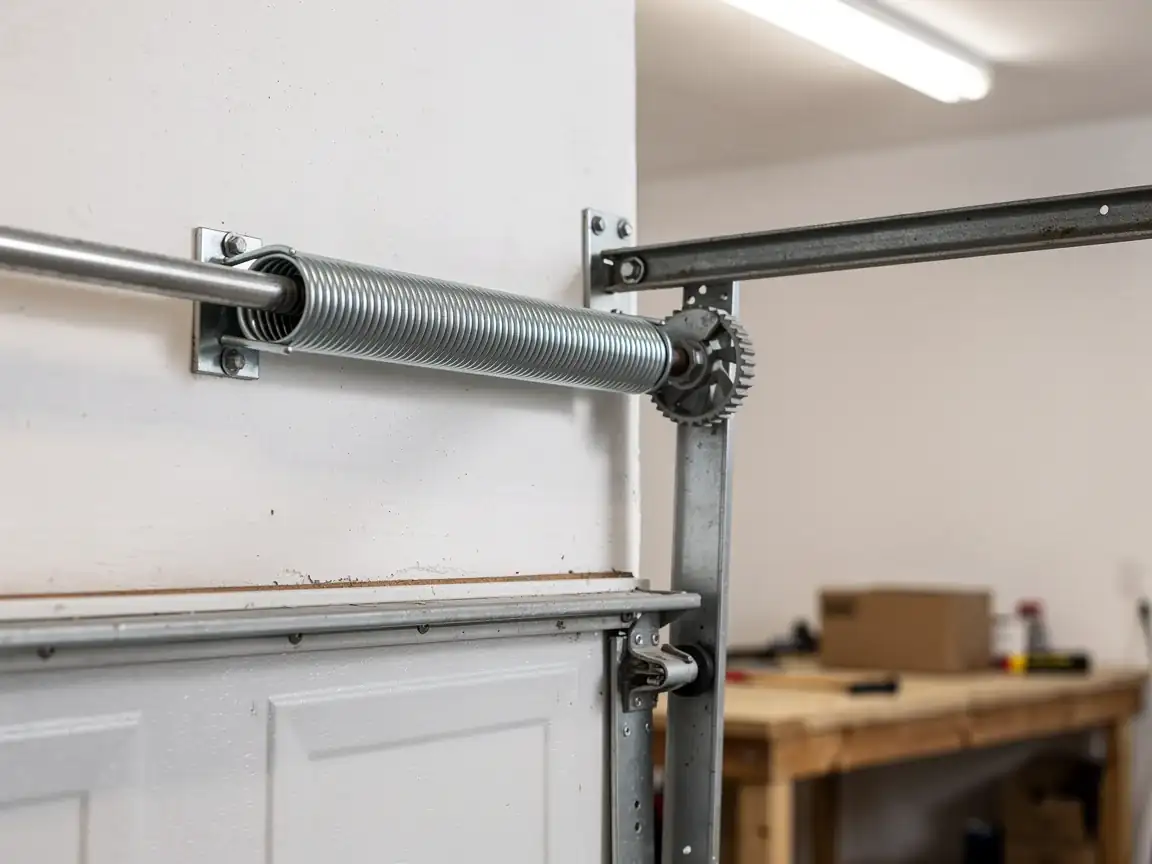
And most of the calls we get from this part of the area trace back to one thing: the houses here were mostly built around 1969, a good six years earlier than the median for the wider service area. That matters more than people think. A door install in 1969 almost never got replaced wholesale - it got patched. Springs get swapped out, openers get bolted onto old track, but the original header bracket and torsion tube often stay put for decades.
- 2 miles
We hear a lot of "it's been making that noise for years" calls
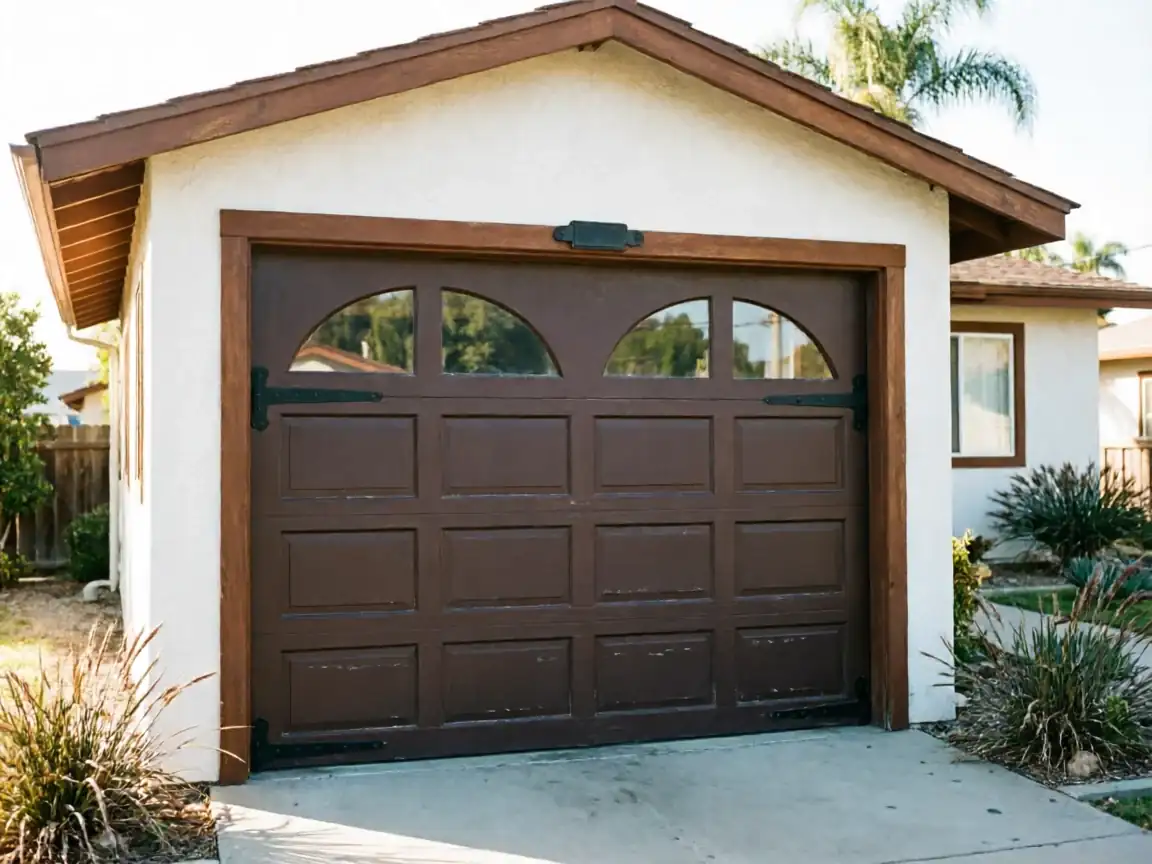
Which usually means a roller or hinge that's long past its service life but still technically working. We also get the panel-dent call, where one section has been hit or warped and the rest of the door still functions fine, so nobody's replaced it. And we get the opener call where the motor is newer than the door it's lifting, because somebody already swapped the opener once and left the rest alone.
This isn't a complaint about the neighborhood
Houses built this era were put together solidly. It's just that a 55-year-old torsion system doesn't fail the way a five-year-old one does - it fails slowly, one part at a time, and most owners don't notice until the door won't open at all.
How That Shows Up in the Door
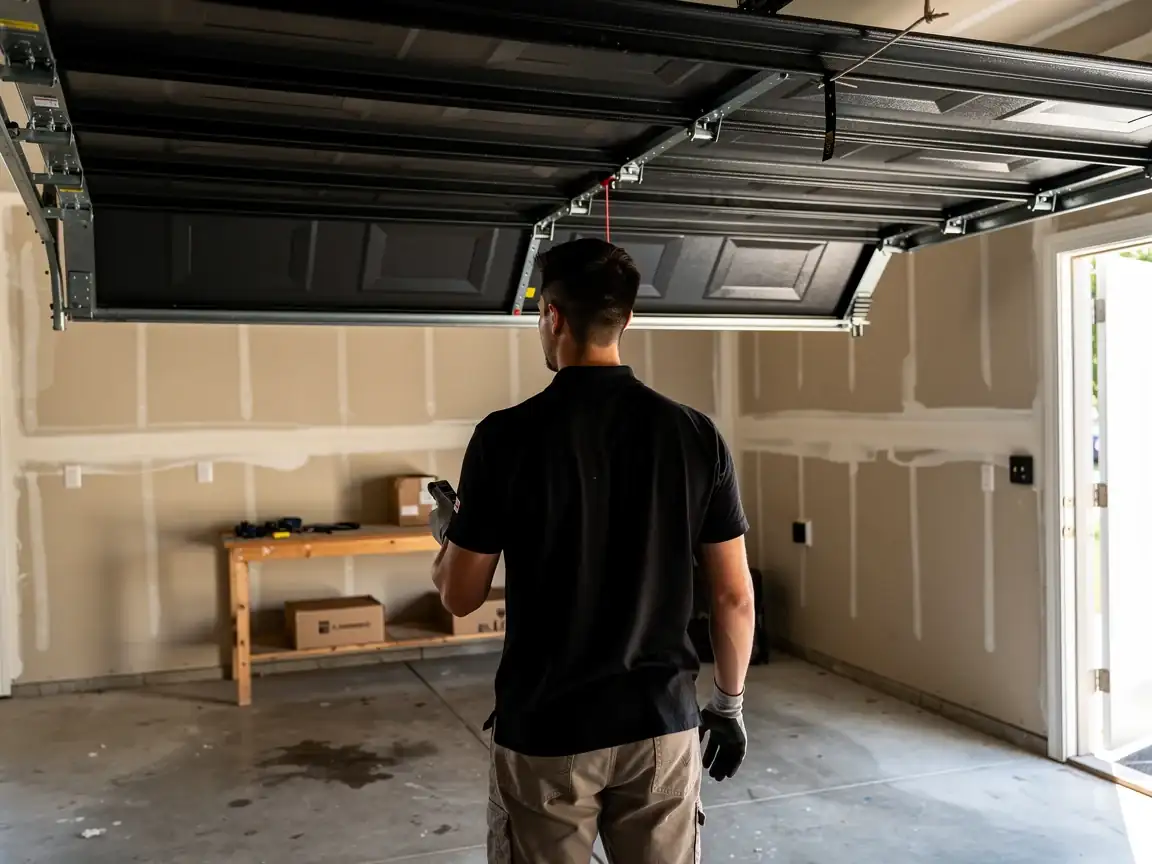
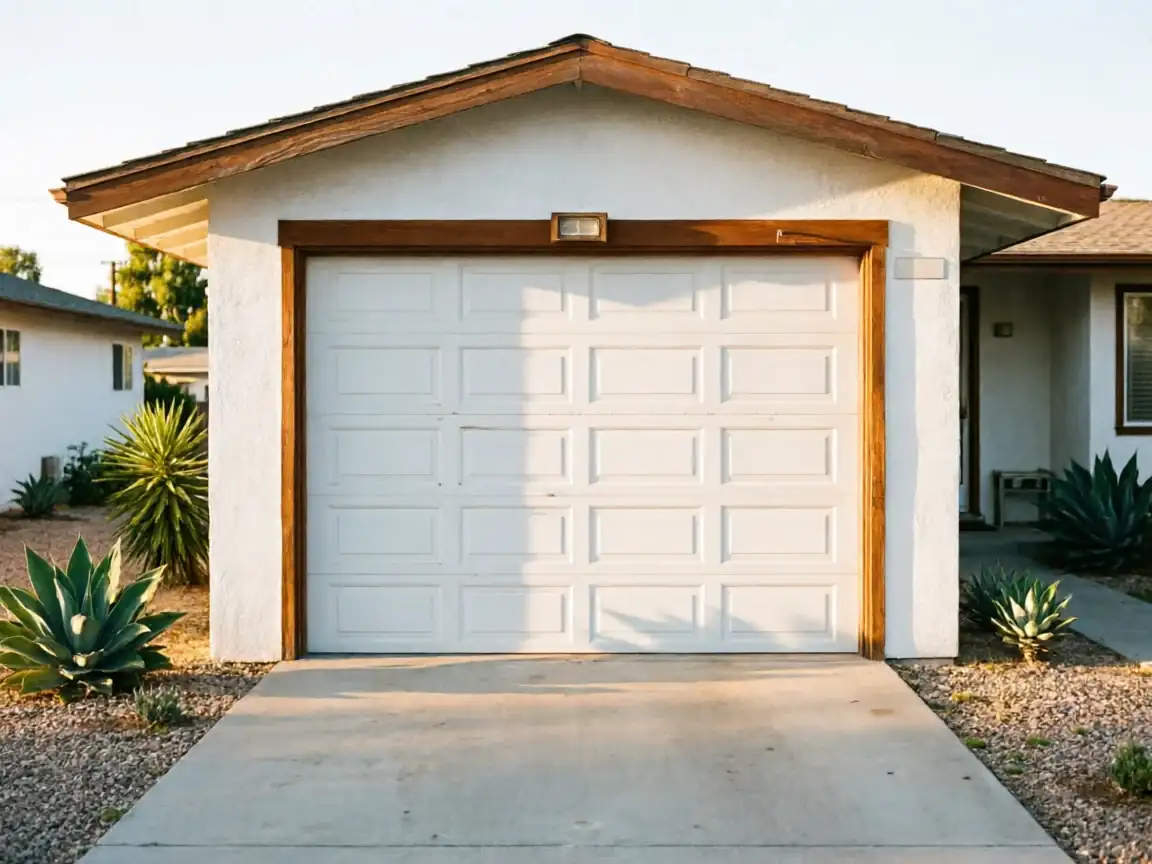
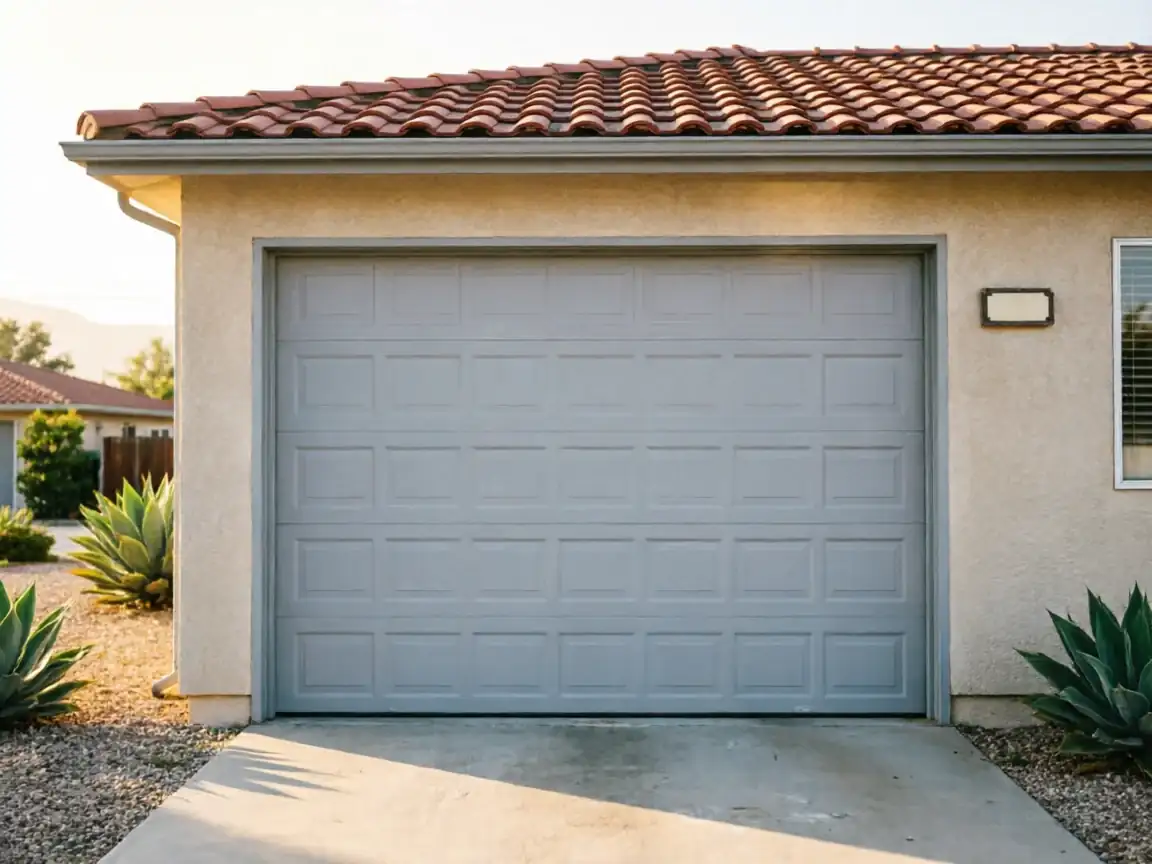
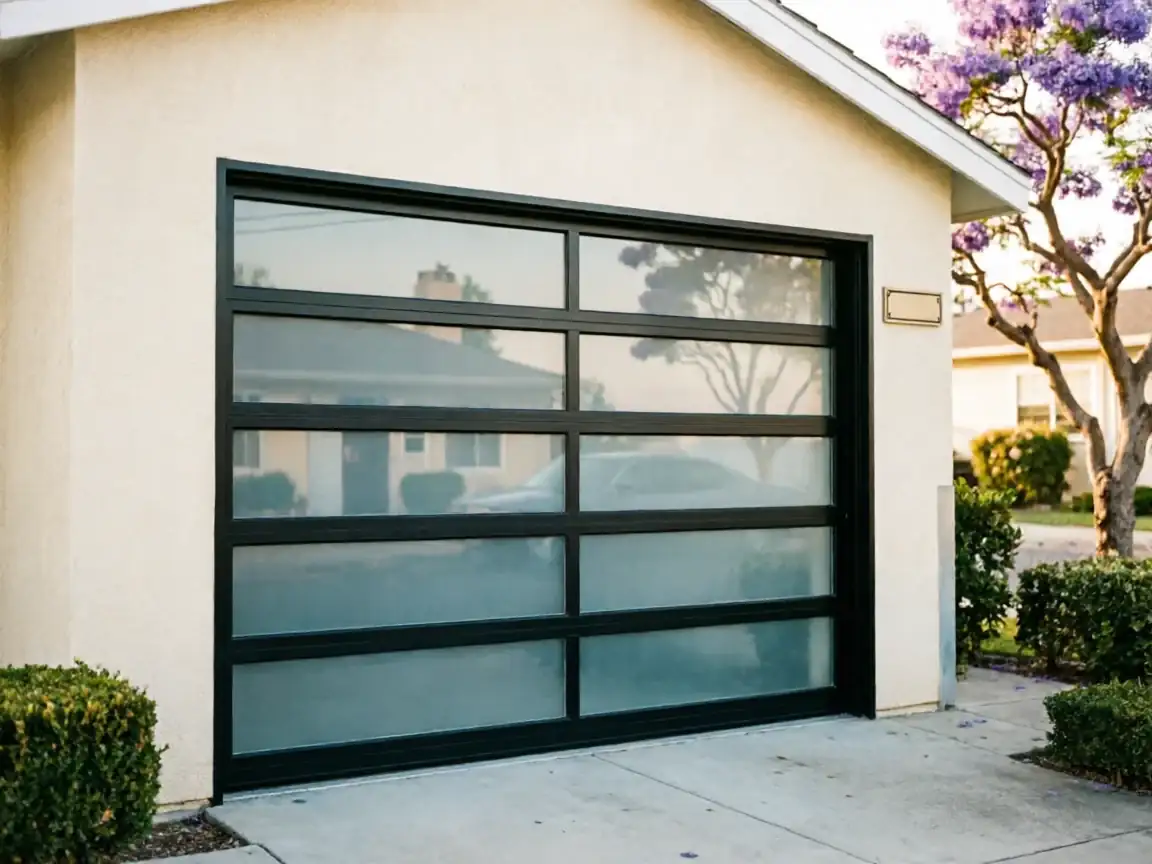
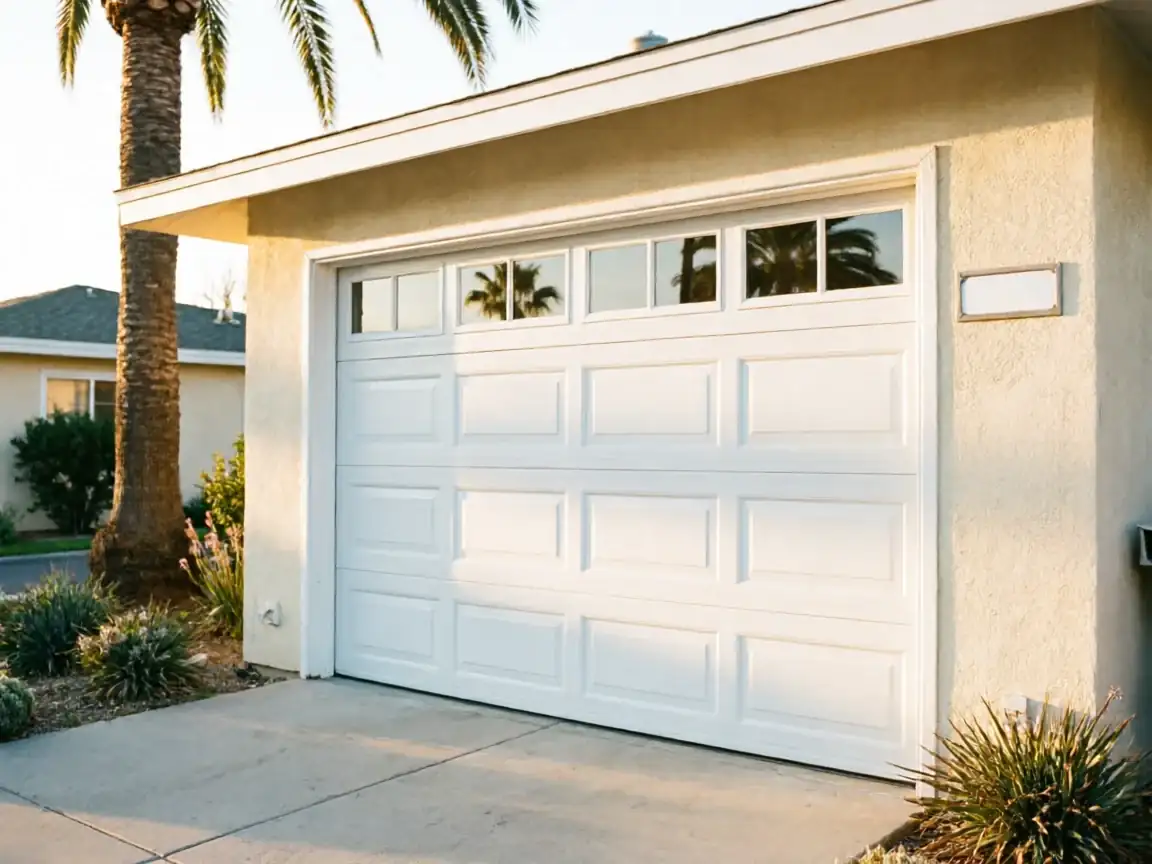
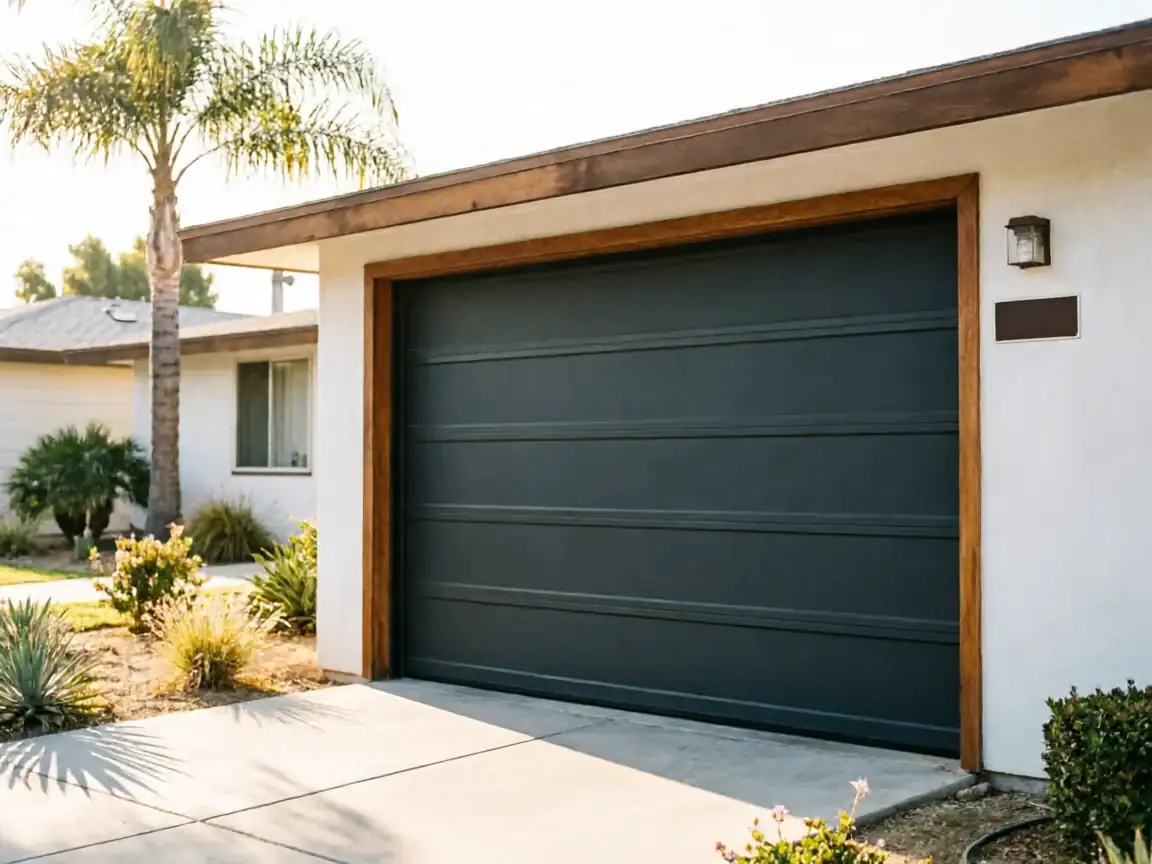
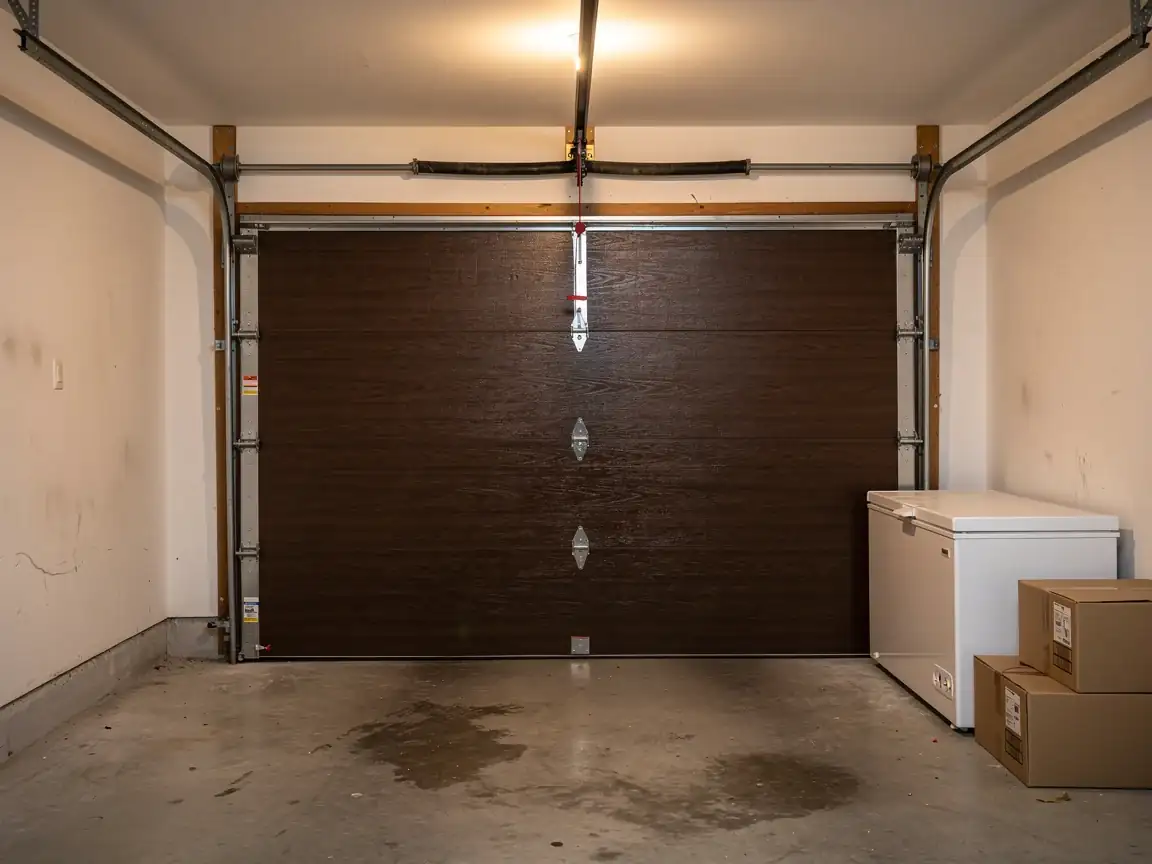
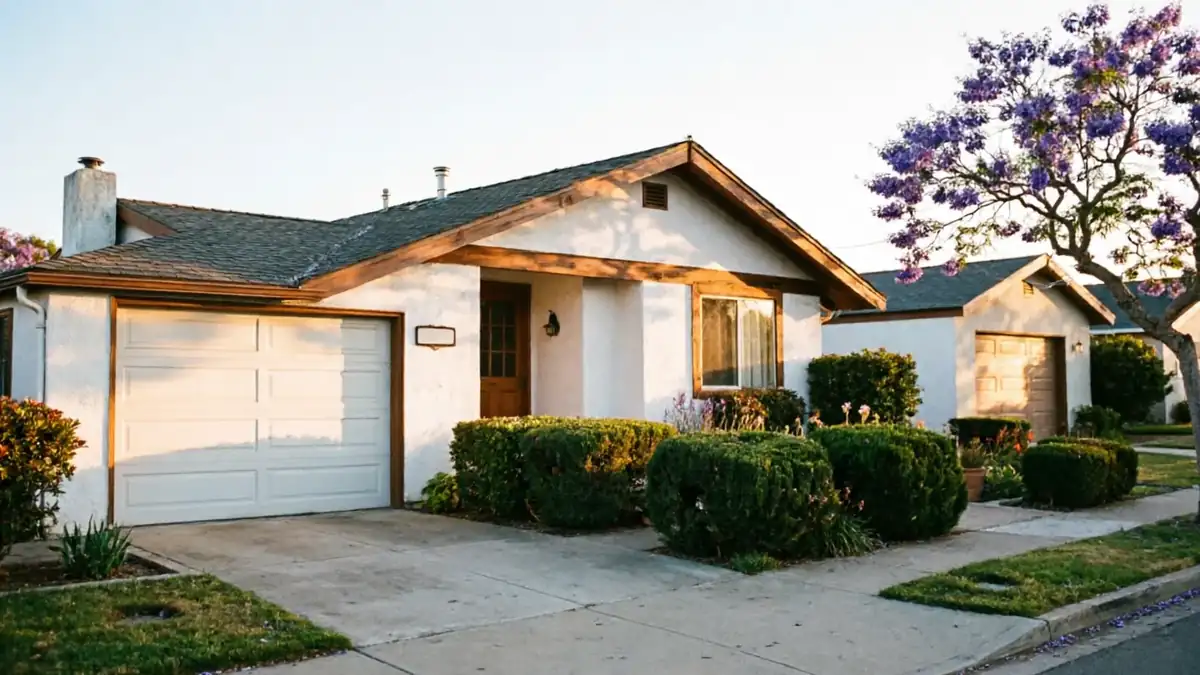
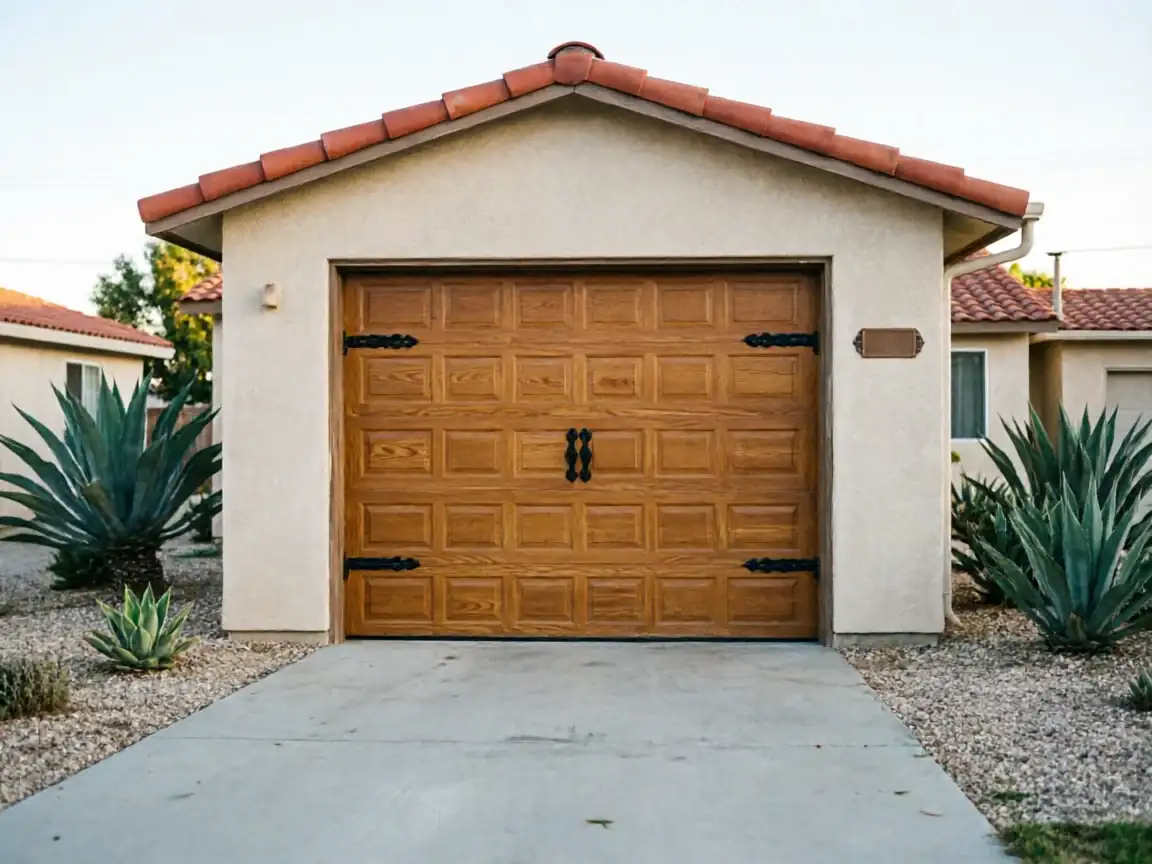
With a median build year of 1969, a lot of garage doors in Casa de Oro-Mount Helix are either the original single-layer steel panel door or a direct one-for-one replacement that was sized to fit the same original opening and hardware. That means narrower track, lighter-gauge panels, and torsion springs sized for a door that weighs less than what gets built today. When someone adds insulation or swaps to a heavier modern door without upgrading the spring, the spring wears out faster than it should, and the opener strains to lift weight it wasn't matched to.
We also see a fair number of side-mounted torsion setups rather than the center-mount style that's standard now. These aren't bad systems, but parts for them aren't sitting on every truck or every supplier's shelf, so a repair on one of these can take a little longer to source than a repair on a newer door. That's the honest limitation: if your hardware is original to a late-60s install, we may need to order a part rather than carry it already.
The area's mild temperate climate is kind on steel and on nylon rollers alike - there's no deep freeze-thaw cycle working against the door the way there is in colder regions. So failures here are almost always wear and age, not weather damage.
How We Get to You
We run out of Spring Valley, and Casa de Oro-Mount Helix is about 2 miles out, one of the closest stops on our route. We don't keep a depot or crew stationed in the neighborhood itself - every job here starts with a truck coming from Spring Valley, same as it does for the other close-in areas we cover: Lemon Grove, La Mesa, and La Presa are also roughly 2 miles out, with Rancho San Diego and Bonita a bit farther at 5.
We're not going to promise a same-day window or a fixed arrival time here, because that's not something we can back up without knowing your day's call volume ahead of time. What we can say is that the short distance means we're not driving across the county to reach you, which keeps the trip itself simple.
If you're near the boundary with one of the other close areas, don't worry about which side of a line your address falls on. We cover the same stretch of road either way.
This Area's Housing
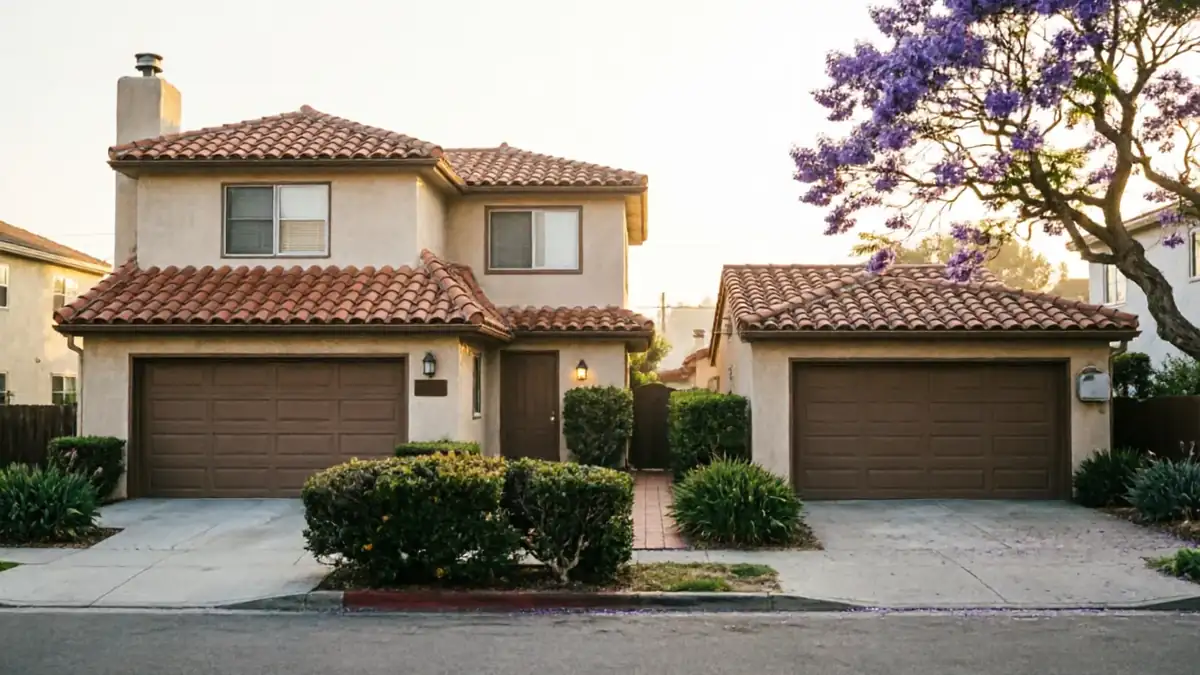
Casa de Oro-Mount Helix has about 6,980 households, smaller than some of the bigger stretches in our coverage area
And the median household income here runs around $123,037 - noticeably higher than the roughly $105,887 median across the full service area. That gap tends to show up in the kind of repair call we get: more requests for full opener replacement with modern safety features, more interest in insulated panel upgrades, fewer calls where someone's trying to squeeze one more year out of a door that should've been replaced already.
- 6,980 households
Across the broader area, the typical home was built somewhere between 1967 and 1988
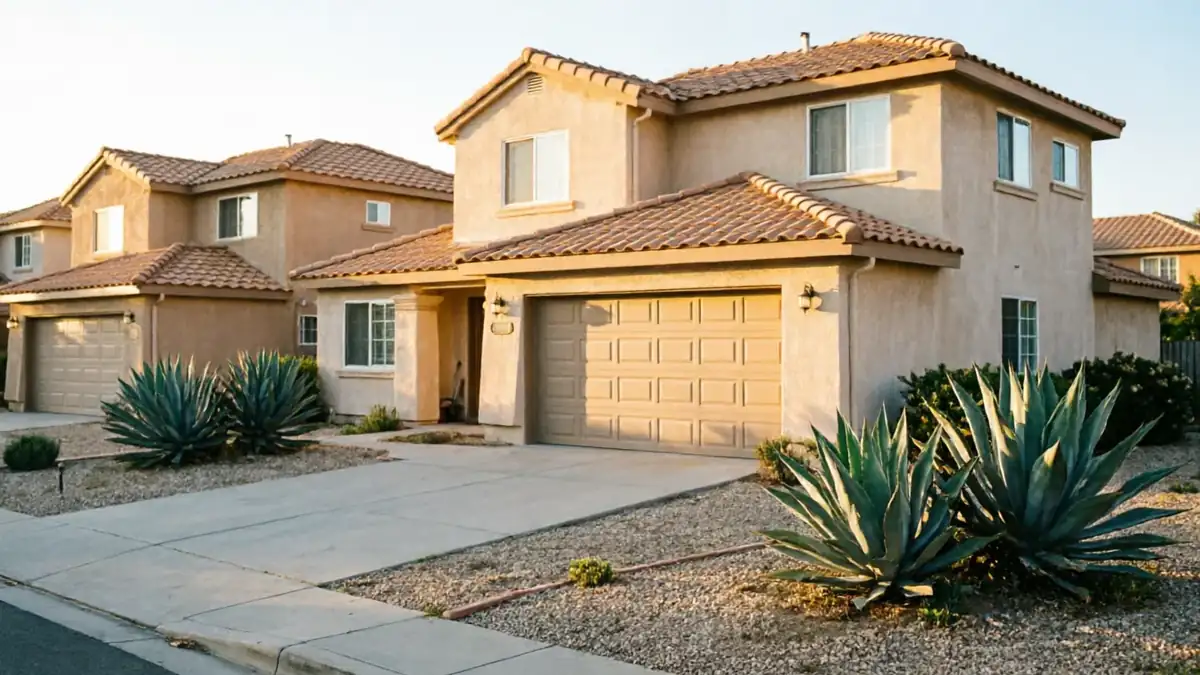
Spanning a range of 1960s-70s construction styles across 18 named communities. Casa de Oro-Mount Helix sits on the earlier end of that range at 1969, which puts it closer in hardware era to Lemon Grove and La Mesa than to some of the newer-built pockets farther out toward Rancho San Diego or Jamul.
What this means practically
If your house here hasn't had the garage door touched since it was built, you're not dealing with a modern torsion system, and a repair quote should account for that rather than assume parts that fit a 2005 door.