The Cost of This Job
We don't post a flat number here because opener repair isn't one job
It's three or four different jobs that all look the same from the driveway. A worn drive gear, a logic board that's lost its mind, a safety sensor knocked out of alignment, and a dead circuit board all show up as "the door won't open," but the parts and labor are nowhere near the same. What we can tell you is what drives the cost: the age of the opener, whether the chassis still has parts support, and whether the fix is a single component swap or a full unit replacement.
Across the service area
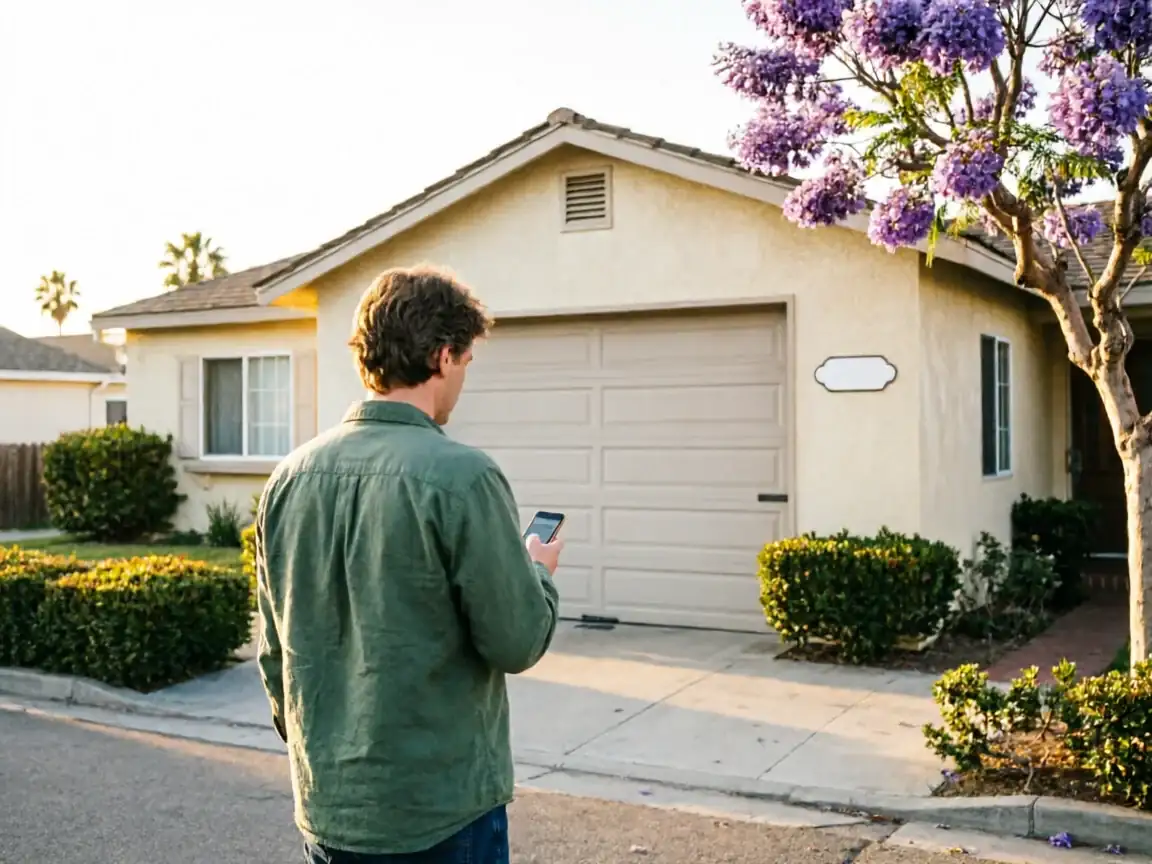
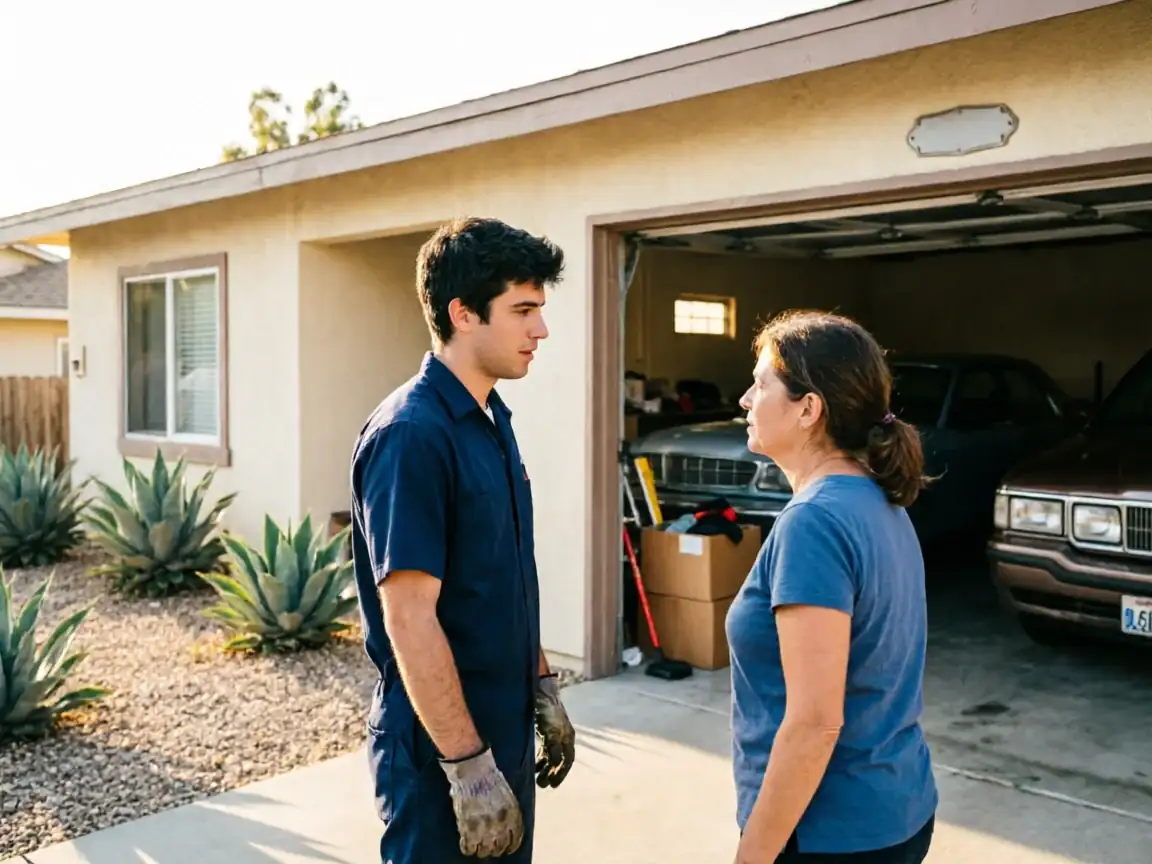
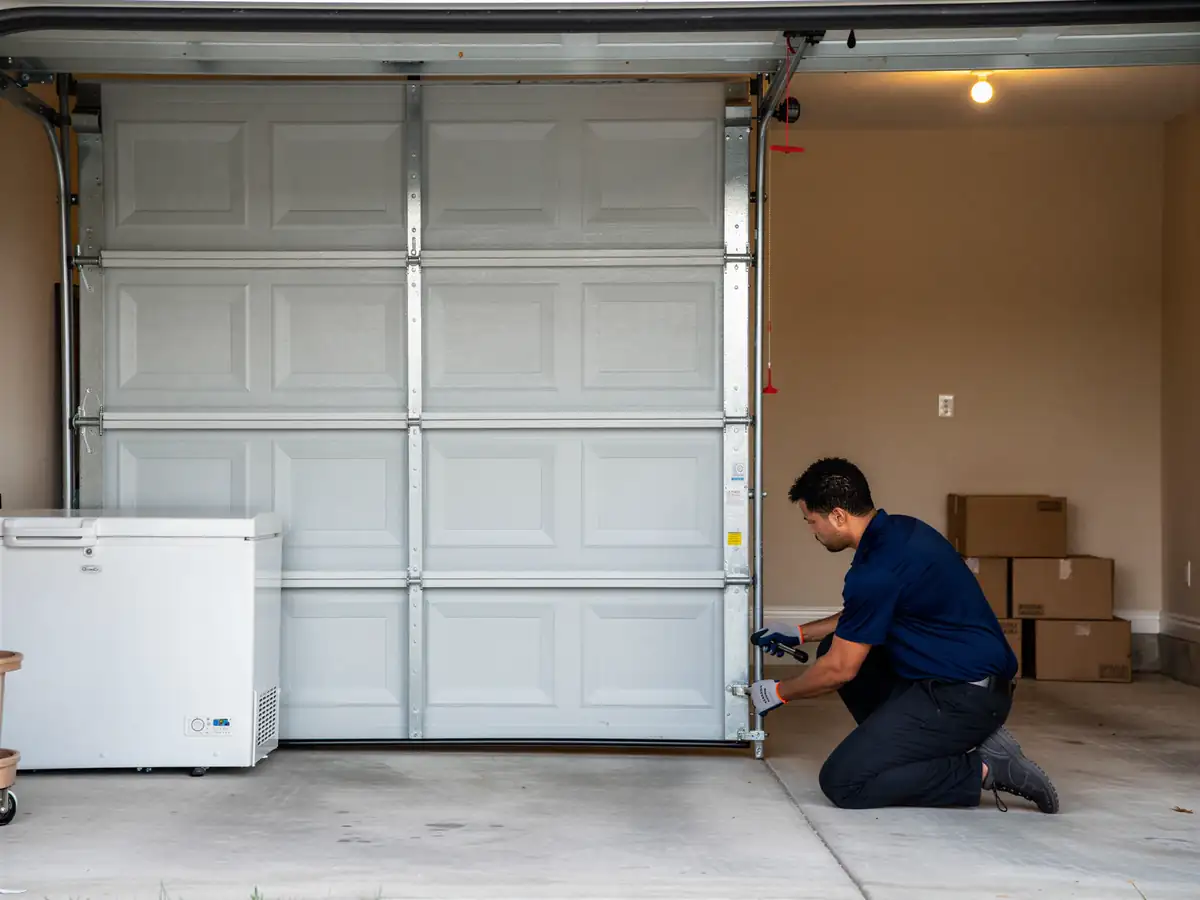
Casa de Oro-Mount Helix, Lemon Grove, La Mesa, La Presa, Rancho San Diego, Bonita, and the other named areas we cover - most of the openers we're called out for were installed as a second or third unit on a house built in the 1960s or 70s. That means the original bracket and header clearance are older than the opener itself, which sometimes adds a half hour of fitting work that a newer-construction job wouldn't need. We quote on site, after we've opened the housing and watched the unit actually try to run, not off a phone description.
What You Are Seeing
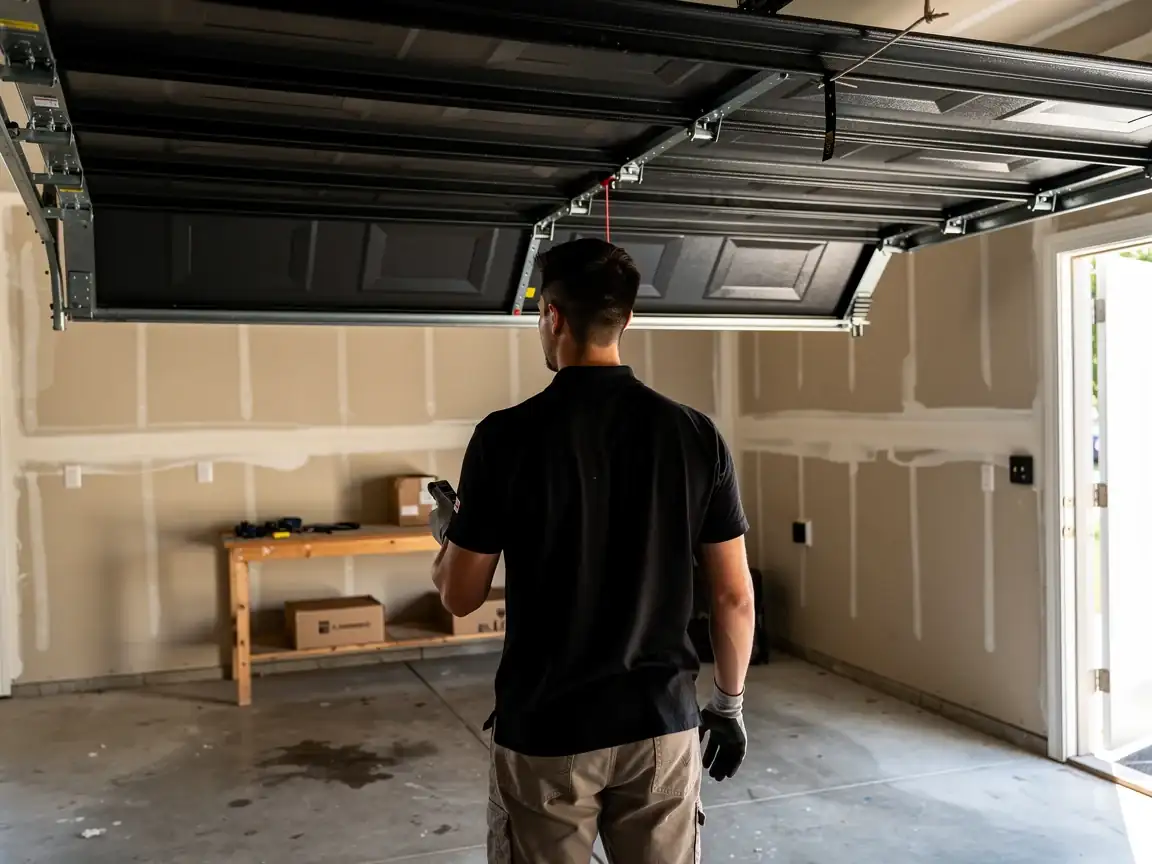
The door doesn't move, or it moves and reverses, or the light blinks a code and nothing happens. Those are symptoms, not diagnoses. A chain or belt that's slipped off its sprocket looks identical, from the kitchen, to a stripped drive gear inside the housing - one is a ten-minute fix, the other means the unit comes apart.
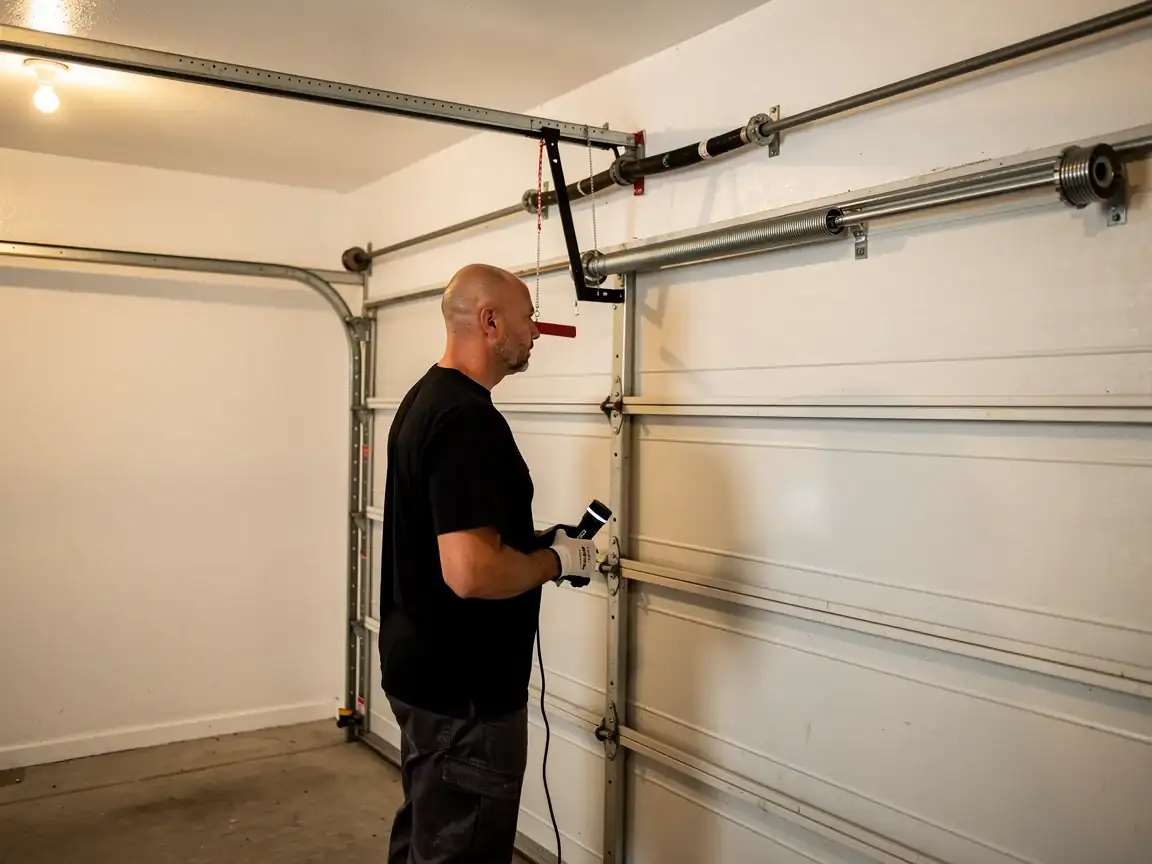
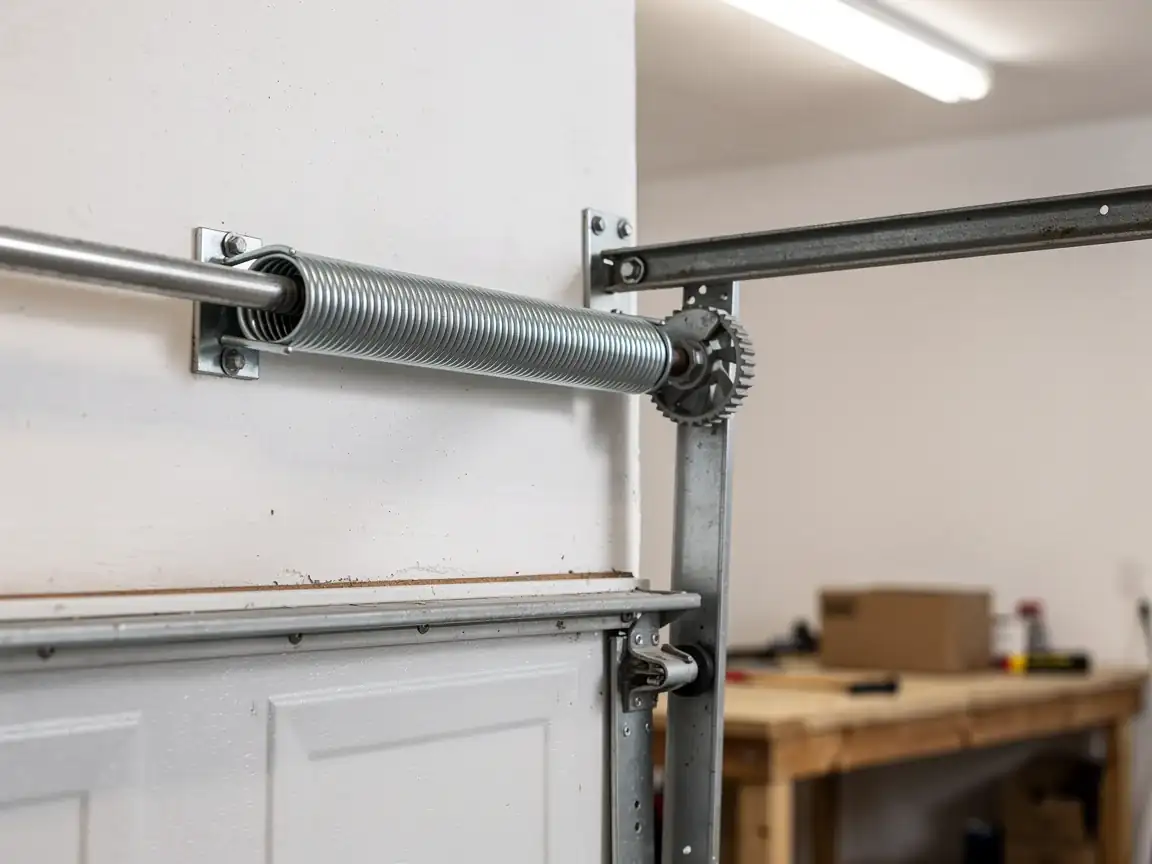
The pattern we see most across this service area is a gear-and-sprocket set that's worn smooth after years of lifting a door whose springs have also drifted out of balance. When the spring isn't carrying its share of the weight, the opener motor and gear take the load instead, and they wear out faster than the manufacturer ever rated them for. That's why an opener that's "suddenly" dead has usually been dying slowly for a year or more. Flickering lights, a grinding sound before the door moves, or a door that only responds on the second or third button press are the early tells, and they show up over and over in houses built in that same mid-century stretch of construction.
Why This Fails Locally
Housing stock across this service area is heavily concentrated in one era - most of it went up between 1967 and 1988, with the median landing around 1975. That's not a coincidence of a few streets; it holds across the 18 named communities we work in, from Casa de Oro-Mount Helix out to Alpine. Openers from that build era, and the first- or second-generation replacements installed on those same houses since, were engineered with steel gears and simpler logic boards than what ships today. Those gears don't fail gracefully - they wear thin and then shear.
The mild temperate climate here actually works against quick diagnosis rather than for it. There's no hard freeze to crack a gear overnight and no extreme heat swing to warp a logic board in a season, so failures creep in slowly instead of announcing themselves. An opener can be losing teeth off its gear for eighteen months before it finally quits on a Tuesday morning, and by then the owner swears it happened all at once. It didn't. It's been happening since the drive train first went out of balance with the door's springs.
The DIY Question
Swapping a remote battery or re-aiming a safety sensor that's drifted an inch out of alignment
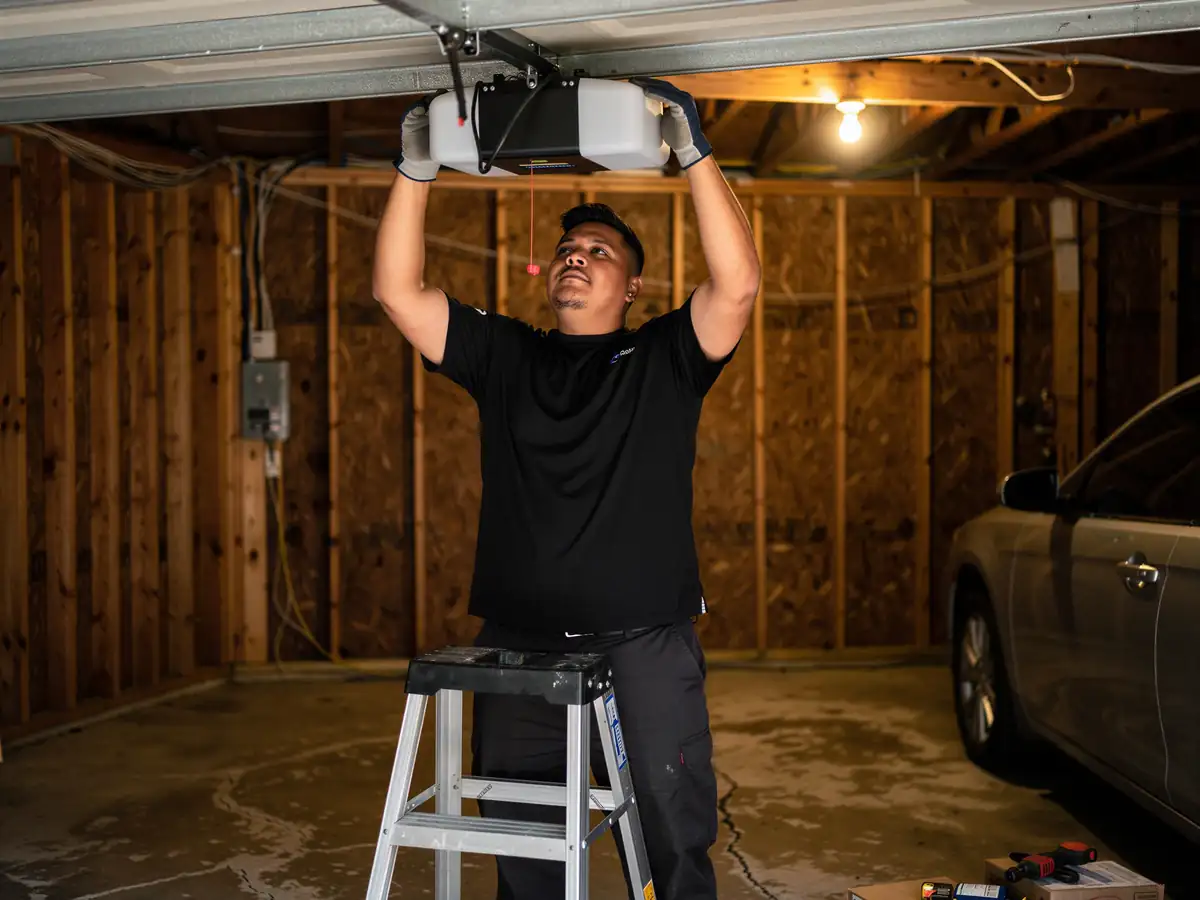
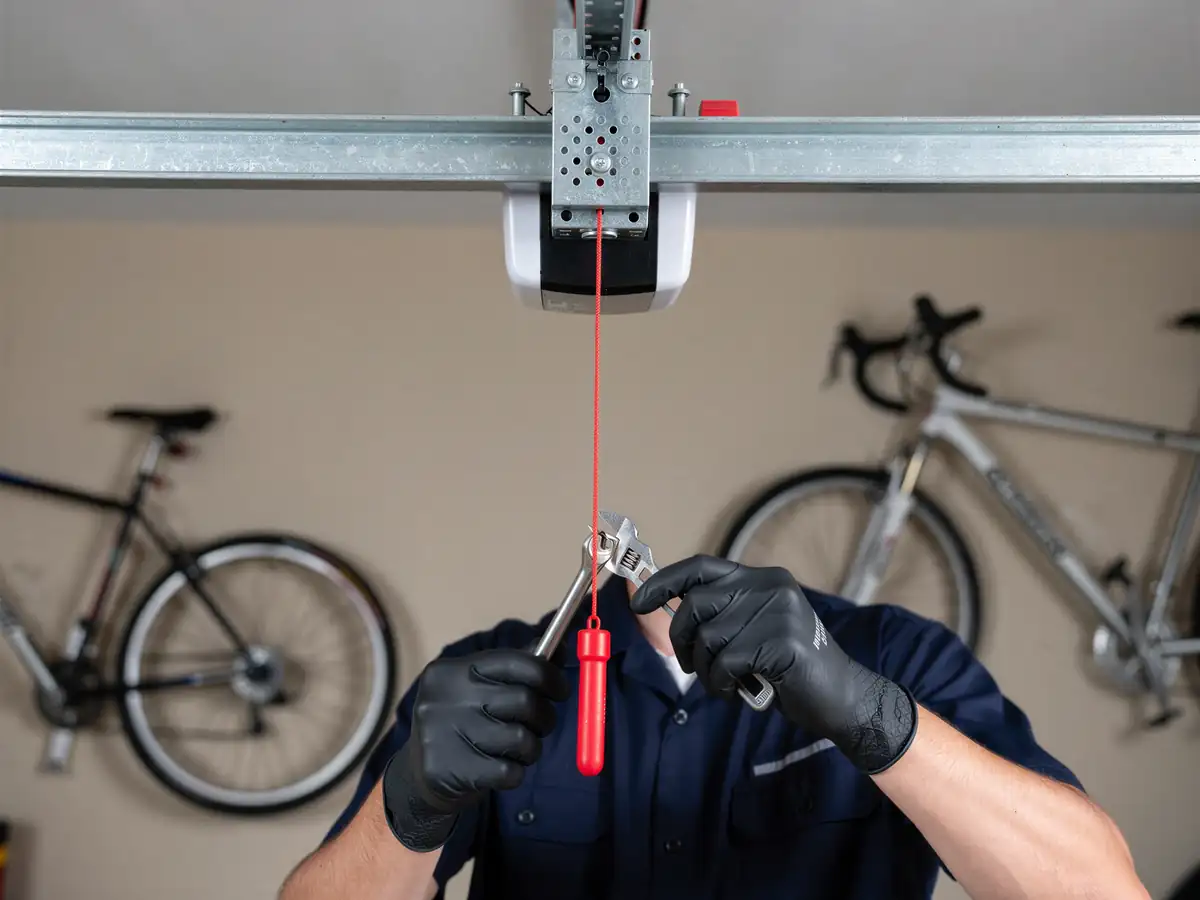
Those are reasonable for a homeowner to handle, and we'd rather you do it yourself than pay a truck fee for it. Anything inside the motor housing is a different matter. Drive gears, logic boards, and the circuit that talks to the wall button are not parts you can diagnose by sight, and opening the housing on a unit still under any manufacturer coverage can void it.
Here's the honest limit
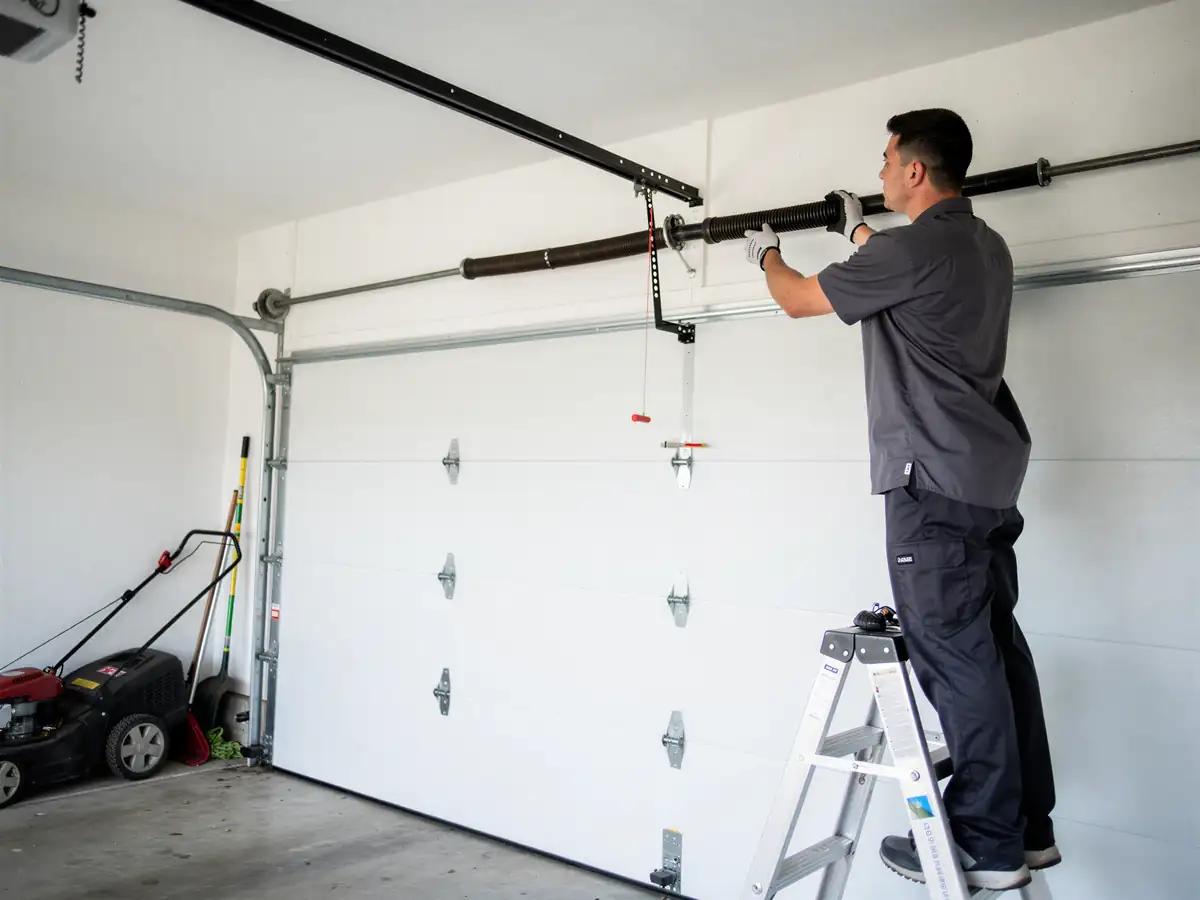
If your opener is old enough that the manufacturer no longer stocks the drive gear or control board, repair isn't always the cheaper path once you count labor against a new unit. We'll tell you that straight when it's true, rather than billing for a repair that's a stopgap. For anything involving the spring system working against the opener motor, that's not a DIY call - a torsion spring under load has enough stored energy to cause real injury, and it's the single most common reason people land in the ER trying to fix their own garage door.