What to Check
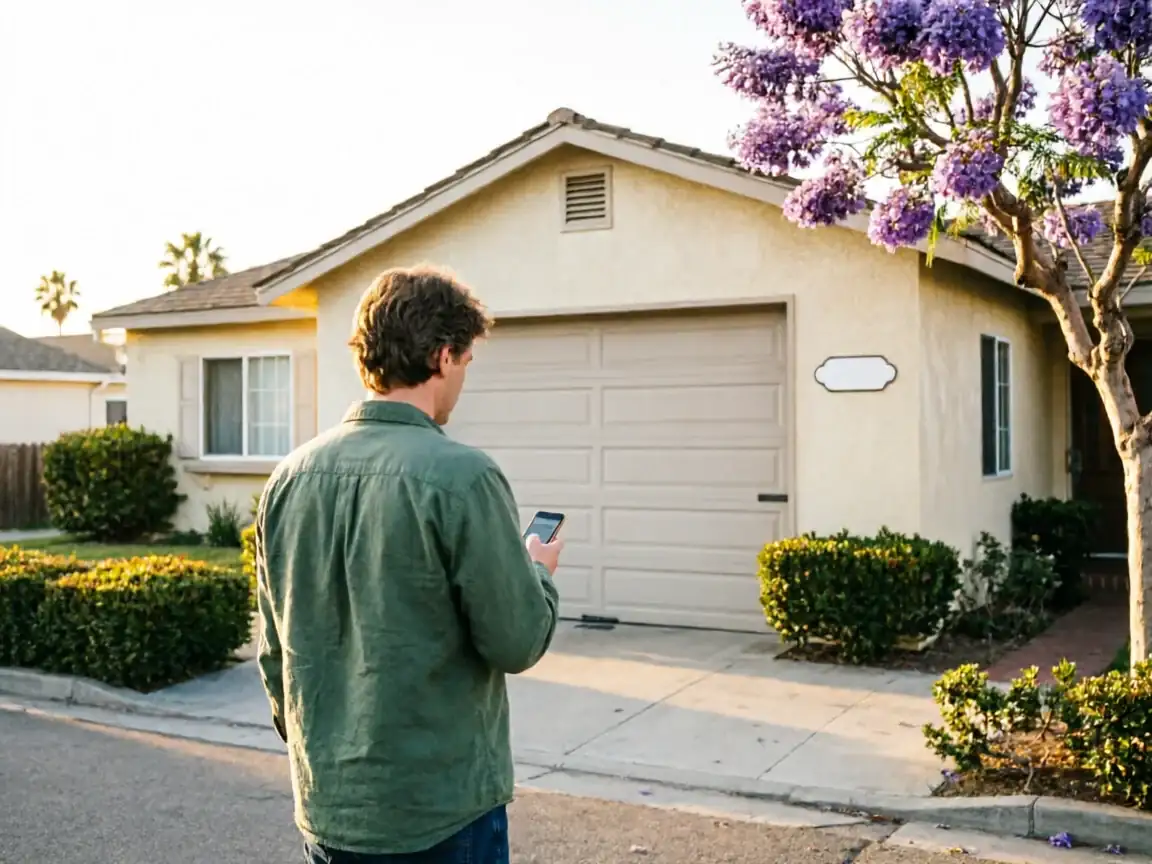
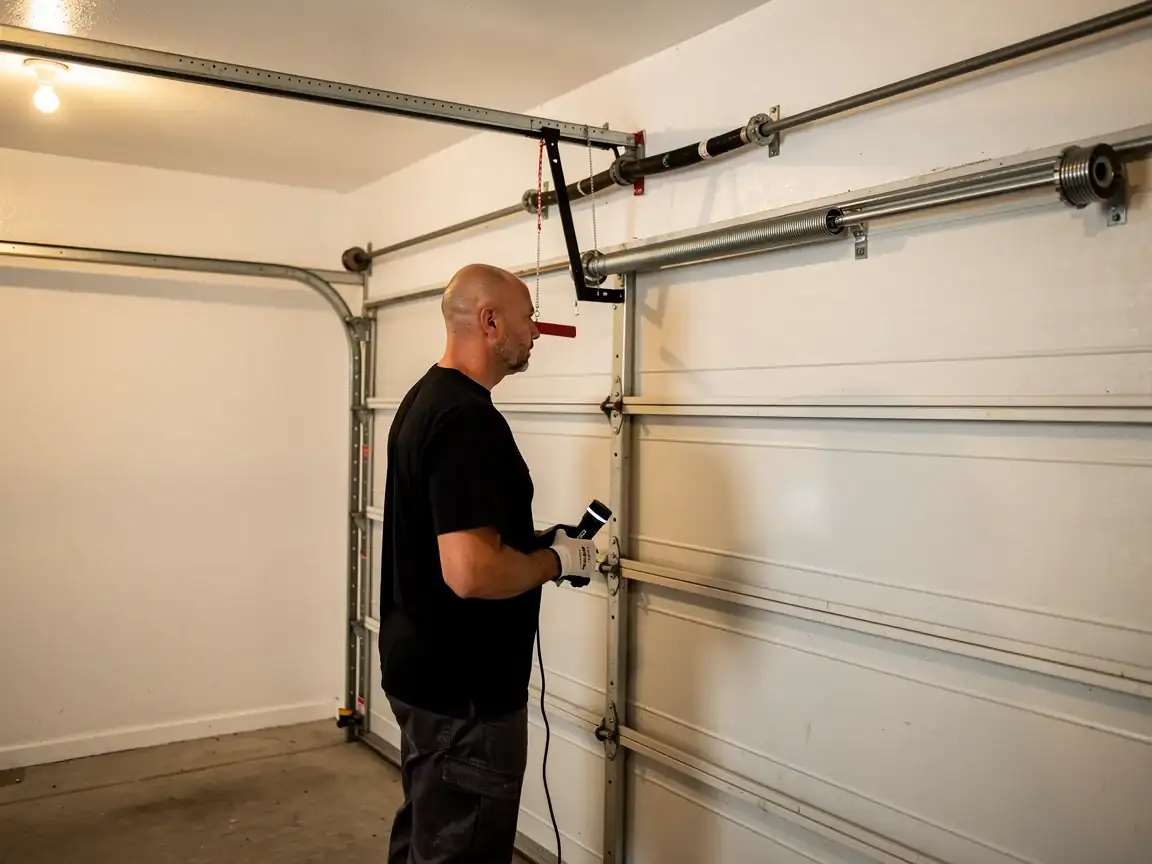
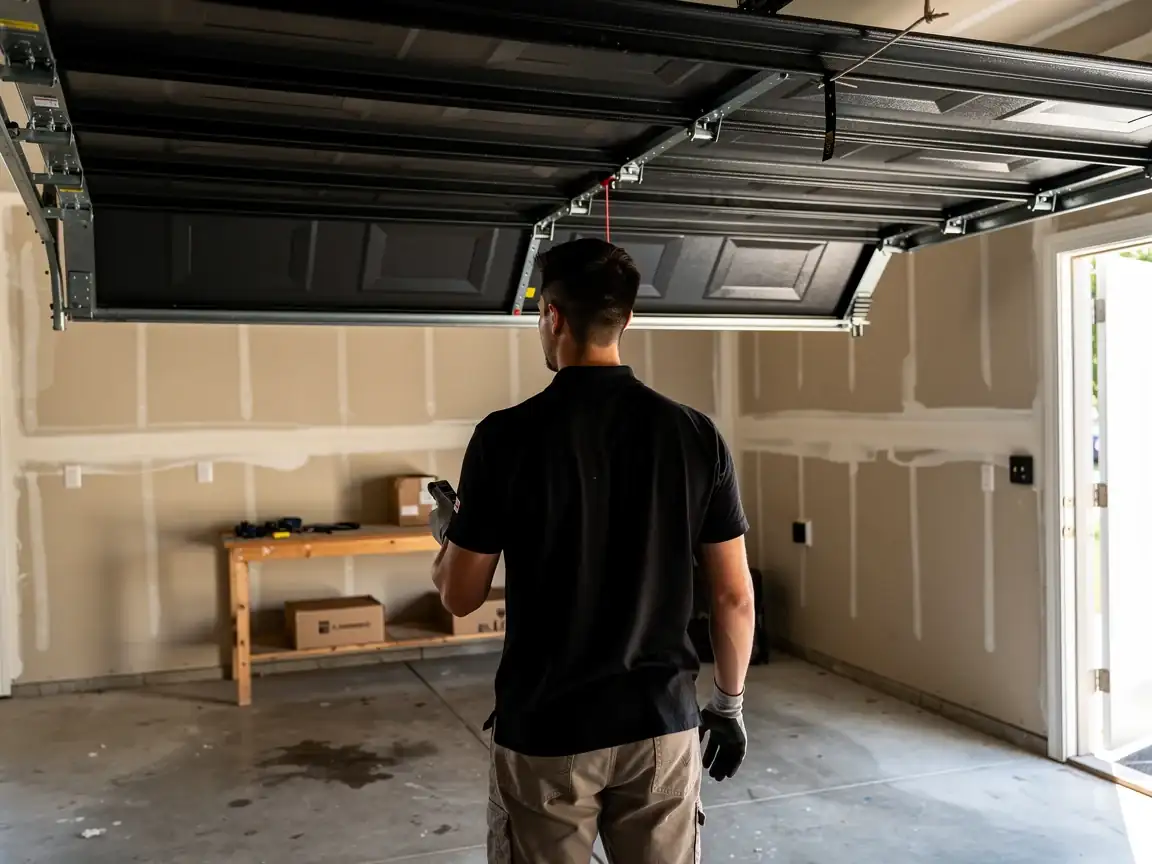
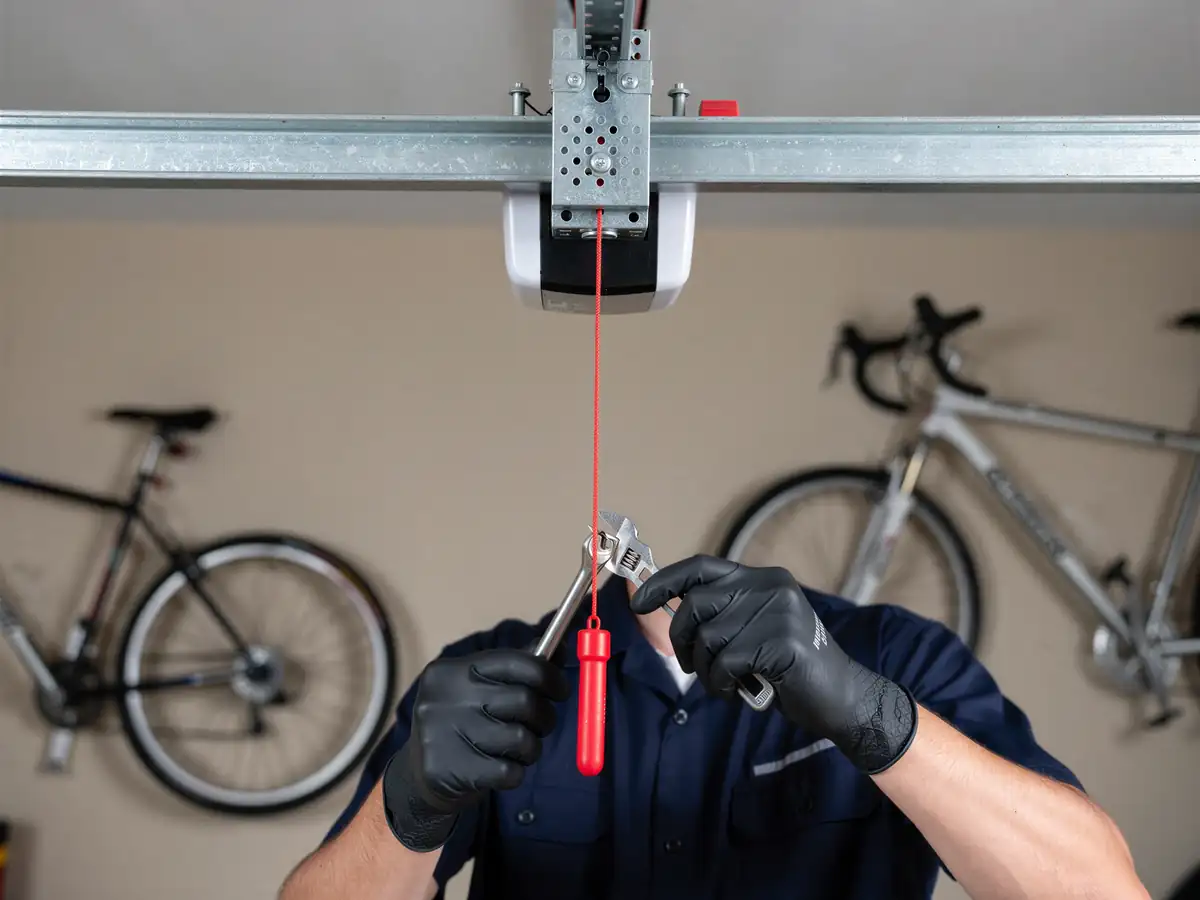
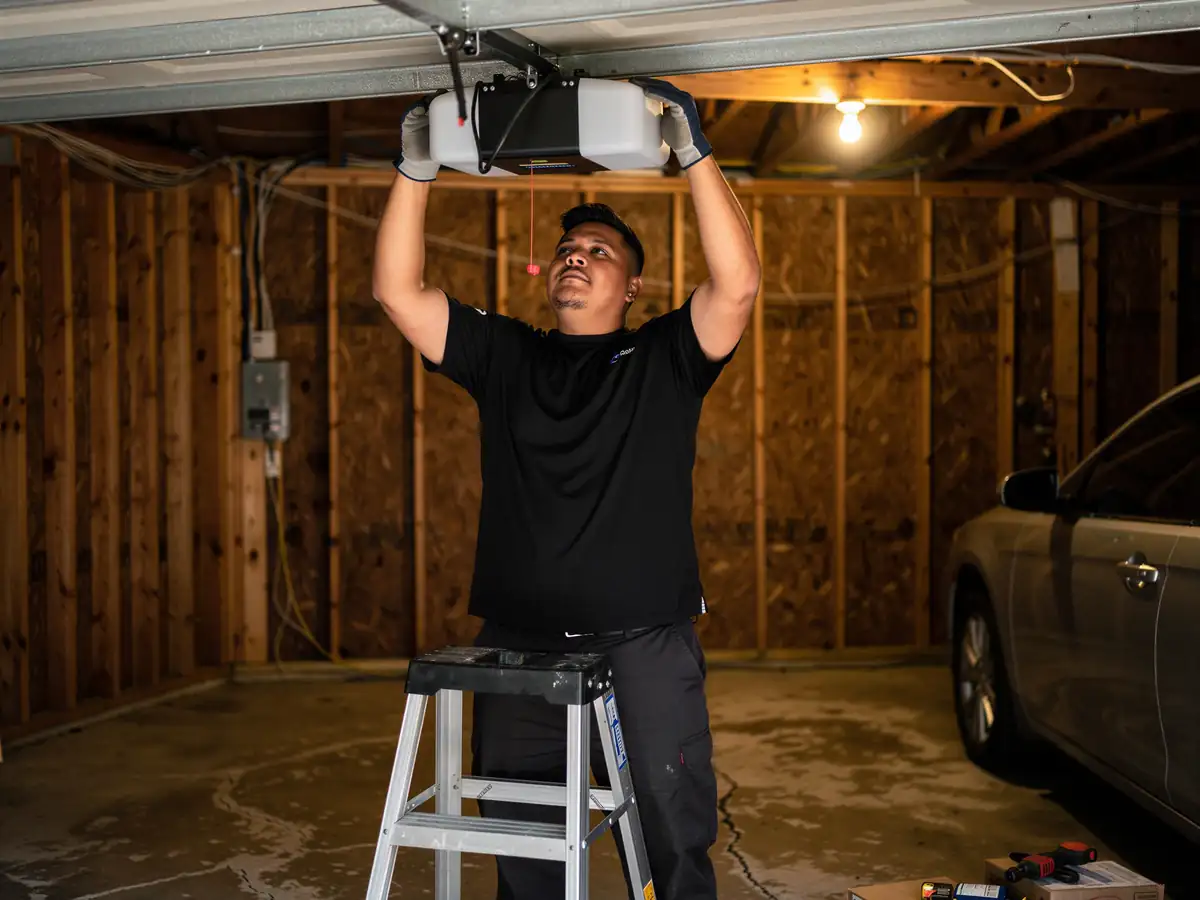
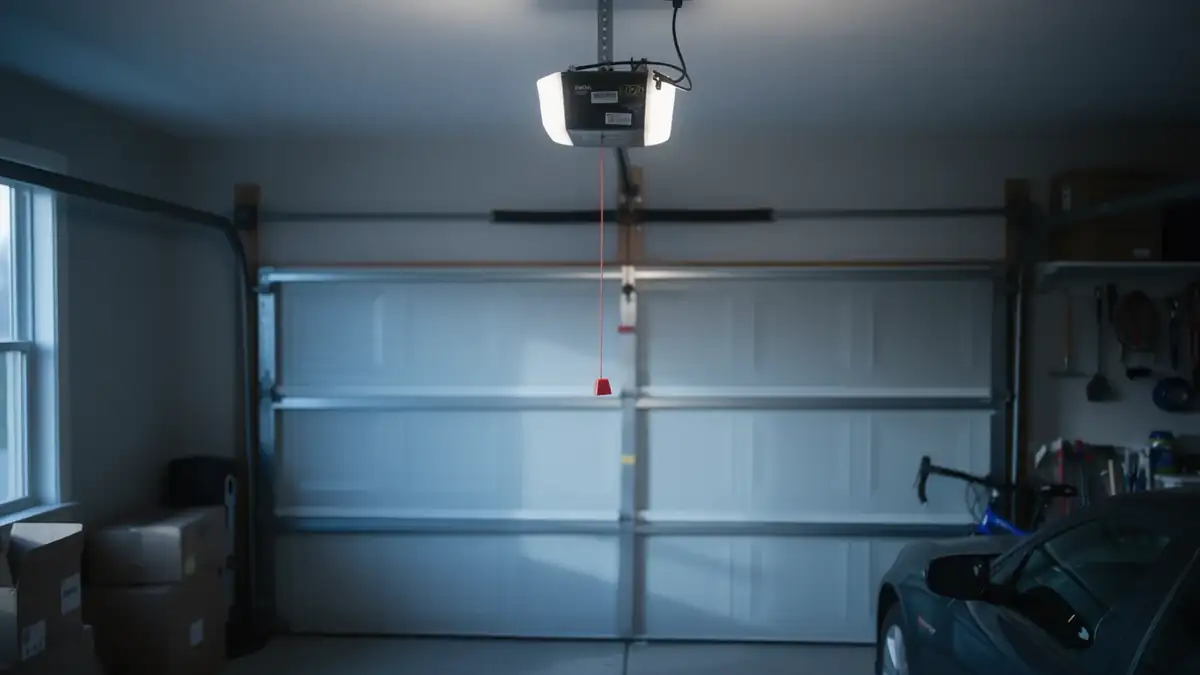
Start at the wall switch, not the remote. If the opener light doesn't come on at all, that's a breaker or outlet problem, which in a house from the 1967-1988 build window often traces back to an outlet that was never on a dedicated circuit to begin with. Check the safety sensors next - the two small eyes near the floor on each track. A knocked sensor reads as a dead opener to most homeowners, and it's the single most common call we get that isn't actually a power problem. After that, check the wall-mounted disconnect cord. If your opener has a battery backup unit (not every model does), test it isn't just plugged in but actually charged; a backup that's been sitting unused for a year often won't hold a charge when you need it. One honest limitation: we don't rewire garage circuits or swap breaker panels. If the diagnosis points to the house wiring rather than the opener itself, that's an electrician's call, and we'll tell you that straight rather than bill you for a repair that won't fix the actual problem.
What Local Conditions Do
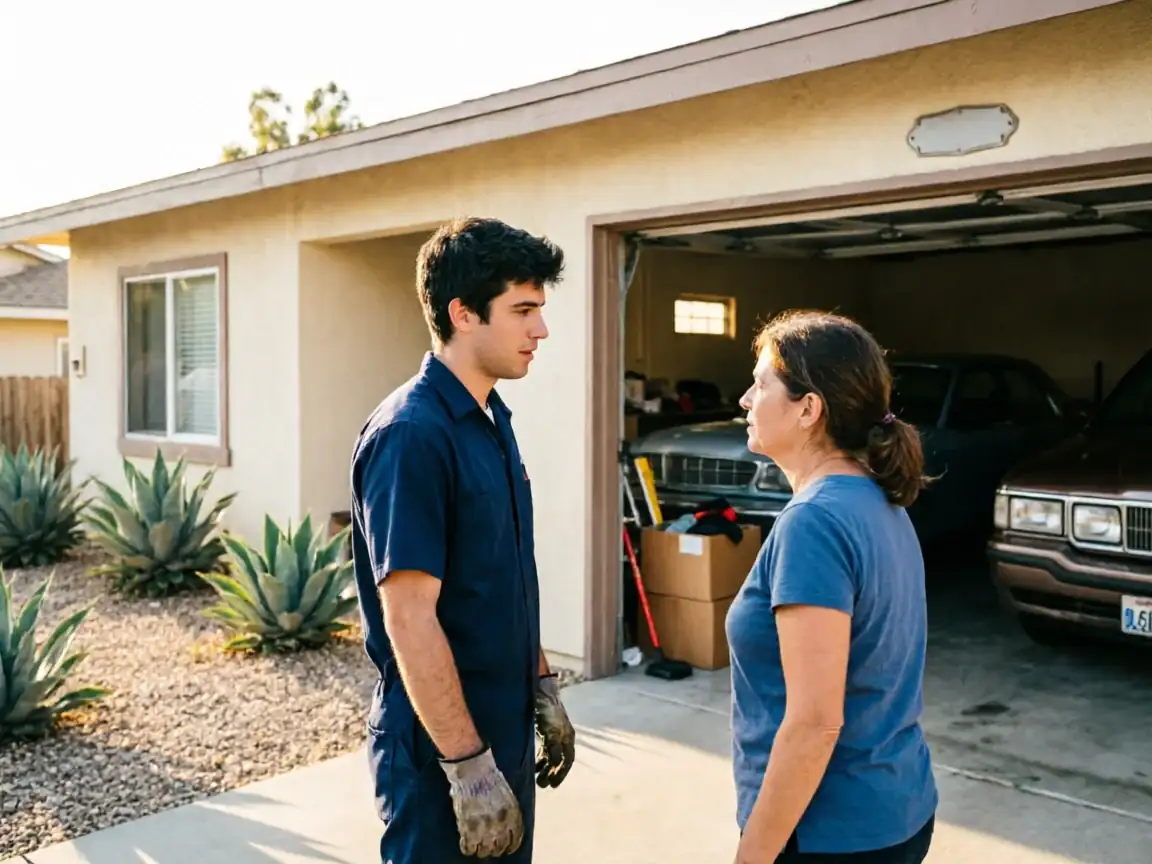
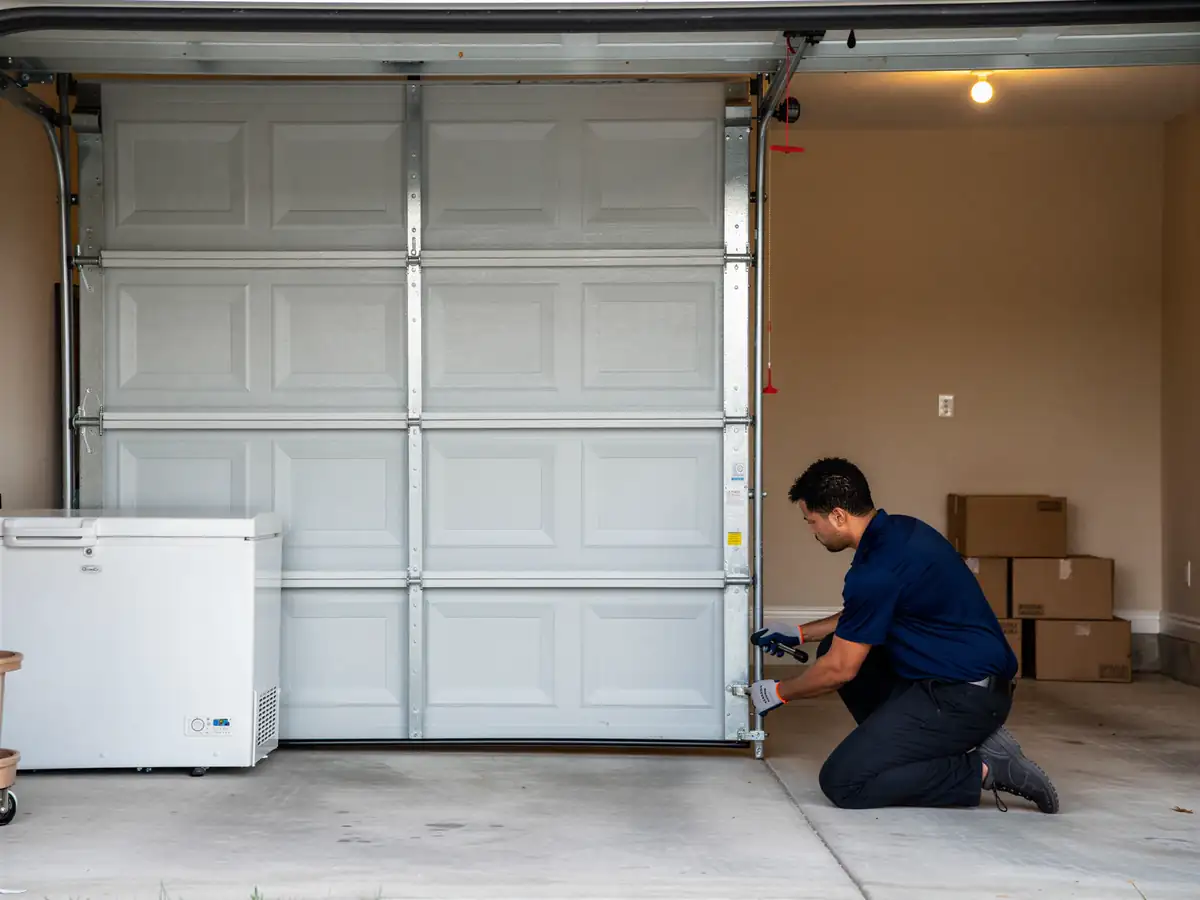
Because this area runs mild temperate rather than seeing hard winters, you don't get the ice-jammed track or the frozen lubricant that force dead-cold opener failures elsewhere. What you do get, with median household income at $105,887 across roughly 132,698 households and 46,922 owner-occupied houses in this service area, is a lot of homes that have added things to the garage circuit over the decades - a second freezer, a workbench with power tools, sometimes an EV charger - without ever upgrading the circuit the opener was installed on. Mild weather means the opener itself rarely struggles against heat or cold, so when it cuts out, the far more likely culprit in a house from this era is a circuit now carrying more than it was built for. That's a wiring story tied to the age of the stock, not a weather story, and it's the opposite of what you'd expect in a place that gets real winters.