What You Are Seeing
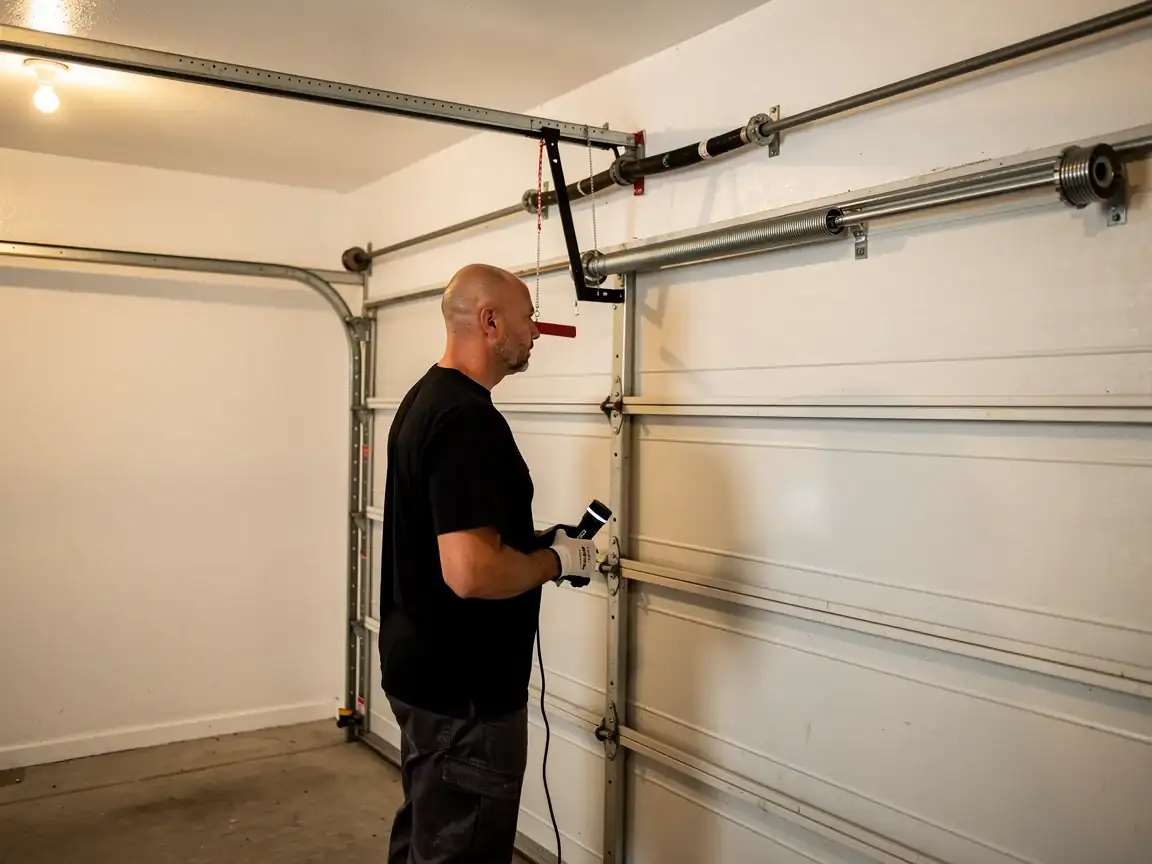
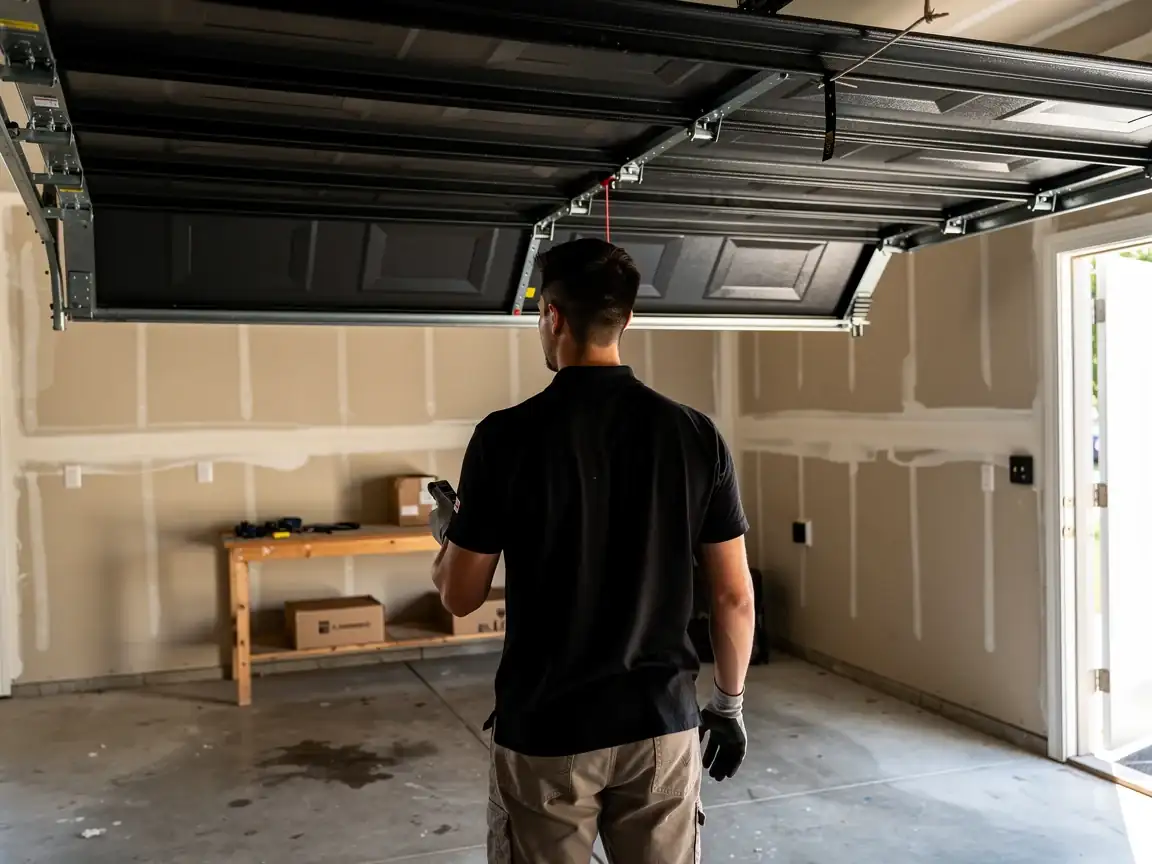
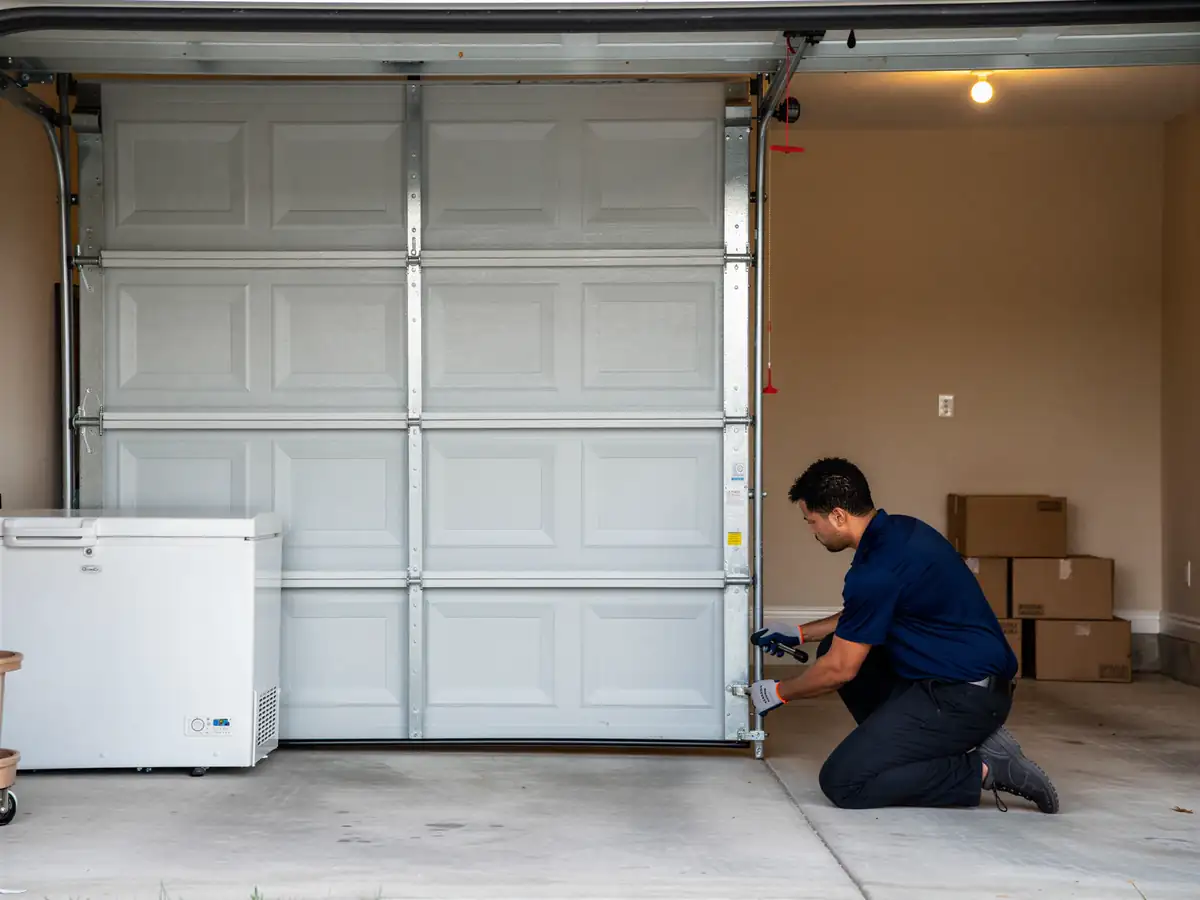
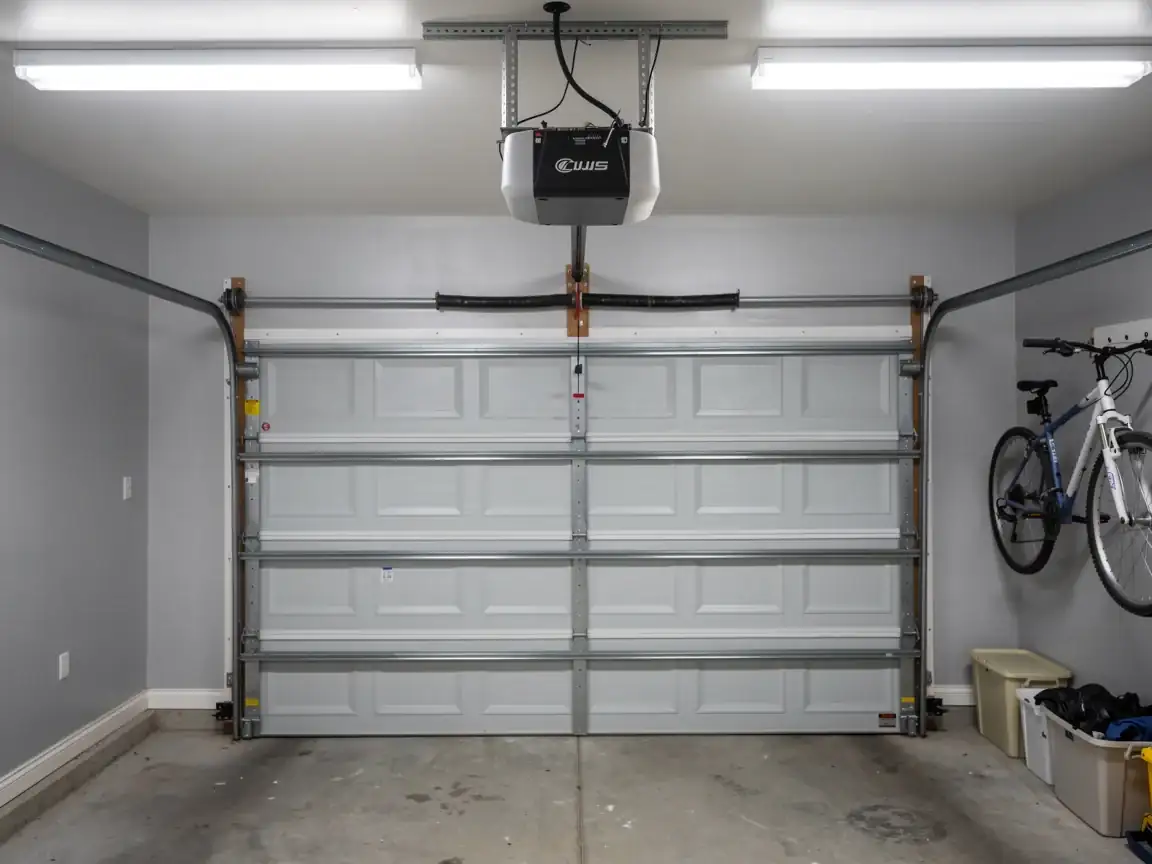
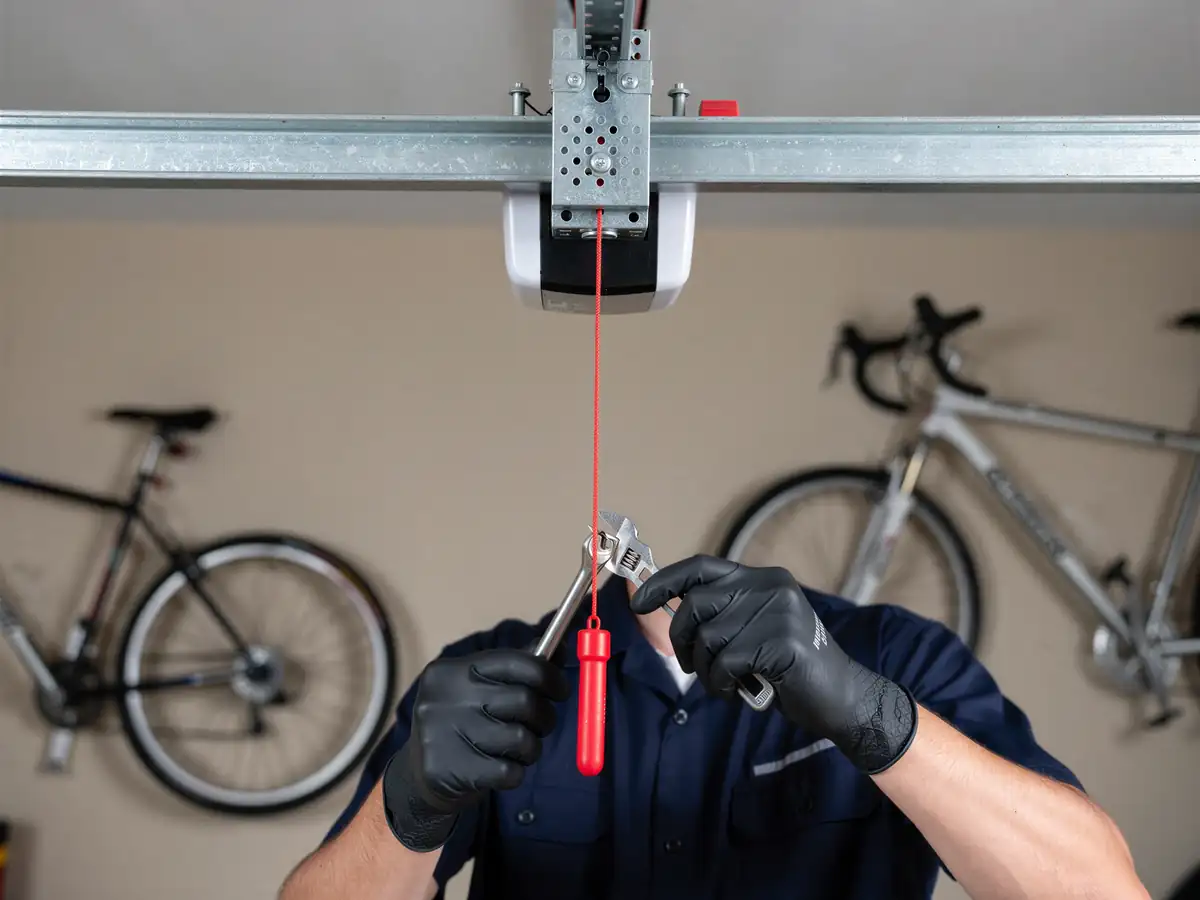
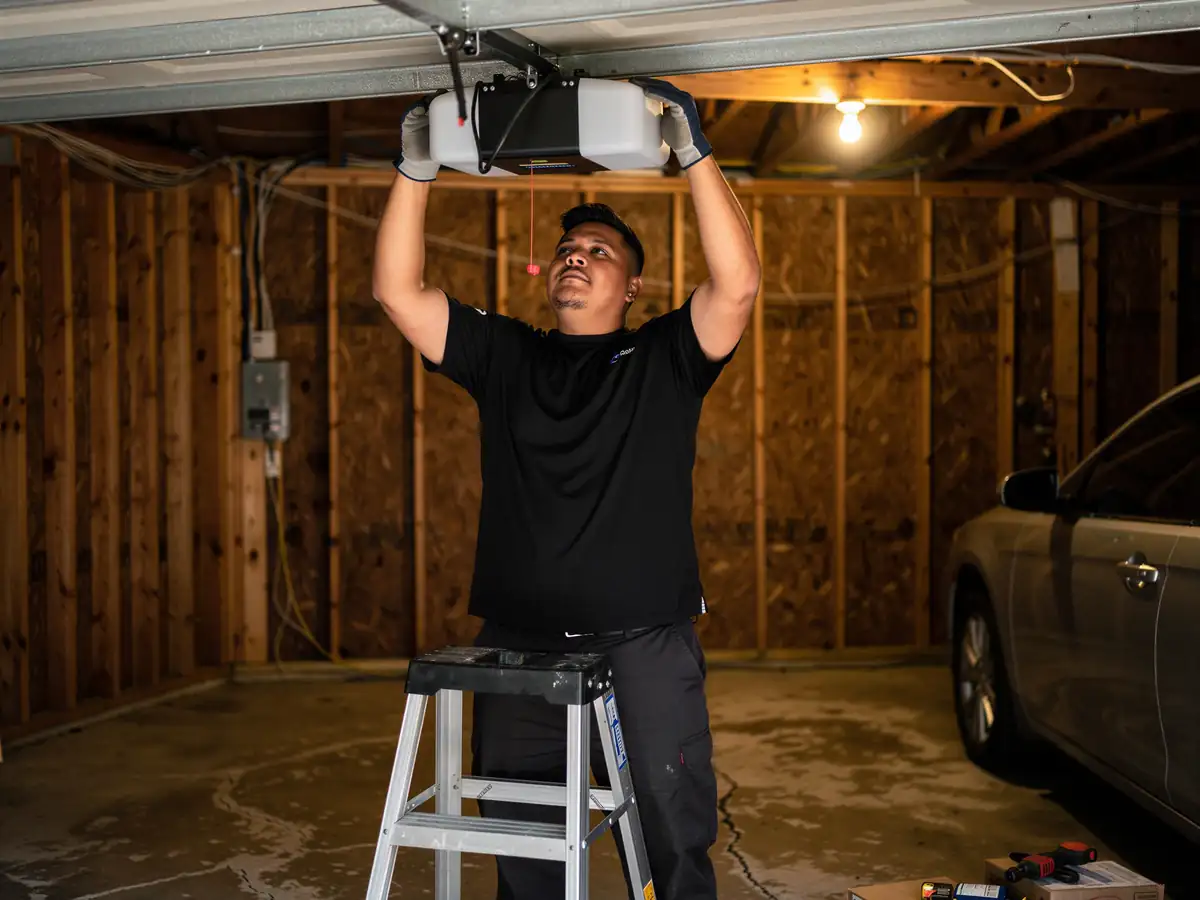
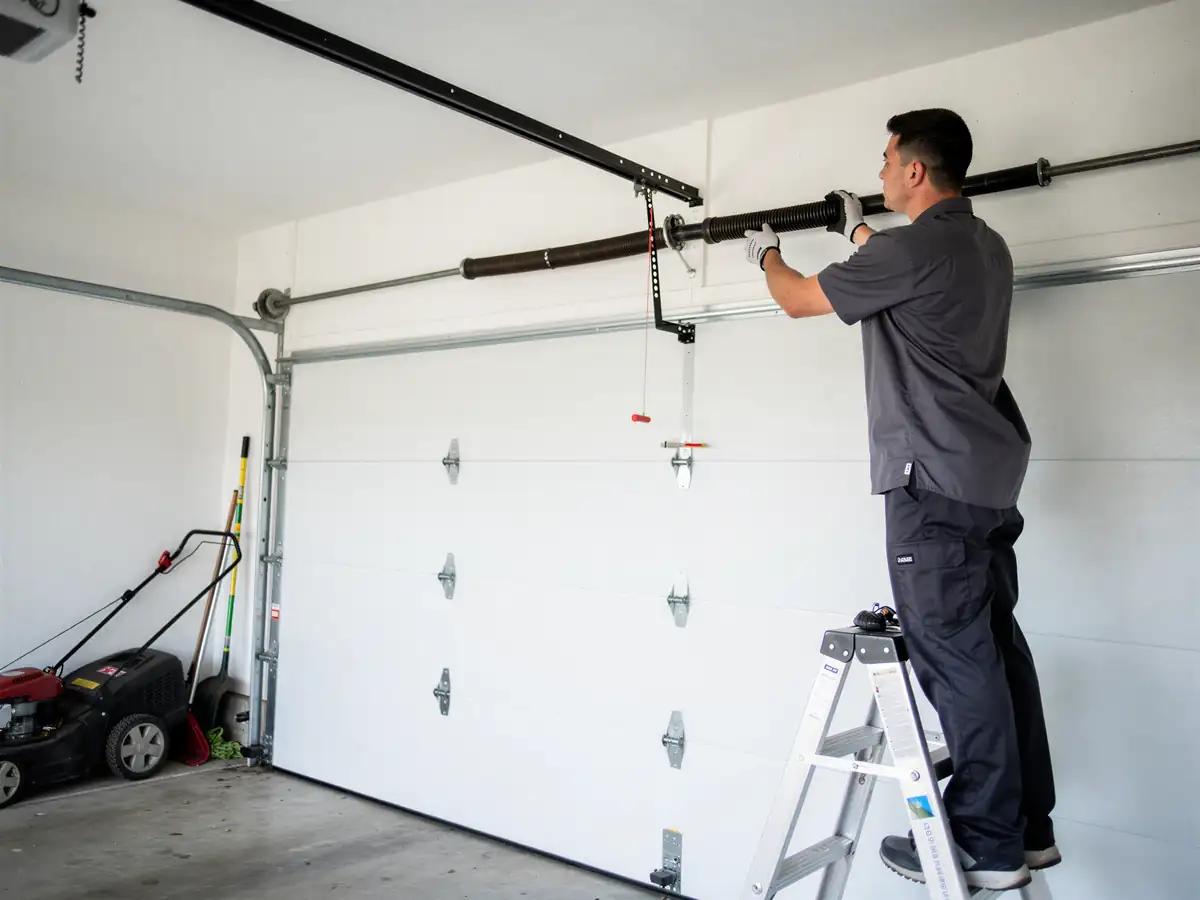
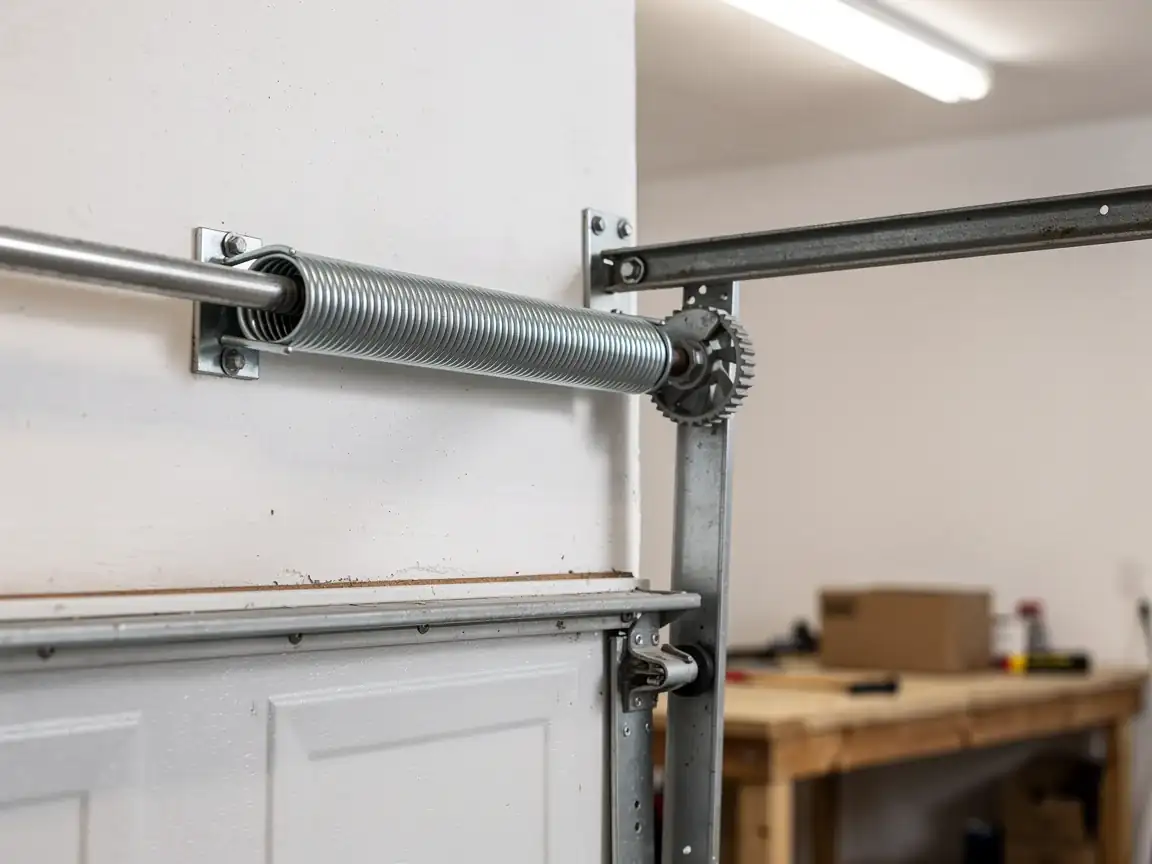
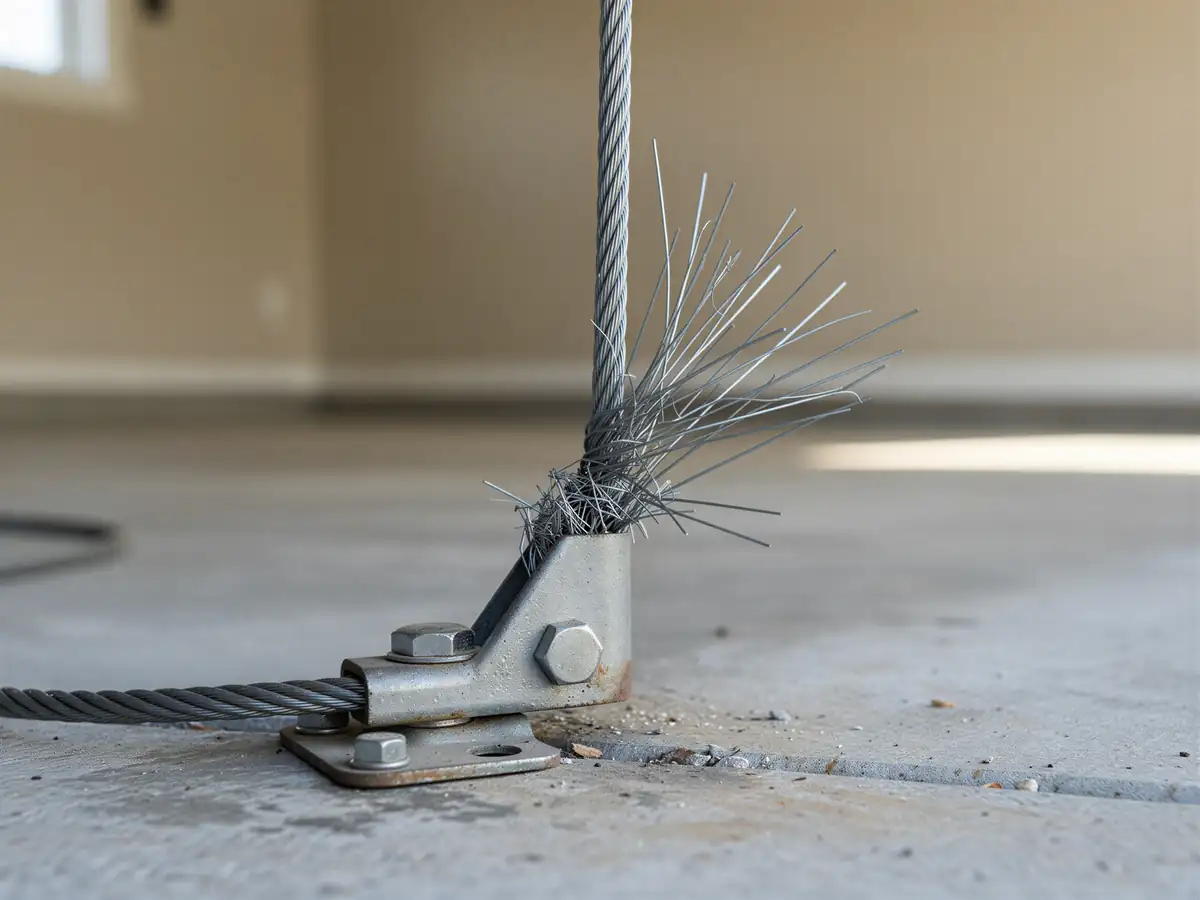
A garage door cable rarely snaps clean out of nowhere. Usually you'll notice one side of the door hanging lower than the other, or the door tilting as it rises, or a cable with visible strands sticking out like a frayed rope where it wraps the drum. Sometimes the door won't move at all, because a cable has come off the drum and jammed in the track. If you hear a bang followed by the door dropping on one side, a cable has let go. None of this is safe to push through with the opener. A door running on one cable puts all the tension on the remaining side, which stresses the track, the roller, and whatever bracket is still holding. Keep the opener off and the car in the driveway until someone looks at it.
Why This Fails Locally
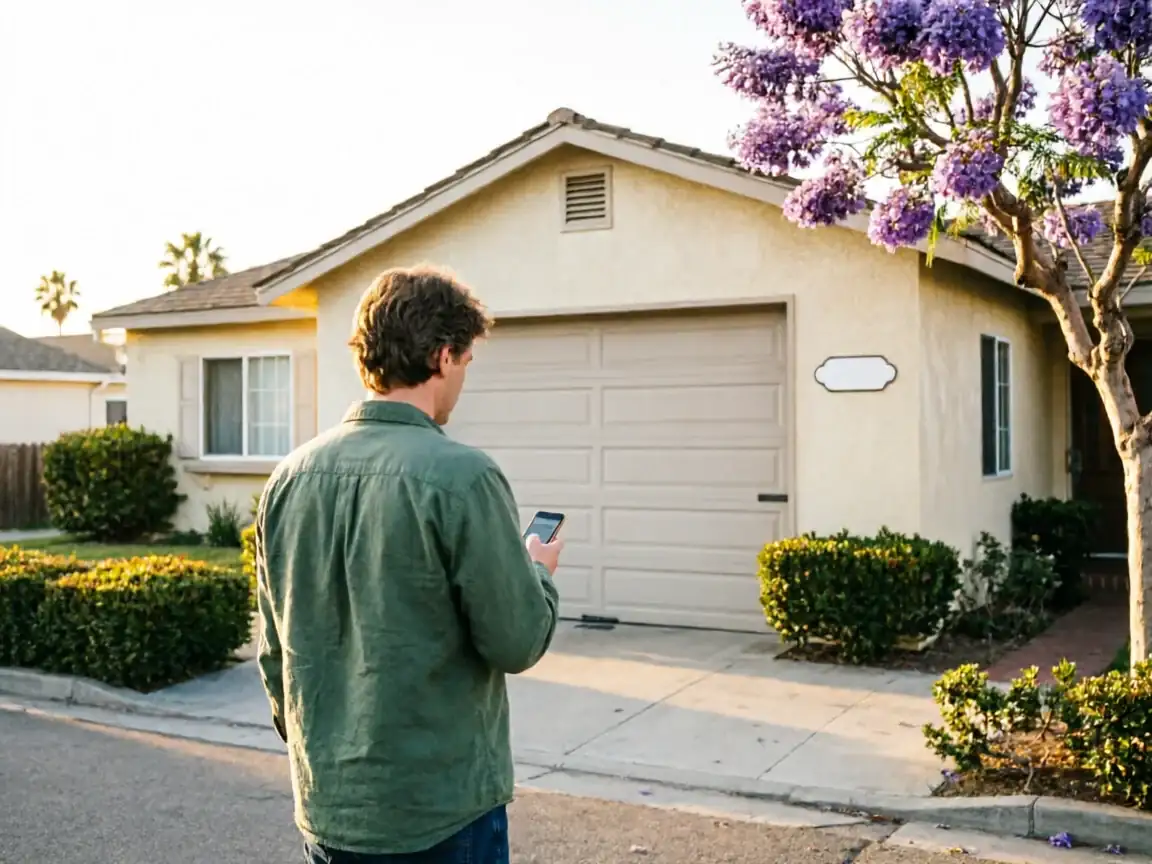
Most of the houses across this service area went up between 1967 and 1988, with a lot of that stock clustered around the mid-1970s. That matters for cables specifically: doors and hardware installed or replaced on that original timeline are old enough that cables have gone through decades of thermal cycling, even in a mild coastal-influenced climate like this one. Mild doesn't mean static. Daily swings between a cool morning and a warm afternoon still flex steel cable at the drum and the bottom fixture, strand by strand, year after year. In a region with harsher winters that stress shows up as sudden cracking; here it shows up as slow fraying that owners don't catch until a strand is already visible. Combine that with 1960s-70s garage hardware that was never built with today's heavier insulated doors in mind, and the cable ends up carrying more load than it was sized for. That's the pattern we see across the 18 or so communities in this area, not a one-off.