The Calls We Get From Here
Most of the calls we take from Bonita trace back to one thing
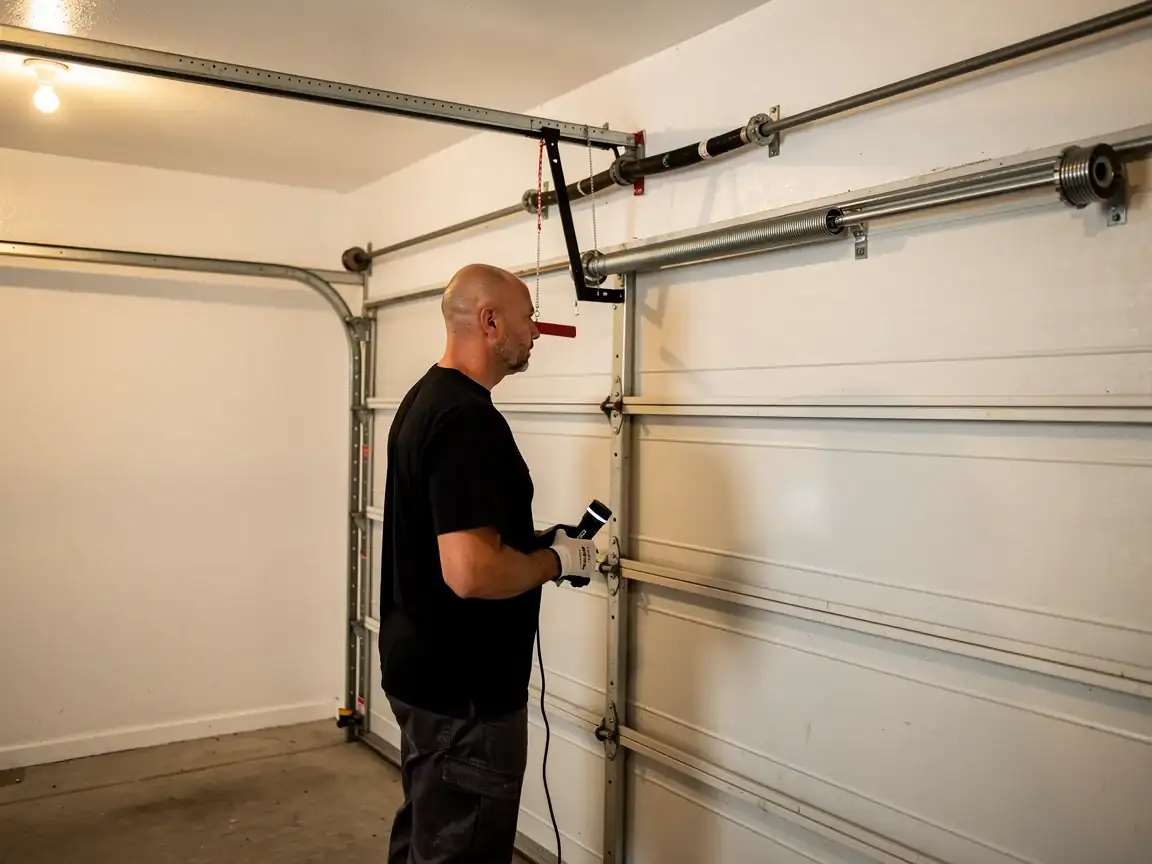
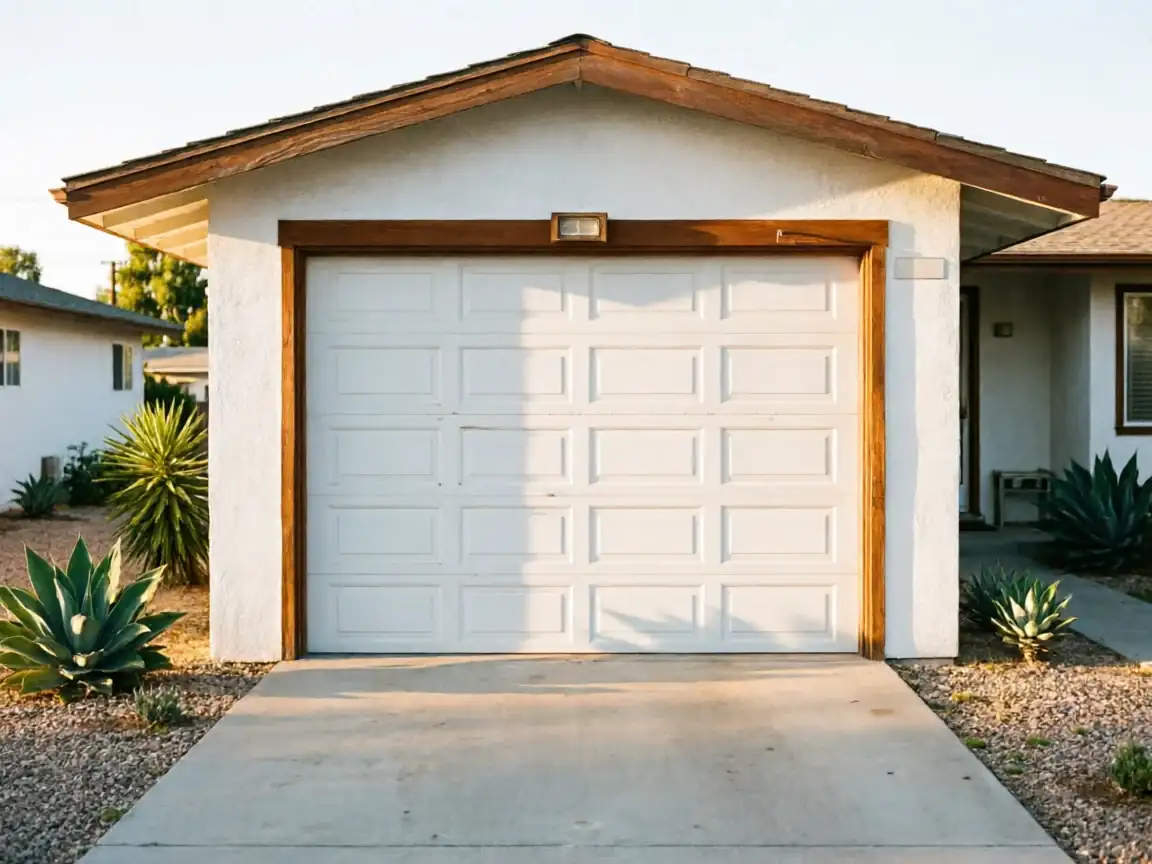
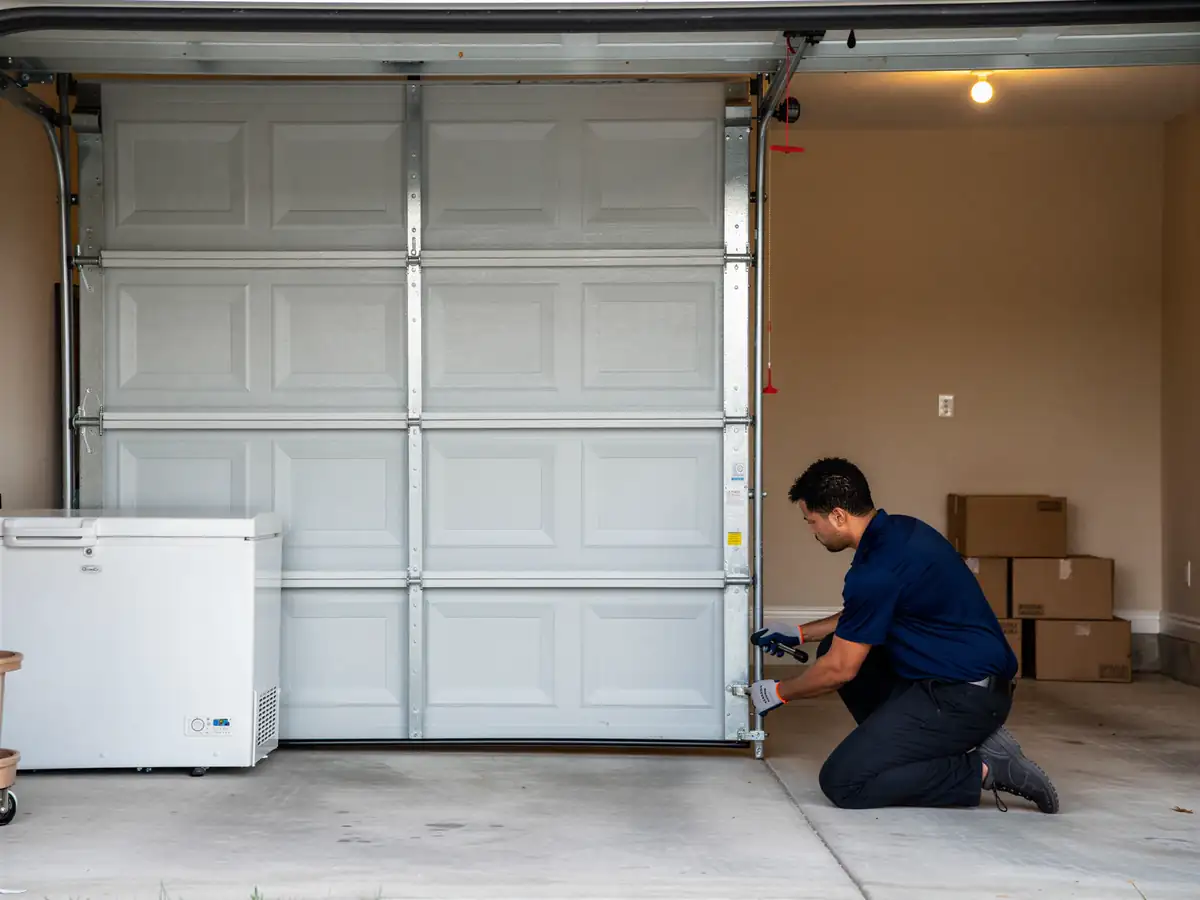
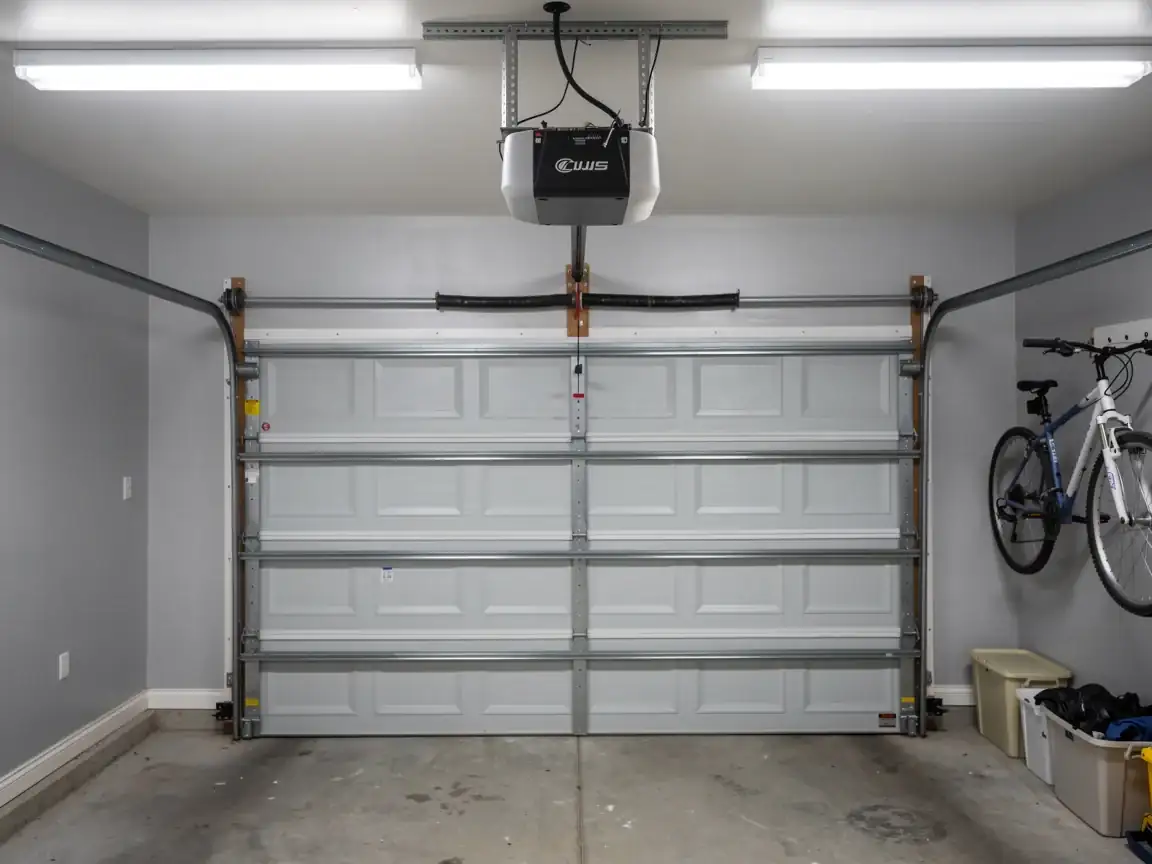
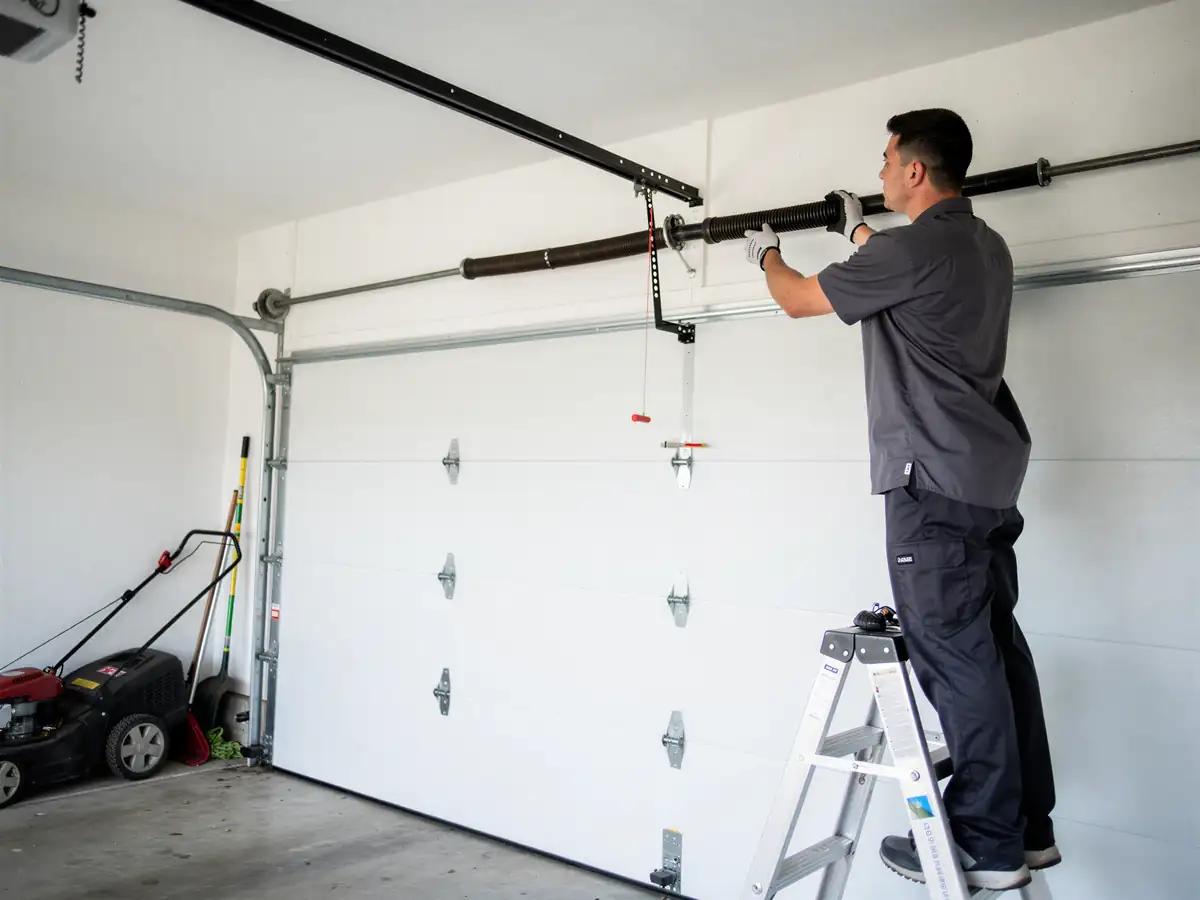
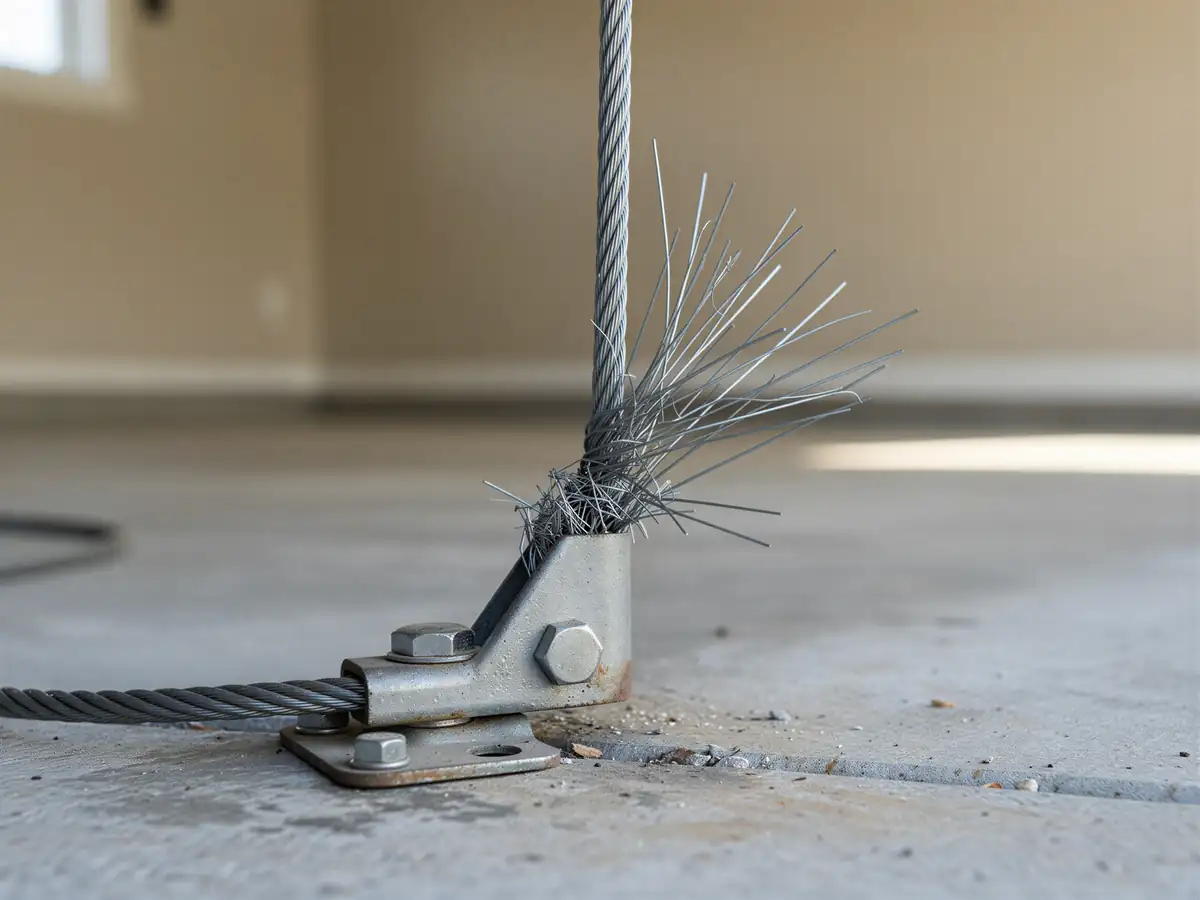
The house behind the door was built around 1975, and a lot of that original hardware is still hanging on the wall. We get a steady run of snapped torsion springs on single-spring setups that were never upgraded to a pair, chain-drive openers from a later retrofit grinding on worn gears, and cables fraying where they wrap the drum after decades of use.
Bonita isn't a high-volume stop for us the way some closer-in areas are
But it's not an afterthought either. With around 4,672 households here, we see enough of the same mid-70s symptoms - galvanized springs sized for lighter steel doors, two-wheel track rollers that were never swapped for nylon - that we know what we're walking into before we get out of the truck.
- 4,672 households
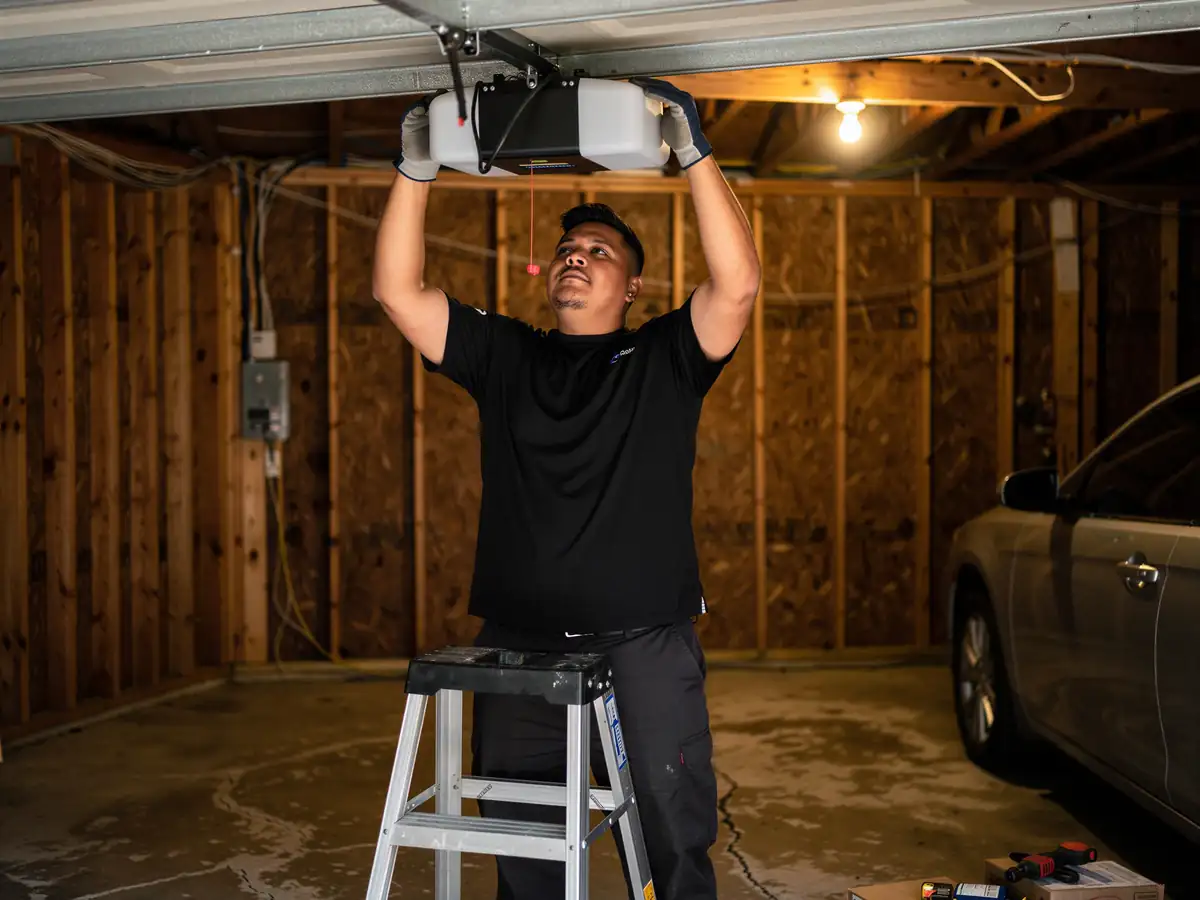
We also get opener calls that have nothing to do with age
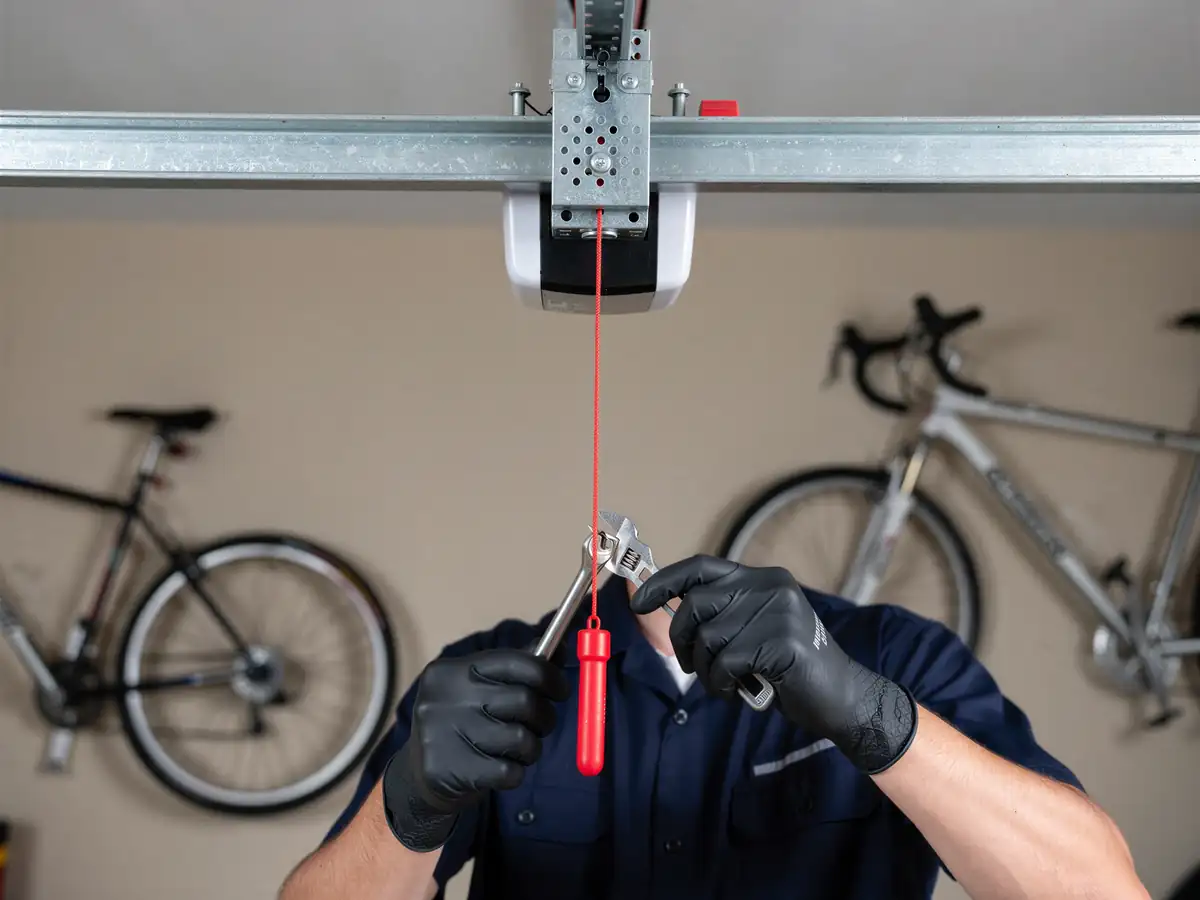
A bad capacitor, a misaligned photo eye knocked out of line by a bump from a car bumper. Those show up in houses of any era, but in Bonita they're usually layered on top of hardware that's older than the opener itself.
How That Shows Up in the Door
A door built to 1975 code is a different animal from one built in 2005. Panels tend to be heavier-gauge steel without foam insulation, which means the torsion spring sizing has to match that weight exactly - swap in a generic modern spring kit and you'll either strain the opener or leave the door too light to hold position.
Track hardware from that era is usually the older two-inch radius style, not the low-headroom tracks common in newer builds, so clearance fixes that work on a 2010 garage don't always translate. Rollers are often the original steel ball-bearing type, loud and prone to seizing after fifty years without lubrication they probably never got.
Bonita's mild temperate climate helps here - there's no deep freeze-thaw cycle cracking panels or swelling wood jambs the way you'd see in a harsher climate band. But fifty years of UV still dries out weatherstrip and bottom seals, and nylon rollers that were never replaced get brittle rather than rotting outright. The failure mode here is wear, not weather damage, and that changes what we check first on a service call.
How We Get to You
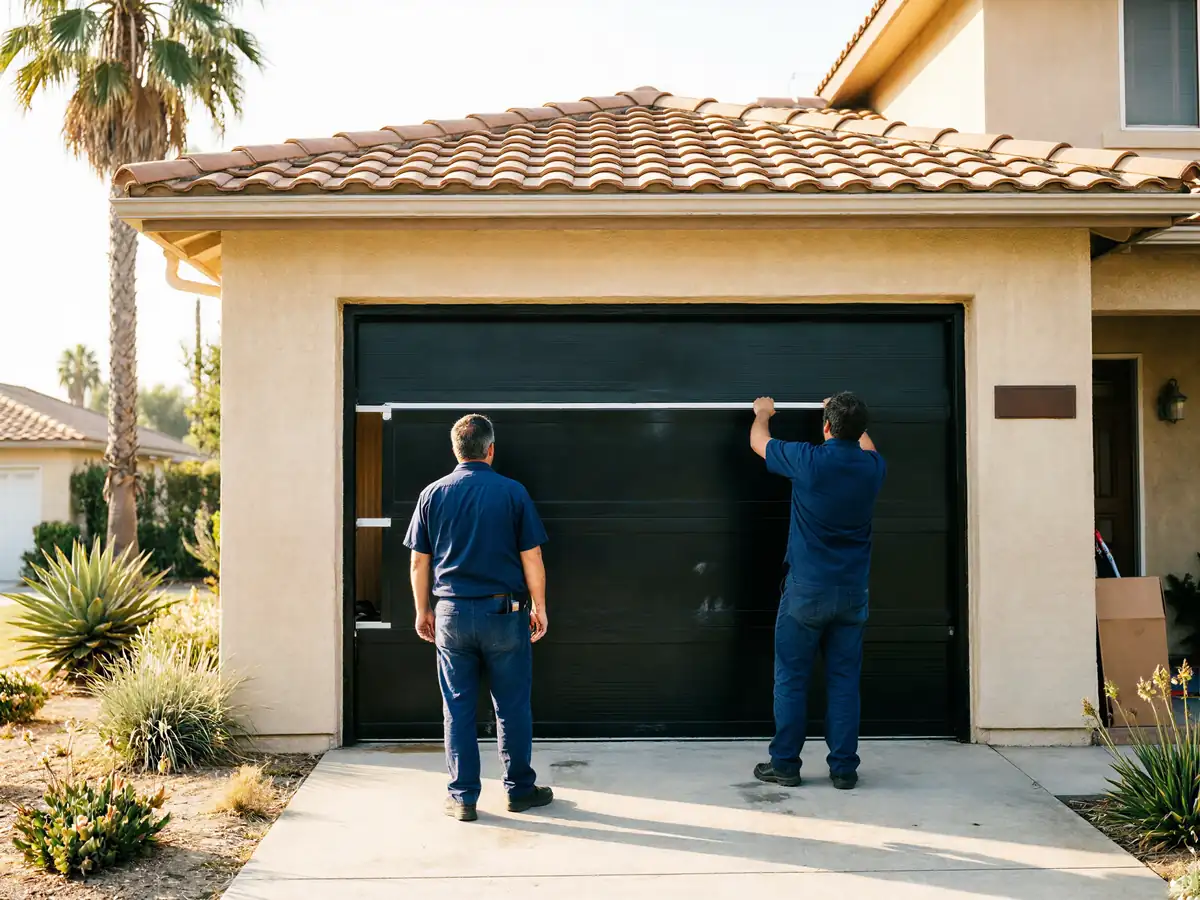
We run out of Spring Valley, and Bonita is about 5 miles from there - close enough that it's a normal stop on the route, not a special trip. We don't keep a depot or a crew stationed in Bonita itself; every job here means a truck coming from Spring Valley, same as it would for Casa de Oro-Mount Helix or La Mesa at a similar distance.
What that means in practice: we carry the common spring sizes and roller types for 1970s-era doors on the truck because we know Bonita's housing stock well enough to stock for it. What it doesn't mean is a guaranteed same-day window - if a job needs a part we don't carry, like an obscure opener control board no longer made for a specific 1970s unit, that part has to be ordered, and we'll tell you straight if that's the case rather than promise a fix we can't deliver that day.
We'd rather be honest about a lead time than rush a repair on hardware we don't have the right piece for.
This Area's Housing
Bonita's median home was built in 1975
Which puts it right in the thick of the 1967-1988 construction wave that shaped much of this part of the county. That one fact drives almost everything about what we see on a service call here - the spring sizing, the track style, the opener generation that eventually got bolted on as a retrofit.
Income here runs higher than the broader service area
Median household income in Bonita is $117,750, compared with $105,887 across the wider coverage footprint. That shows up less in the hardware itself and more in the calls - we see more owners opting for a full opener replacement with a belt-drive unit instead of patching a dying chain-drive, and more insulated steel or composite panel upgrades rather than straight repairs.
With roughly 4,672 households in Bonita, it's a modest slice of the territory we cover
Not the biggest. But it's consistent: same building era, same failure patterns, repeat calls on the same handful of issues rather than anything unusual. That consistency is part of why we can carry the right parts on the truck before we even get the address.
- 4,672 households