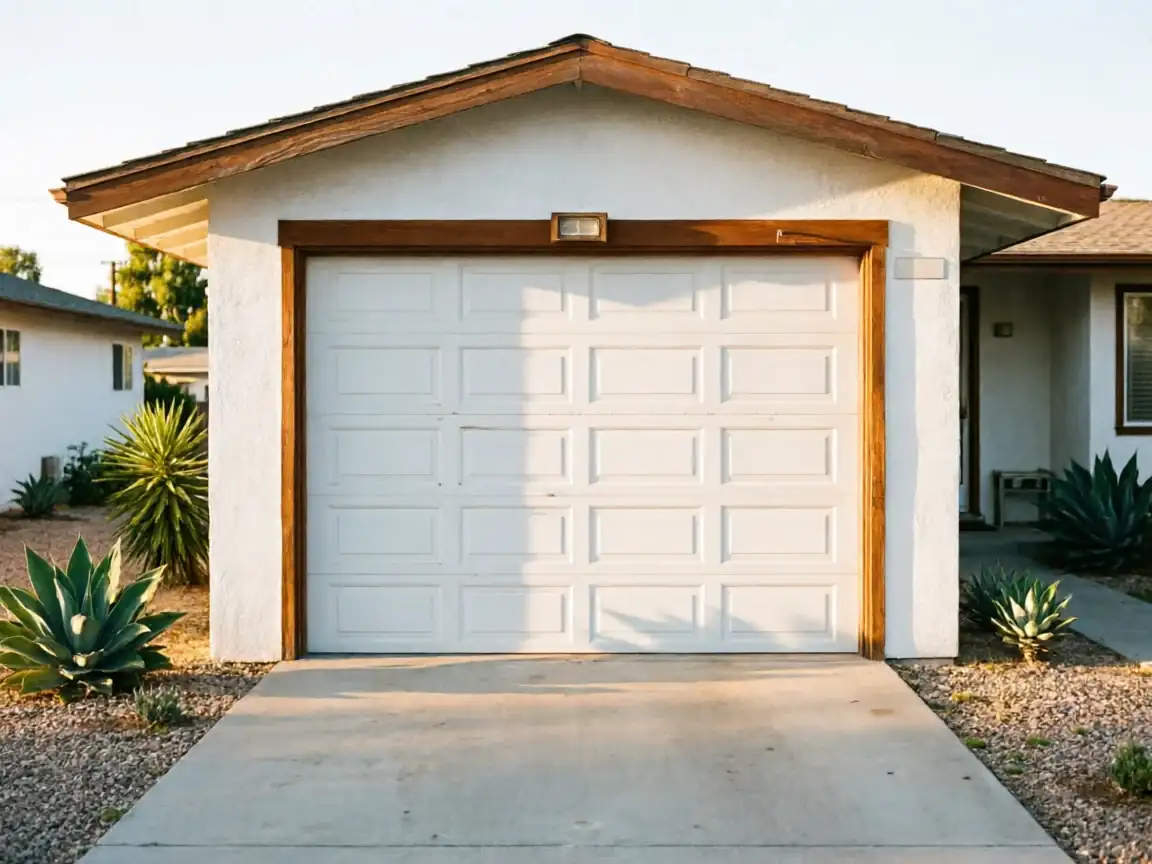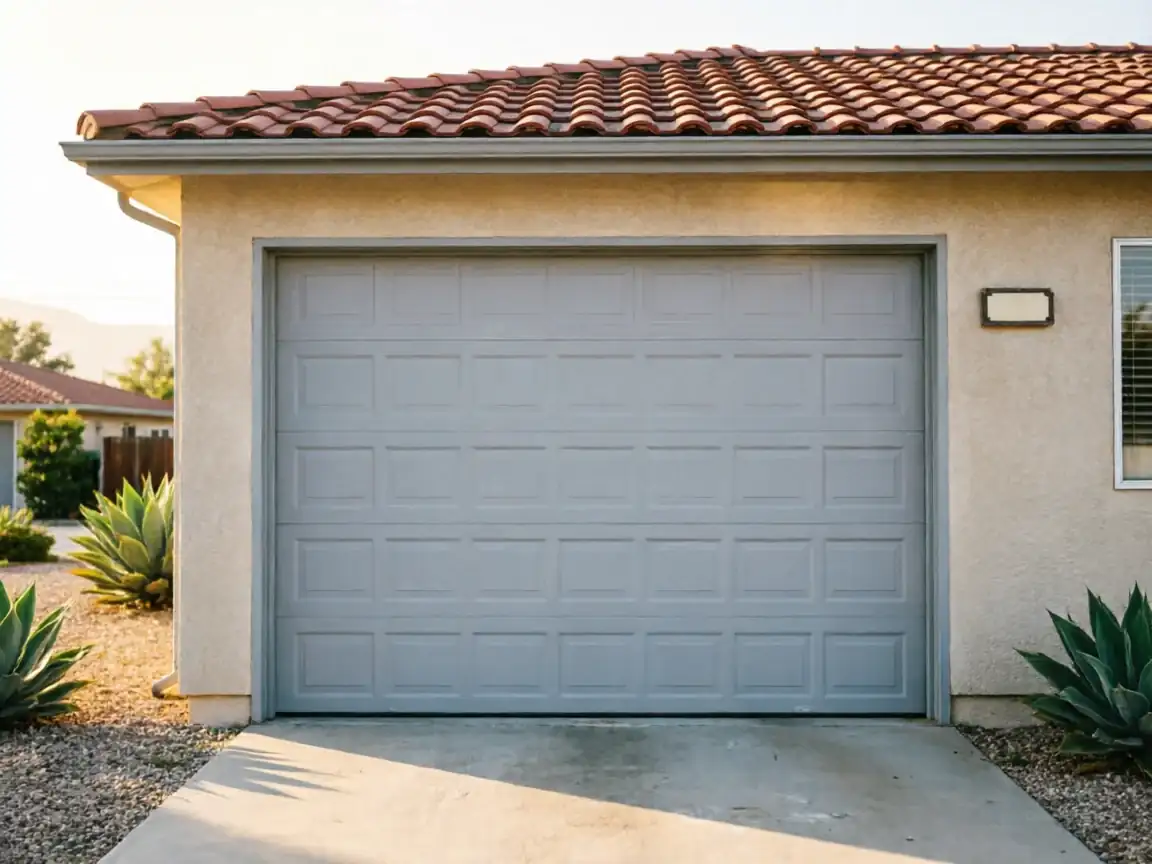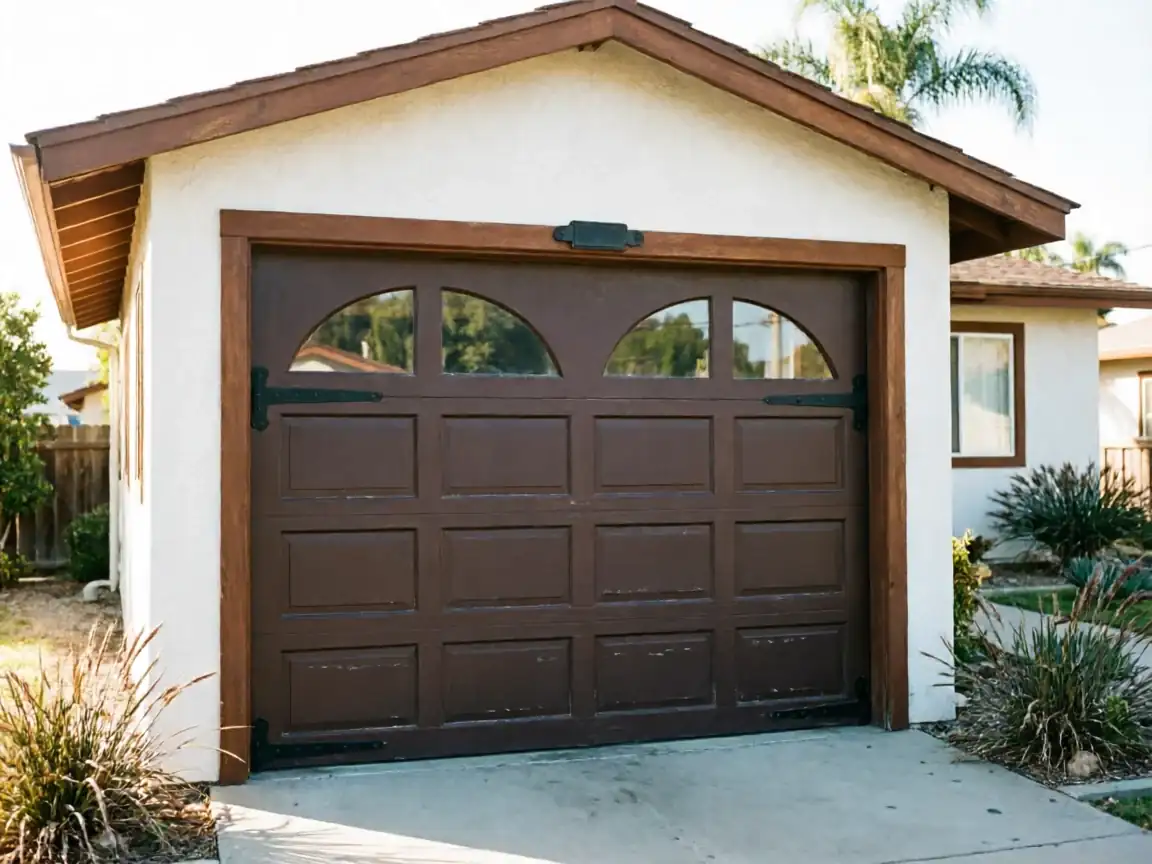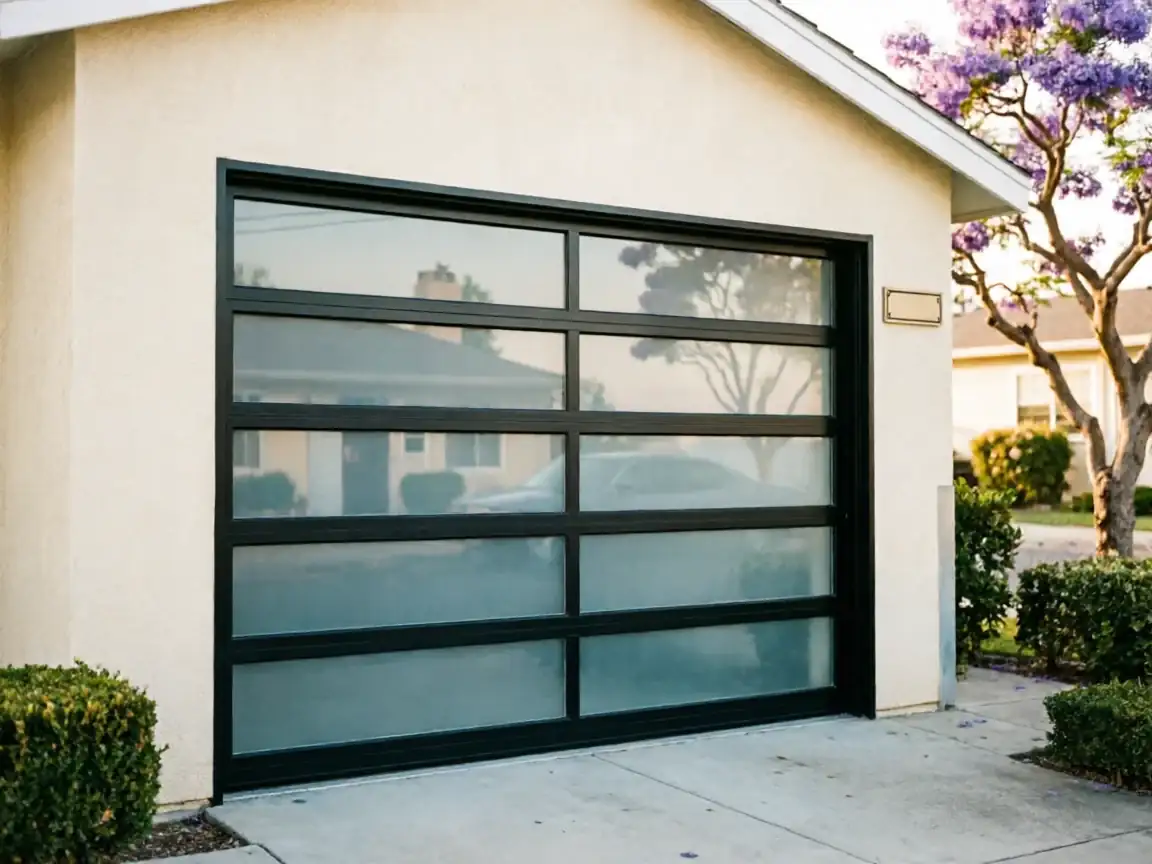
What You Are Seeing
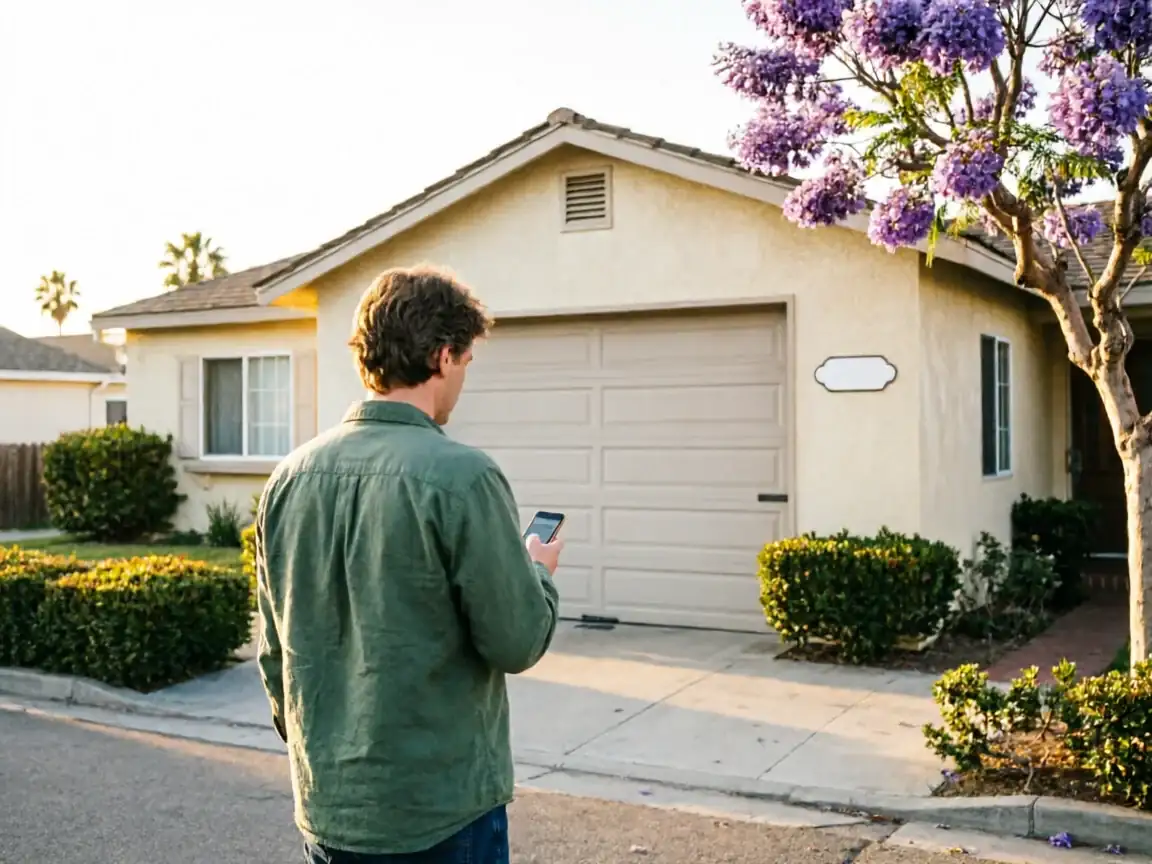
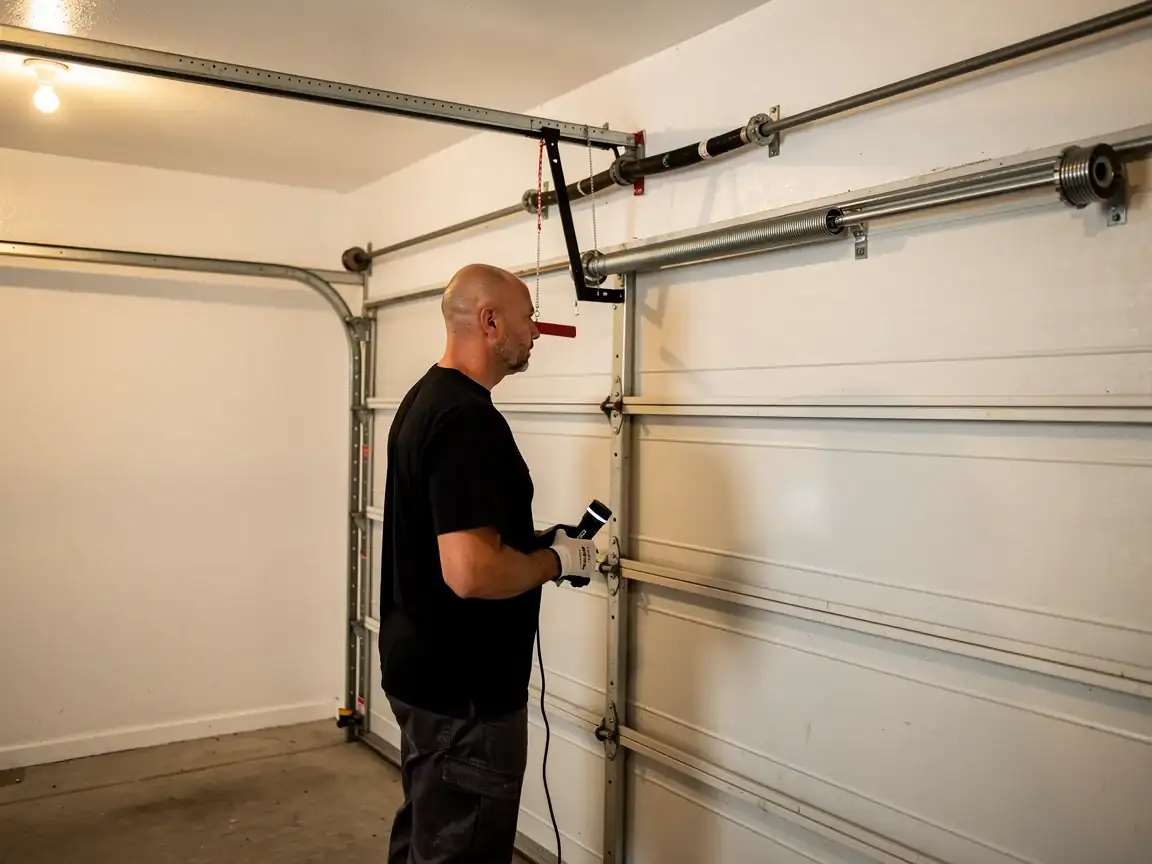
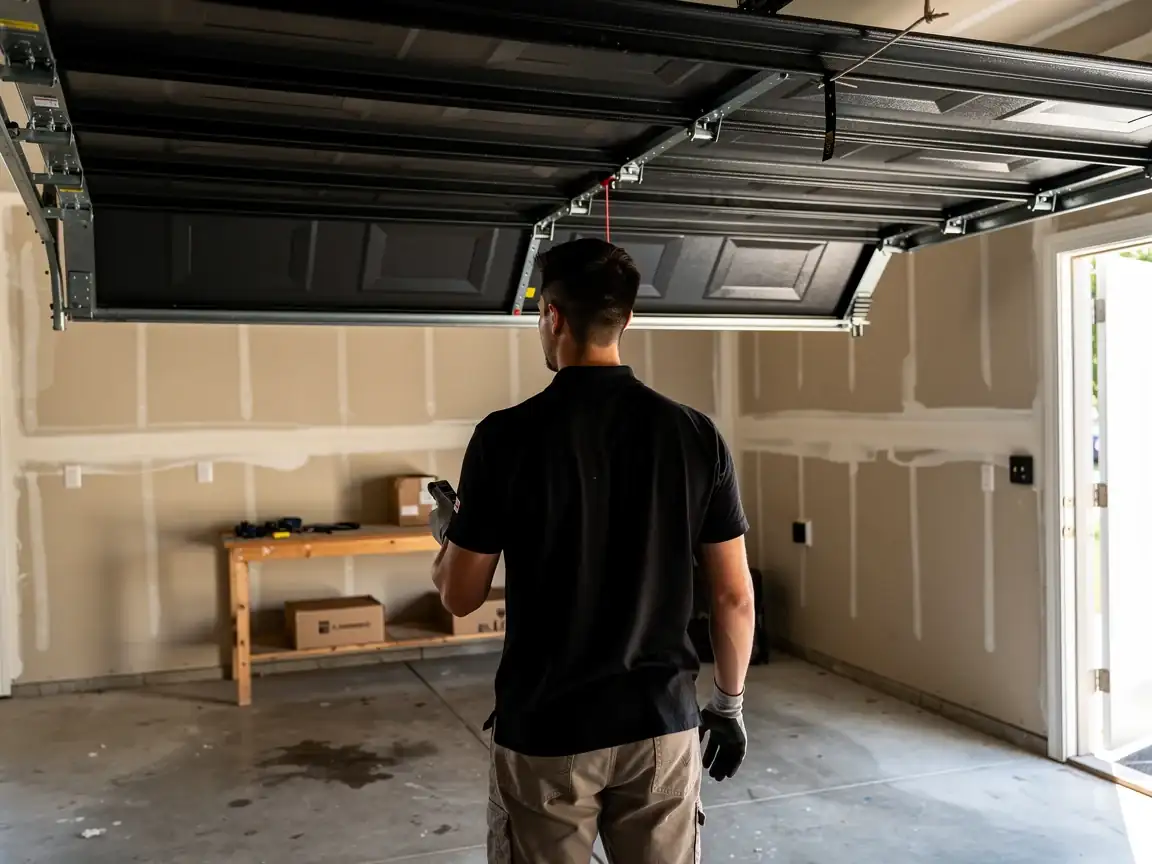
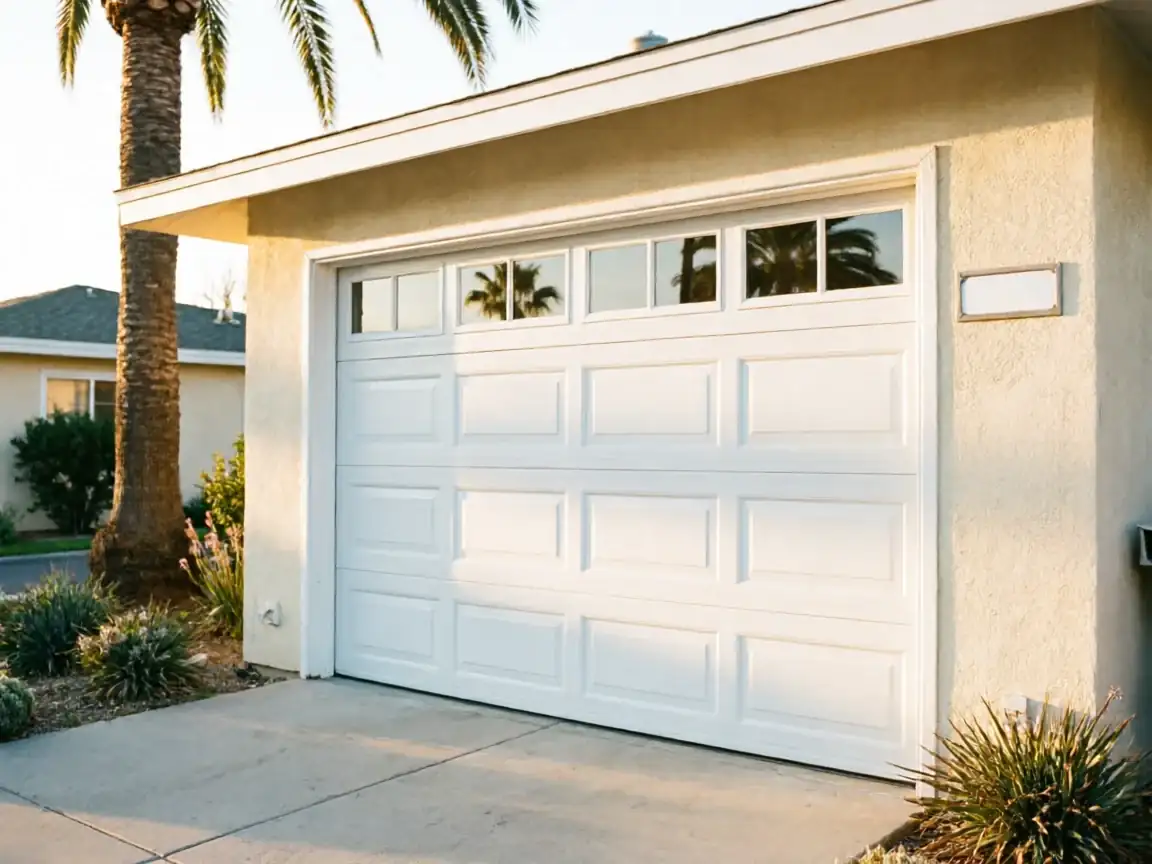
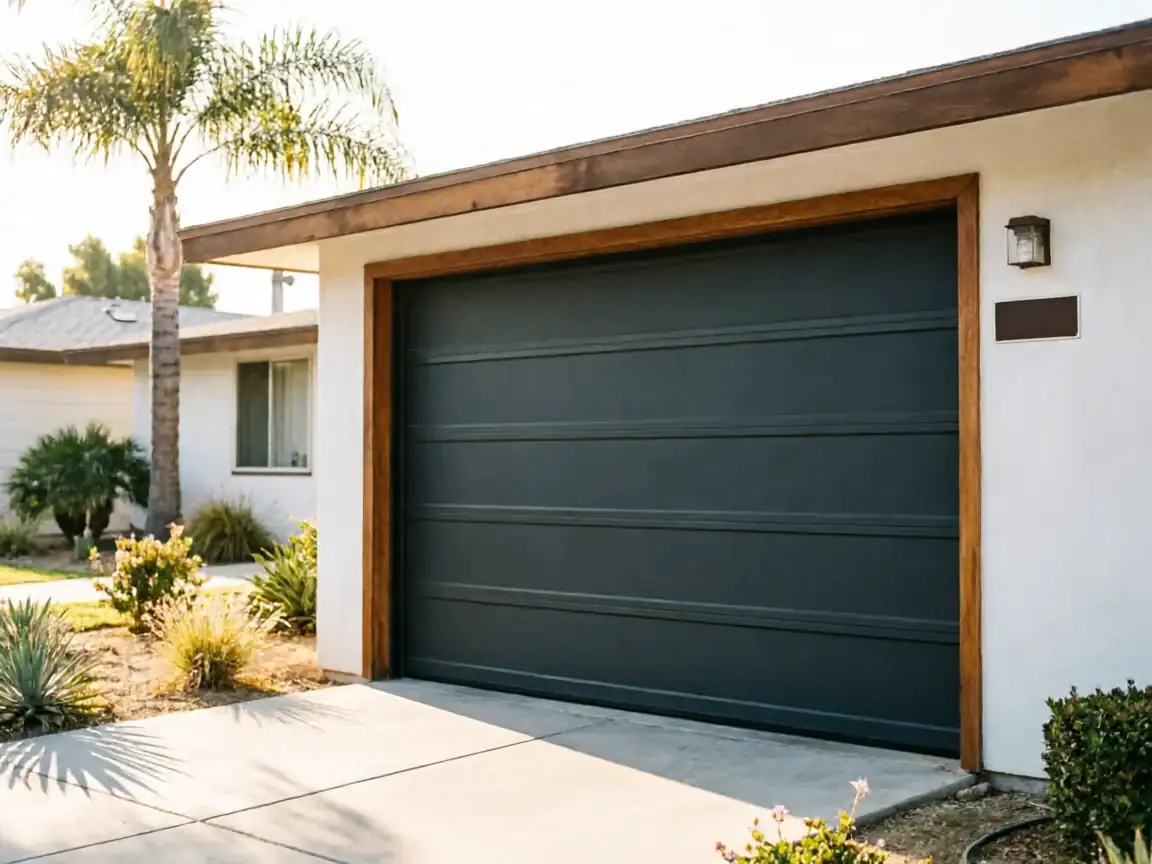
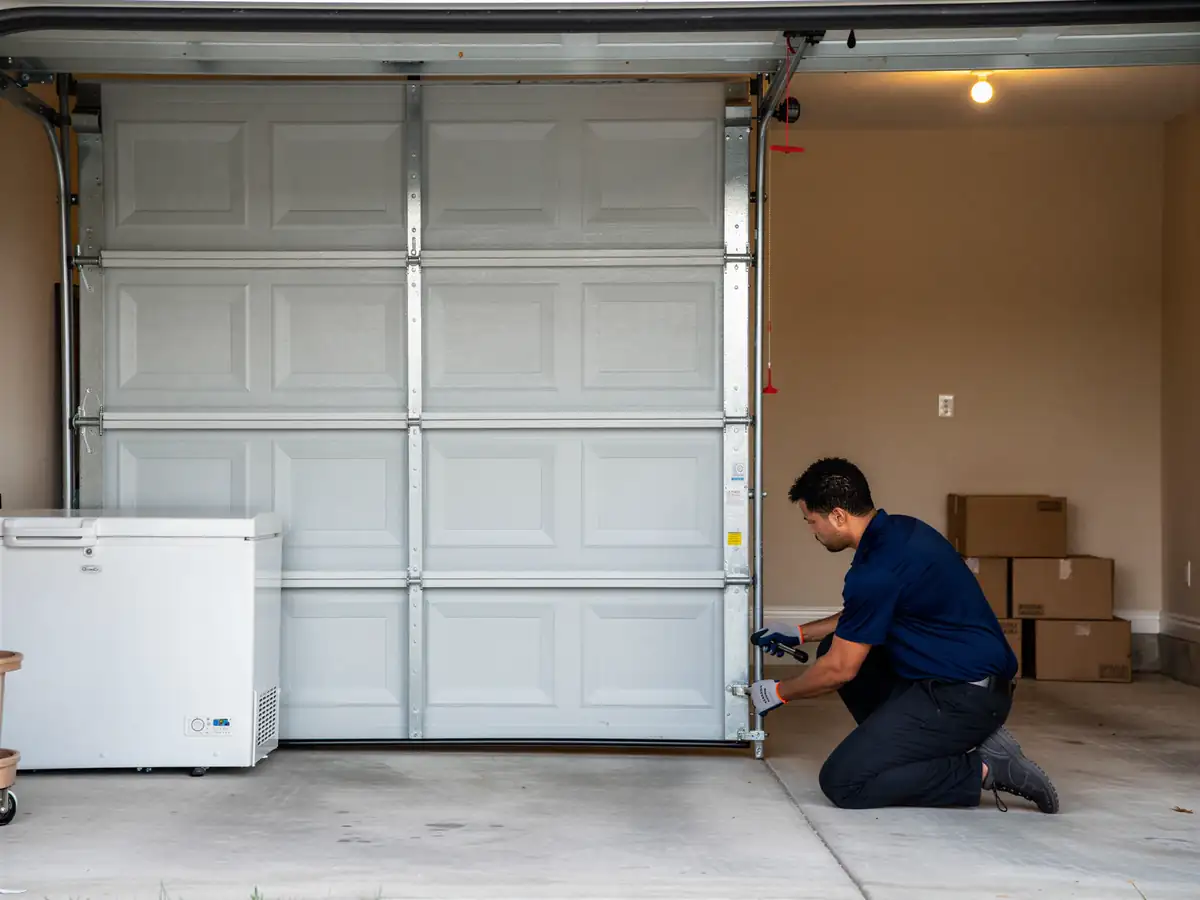
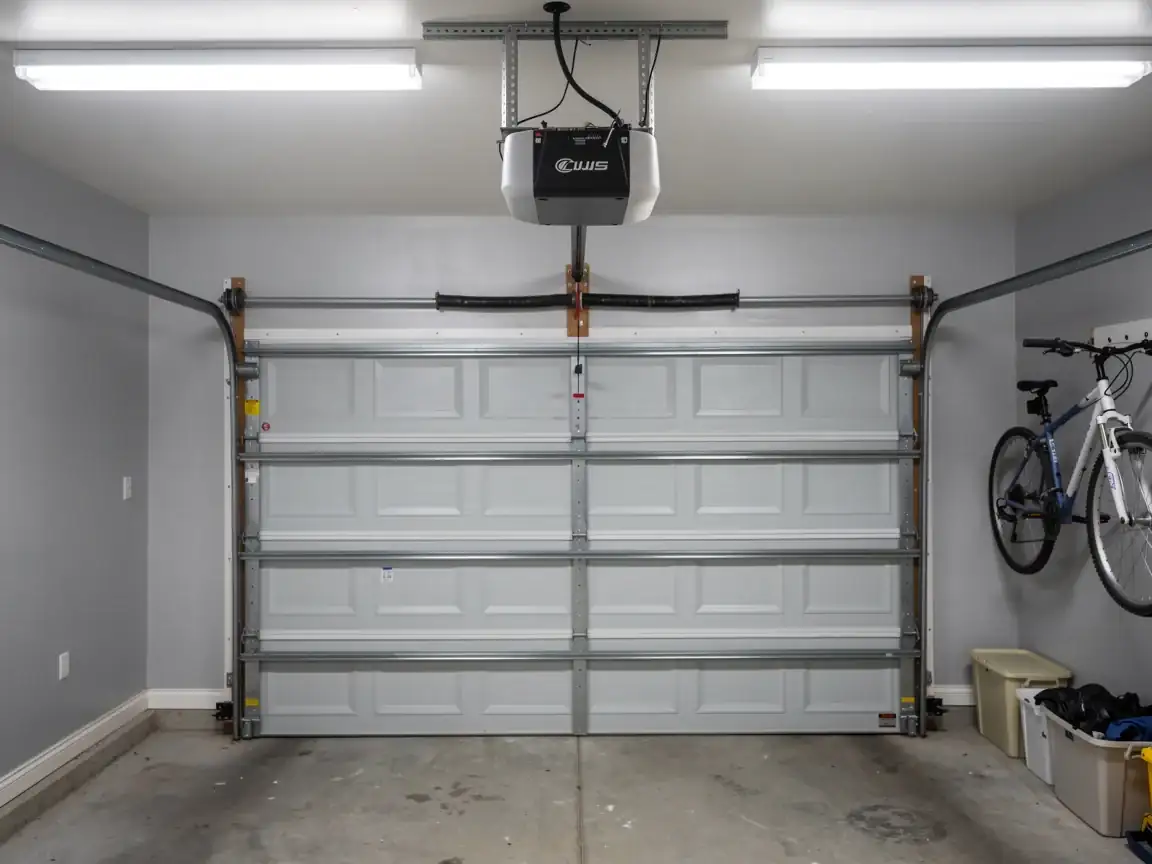
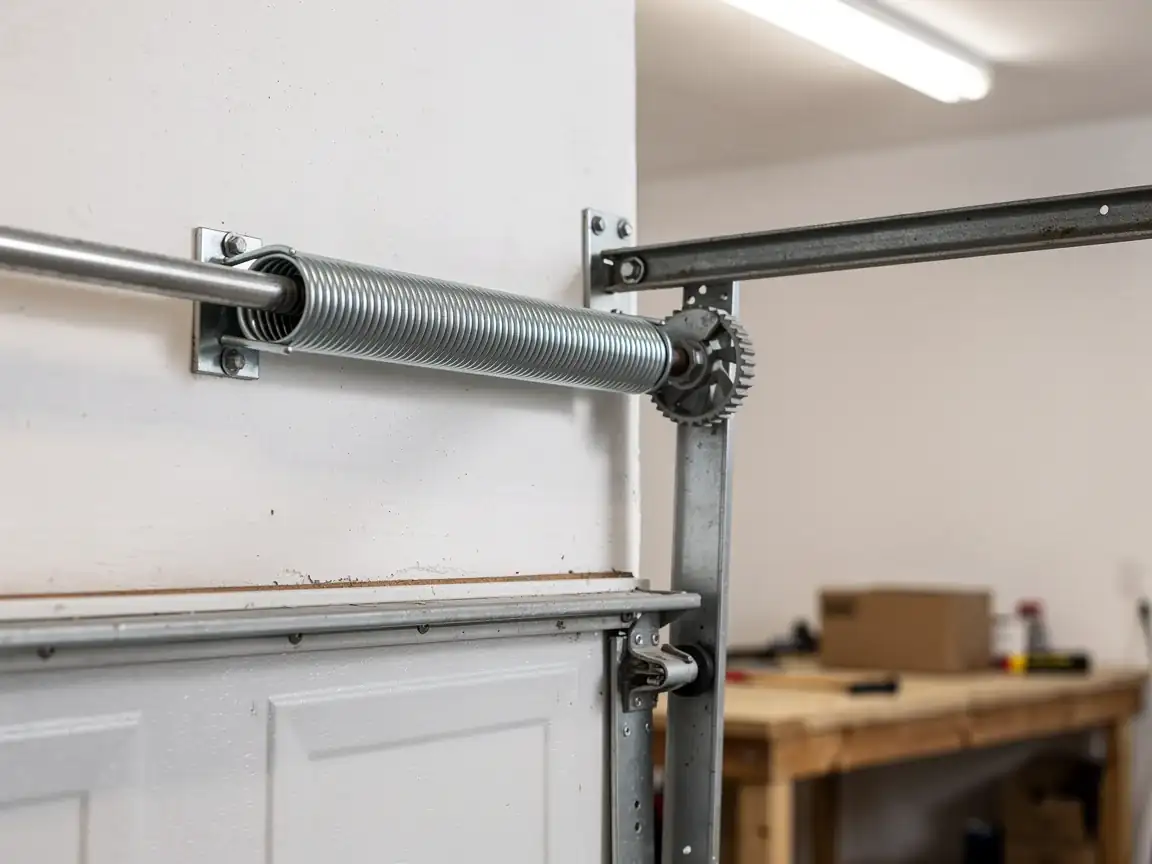
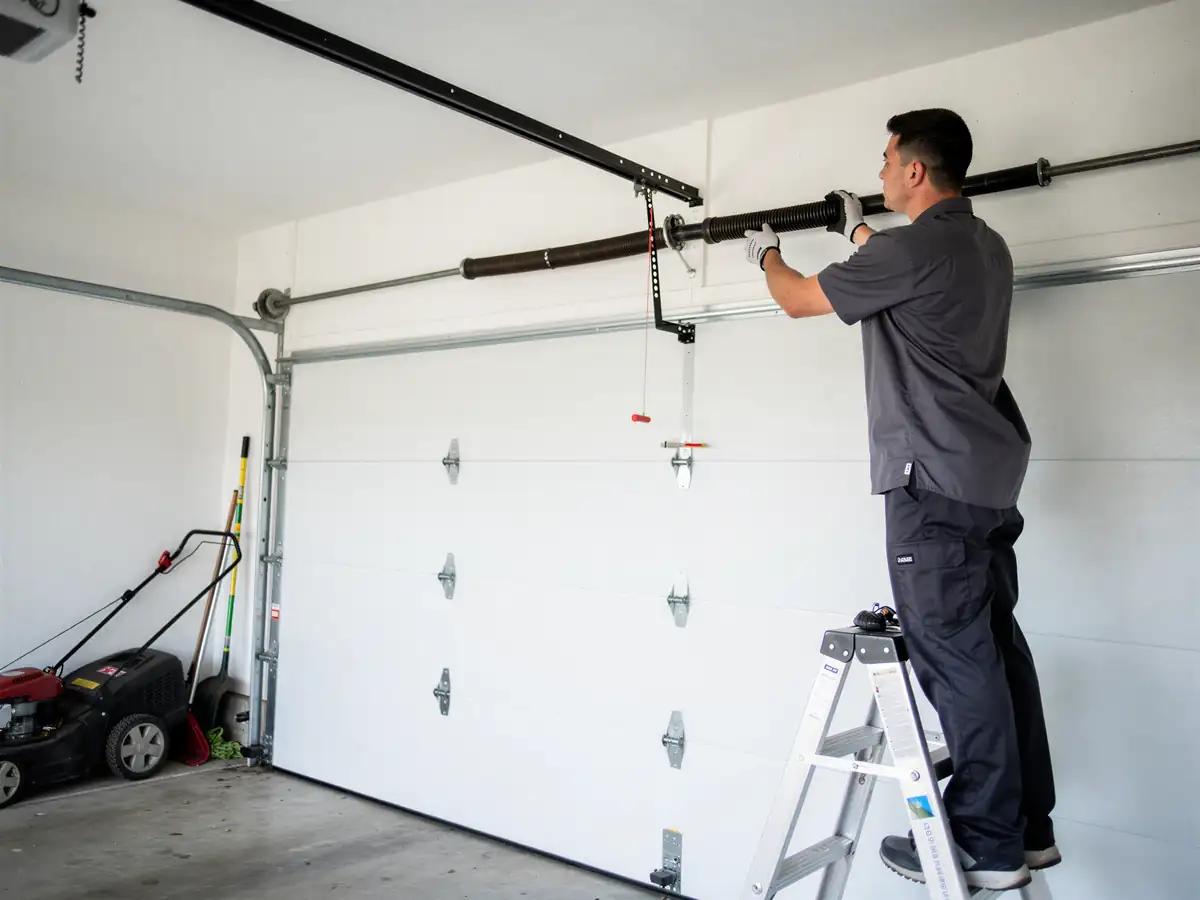
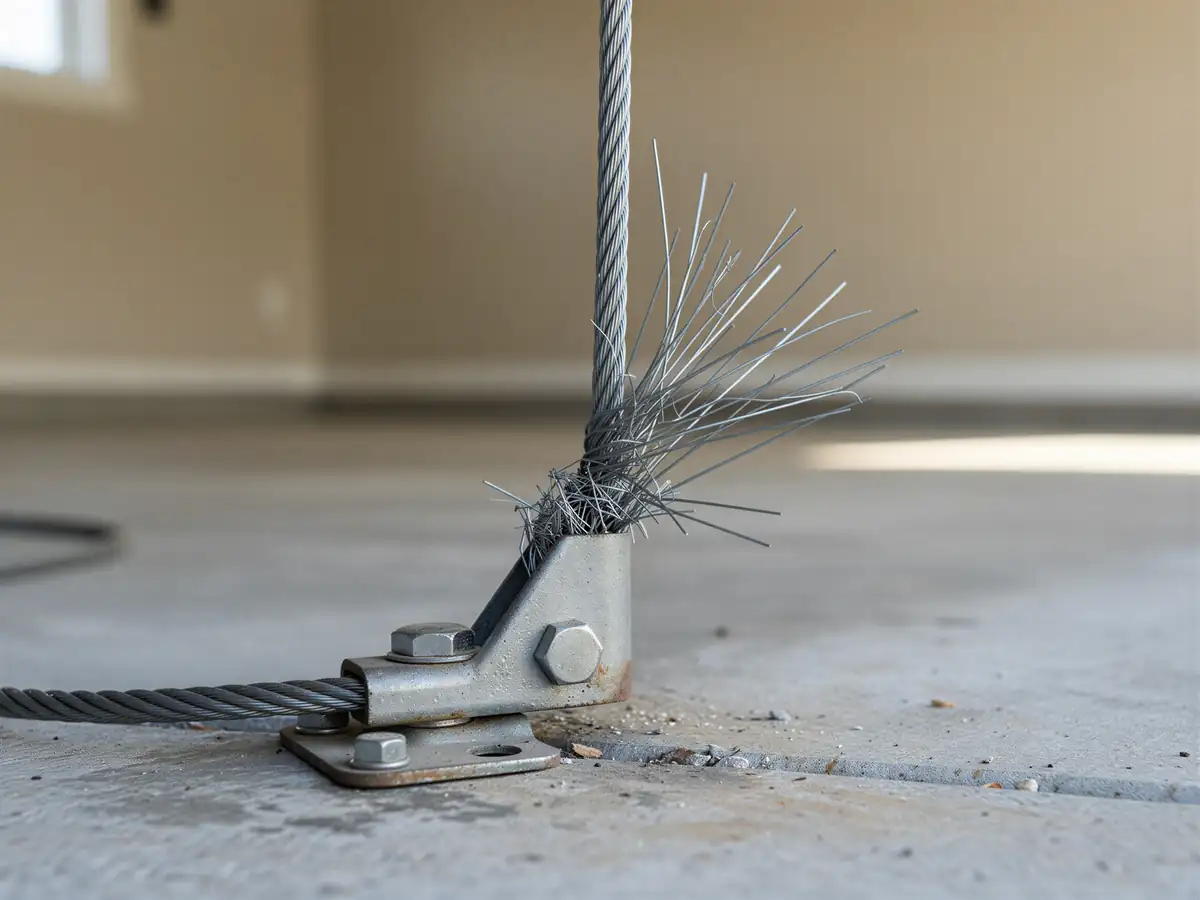
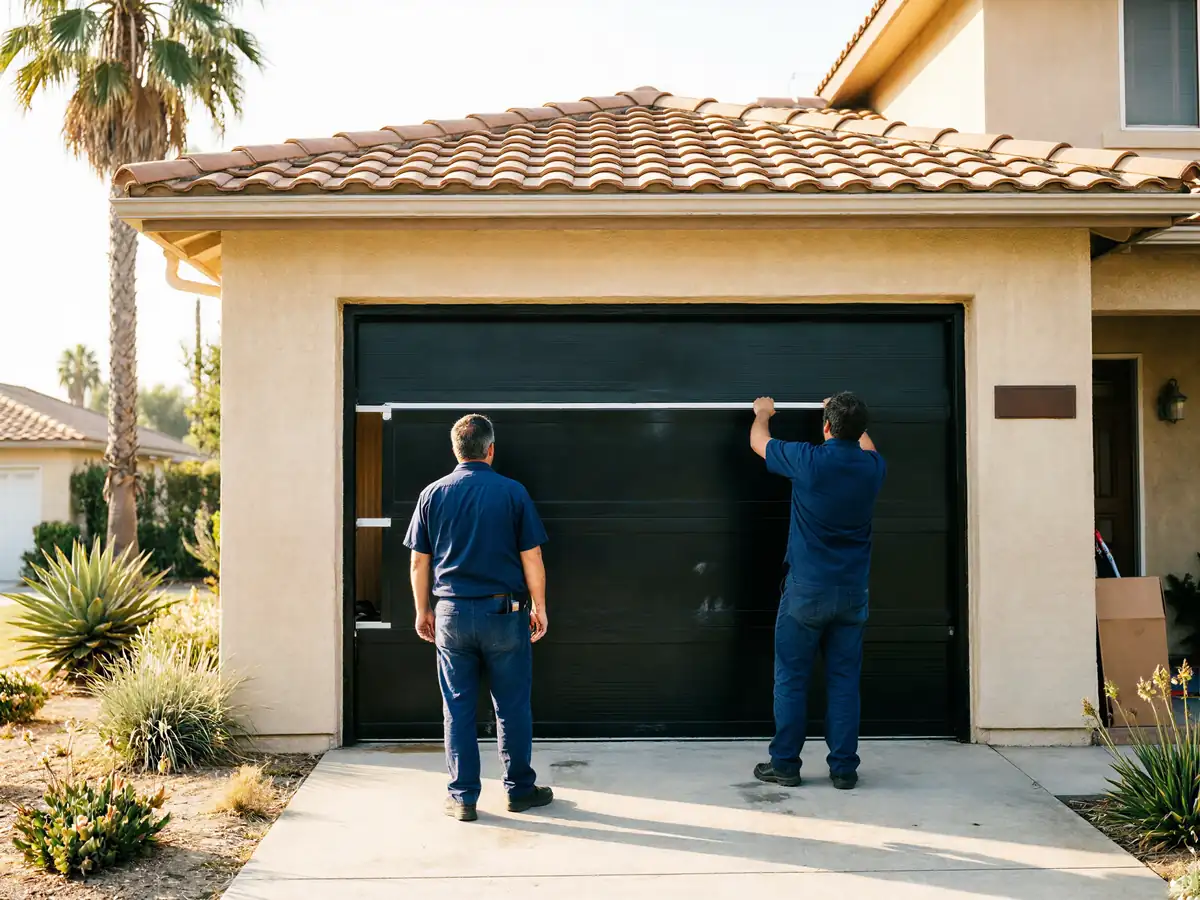
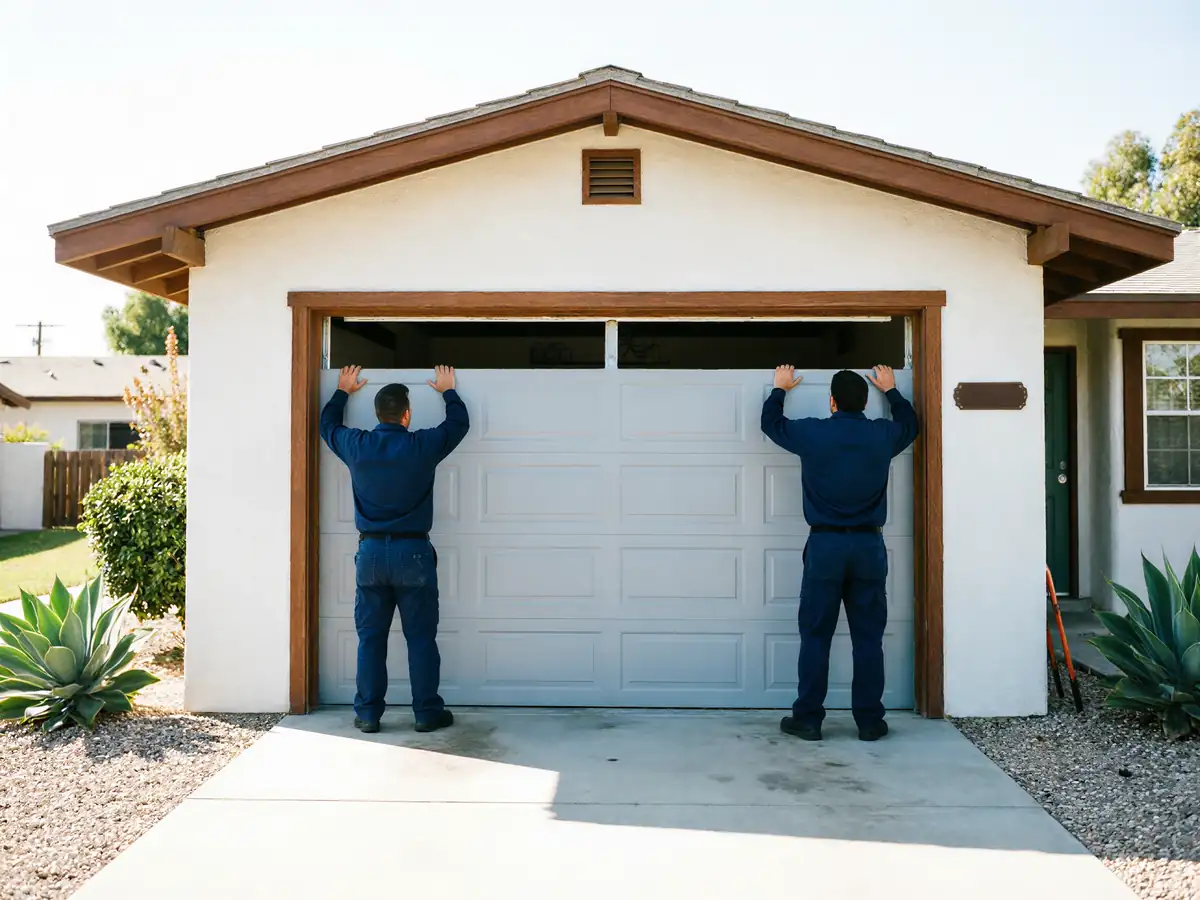
If you're searching for installation rather than repair, you've usually already watched a door fail slowly. On houses from the 1967-1988 wave that makes up most of this area, that often looks like a door that no longer seals flush at the bottom, a panel face that's gone wavy from decades of sun, or an opener that strains and reverses on a door it used to lift without hesitation. Some of what you're seeing is just age - a steel door built in the 1970s or 80s has outlived a lot of its hardware, and parts for that exact track width or that drum size aren't something a supply house stocks anymore. Other times the door looks fine but the opening behind it has settled or shifted slightly over fifty-plus years, so a new off-the-shelf door won't sit square without some adjustment to the track or the jamb. Either way, by the time you're shopping for a new door instead of a repair, the old one has usually told you clearly that it's done - uneven travel, a bottom seal that lets daylight through, or an opener motor that runs hot on every cycle.
Why This Fails Locally
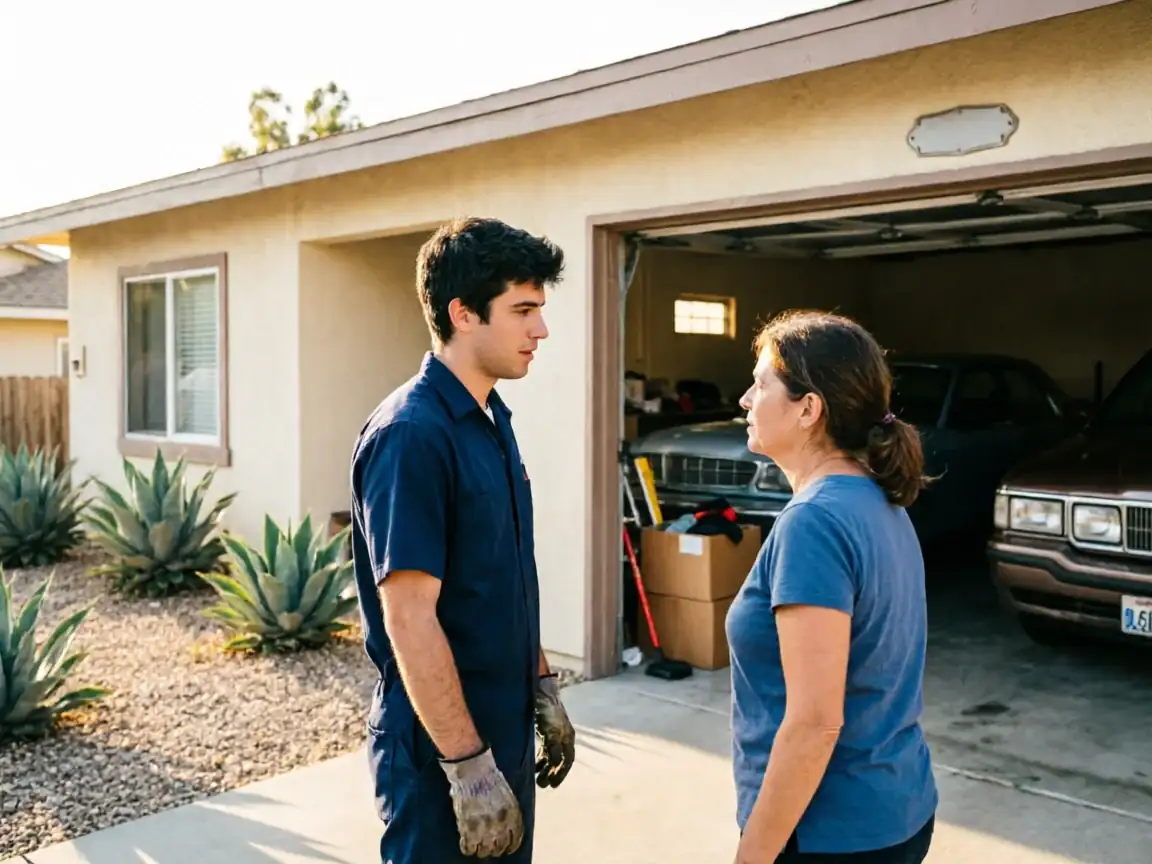
Spring Valley and the surrounding area - Casa de Oro-Mount Helix, Lemon Grove, La Mesa, and the rest of the mid-century growth within a few miles - share the same construction window, mostly 1960s and 70s stock. That matters more than people expect, because a huge share of garage doors and openers in this corner of the county are the same age and built to the same assumptions about door weight and opening size. The climate here is mild temperate, so we're not fighting freeze-thaw cracking or ice-jammed tracks the way colder regions do. What we see instead is slow thermal fatigue - fifty-plus years of summer heat cycling on steel panels and nylon rollers, UV breakdown on paint and seals, and springs that have simply cycled past their rated life. A door failing in Spring Valley is rarely a weather event. It's a wear event, spread across decades, on hardware that was never meant to last this long in the first place. That's the difference between diagnosing a problem here and diagnosing the same symptom somewhere with harsher winters - the cause isn't the cold, it's the years.