The Calls We Get From Here
Most of what we hear out of La Mesa traces back to one thing
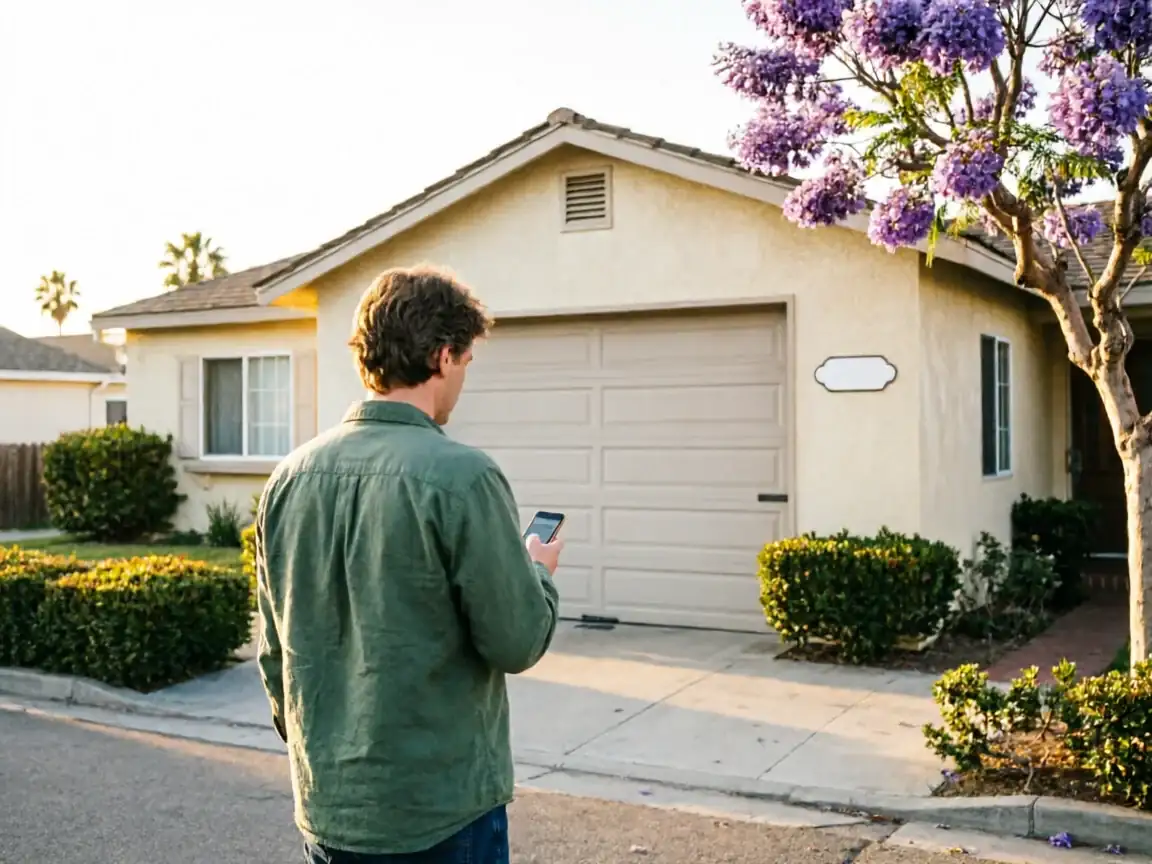
The houses here are a few years older than the typical home across our service area. The broader area runs 1967 to 1988 with a median around 1975, but La Mesa's own stock centers closer to 1970. That five-year gap matters more than it sounds like it should. A door and opener from 1970 is a different animal than one from 1980 - different spring sizing, different track gauge, sometimes a different door entirely.
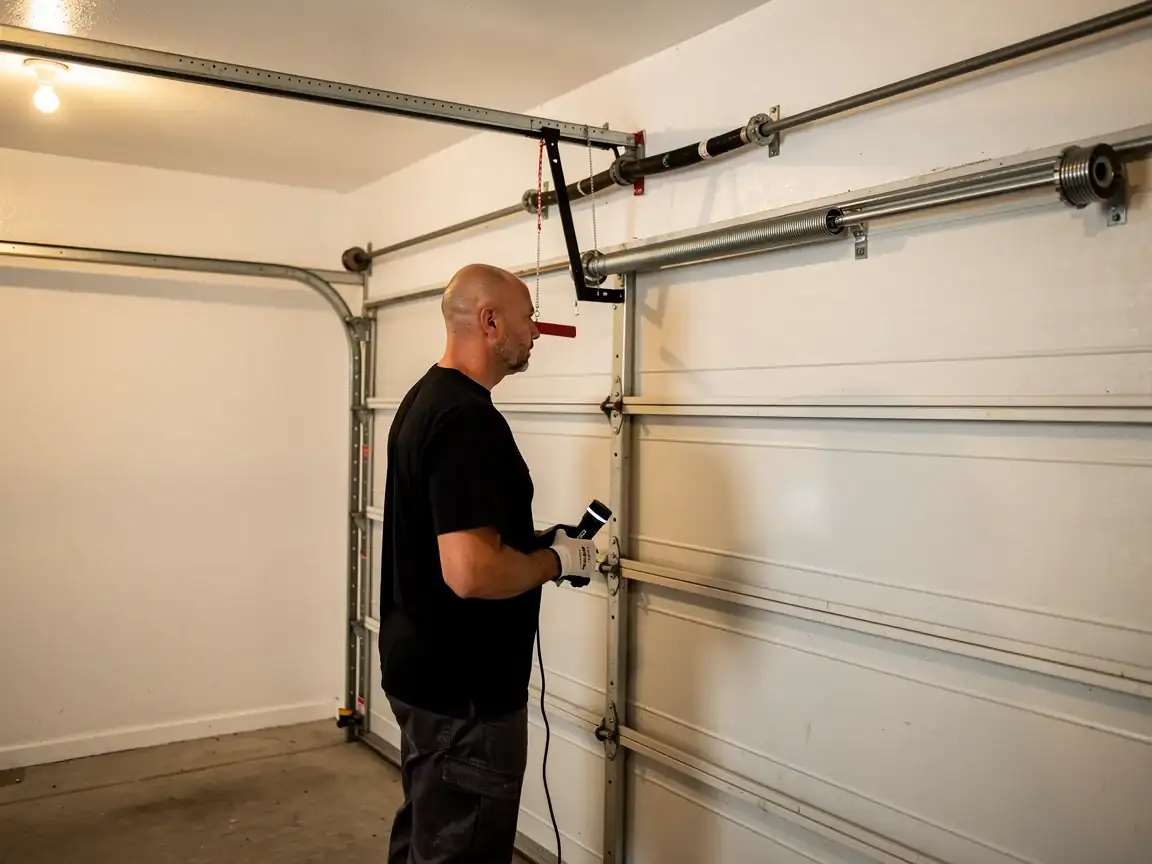
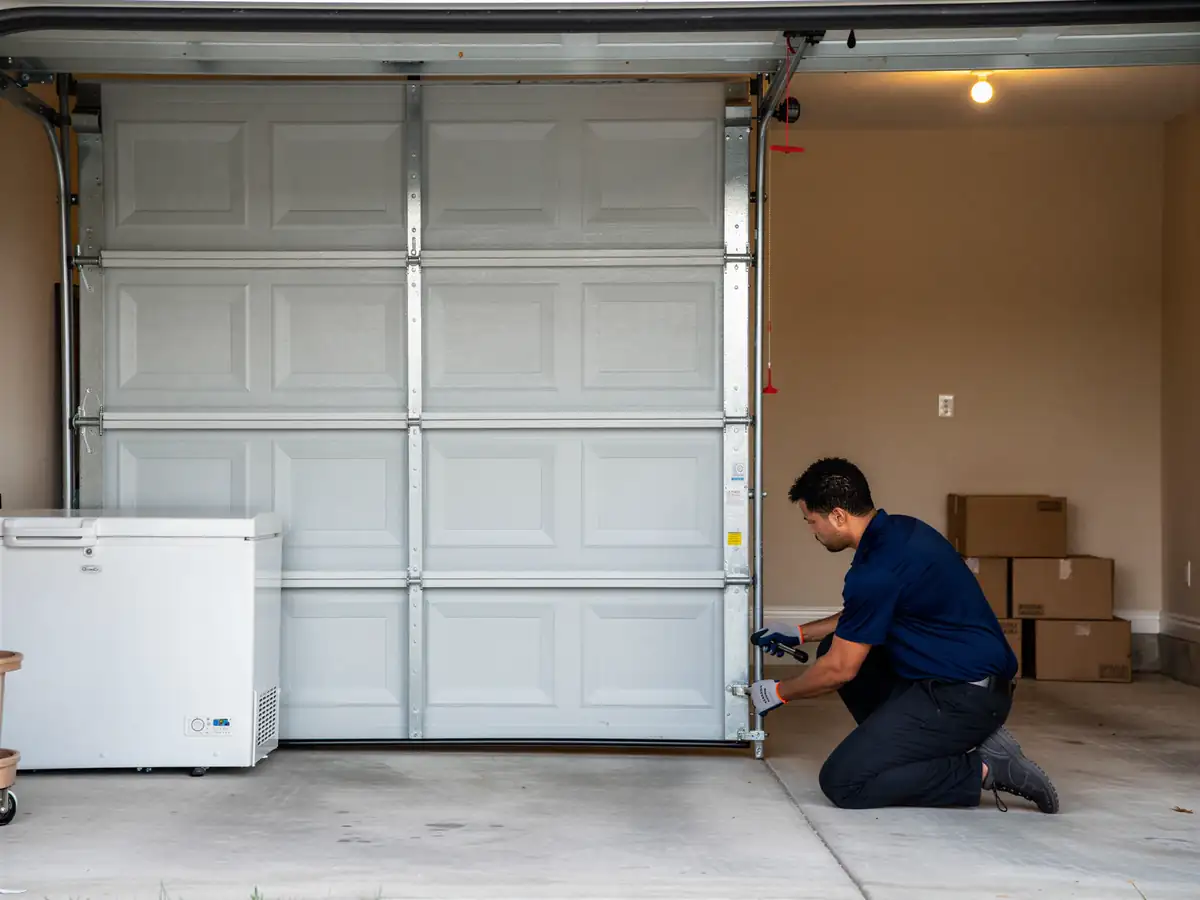
We get a lot of calls about torsion springs that let go without warning
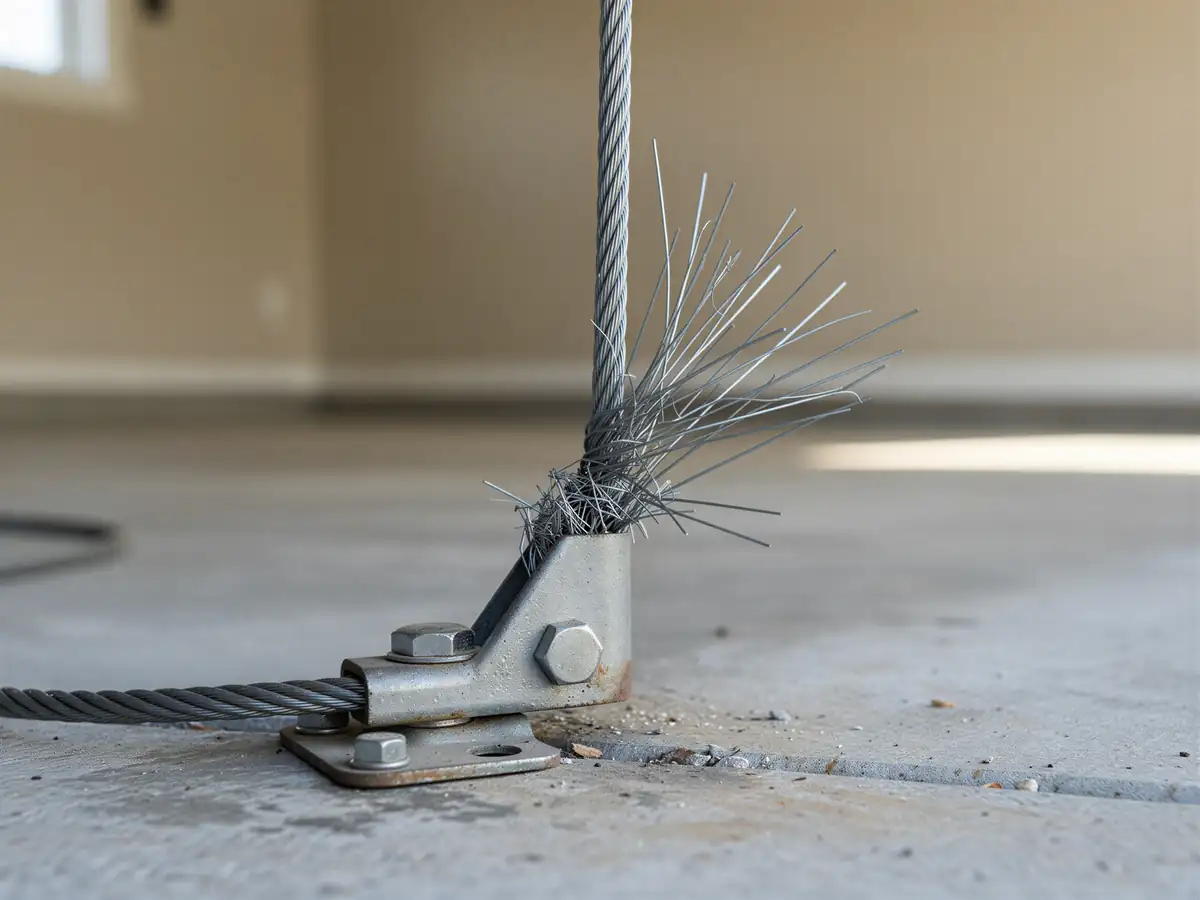
Cables that have frayed past the point of safe use, and openers that are original or close to it and just stopped responding to the remote. On a 50-plus-year-old door, the question isn't usually whether something will fail - it's which part goes first. Rollers wear out of round, hinges elongate their bolt holes, and the galvanized coating on older springs gives out from age more than use.
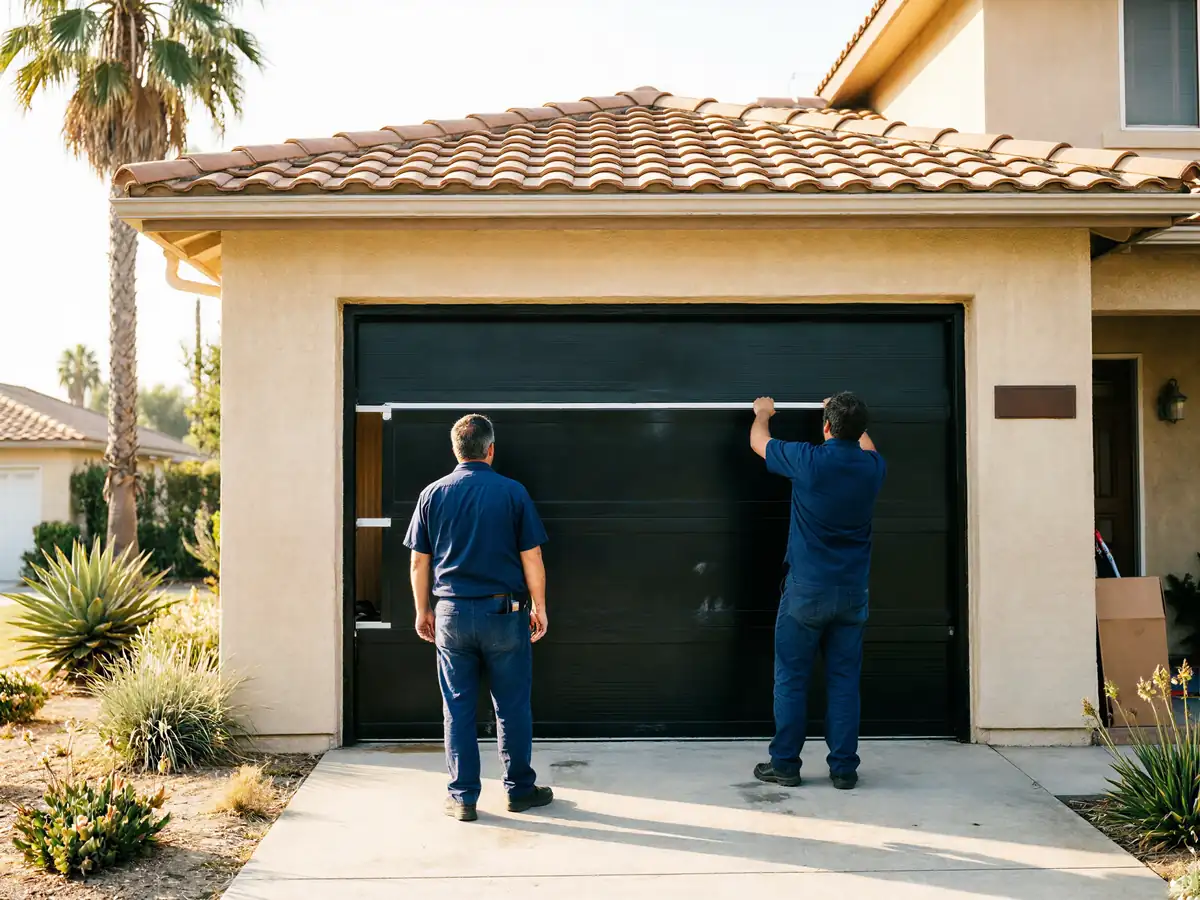
We also hear from folks who've already had someone else out and got told the whole door needs replacing when really it was one worn part driving the noise or the stick
We'll tell you straight when a repair isn't worth it, but we won't start there.
How That Shows Up in the Door
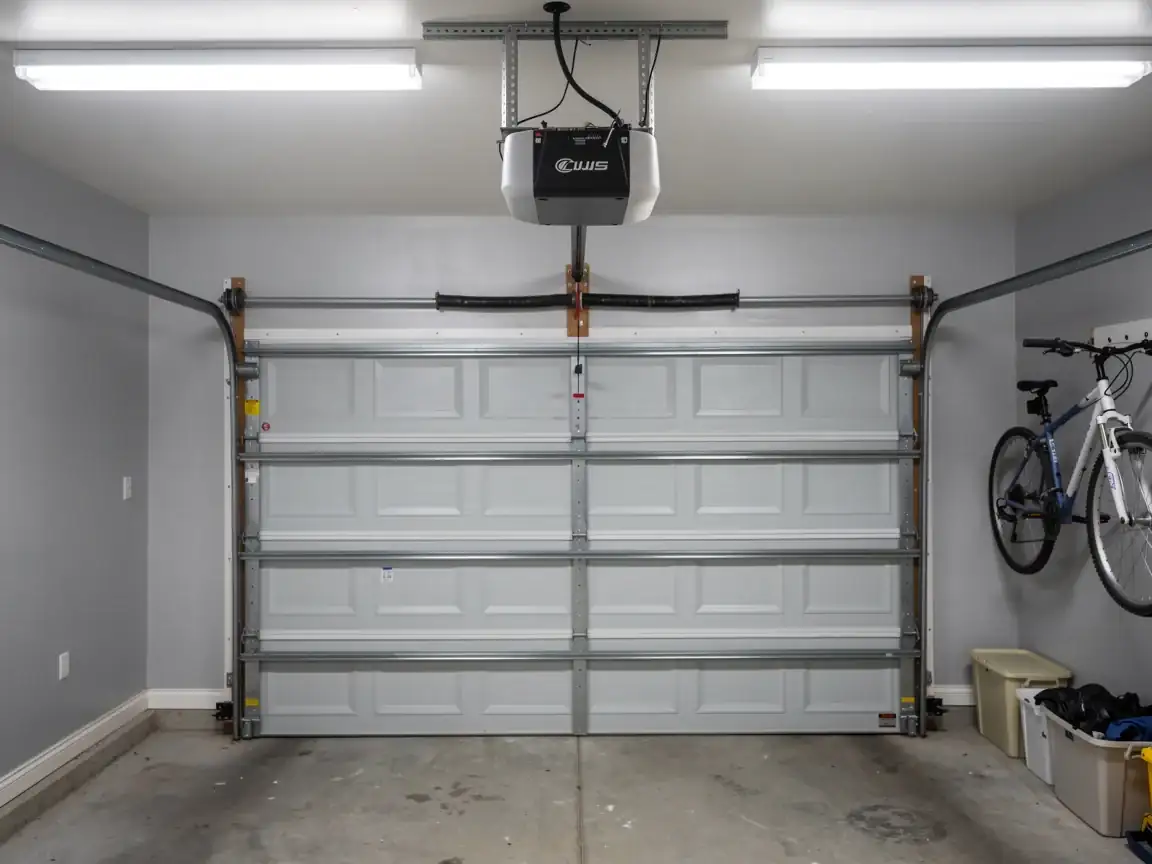
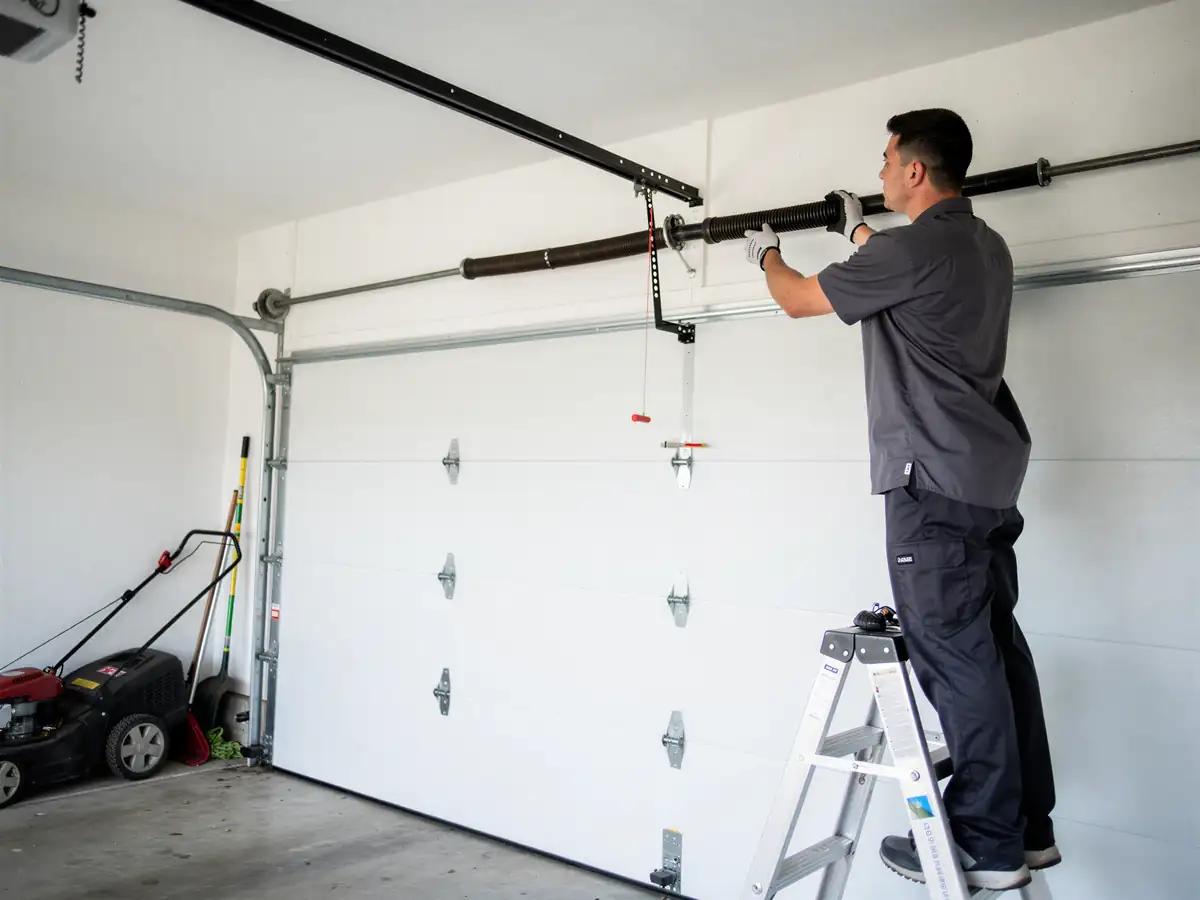
A door built around 1970 is almost always on a torsion spring mounted over the opening, not the older extension-spring-on-the-side setup you'd find on some mid-50s garages, but the spring itself is sized for a lighter, often single-layer steel door - not the heavier insulated doors a lot of homeowners swap in later. Put a heavier replacement door on old spring hardware and the springs wear out fast, sometimes in under two years instead of the seven-to-ten you'd expect.
Track brackets from this era are usually bolted into framing that's seen fifty-plus years of settling, so alignment drifts. That shows up as a door that binds partway up, or rollers that jump the track on the last foot of travel. The mild temperate climate here doesn't put the kind of stress on hardware that freeze-thaw regions see, so rust and cracked panels from weather aren't common complaints - wear from age and use is the bigger factor.
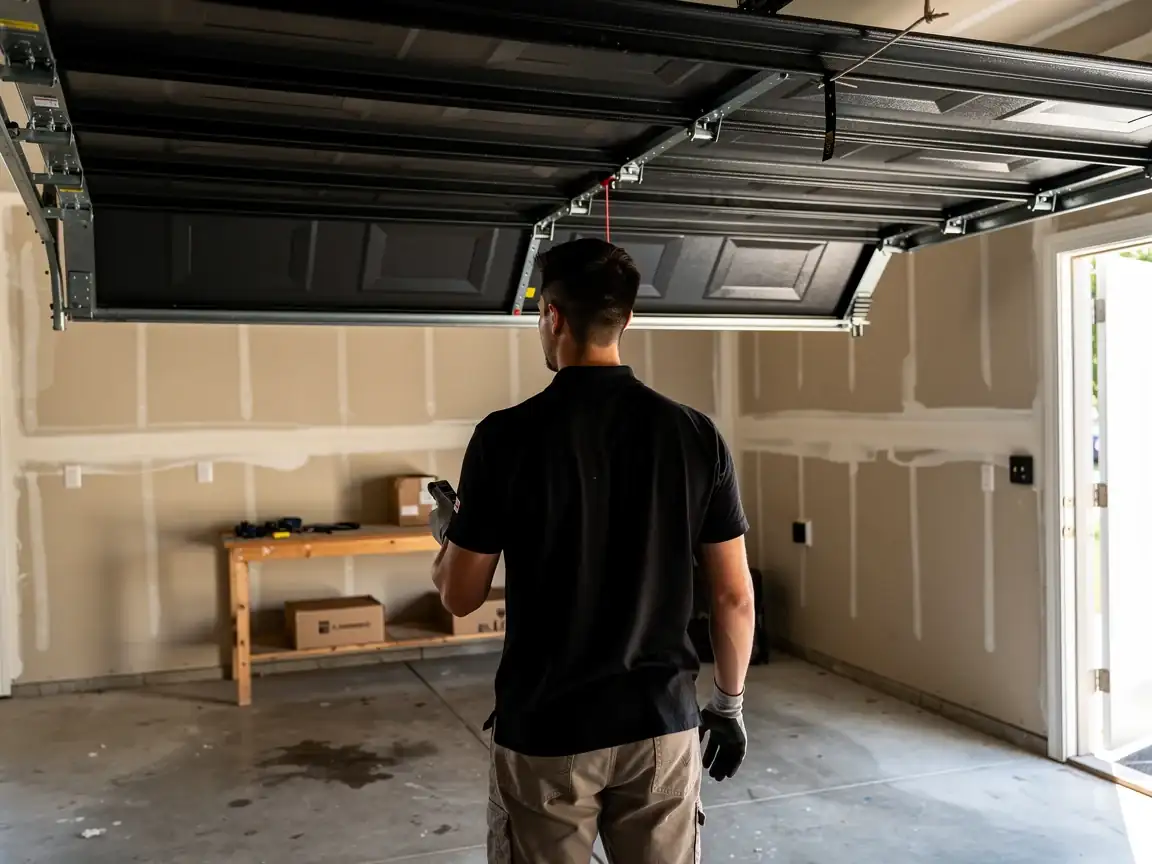
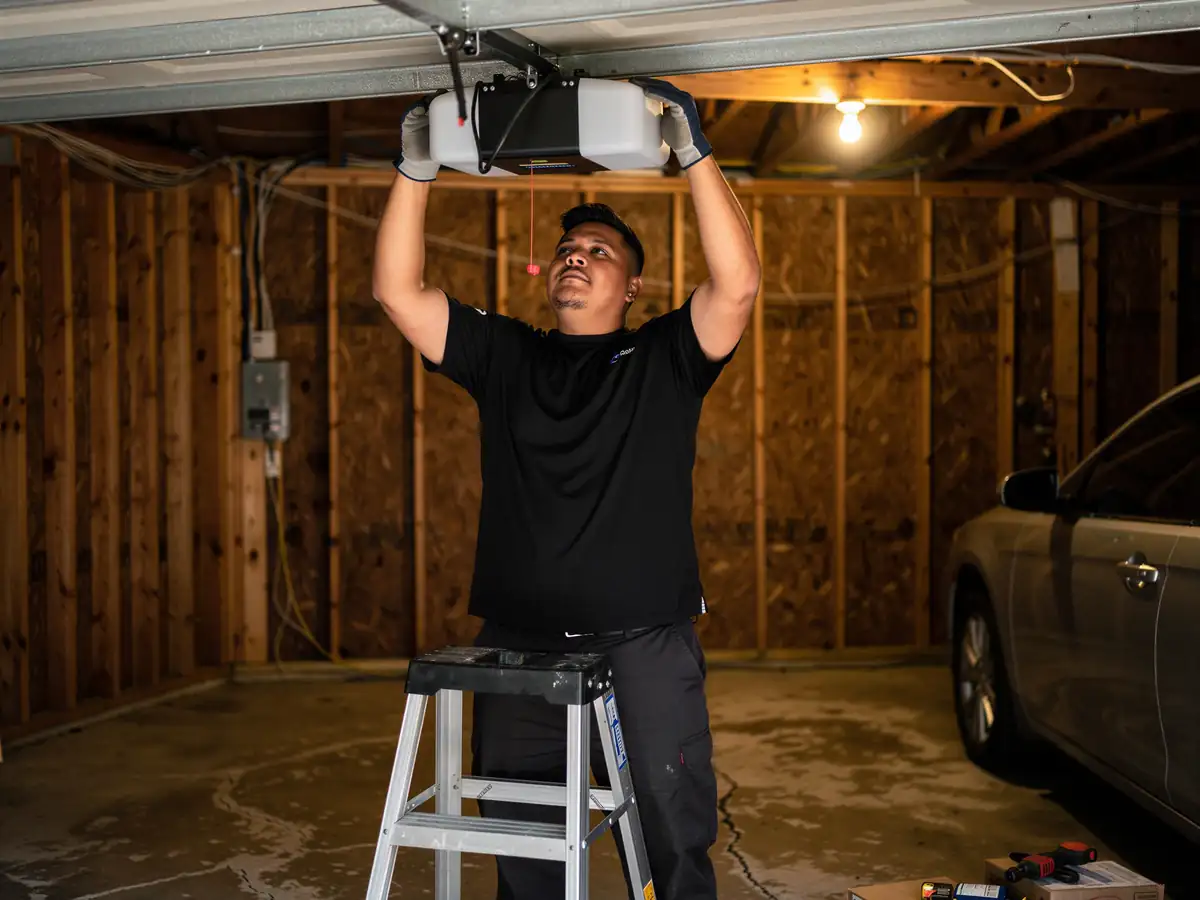
Openers from this build era, if original, are chain-drive units long past their expected service life, with safety reversal sensors that may predate the 1993 federal requirement for photo-eye sensors entirely. That's a safety issue we flag every time we see it, independent of whether the customer called about the opener at all.
How We Get to You
We run out of Spring Valley, and La Mesa sits about two miles from there - close enough that it's one of the areas we get to most often. We don't keep a depot or storefront in La Mesa itself; the truck comes from Spring Valley loaded for the kind of torsion-spring and hardware work this area's housing stock tends to need.
La Mesa is one of eighteen communities in our coverage area, and it's among the closer ones - nearer than Rancho San Diego or Bonita, both about five miles out, and in the same close range as Lemon Grove and Casa de Oro-Mount Helix. We mention that only so you know where La Mesa falls in the territory we actually work, not to pad out a list.
This Area's Housing
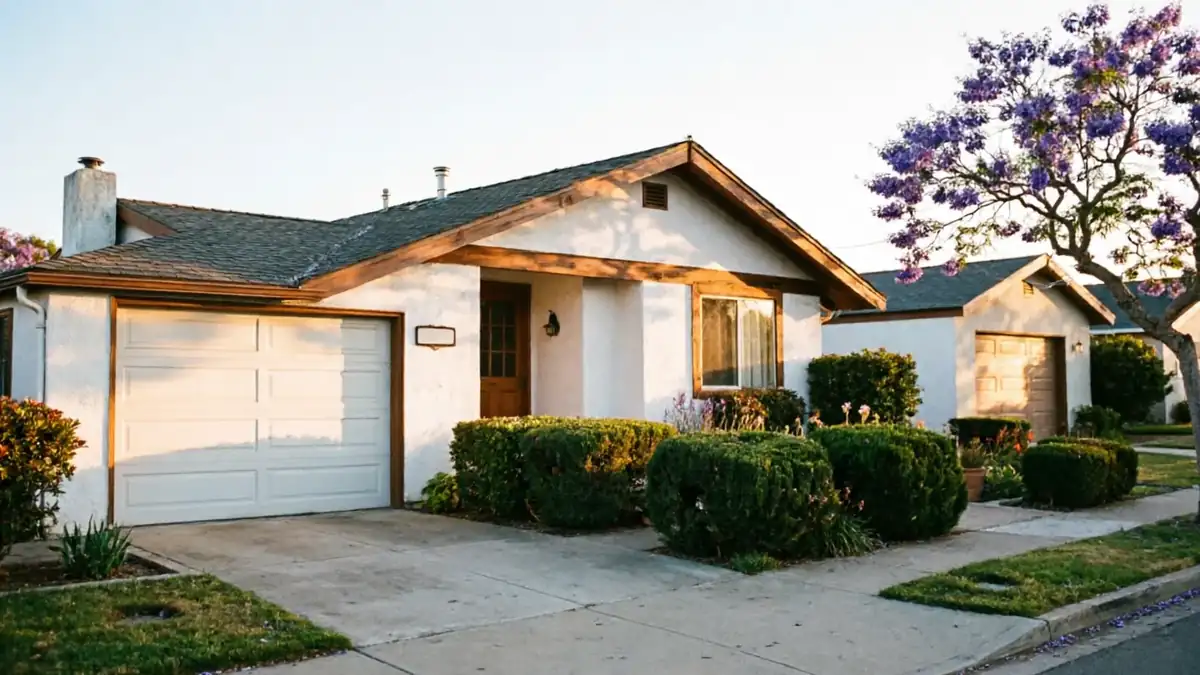
Across the 18 named communities we cover, housing generally dates from the 1960s and 70s
But La Mesa's own median build year of about 1970 puts it slightly ahead of the overall area median of 1975. That's the detail that drives most of what we see on a service call here: more original hardware, more doors that have had exactly one replacement in fifty years, and fewer of the newer insulated steel doors you'd find in areas built out later.
La Mesa has roughly 25,178 households, smaller than the 132,698 households and 46,922 owner-occupied houses across the full service area
Household income here runs about $84,337, below the broader area's median of $105,887 - a gap that shows up in the kind of work people ask for. We see more targeted repairs - a spring, a cable, a single bad panel - and fewer full-door replacements than in higher-income pockets of the territory. Neither is better or worse work, it's just a different mix of parts on the truck.
- 46,922 owner-occupied