How Long You Are Without the Door
The fault we run into most in Bonita isn't a broken spring
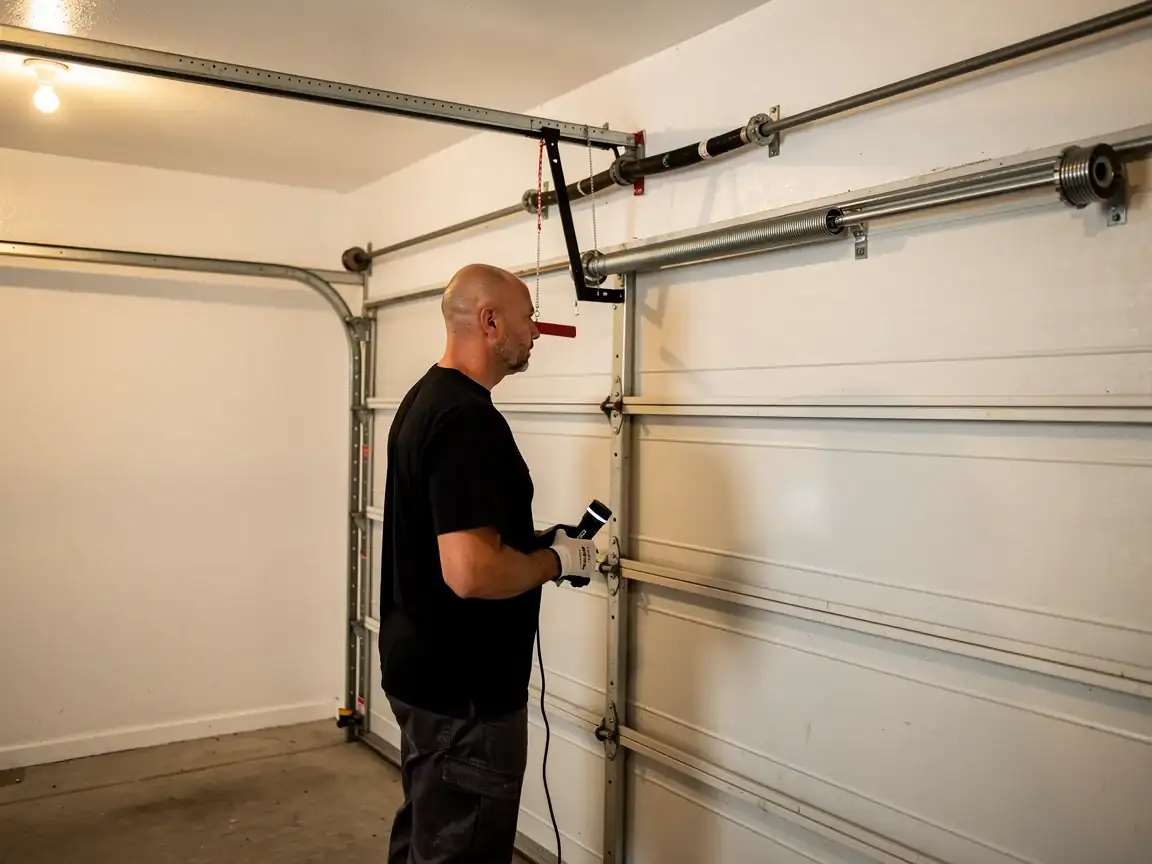
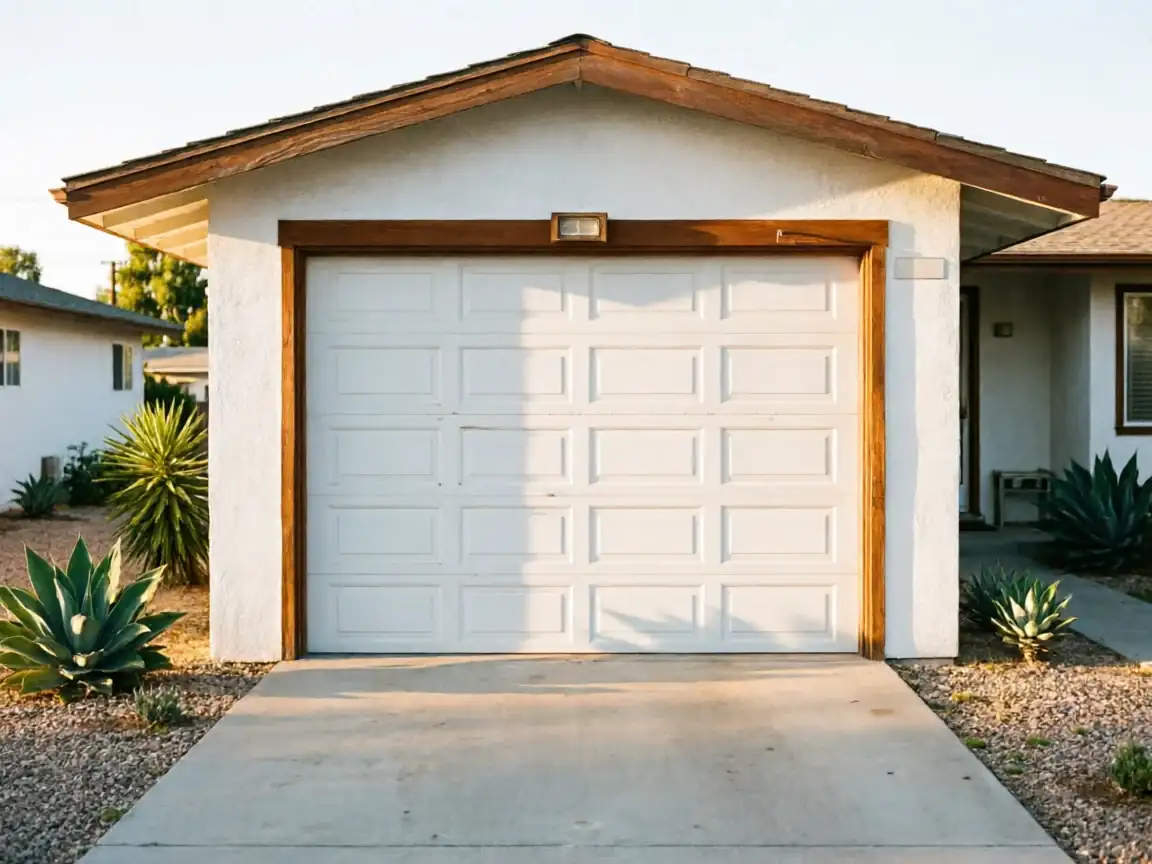
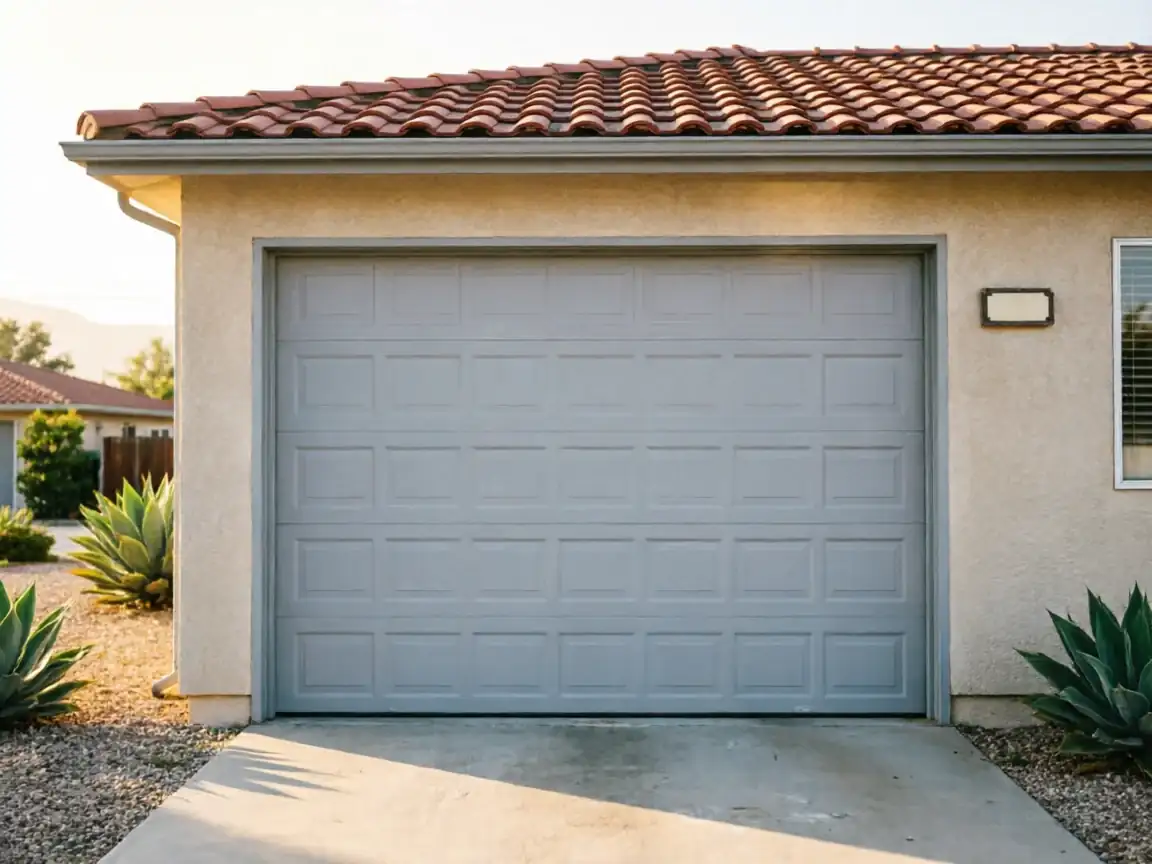
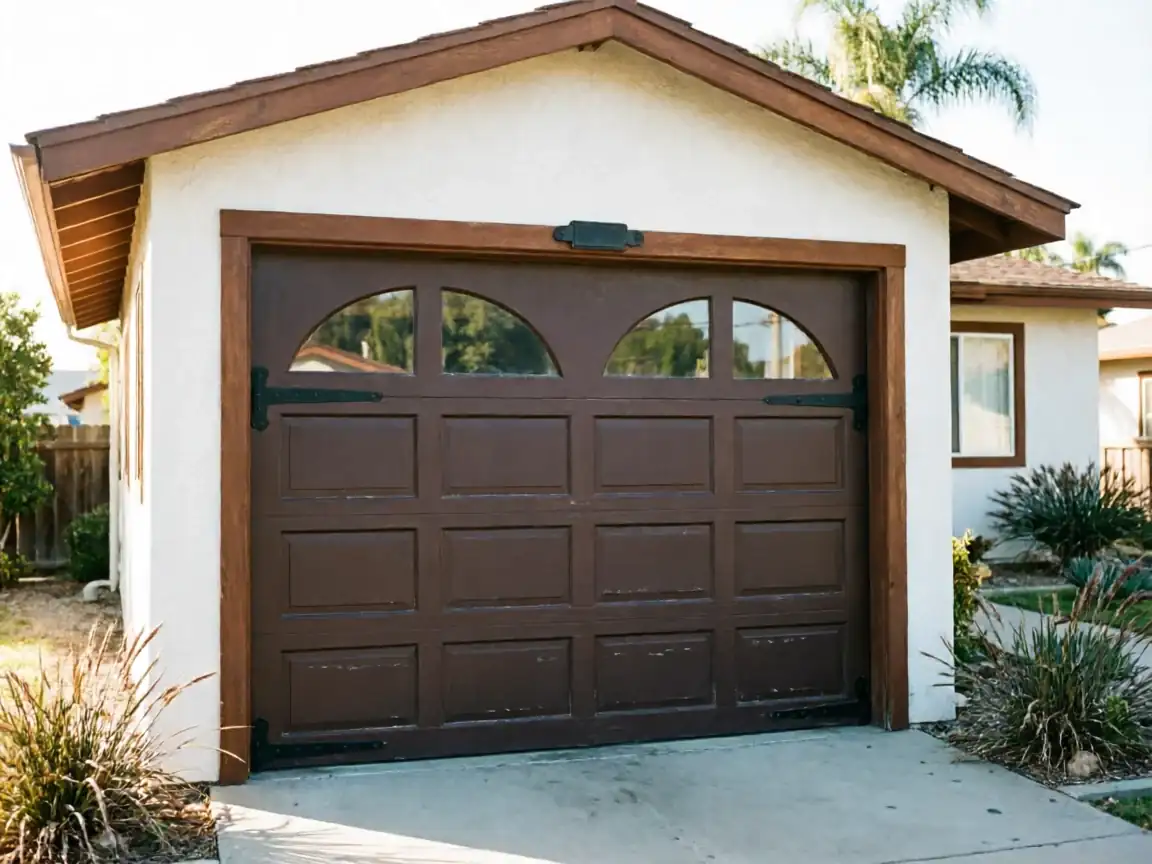
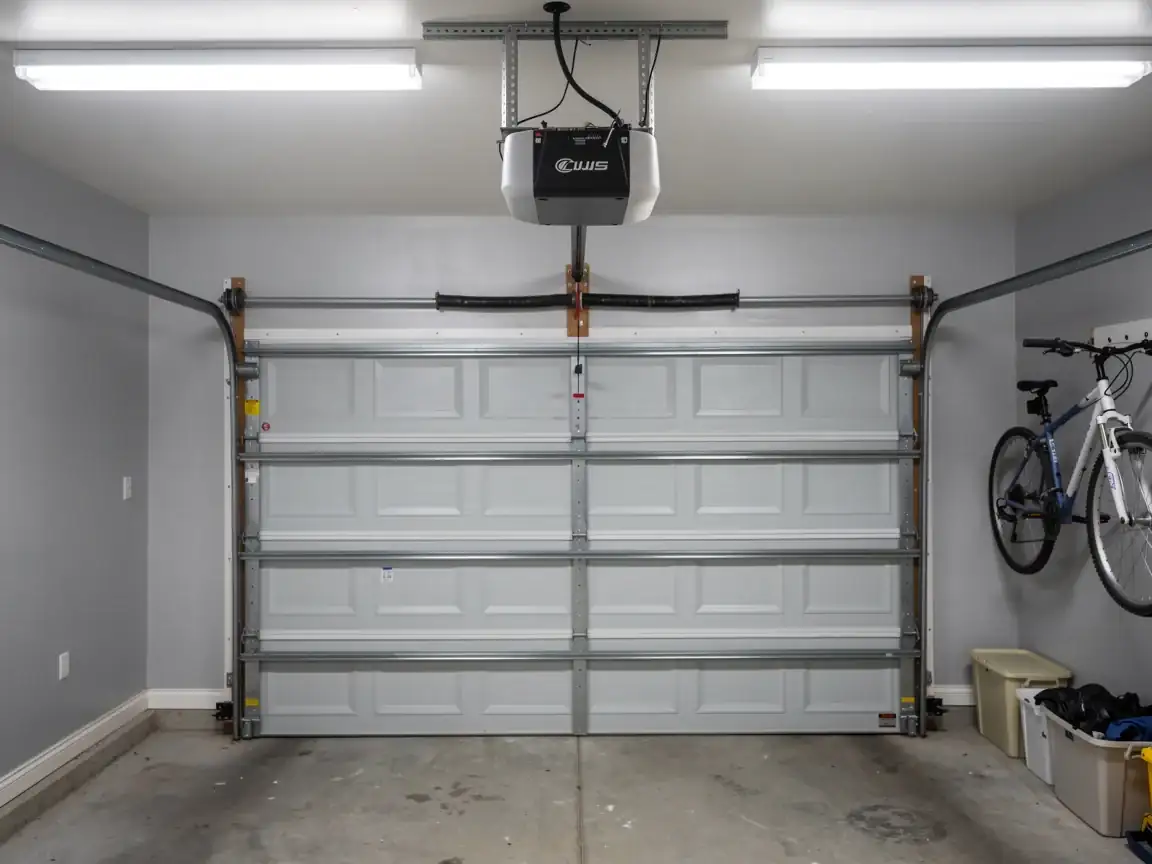
It's an opening that doesn't match anything a supplier stocks today. Most houses here went up in the same stretch as the rest of the service area, 1967 to 1988, with the median landing right at 1975. A door from that era was built to a jamb width and headroom clearance that modern insulated sectional doors don't share. Pull the old door and you often find the track bolted to framing that's an inch narrower than current standard, or a header too low for a modern torsion spring assembly.
That means a straight swap rarely happens
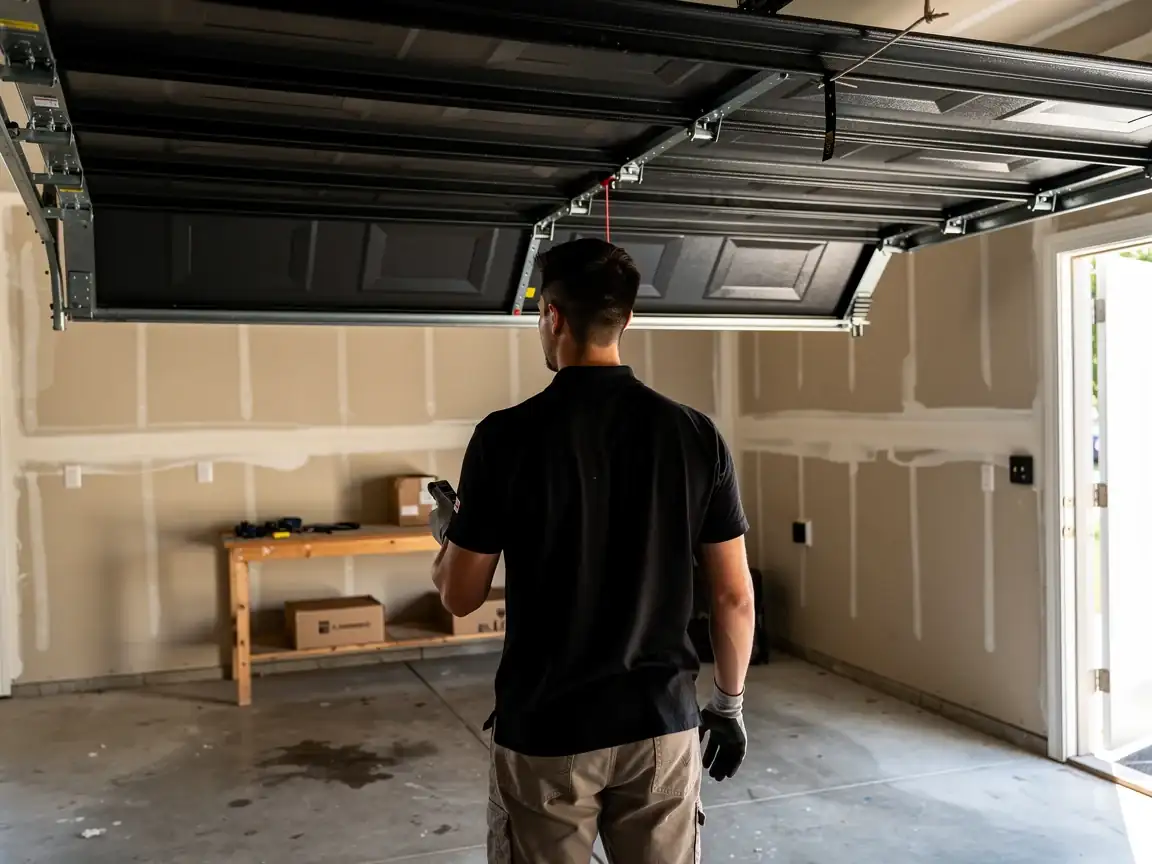
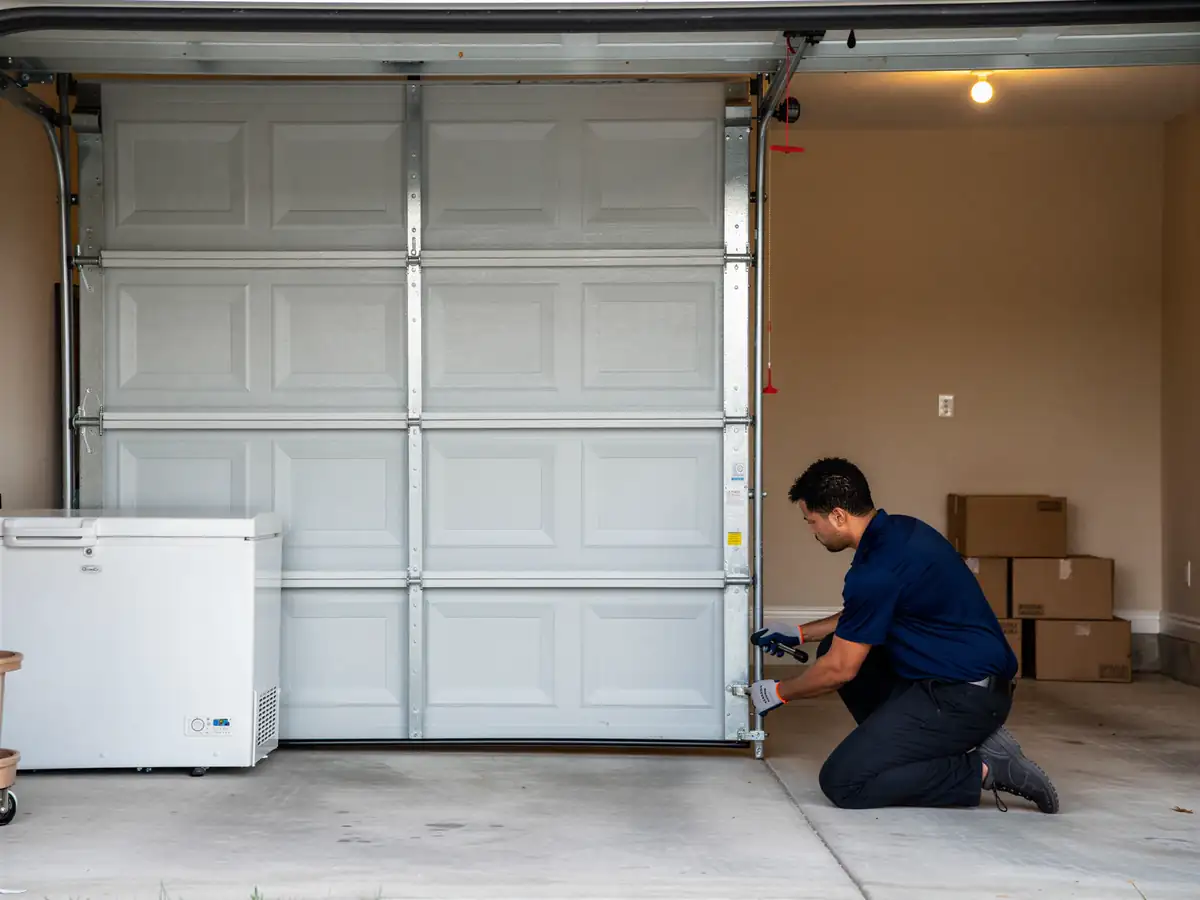
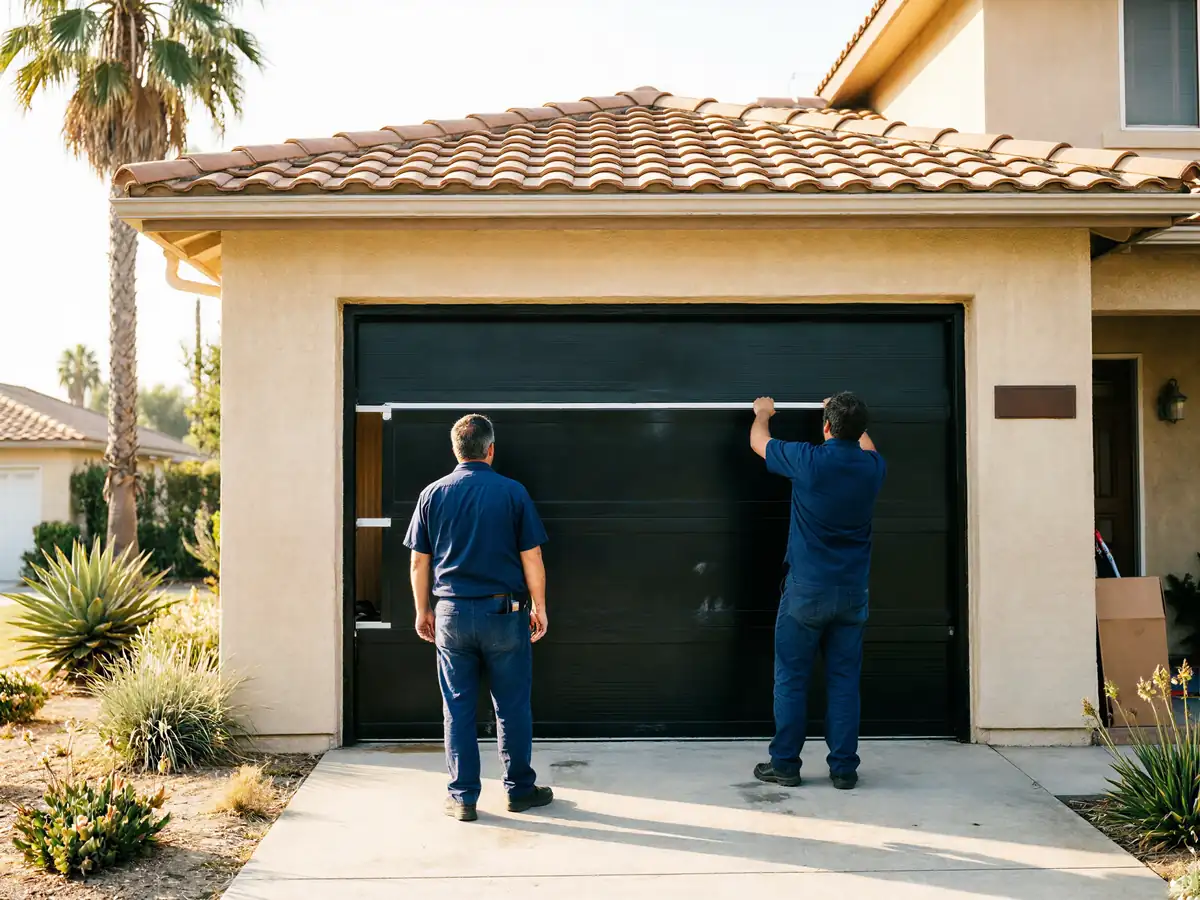
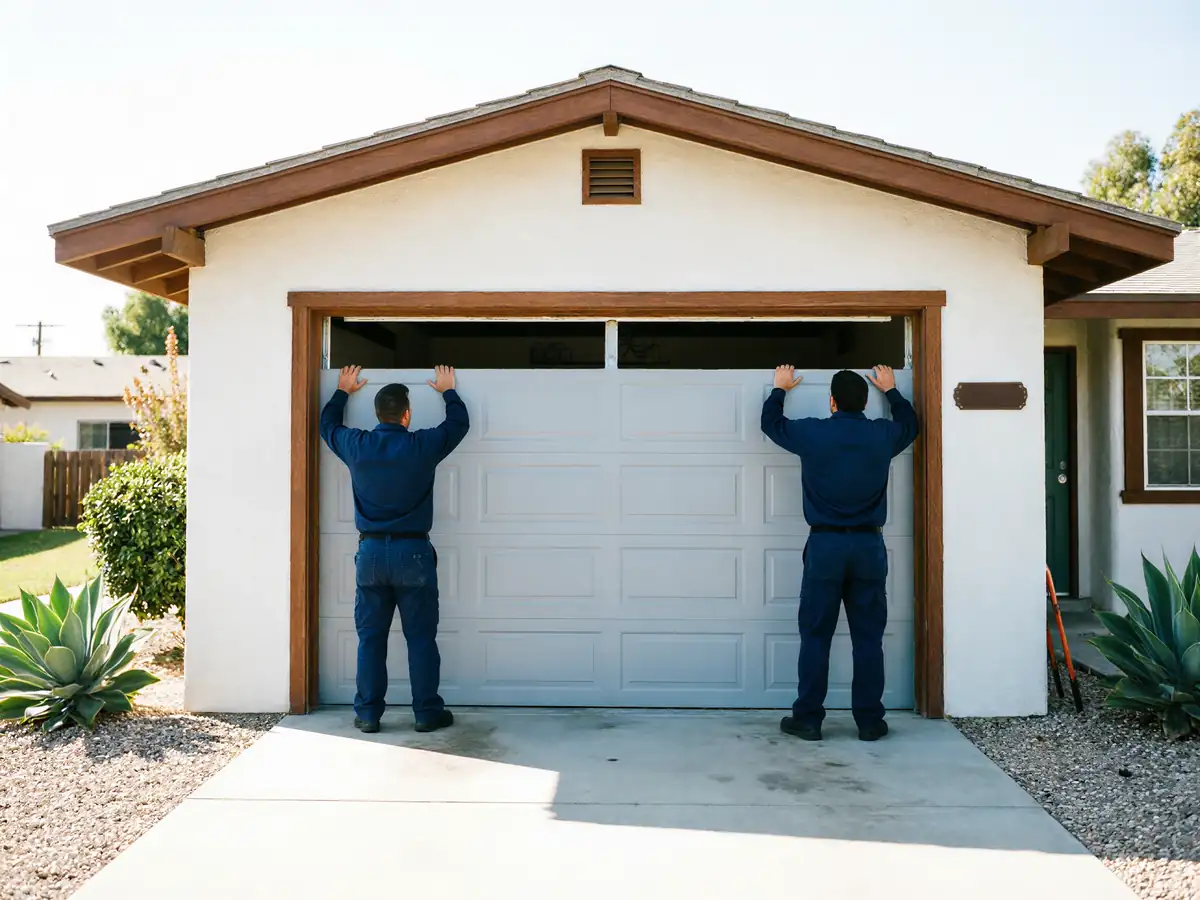
We measure the rough opening, confirm headroom and backroom, and in a fair number of Bonita jobs we're trimming jamb or re-hanging track brackets before the new door ever goes up. If your garage hasn't been touched since the house was built, plan on being without a working door for the better part of a day once we're on site, not an hour. We travel the 5 miles from Spring Valley to get here, so we schedule the full job in one visit rather than a quick swap-and-go.
- 5 miles
The Cost of This Job
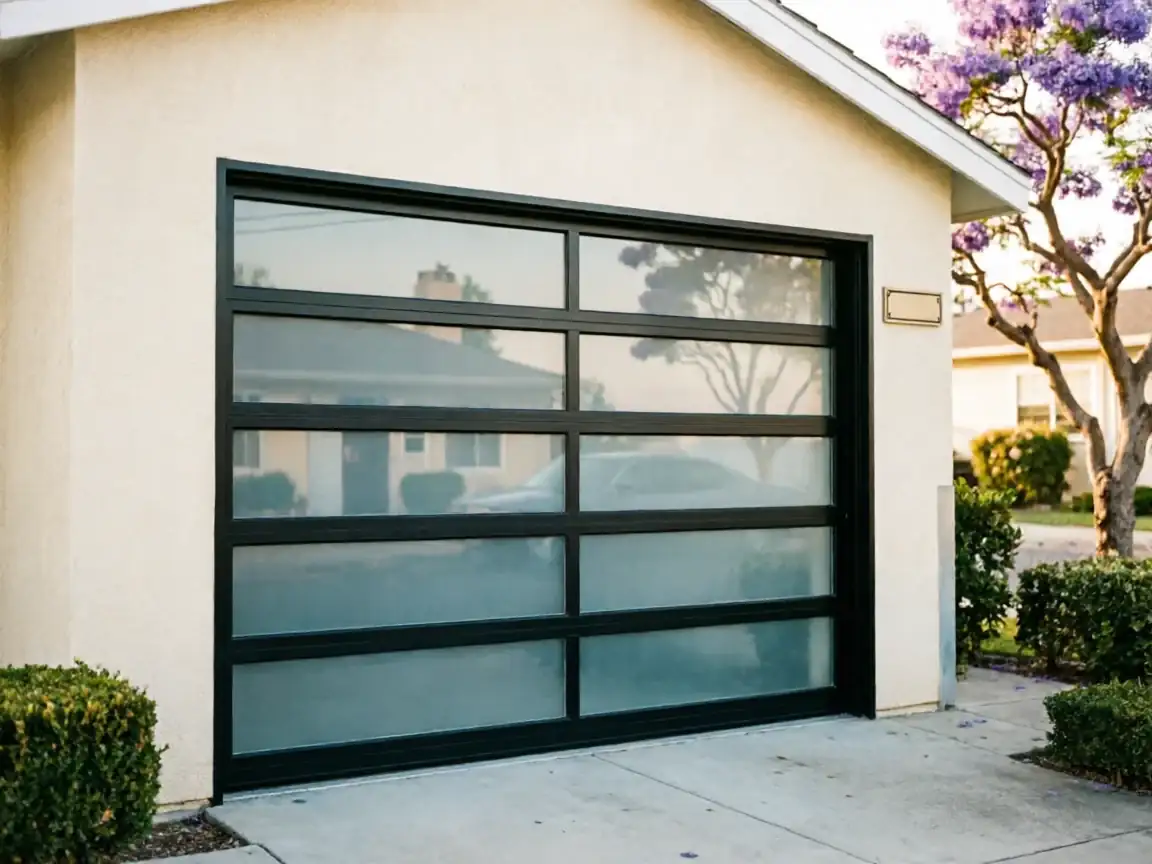
Bonita's median household income sits at $117,750, noticeably higher than the broader service area's $105,887, and it shows in what homeowners here typically choose: insulated steel doors with better hardware rather than the bare single-layer panel that often came with the house. We don't carry a price list that holds across every opening, because the jamb work described above changes the bill more than the door itself does.
What we can tell you is where the money actually goes. Door and opener are a smaller share of the invoice than people expect; track realignment, header shimming, and bringing old wiring up to a safe standard for a modern opener often cost more than the door panel. If your garage still has the original 1970s hardware, budget for that labor up front instead of being surprised by it after we've already started.
Why This Fails Locally
With 4,672 households in Bonita, we see a consistent pattern rather than a one-off problem: doors original to houses built around 1975 were sized for the cars and garages of that period, not for today's taller SUVs or the thicker insulated panels most owners now want. The mild temperate climate here means we're not fighting frost heave or extreme humidity swings, so the failure isn't weather damage to the door itself. It's mechanical mismatch - old track centerlines, low headroom, and spring systems rated for a lighter, thinner door than what's being installed now.
Push a modern 2-inch insulated door into 1970s track spacing without adjustment and you get binding, a door that reverses on the opener's safety sensor, or a spring working harder than it's rated for. That shortens the life of everything downstream, including the opener motor. This is the single most common reason a "simple install" turns into a half-day job once we're actually inside the garage.
Booking a Visit
We cover Bonita from our Spring Valley base, 5 miles out
So a visit here is scheduled as a full installation appointment, not a drive-by estimate. Tell us the age of the house when you call - if it's from the 1967-1988 wave common across this area, we'll bring measuring tools for jamb and headroom checks rather than assuming a stock-size door will drop in.
- 5 miles
We can give you a firmer number once we've seen the opening
But we'd rather spend ten extra minutes measuring on the phone than show up with the wrong door. See coverage details for Bonita for what we currently service in the area.
How We Fix It
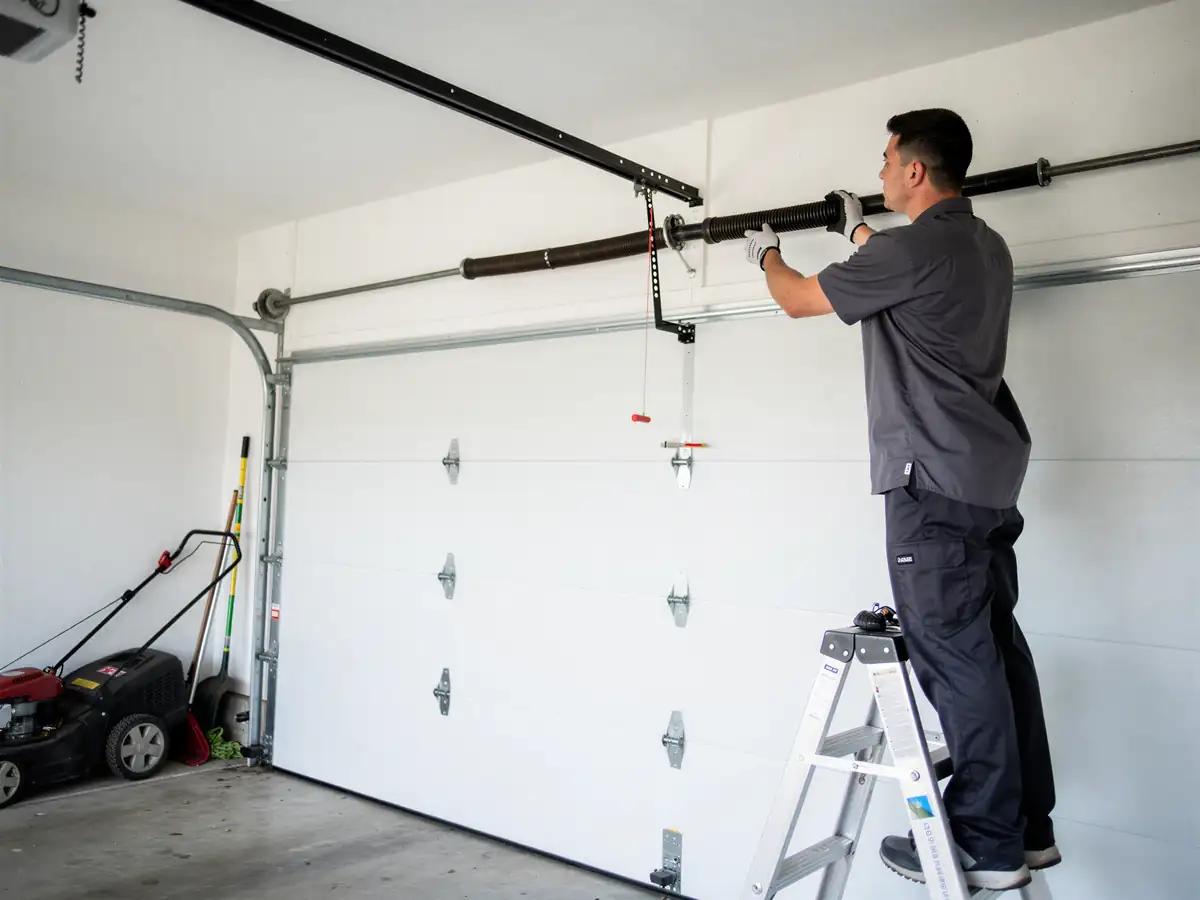
On a house from the mid-1970s, the job usually starts with pulling the old track and door completely rather than working around them. We check the header height against the new door's required headroom, shim or trim the jamb if the opening is narrow, and replace the spring system sized for the door's actual weight rather than reusing what's there. If the opener's wiring predates GFCI requirements, we address that before hanging anything.
Once the frame is square and the track is set to correct spacing, the door itself goes up fast. The slow part of this job, as it is on most Bonita houses this age, is getting the bones of the opening right first. A door hung on bad track will look fine for a few weeks and then start binding.
Where This Job Goes Sideways
The honest limitation: if your garage's framing has shifted enough over fifty years that the opening is out of square by more than a small amount, we're not a framing crew. We can true up track and shim a jamb, but serious structural correction is outside what a garage door install covers, and we'll tell you that rather than force a door into a frame that needs a carpenter first.
The other place this goes sideways is assuming the old opener will run the new door fine. A 1970s or even 1990s opener often isn't rated for the weight of a modern insulated door, and running it anyway burns out the motor within a year. We'll flag that at the time of measurement, not after the door's already hanging.