The Cost of This Job
We don't post a flat number here because panel replacement swings a lot depending on what's actually wrong. A single bottom panel with a forklift dent is a different job than a full side replaced after years of sun and impact. What we can tell you is what drives the cost: whether the panel is still in production, whether the color and texture match what's left on the door, and whether the track and hinges around that panel moved out of alignment when it got hit. On a 1975-built door, hardware spacing sometimes doesn't match what current panel kits assume, so a section that looks right in the catalog can need extra fitting on-site. We price the visit once we've seen the door, not before.
Why This Fails Locally
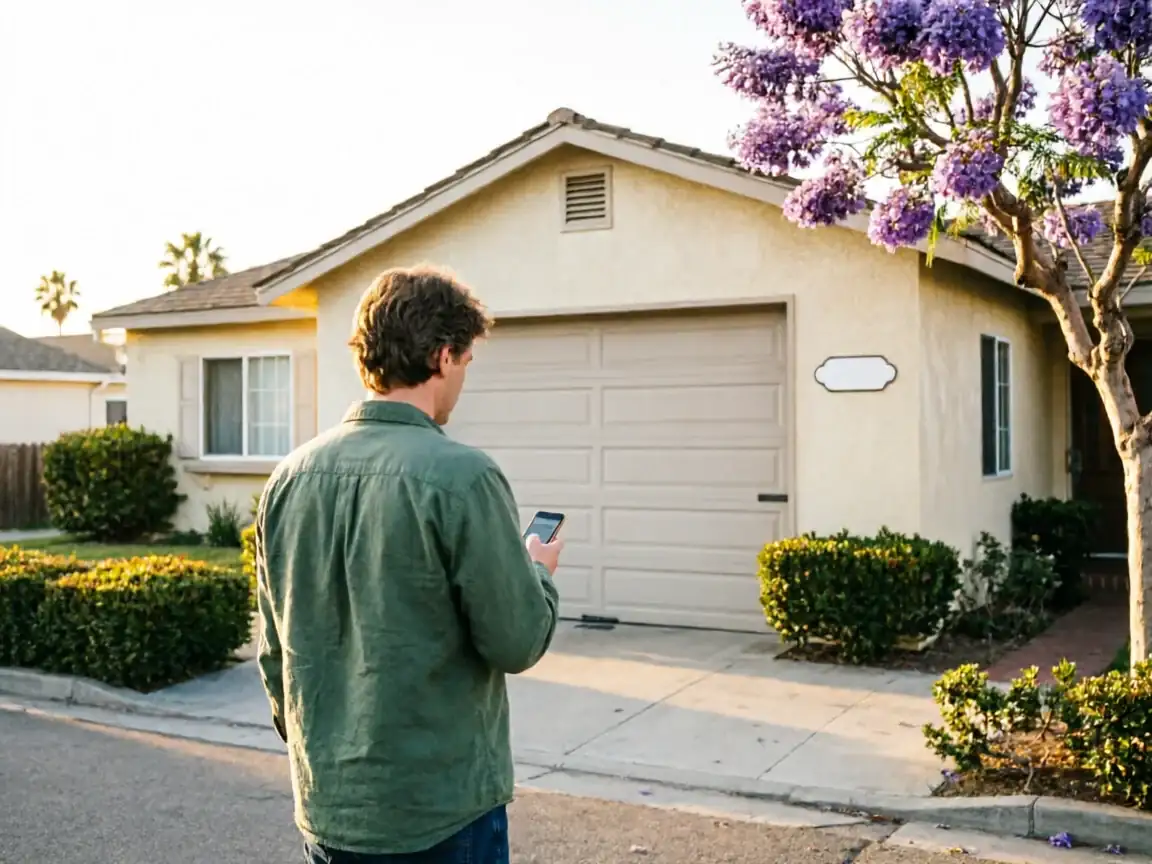
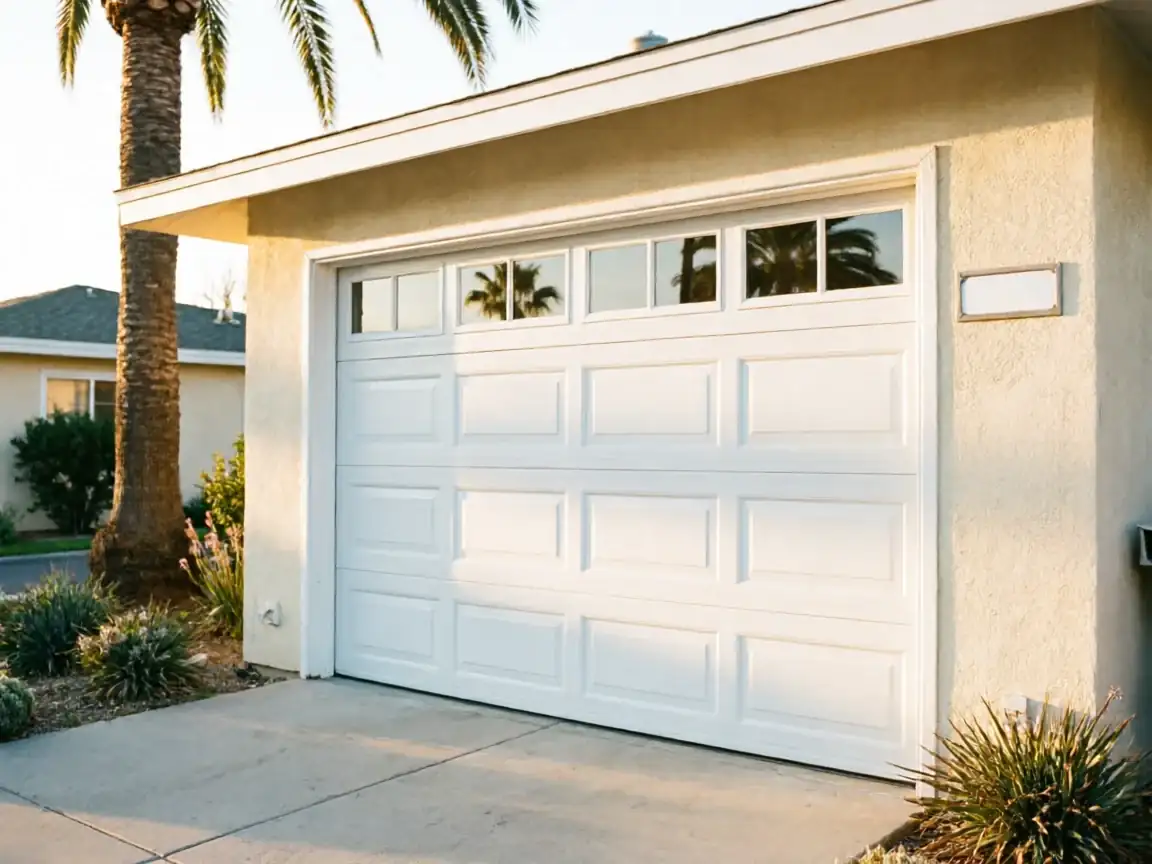
Bonita sits in the same mild, temperate band as the rest of our service area, which actually works in your favor for one thing: panels here don't crack from frost or warp from deep cold the way they do in harsher climates. What we see instead is impact damage - a trailer backed in wrong, a bike rack clipping the bottom panel, a basketball that finds the same spot too many times. On the doors built closer to 1975, which is most of them in Bonita, the panel gauge and the fastening pattern are older than what current steel stock assumes, so a straight swap sometimes isn't straight at all. That's the local failure pattern: not rust, not freeze damage, just an aging panel profile meeting a dent it was never designed to absorb gracefully.
How We Fix It
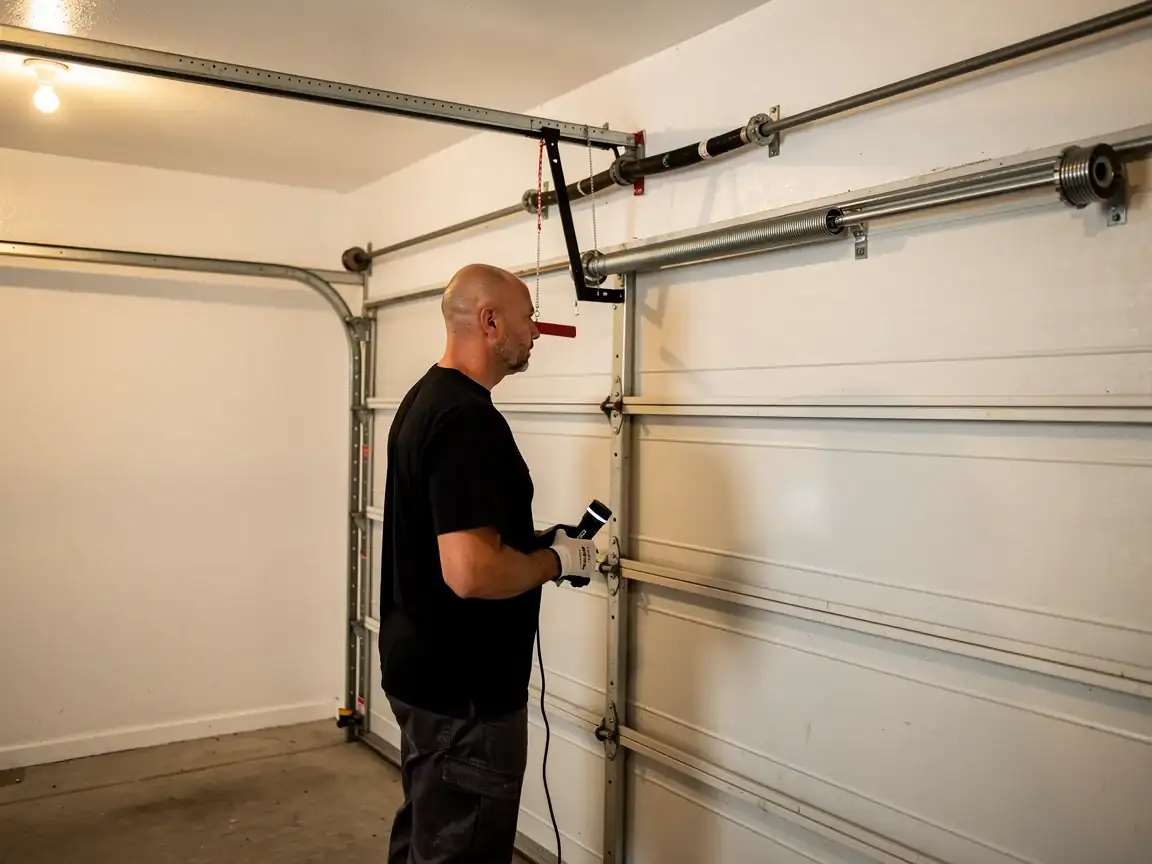
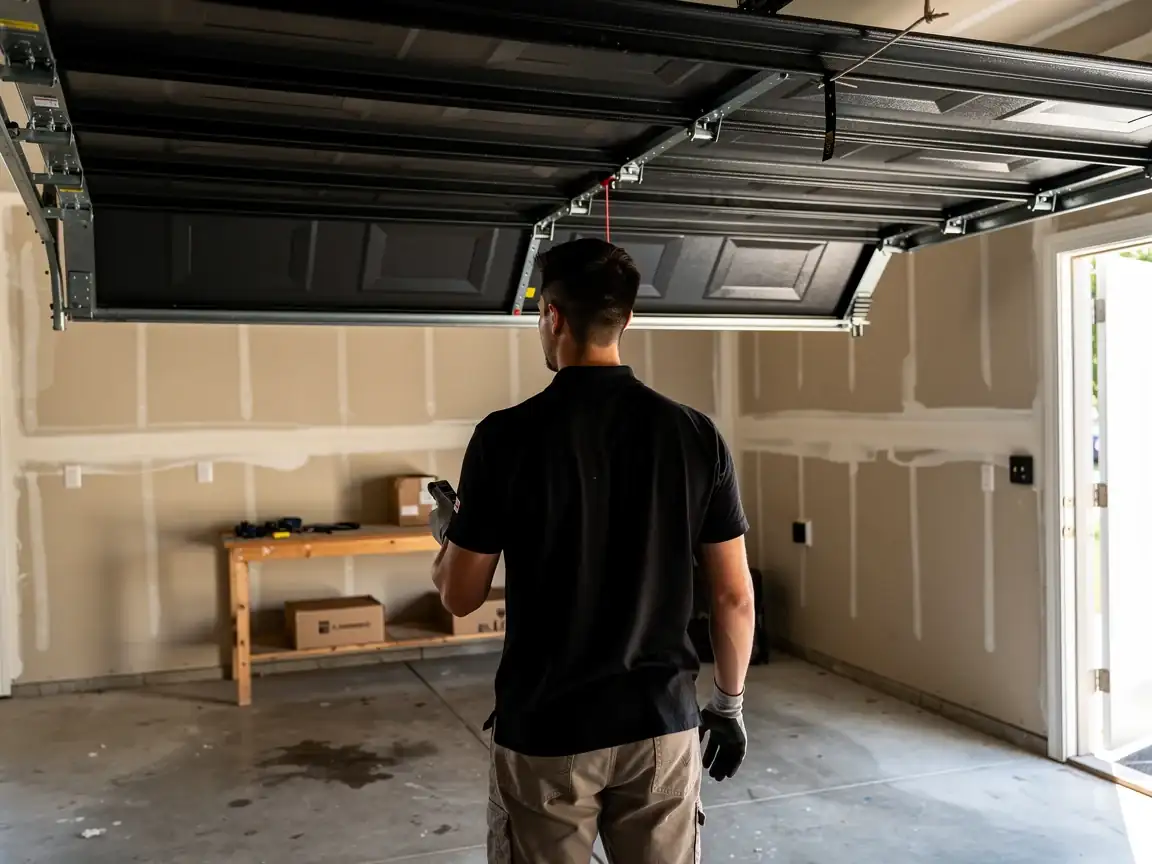
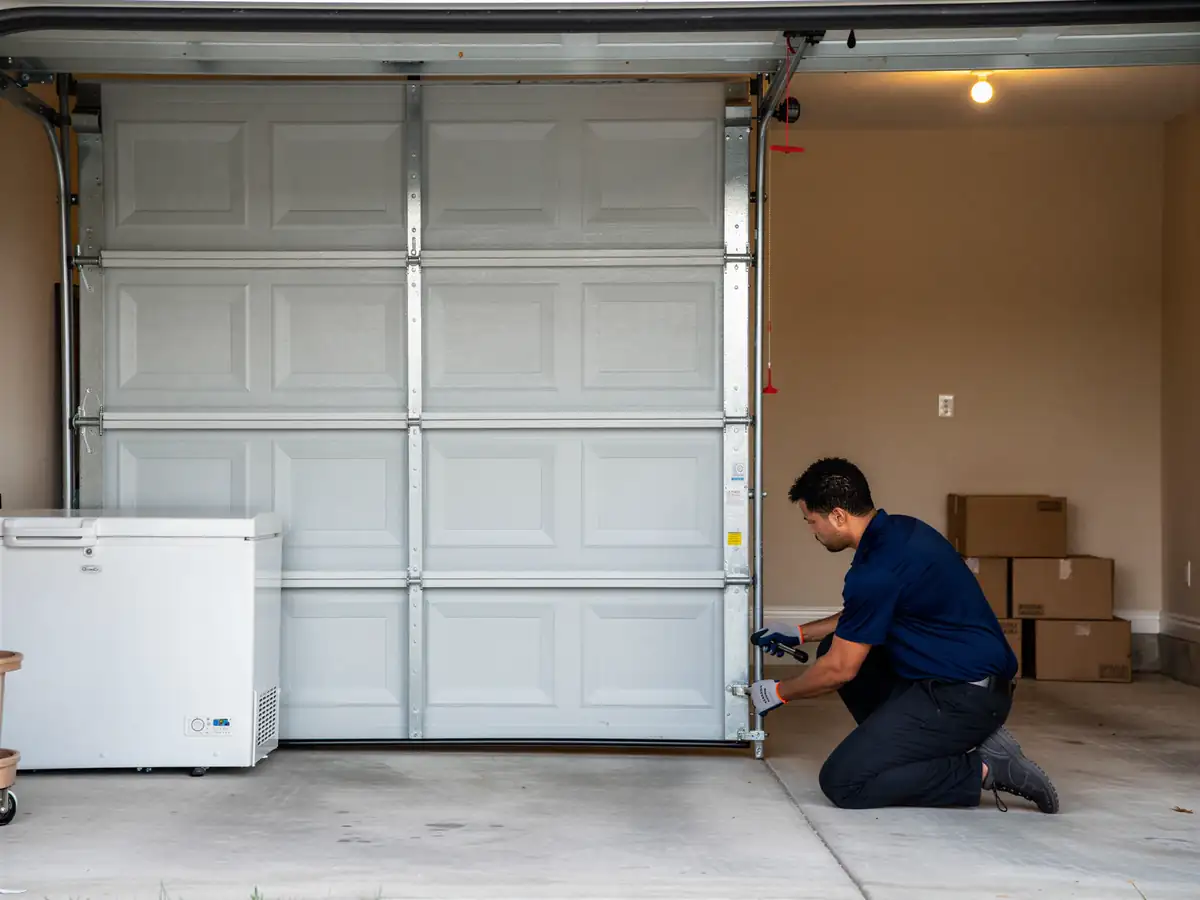
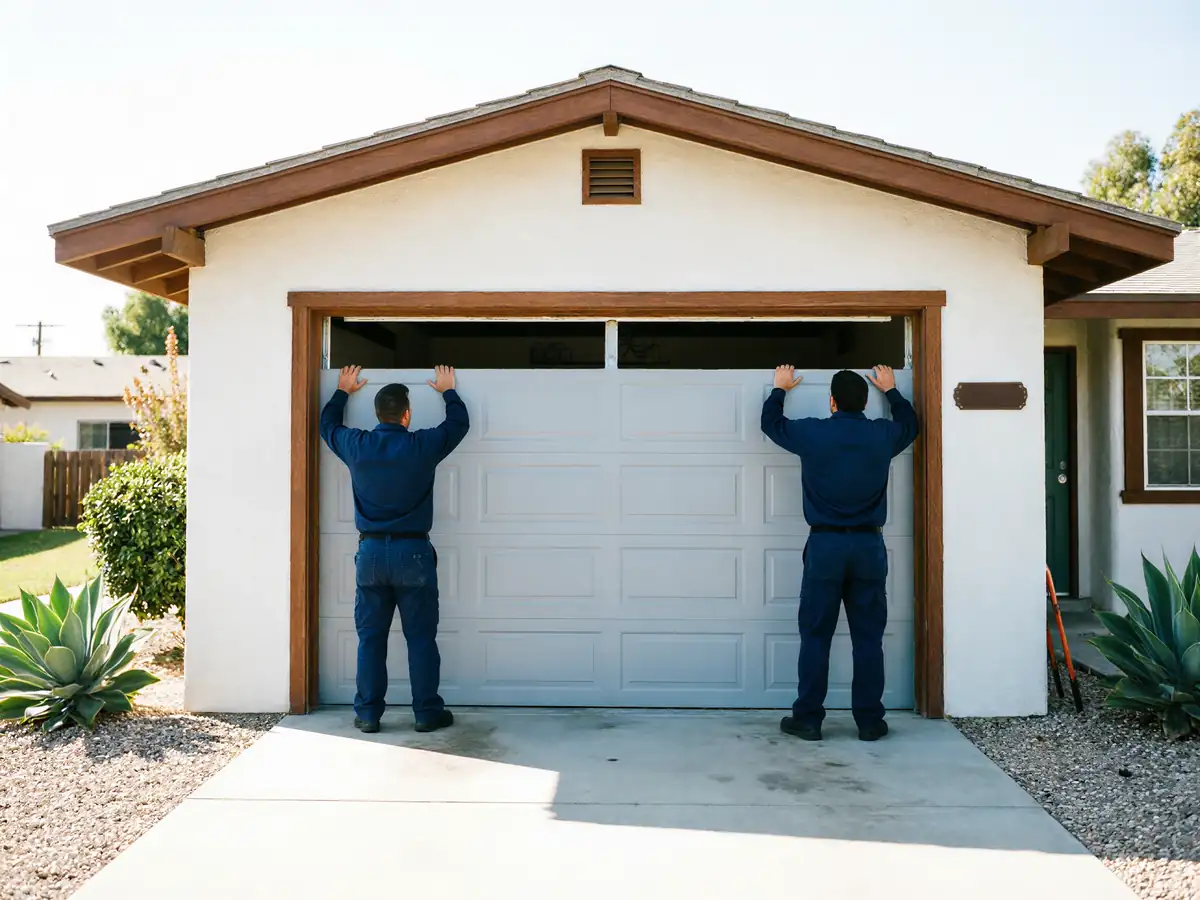
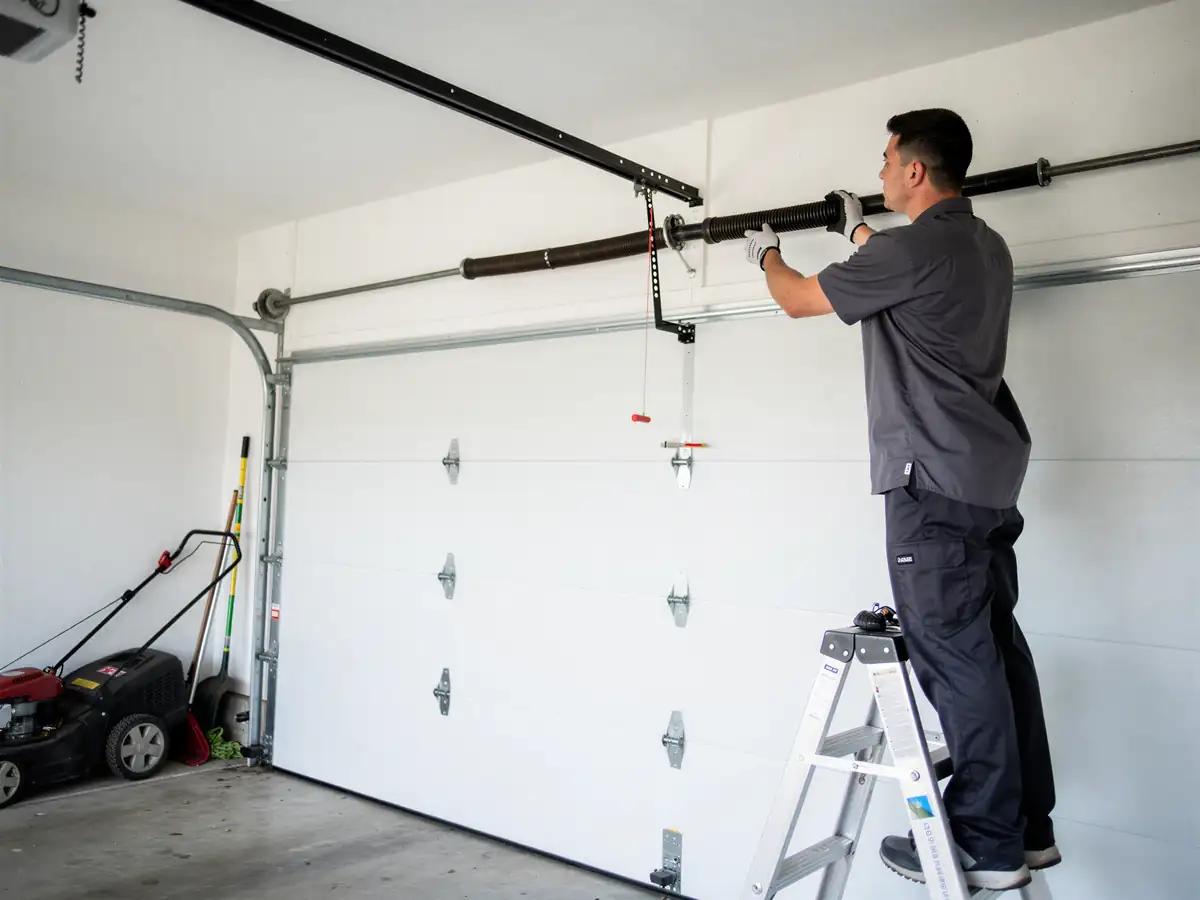
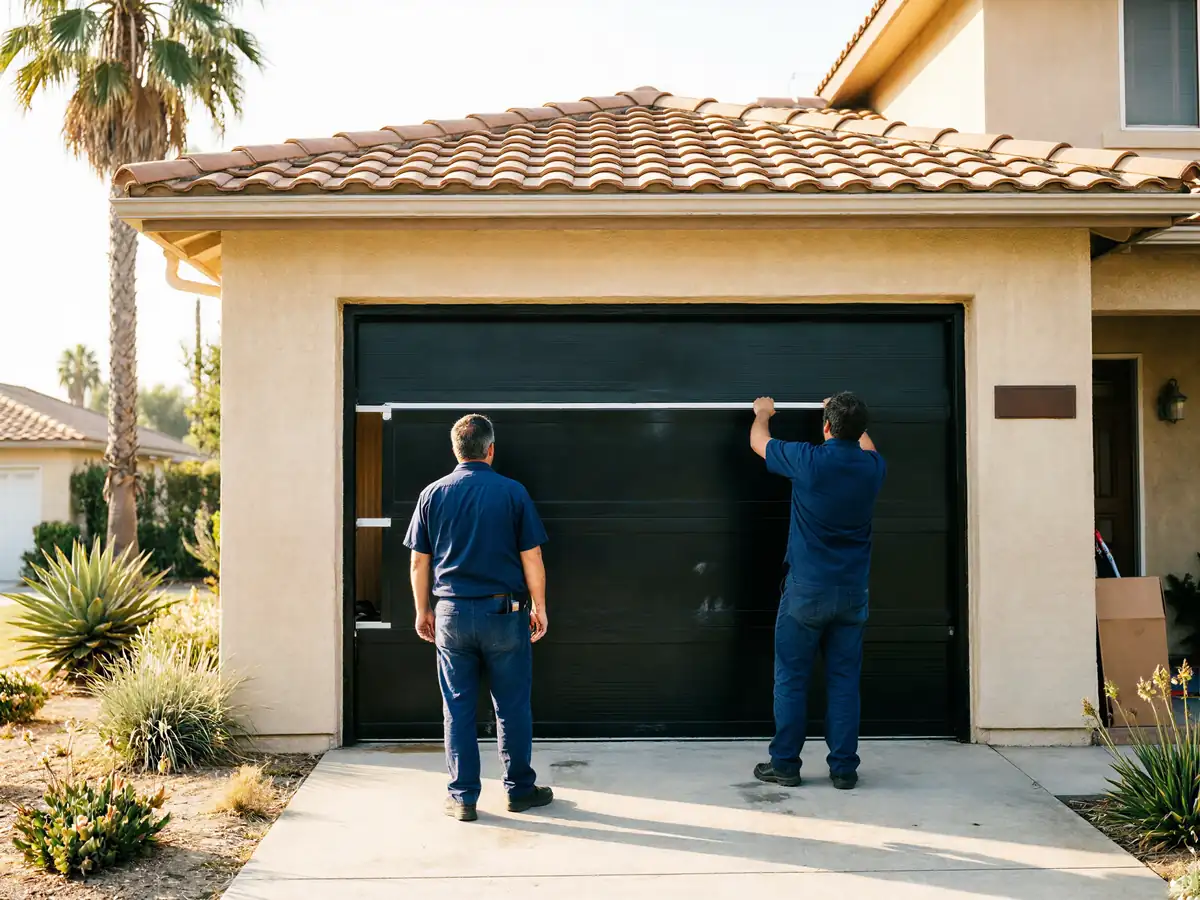
We pull the damaged section, check the hinges and rollers on either side of it for wear the impact might have caused, and set the replacement panel into the track before we bolt anything down - that way we catch misalignment before it's permanent. On a door from the 1975 era, we check the panel's gauge and fastener spacing against the hardware already on the door rather than assuming a modern kit will drop straight in. If the color has faded unevenly across the door, we'll say so; a new panel next to twenty-plus years of sun exposure is never going to be invisible, and we won't pretend otherwise. Once it's set, we run the door through a full cycle, check balance at the spring, and make sure the new section tracks clean before we call it done.
Where This Job Goes Sideways
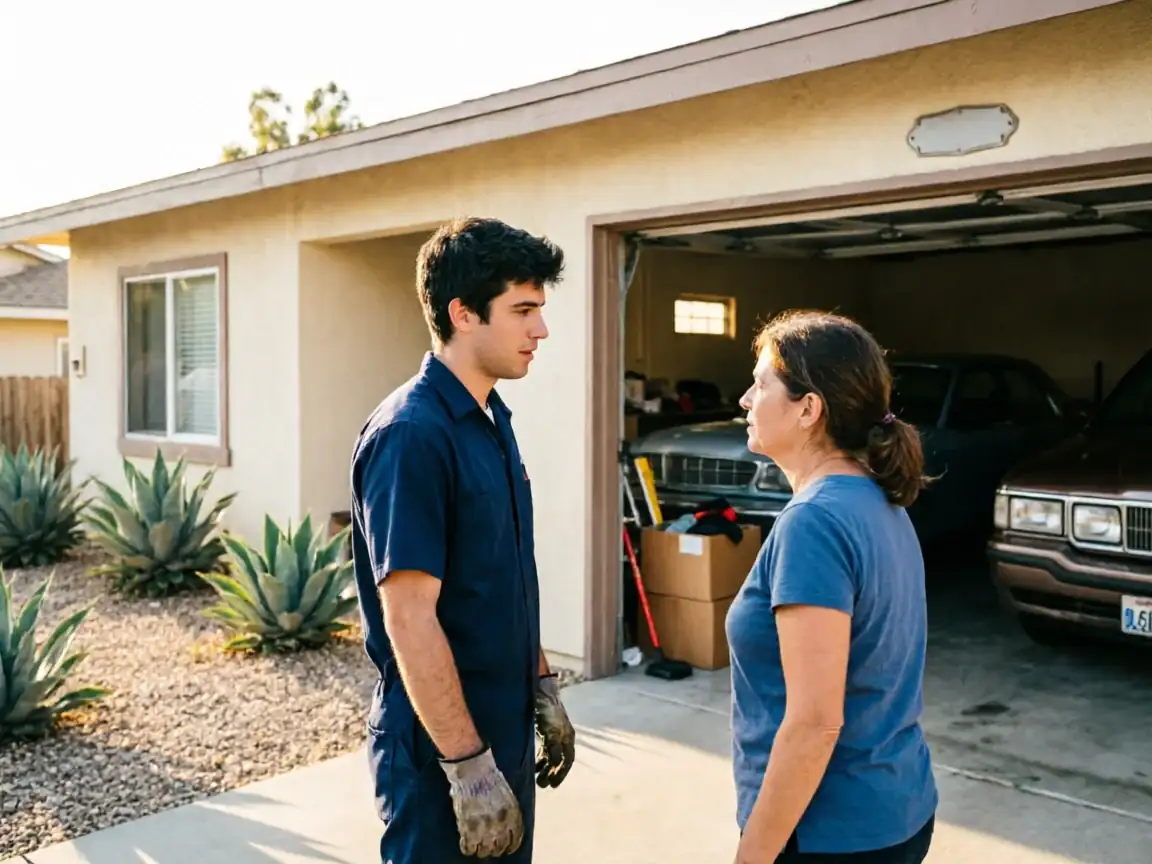
Panel replacement stops being worth it once more than two sections on the same door need it, or once the panel you need has been out of production long enough that no supplier has a close match. At that point you're not fixing a door, you're patching one, and a patched door usually looks like exactly that. With roughly 4,672 households in Bonita and a good share of them running doors built to that same 1975-era spec, we see this more often than you'd think: a homeowner wants one panel fixed, and the honest answer is that the door's better candidate for full replacement. We'll always try the panel route first if it holds up structurally and visually. We just won't talk you into it when it won't.