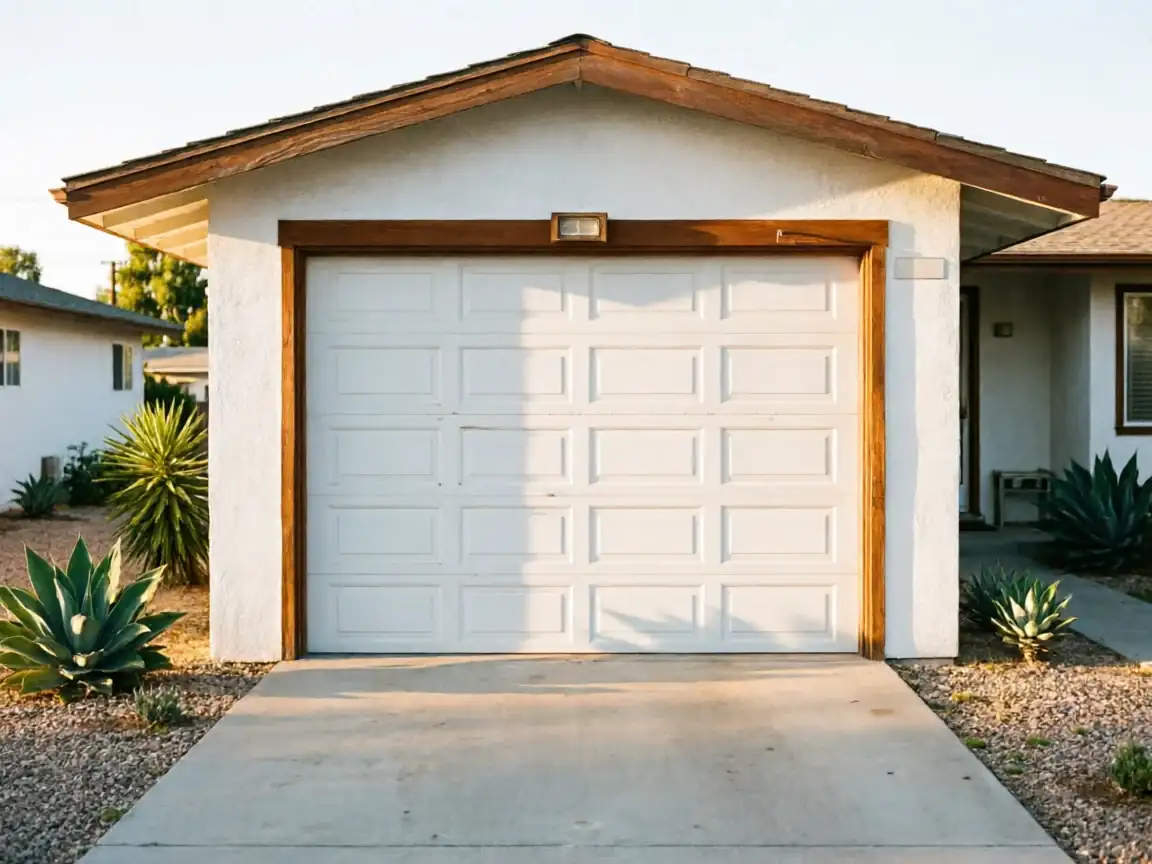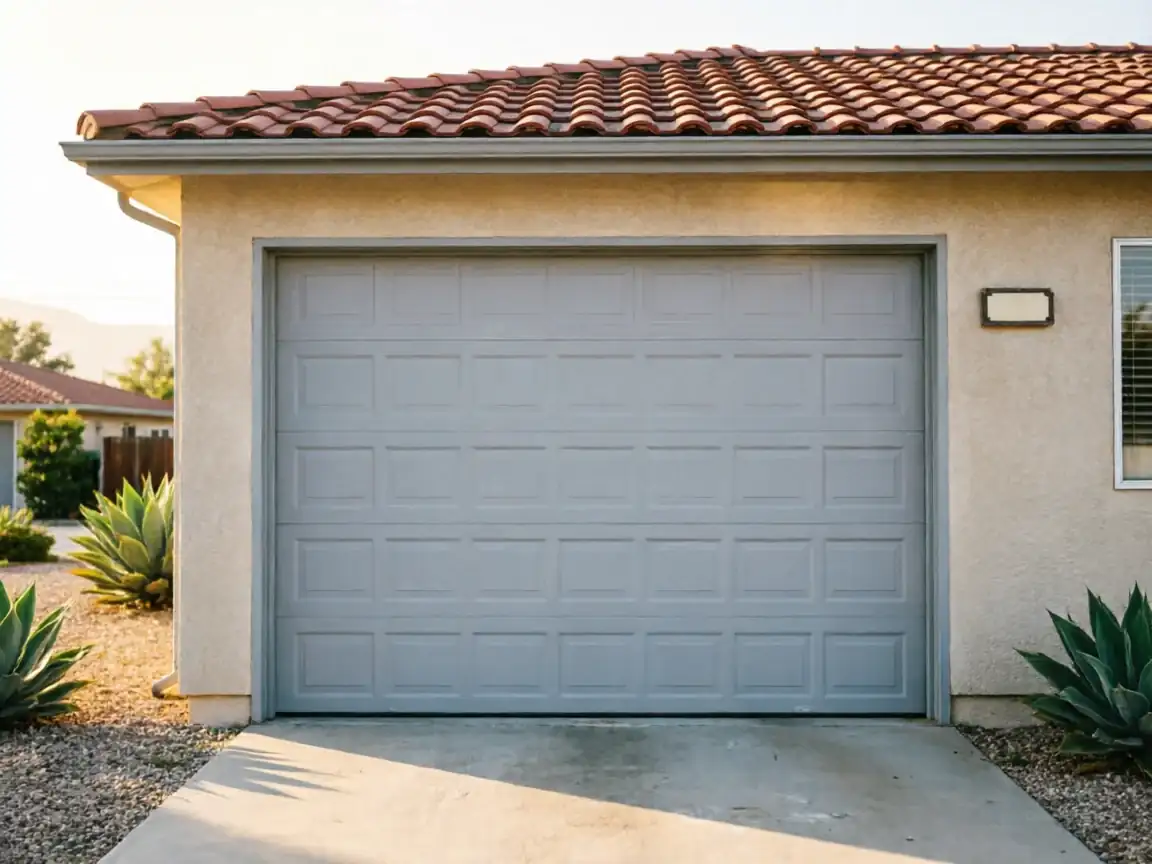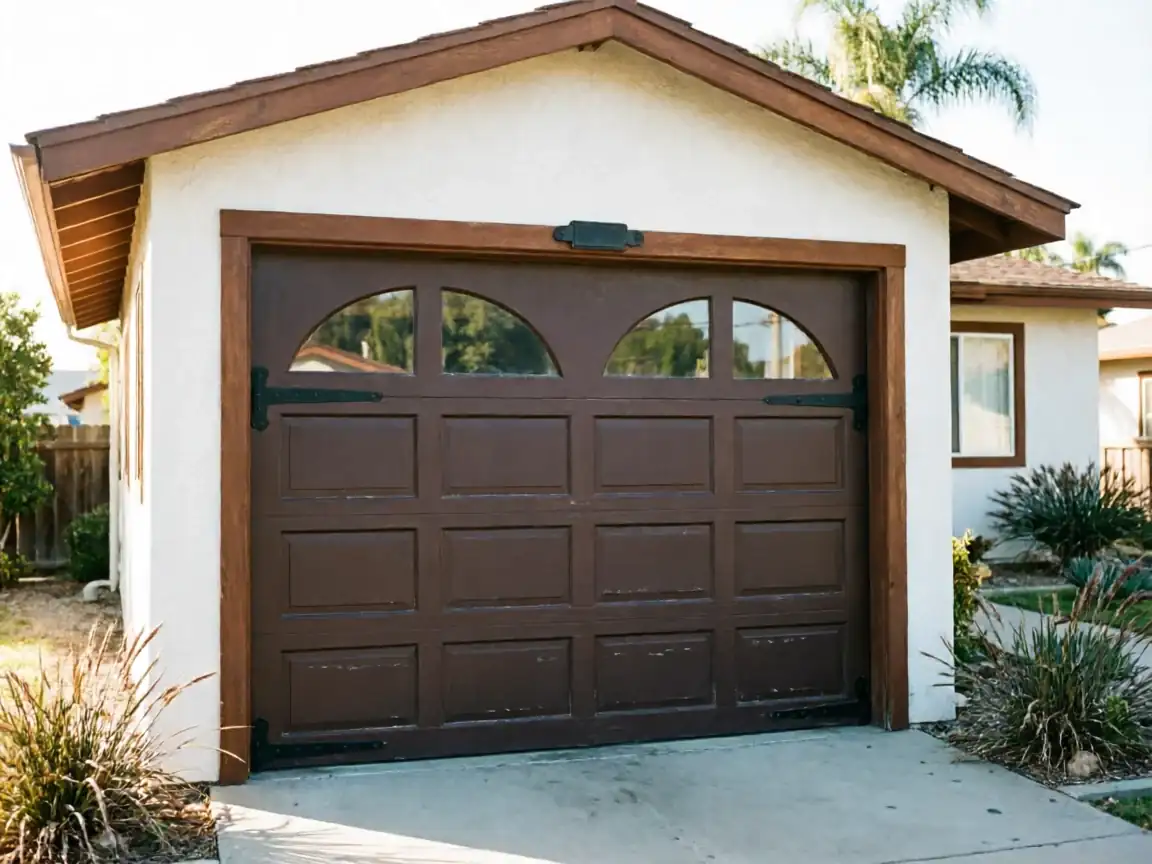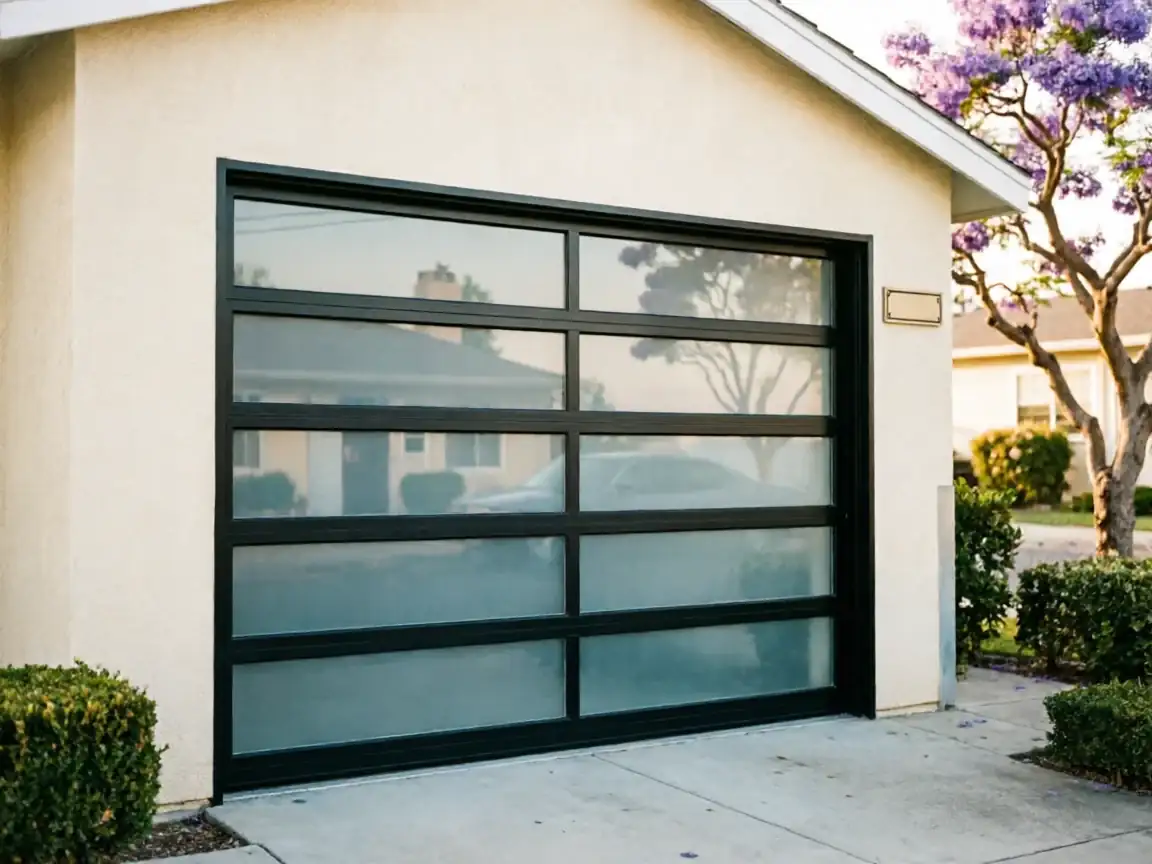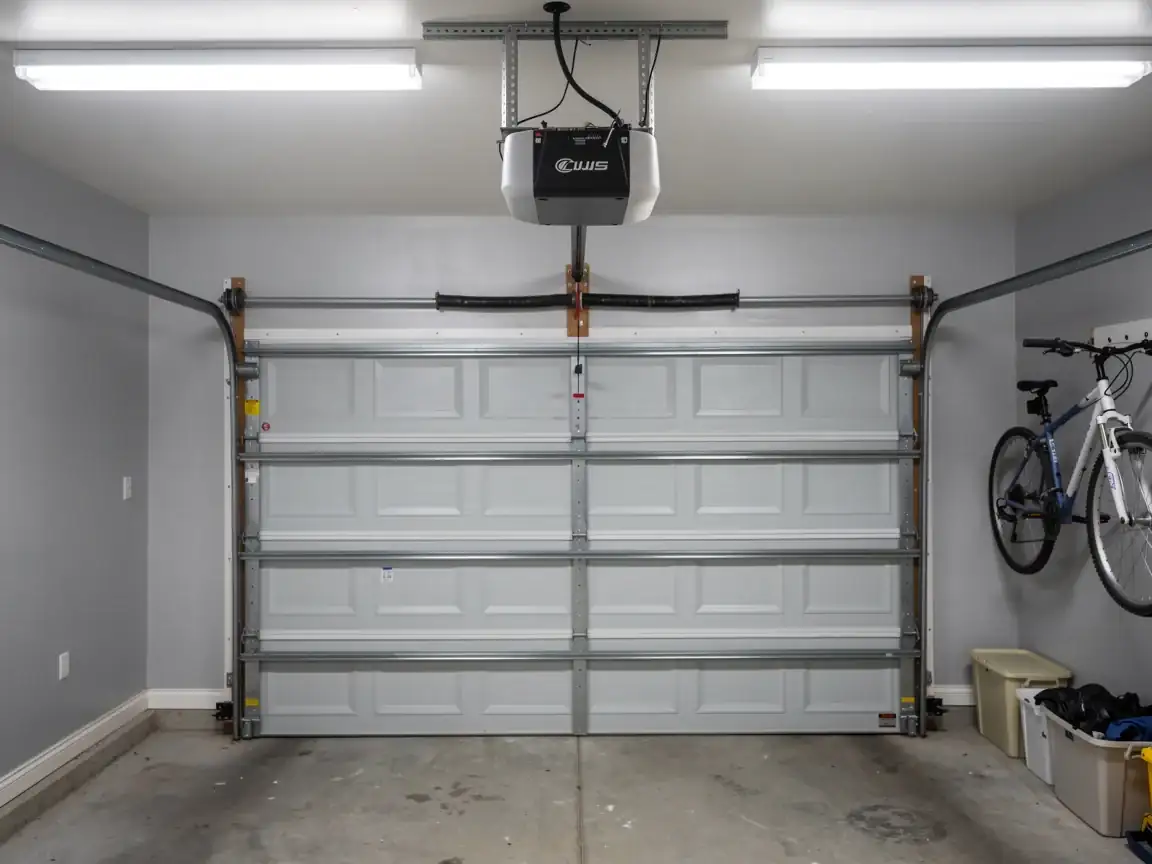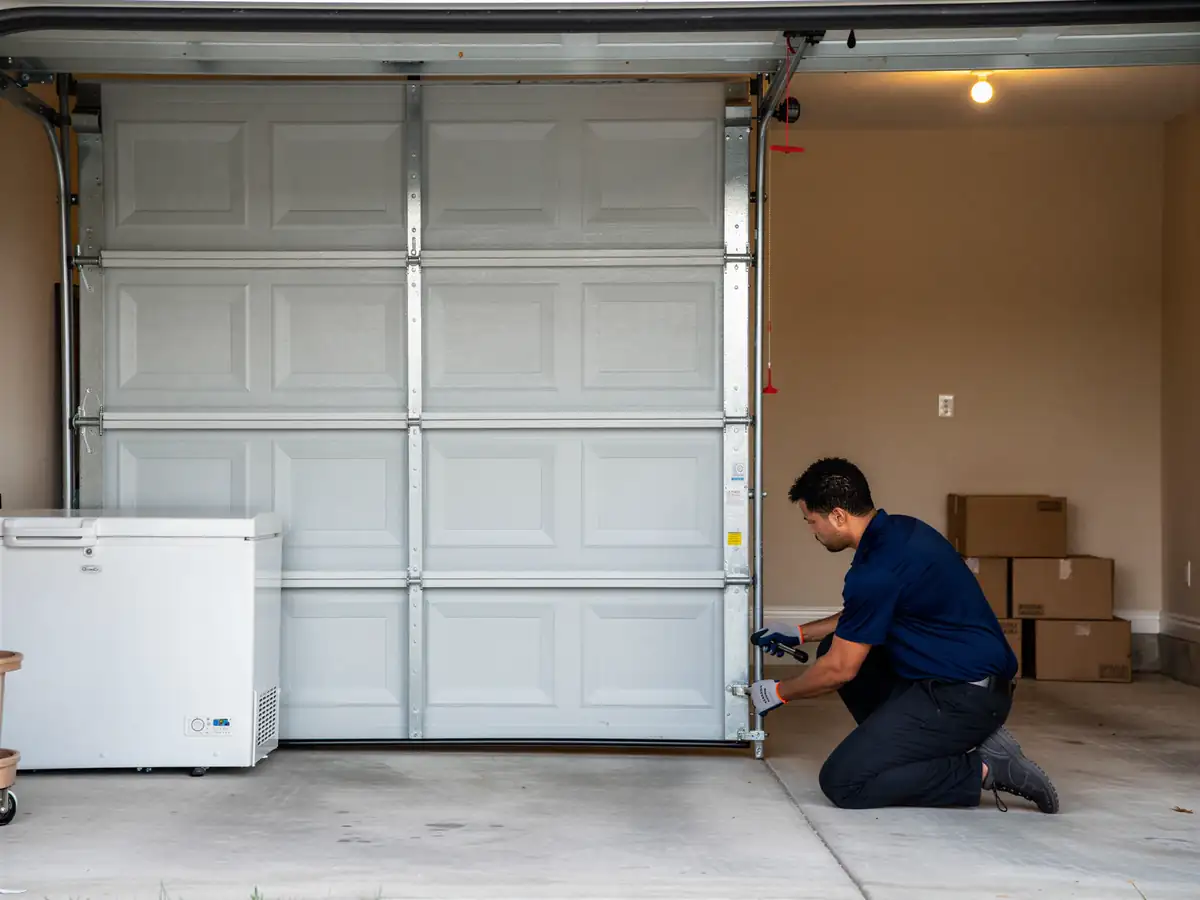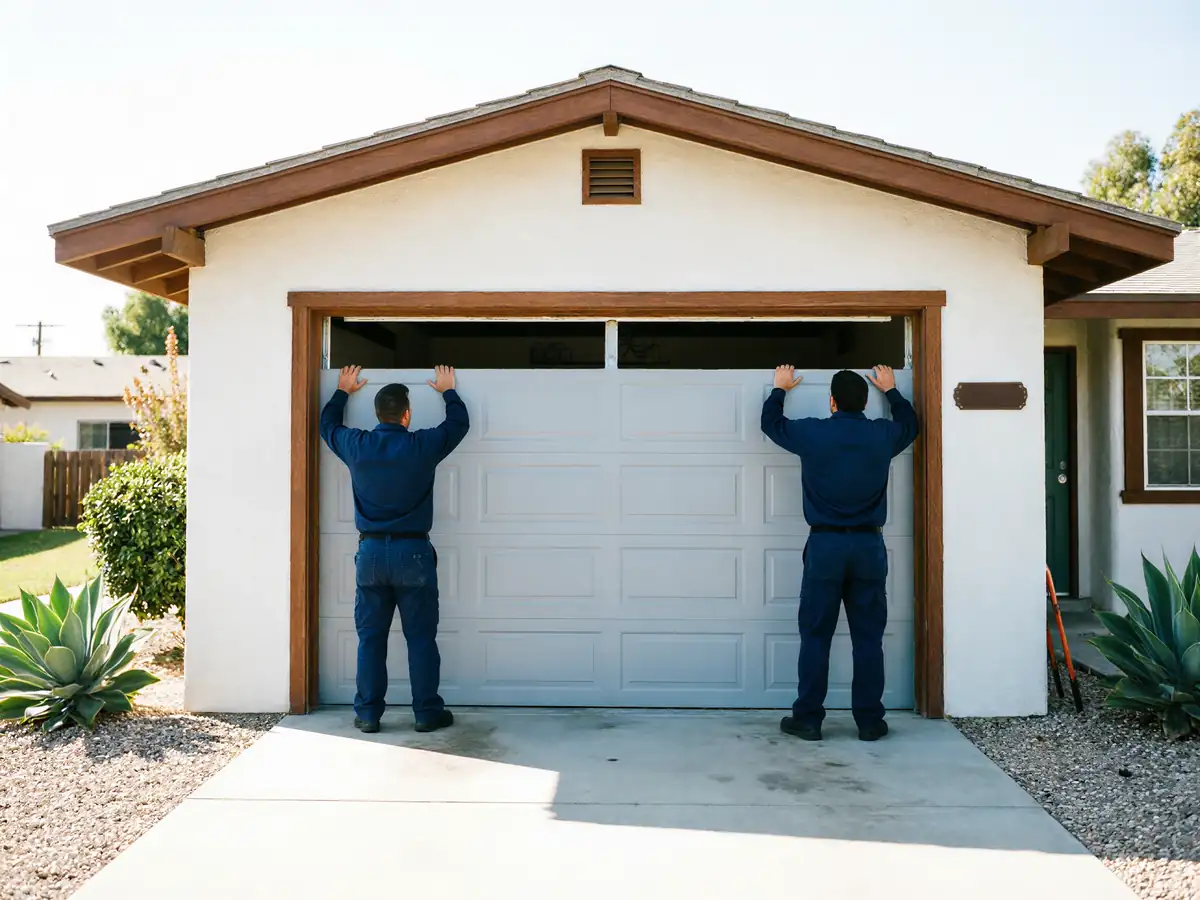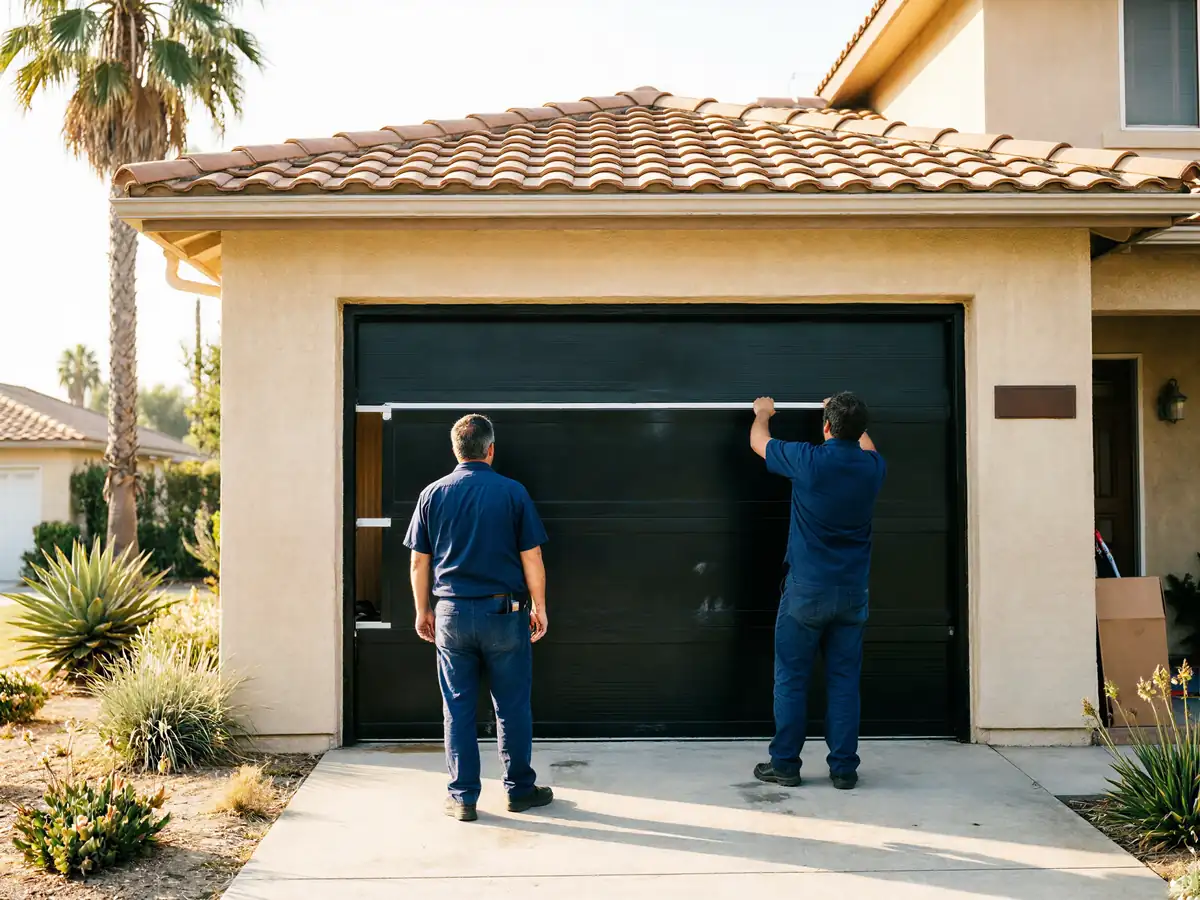
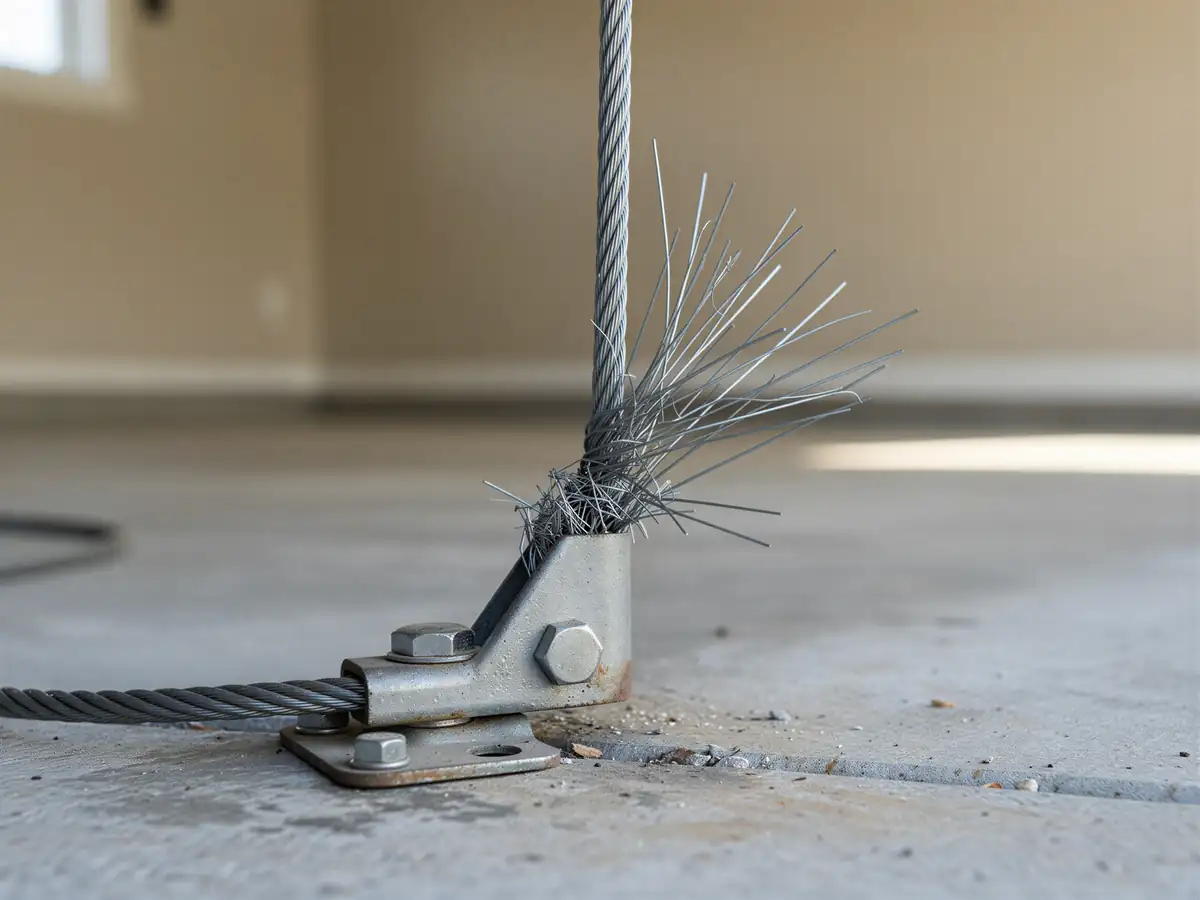
What You Are Seeing
The cable lets go at the bottom bracket
Or it frays strand by strand until the door starts hanging crooked - low on one side, jammed in the track, refusing to roll the last foot of travel. Sometimes it happens all at once, a loud snap and the door drops fast. More often it's slow: a few threads give way over weeks and you only notice when the door starts racking sideways on its way down.
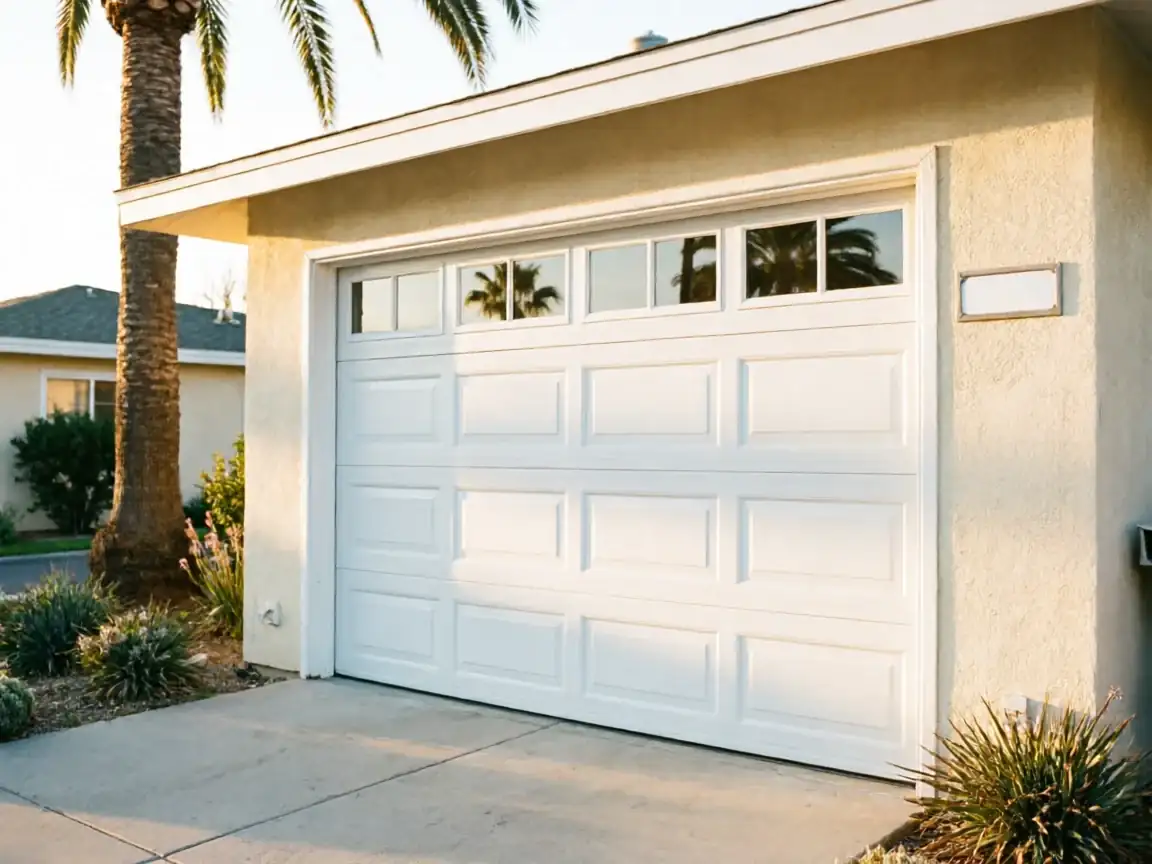
Coronado's housing stock centers on 1974, just one year off the service area's 1975 median
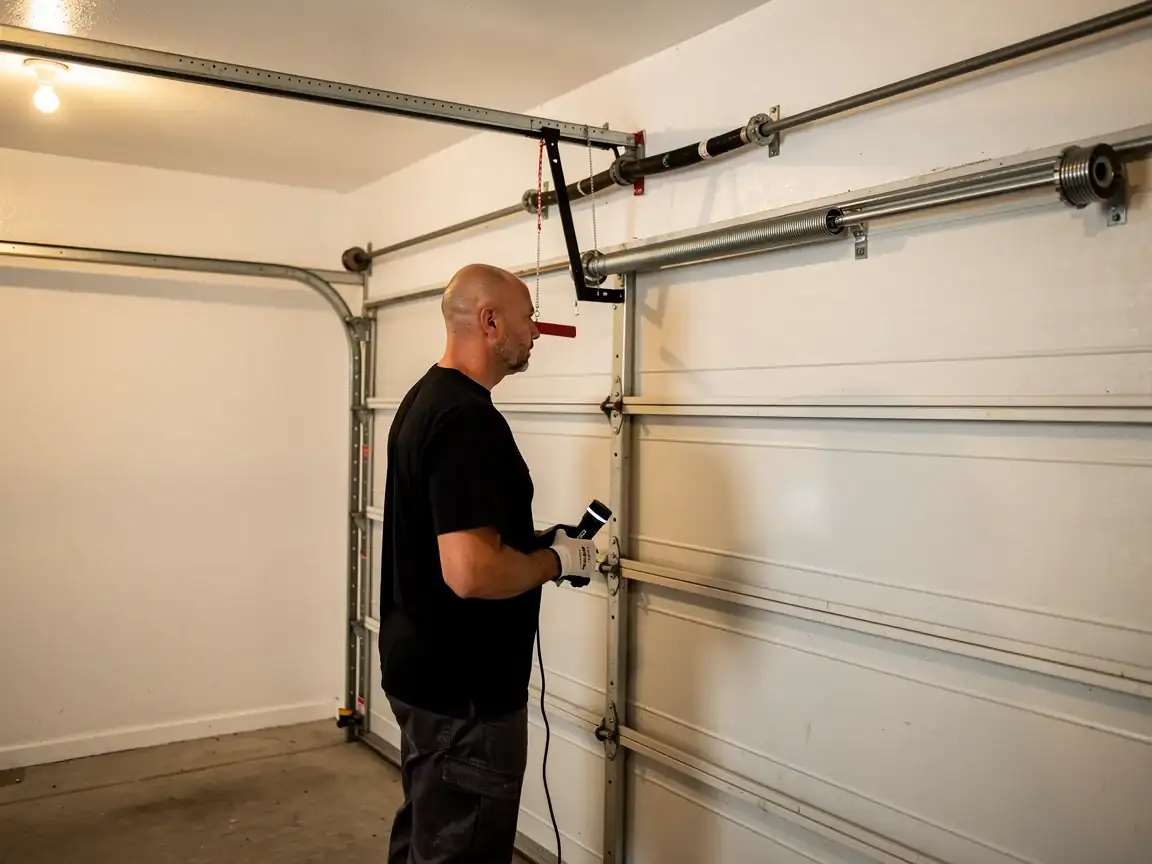
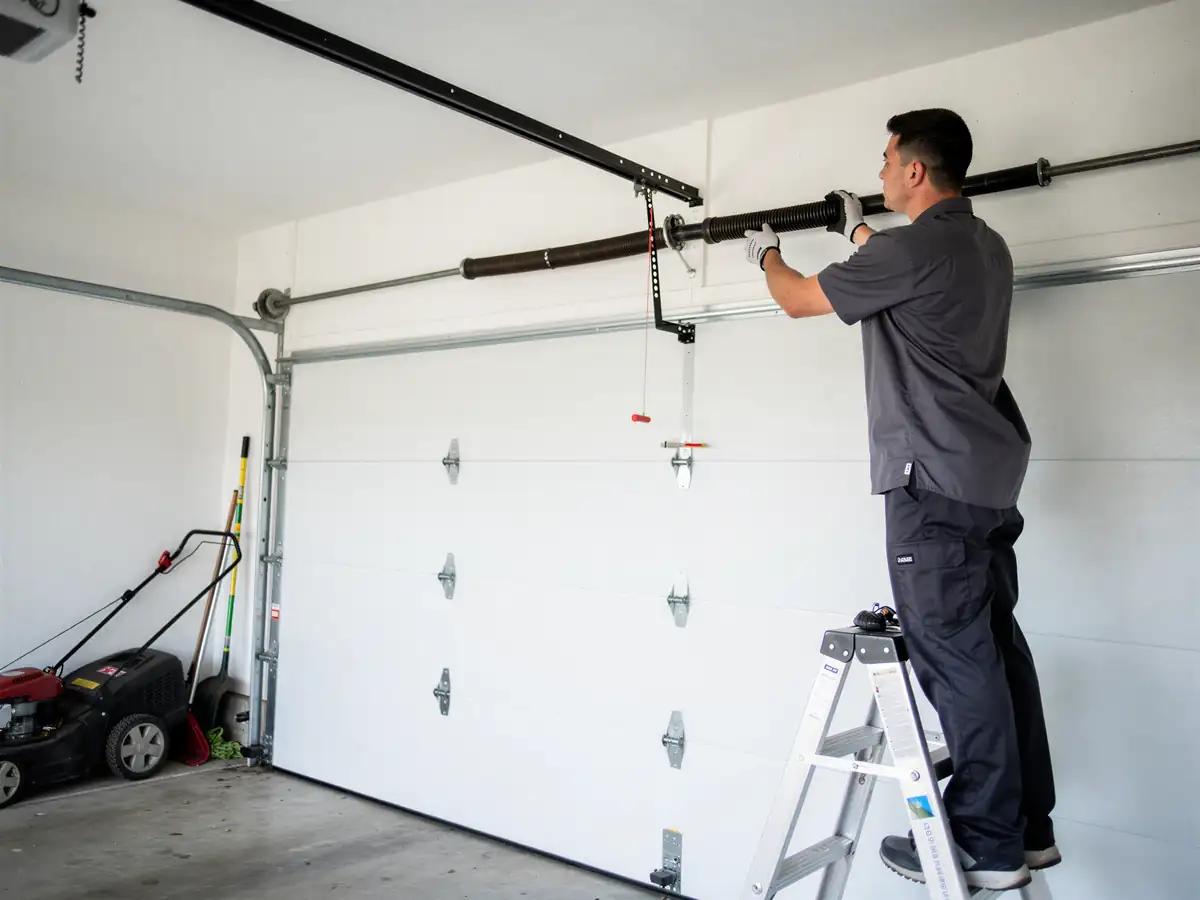
So the doors here use the drum and cable hardware specified in the mid-1970s building code. That means steel drums sized for a standard 7-foot door and a galvanized aircraft cable rated for the torsion spring setups common to that build era. If the door was never upgraded, that's still what's holding the weight. The failure point is almost always the same: the cable groove on the drum wears a notch, and the cable starts rubbing against itself instead of winding clean.
Parts We Carry
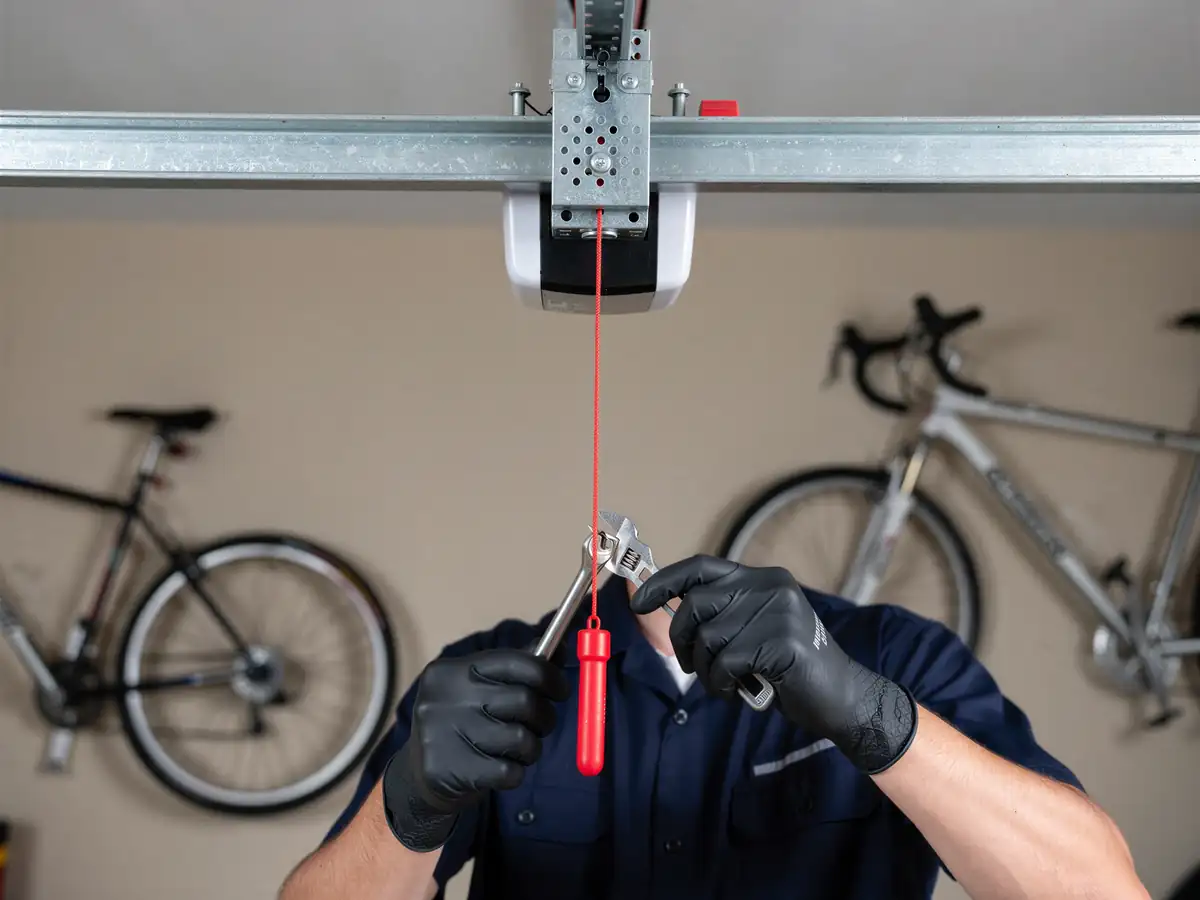
We carry galvanized aircraft cable in the gauges that match 1970s torsion and extension setups, plus the stainless version for owners who want to stop replacing it every few years. Drums come in the standard sizes for that era's 7-foot doors, along with the end bearing plates and safety cables that often need swapping at the same time, since a cable failure tends to take a bearing plate with it.
One limit worth saying plainly: if the drum itself is cracked or the door is a non-standard width - which shows up sometimes in older custom builds - we may not have that part on the truck. In that case we order it and come back, rather than forcing a mismatched drum onto the shaft. That's a second trip, and we tell you that up front instead of pretending otherwise.
How We Fix It
First we release tension on both torsion springs - never touch a wound spring with a frayed cable still attached, that's how fingers get hurt. Then we pull the old cable off the drum and bottom bracket, check the drum groove for wear, and check the other side's cable even if it hasn't failed yet, since one side going usually means the other is close behind.
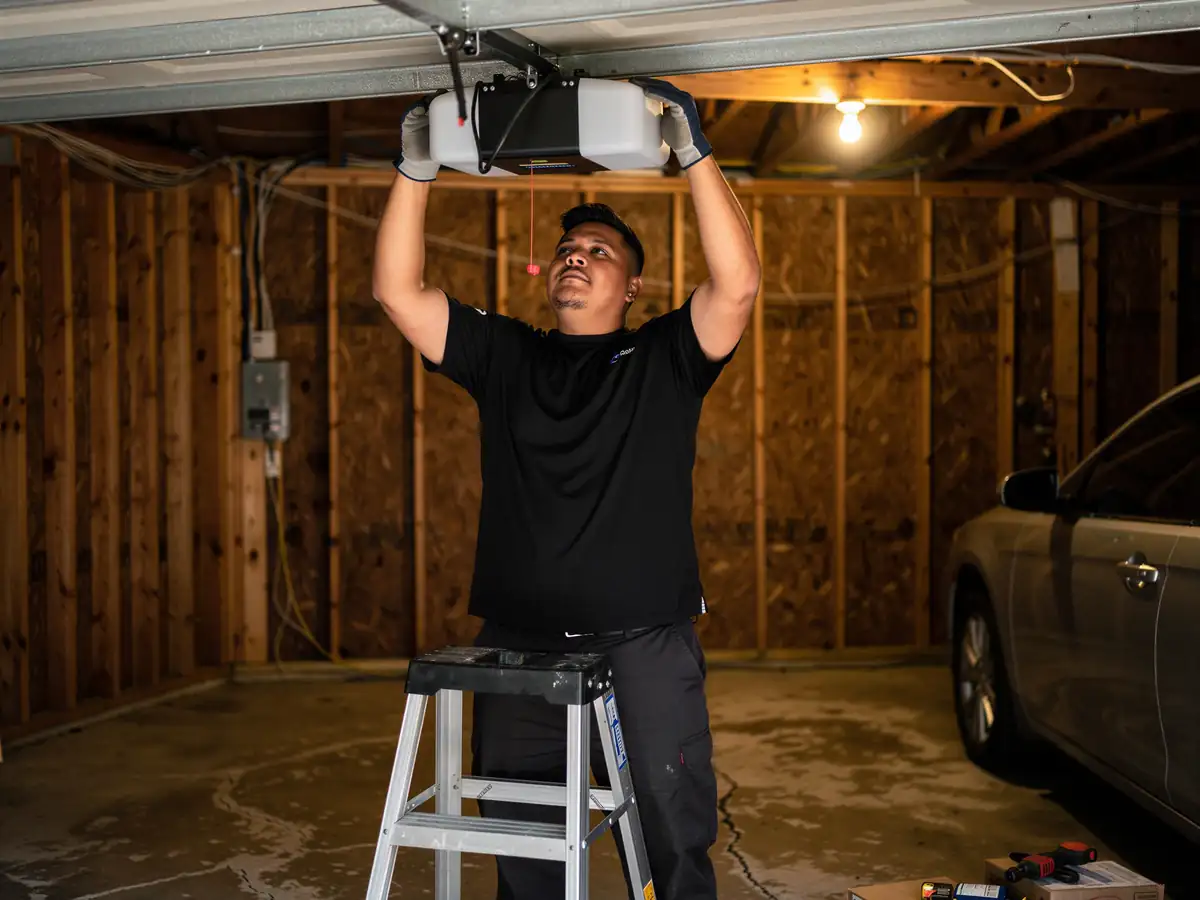
We cut new cable to length, seat it in the drum groove, loop it through the bottom bracket, and wind the torsion spring back to the tension spec for that door's weight. Then we run the door up and down by hand a few times before touching the opener, checking that it tracks straight and doesn't bind. If the drum groove is worn past where a new cable will seat cleanly, we replace the drum rather than send a cable back out on bad hardware - that's a slightly longer job, but it's the one that doesn't come back.
Why This Fails Locally
Coronado sits in the same mild temperate band as the rest of the service area
So this isn't a rust problem the way it would be somewhere with hard winters or heavy road salt. The cable wears from cycling - opening and closing thousands of times - and from the drum groove degrading, not from weather eating through steel.
What does mark Coronado out is the building year
A door installed around 1974 was built to the spring and cable sizing standards of that decade, which weren't engineered with today's heavier insulated panels in mind. Owners who've swapped in a heavier door over the years, without upgrading the torsion springs to match, put more strain on the cable than the original setup was rated for. That mismatch - new door, old spring tension - is the single biggest reason we see repeat cable failures on these 1970s-built garages.
The Cost of This Job
With 6,989 households and a median income of $135,056, Coronado sits well above the $105,887 median for the rest of our service area, and that shows up in which cable owners ask for - more requests here for the upgraded stainless aircraft cable over the stock galvanized kind, even though the galvanized version does the job fine on most doors.
Across the broader service area's 132,698 households and 46,922 owner-occupied houses, Coronado's 6,989 households are a small slice, but a higher-income one, and that's reflected in the add-ons people choose rather than the base repair itself. Because Coronado runs 11 miles from our Spring Valley shop, we schedule cable calls there alongside other jobs in Bonita, Rancho San Diego, or National City rather than as standalone runs, which keeps the trip efficient without us promising a specific arrival window here that we can't back up.