What You Are Seeing
Coronado is a smaller market than most of the places we cover
About 6,989 households, which means fewer total garage doors out there and a tighter range of what breaks. That's actually useful: it lets us talk about the calls we actually get instead of a generic list of door problems.
- 6,989 households
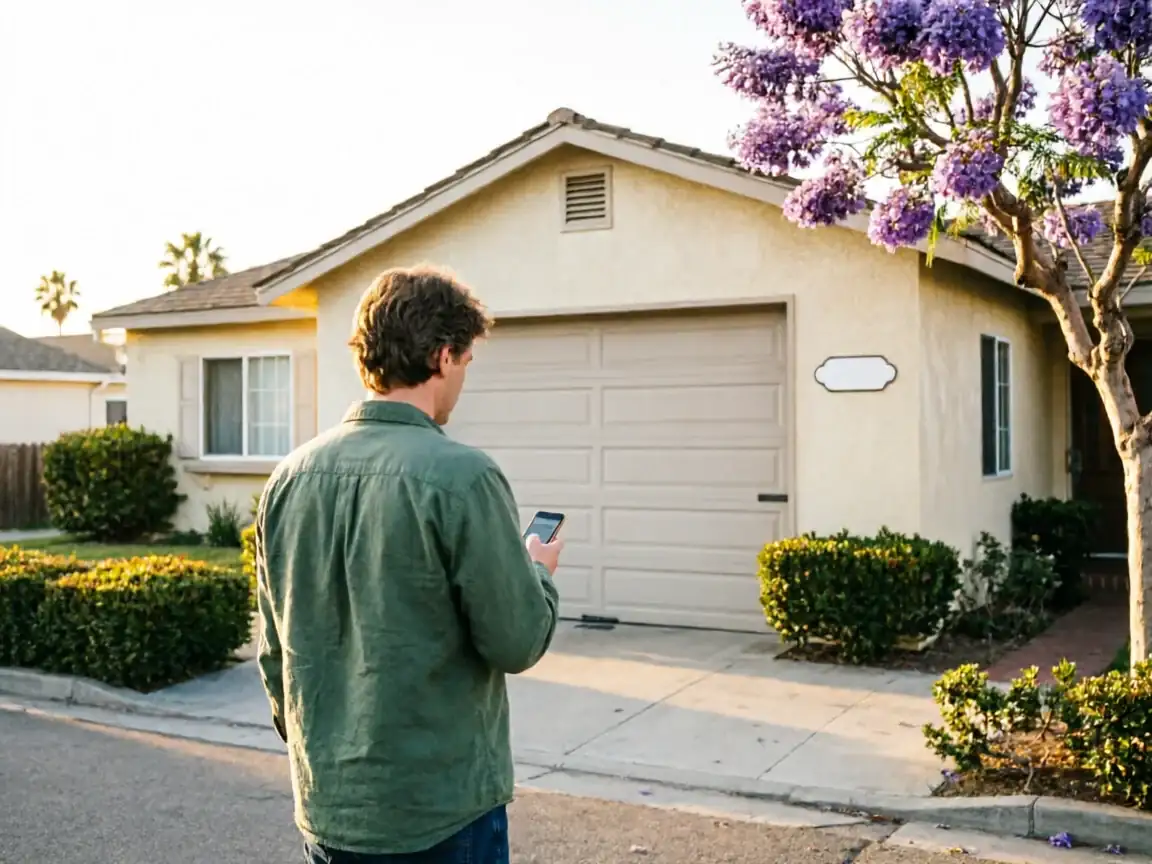
Most of the housing here went up around 1974, give or take a few years either side
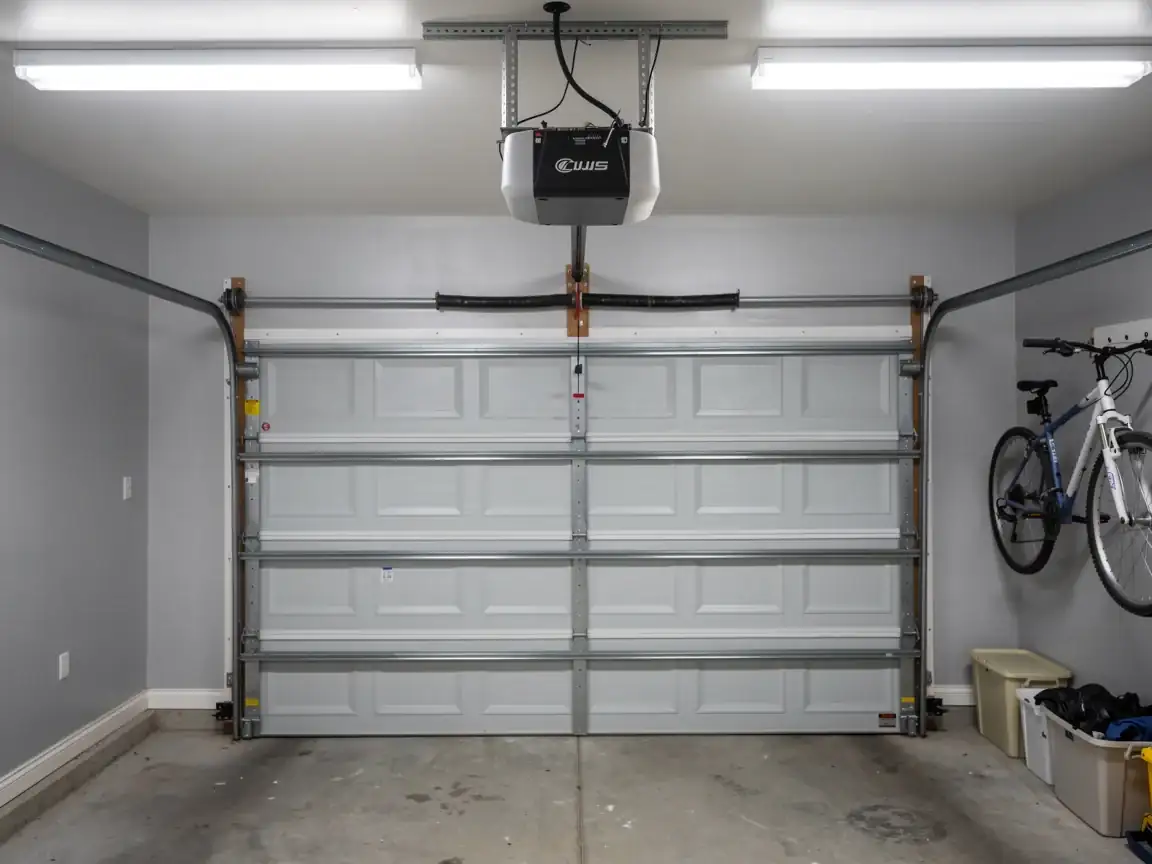
That's a notch newer than the 1967 to 1988 spread across the wider service area, but it's still door hardware that's pushing fifty years old if nobody's touched it. At that age the usual suspects are a torsion spring that's done its last few thousand cycles, a cable that's started to fray at the drum, or hinges and rollers that have worn enough to let a panel bind in the track. On a door this old, a working opener is often newer than the door itself - a retrofit bolted onto original hardware, which is its own kind of mismatch.
The coastal-influenced mild temperate climate here doesn't put the stress on doors that cold-climate freeze-thaw towns deal with
So corrosion and rust aren't usually the entry point. Wear from age and daily cycles is.
Parts We Carry
We stock what fits doors from this era: standard torsion springs sized for a single or double door, extension spring sets for older setups that were never converted, galvanized lift cables, and sectional rollers in both nylon and steel. Hinges and end bearing plates that match 1970s track geometry are on the truck too, since that's the hardware most Coronado calls turn into.
What we don't carry on the truck is anything custom - a non-standard panel width, a discontinued opener board, or hardware for a door nobody makes anymore. If a job needs that, we tell you up front it's an order-in part, not a same-visit fix, and we give you the honest timeline instead of pretending it's in the van.
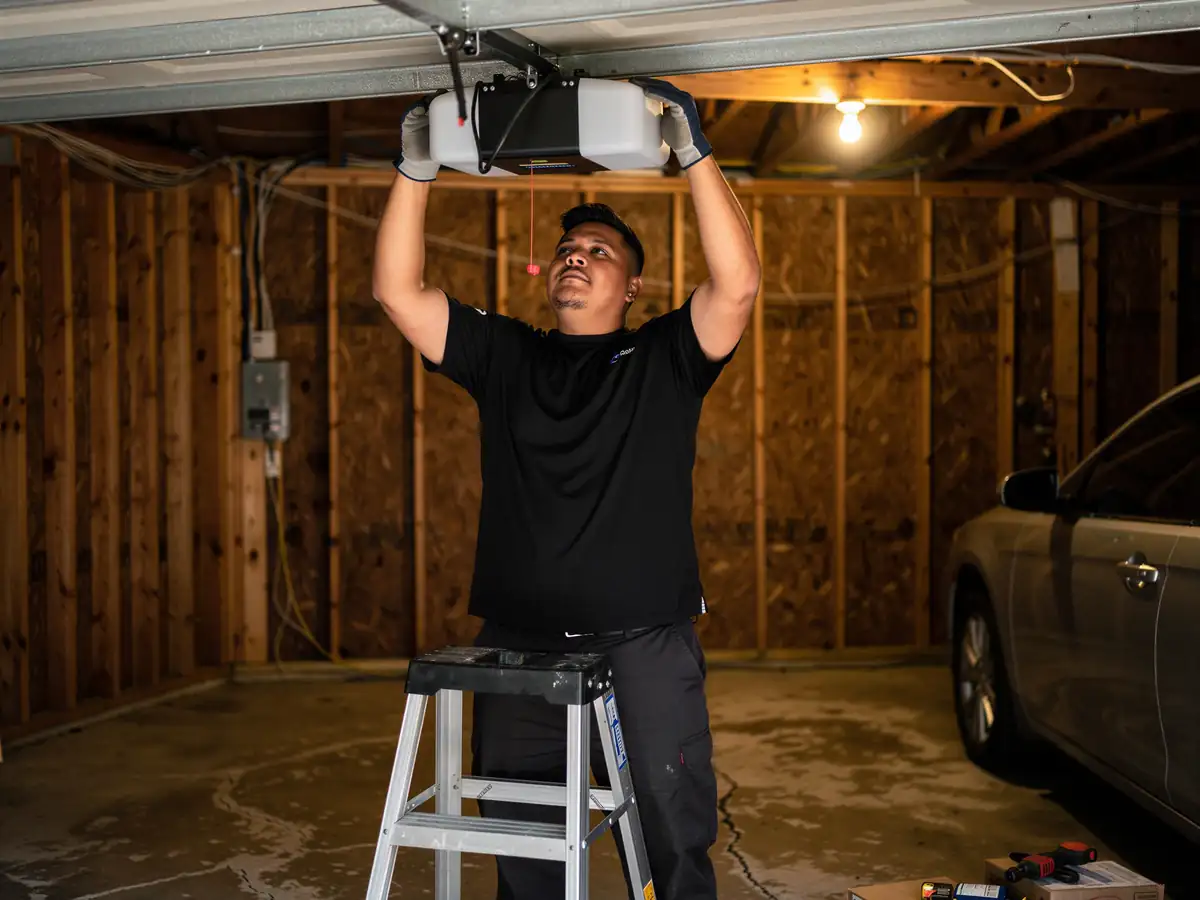
For openers, we carry common chain and belt-drive replacement units and the standard safety sensors and wall controls that go with them. We don't try to repair boards on failed circuit-era openers from the original installs - by the time one of those fails, replacement is almost always the better call anyway.
How We Fix It
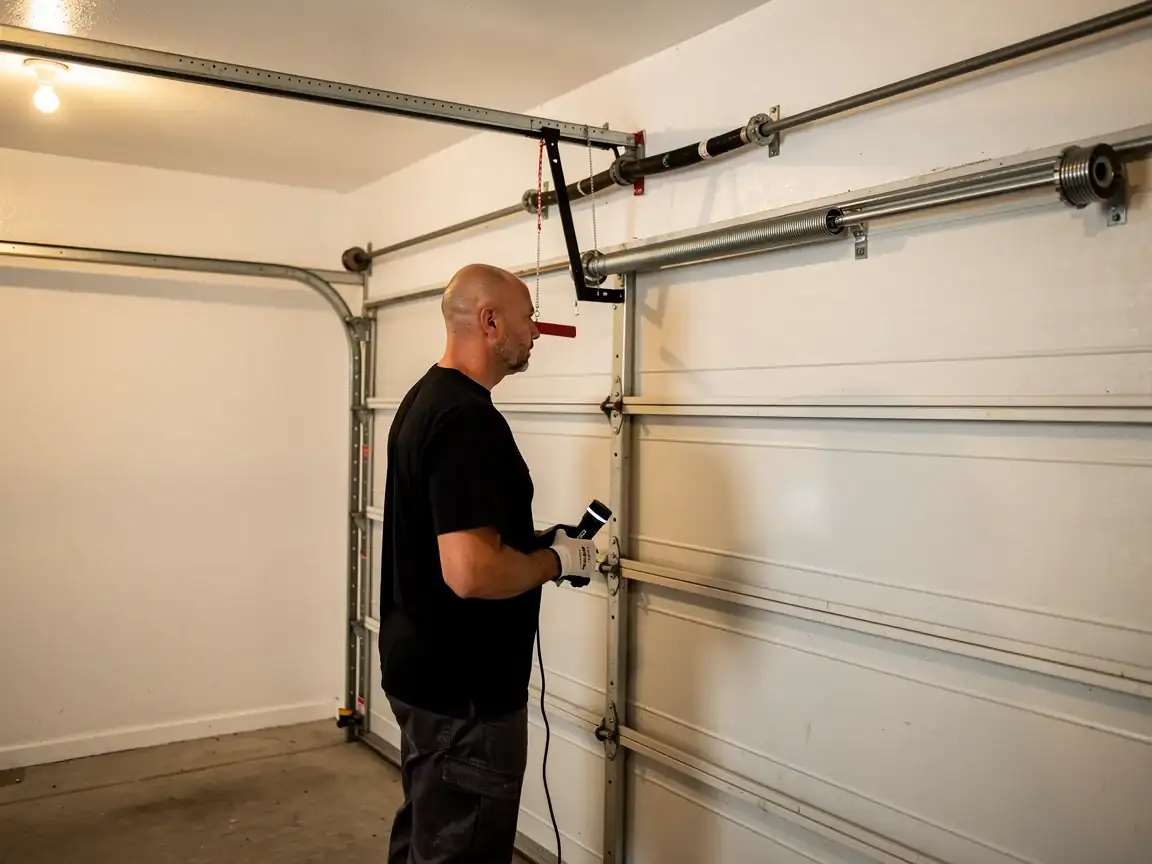
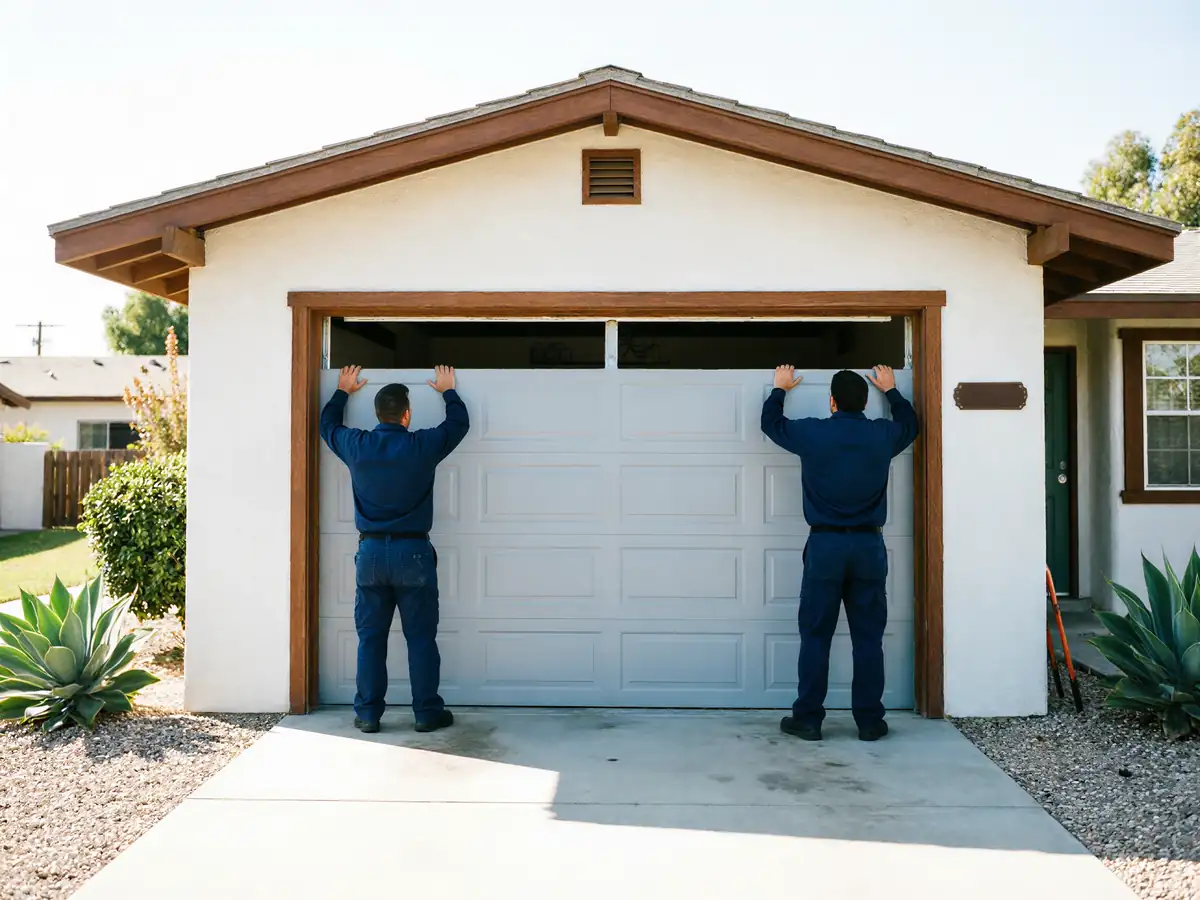
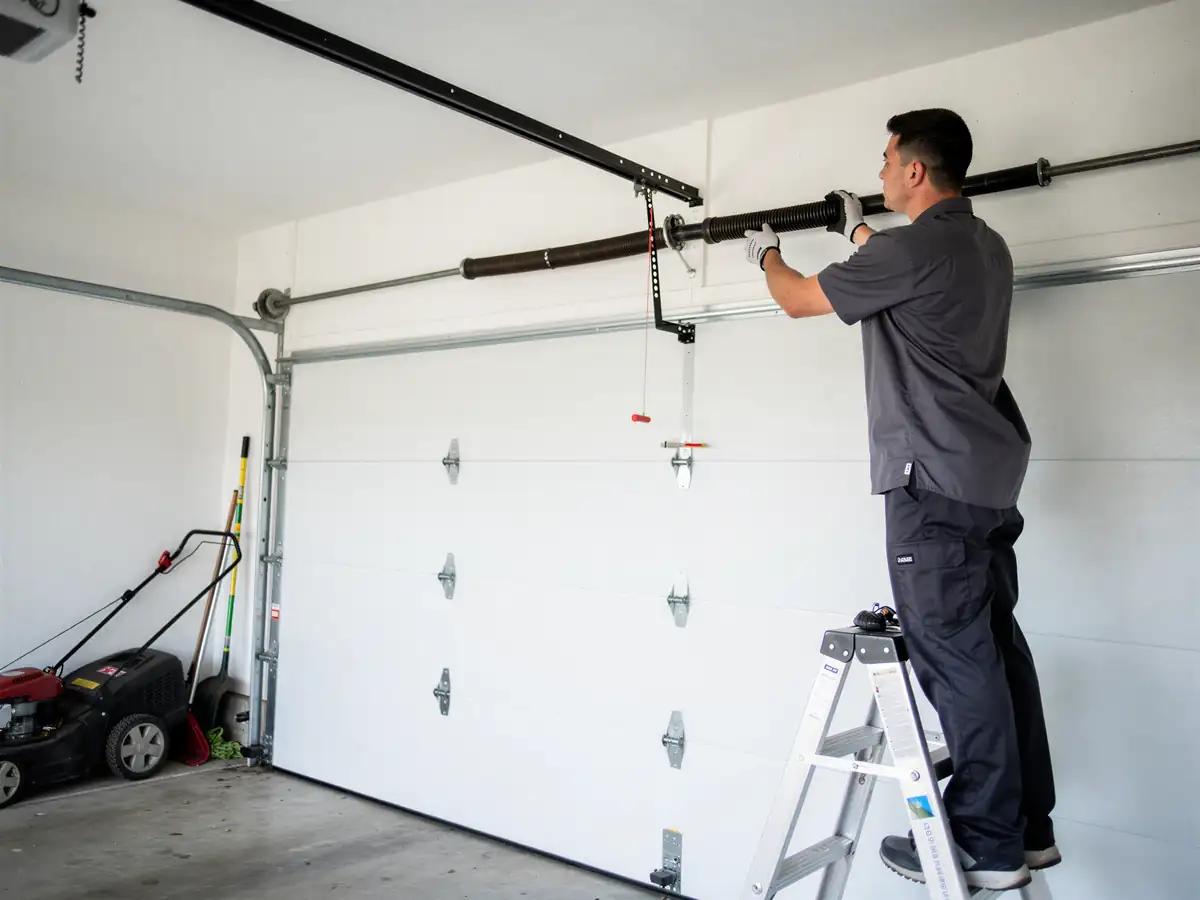
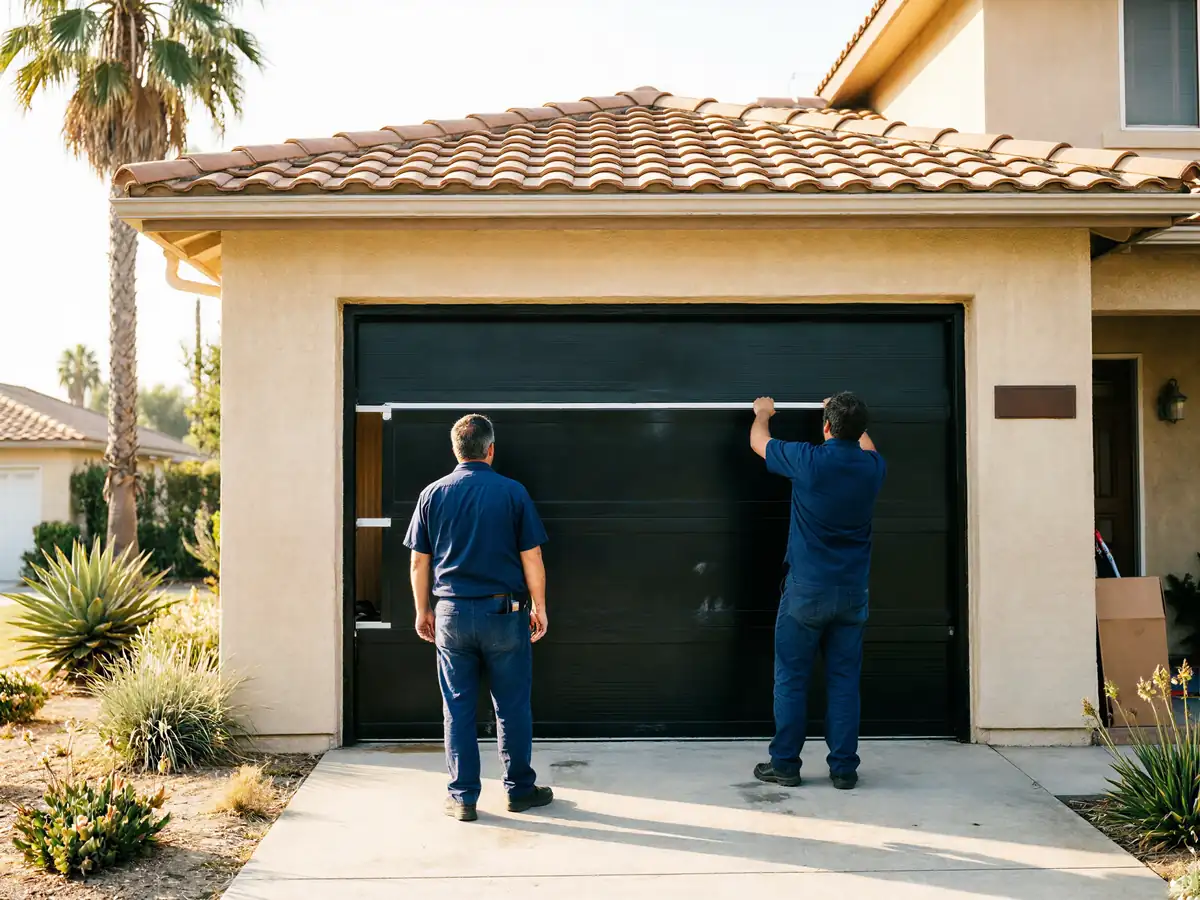
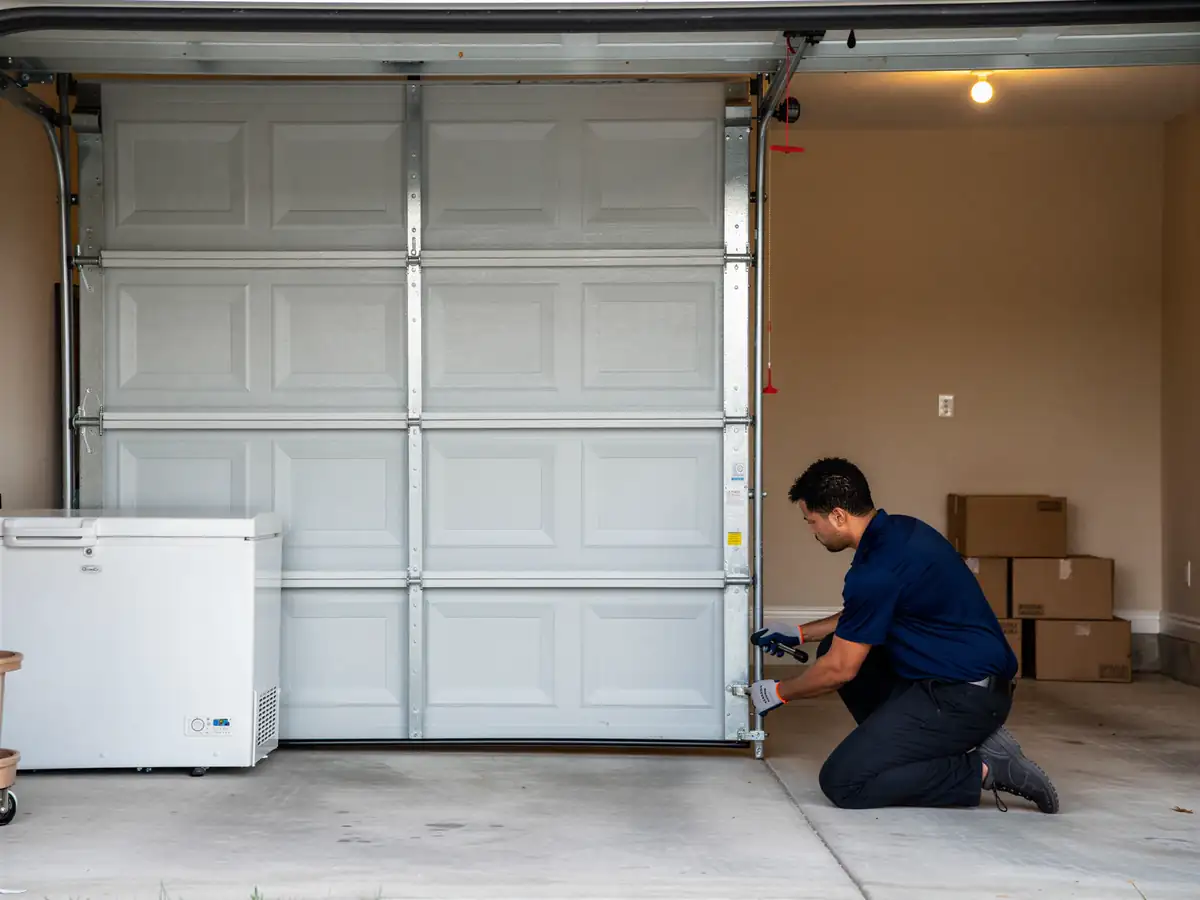
A torsion spring replacement on a door from this era means measuring the existing spring's wire size and wind length off the shaft, not guessing from a chart, because small variations between builders in the mid-1970s show up in the hardware. We replace in pairs on double springs even if only one has gone, since the other one is on the same clock.
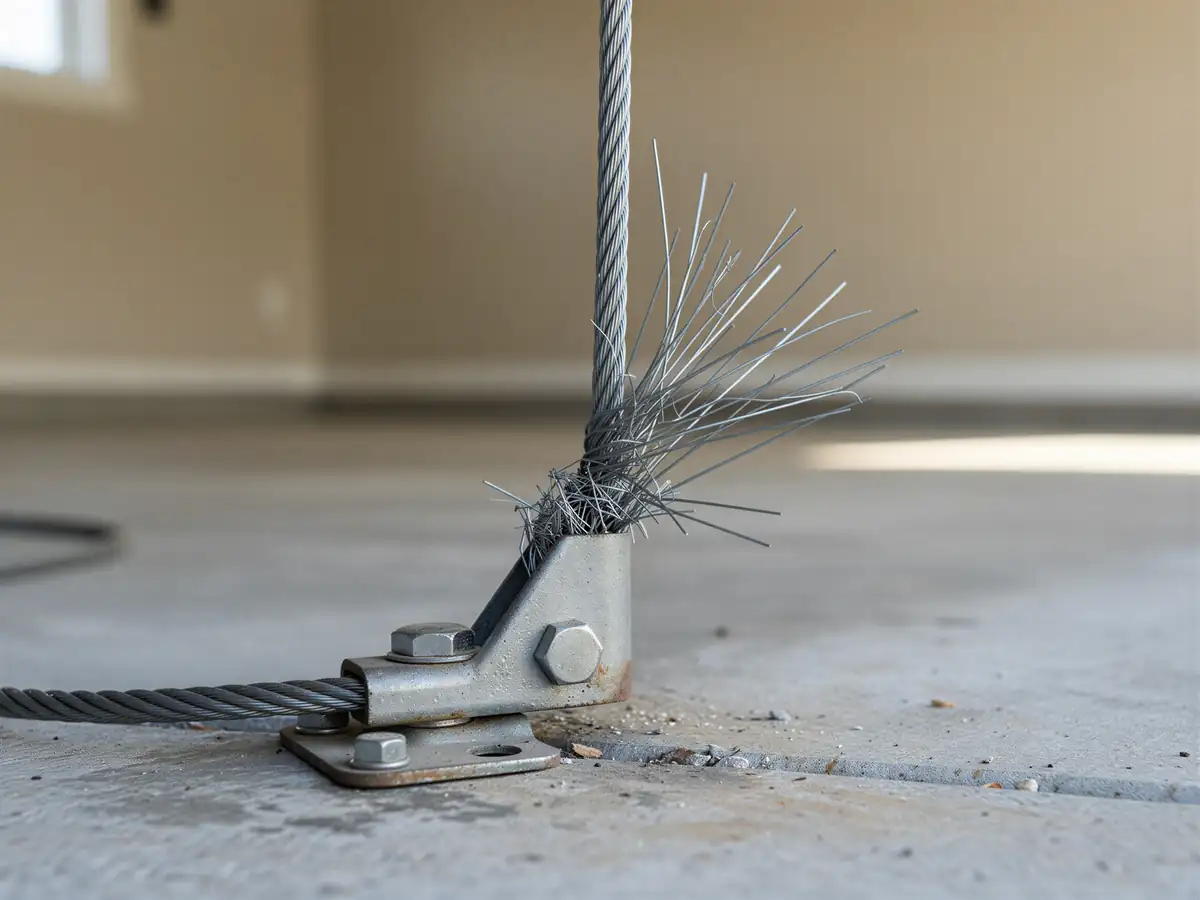
Cable and drum work gets checked together - a frayed cable on an older drum usually means the drum edge has worn a groove that will cut the next cable too, so we look at both before calling the job done.
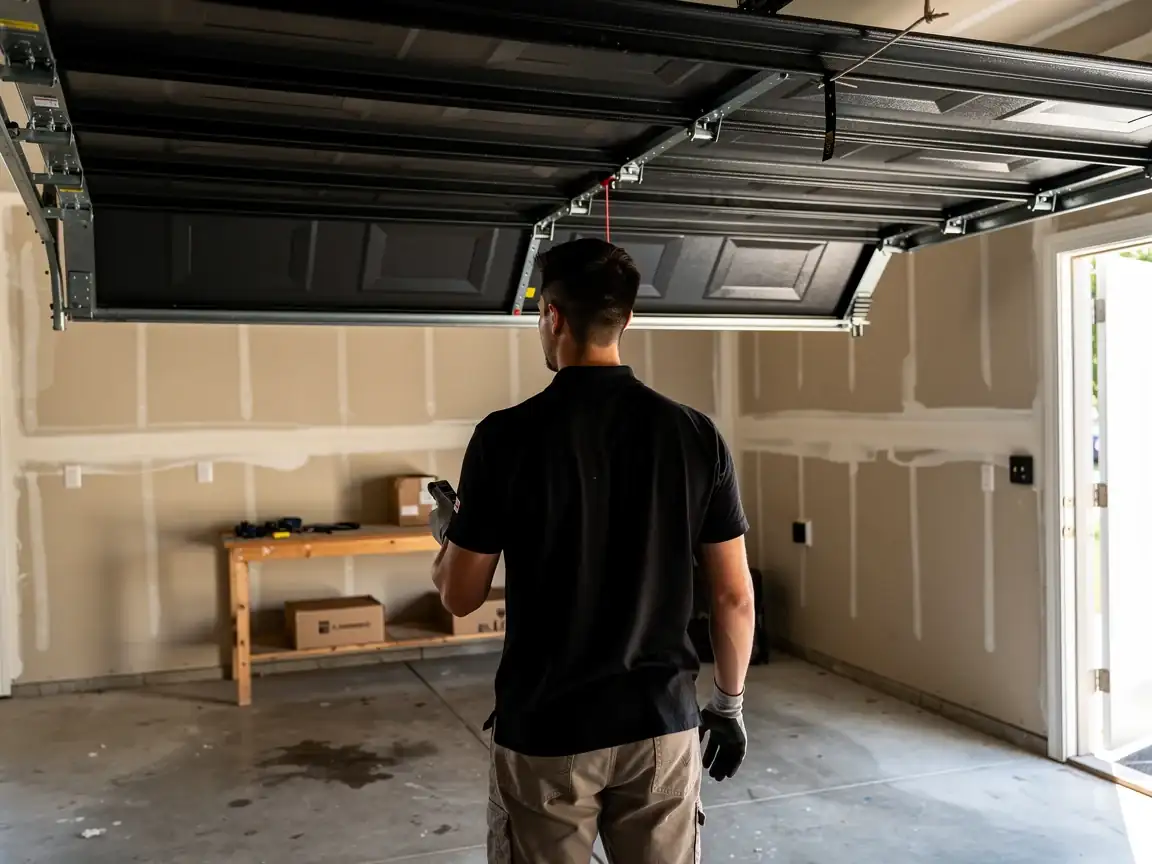
For track and roller issues, we re-square the track to the jamb rather than just swapping rollers, because on houses this age the framing has usually settled a little, and a straight track on an unsquared opening will bind again inside a year. None of this is exotic work - it's the same job we do across the rest of our coverage area - but on a door this old, skipping the check step to save ten minutes is how a callback happens.
Why This Fails Locally
The failure pattern in Coronado tracks the build era more than anything else
A door installed around 1974 was speced for the opener technology and spring cycle counts of that decade, not for forty-plus years of daily use. Torsion springs are rated in cycles, and a spring that's outlived its rated life doesn't fail gracefully - it lets go on a Tuesday with no warning.
The area's median household income, around $135,056, runs well above the $105,887 median across the broader service area
And that shows up in the calls: more owners here are replacing aging openers with quieter belt-drive units and upgrading to insulated panels rather than patching the original door. That's a choice, not a necessity - a sound door from 1974 can run another decade with the right spring and cable work.
The mild temperate climate here means we're not fighting ice-jammed tracks or rust-seized springs the way a colder-climate shop would
The wear is mechanical fatigue, plain and simple, and it shows up as a snapped spring or a slipped cable more often than anything weather-driven.
The Cost of This Job
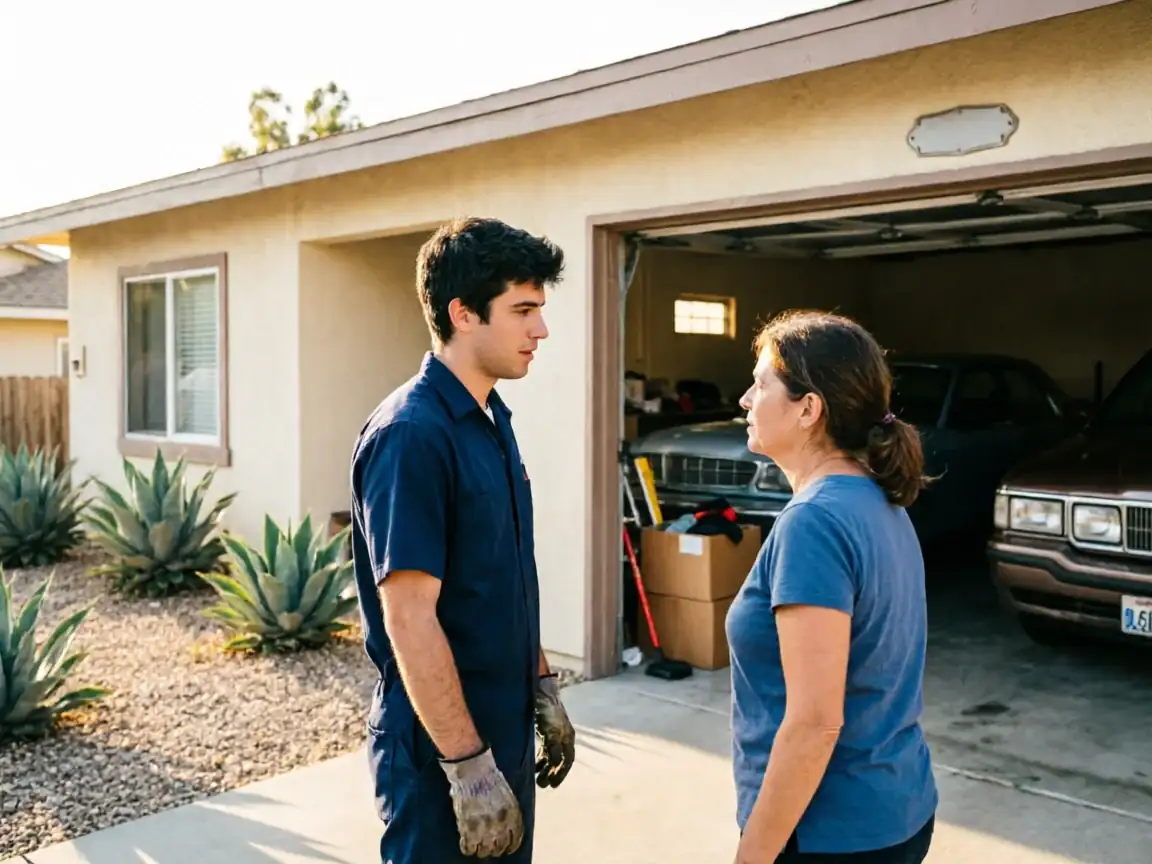
We run this job out of Spring Valley, 11 miles out, so there's travel built into every Coronado call - we're upfront that there's no local depot here, just a truck that comes from town. That distance doesn't change the repair itself, but it's worth knowing before you call.
A straight spring or cable replacement on a door from this era is usually the most cost-effective fix we do - it's a known part on a known hardware pattern, and it's rarely worth replacing the whole door for a broken spring alone. Where it gets more expensive is when a worn track has gone out of square long enough to warp a panel, or when an opener from an earlier retrofit needs full replacement alongside the spring work. We'll tell you plainly if a repair isn't worth it compared to replacing the door - that call depends on the actual hardware in front of us, not a guess over the phone.