The DIY Question
Jamul is a small place
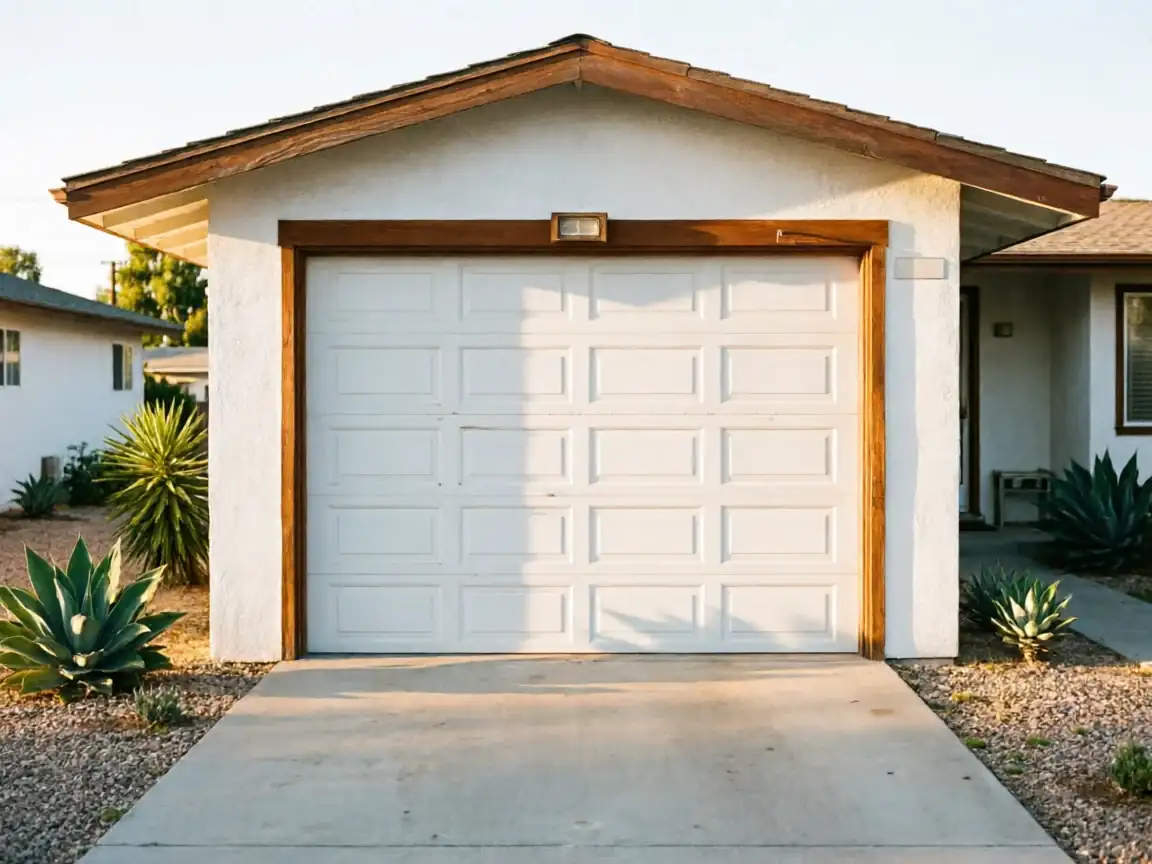
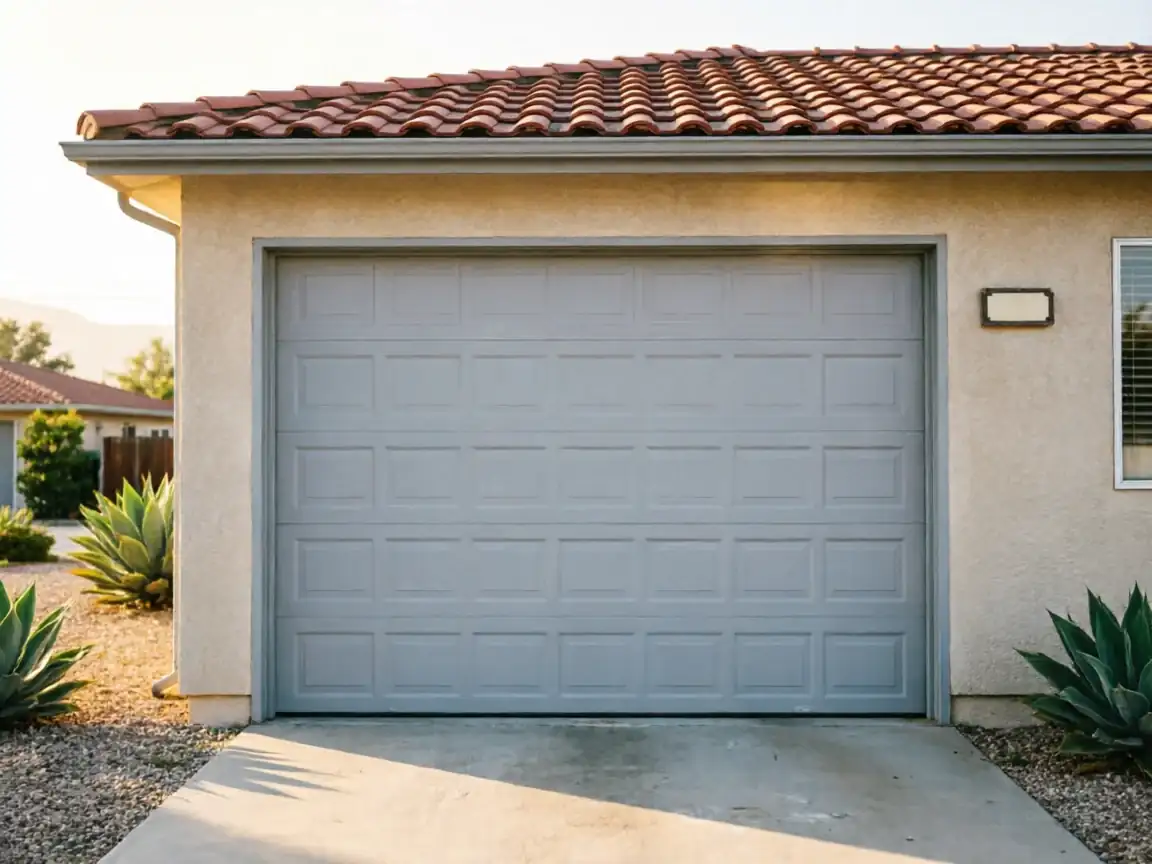
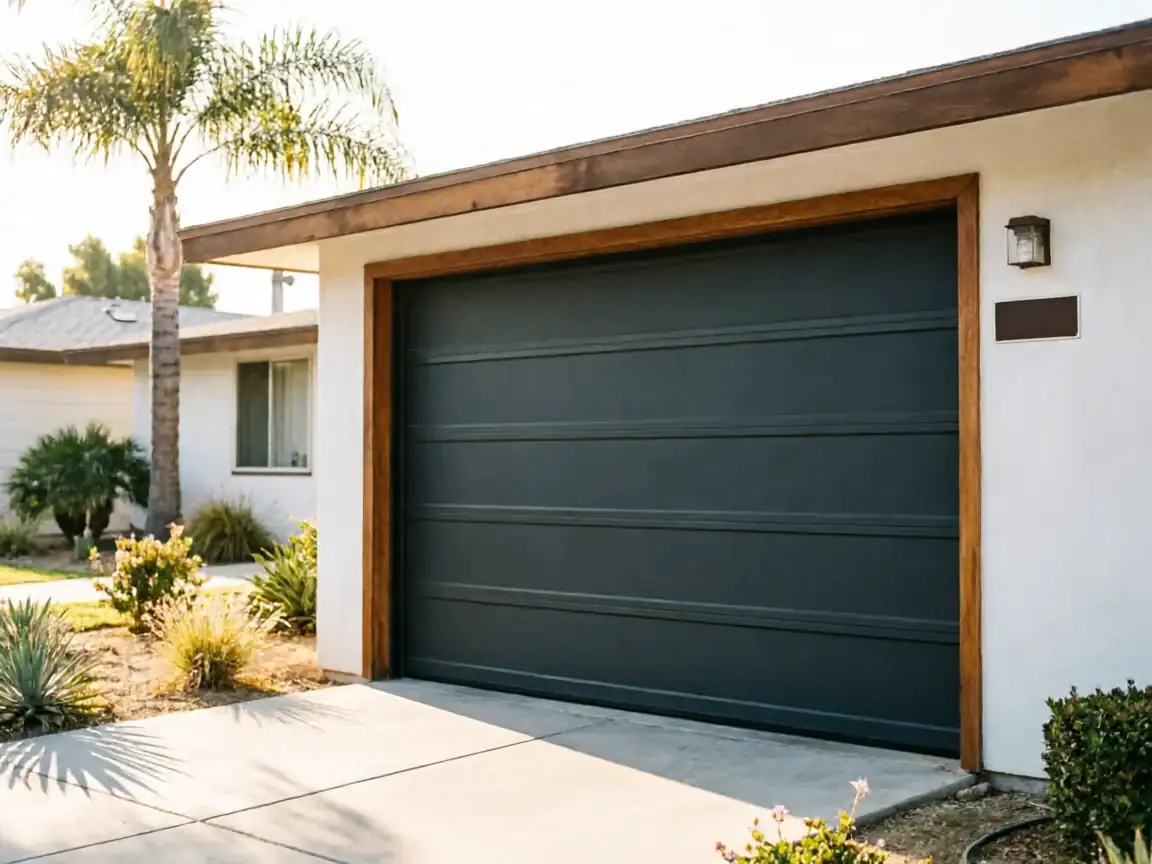
With only about 2,073 households, it doesn't generate the volume of install calls that denser parts of the territory do, which matters if you're trying to gauge how common your situation is. A lot of Jamul homes sit on larger lots with detached or oversized garages, and the median year built here runs around 1984 - a decade newer than the 1967-to-1975 median across the rest of the service area. That later build date usually means a standard steel sectional door on torsion springs, not the older extension-spring setups you'll find on homes from the 1960s and 70s elsewhere in the territory.
- 2,073 households
If your opening is a standard width and height
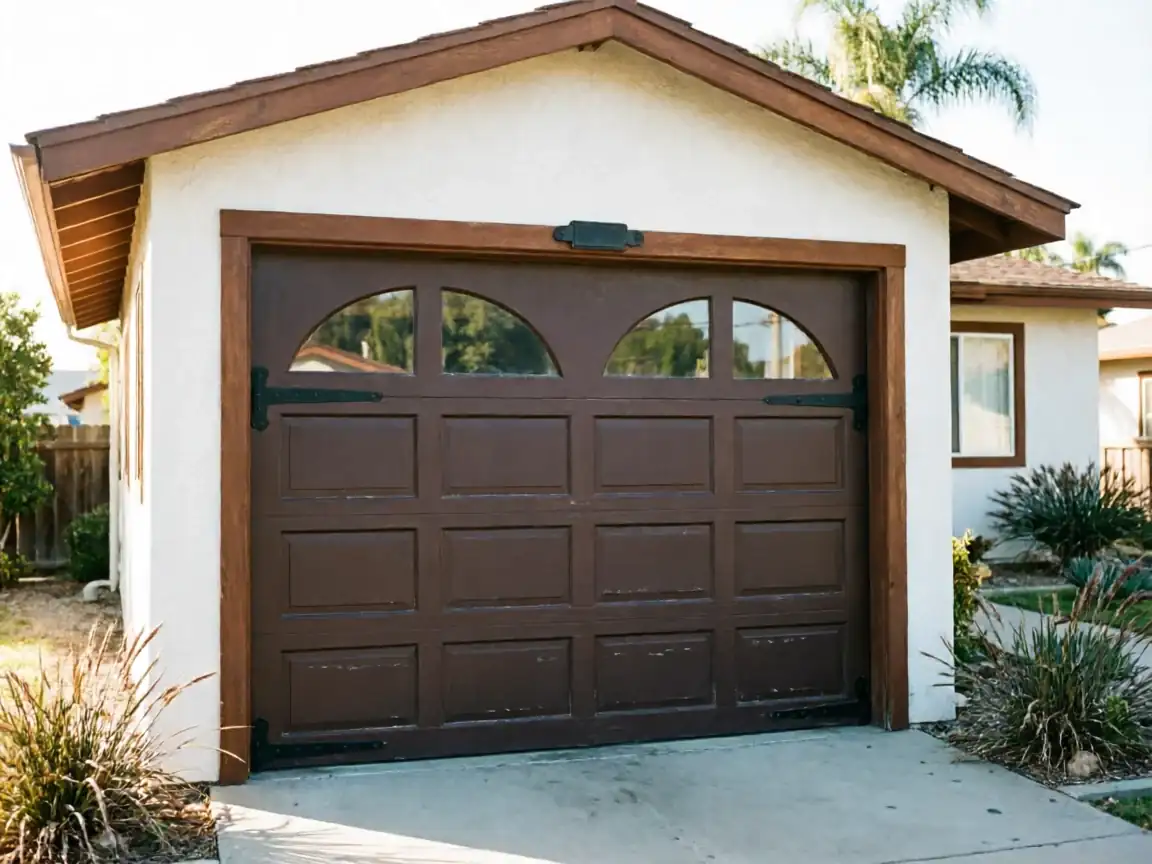
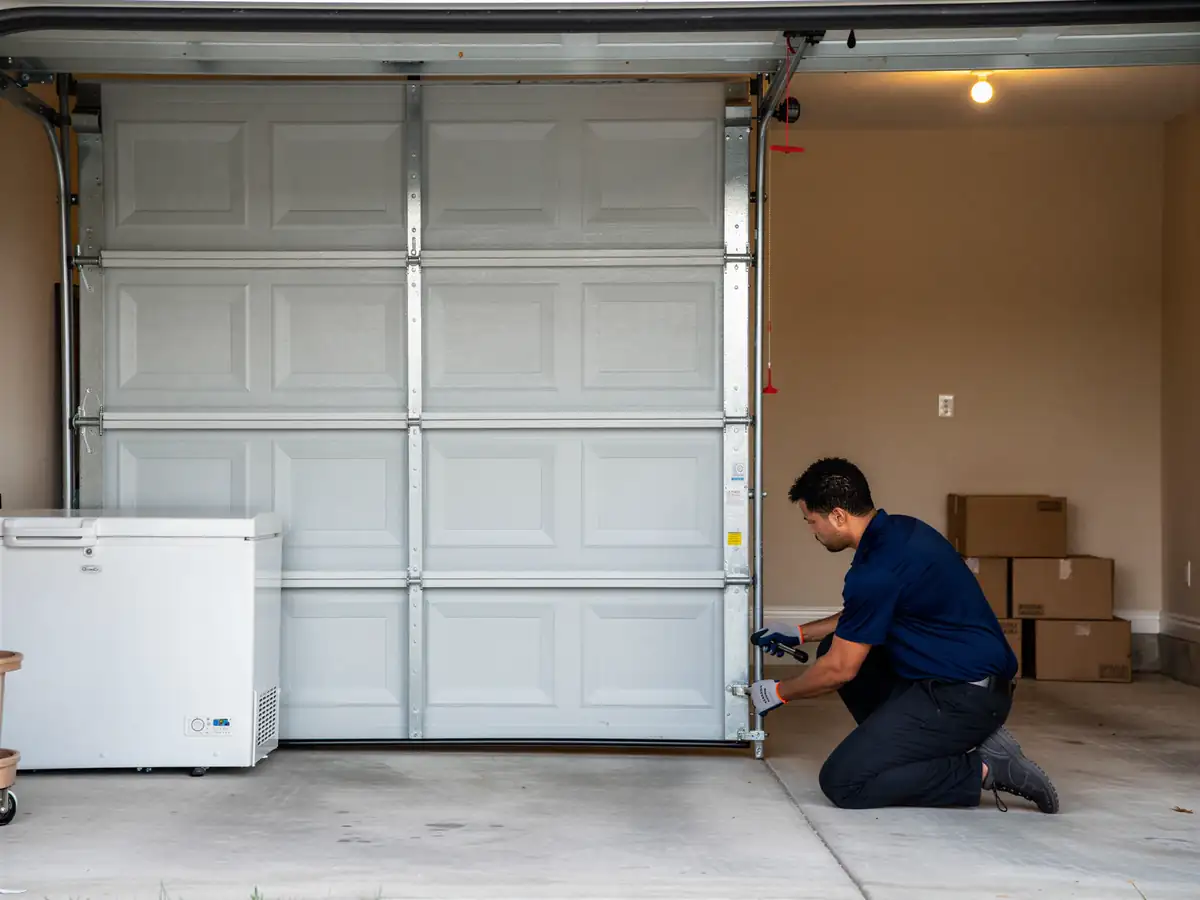
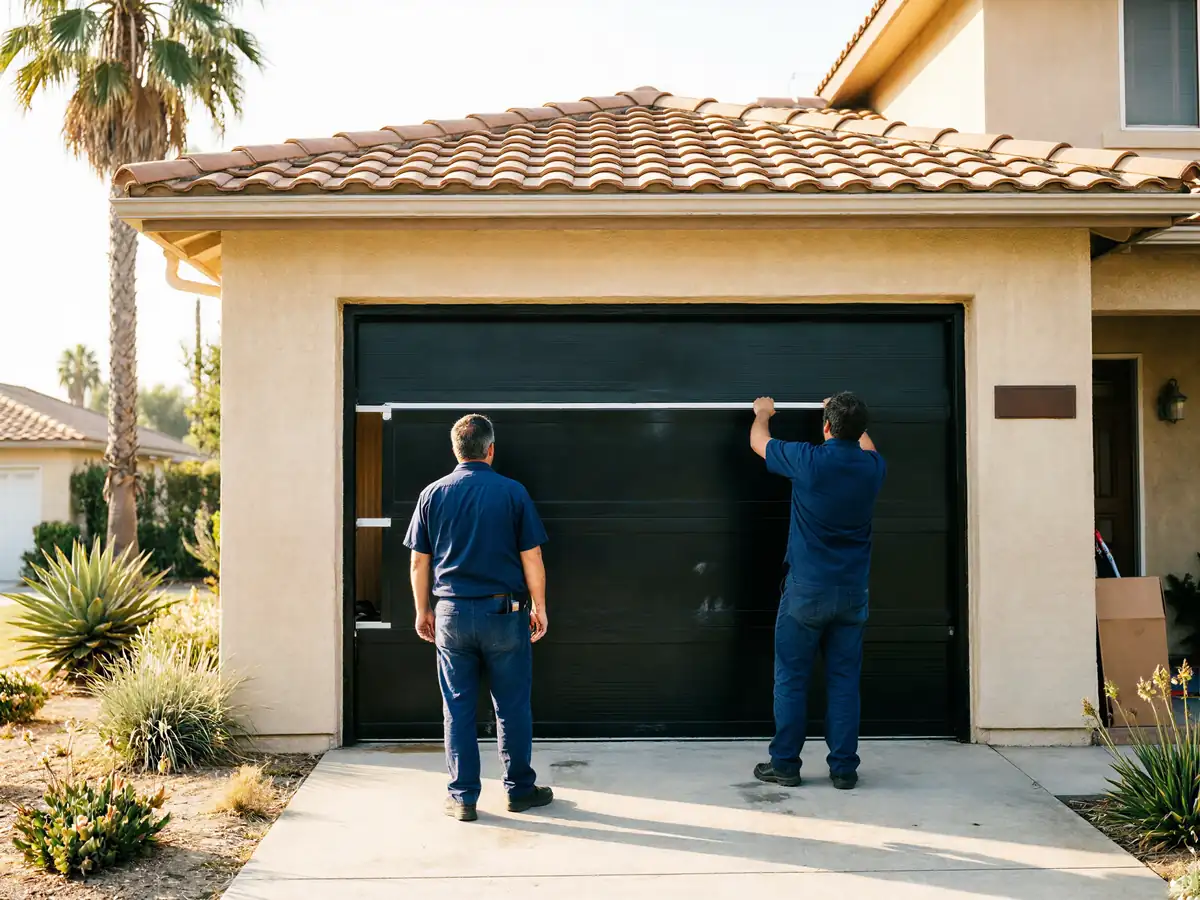
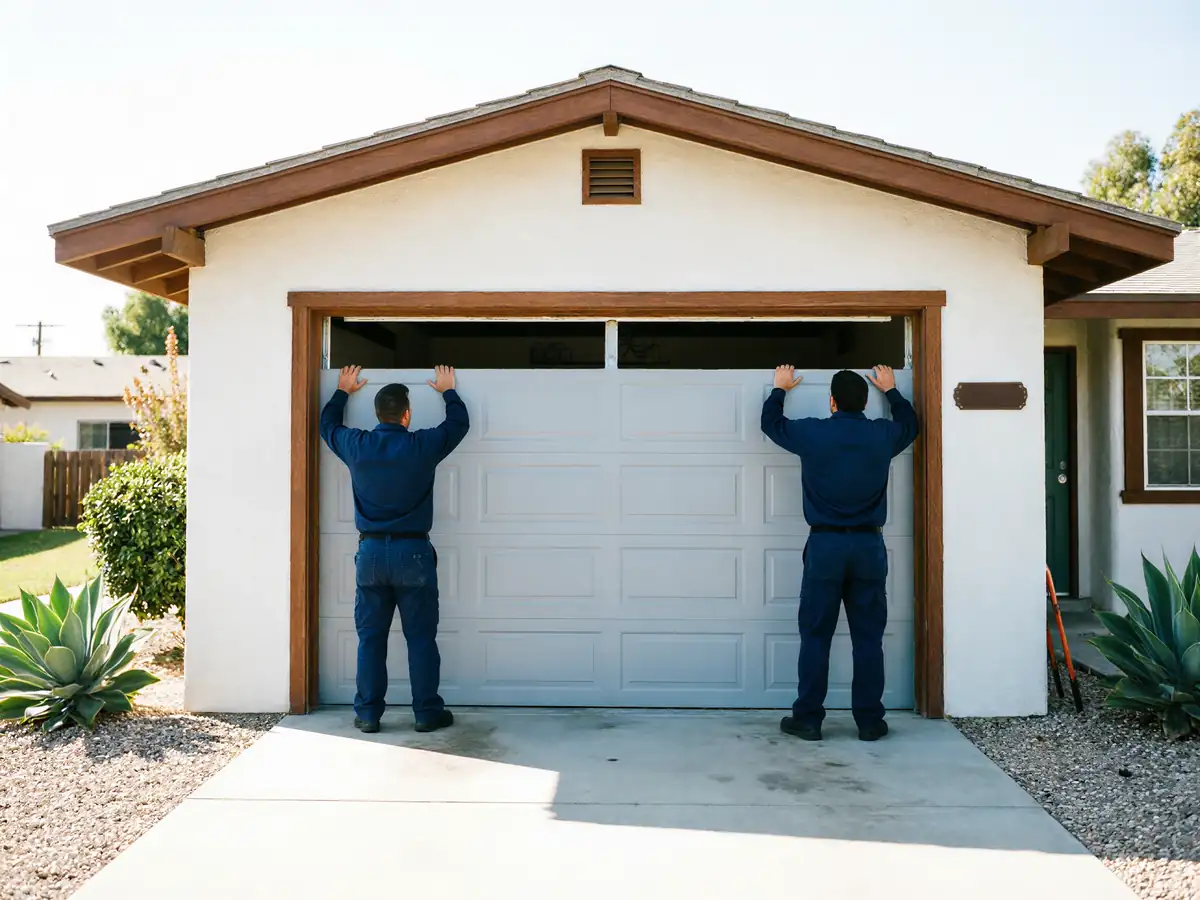
A swap-in replacement is within reach for someone comfortable with hand tools and a torsion bar warning label. Where it stops being a weekend project: double doors, insulated panels on wider rural garages, or anything where the opening was framed oversized to match a bigger home. At that point you're sizing custom panels, not grabbing a stock door off a shelf, and that's where a mismeasured jamb costs you a return trip and a restocking fee. See coverage for Jamul for what the crew actually handles out here.
Booking a Visit
There's no branch location in Jamul - the crew works out of Spring Valley, about 8 miles away, and drives out for scheduled jobs rather than keeping a truck staged locally. That's worth knowing upfront: this isn't a same-day walk-in setup, and if you need a custom-width door ordered for a wider rural opening, lead time on the panel itself will usually be the longer pole, not the drive.
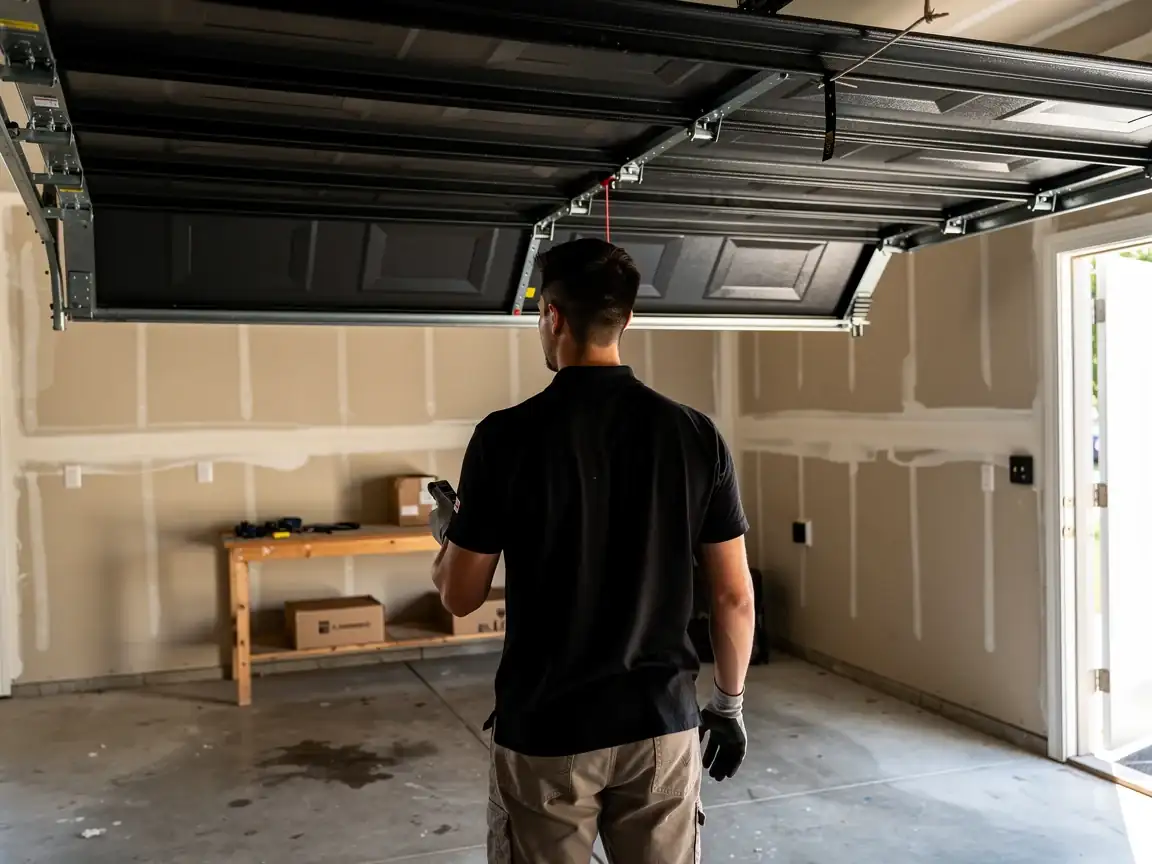
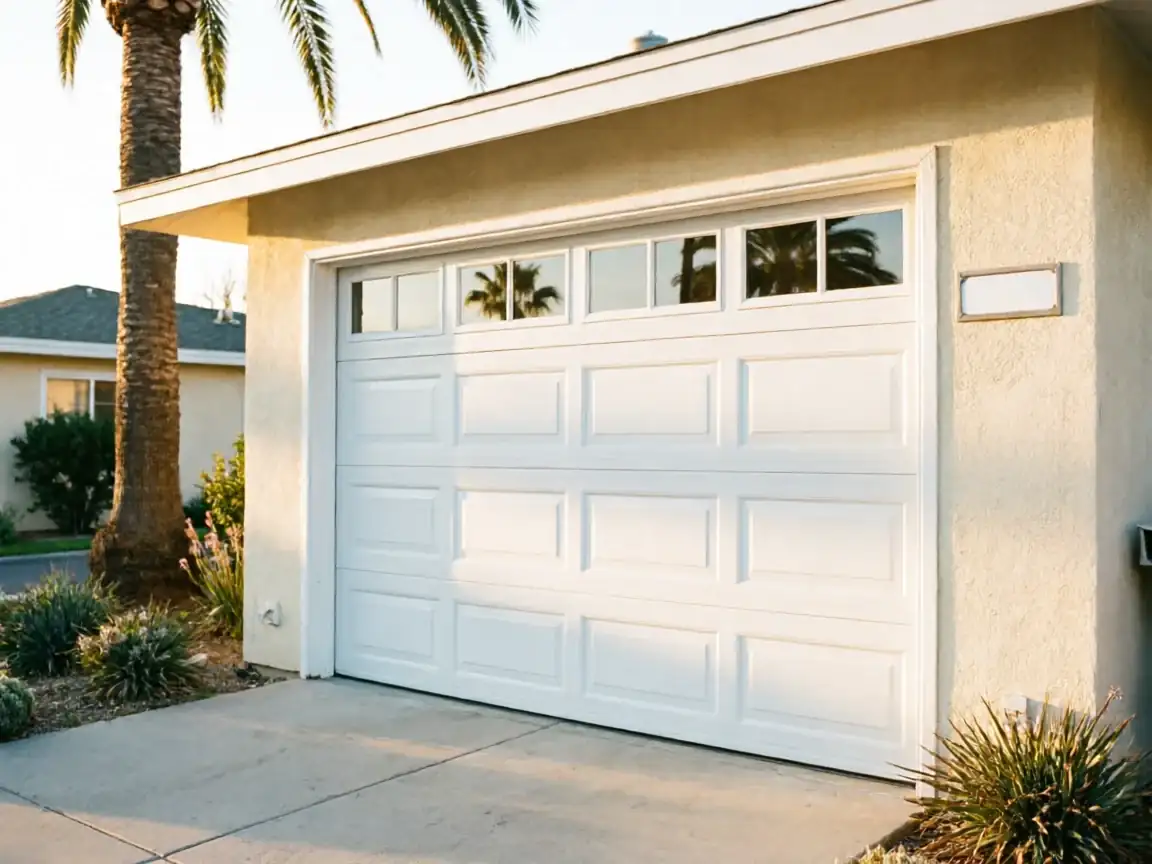
When you book, have your rough opening measurements ready and know whether you're replacing a single door or a double. Homes built around the 1984 median here tend to run standard double-car widths, but acreage properties sometimes have garages built oversized for equipment storage, and those need a site measurement before anything gets ordered. The full rundown on what installation includes - track, hardware, opener pairing - lives on the main Spring Valley installation page; this page is specifically about what changes for Jamul.
What You Are Seeing
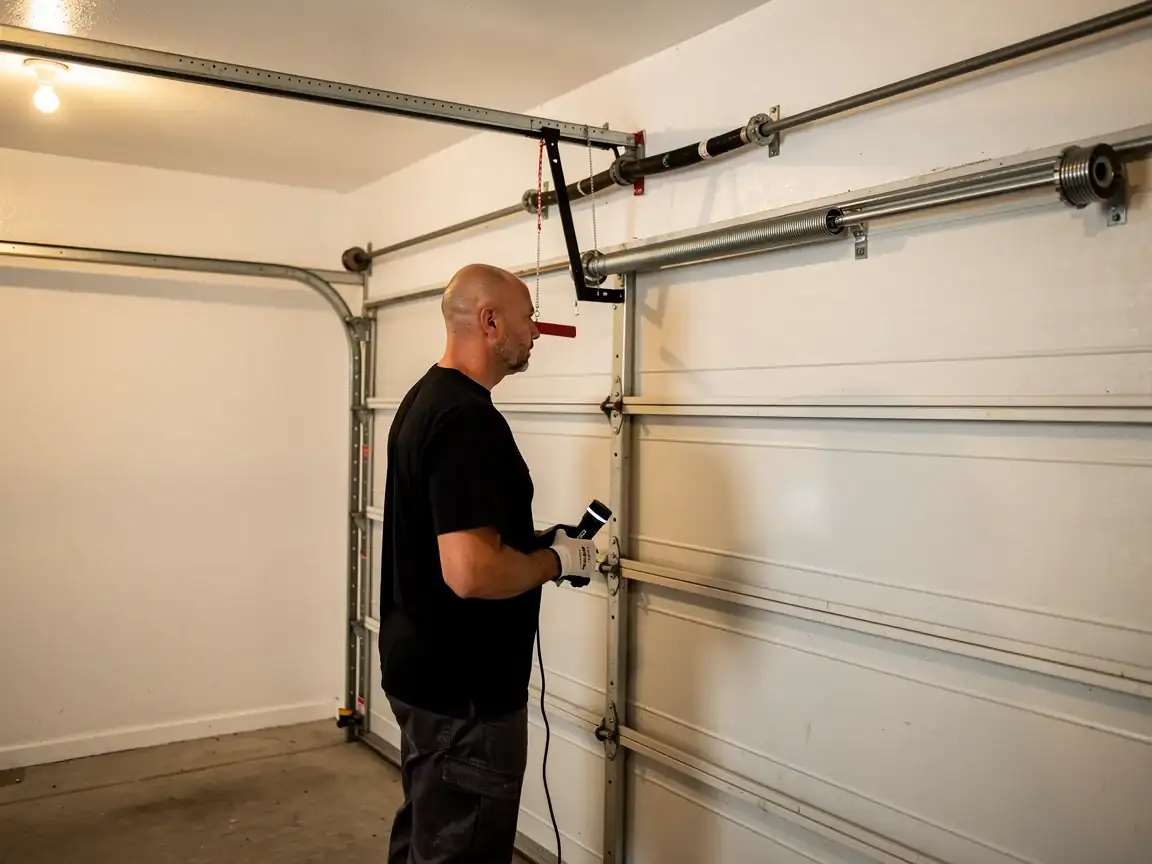
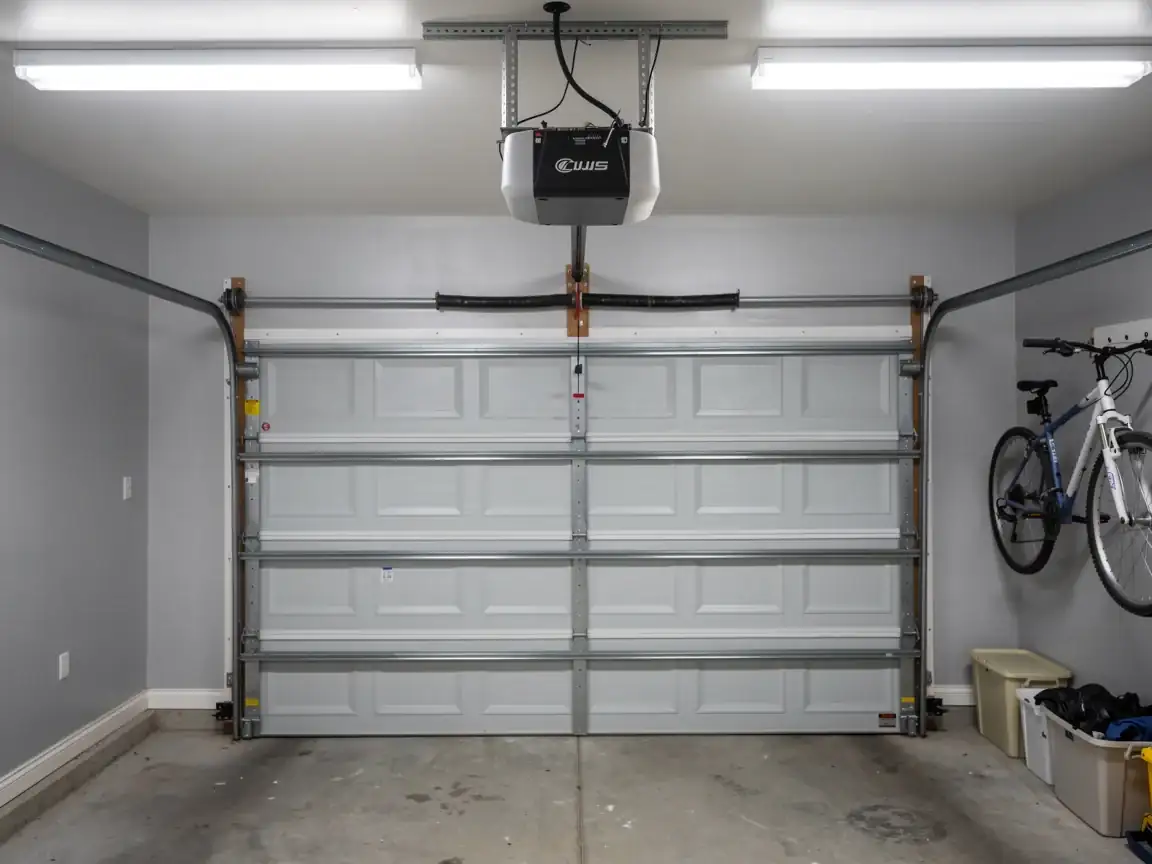
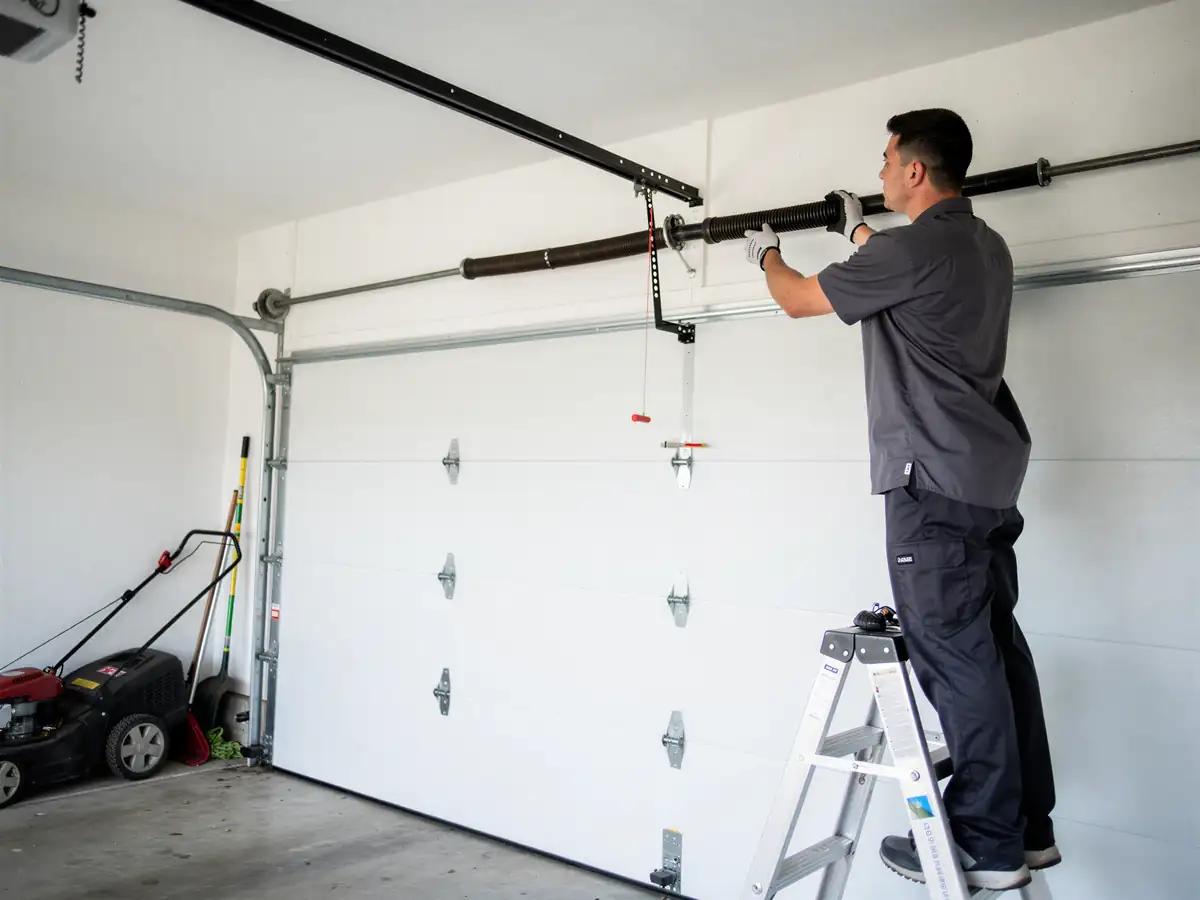
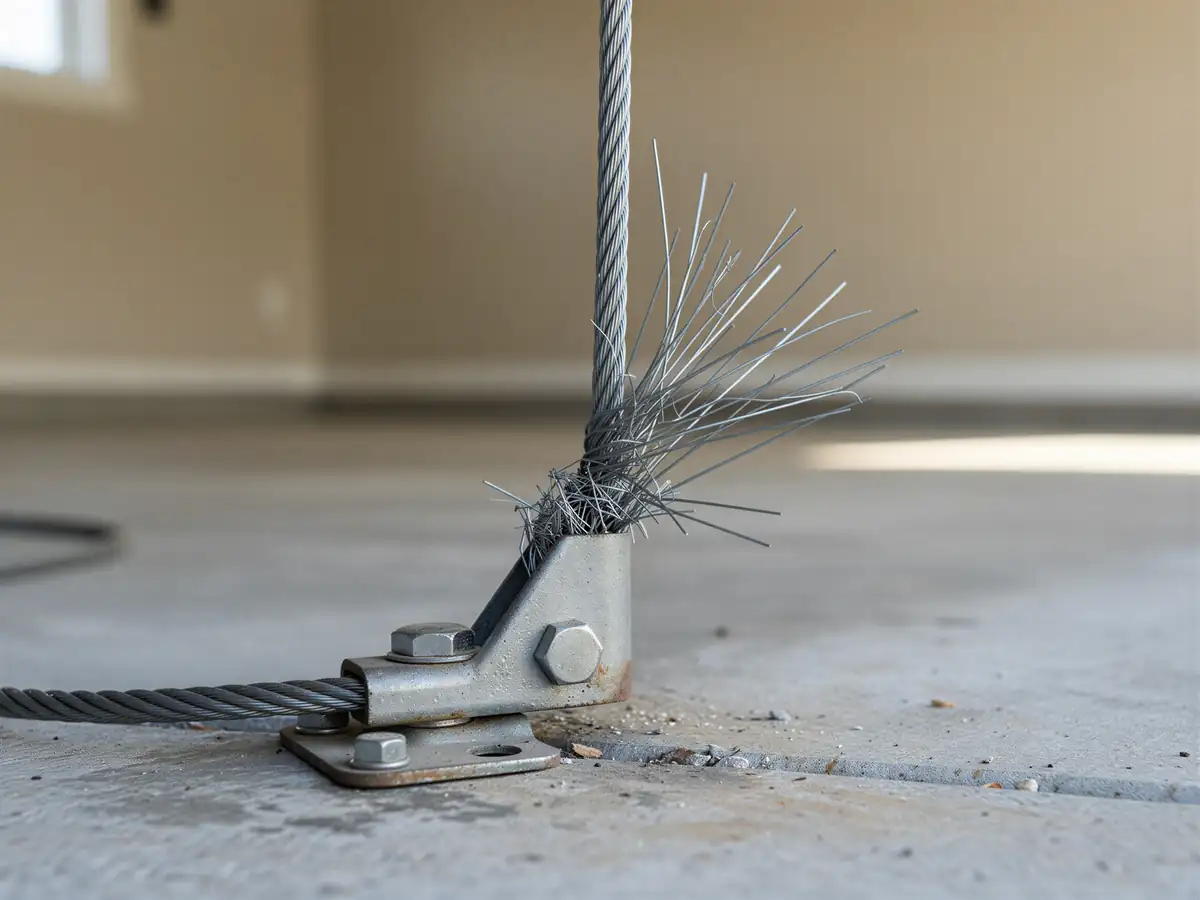
With a median build year of 1984, a lot of Jamul garages are now sitting right at the edge of original hardware life. Torsion springs rated for roughly 10,000 cycles, installed when the house went up, land somewhere around the 30-to-40-year mark for a lot of owners - which puts 1984 construction right in the window where the original spring is either already replaced once or due. If yours has never been touched, a sudden snap isn't a freak event, it's the math catching up.
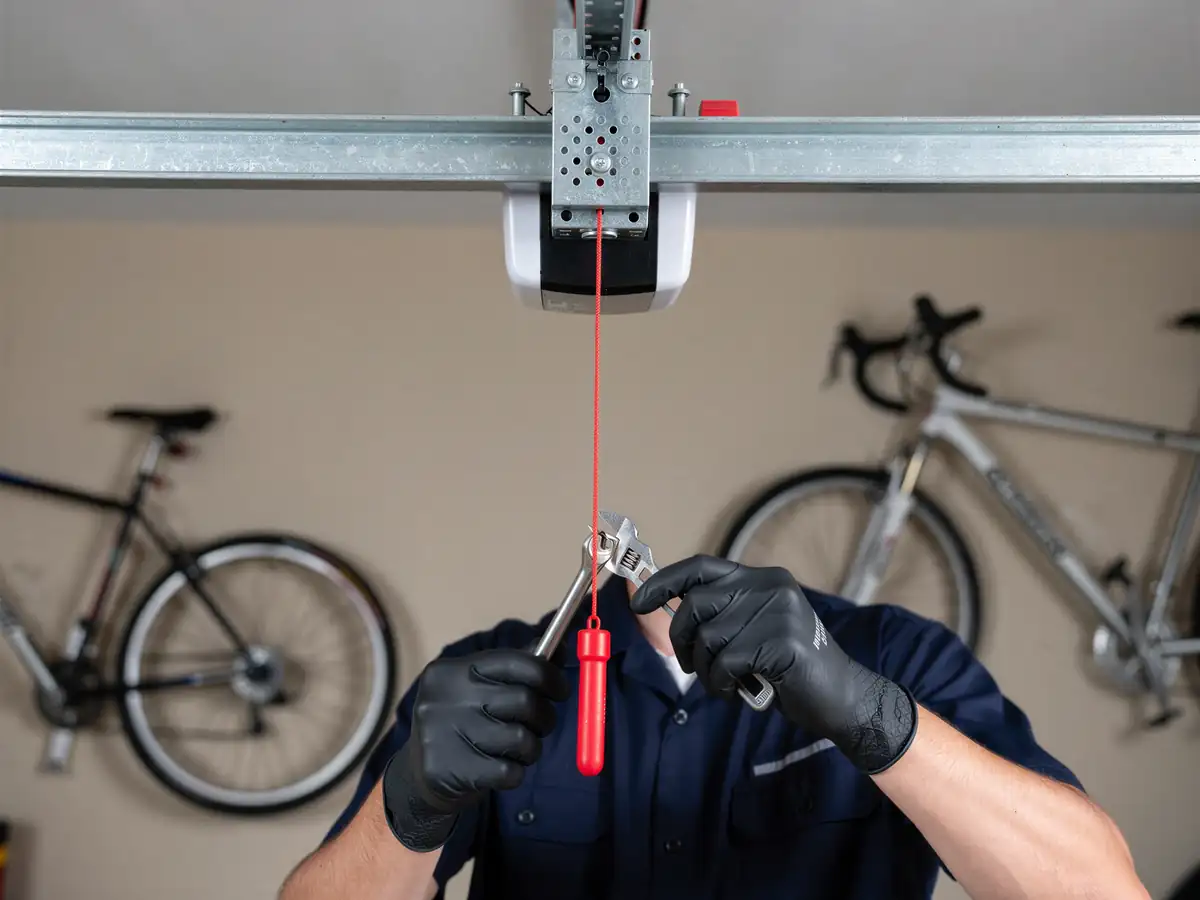
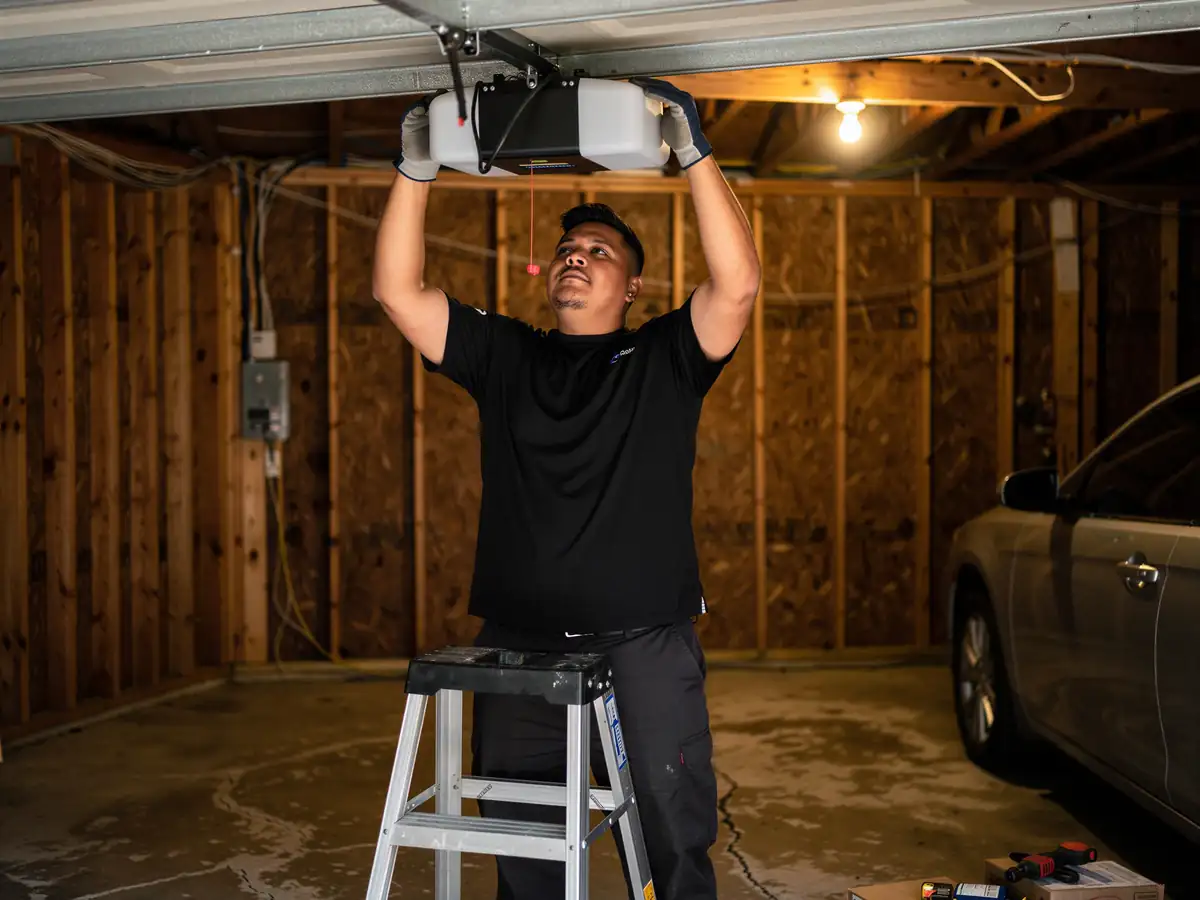
Openers from that era, if original, are long past useful life and usually got swapped for a chain-drive unit sometime in the 1990s or 2000s - so what you're looking at now is often a second-generation opener paired with first-generation track and hardware. That mismatch shows up as noise, drift, or a door that reverses for no clear reason. None of this is unique to any one house; it's what you'd expect from the area's own build date, not a defect.
Why This Fails Locally
A generic install quote built around the broader service area's 1967-to-1975 median build date doesn't fit Jamul well
Hardware specced for a 50-plus-year-old opening - wider tolerances, older jamb bracket spacing - isn't what you're dealing with on a house built closer to 1984. Ordering parts as if every job in the territory looks the same means over-speccing hardware that doesn't match what's actually on the wall here.
Income also shapes what gets requested
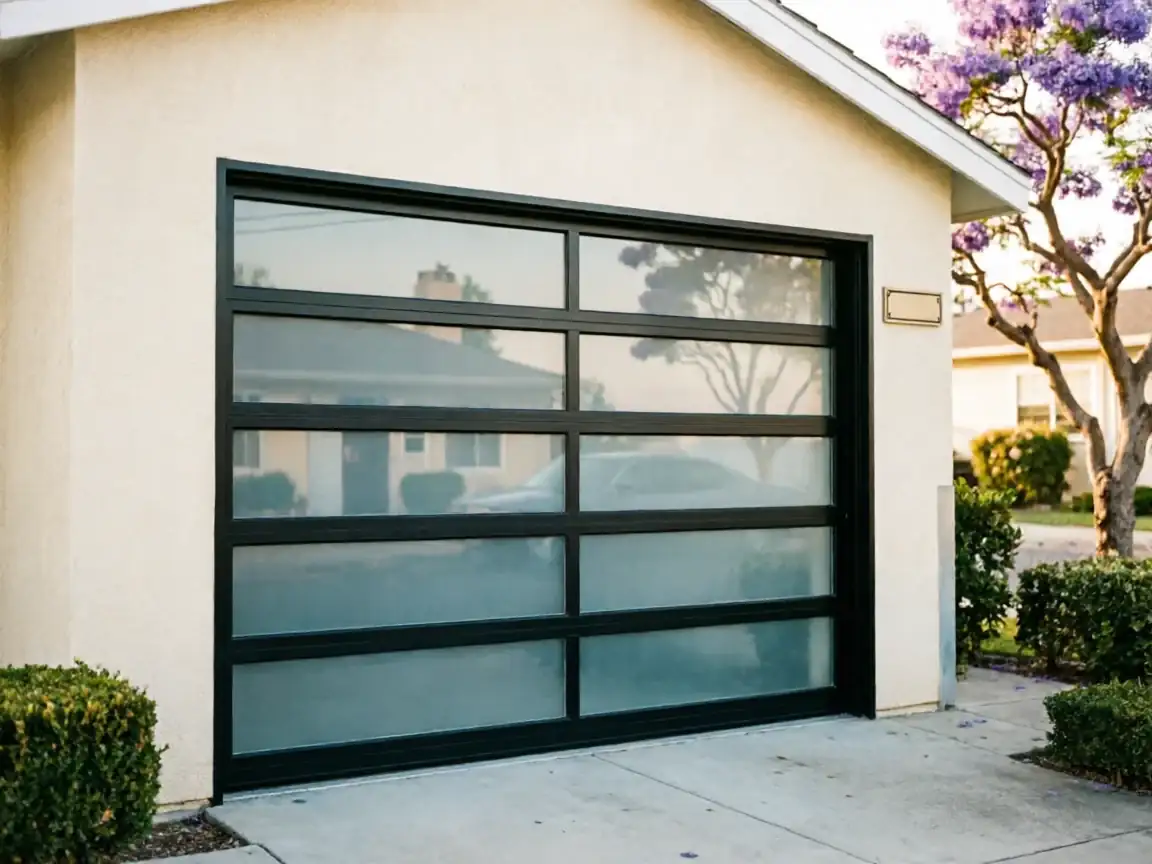
Median household income in Jamul runs $148,740, well above the $105,887 median across the rest of the territory, and that tends to show up as more requests for insulated steel or custom-width doors rather than the base builder-grade option. A quote built for the area's income average undersells what a lot of Jamul owners actually want installed.
One honest limit: custom-width doors for oversized rural openings aren't stock items
And if yours is wider than a standard double-car bay, expect the order lead time to be the long part of the job, not the install day itself.