Parts We Carry
La Mesa is a mid-size suburb, roughly 25,178 households
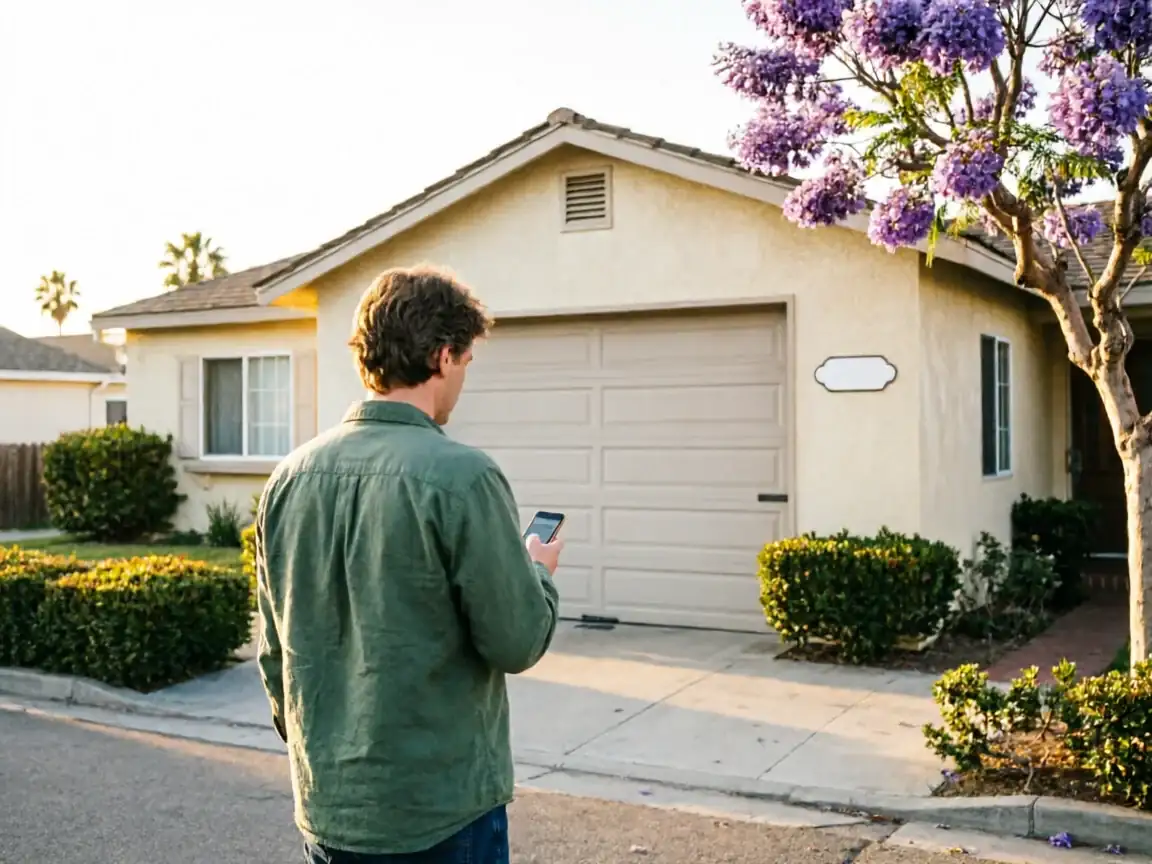
And most of the houses here went up around 1970, which lines up with the wider service area's 1967-1988 building window. That matters for parts. A house built in 1970 almost never has the same opener motor, the same spring size, or the same track width as something built in 1990, so we don't show up with a generic kit and hope.
- 25,178 households
What we carry on the truck for this stretch of homes
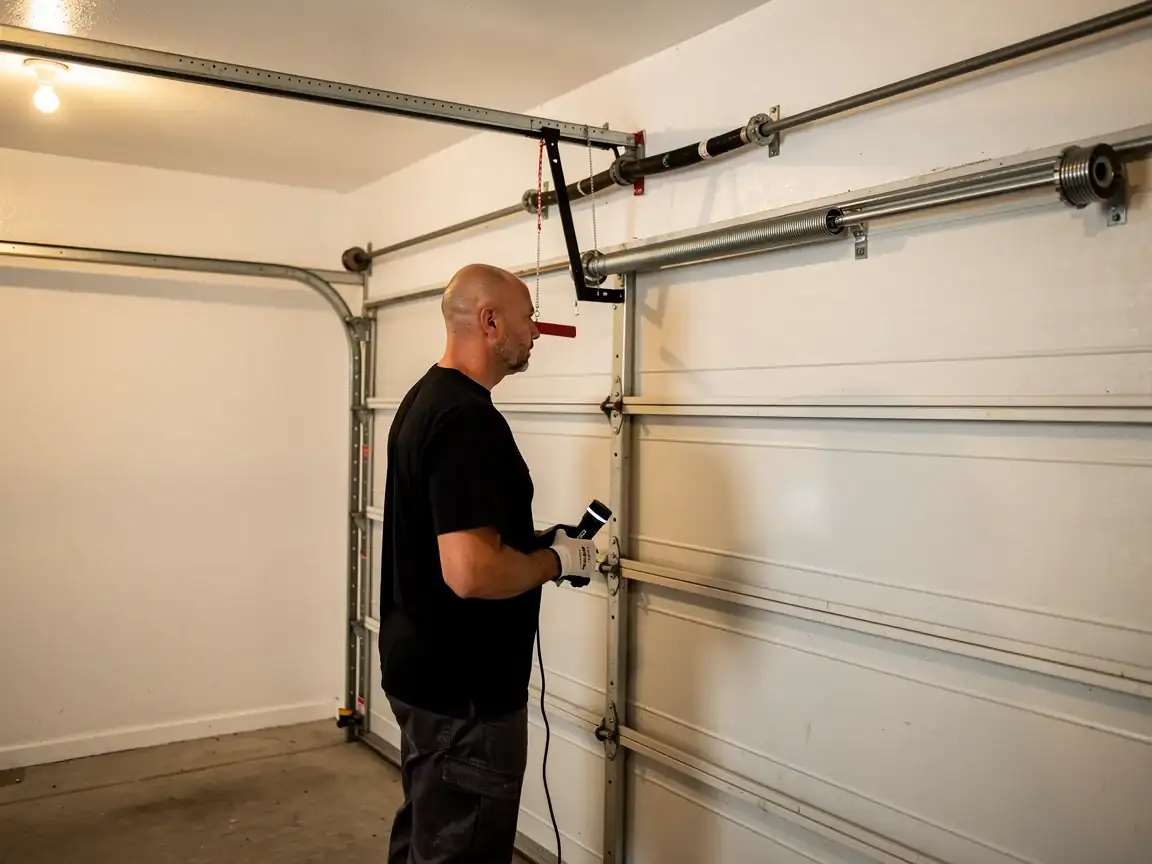
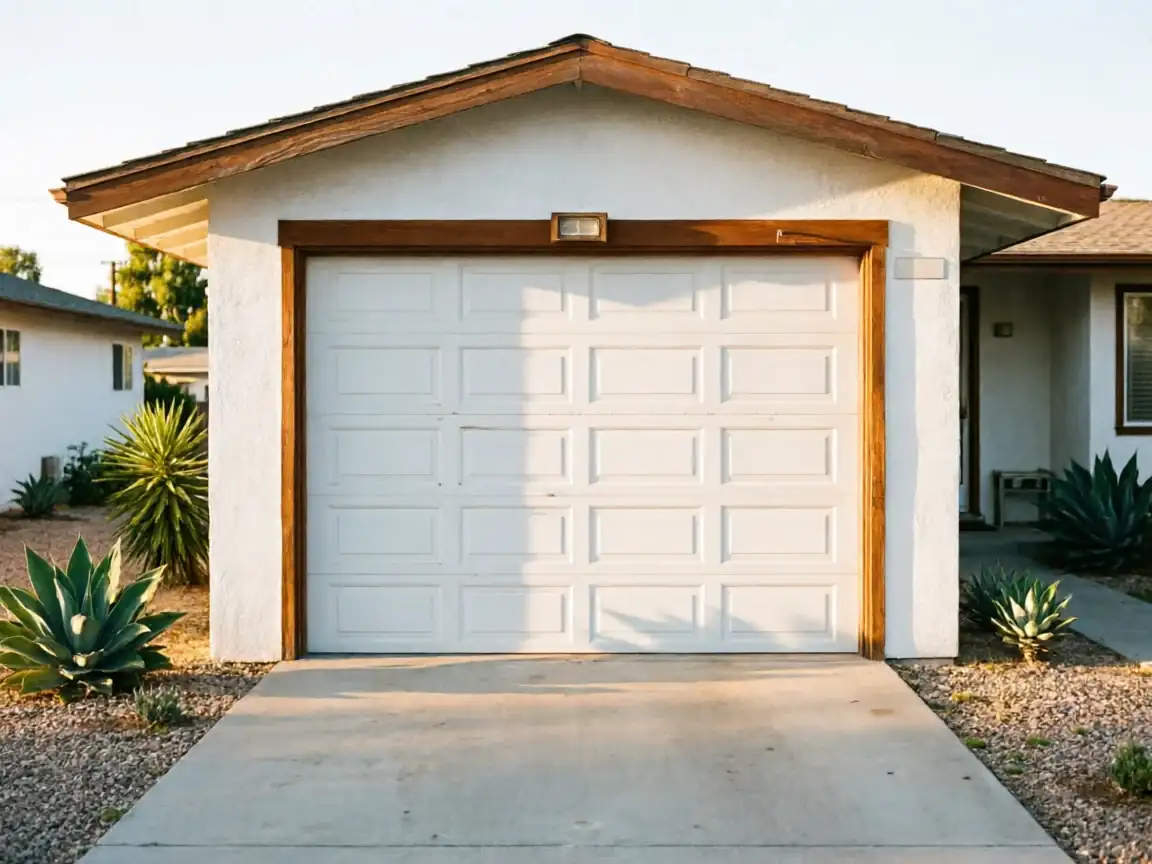
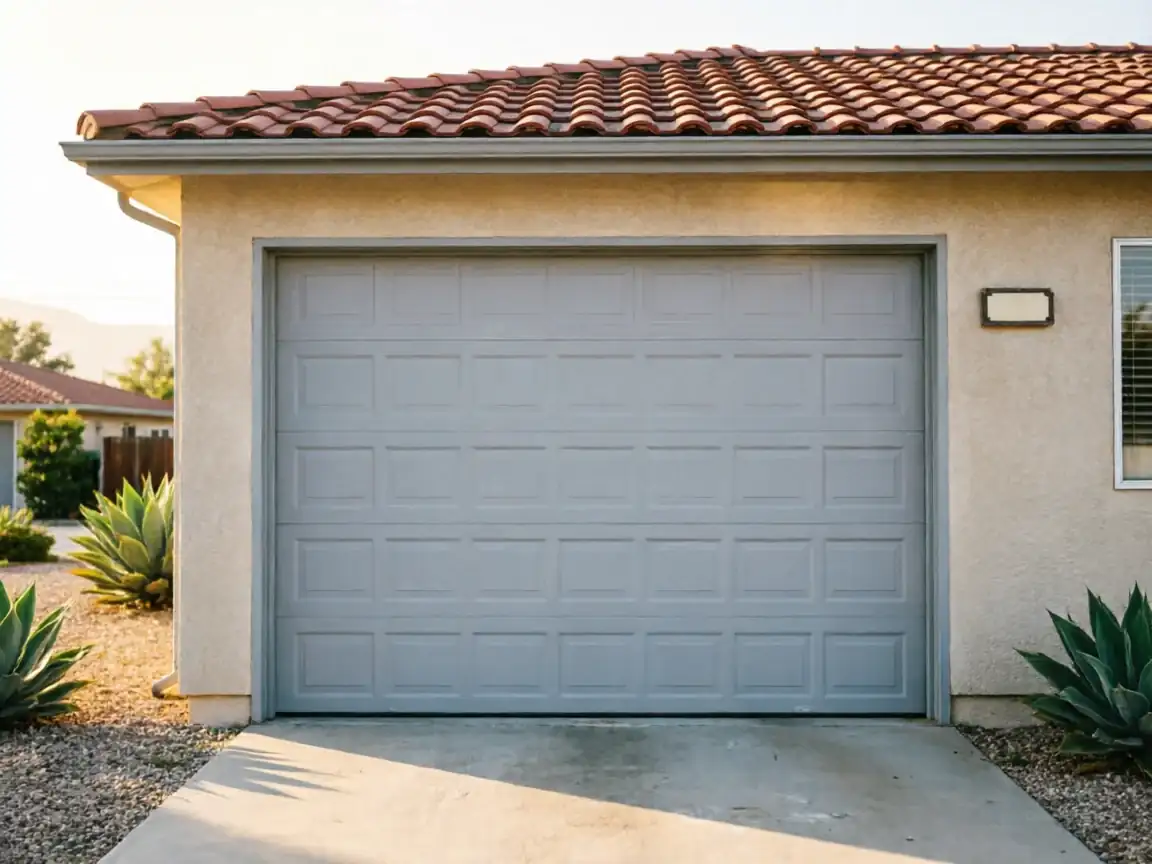
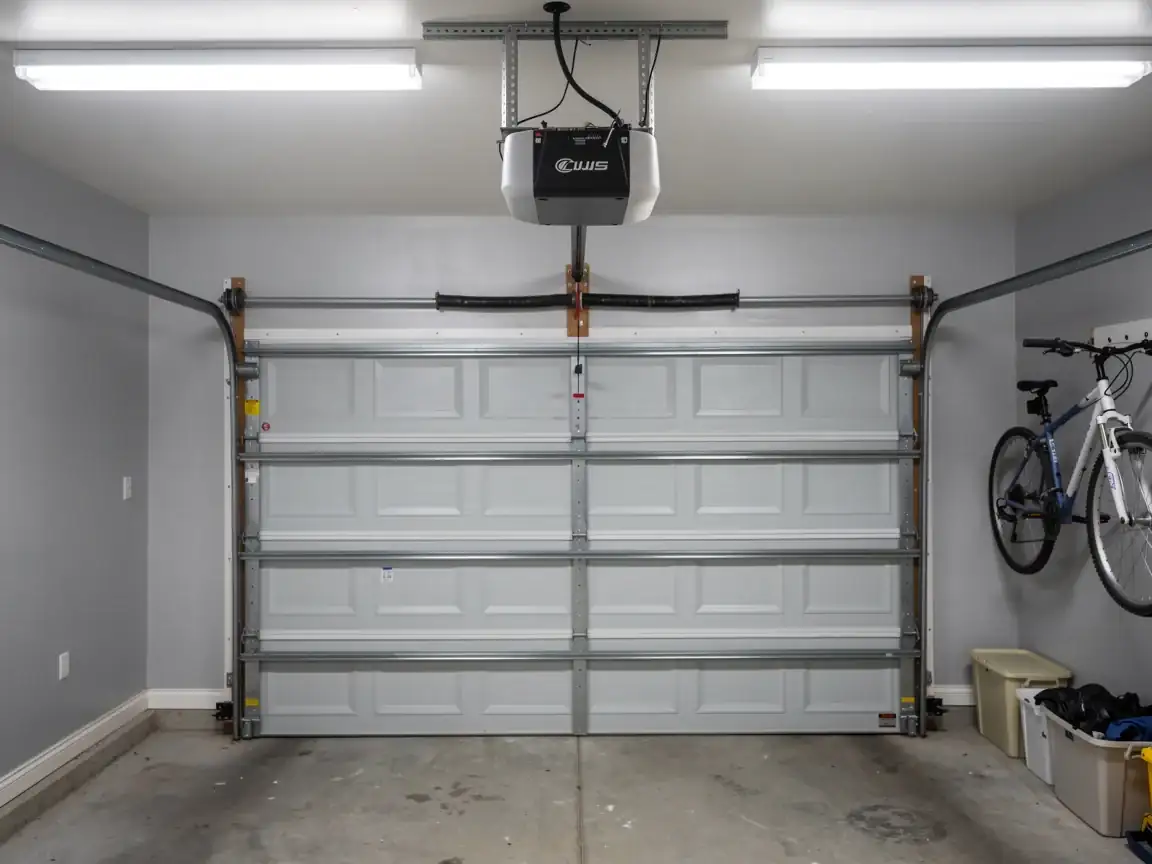
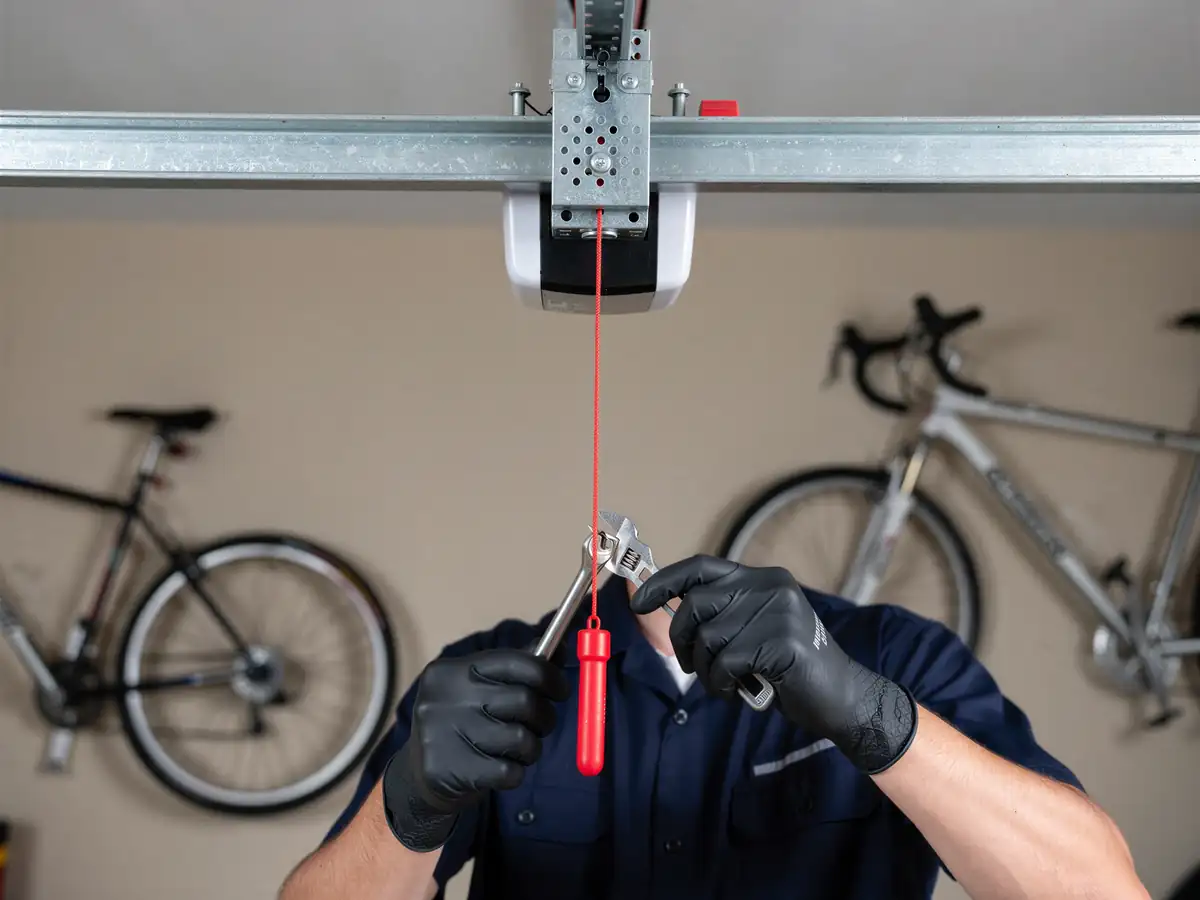
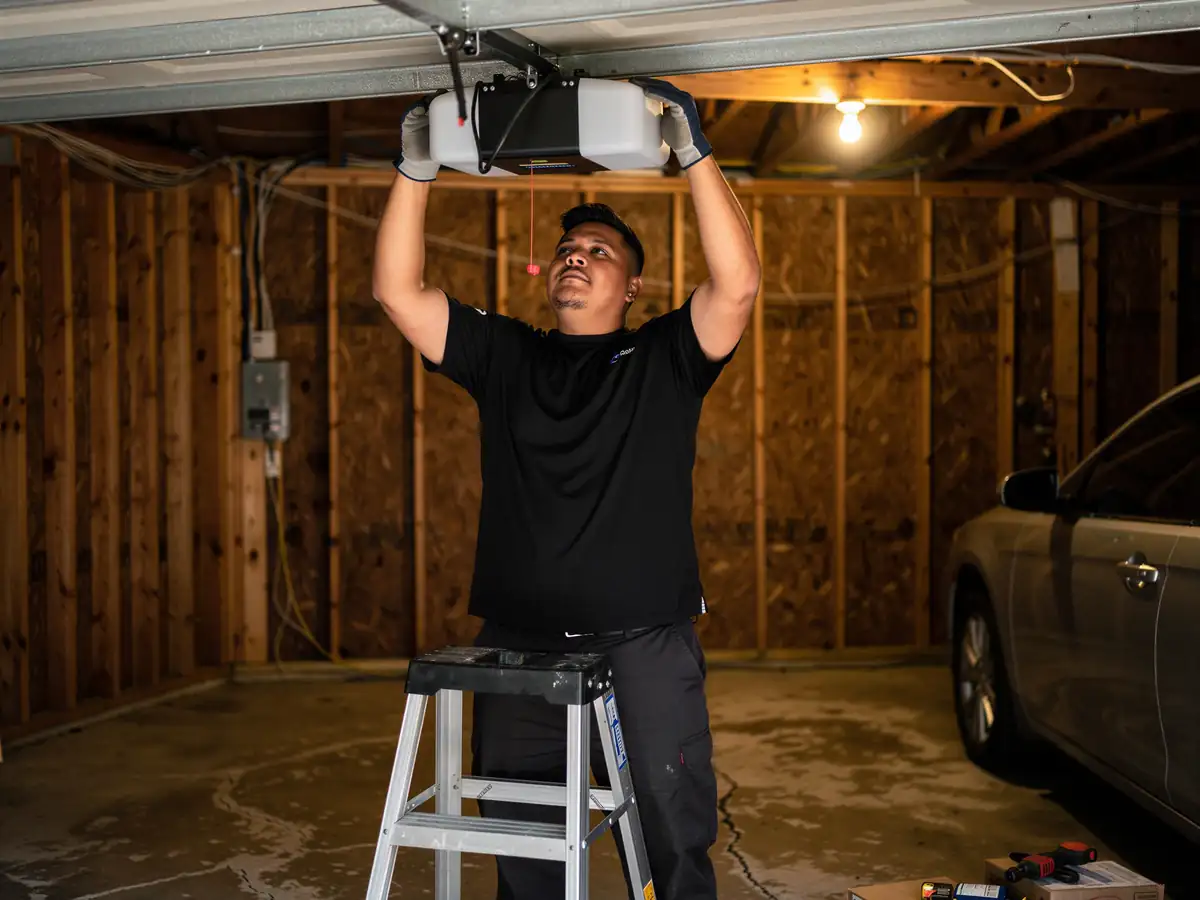
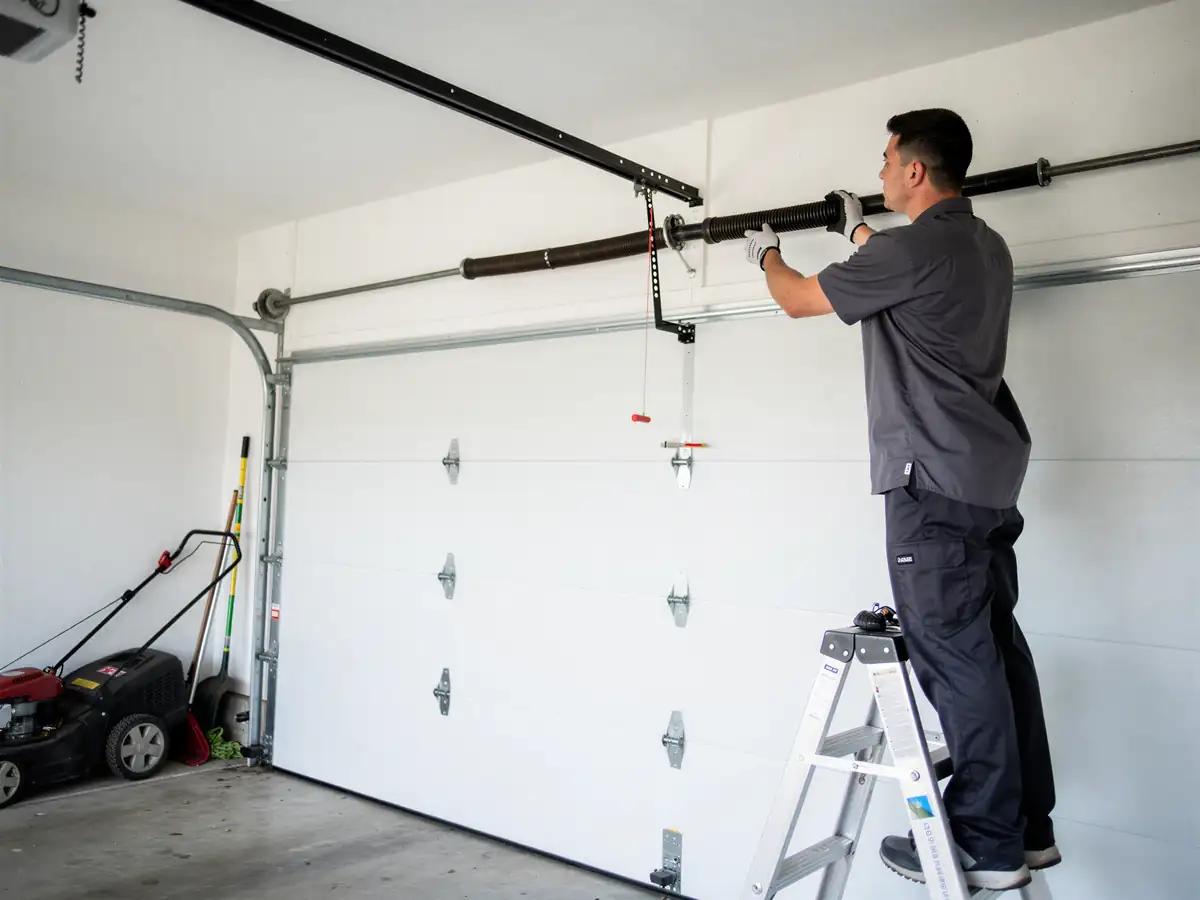
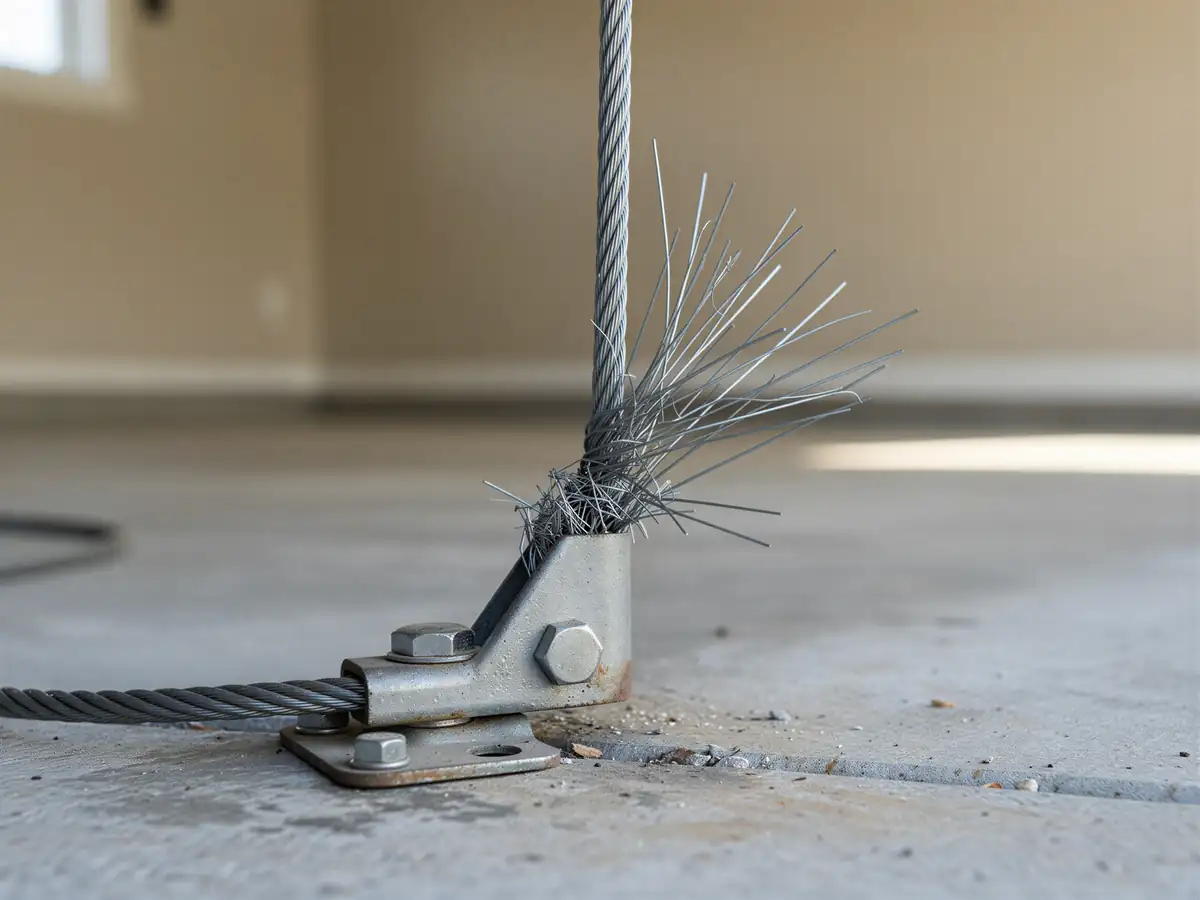
Torsion springs sized for the short, single-car bays common on 1970s construction, standard-width steel track sections, and replacement rollers and cables sized to the hardware that era used. Openers from this build period are long past their factory life, so we carry universal replacement units rather than trying to match obsolete motors.
What we don't carry
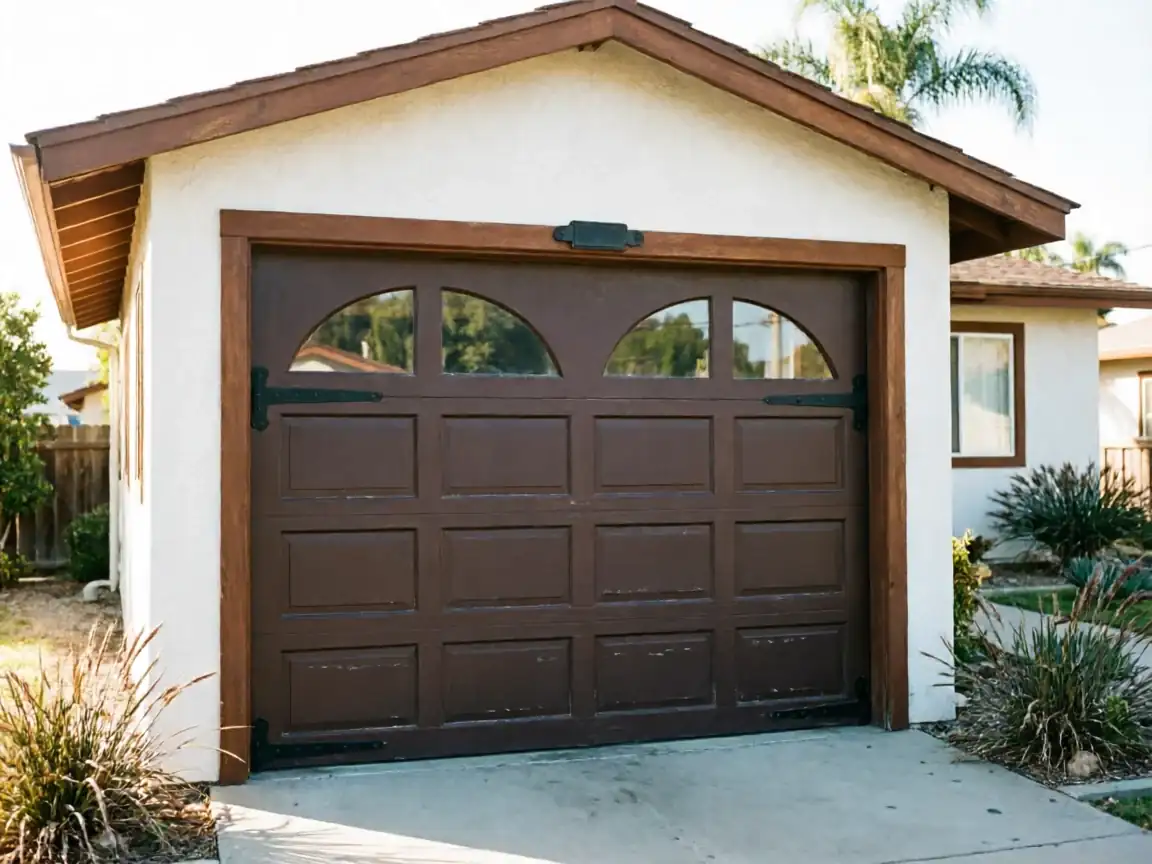
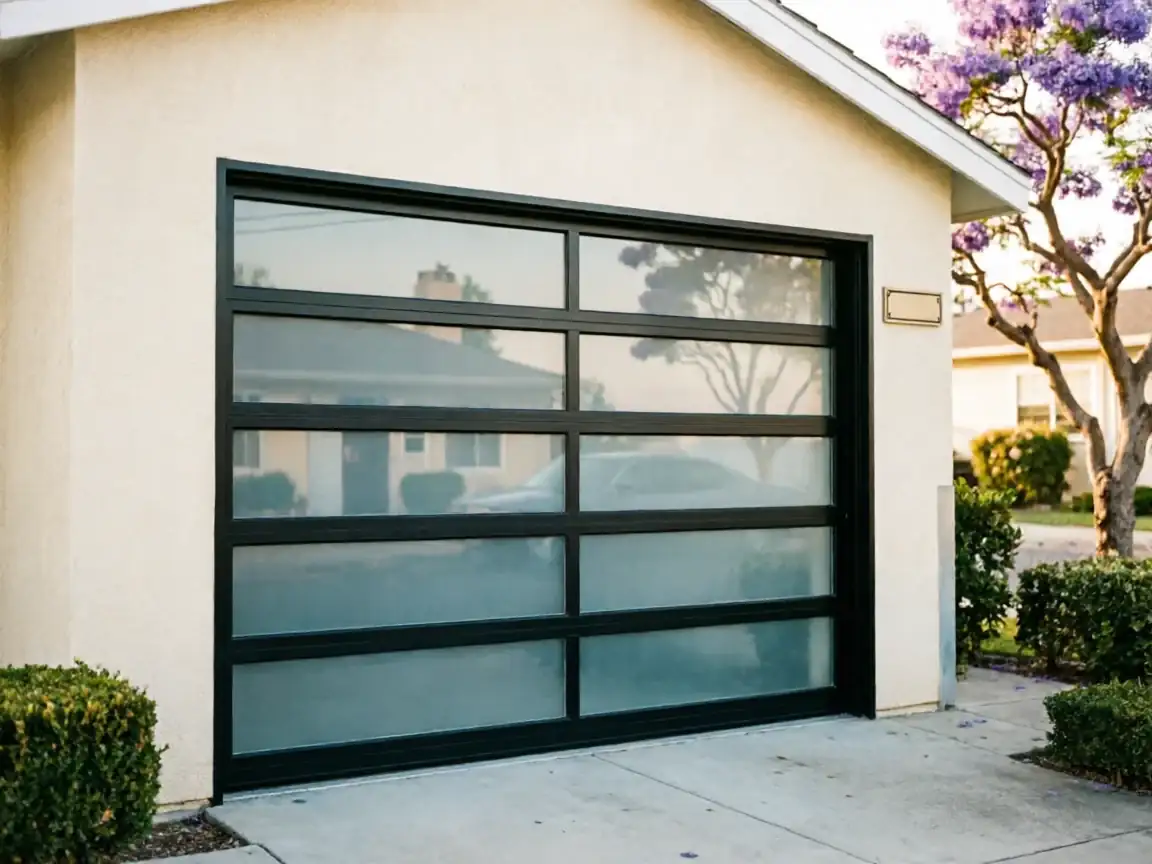
Custom or oversized doors, insulated glass-panel units, or anything built to a spec outside what a standard 1970s-era single or double bay needs. If your door has been upgraded to something wider or custom since the house was built, tell us when you call so we bring the right stock the first trip instead of a second one.
The Cost of This Job
We don't have a published price list specific to La Mesa jobs, and giving you a number without seeing the door would be a guess dressed up as a fact. What we can tell you is what drives the cost on a house like the ones here: whether it's a spring replacement versus a full track realignment, whether the opener needs replacing outright versus a sensor or wiring fix, and whether the door itself is original to a 1970 build or was swapped out at some point.
La Mesa's median household income sits at $84,337, noticeably below the wider service area's $105,887, and that's part of why we quote the actual repair rather than pushing replacement doors by default. A lot of the springs and cable failures we see on homes from this build era are straightforward fixes, not full-door jobs.
Call and describe what the door is doing - won't open, grinding, off track, opener clicking with no movement - and we'll give you a real number for that specific fault before anyone drives out.
The DIY Question
A torsion spring under tension can put you in the hospital, and that risk doesn't change because the house is a 1970 build instead of something newer. If the spring's broken and the door won't lift, that's not a weekend project regardless of your mechanical skill.
What you can safely check yourself: whether the opener is getting power, whether the safety sensors near the floor are aligned and the little lights on them are solid rather than blinking, and whether anything is visibly blocking the track. On houses this age, loose track brackets from four decades of use are common and sometimes the whole problem is a bracket that's worked itself free, not a dead spring.
What we'd tell you to leave alone: springs, cables, and anything that involves removing the bottom roller brackets while the door is closed. The door's weight and the spring's stored tension are the two things that turn a simple fix into an ER visit. If you're not sure which category your problem falls into, describe it on the phone before you touch anything.
How Long You Are Without the Door
We work out of Spring Valley, about 2 miles from La Mesa
So getting to you isn't the long part of the job - diagnosing and sourcing the right part is. A spring swap or a cable replacement on a standard single-bay door from this era is usually a same-visit fix once we've got the right size in hand, which is why we stock the common torsion sizes for 1970s-era bays on the truck rather than ordering them per job.
- 2 miles
Where it stretches out
If the opener itself has died and needs a full replacement unit, or if the track is bent badly enough that it needs full realignment rather than a tightened bracket, that's more time on-site, though still typically one visit.
What we won't promise is a guaranteed window measured in minutes
We don't have a published response-time figure for La Mesa specifically, and quoting one we can't back up would be worse than not quoting one at all. Tell us the fault on the phone and we'll give you a realistic read on timing before we're on the road.
How We Fix It
The approach starts with what's actually broken, not a standard checklist. On a house from the 1970 era, the most common faults we run into are worn torsion springs that have simply outlived their cycle count, cables that have frayed where they wrap the drum, and tracks that have loosened at the brackets after years of the door running on the same hardware.
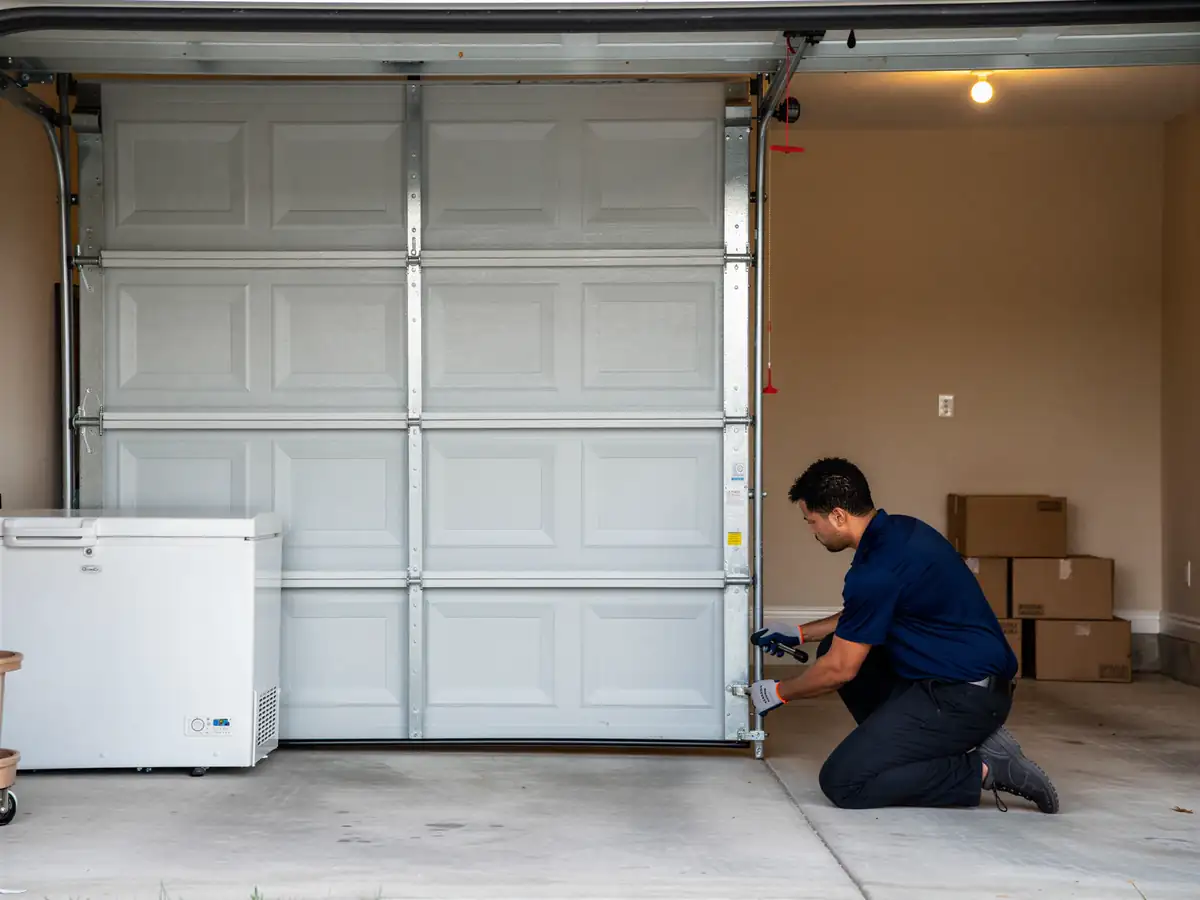
For a spring job: we release tension safely, pull the old spring, measure against the door's actual weight rather than guessing by door size, and set a replacement sized to that specific door. For track issues: we check alignment top to bottom before tightening anything, because a bracket tightened over a misaligned track just fails again in a year.
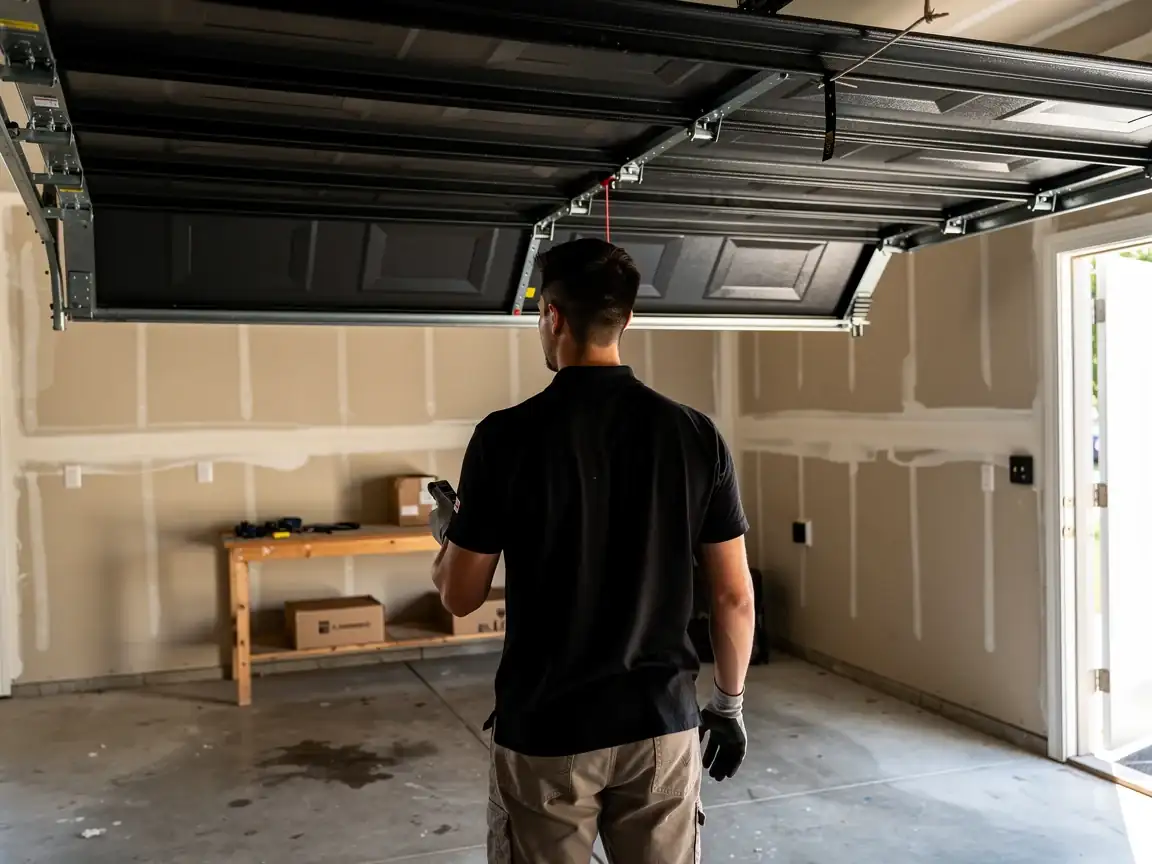
For openers: if the motor's dead, we replace it with a standard unit and reprogram your remotes and keypad on the spot rather than leaving you to figure out pairing on your own. We test the full open-close cycle under load before we call the job done, not just a visual check.
Booking a Visit
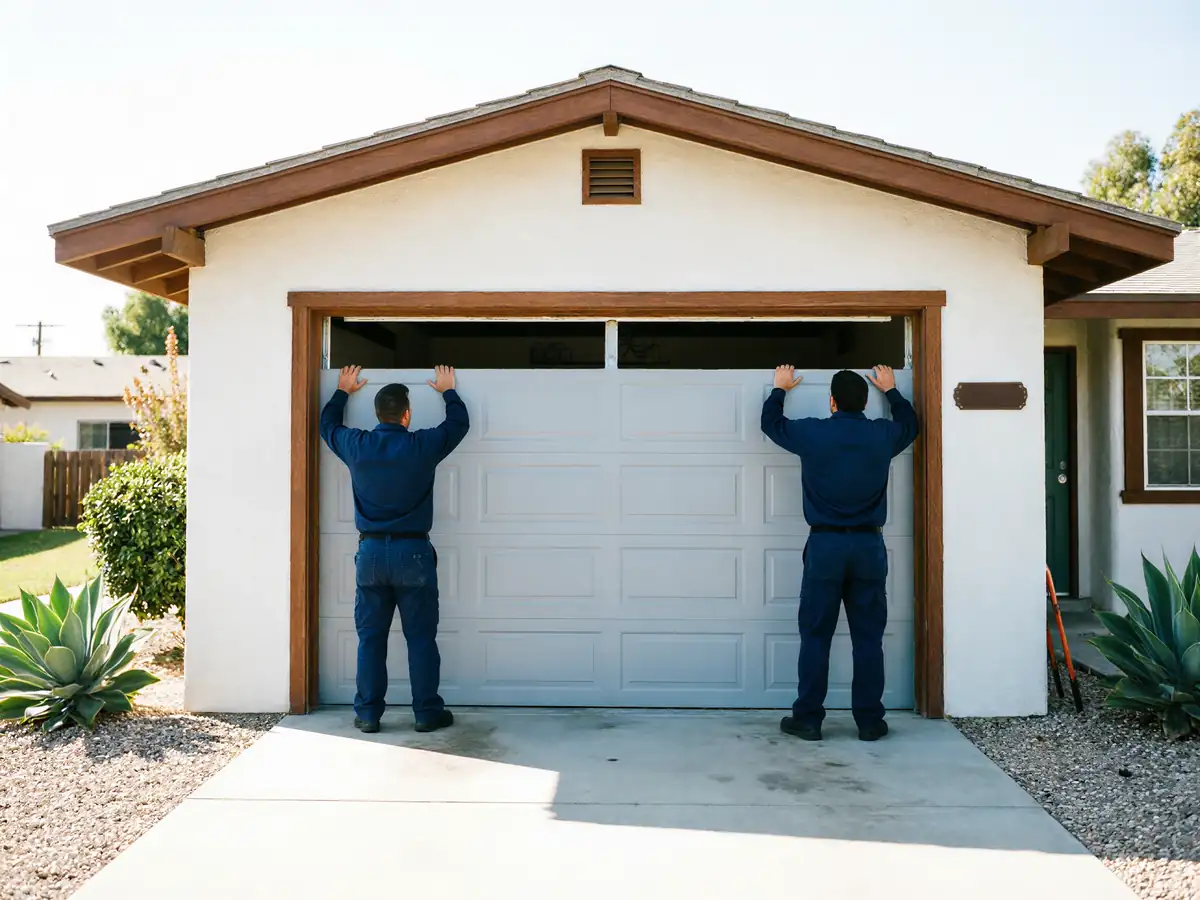
If your door in La Mesa won't open, is grinding on the way up, or the opener's running but the door isn't moving, call and walk us through what's happening. We're close by in Spring Valley, so getting a truck to you isn't the bottleneck - having the right part in hand is, and that's what the call helps us sort out before we're on your street.
You can also see what else we cover for this area on the La Mesa coverage page, or check our main Spring Valley repair page if you want the broader rundown of what we do across the service area. For La Mesa specifically, the short version is: tell us the age of the door if you know it, what it's doing, and we'll bring the right springs and track stock for a 1970s-era bay the first time.