The Cost of This Job
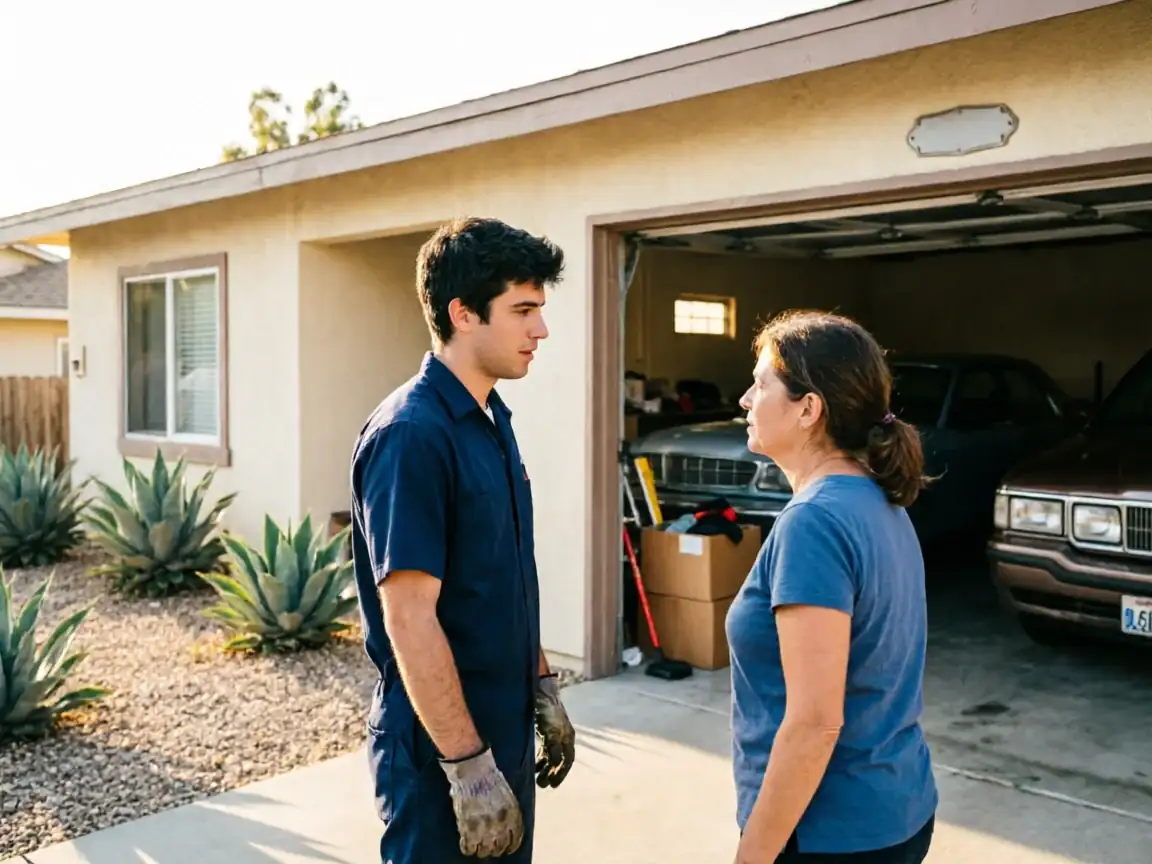
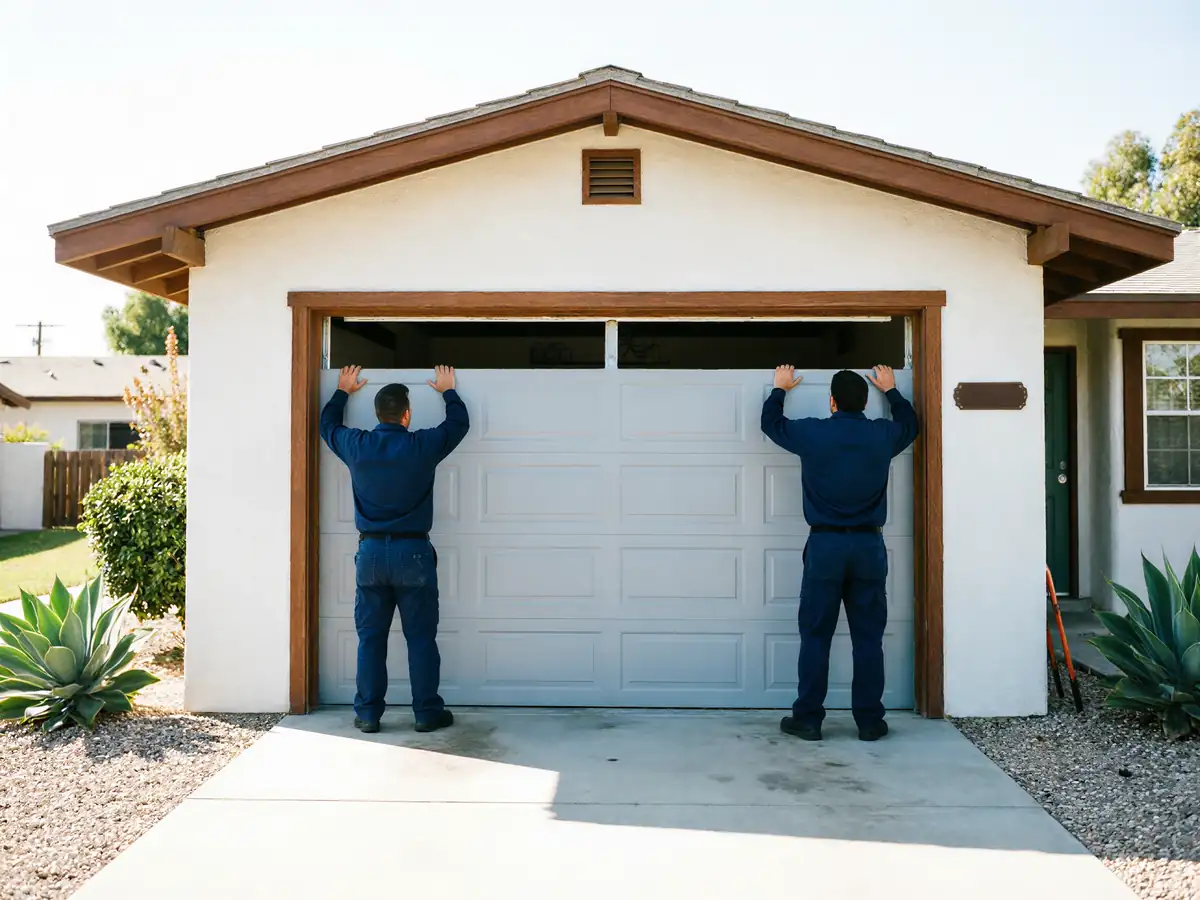
At a median income of $84,337, the math on repair versus replace tilts toward repair more often here than in wealthier pockets of the service area. A broken spring or a seized opener on a 1970-built door is almost always a fix, not a reason to tear out the whole unit - the steel frame and track on houses from that period are usually sound even when the moving parts have failed. Replacement starts making sense when the door itself is warped, when the panel seams have rusted through, or when a homeowner is already planning other exterior work and wants to bundle it. We'll give you the repair number first. If the repair is close to half the cost of a new door, we say so - we're not going to talk you into a new door when the fix will hold for years.
The DIY Question
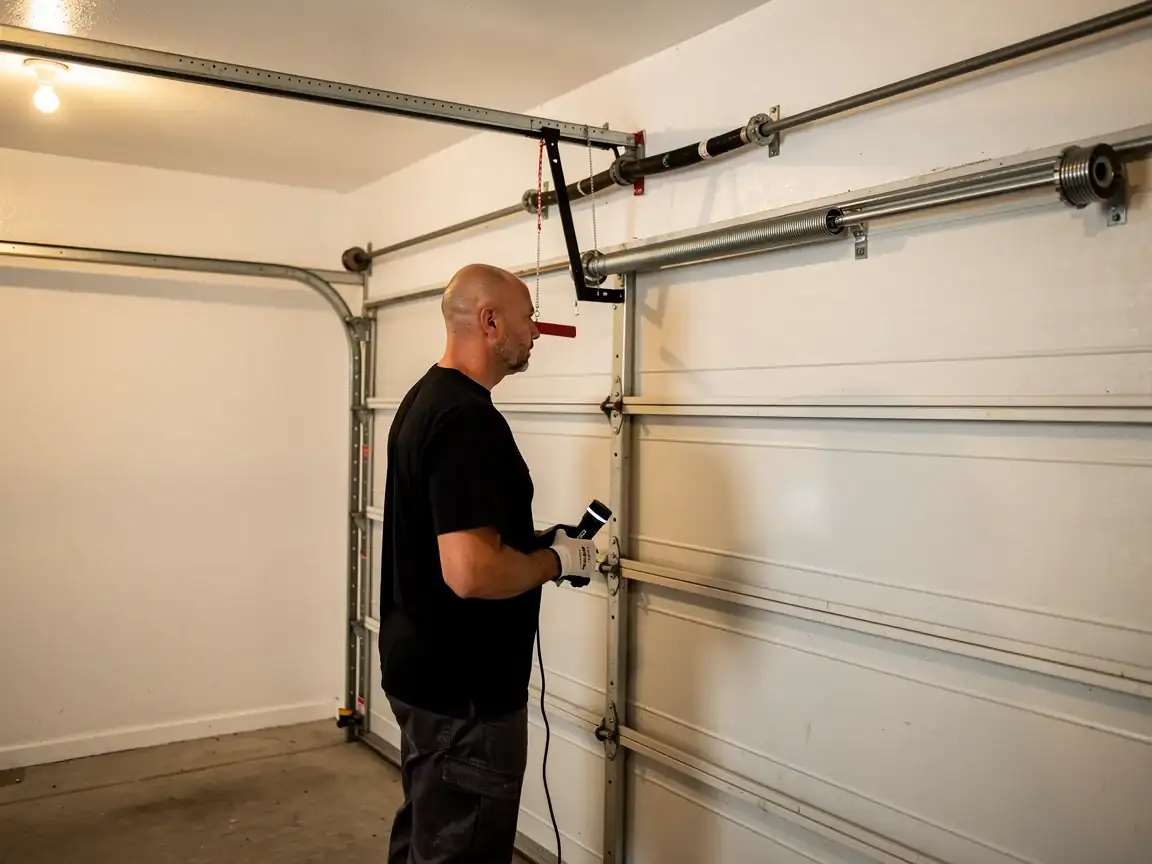
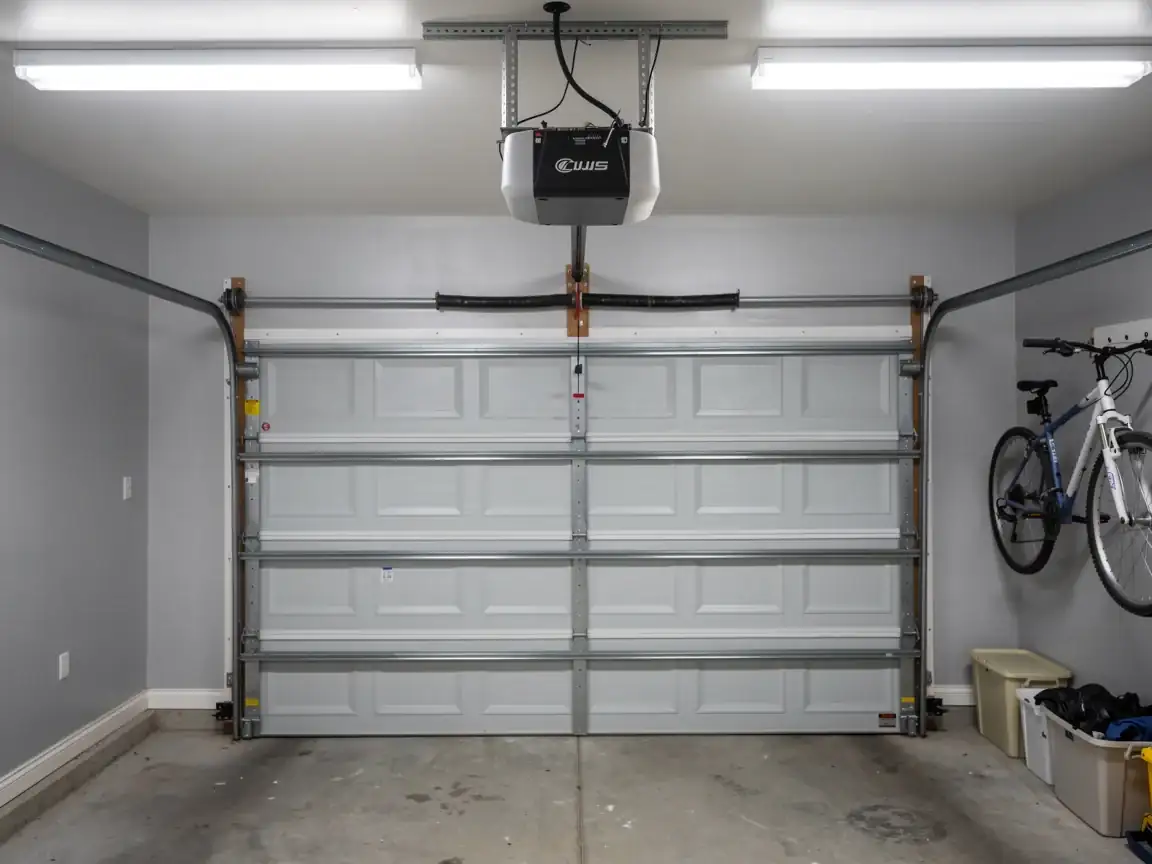
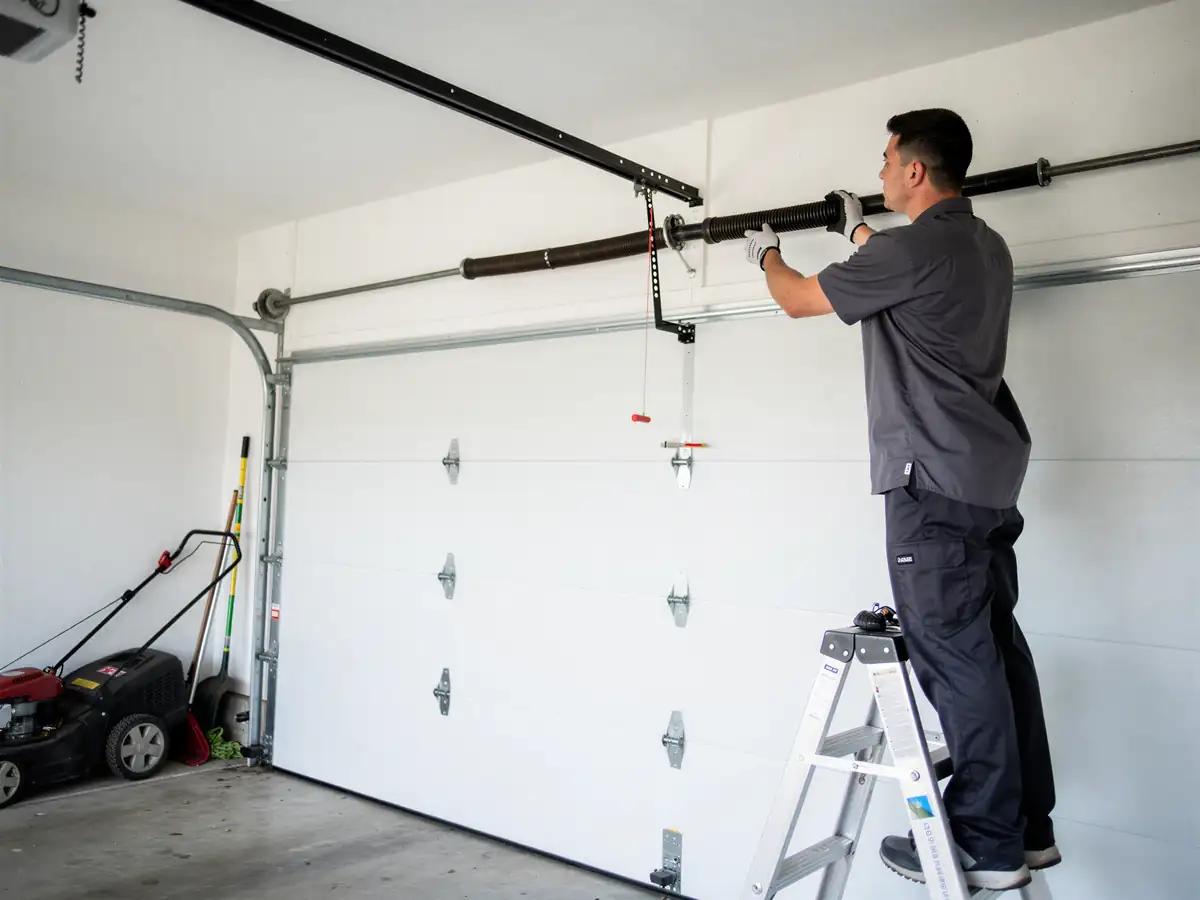
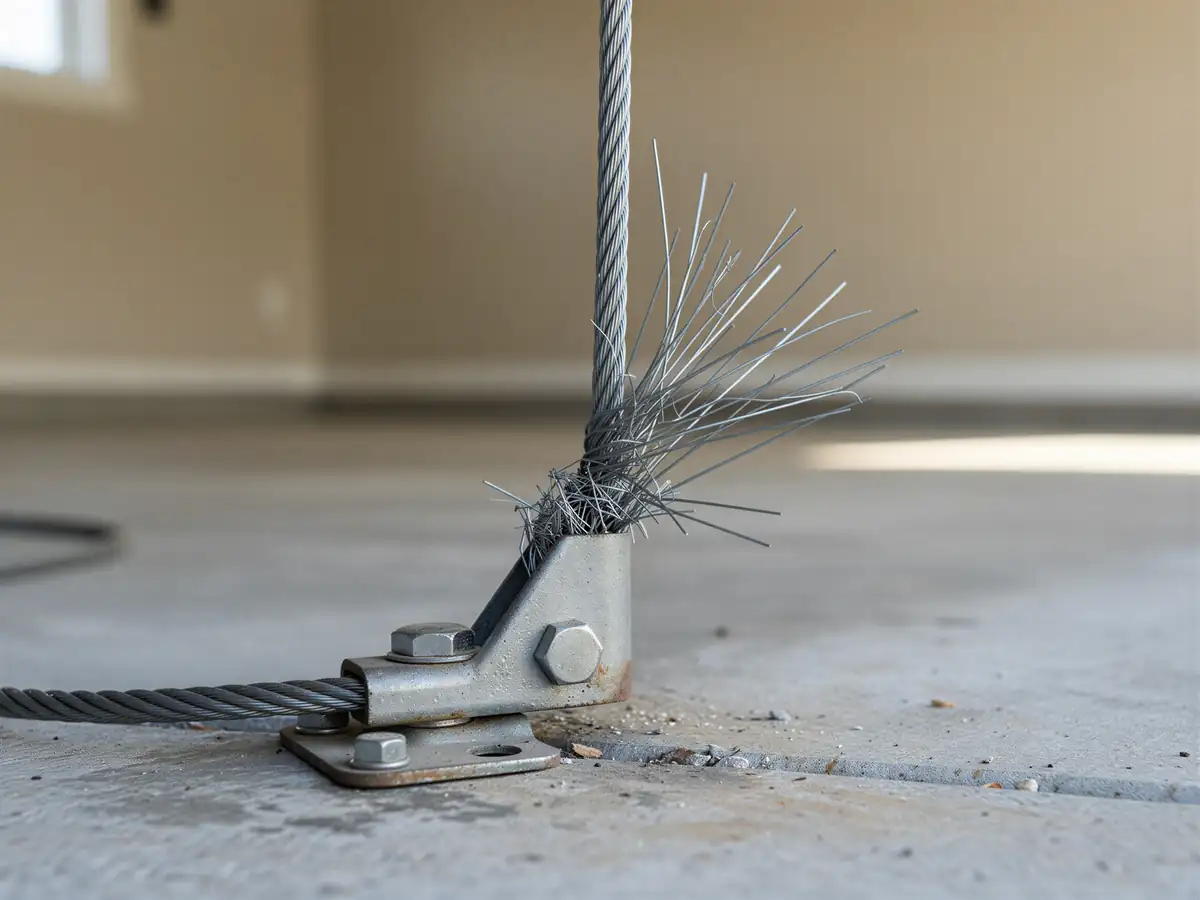
A torsion spring under tension on a door this old is not a weekend project, and we say that without trying to scare you into a call you don't need. Swapping a roller or tightening a loose hinge bolt is fine to do yourself. Replacing the spring, re-tensioning cables, or realigning a bent track on hardware that's been in place since 1970 is a different kind of job - the mounting hardware on doors from that build period is often harder to source than current stock, and a mistake there can bend the track or snap a cable under load. If you're not sure which category your repair falls into, describe it when you call and we'll tell you straight whether it's a safe DIY fix or one that needs a truck out.
How We Fix It
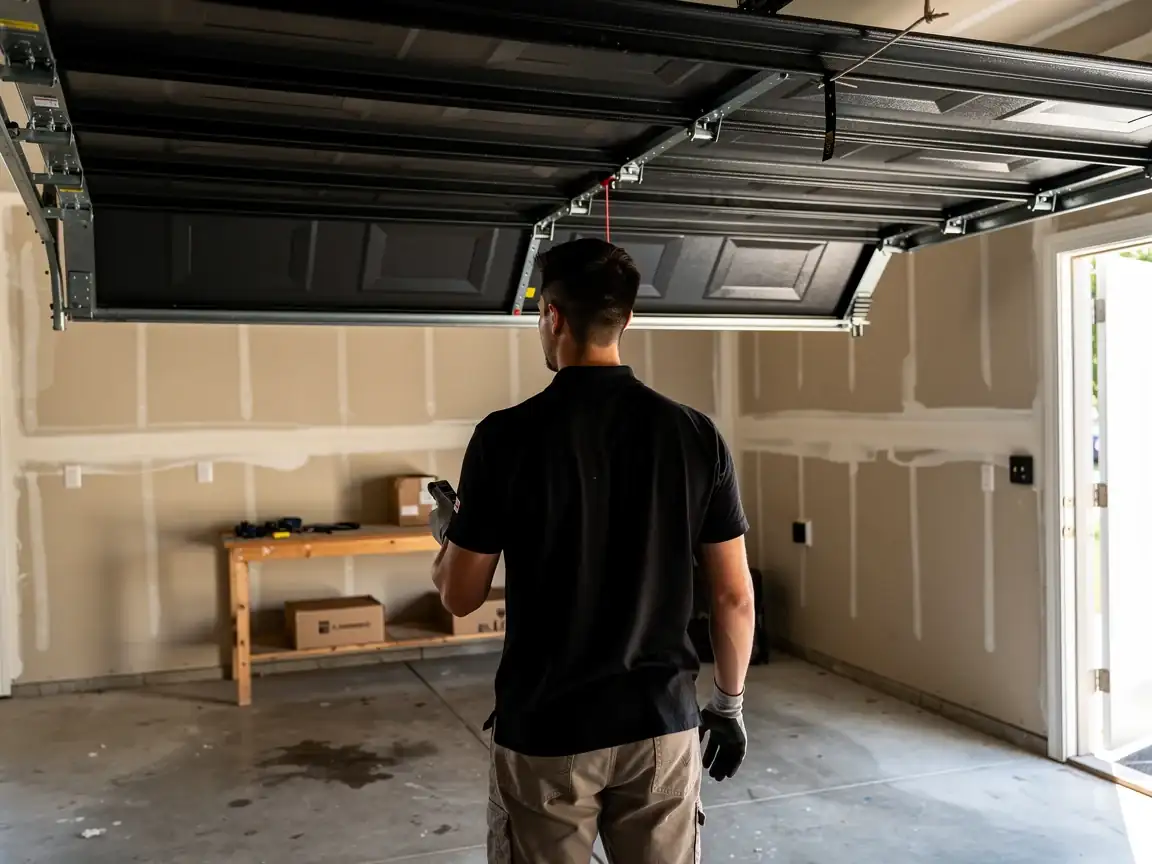
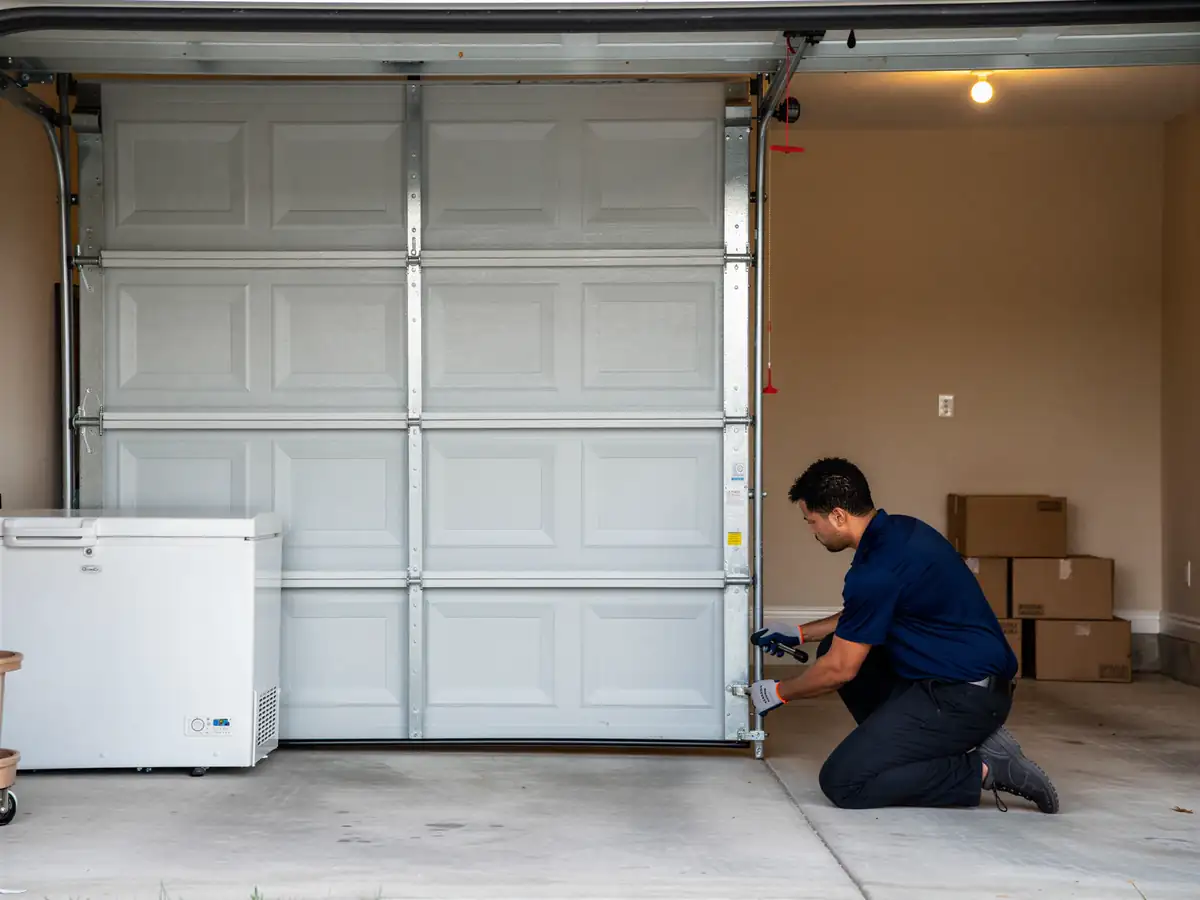
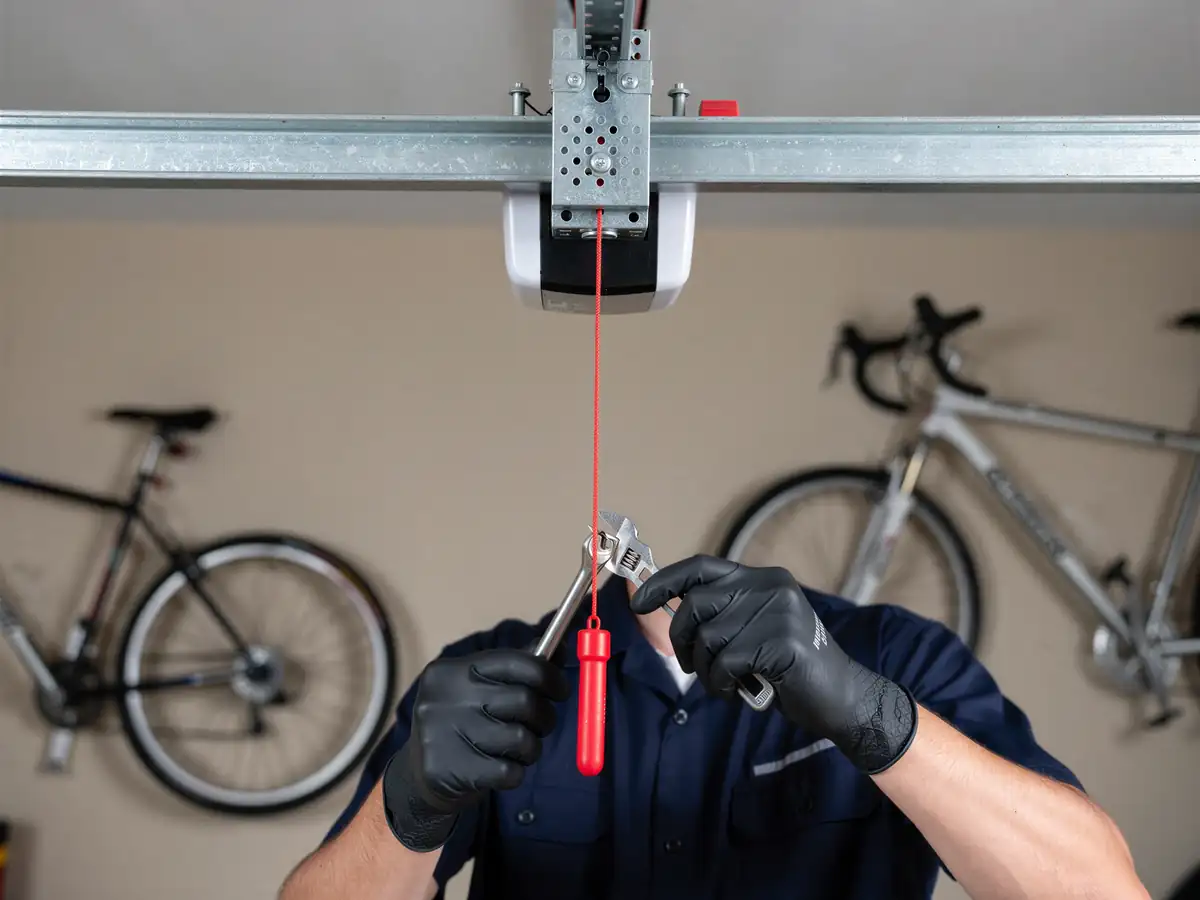
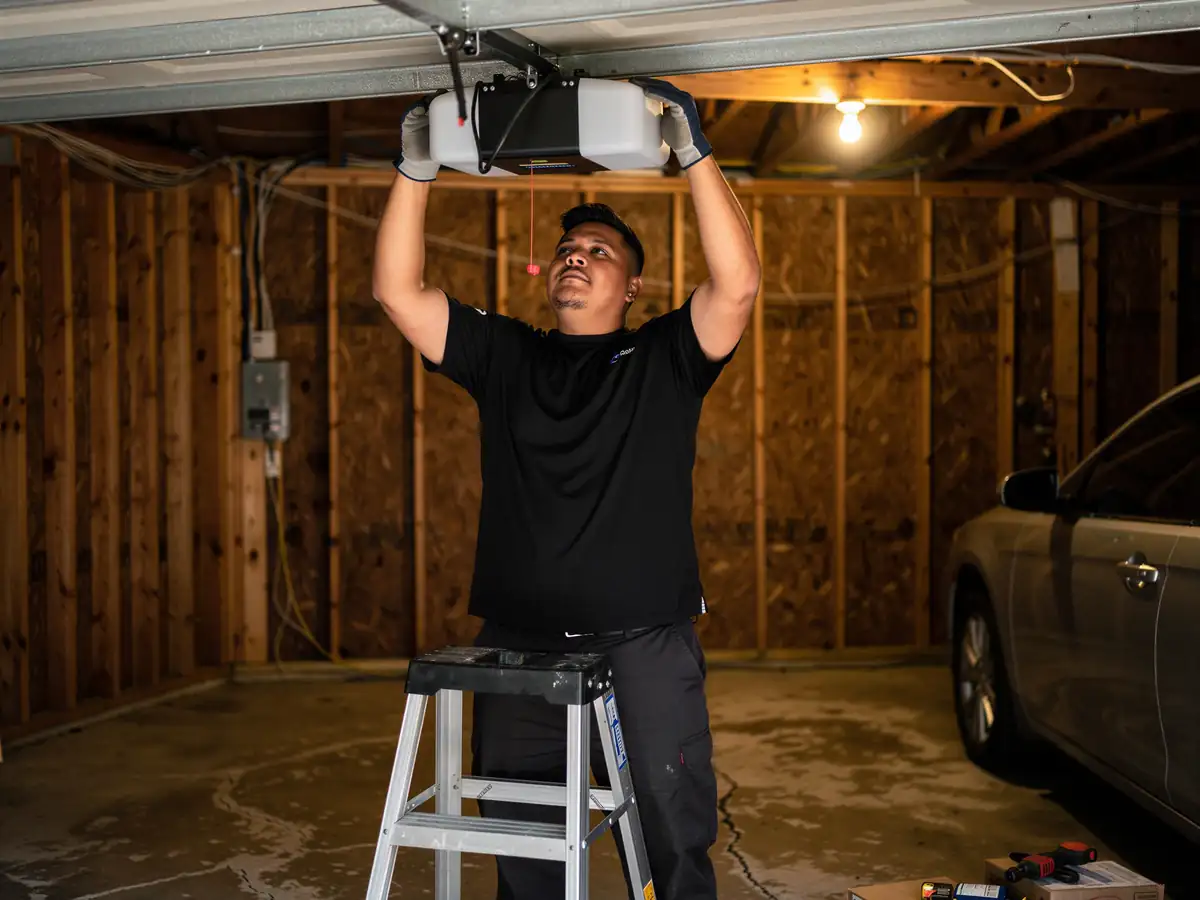
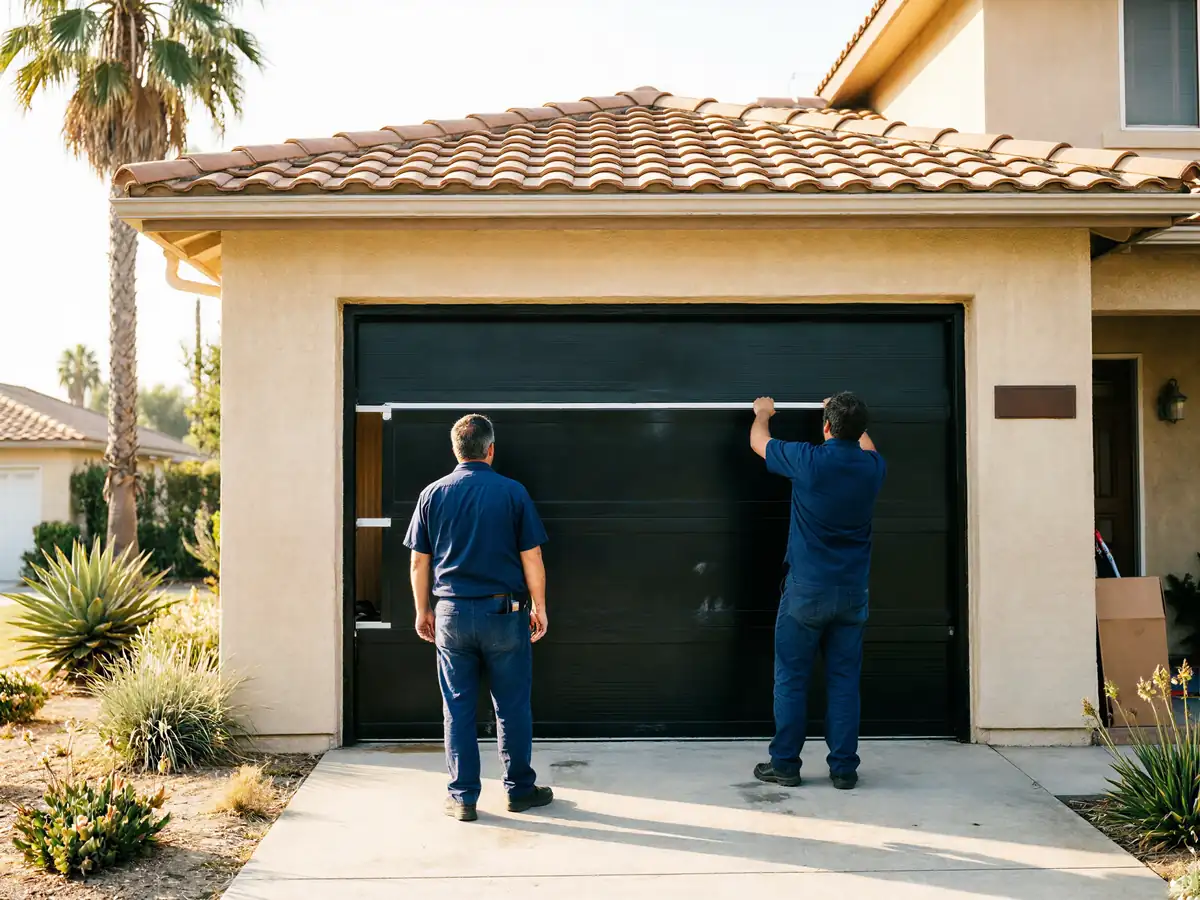
We start by testing the door under its own power before touching anything, because on a house built around 1970 the actual fault is often not the part that's making noise. A screeching opener might be a dry chain, or it might be a spring that's lost tension and is making the opener do work it wasn't built for. We check spring tension, cable wear, track alignment, and roller condition as a set rather than swapping the first bad-looking part and calling it done. Once we know what's actually failed, we quote the fix, do the work, and test the door under full load before we leave - open and close a few cycles, check the balance, confirm the auto-reverse still trips correctly. On older torsion systems that means re-checking the winding cones twice; that hardware doesn't forgive a half-turn mistake.
Booking a Visit
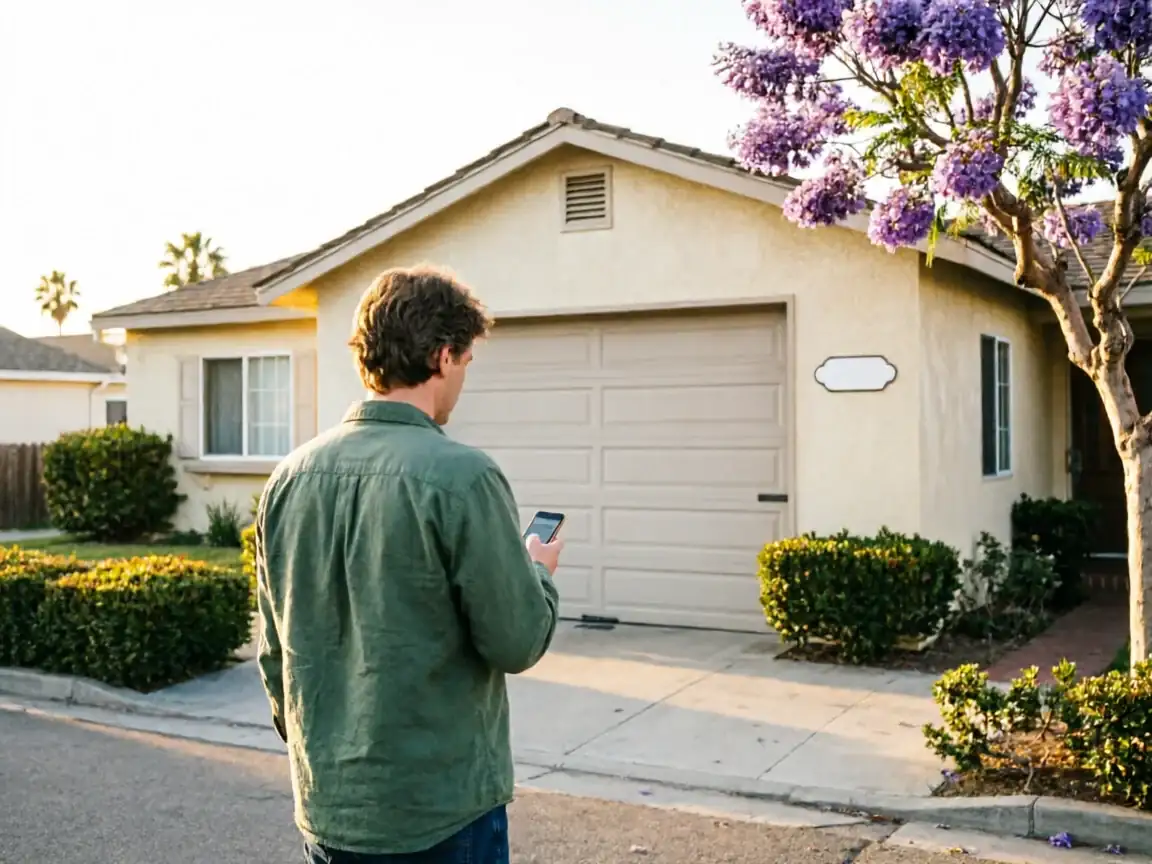
Call and tell us the age of the house if you know it and what the door is doing - grinding, not closing all the way, opener running but door not moving. That's usually enough for us to guess what we're dealing with before the truck leaves Spring Valley. We cover La Mesa as part of our regular route, not as a special trip, so there's no separate travel charge tacked onto the quote for the 2 miles.