Booking a Visit
Casa de Oro-Mount Helix sits about 2 miles from our Spring Valley base
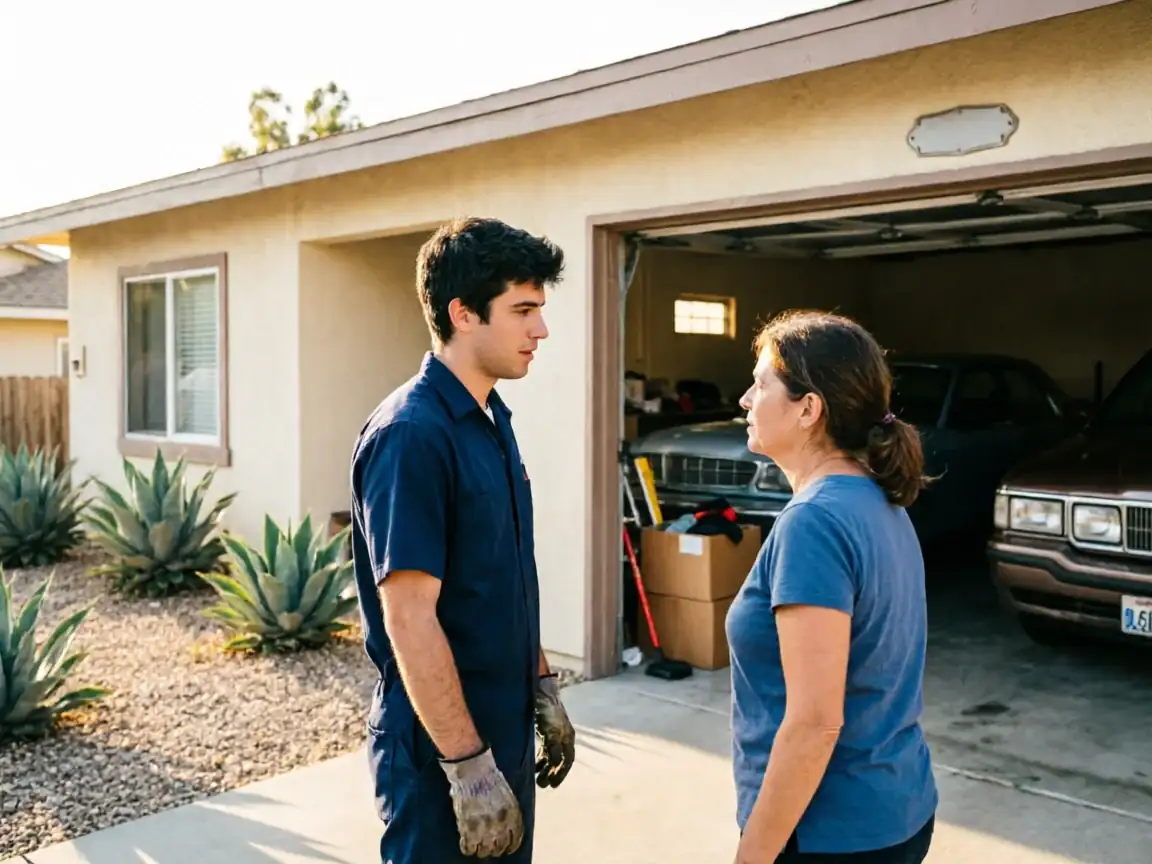
So getting a truck to you isn't the hard part. The hard part is matching the door once we're there. Across the wider service area the median house dates to 1975, but the homes here skew a bit older, with most built around 1969. That six-year gap sounds small until you're staring at a torsion spring wound for a door that's heavier or lighter than what the newer stock around it uses. When you call, tell us roughly when your house was built if you know it, and whether the door has been replaced since. That one detail lets us bring the right spring cable and drum sizes instead of guessing from the truck.
- 2 miles
We don't keep a branch or a drop box in Casa de Oro-Mount Helix itself
Every job here is a dispatch from Spring Valley, so if you're booking same-day, say so up front and we'll tell you honestly whether that's realistic for the day you're calling.
Parts We Carry
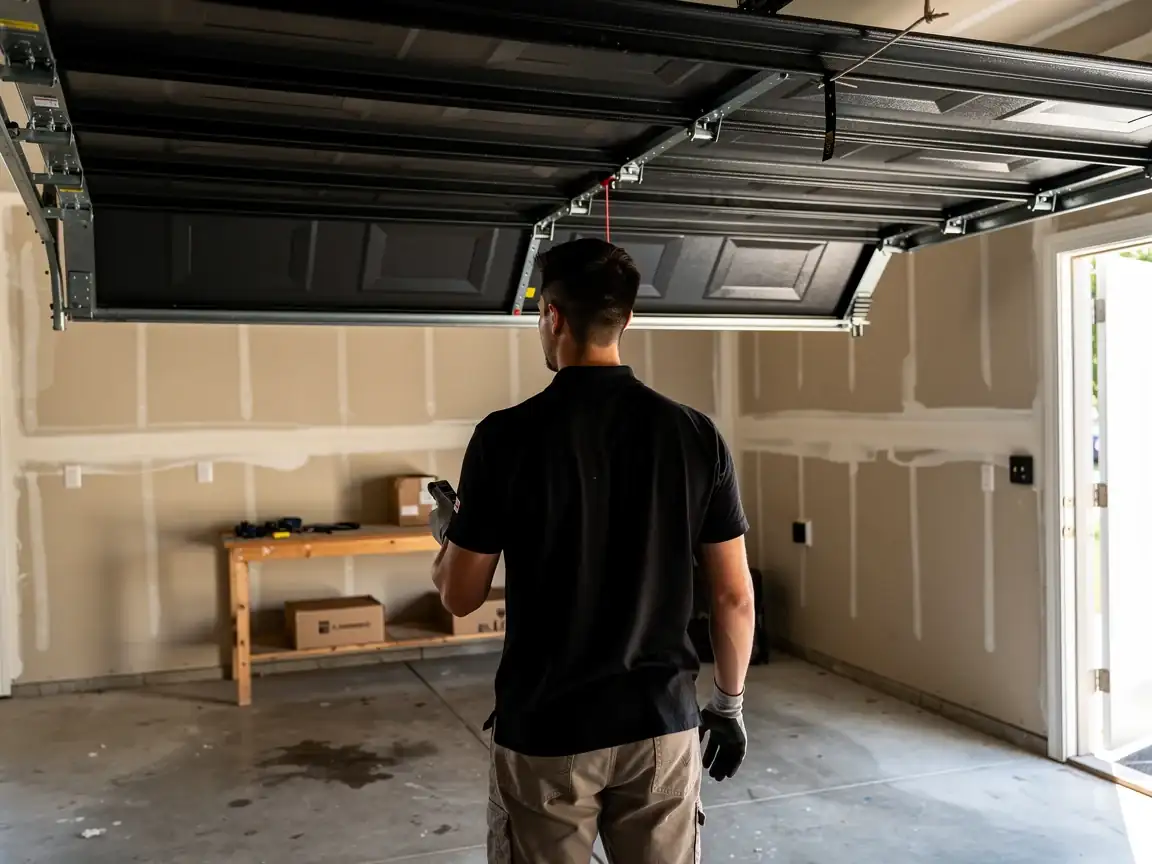
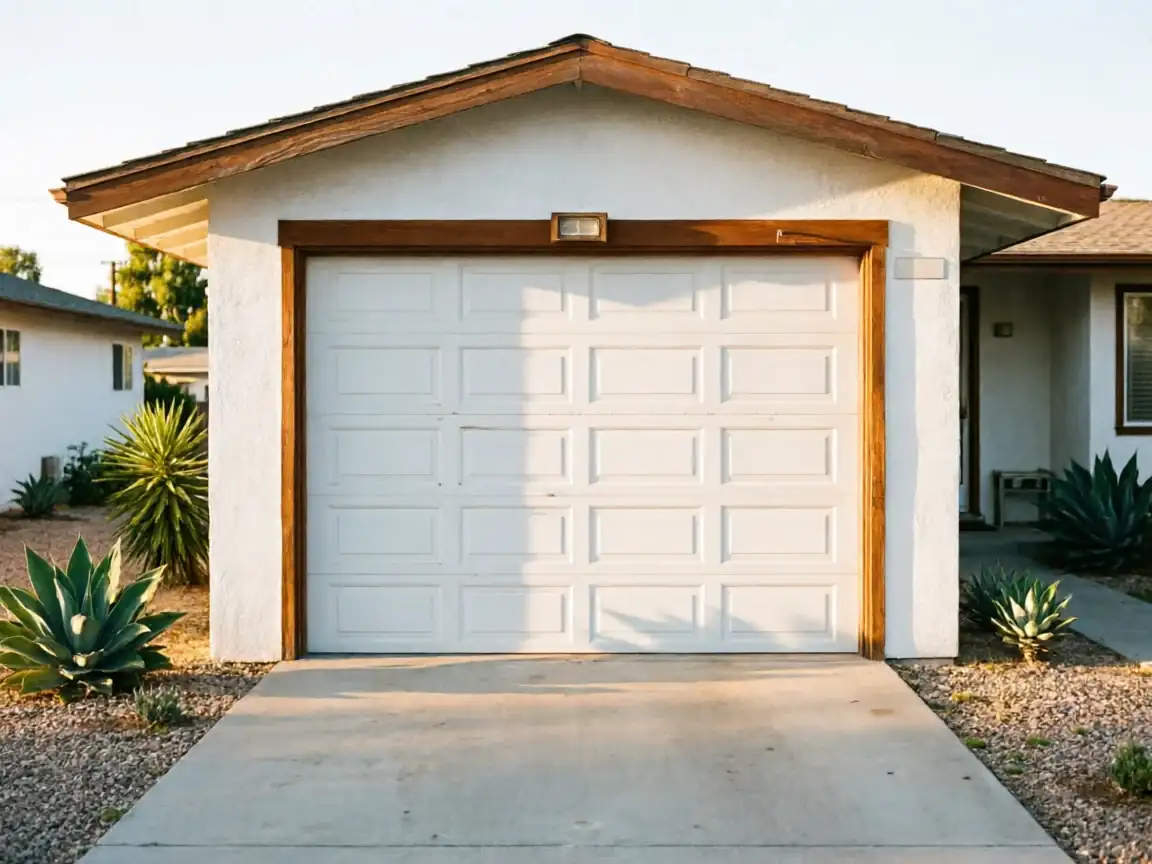
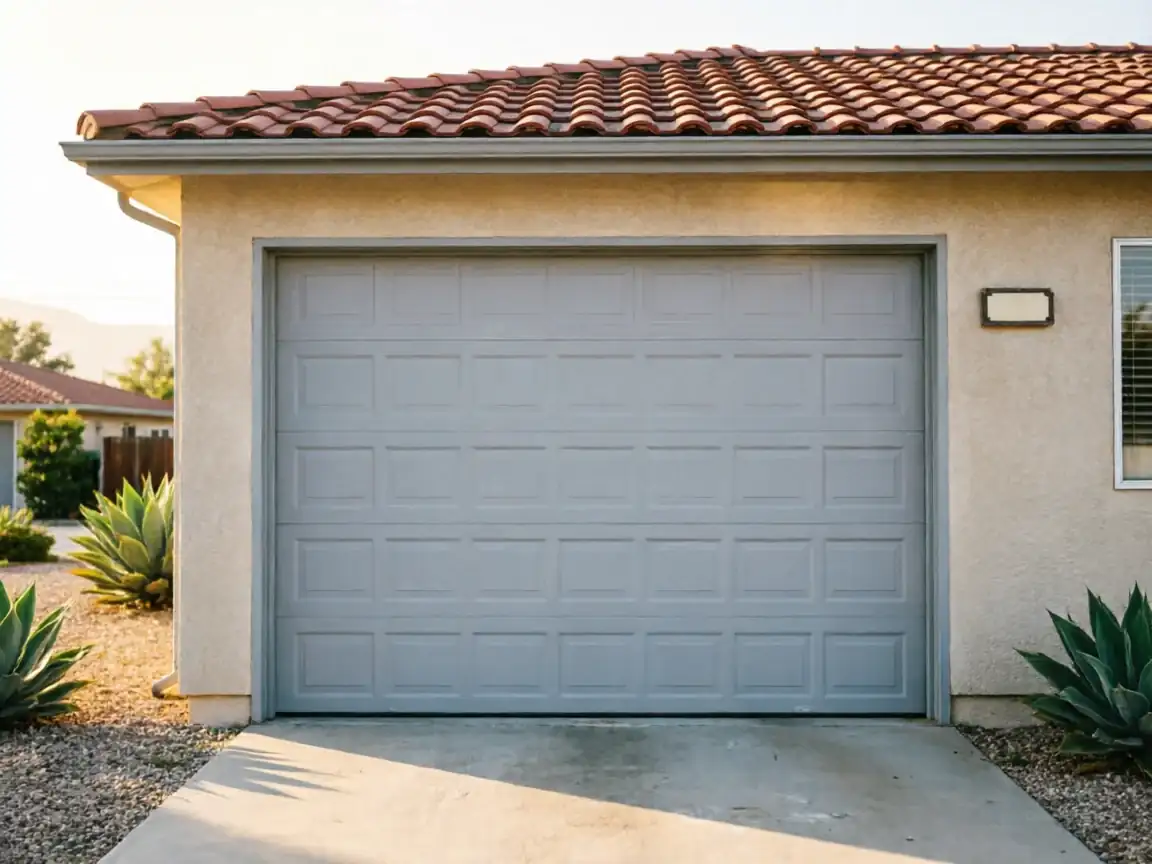
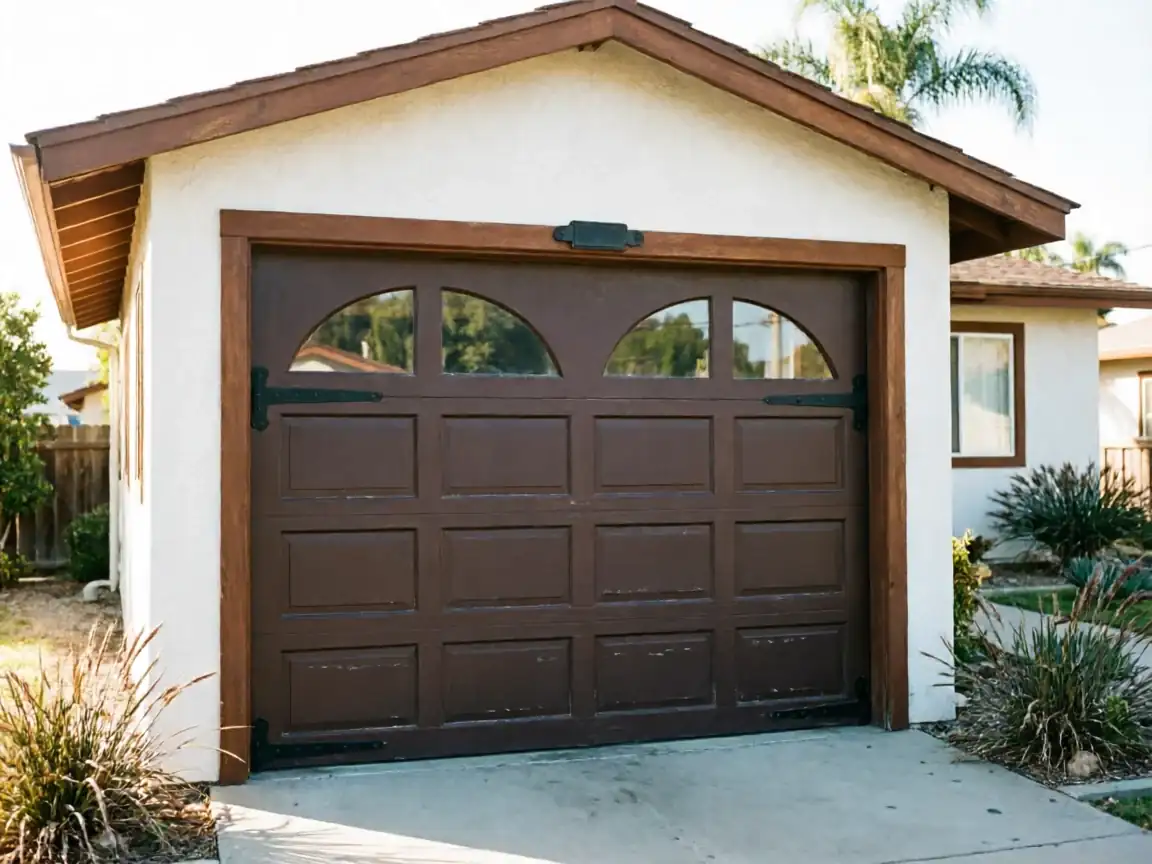
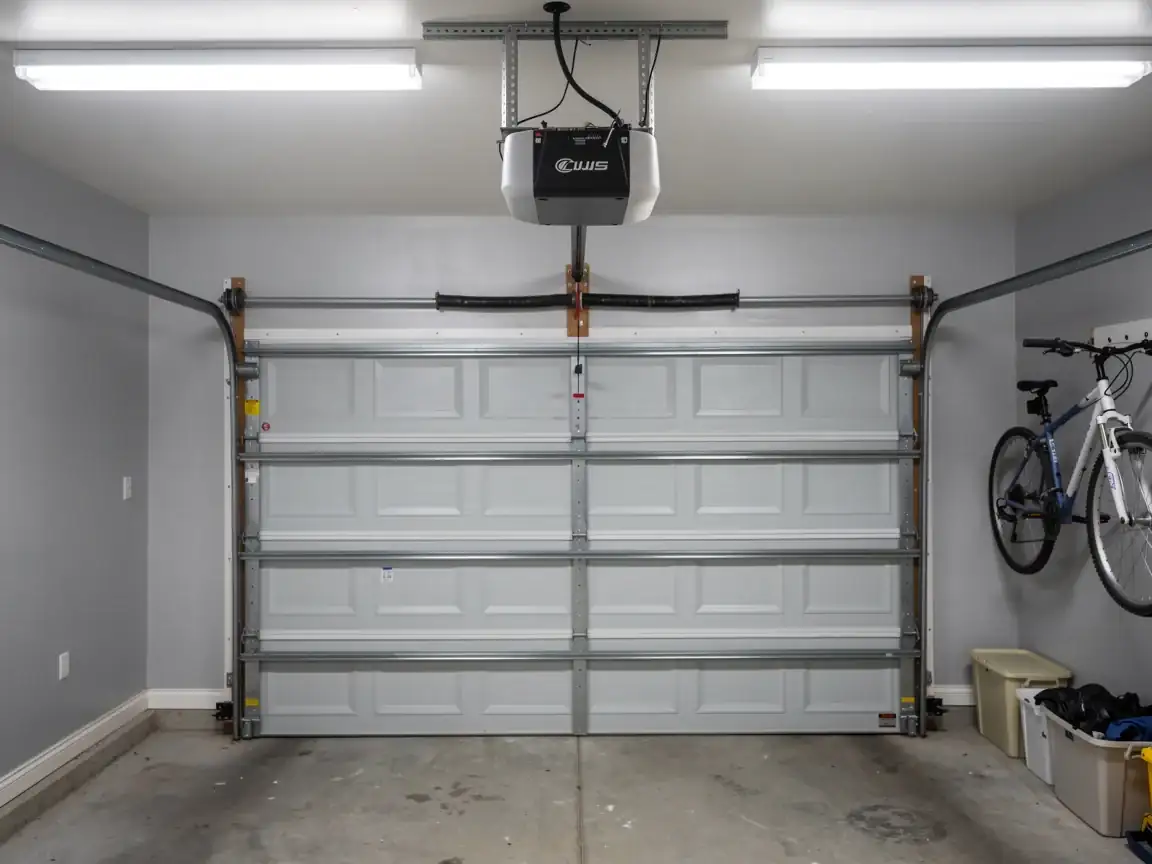
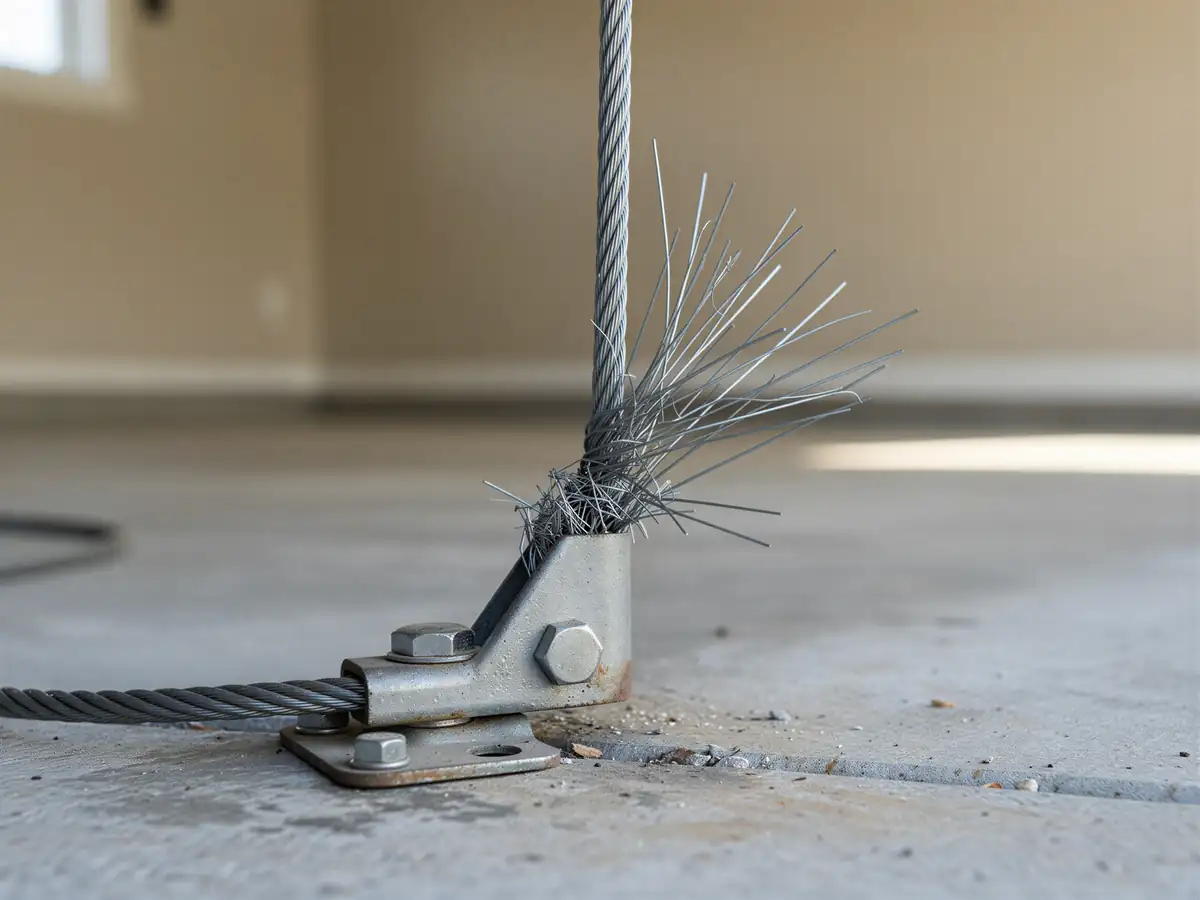
A door built around 1969 usually means a steel sectional panel on a standard torsion system, sometimes still running the original extension springs if nobody's upgraded it in fifty-plus years. We stock torsion springs in the sizes that era used, along with galvanized lift cable, nylon and steel rollers, and the hinges and end bearing plates that wear out on a door that's been cycling since before most of the current owners moved in. What we don't stock on the truck is anything custom-width or a discontinued opener board from a brand that stopped making parts years back - those we order, and that can mean a few days' wait rather than a same-visit fix.
The mild coastal-influenced climate here means we're not replacing weatherstripping and bottom seals as often as a company working somewhere with real freeze-thaw cycles. That's one advantage of this area's weather band: the rubber and the galvanizing last longer than they would in a harsher climate, so when a door this old finally fails, it's almost always the moving hardware wearing out, not the material rotting.
The DIY Question
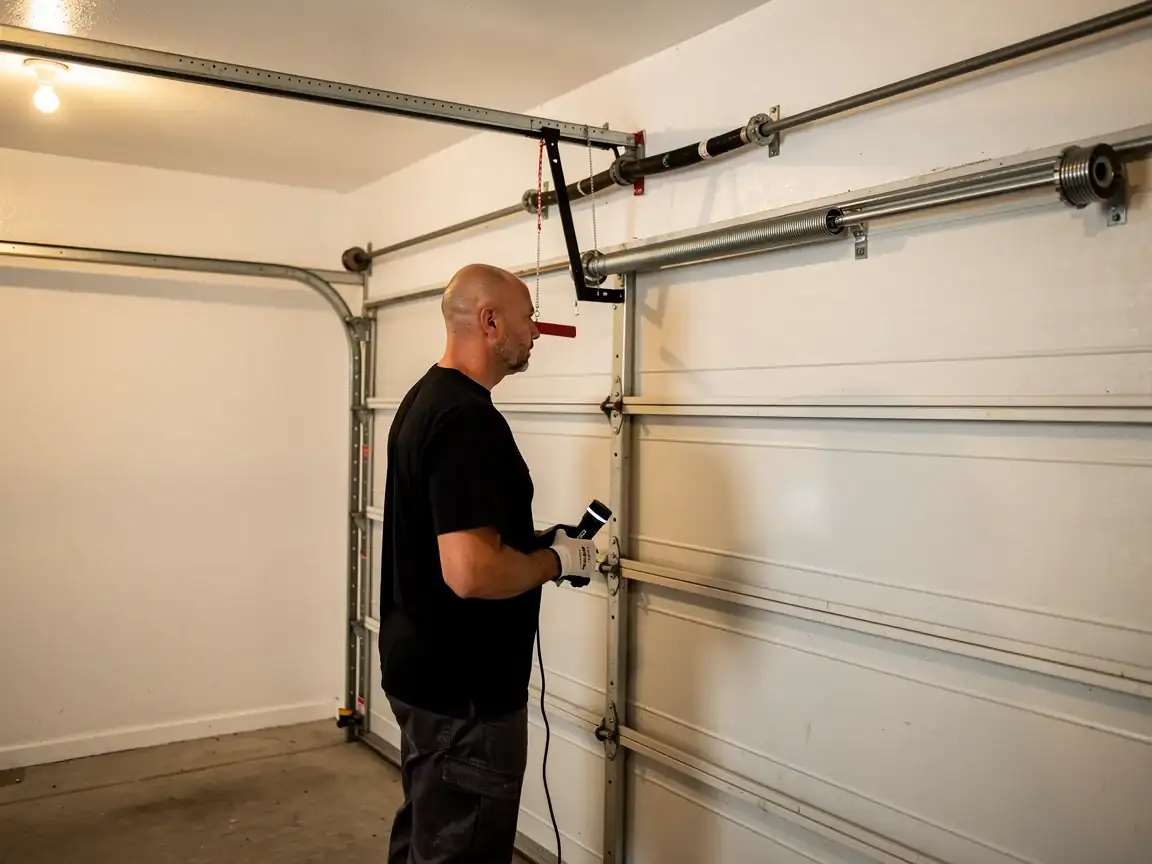
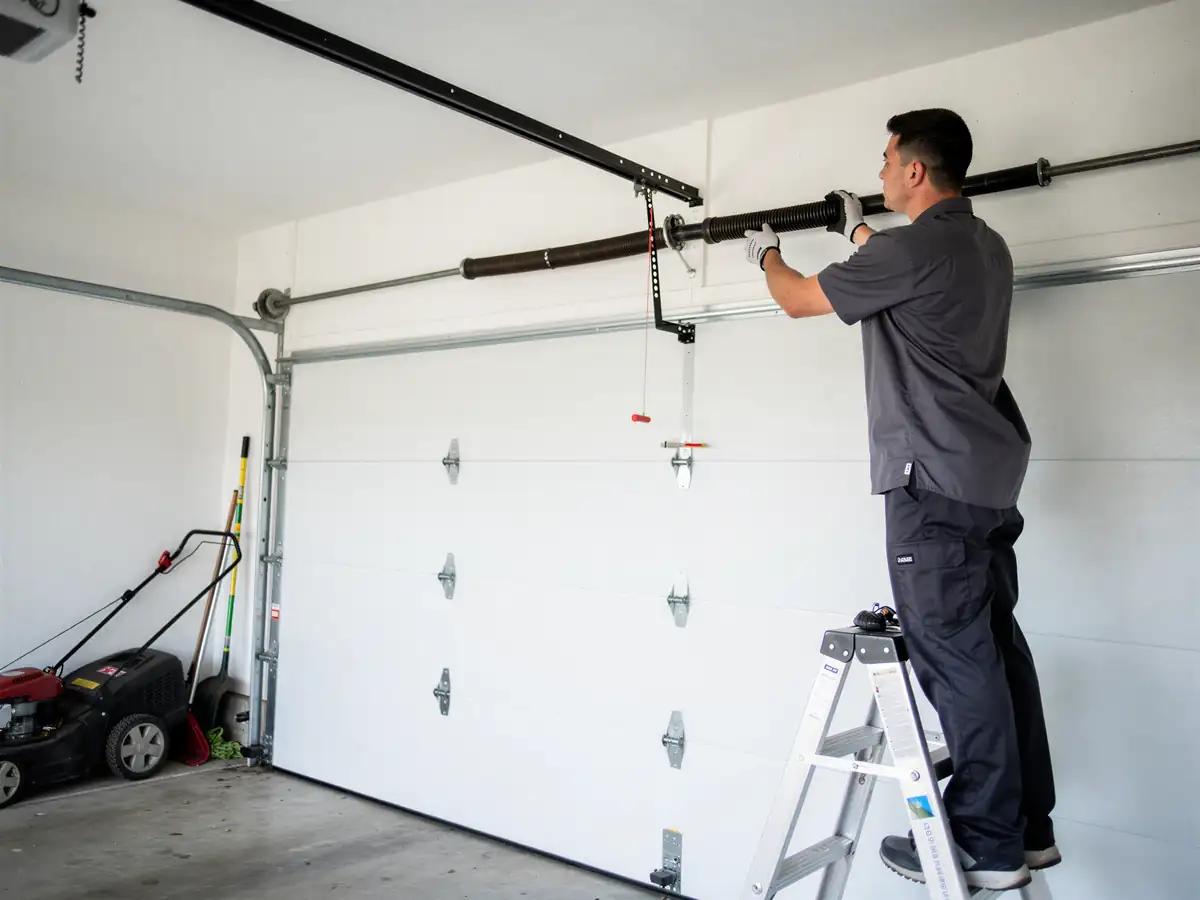
If your garage door in Casa de Oro-Mount Helix won't open and you're wondering whether to deal with it yourself: a torsion spring job on a door built in that 1969 era is not a weekend project. The springs are wound under enough tension to break a wrist or worse, and on a house this age, the drum and cable sizing may not match what's printed on a modern spring chart. Swap a bottom bracket with the door raised and unsupported, and that's a different kind of injury.
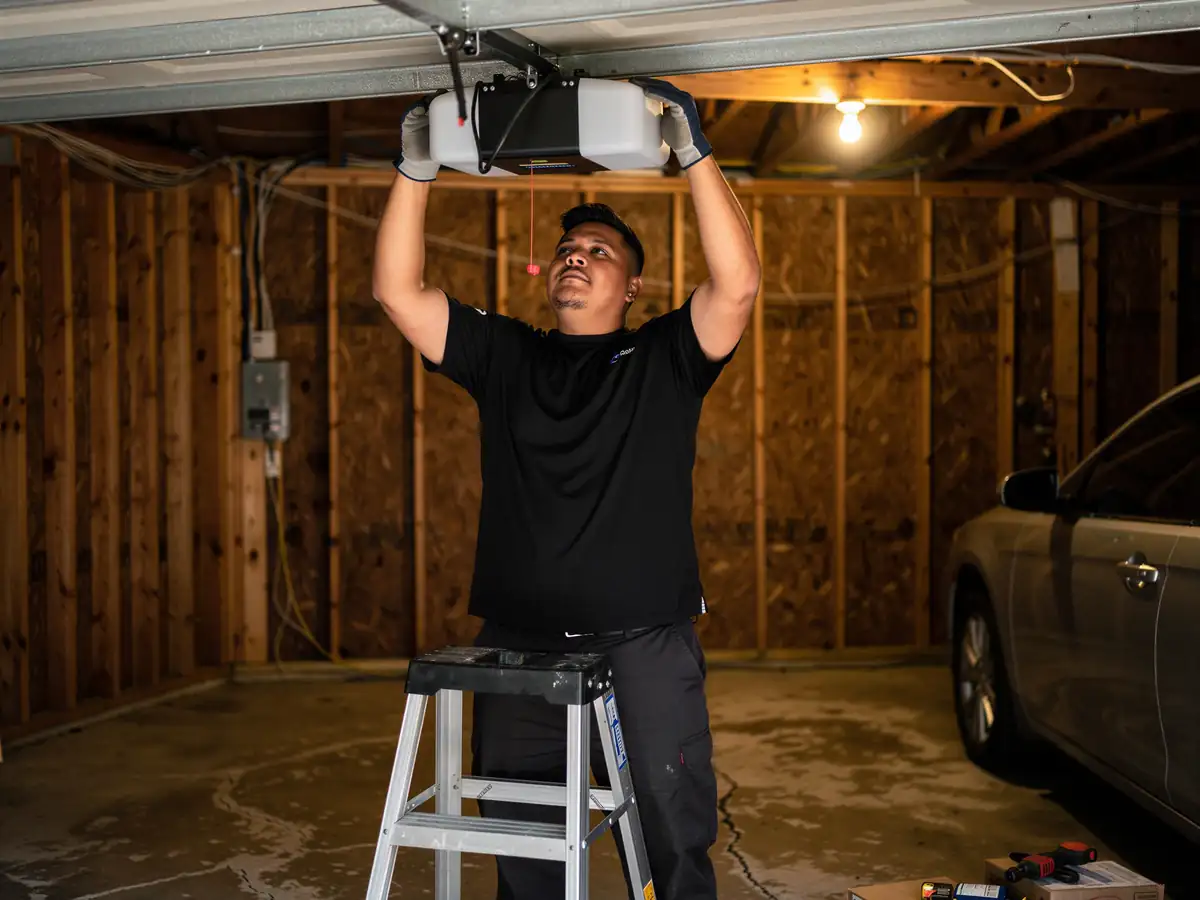
What you can safely check yourself: the photo-eye sensors near the floor for dirt or misalignment, whether the opener's unplugged or tripped a breaker, and whether the track has an obvious bend or obstruction. None of that requires touching a spring. If the door won't budge and you hear a loud bang before it stopped working, that's a broken spring - stop there and call rather than trying to force the door up by hand.
Where This Job Goes Sideways
The surprise on a lot of these calls isn't the spring
It's the opener bracket or the track mounting, because a door that's been running since around 1969 has usually had at least one opener swapped onto it without anyone checking whether the original header framing can still take the load. We've opened up jobs expecting a simple spring replacement and found the real issue was a sagging track bracket that's been pulling loose for years.
The other place it goes sideways
When a homeowner's had three different repair outfits touch the same door over the decades, the hardware stops being one consistent system. You get a 1970s torsion drum paired with a cable rated for a different door weight, held together by whatever bracket fit at the time. Sorting that out sometimes costs more in diagnosis time than the part itself. Our honest limit here: if a door's hardware is that mismatched and the frame's pulling away from the opening, replacement is usually the better money than another round of patch repairs.