Booking a Visit
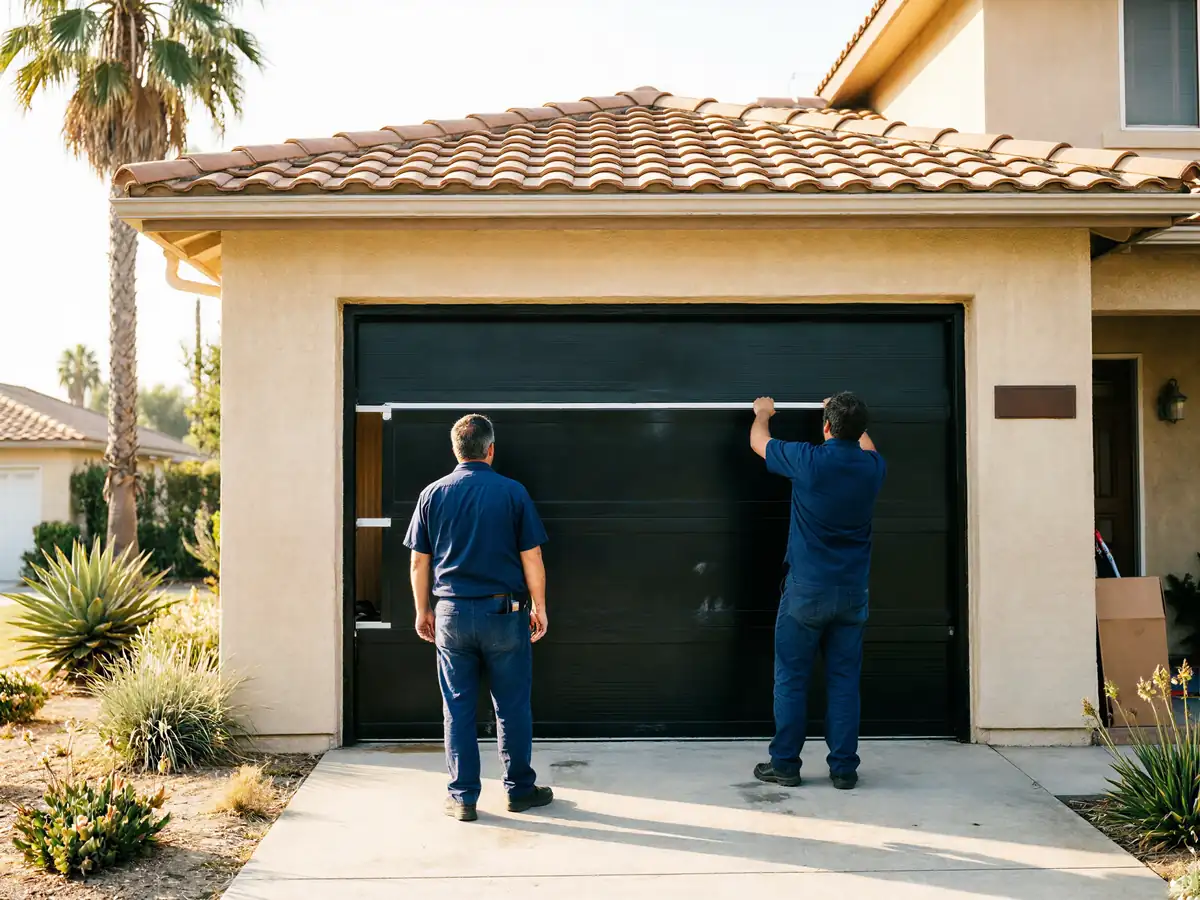
We work out of Spring Valley, about two miles from Casa de Oro-Mount Helix
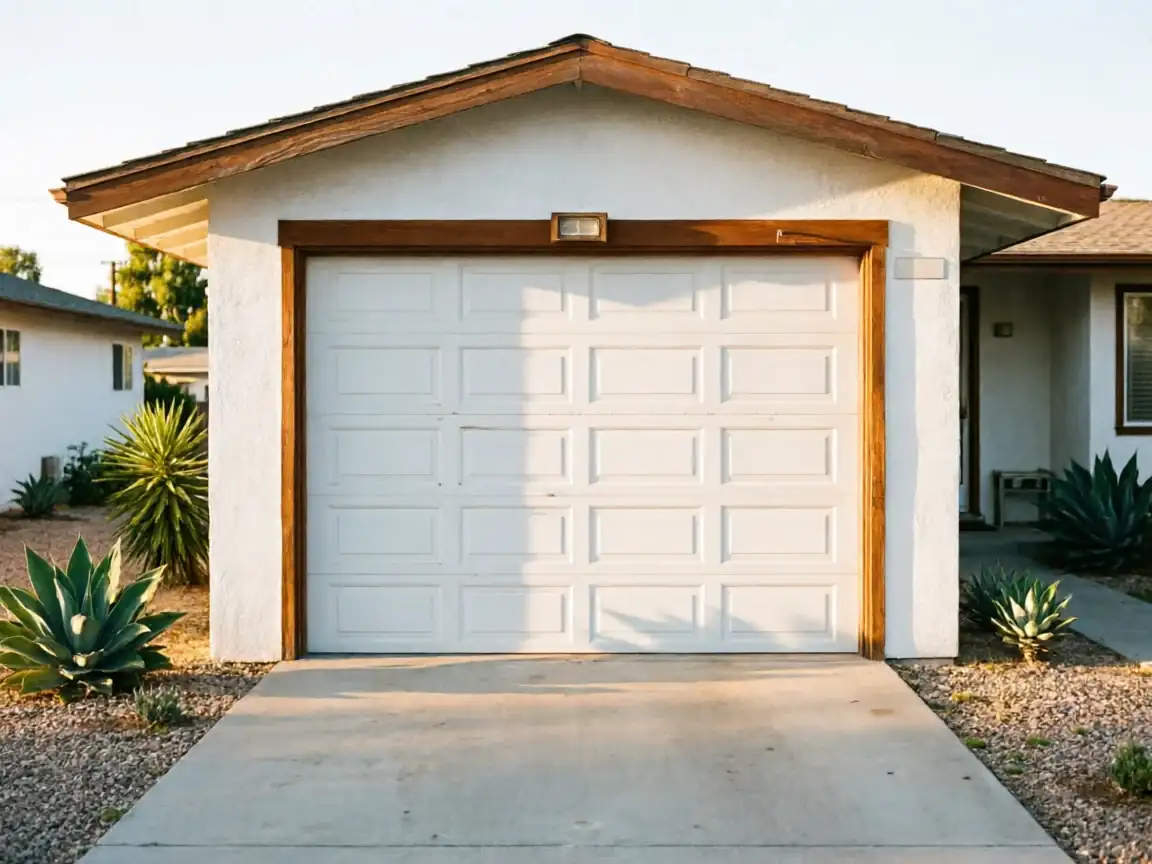
So getting a truck to your driveway isn't the hard part. The hard part is usually the door itself. Most of what we see here traces back to a house built around 1969, which puts it right in the middle of the 1967-1988 stretch that makes up most of this region's housing stock. That means original garage hardware is common, and original hardware is old hardware.
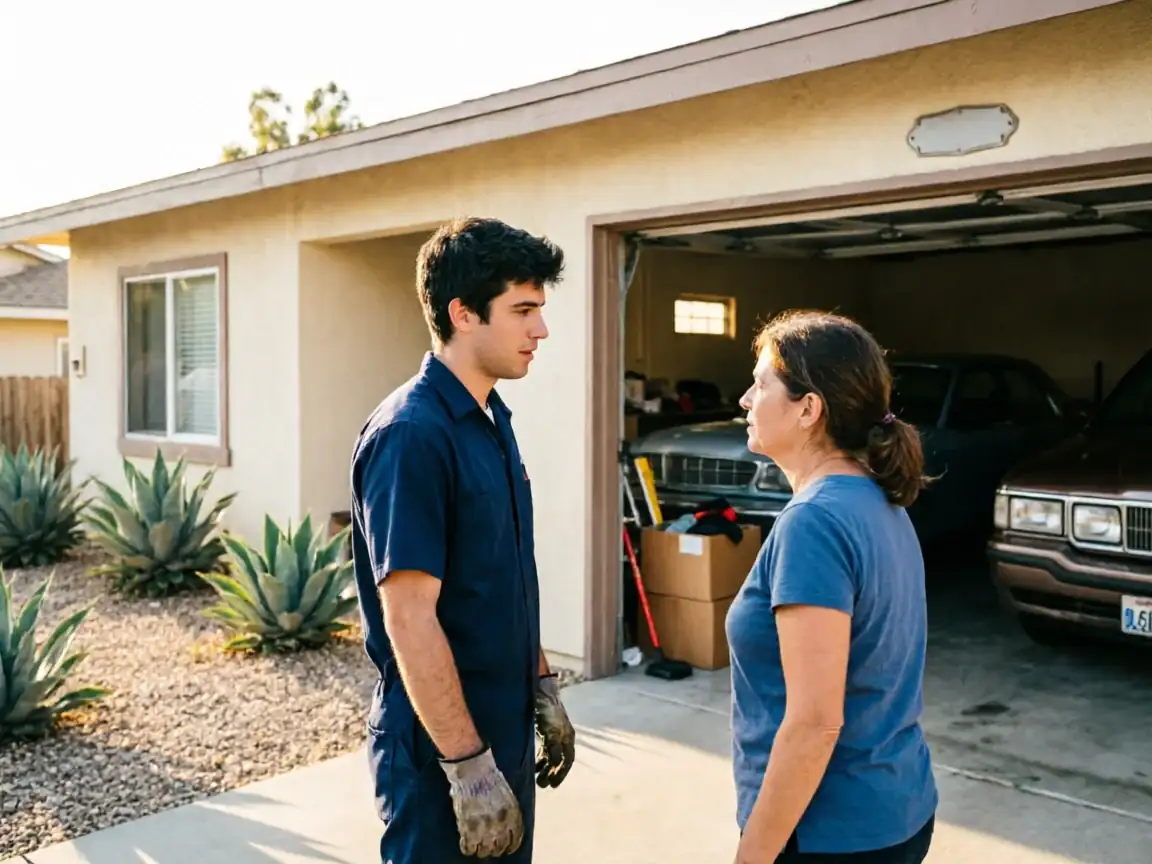
When you call, tell us the rough age of the house if you know it
And whether the door is a single or double. That one detail changes what's likely wrong before we even look at the spring. A double door from the late 60s carries different torsion spring sizing than anything built after the 1990s, and showing up with the wrong spring on the truck means a second trip nobody wants. We'd rather ask the question on the phone than guess in your driveway.
We don't keep a branch in Casa de Oro-Mount Helix itself
Every job here is a dispatch from Spring Valley, which is close enough that it doesn't change scheduling, but it does mean we're not the guys who happen to be driving by. Plan on a call ahead, not a walk-up.
Parts We Carry
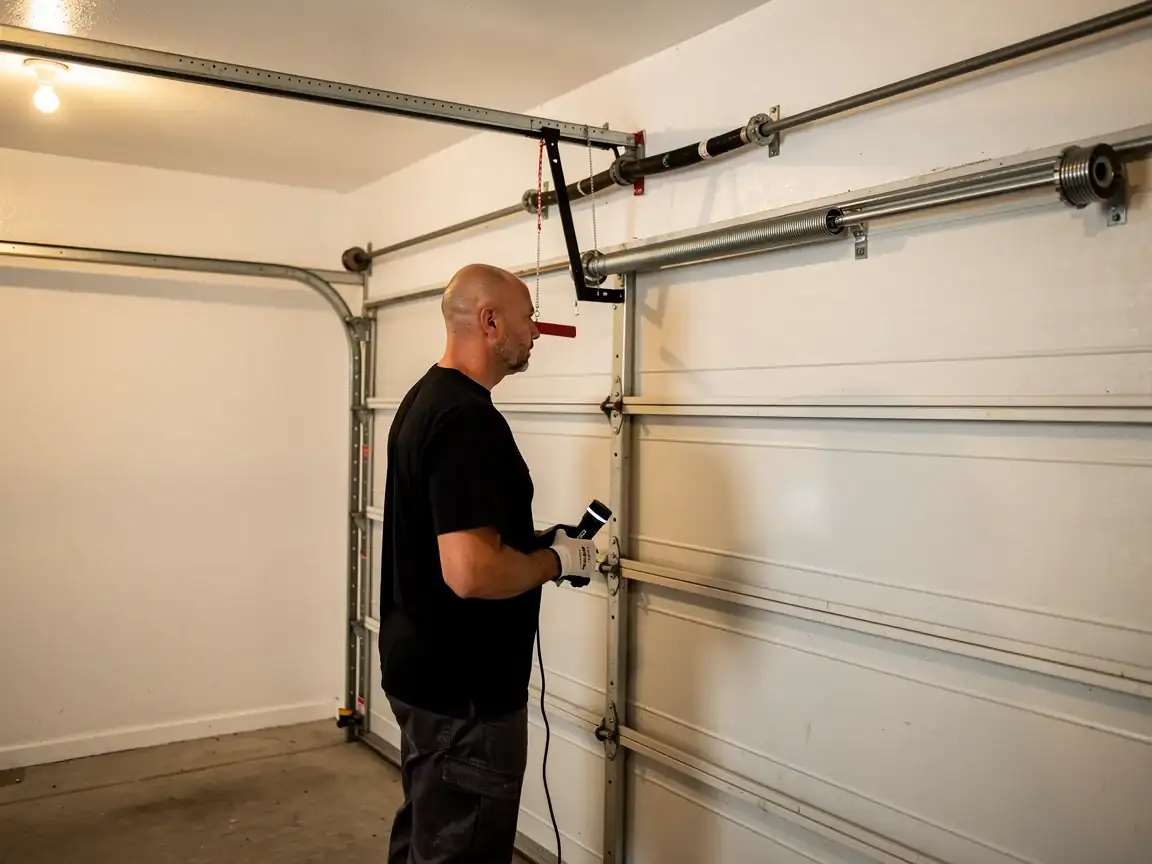
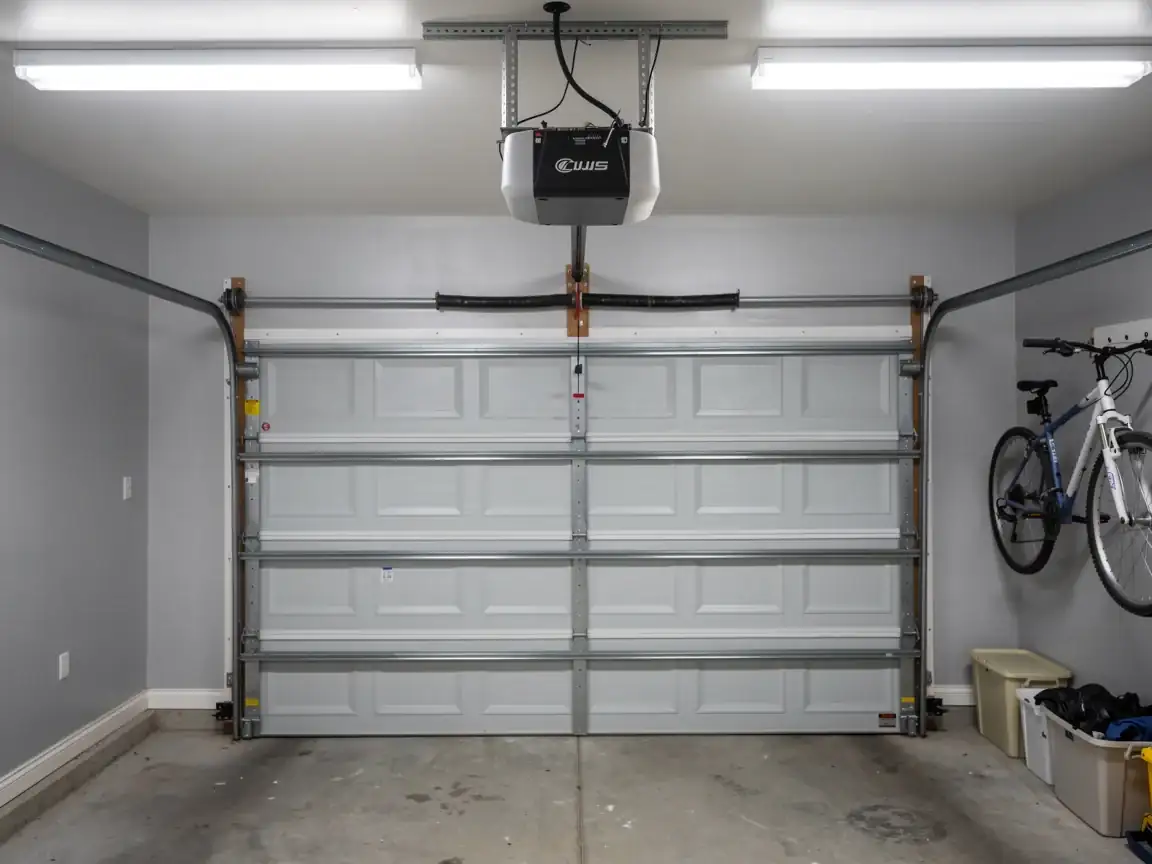
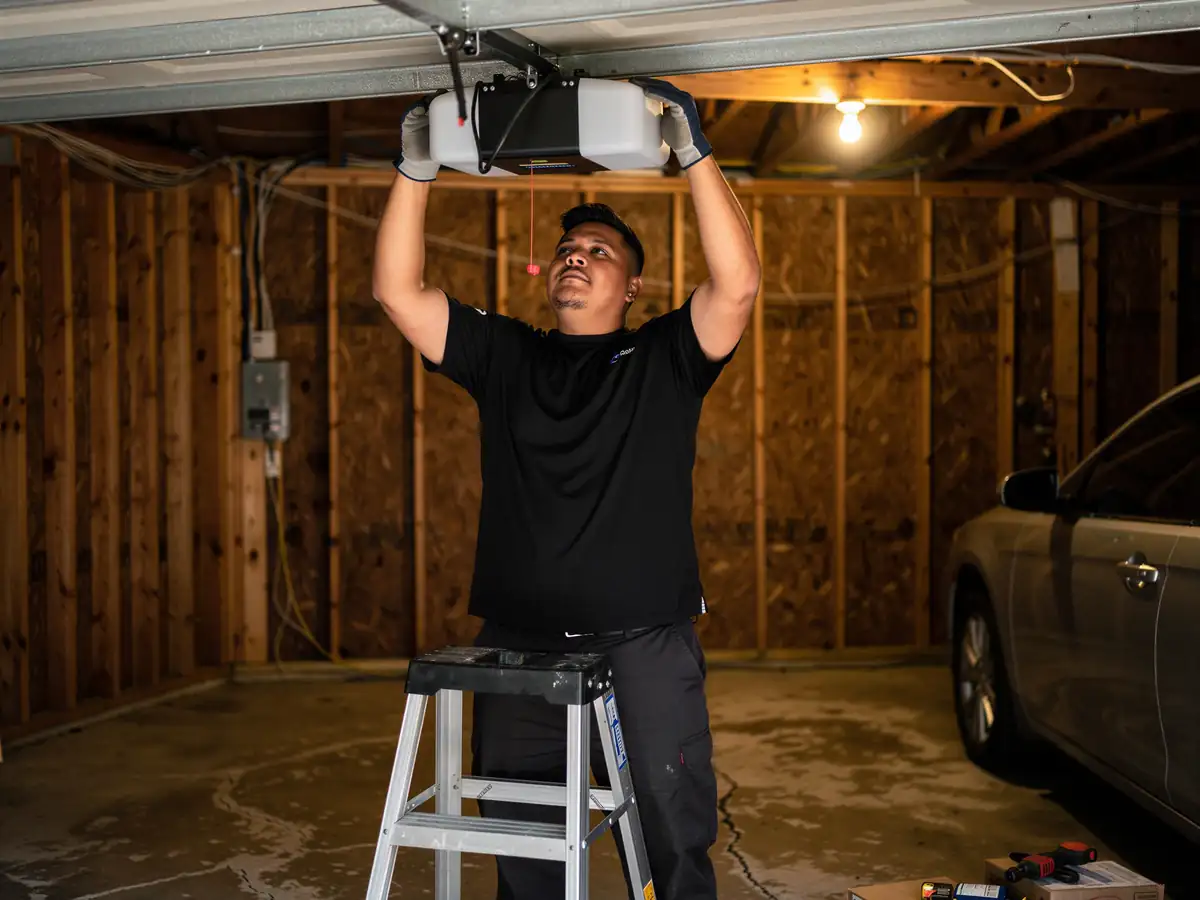
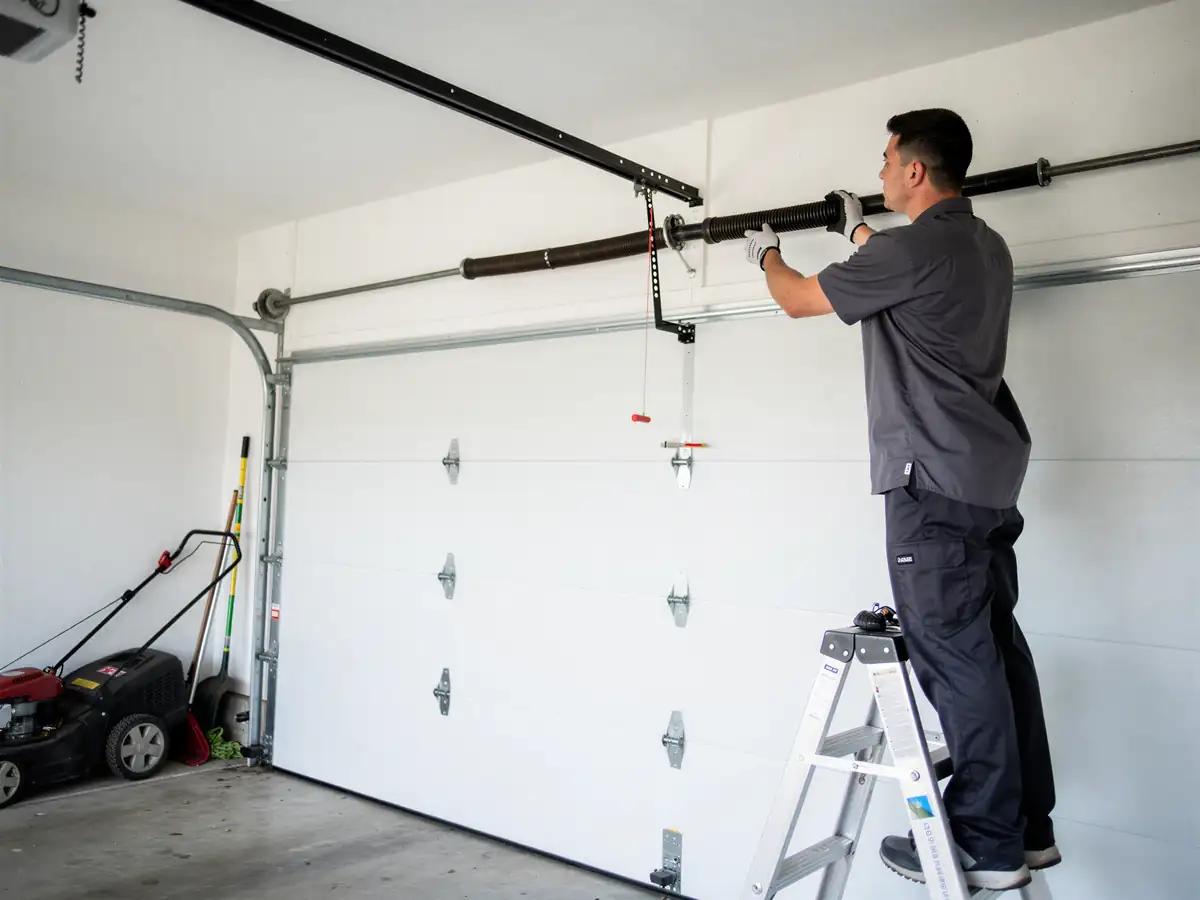
On a 1969 build, the part that fails first is almost always the torsion spring, and on houses from this era it's frequently sized for a heavier, older-style door than what's hanging on the track now if a previous owner swapped the door but not the spring. We stock standard torsion springs sized for that mismatch because we see it often enough in this age bracket to plan for it, not because every job needs one.
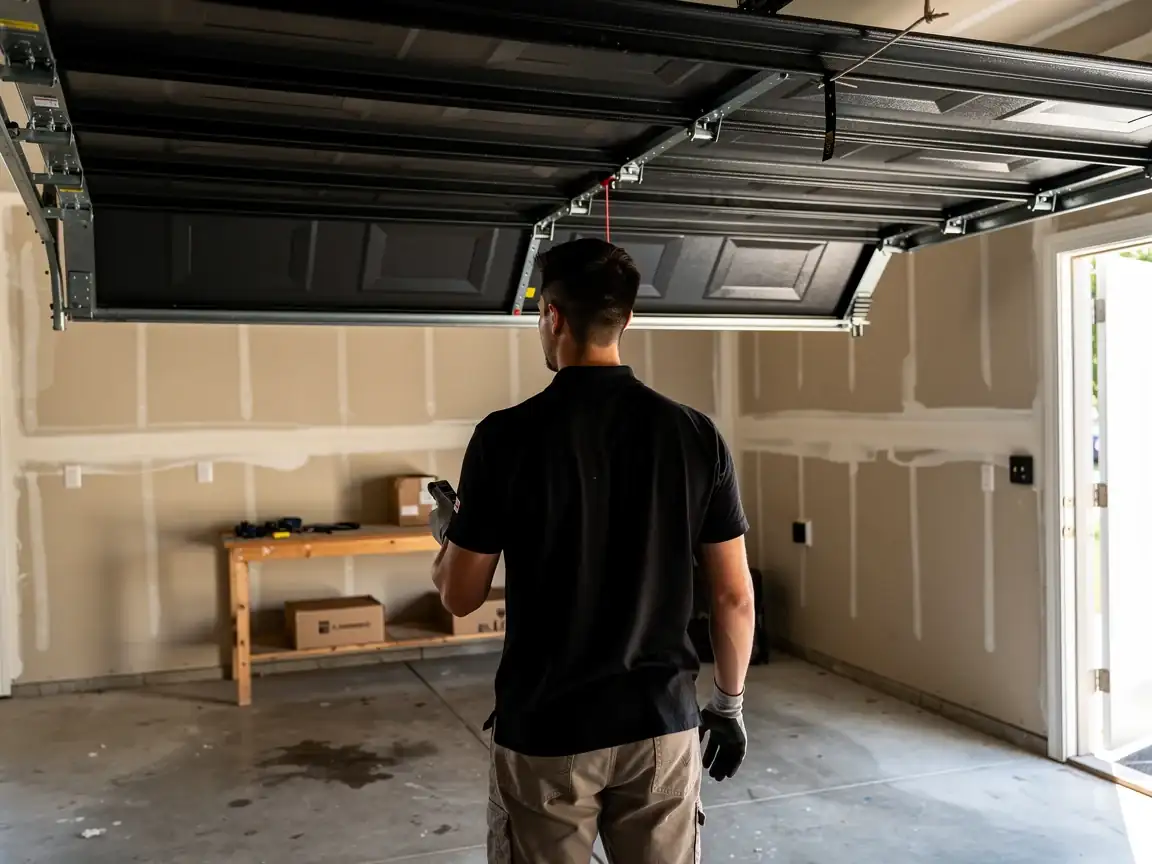
Rollers are the other predictable failure. Steel rollers from a 1960s-70s install have usually been re-greased a dozen times by a dozen different people, and the stems wear oval instead of round. We carry nylon replacements on the truck for exactly this swap.
What we don't carry on the truck is anything custom-width or an opener model that's been out of production for years. If your door is a nonstandard size, which shows up occasionally on the older end of this build range, that part gets ordered and the job becomes two visits instead of one. We'll tell you that on-site before we start, not after.
The DIY Question
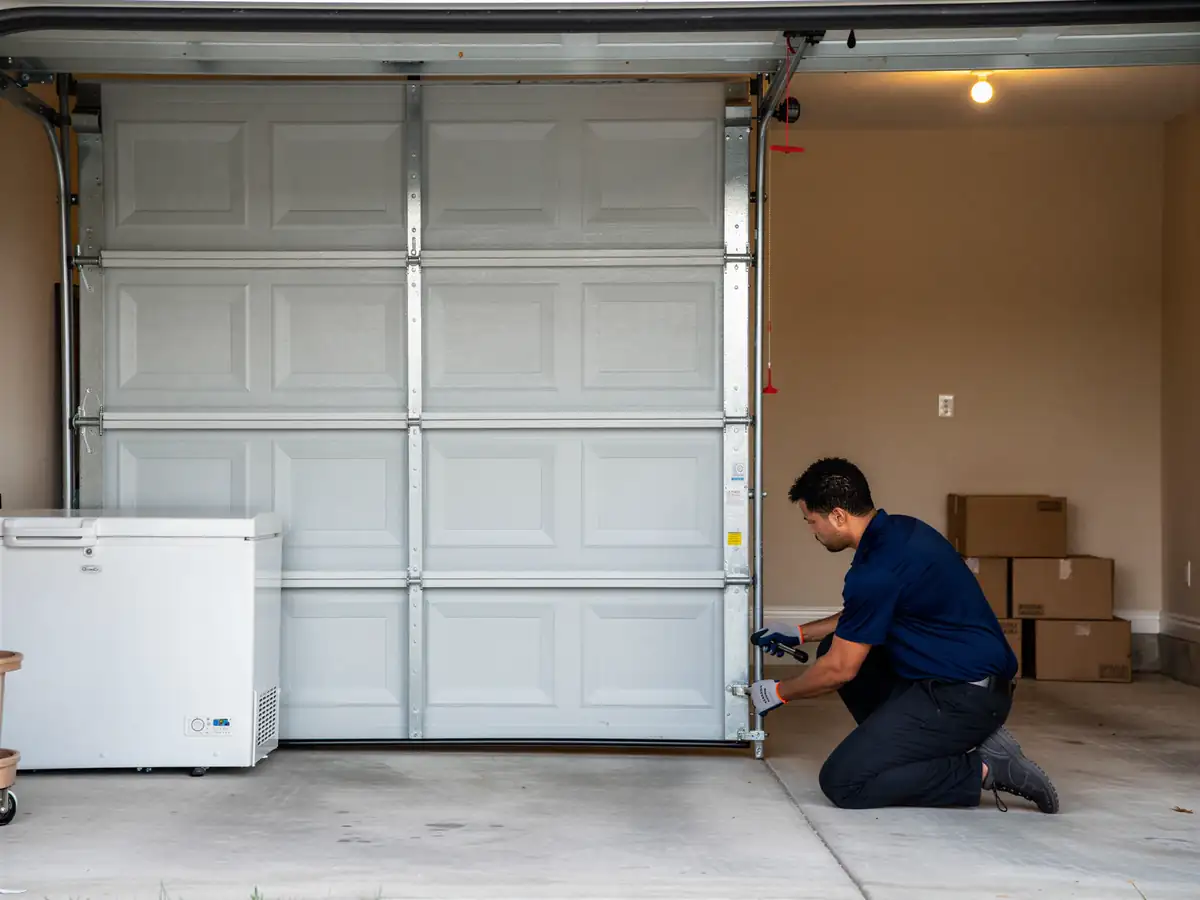
A torsion spring under tension can put a grown man in the hospital, and that doesn't change no matter how old your house is. That part of the advice is the same everywhere. Where it gets specific to a place like this is the hardware itself: a door original to a 1969 house often runs on a spring size and a drum configuration that isn't what the big-box hardware kit at the hardware store is built for. Buy the wrong kit for that setup and you've either got a door that won't balance or a spring that's one cycle from snapping.
Rollers, weatherstripping, and tightening loose hardware are reasonable owner jobs on any door, any age. Springs, cables, and anything involving the torsion bar are not, and that's truer here than on a newer build because the parts aren't standardized the way current stock is.
Where This Job Goes Sideways
The job goes sideways when someone replaces a part without checking what it's bolted to
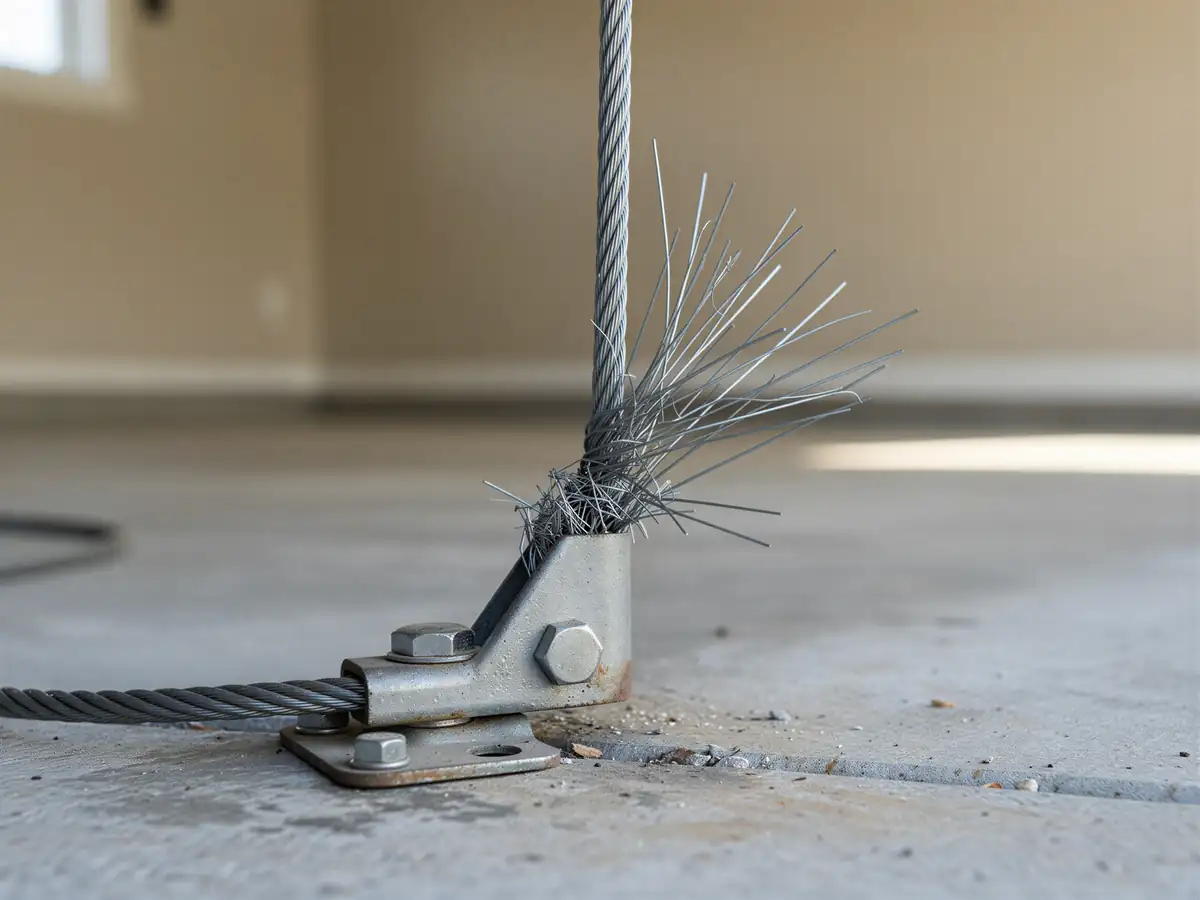
On a house from the late 60s, we've opened up jobs where the track was shimmed, the spring was a mismatched replacement from years back, and the opener had been bolted straight to original hardware never rated for it. Any one of those alone is fine. Stacked together, fixing the obvious problem - a broken cable, say - doesn't fix the door, because the real issue is three small compromises built on top of each other over fifty-plus years.
We also run into this: sometimes the honest answer is that the door isn't worth saving
If the track is bent, the panels are original steel rusted through at the bottom, and the opener is original too, patching one part just delays the next call. We'll say so instead of selling a repair that buys you six months.