Garage Door Panel Replacement, Casa de Oro-Mount Helix
Panel replacement for Casa de Oro-Mount Helix homes built around 1969, served from 2 miles away in Spring Valley. Matched panels for aluminum and steel doors from that era.
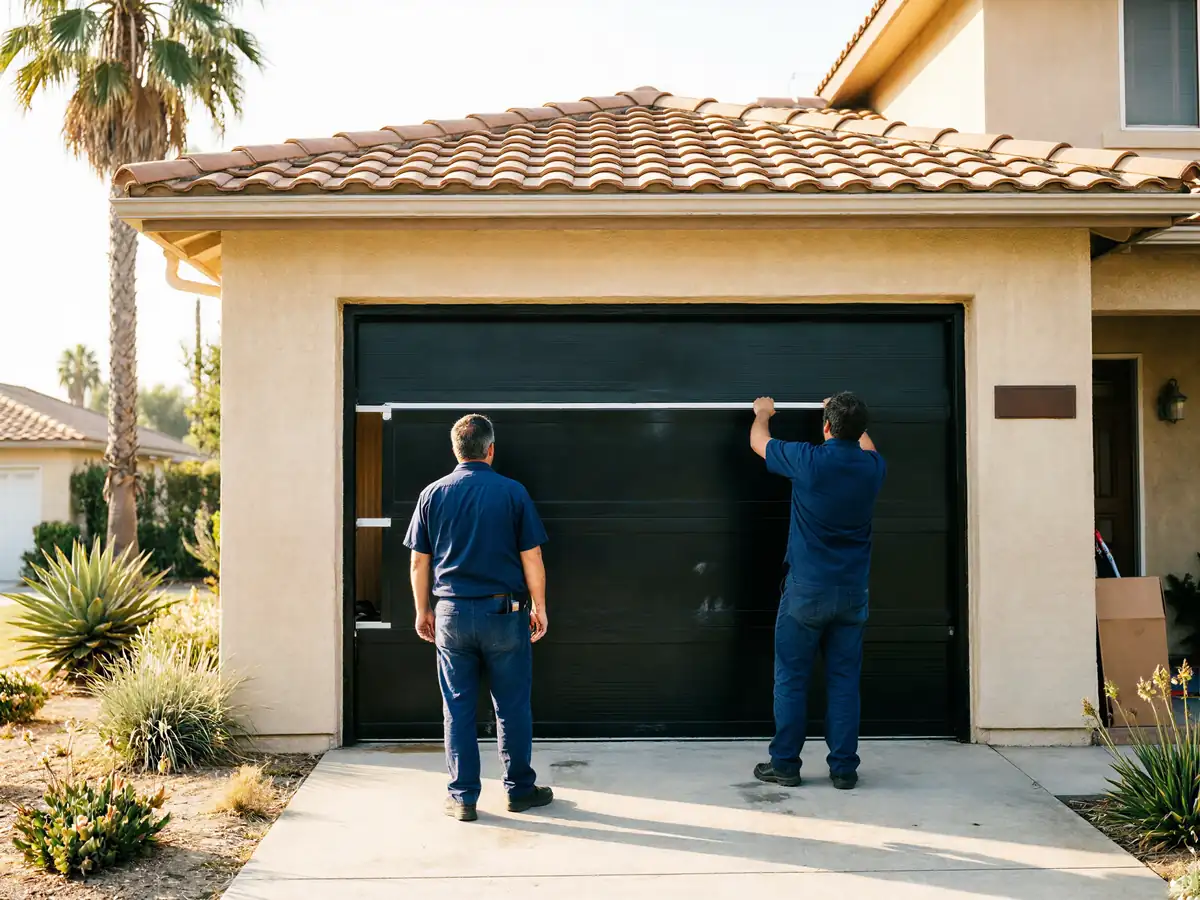
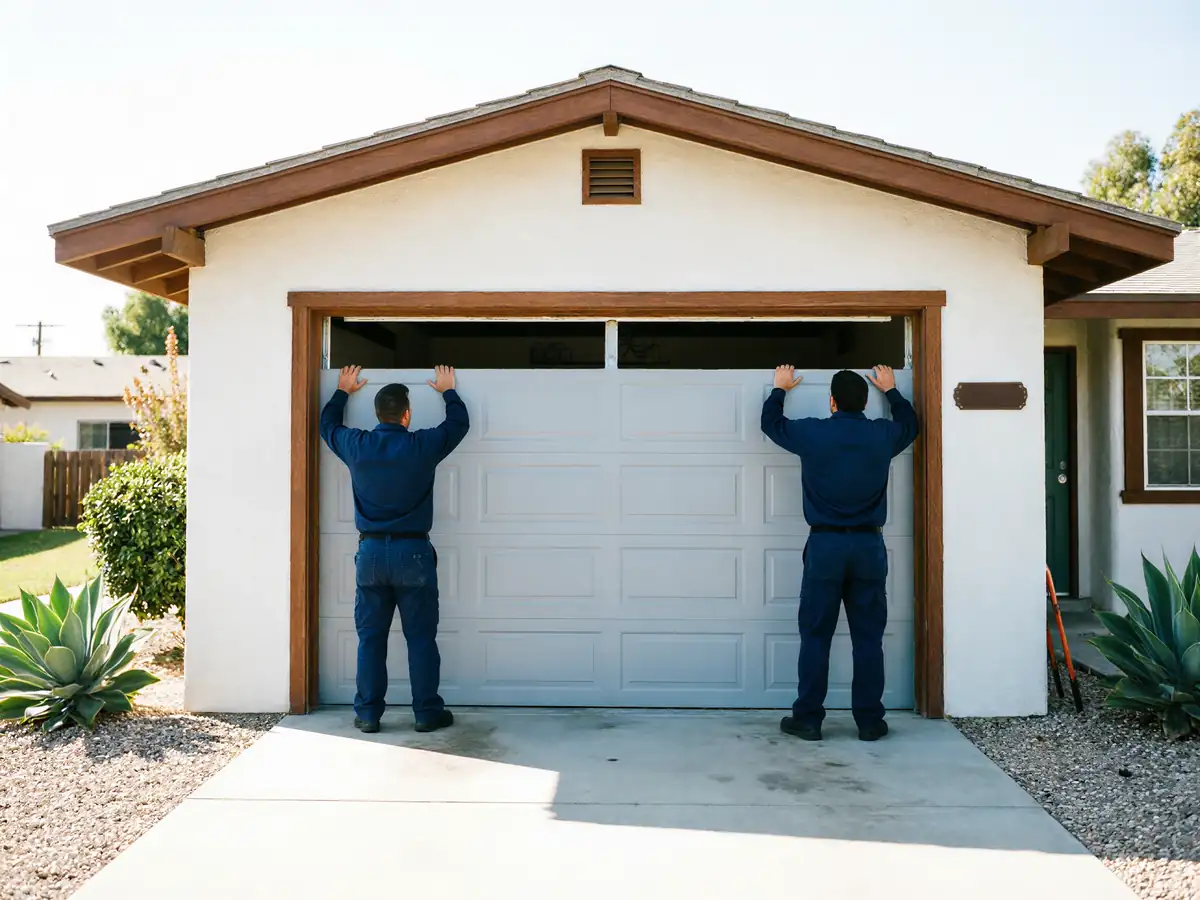
Casa de Oro-Mount Helix runs about 6,980 households, which is a smaller pocket than some of the areas we cover, and that matters for panel work. It means fewer doors in rotation, but it also means the doors that are out there tend to be original or close to it, since the area didn't see the teardown-and-rebuild waves that hit some of the bigger tracts nearby. We drive out from Spring Valley, about 2 miles off, so there's no local branch or drop box here - just a truck that comes when you call. When you book, tell us the brand stamped on the end stile if you can find it, and whether one panel is bent or the whole bottom section is caved in. That changes what we load before we leave the shop, and it saves a second trip. We don't keep a Casa de Oro-specific stock; we carry what fits the housing stock here, which skews older than some of the newer construction closer to the coast.r Most jobs here are single-panel repairs after a car backs into a door, not full replacements, and we'll tell you on the phone which one yours sounds like before we quote anything.r
Parts We Carry
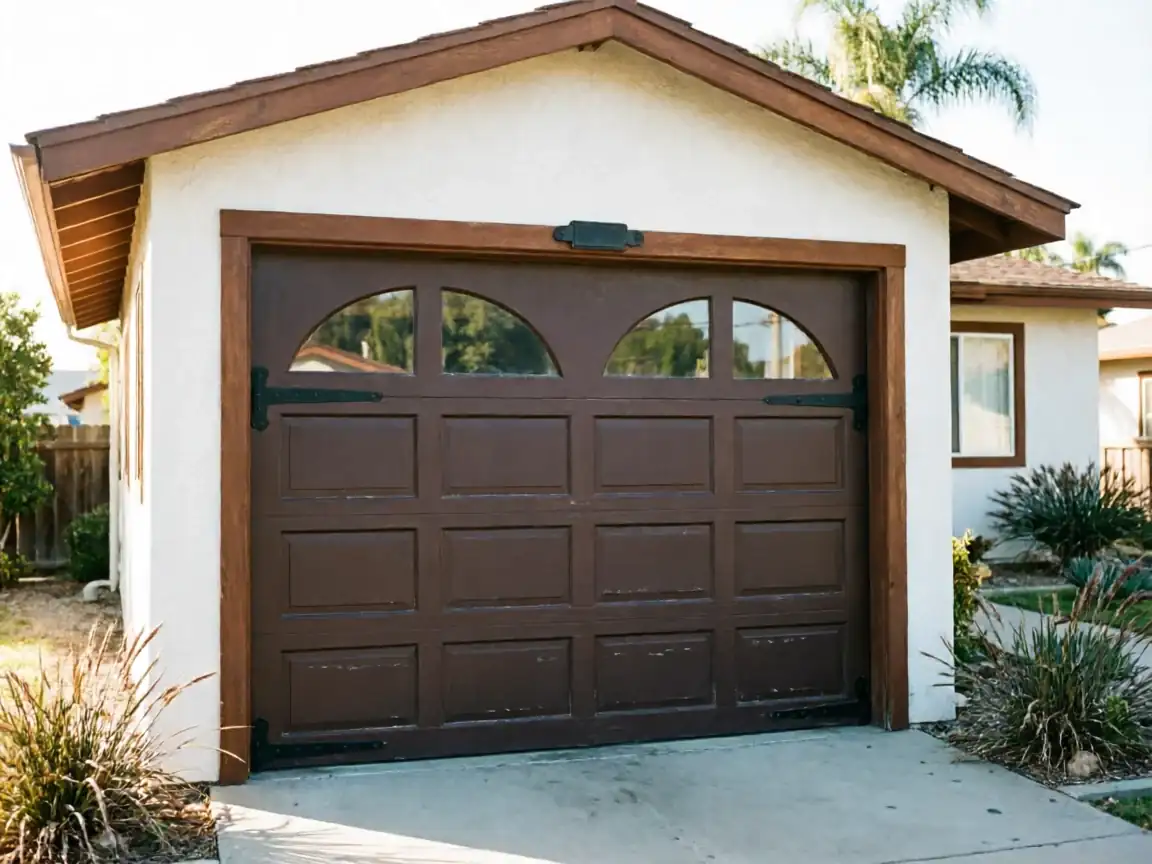
With median year built around 1969, a lot of garage doors in this pocket are steel sectional doors from the 1970s or earlier replacements that matched the original rail spacing, not the wider track spacing you see on doors built after 2000. That matters because a panel that bolts up fine on a newer door won't always align on a 1969-era track without an adapter or a full hardware swap. We stock common panel widths for sectional steel and aluminum doors from that build era, plus the fasteners and end hinges that tend to have rusted or stripped by now given the age of the stock. What we don't carry on the truck is anything custom-milled - if your door is a wood panel original to the house, that's a special-order part, and we'll tell you the lead time before you commit rather than have you wait and wonder. The mild coastal-influenced climate here has been kind to these doors compared to places with real freeze-thaw cycles, so corrosion is usually cosmetic rust, not structural failure, which keeps a lot of panel jobs in the repair column instead of the replace column.
The DIY Question
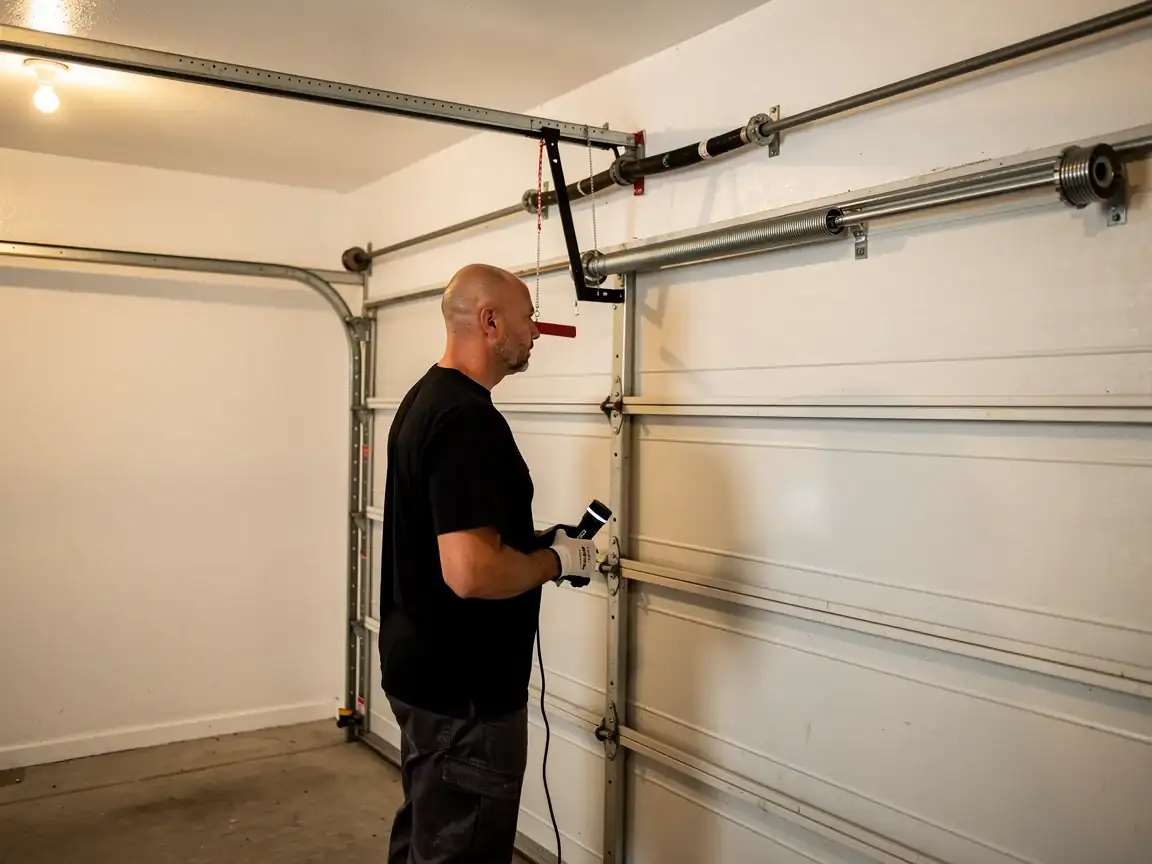
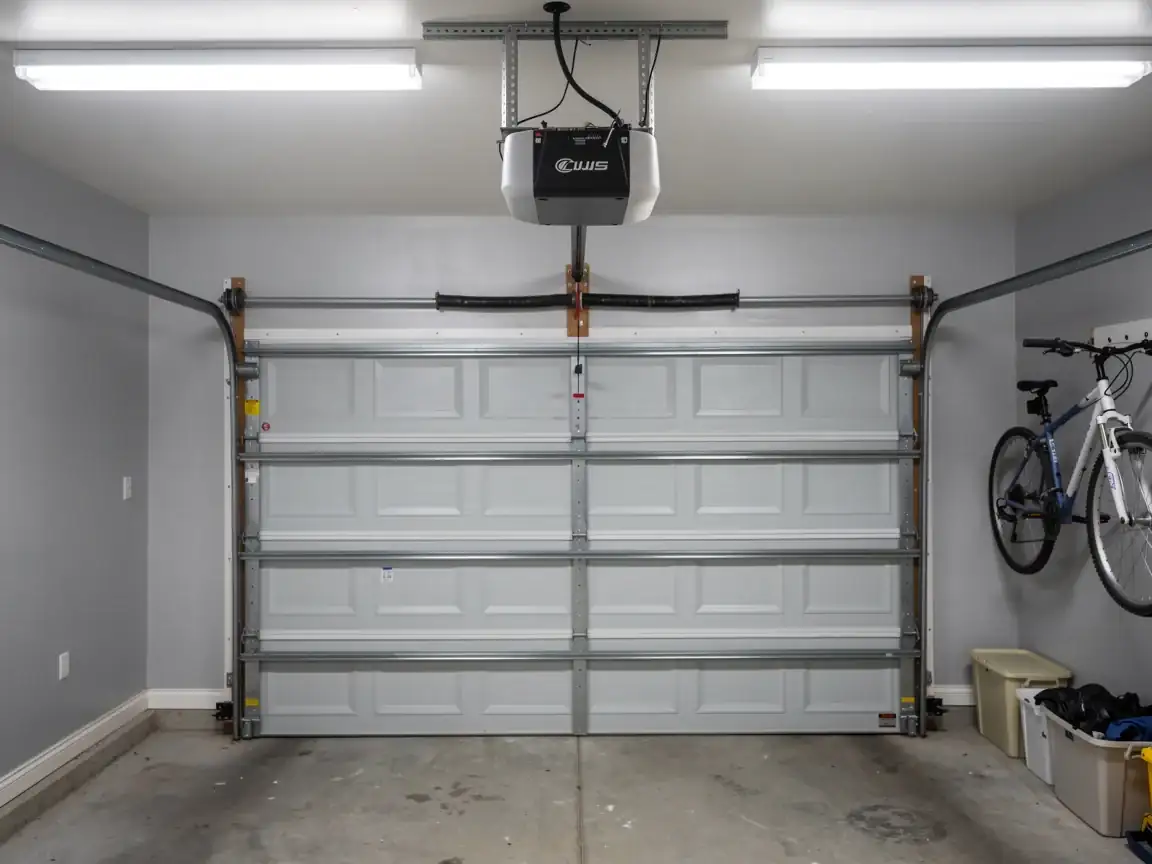
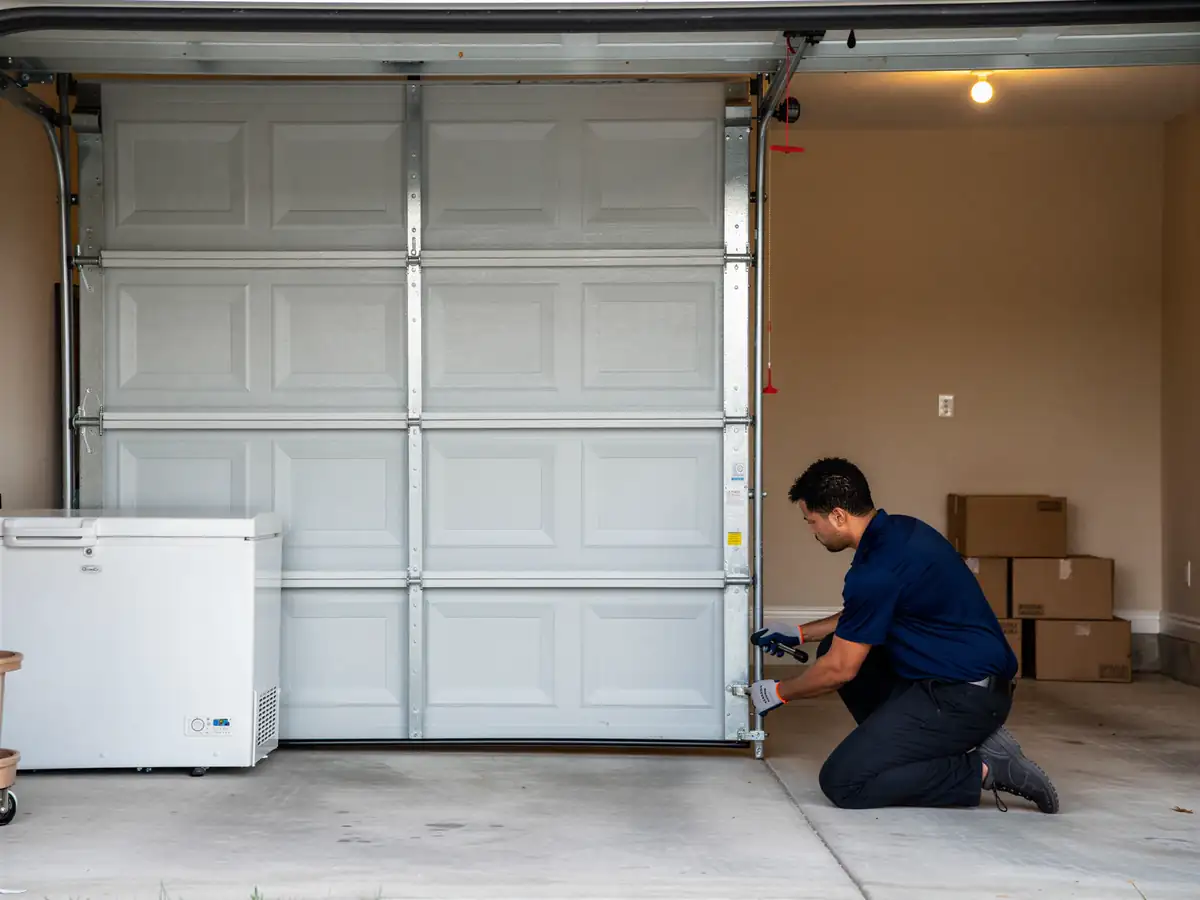
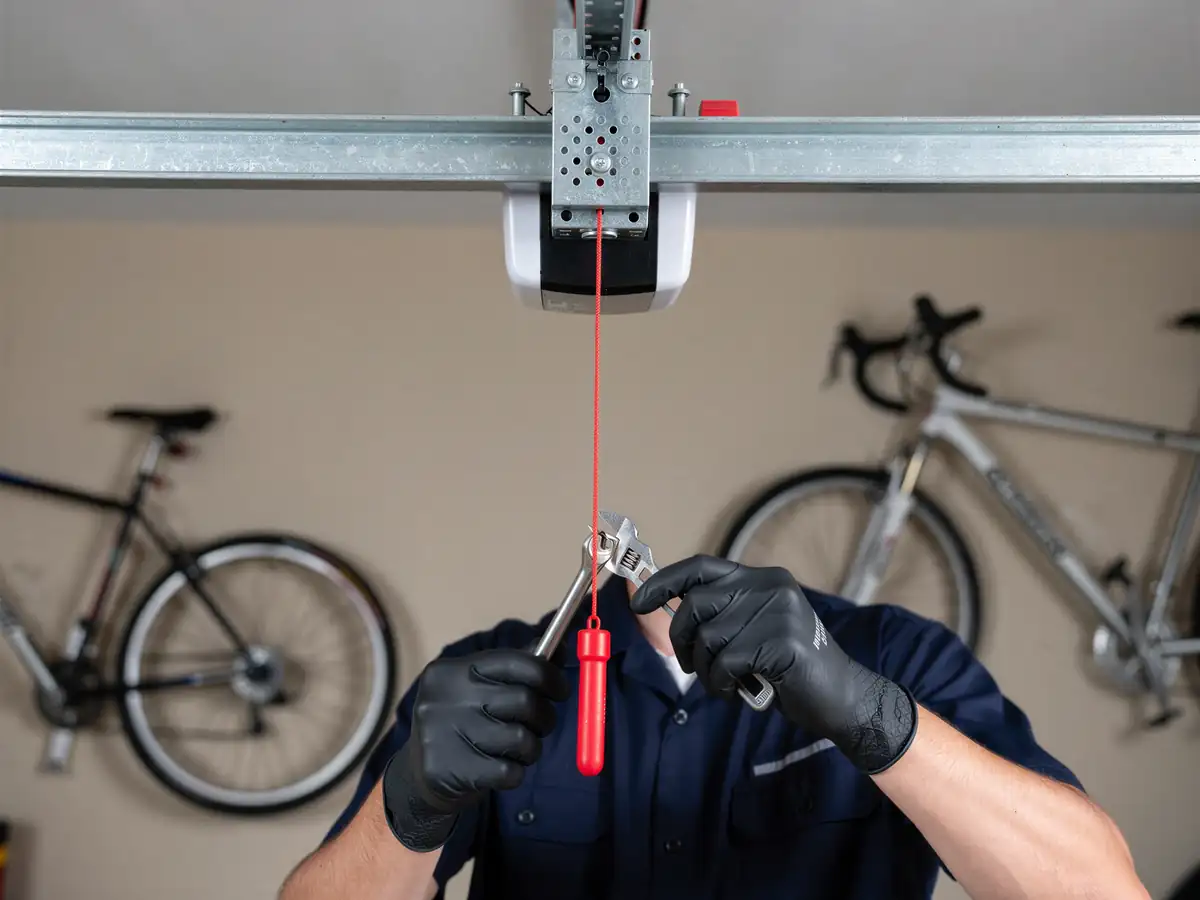
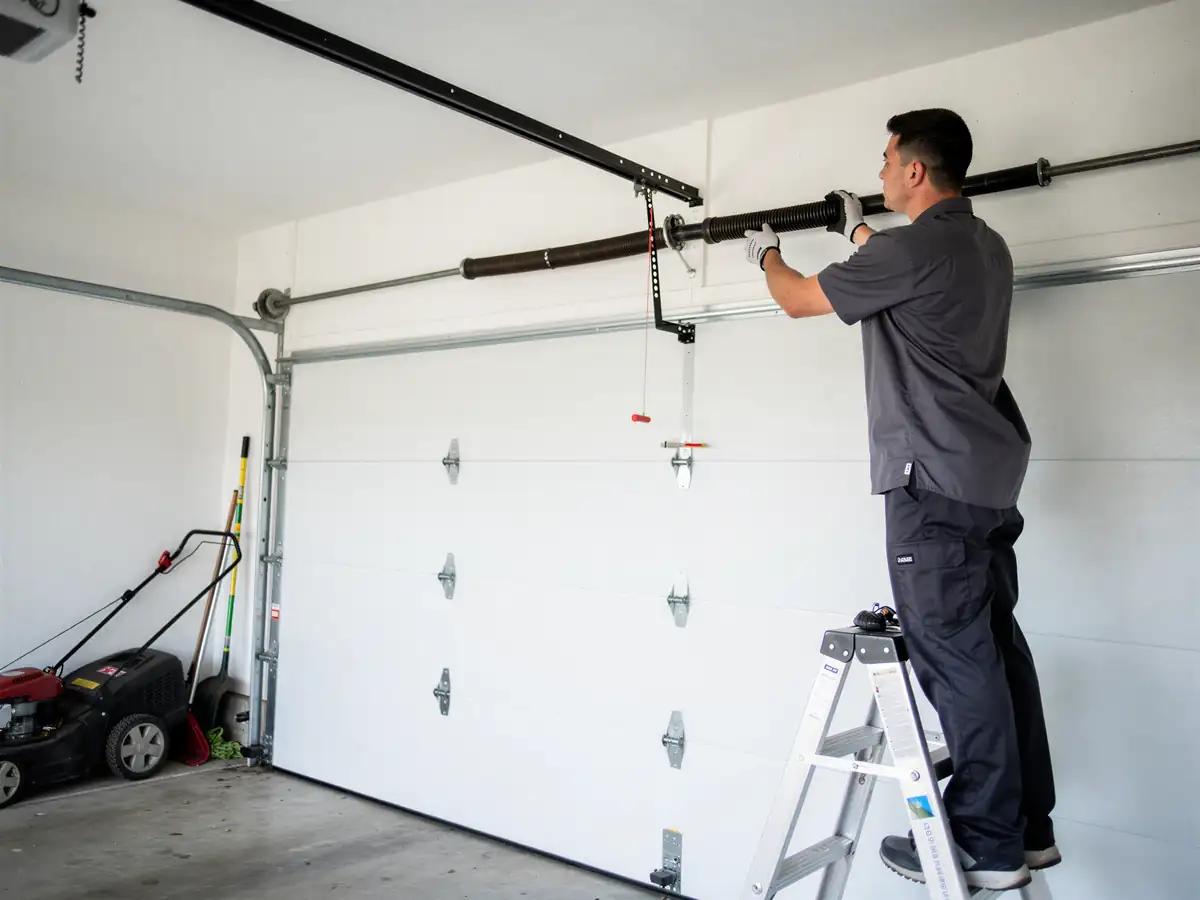
A single bent panel on a sectional door is a two-bolt, four-bolt job depending on the door, and some homeowners do tackle it themselves. If your door dates to around 1969 like much of this area's stock, the risk isn't the panel - it's the spring behind it. Older torsion setups in this vintage of house sometimes use hardware that's been re-tensioned more than once over the decades, and cracking that open without knowing its history is how people get hurt. If you're swapping a panel on a door with the opener disconnected and the door propped open, go for it. If the door won't stay up on its own once you unbolt a section, stop and call, because that's the spring doing more work than you think.
Where This Job Goes Sideways
The panel job turns into a bigger job when the track underneath is bent, not just the panel. On a 1969-era door, tracks were often set to narrower tolerances than current doors, and a hard impact that dents a panel usually tweaks the track right behind it. We've opened up more than one "just replace the panel" call in this area and found the roller path pinched enough that a new panel would bind within a week. The other place it goes sideways: matching paint and finish. A steel door built in the late 1960s or 1970s often used a powder coat or baked enamel that current manufacturers don't replicate exactly, so a replacement panel next to 50-year-old panels can show a visible color seam even when the metal gauge matches fine. We'll point that out before you pay for the part, not after it's on the door. For current pricing and scheduling, see our panel replacement page for Spring Valley or the coverage page for this area.
How it works
From “it’s stuck” to “it’s fixed”
1
Tell us what’s wrong
Describe the symptom - won’t open, loud bang, opener runs but the door won’t move.
2
On-site diagnosis
A technician tests the door under power and by hand and finds what actually failed.
3
Clear, up-front plan
You get the fix that’s needed and what drives the cost - before any work starts.
4
Repaired & tested
The repair is done, the door is set true and tested, and the work area left clean.
Not sure which repair your door needs in Spring Valley, CA? Describe what it’s doing - every job starts with a diagnosis.
No. We're based in Spring Valley, about 2 miles away, and drive out for every job. There's no local office or parts counter here, just a truck that comes when you call, loaded with what fits the housing stock in this area.
Will a new panel match my old door?
The steel gauge usually matches fine. The finish is the risk - doors built around 1969 often used a baked enamel or powder coat that current manufacturers don't replicate exactly, so a single new panel can show a slight color difference next to 50-year-old panels. We'll flag that before you buy the part.
Is a bent panel ever actually a track problem?
Often, yes. On older doors with narrower track tolerances, an impact hard enough to dent a panel usually tweaks the roller path right behind it too. If we find that, we'll tell you before swapping just the panel, since a new panel on a bent track can bind within days.
Ready to get your garage door sorted?
Tell us what it’s doing and where you are in Spring Valley - we’ll take it from there.