Booking a Visit
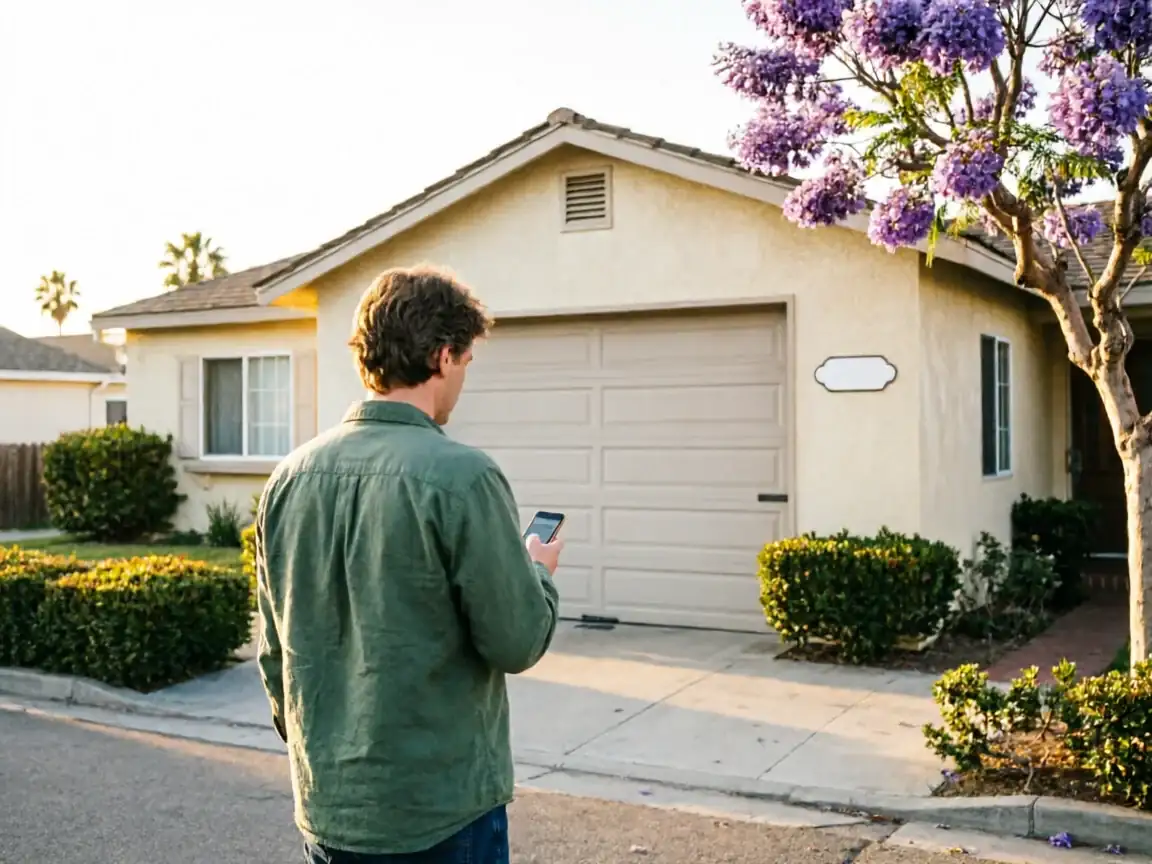
We run this job out of Spring Valley, about 2 miles from Casa de Oro-Mount Helix
So there's no separate branch here and we're not going to pretend there is. What that means in practice: you call, we figure out what opener is already on your door (or what's missing, if it's still manual), and we schedule a truck to come the 2 miles over.
- 2 miles
Most homes in this pocket went up around 1969
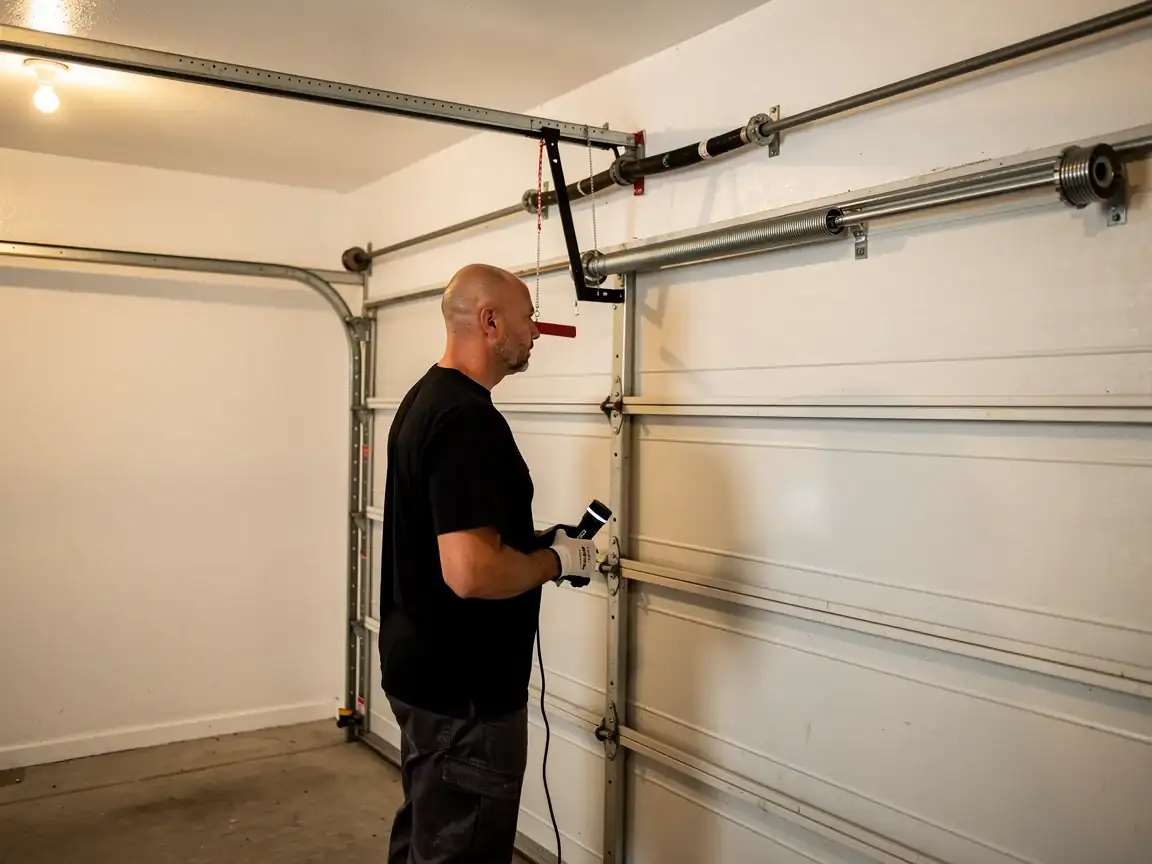
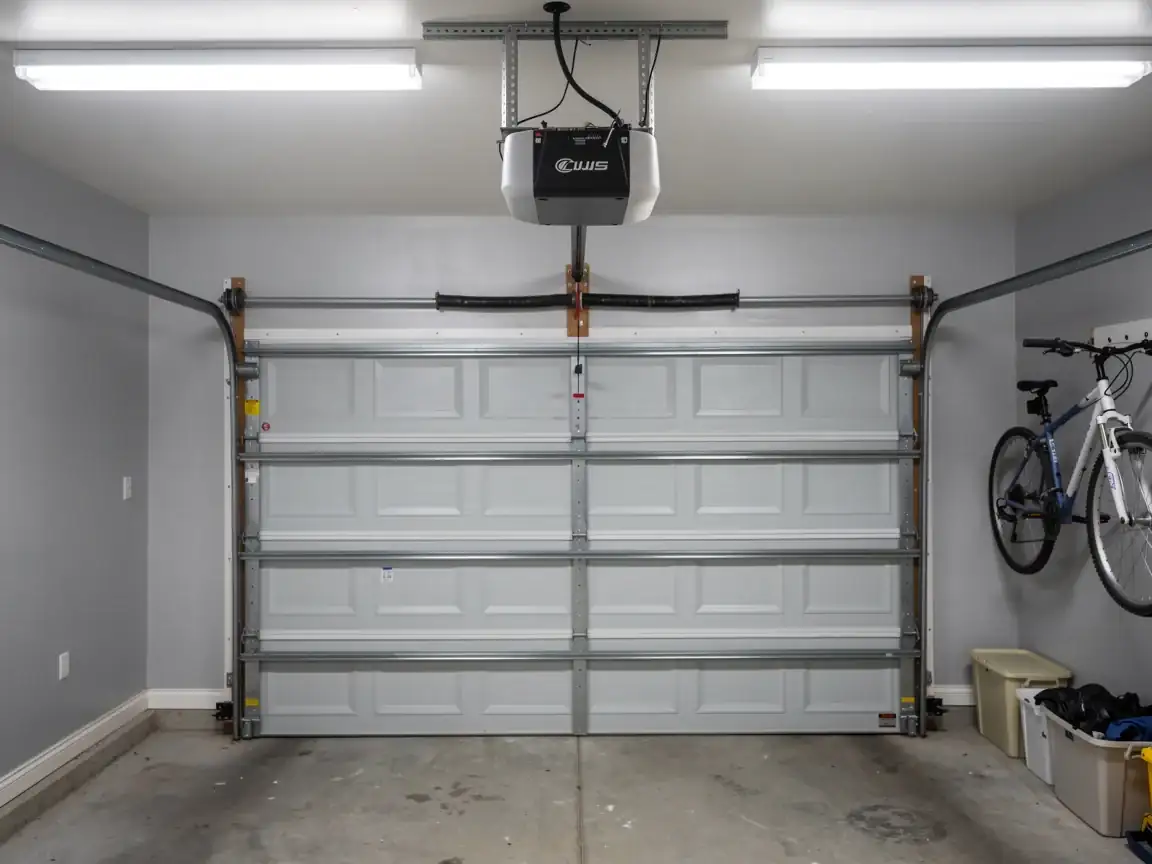
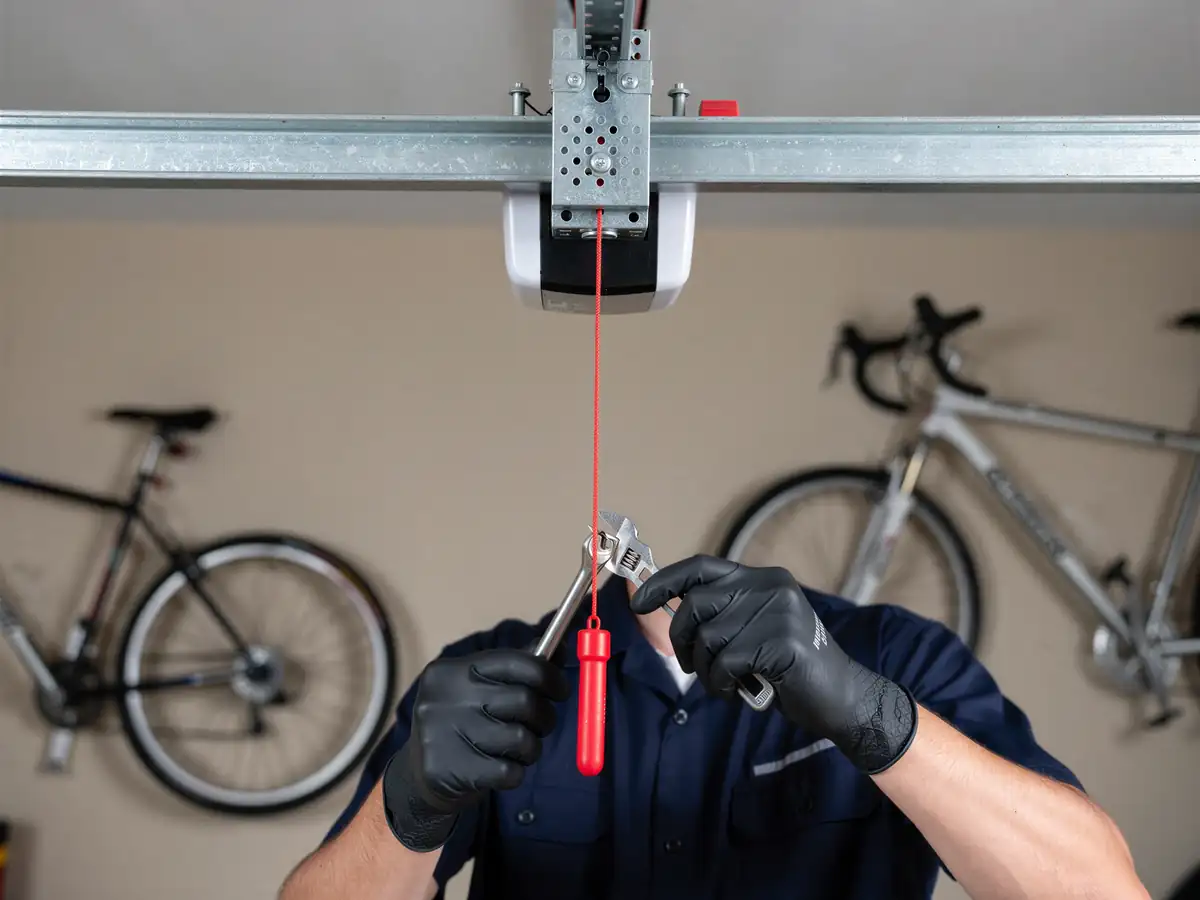
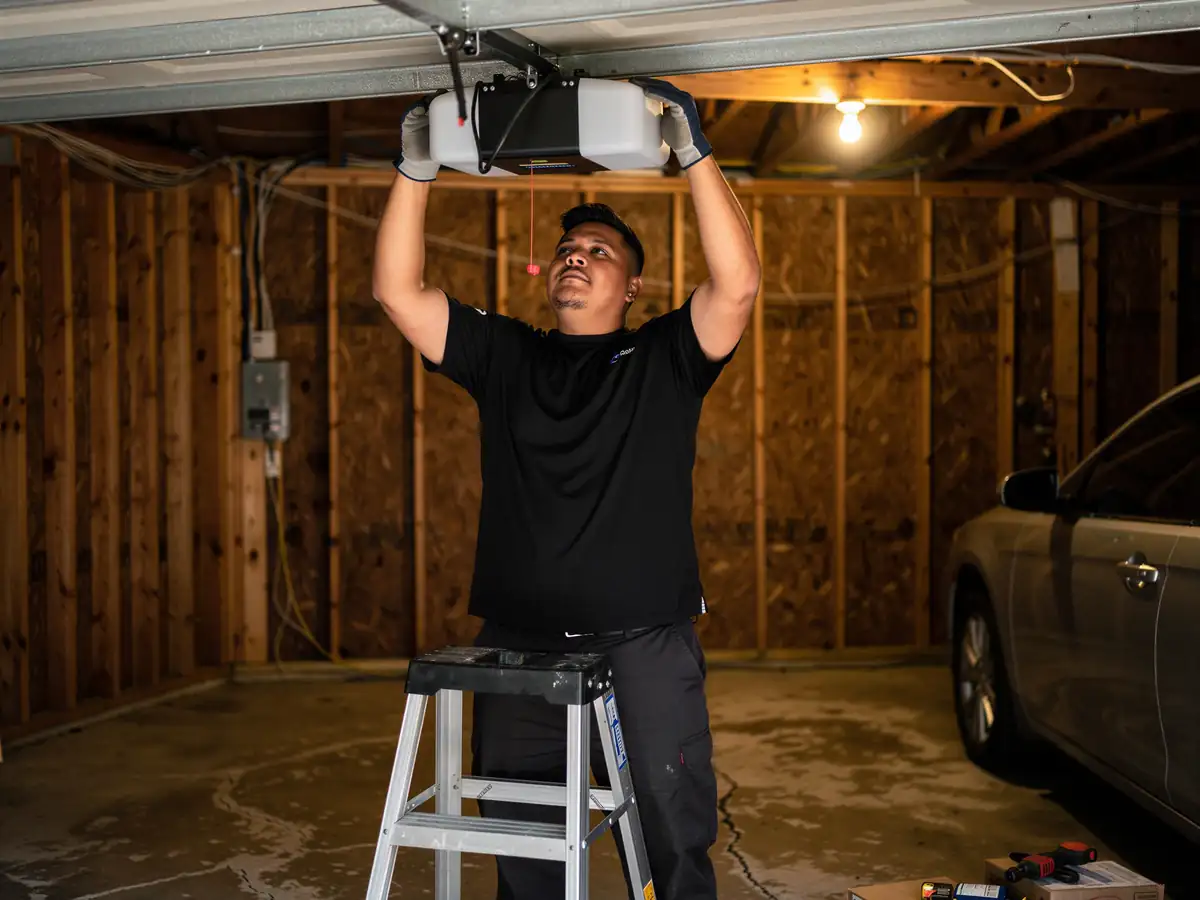
Which matters more than it sounds like it should. A lot of garages from that build year were fitted for openers later, sometimes decades later, by whoever owned the house at the time. So before we quote anything, we want to know what's actually bolted to your ceiling now, not just what's typical for the era. If you can tell us the brand or send a photo of the motor unit when you call, it saves a visit.
We serve the wider area that includes Casa de Oro-Mount Helix along with the other communities around Spring Valley
So the scheduling is the same process whether you're here or a few miles further out - the difference is what we expect to find once we're in your garage.
Parts We Carry
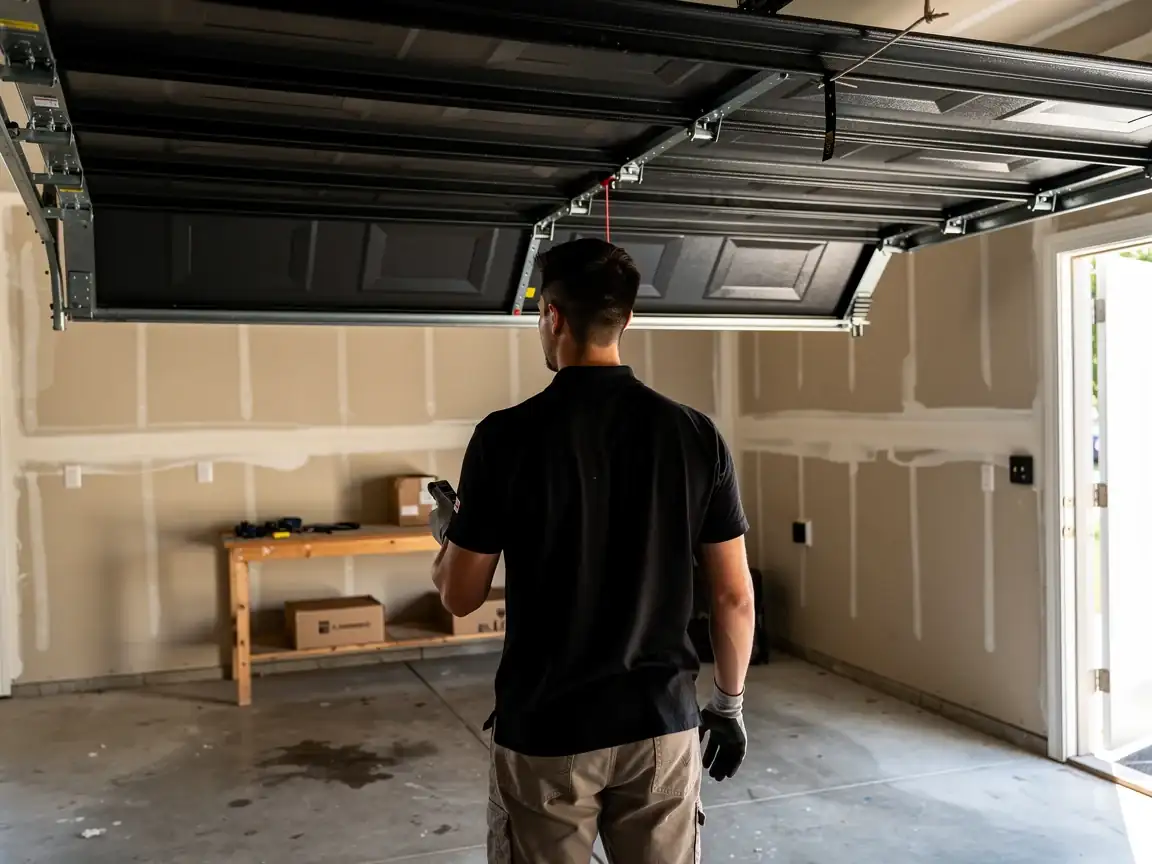
Houses built around 1969 in this area usually started with doors that predate automatic openers altogether, or had a basic chain-drive unit added on afterward. By the time openers became standard equipment on new construction, these garages were already old. That means a chain-drive-to-opener retrofit here often turns up brackets, header mounts, or rail lengths sized for whatever was convenient at the time, not for a modern belt-drive unit.
We carry chain-drive and belt-drive openers, the photo-eye safety sensors that any opener installed today is required to have (older homes in this area frequently still run without them), and the mounting hardware to adapt a 1969-built header to a current motor unit. Climate here is mild temperate, so we're not stocking heavy cold-weather lubricants or insulated units the way a company further inland might - that's one thing this job doesn't need to solve for.
What we don't carry on the truck: specialty remotes for openers discontinued more than a decade or two back. If your current unit is old enough to run on a fixed-code remote instead of rolling code, we'll likely recommend replacing the whole unit rather than hunting for a matching transmitter.
The DIY Question
Median household income in Casa de Oro-Mount Helix runs around $123,037, noticeably higher than the roughly $105,887 median across the wider service area, so cost usually isn't what decides this one - it's the header. On a house built in 1969, the garage opening was framed for a specific door type, and nobody back then assumed a 1/2 hp or 3/4 hp motor would ever hang off that ceiling. Installing an opener yourself on original framing means guessing at what the header and track can actually bear, with no inspection to check your work.
If your garage already has a newer door on original framing - a common combination here - the mismatch between the two is exactly the kind of thing that's hard to see without pulling the old bracket off.
We're not going to tell you every opener swap needs a pro. A straightforward like-for-like replacement on hardware that's already sound is a reasonable weekend project for someone comfortable on a ladder. Where it stops being reasonable is when the existing bracket, header, or wiring predates the opener you're installing by twenty or thirty years, which in this area is more the rule than the exception.
Where This Job Goes Sideways
The failure mode we see most in this area isn't the opener itself - it's what's behind it
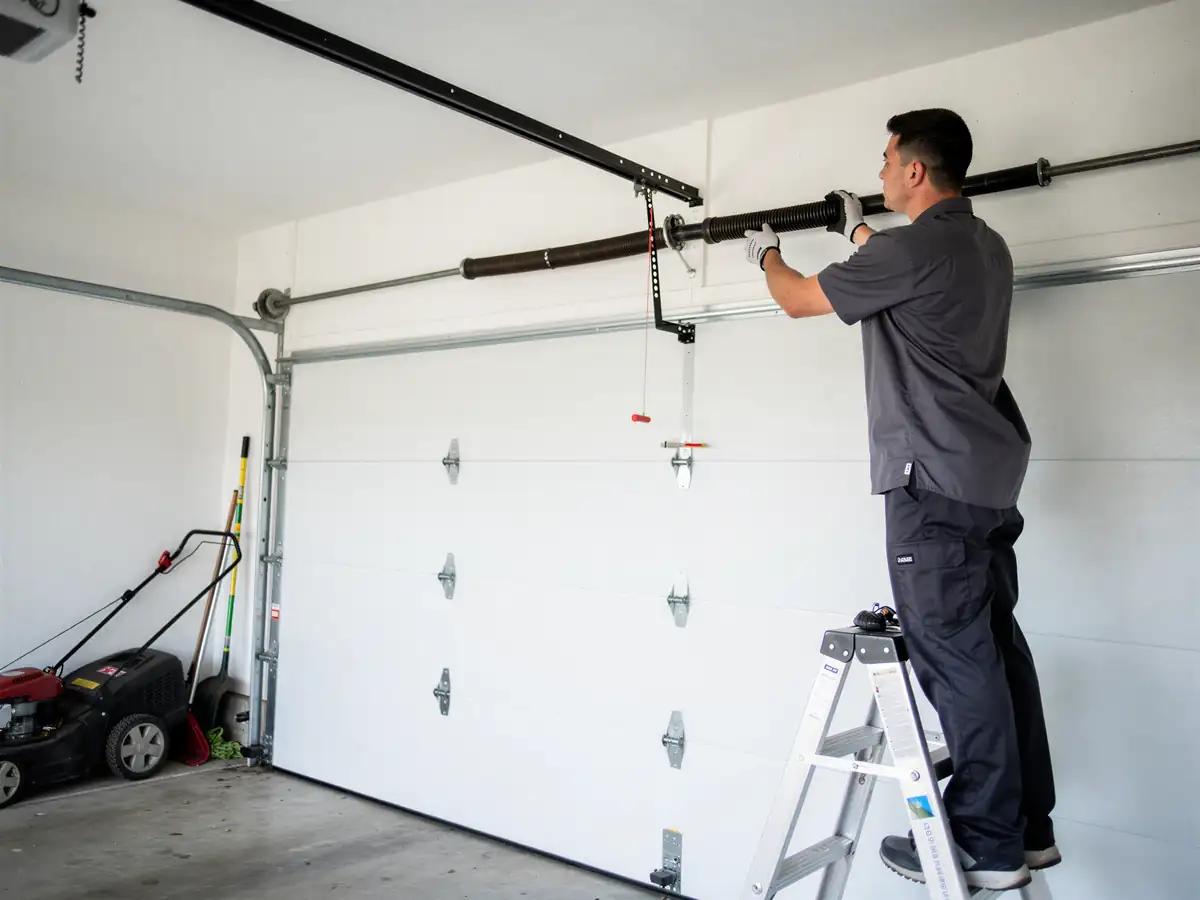
A header framed in 1969 for a manual door doesn't always have the reinforcement a modern opener bracket wants, and that's not something you catch from the ground. We've opened up more than one ceiling mount here to find the bracket screwed straight into drywall backing instead of a joist, because that's what passed at the time the door got automated, years after the house was built.
The other recurring issue is wiring left over from an older unit
A wall switch run with two-wire instead of the low-voltage line a current opener expects, or a dead run that used to power a light kit nobody kept. None of that is dangerous by itself, but it turns a one-hour install into half a day if we're not told about it up front.
One honest limit: if your header needs structural work before an opener can go up safely, that's a carpentry job, not a garage door job, and we'll say so rather than force a bracket onto wood that won't hold it