Booking a Visit
Casa de Oro-Mount Helix sits about two miles from our shop in Spring Valley
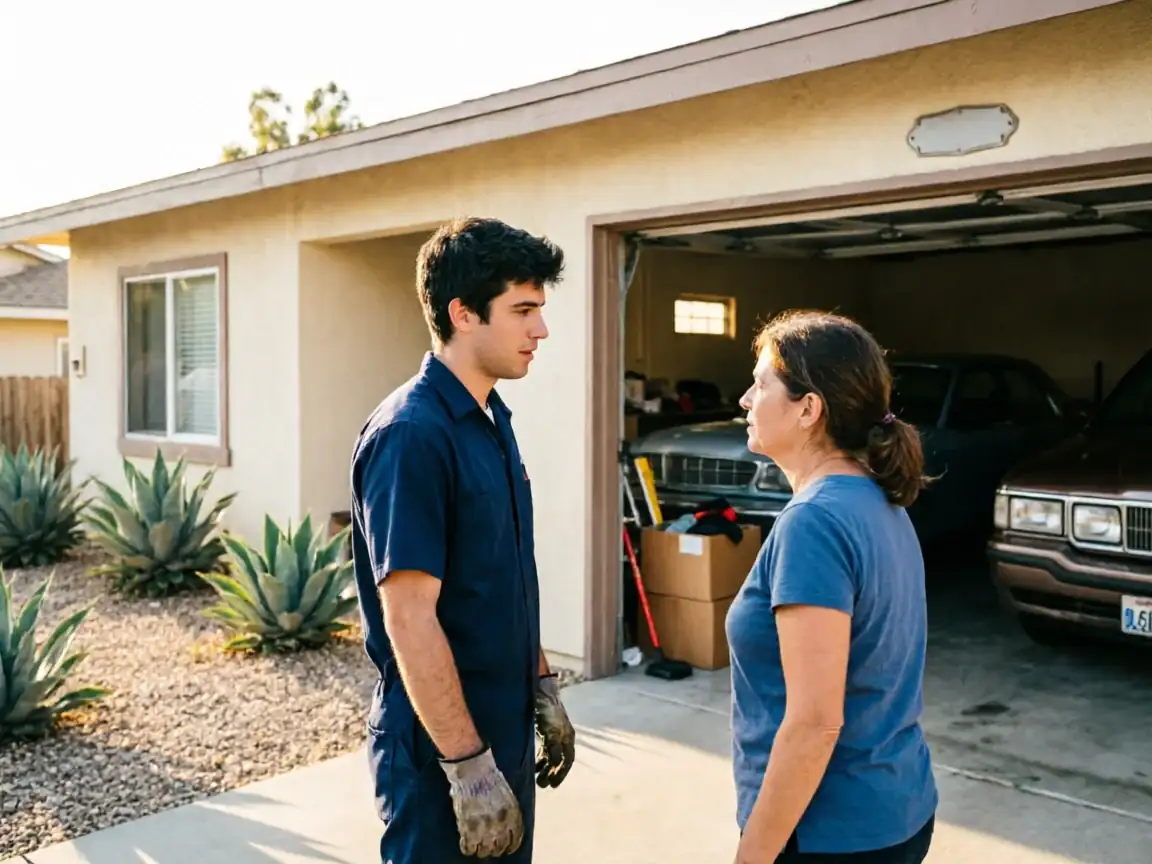
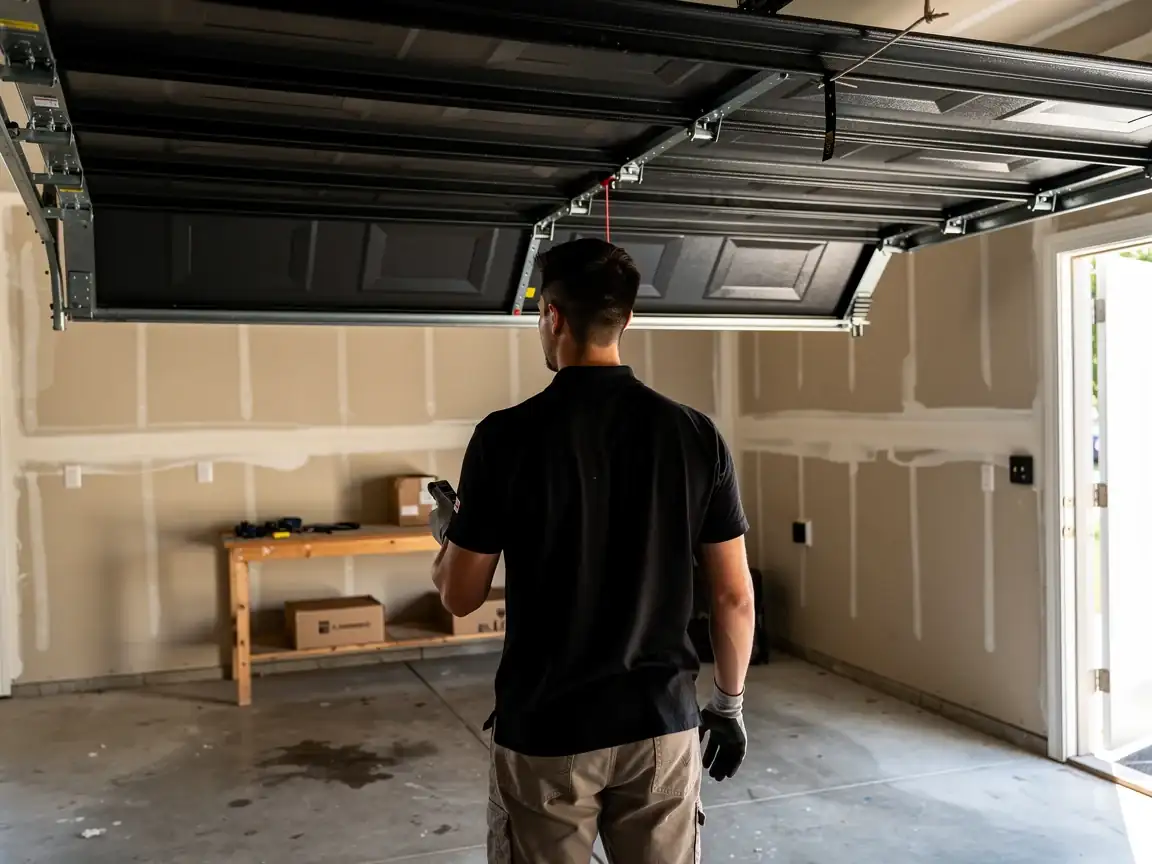
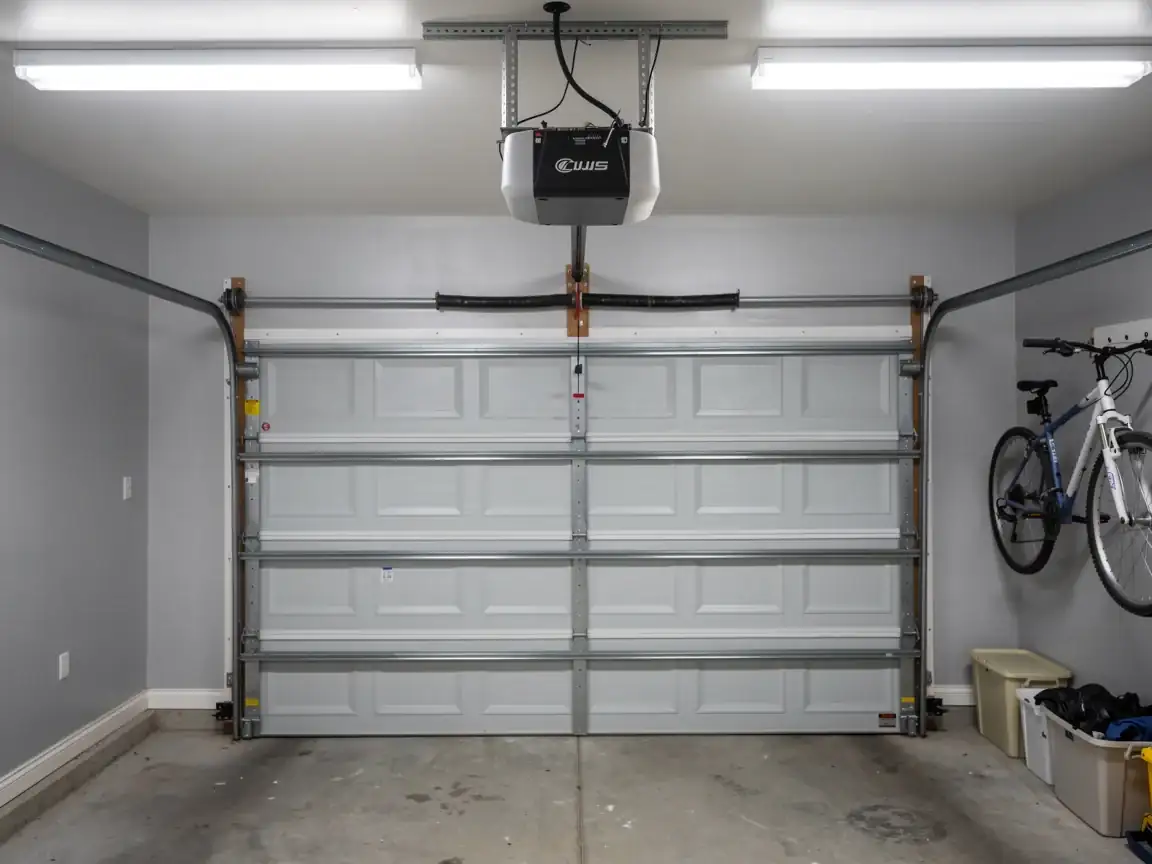
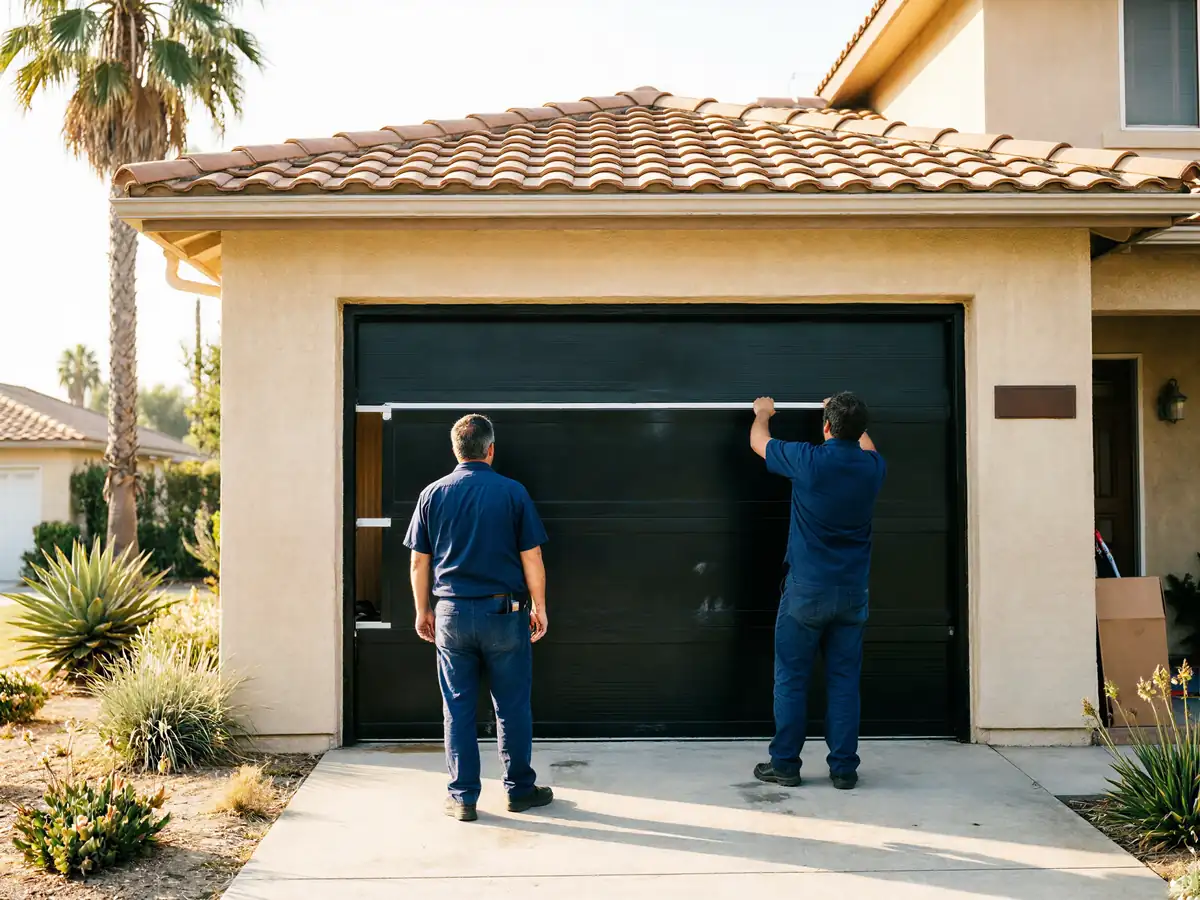
Which is short enough that a tech can scope the opener problem over the phone and still show up with the right parts instead of guessing. That matters here because the housing stock skews older than a lot of what we cover - median build year around 1969 - and openers in homes that age have usually been swapped once or twice already, so what's actually mounted on the rail isn't always what the house "should" have. A two-mile run also means we're not burning half the visit in traffic, so more of the appointment goes to diagnosis instead of drive time. We still ask what you're seeing before we load the truck: opener runs but door won't move, remote works but wall button doesn't, door reverses before it touches the floor. Each of those points to a different part, and knowing which one saves a second trip. We don't keep a branch in Casa de Oro-Mount Helix itself - every job here is dispatched from Spring Valley, so the two-mile distance is baked into how we plan the route, not an afterthought.
Links: see our Spring Valley opener repair page for the service area overview
Or the Casa de Oro-Mount Helix coverage page for what else we handle nearby.
Parts We Carry
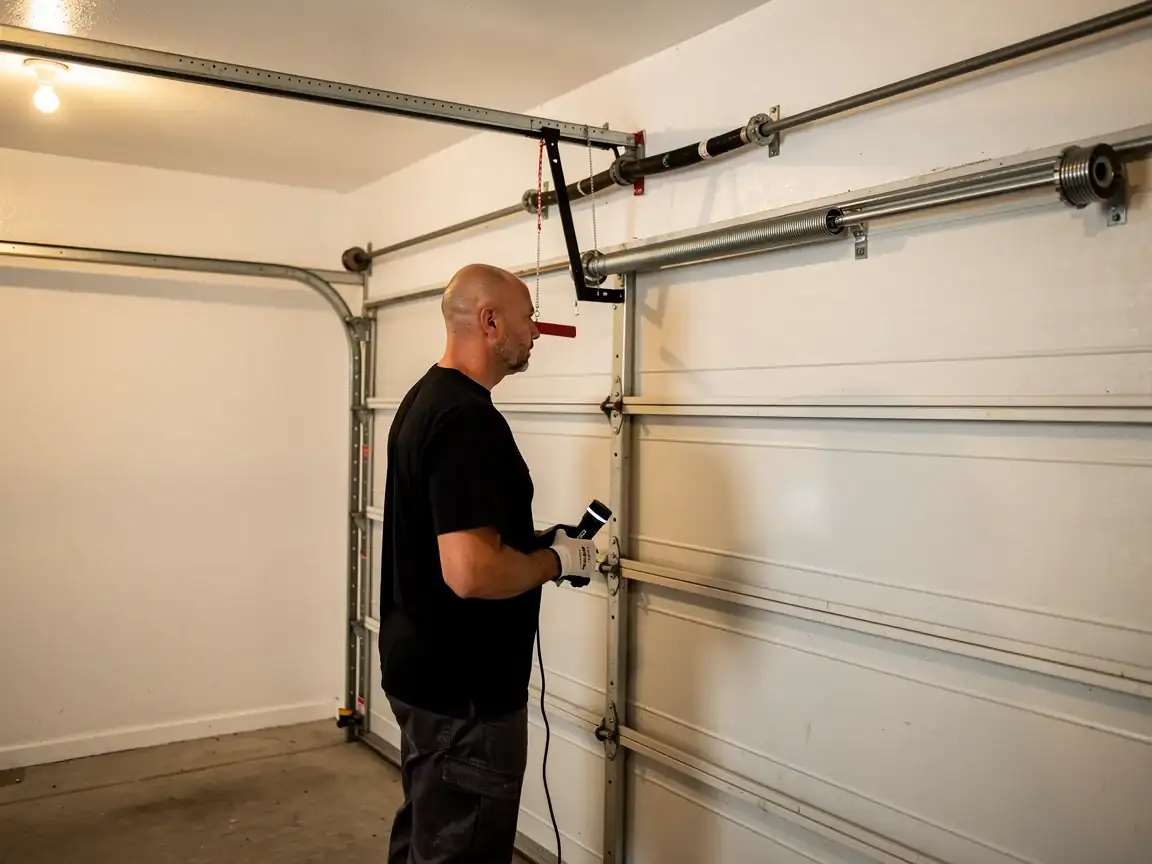
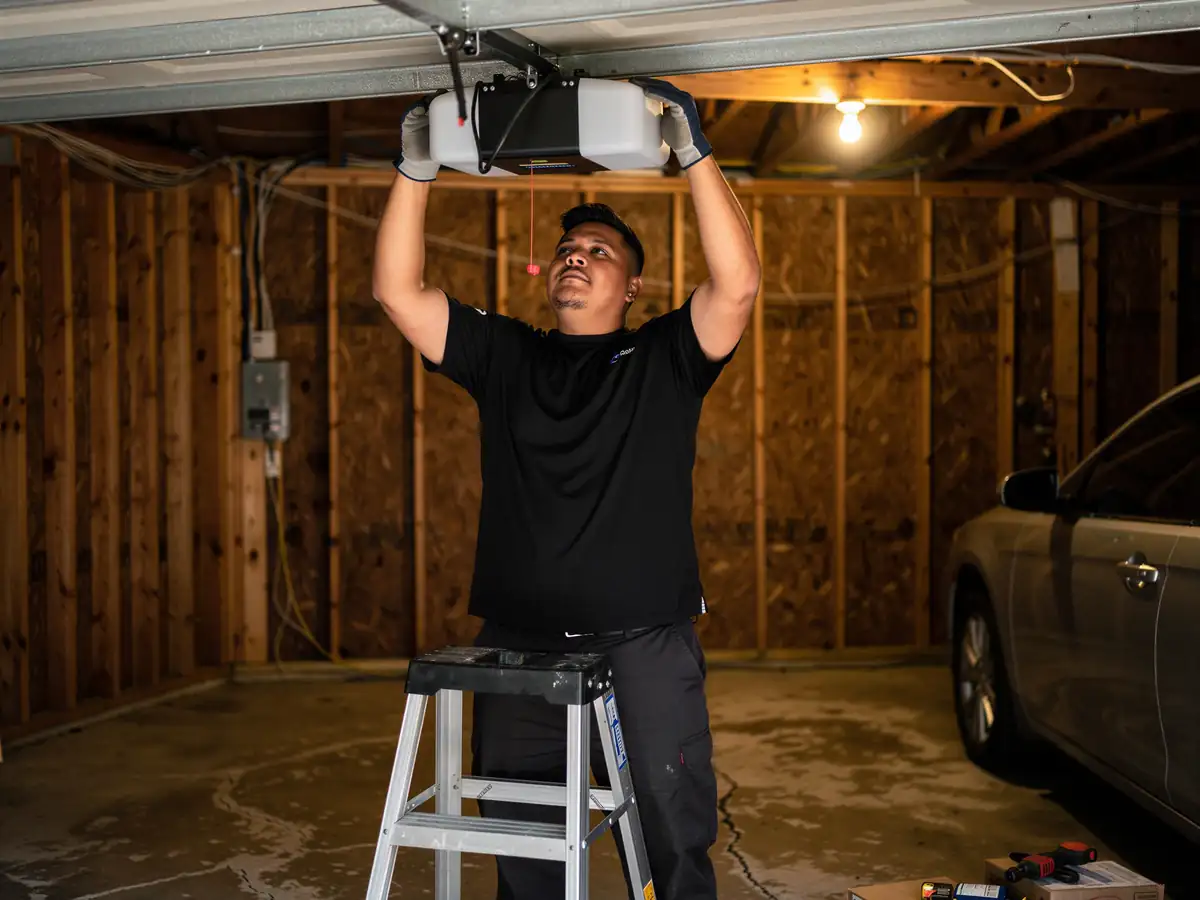
With median household income here at $123,037 - notably higher than the $105,887 figure across the wider service area - we see more homeowners choosing a mid-grade or better replacement opener instead of nursing a fifteen-year-old chain-drive unit along. We carry the logic boards, drive gears, trolley carriages, and safety sensor pairs that fail most often, plus a stock of circuit boards sized for the belt and chain-drive openers common in homes built in the 1967-1988 window this area falls into. The mild coastal-influenced climate here is kind to openers compared to areas with real humidity swings or hard freezes - we don't see the motor-seizing condensation problems that drive early opener failure elsewhere. That means when an opener in Casa de Oro-Mount Helix fails early, it's more often a worn gear or a bad capacitor than weather damage, and we stock accordingly. One limitation: openers more than twenty years old sometimes use a control board or motor casing the manufacturer stopped making years ago. When that happens we tell you straight - reviving it costs more in special-order parts than a new unit, and we'd rather say that up front than charge you for a part that takes three weeks to arrive.
The DIY Question
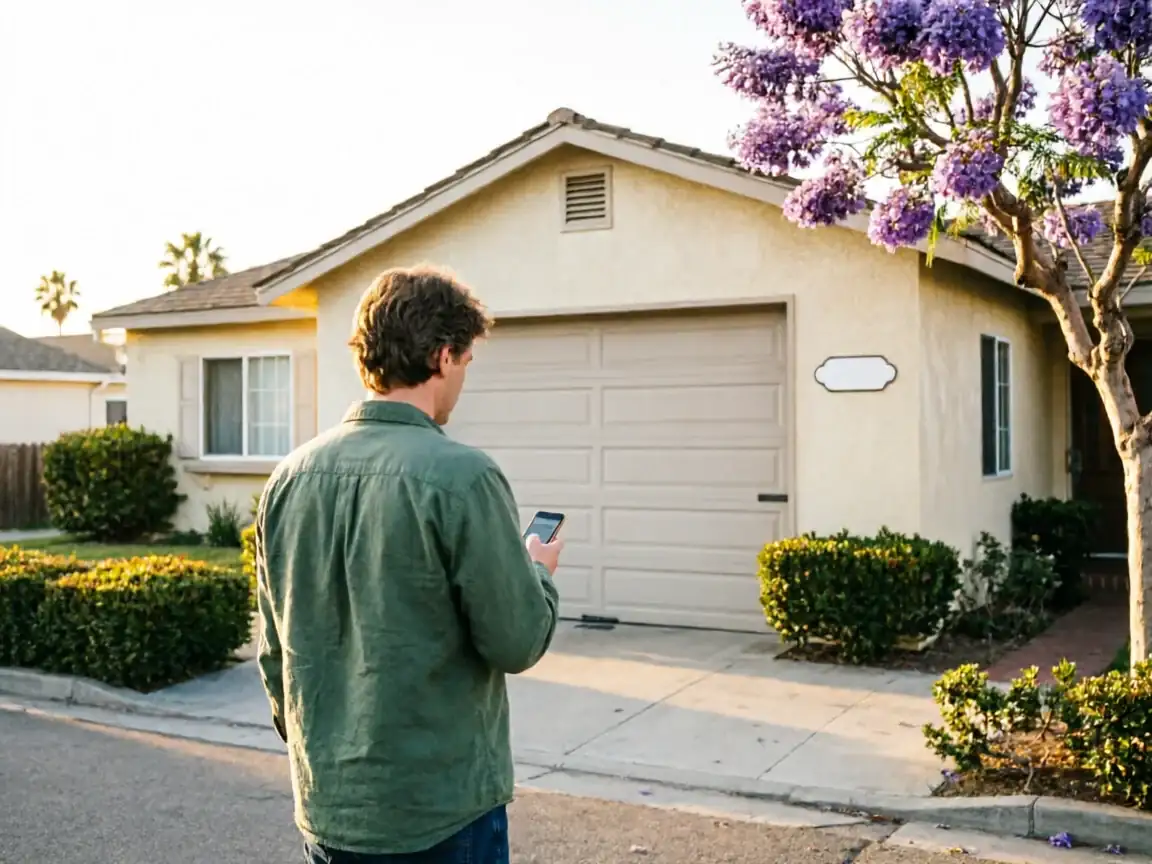
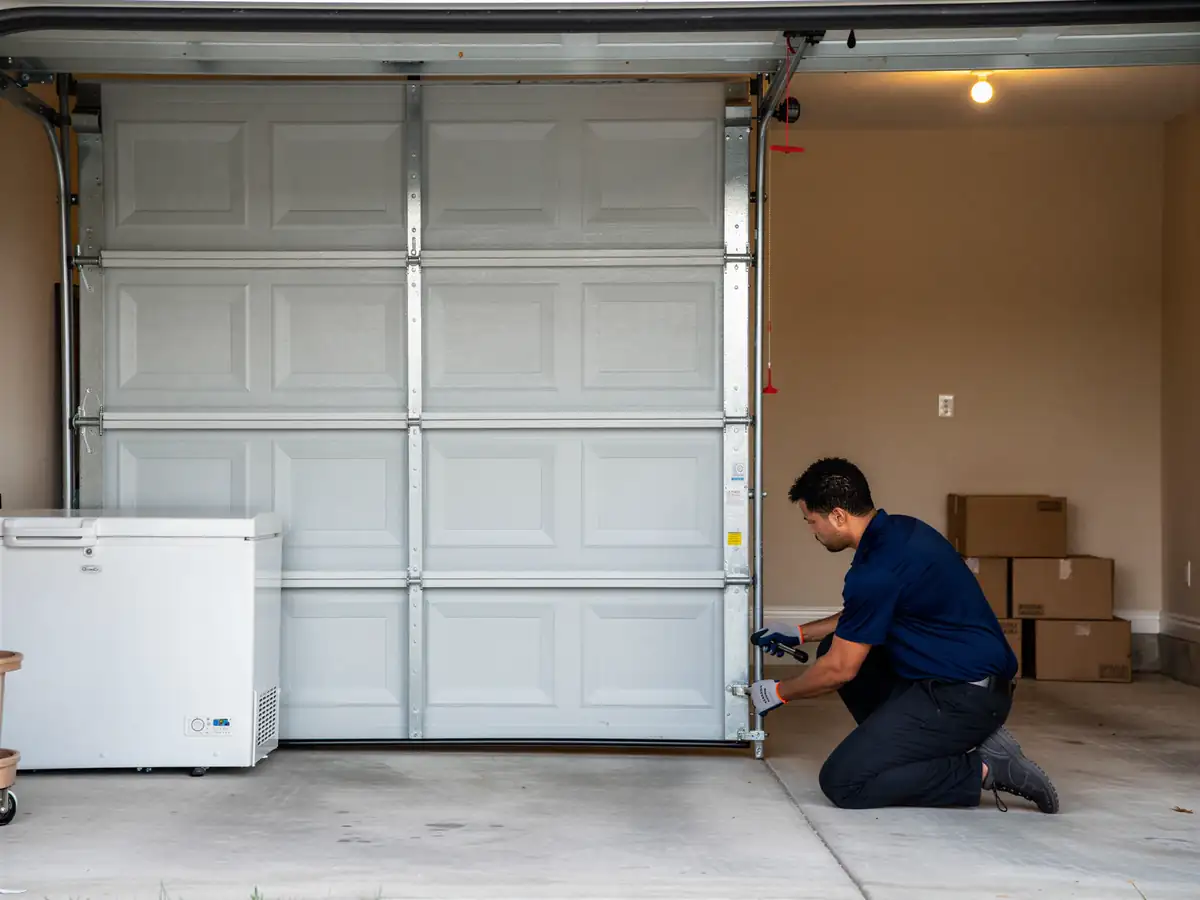
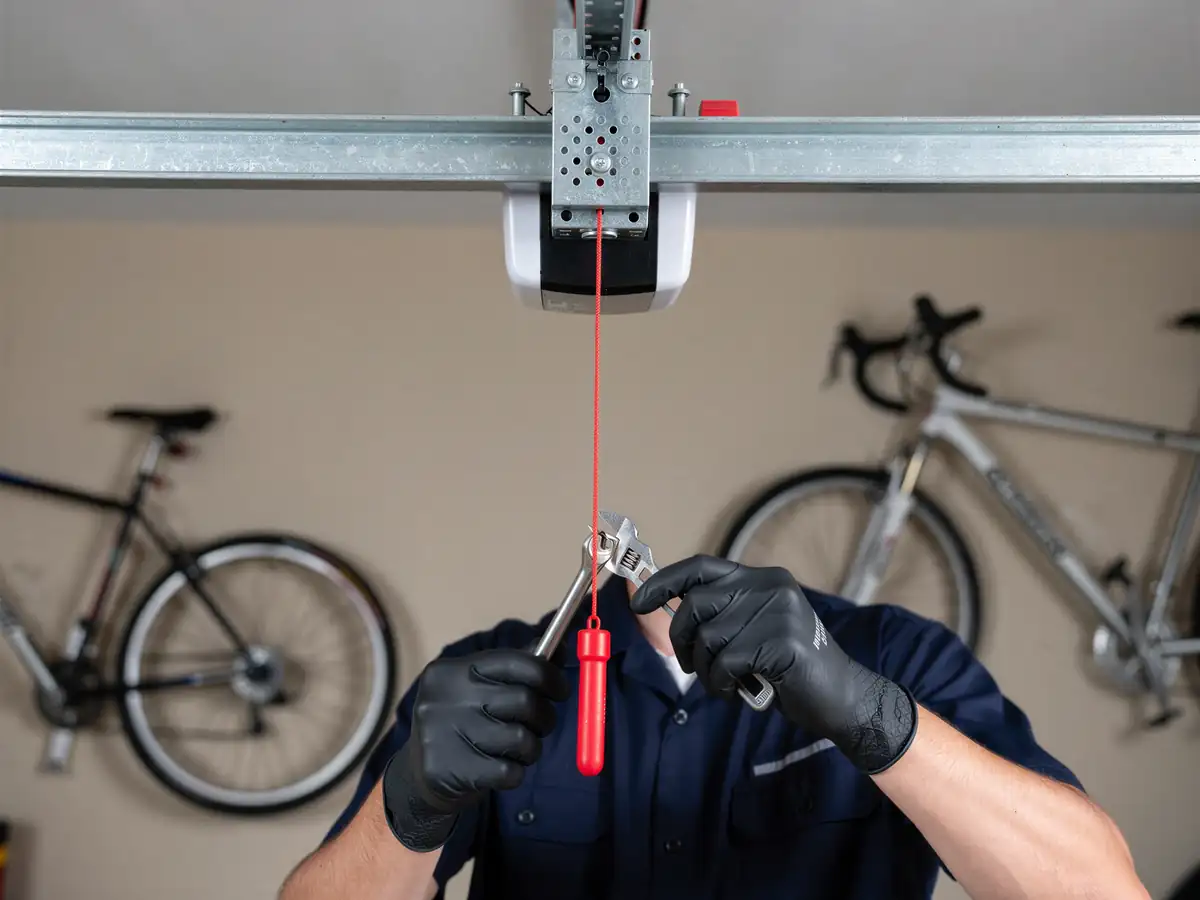
A lot of opener problems in older housing stock come down to something a homeowner can check before calling anyone: the safety sensors at the bottom of the track, which get knocked out of alignment by a bike, a trash can, or just settling over fifty-plus years. If the opener hums but the door won't move, or the light blinks a set number of times, that's almost always a sensor or limit-switch issue you can look at yourself first. Where we draw the line is the motor and gear assembly - if the opener runs but makes a grinding or clicking noise from inside the housing, that's worn internal gearing, and opening the unit without the right tools usually turns a $150 part swap into a full replacement. Given the income level here, we find most homeowners in Casa de Oro-Mount Helix are comfortable paying for the gear swap rather than risking a bigger bill, and that's usually the right call on a unit installed within the last decade. On anything older than that, replacement is often the more honest answer than repair.