Parts We Carry
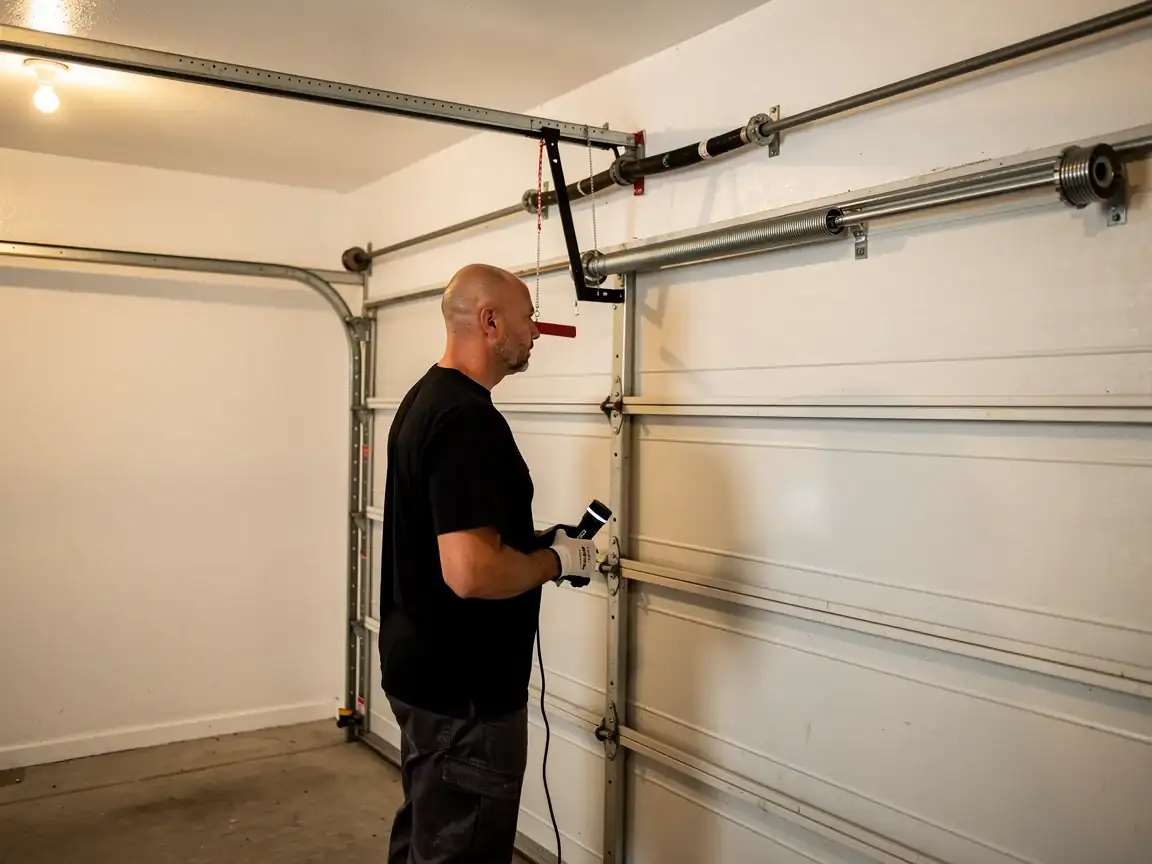
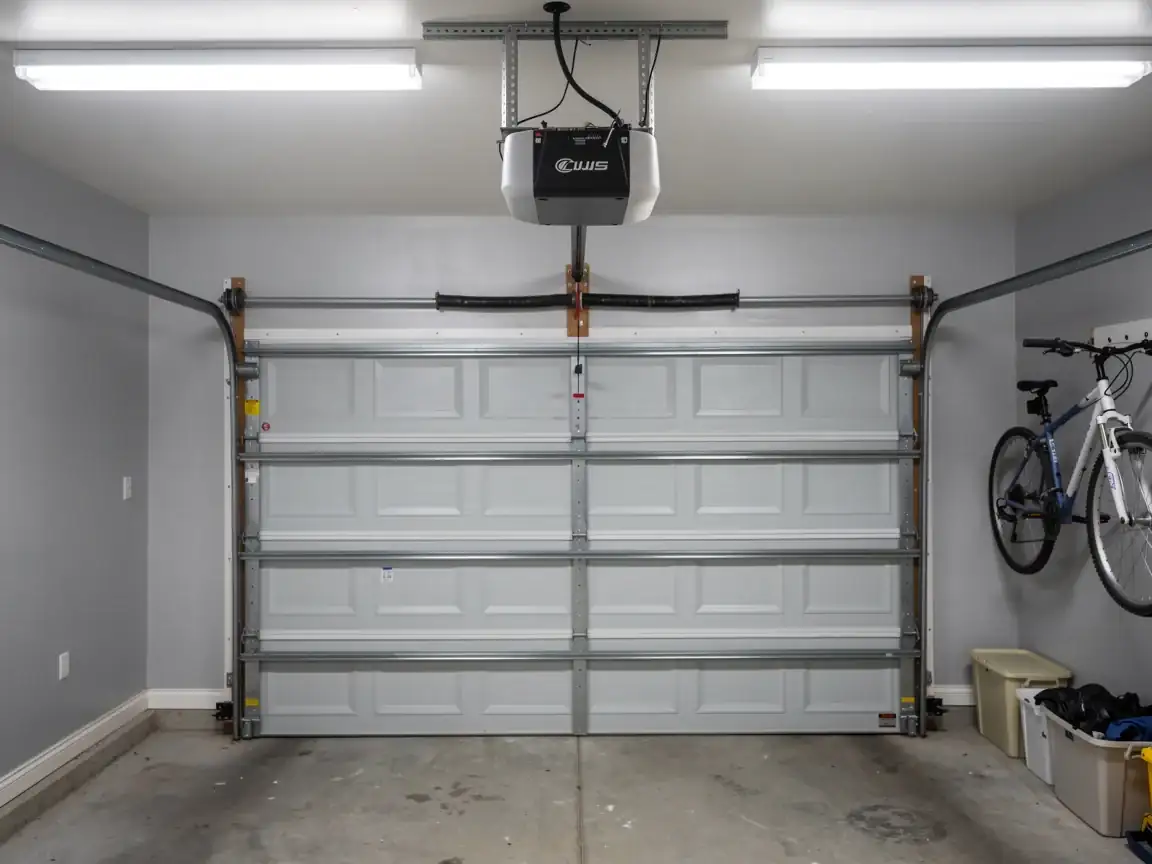
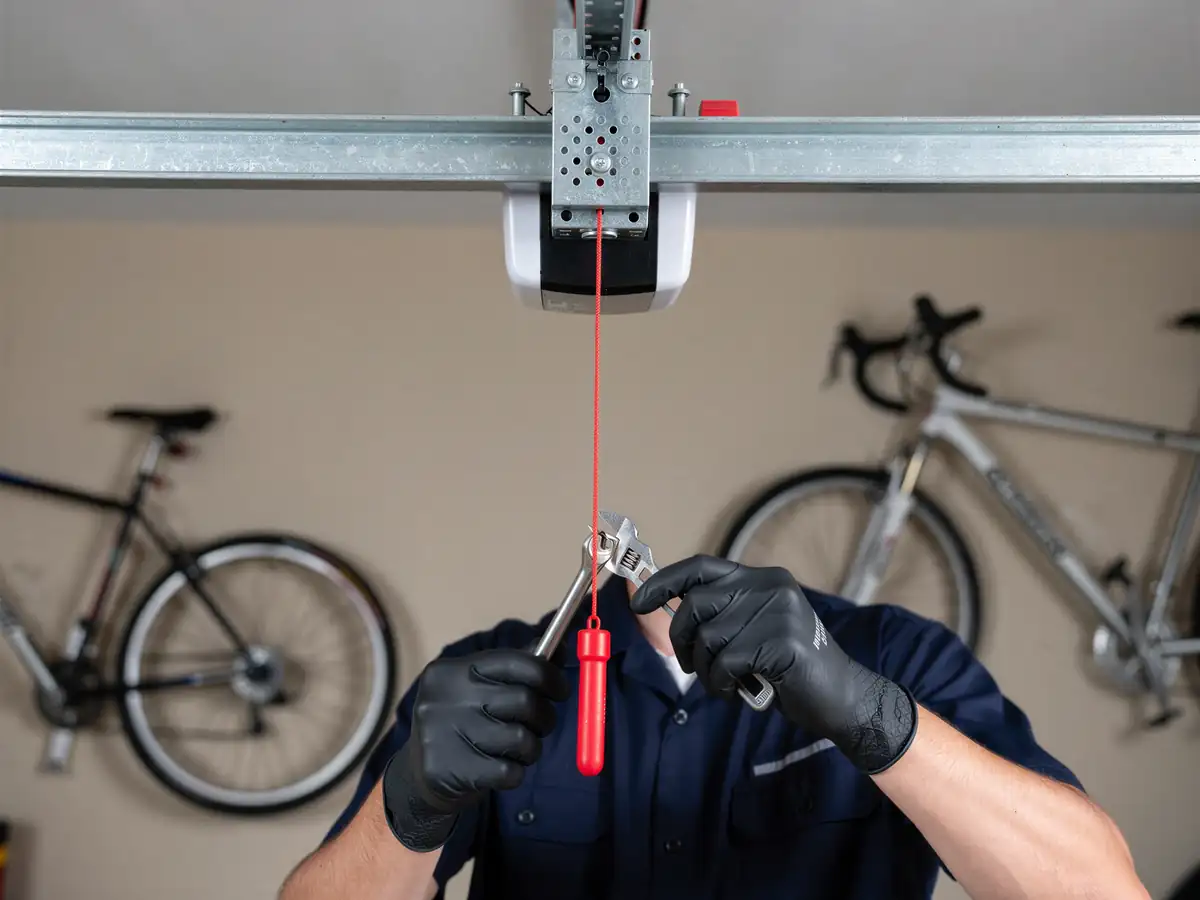
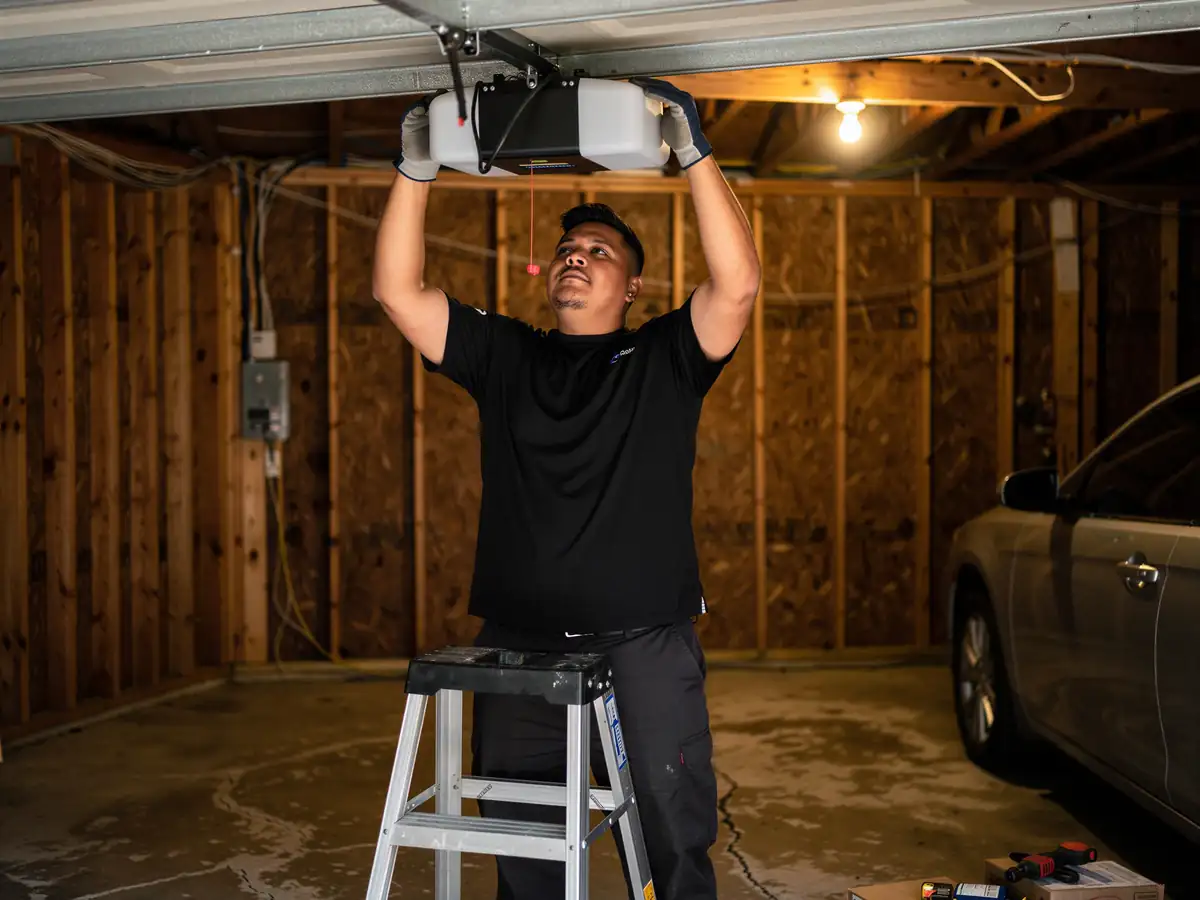
Because so much of Rancho San Diego's housing dates to the mid-1980s rather than the mid-1970s, the springs and cable drums we pull off the truck for this area skew toward sizes that are still in normal production - nothing we have to special-order from a supplier who only stocks it twice a year. Rollers, hinges, and bottom brackets from doors this age are standard stuff. Openers are a mixed bag: some houses still have a first-generation chain-drive unit from when the place was built, others have been upgraded once already. We carry common drive gears, capacitors, and logic boards for the brands that turn up most, but if a homeowner has a specialty or imported unit, that part may need to be ordered and the door sits closed a day or two longer. That's the one real limitation worth saying plainly - we don't keep every opener board in the world on the truck, and we won't pretend otherwise just to close a sale.
Where This Job Goes Sideways
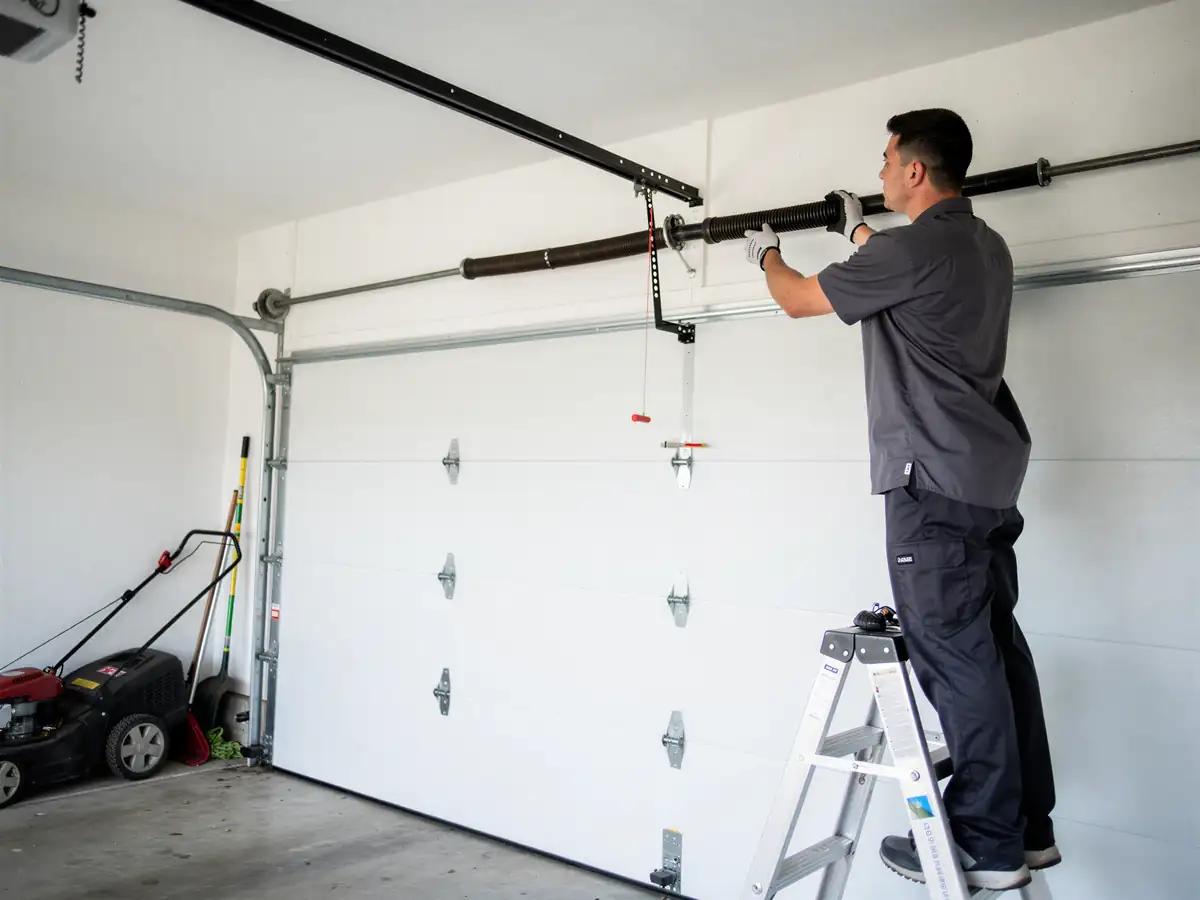
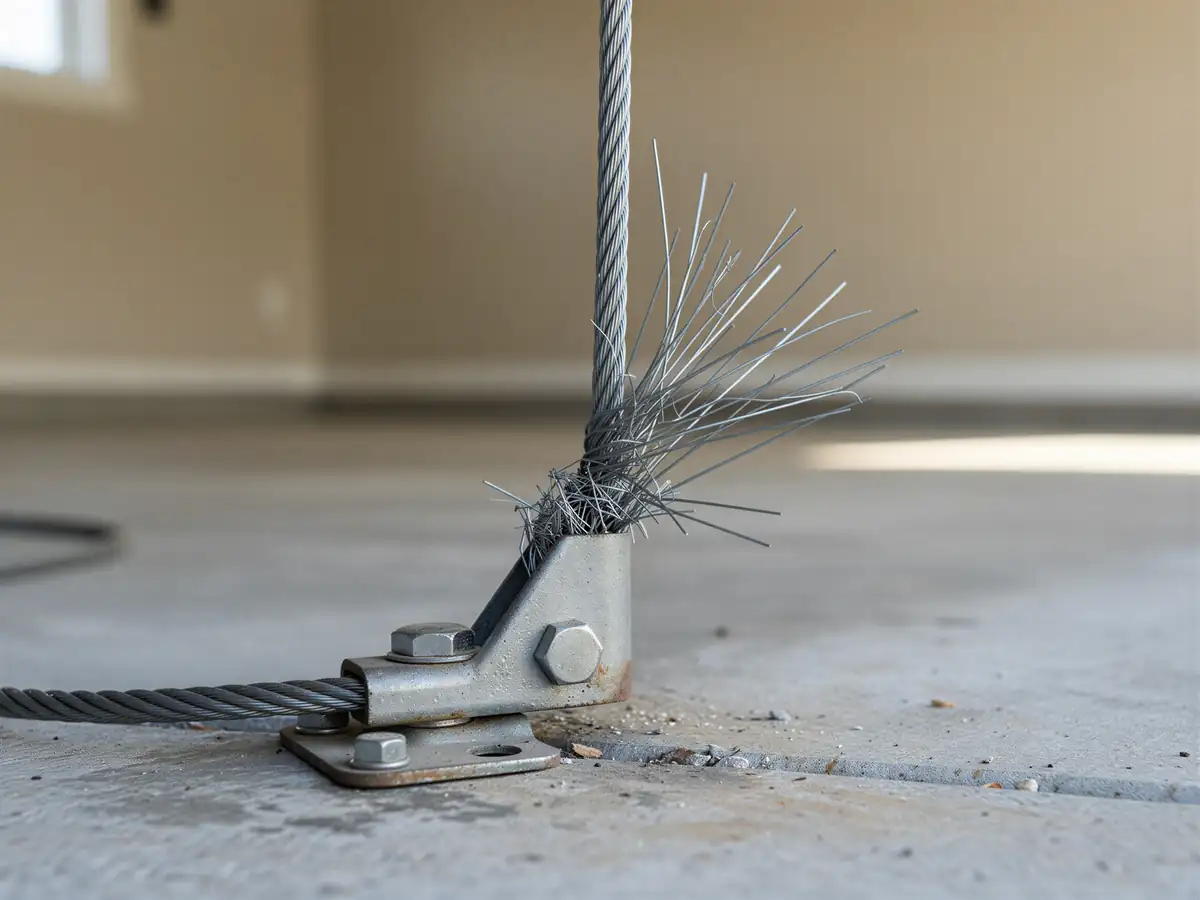
The mild temperate climate here doesn't put the kind of stress on a door that freeze-thaw cycles or heavy humidity swings do elsewhere, so corrosion and warped panels aren't the common failure we see. What goes sideways instead is almost always mechanical wear catching up with a door that's now 35-40 years old on original parts nobody replaced along the way. A torsion spring rated for a certain number of cycles finally lets go. A cable frays at the drum from years of the same wind pattern. The job looks simple until we're under the door and find a second problem the first one was hiding - a bent track that was quietly letting the door bind, or a center bearing plate that's been one bad lift away from failing. We tell you what we find before we fix it, not after.
What You Are Seeing
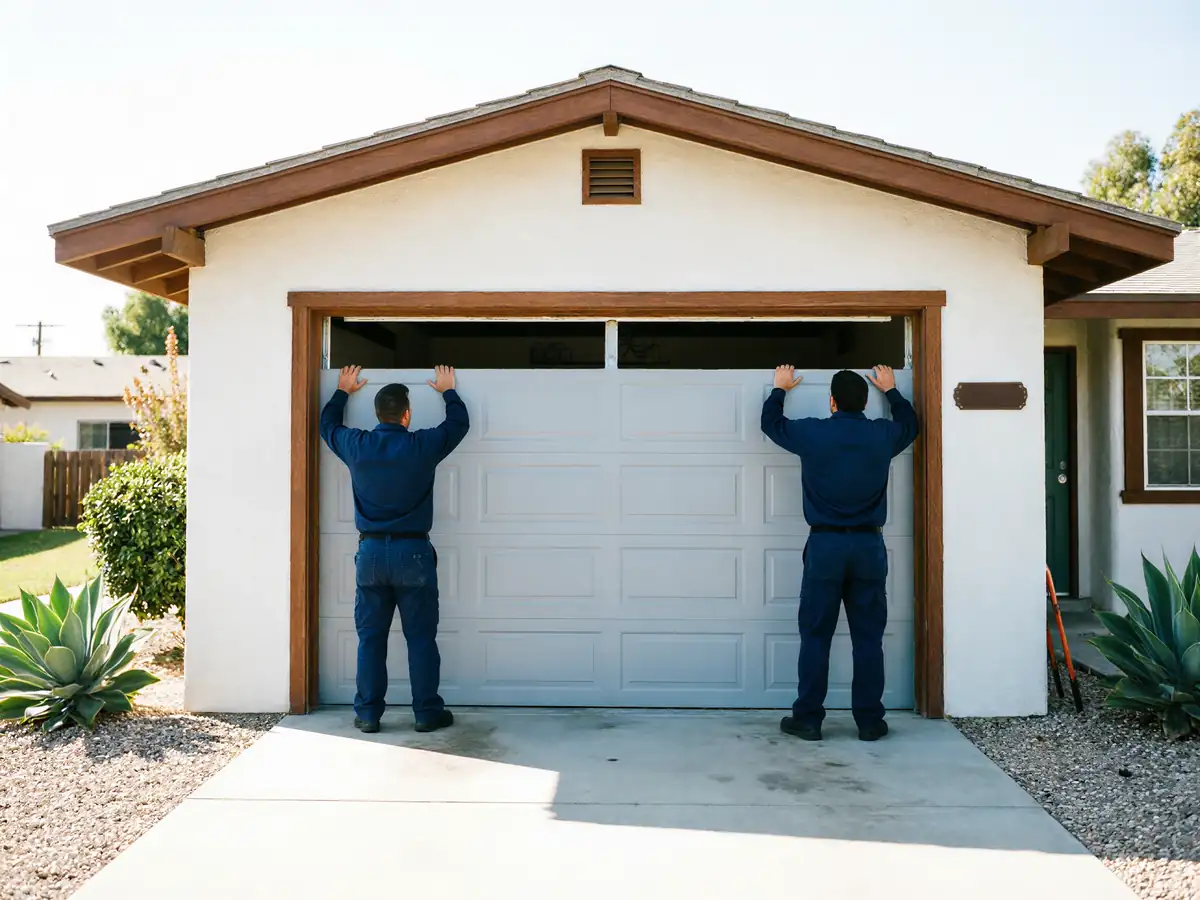
A door that won't lift, or lifts a few inches and stops, points at a broken spring more often than anything else - the opener motor runs but the door has nothing helping it off the ground. A door that shudders, bangs, or drifts crooked on the way up usually means a cable has slipped the drum or a roller has left the track. If the opener clicks and does nothing, that's frequently a stripped gear inside the unit rather than anything wrong with the door itself. Given the age spread in this part of the service area - houses built mostly in the mid-1980s, some older stock mixed in - we see a fair number of first-opener failures: units that have simply run their full life and are due for replacement rather than another patch repair. None of these symptoms are specific to this neighborhood alone, but the mid-80s build era does shift the odds toward opener wear over the spring-and-hardware failures that show up more in the 1970s-era homes nearby.
How Long You Are Without the Door
Most spring and cable repairs are a same-visit fix - the truck carries stock sizes, the job gets done, the door closes before we leave. What stretches it out is a part that isn't common: a specialty opener board, a discontinued panel, or hardware sized for a door nobody makes that width in anymore. For Rancho San Diego specifically, the newer build era works in your favor here - less of the obsolete 1970s hardware means fewer cases where we have to leave a door non-operational while a part ships. We'll tell you on site whether it's a same-day close or a short wait, and we won't leave a door that won't secure itself open and unattended overnight.