Parts We Carry
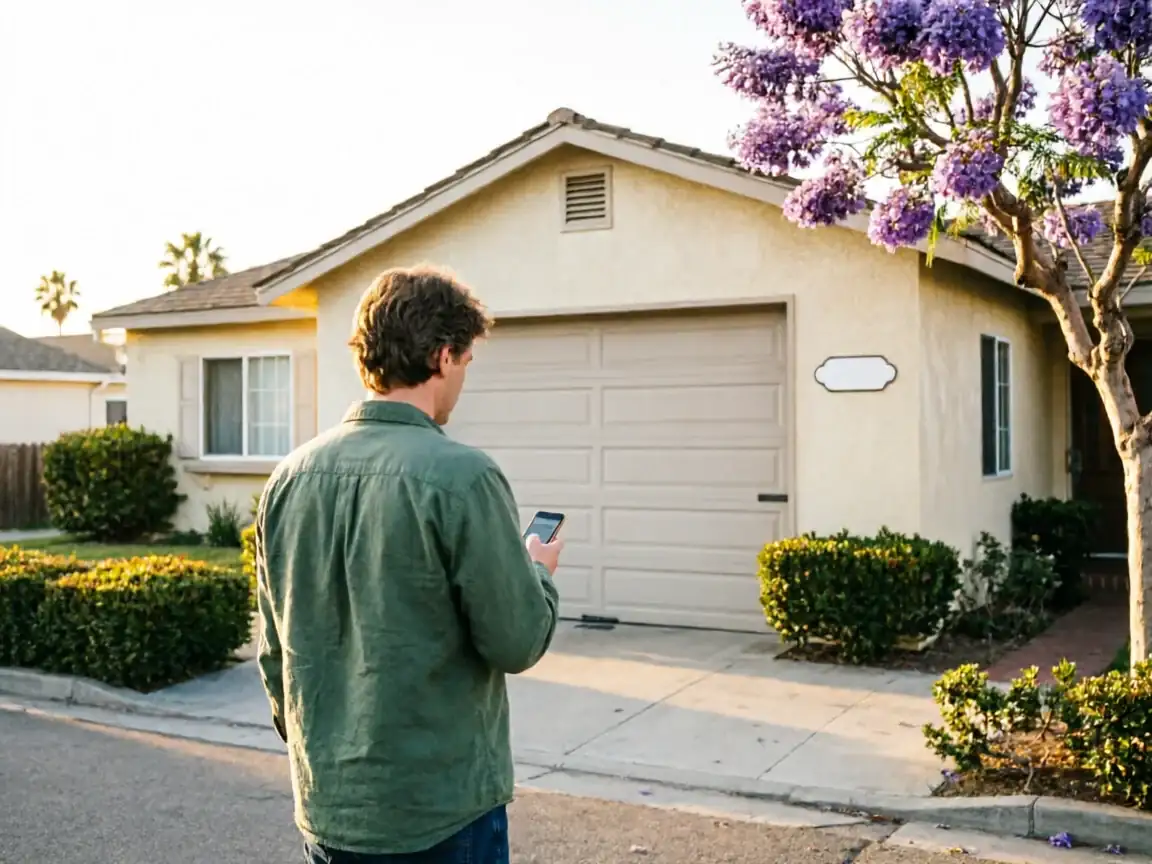
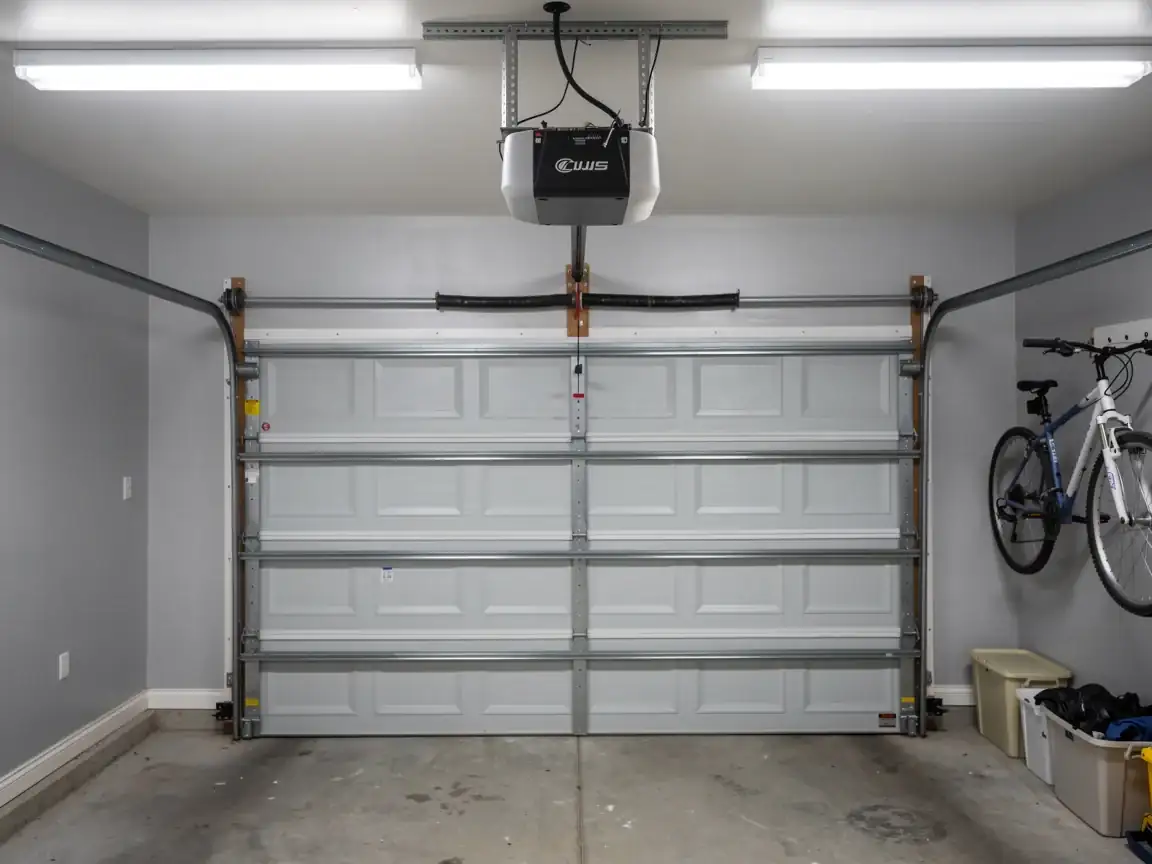
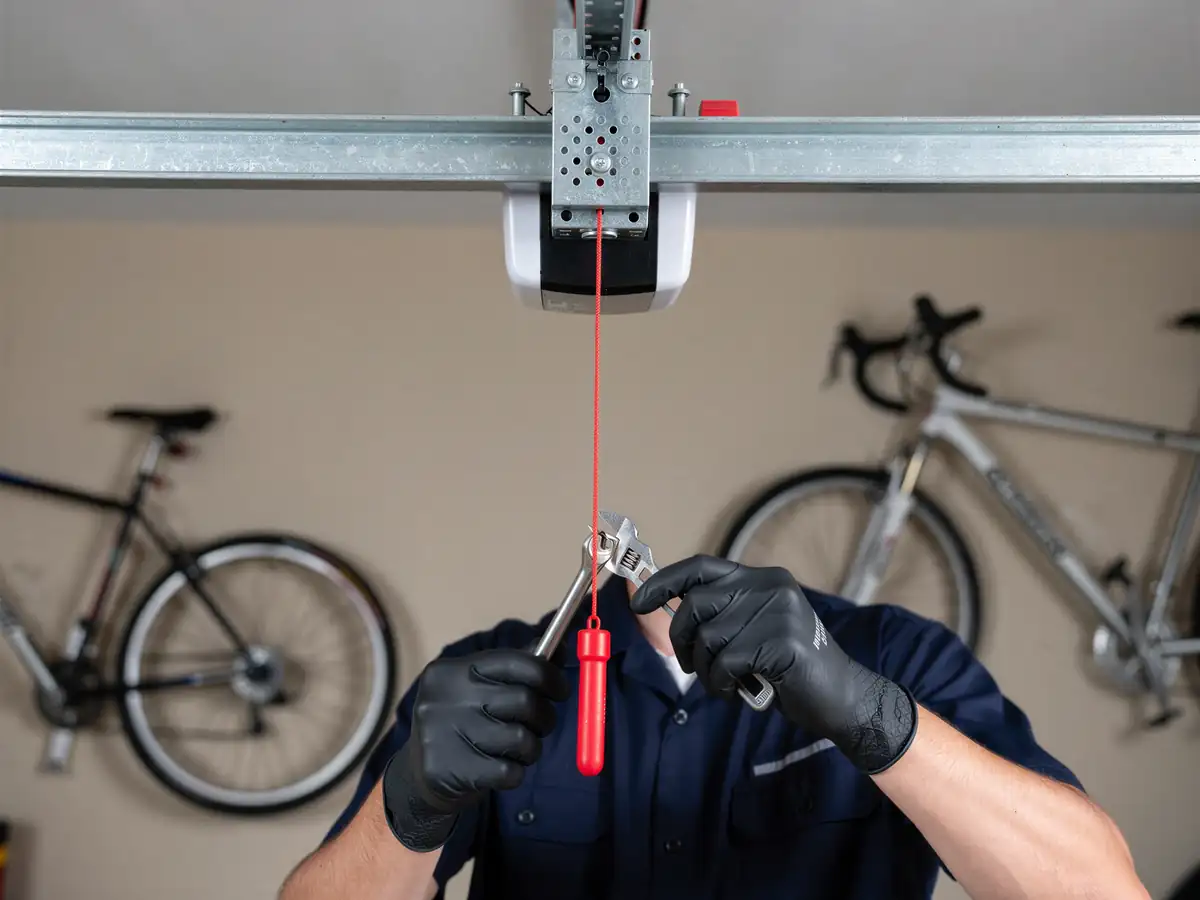
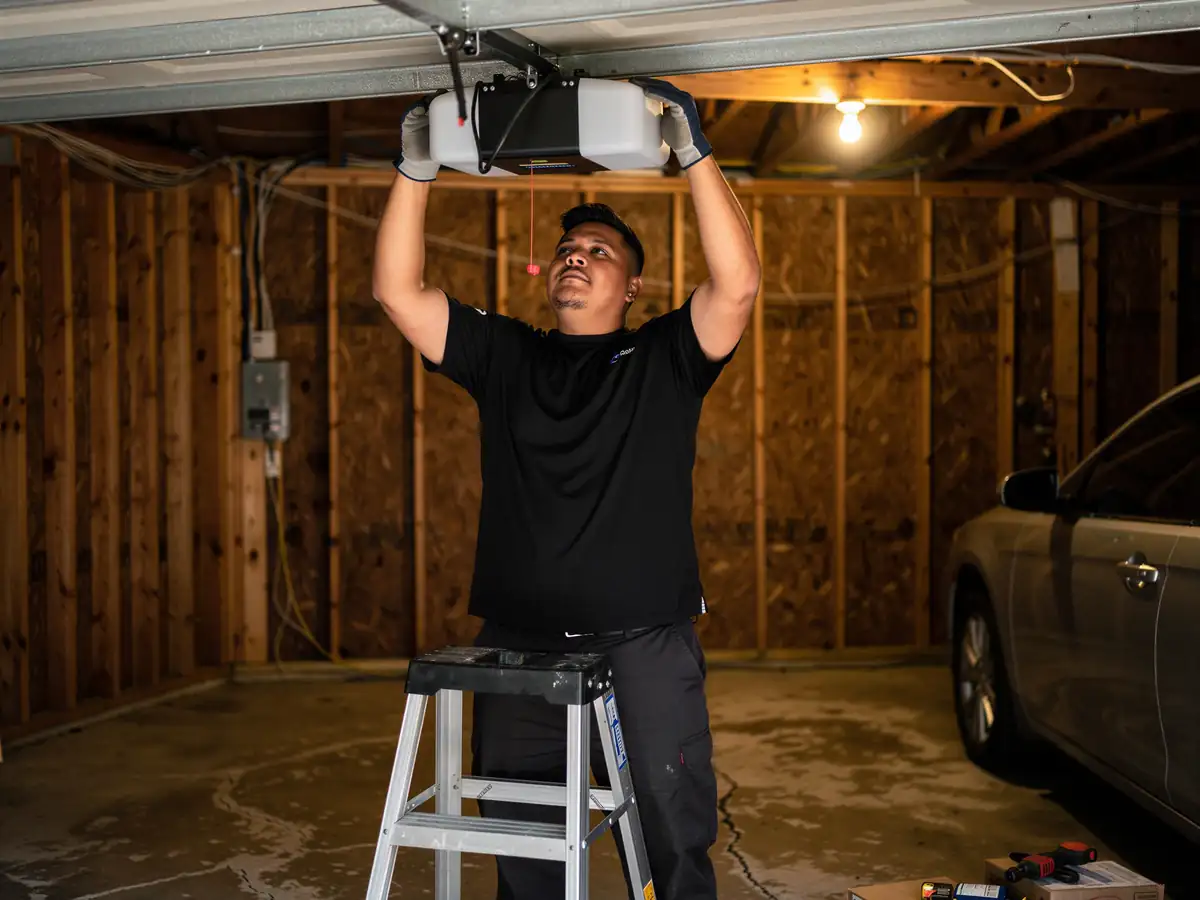
We carry both chain-drive and belt-drive openers, along with the wall consoles, photo-eye safety sensors, and remote kits that go with them. For a lot of the 1985-era garages out here, the swap is straightforward: same header depth, same bracket spacing, a belt-drive unit for the bedrooms-over-garage layouts common in that building wave, where a quieter drive actually matters to whoever sleeps upstairs. With a median household income of $118,431 in this part of the service area, we see more requests for Wi-Fi-enabled openers with smartphone control than for the bare-bones unit, though we stock both. We stock standard rail lengths and battery backup units for openers that need to keep working through a power blip. What we don't carry on the truck is custom rail for oversized or commercial-width doors - that's a special order, and we'll tell you up front if your opening needs one.
Where This Job Goes Sideways
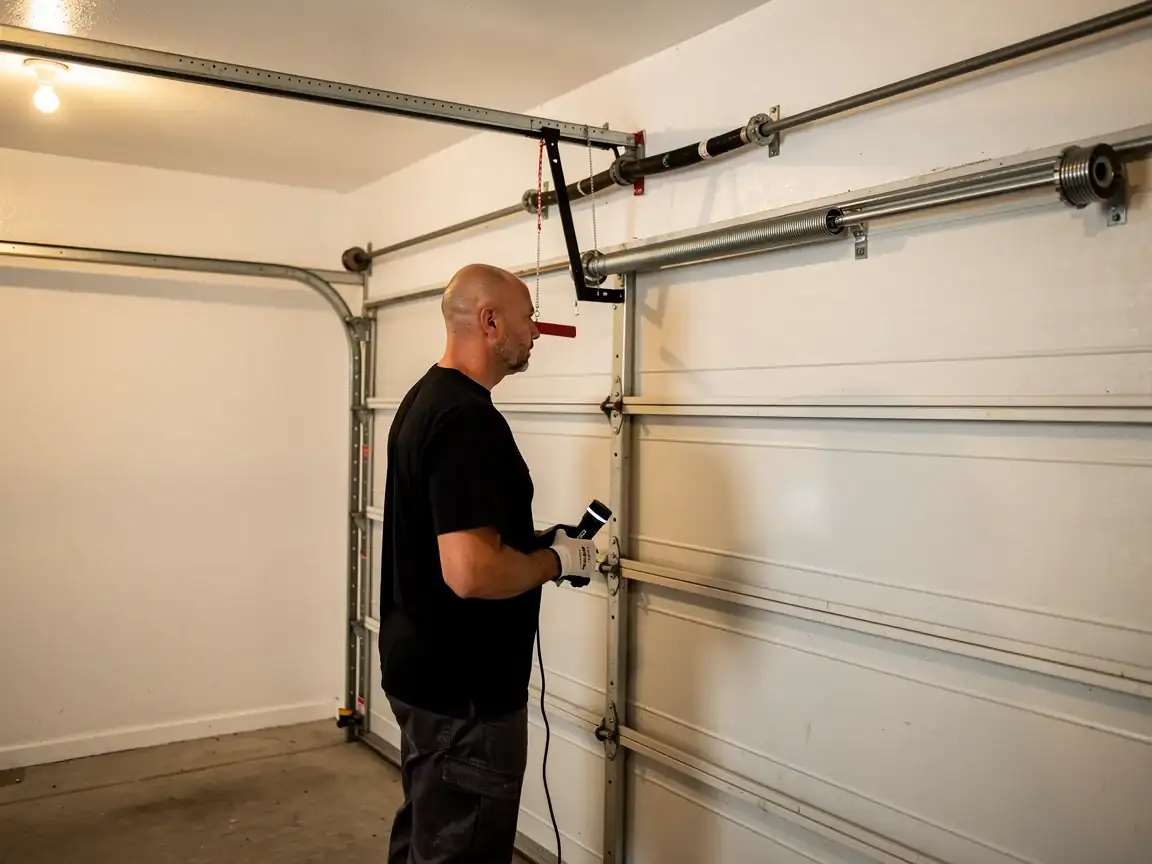
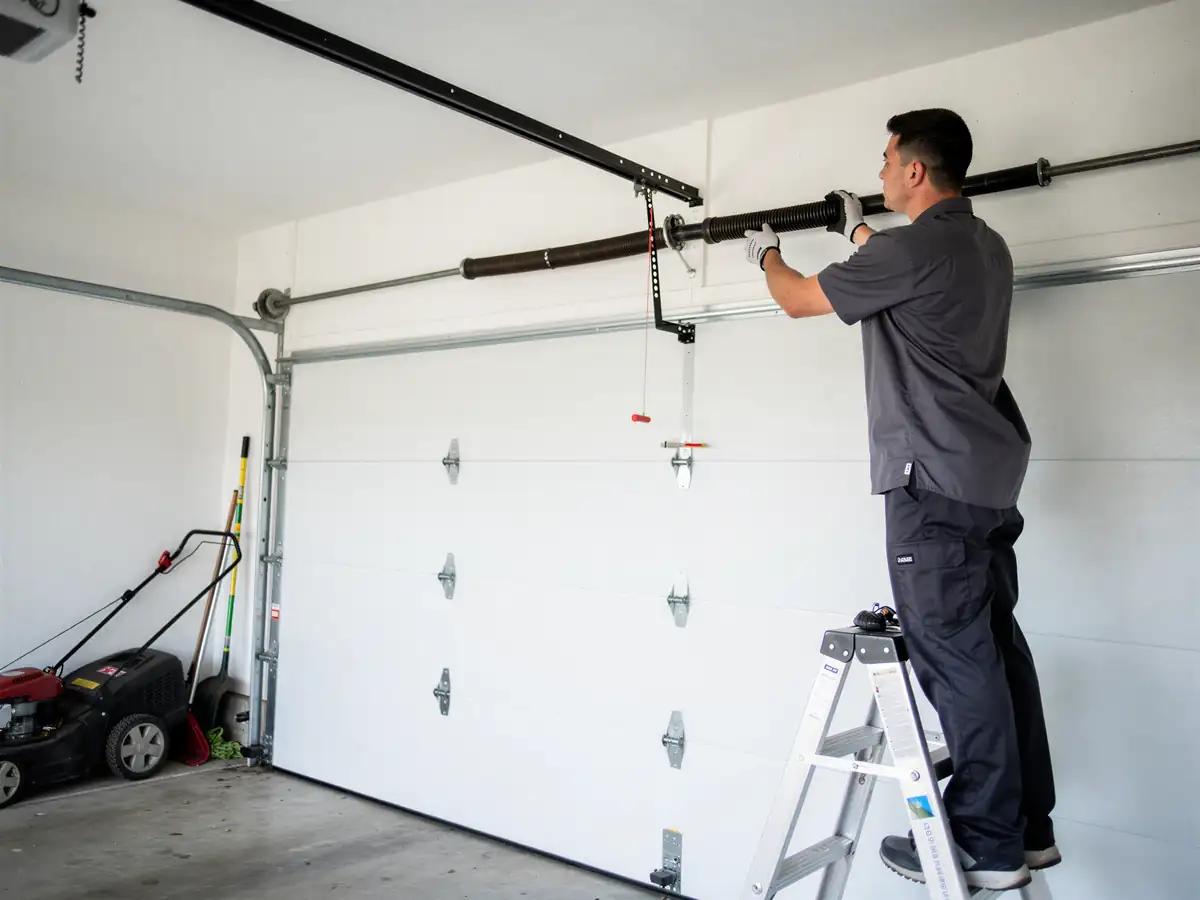
The job gets complicated when the opener bracket was never meant for the unit going in. Houses built around 1985 often have a ceiling joist spacing and header height that worked fine for the lightweight openers of that era, but a heavier modern belt-drive unit needs a stronger mounting point than the original bracket gives you. We've also run into garages where the original wiring was never grounded to current code, which means a new run before the opener goes in at all. Another spot where things slow down: torsion springs sized for the original lightweight door don't always match a heavier insulated replacement door, and an opener installed against a door and spring combination that's out of balance will burn out the drive gear in a year instead of ten. None of this is unusual for houses from this build era - it just means the job sometimes takes longer than the opener swap itself.
What You Are Seeing
If the opener hums but the door doesn't move, the gear inside the unit has likely stripped - common in openers original to houses built in the mid-1980s that are just now reaching the end of their service life. A light that blinks a set number of times when you hit the remote is usually the unit telling you an error code, and on units this old, the manual that explains the code is long gone, so we read it off the model plate inside the housing. Weak remote range that used to work fine is sometimes just an aging receiver board, not the remote itself. A door that reverses at random points in its travel points to the sensors, not the opener, which is a different fix and a cheaper one.
How Long You Are Without the Door
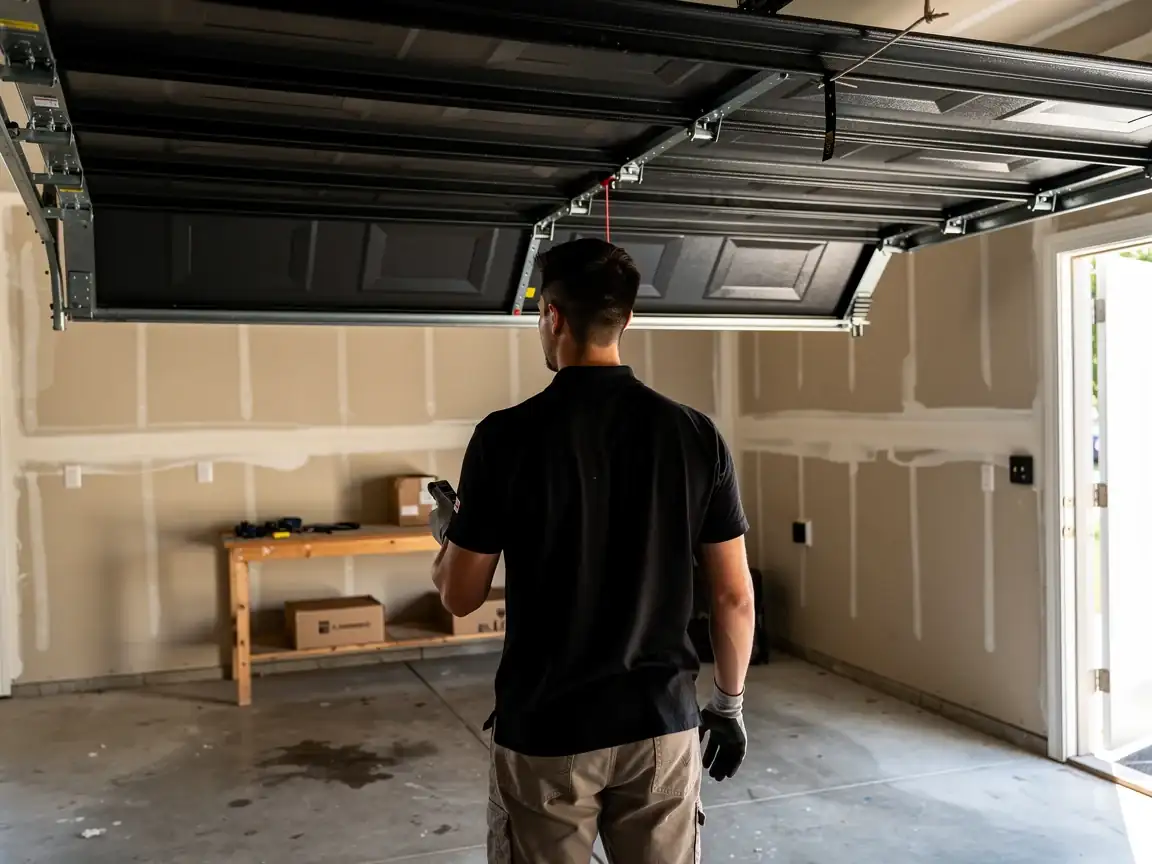
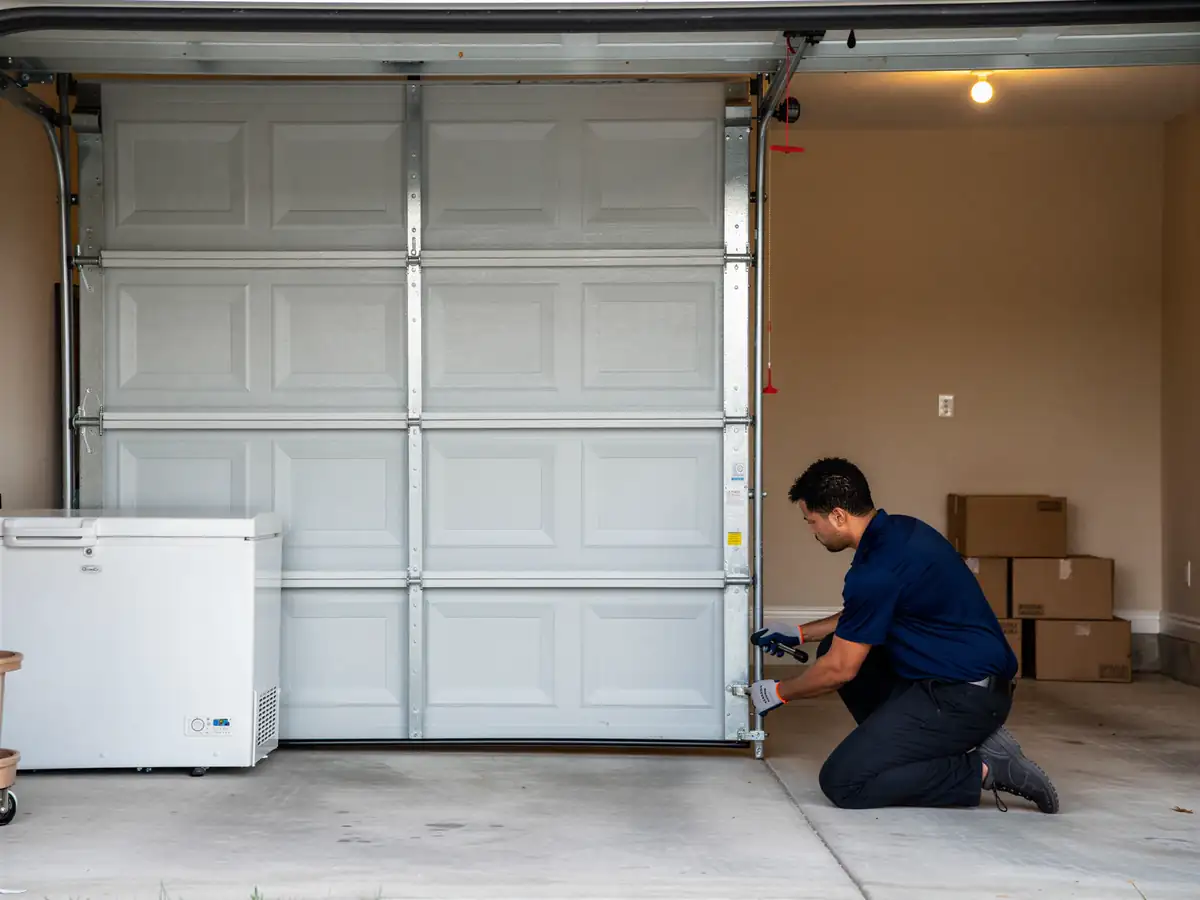
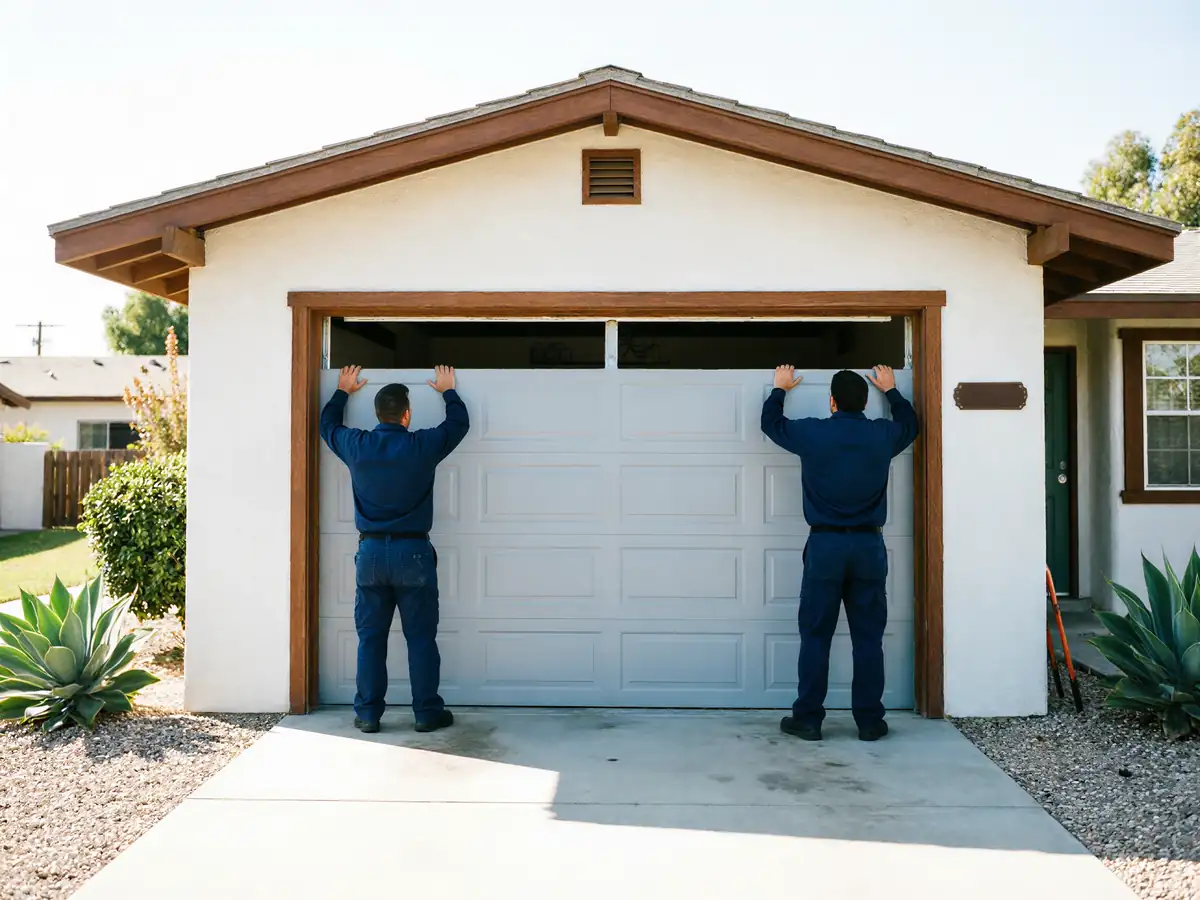
Once the opener and parts are in the truck, the swap itself is usually a half-day job start to finish, test cycles included. The variable in Rancho San Diego is the 5-mile run from our shop in Spring Valley - not a long trip, but it's the reason we schedule the visit rather than treat it as a walk-in stop. If the job turns up a wiring problem or a bracket that needs reinforcing partway through, that can push a same-day install into a second visit, since we don't carry every gauge of wire or every bracket size on the truck. For most houses out here, though, the door goes up, down, and back to normal use before the day is out.