Parts We Carry
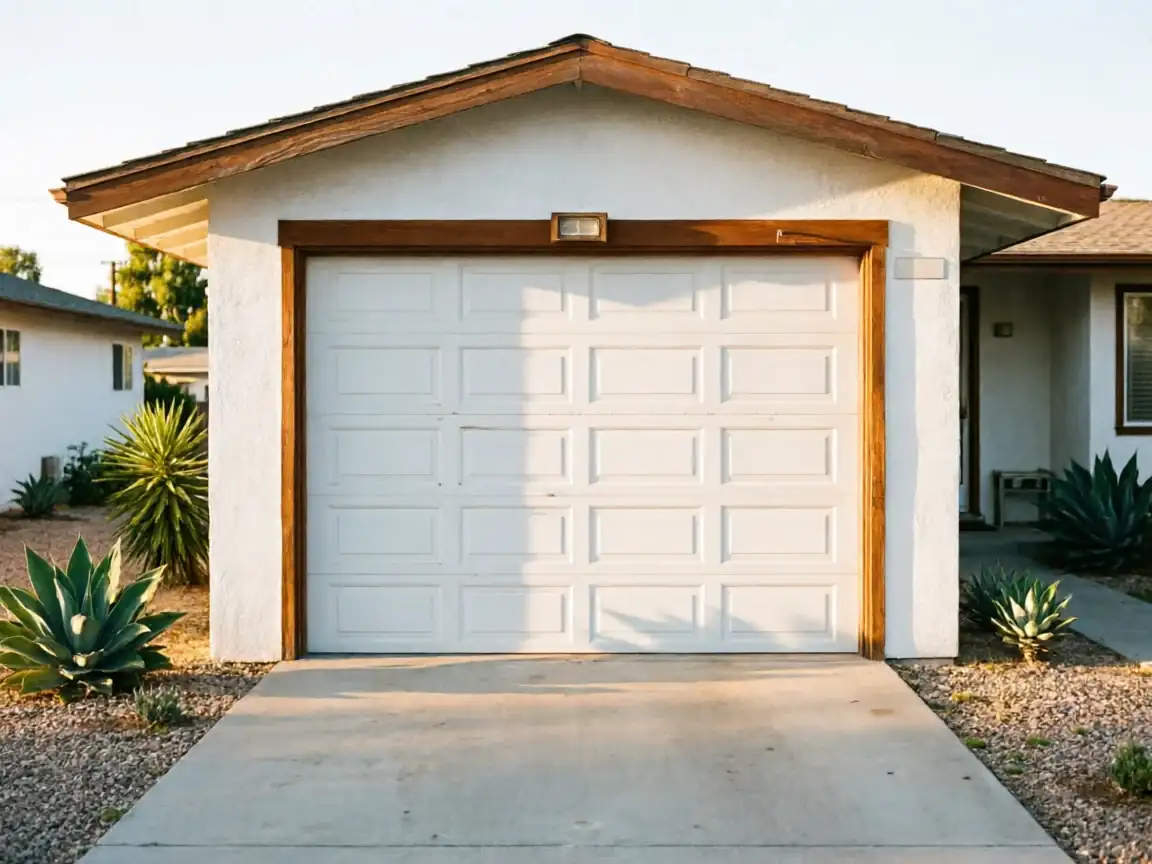
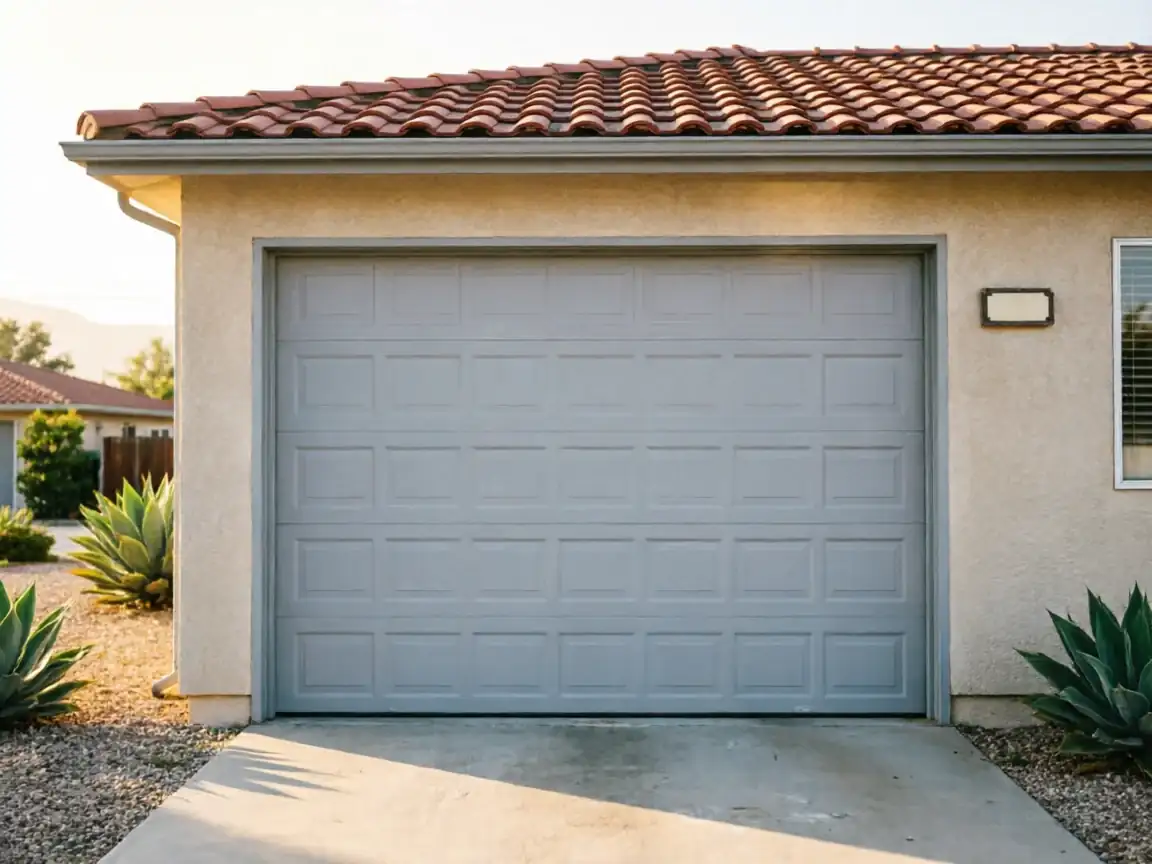
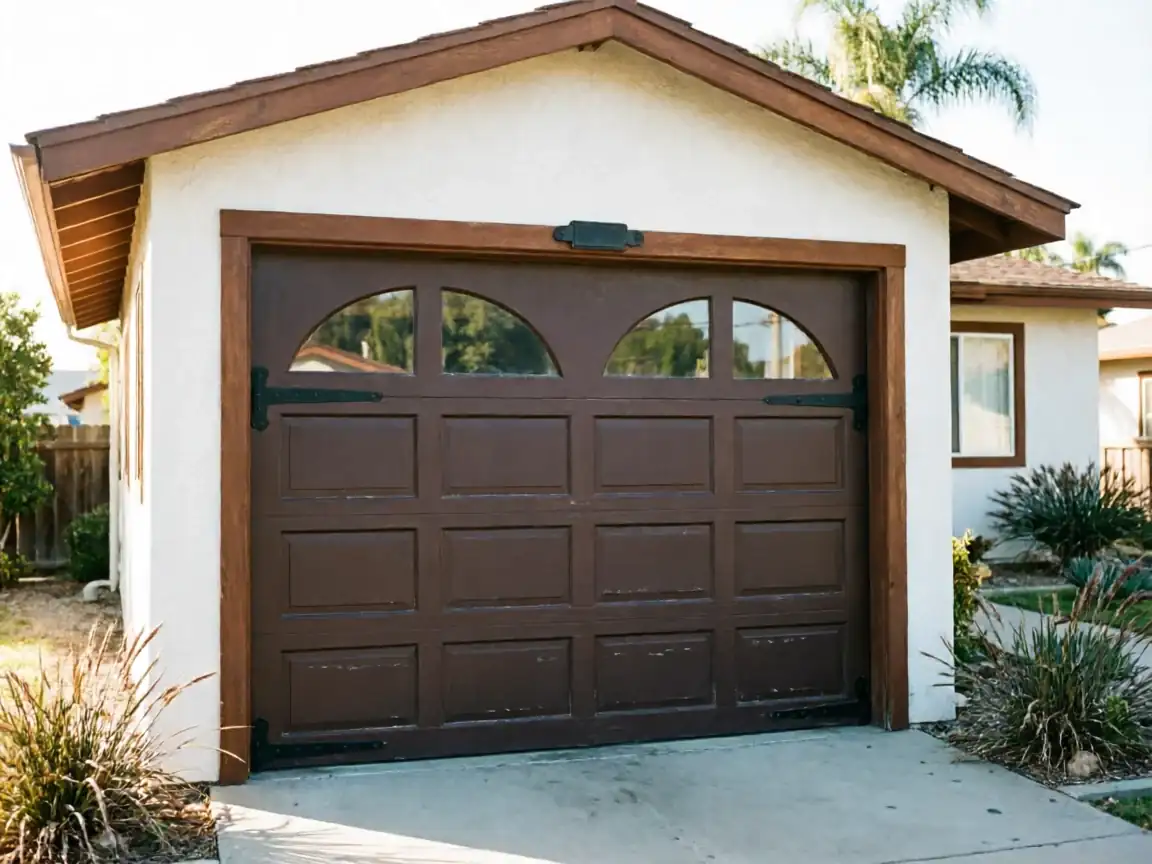
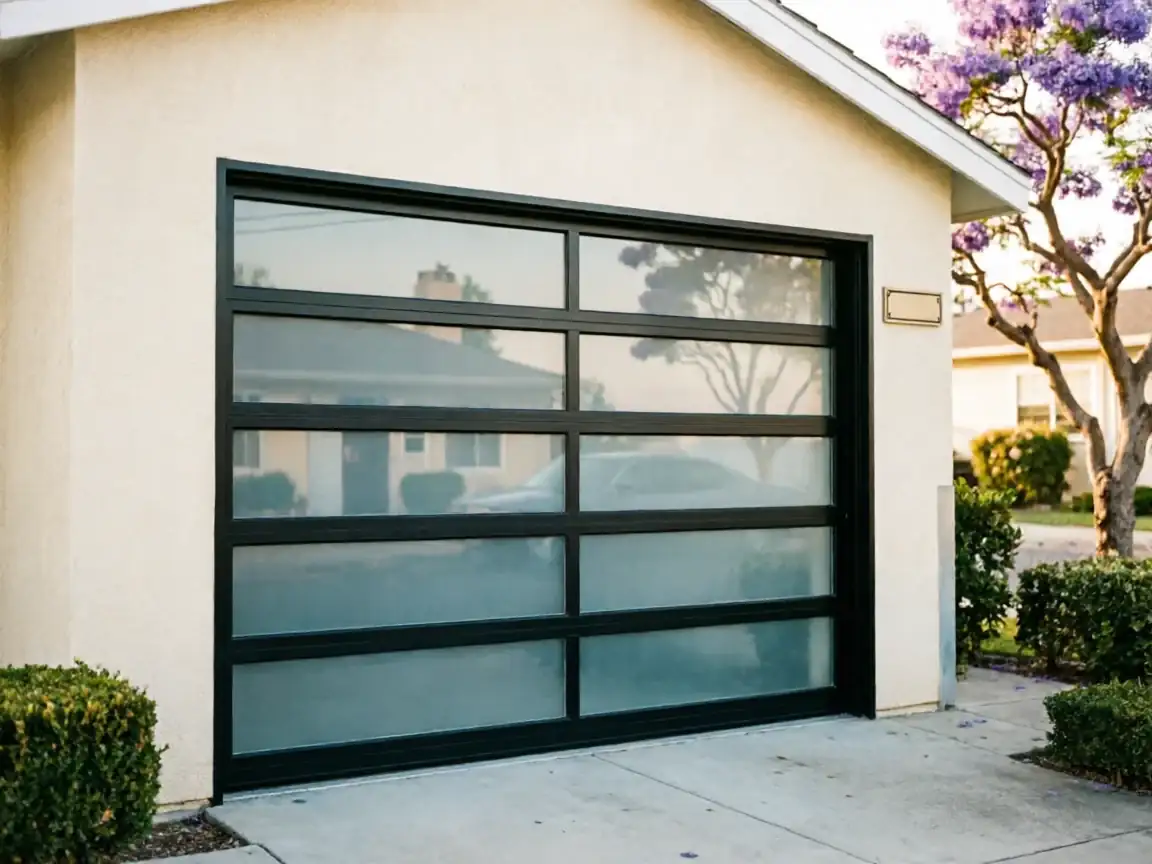
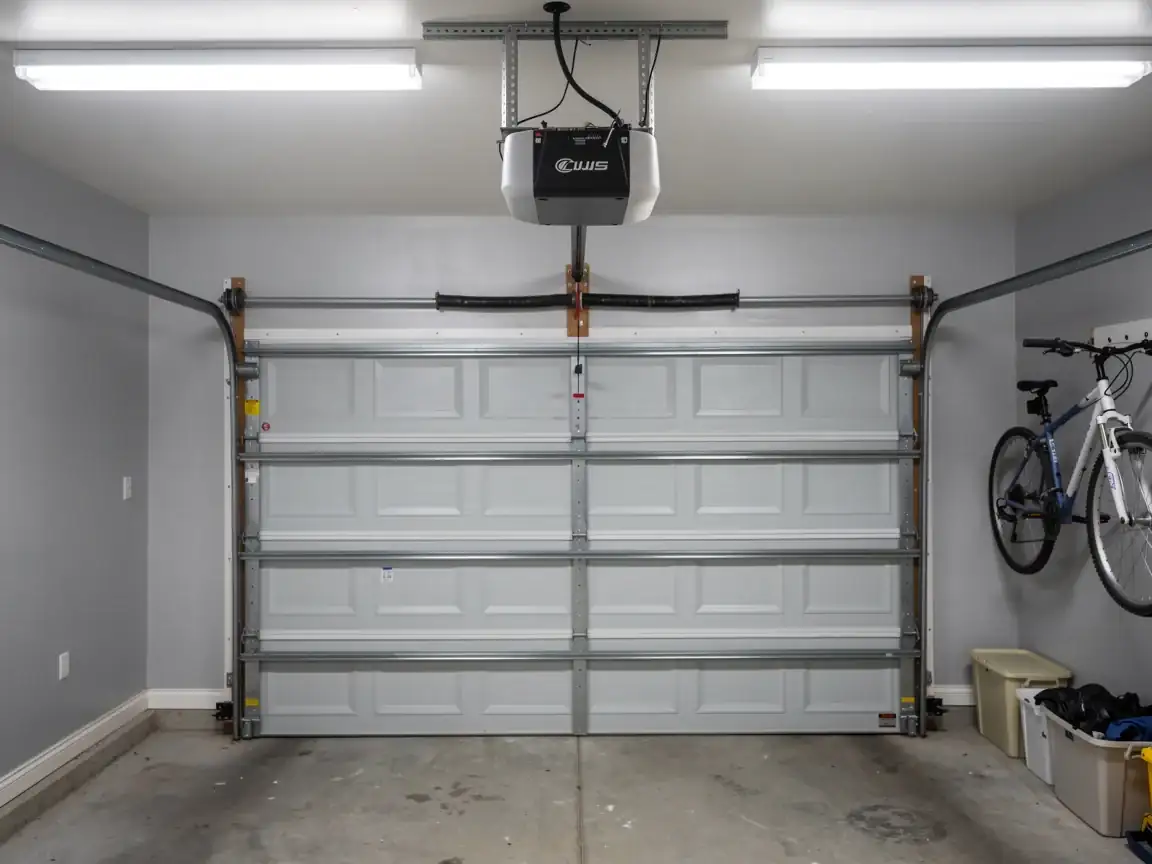
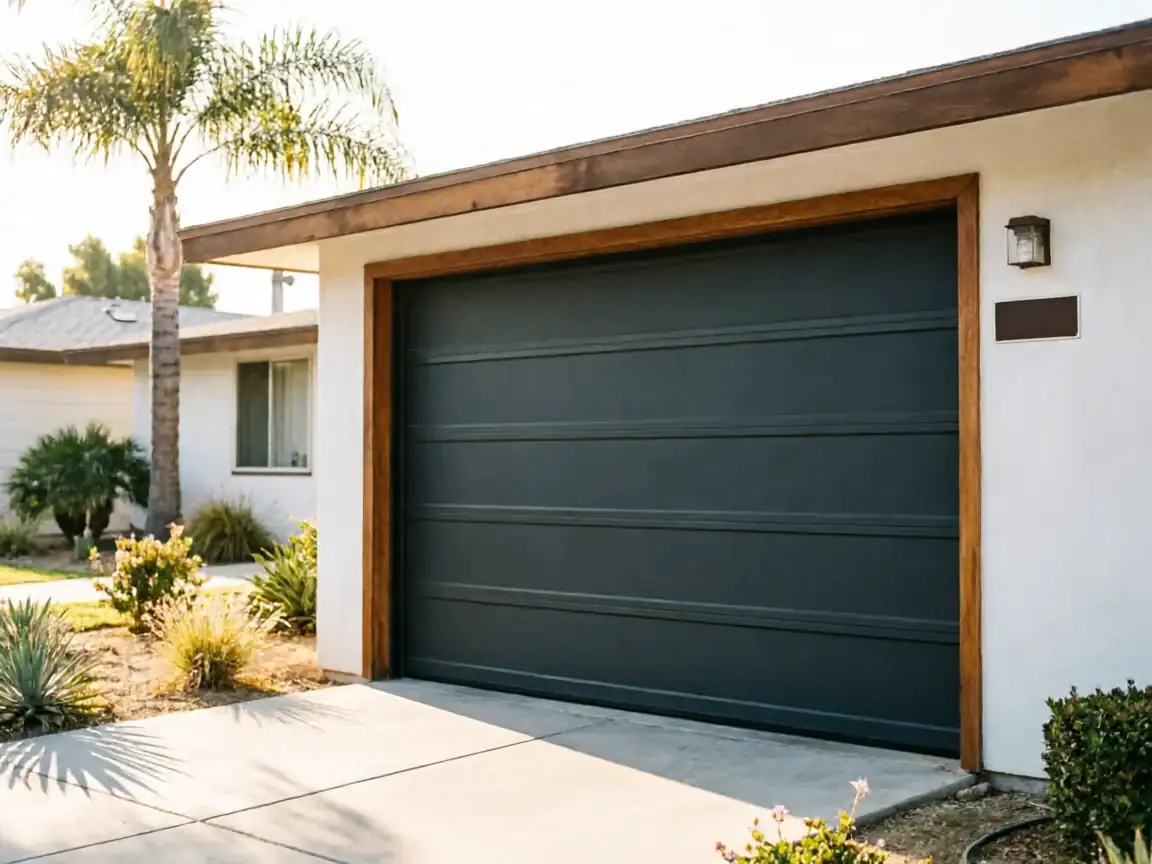
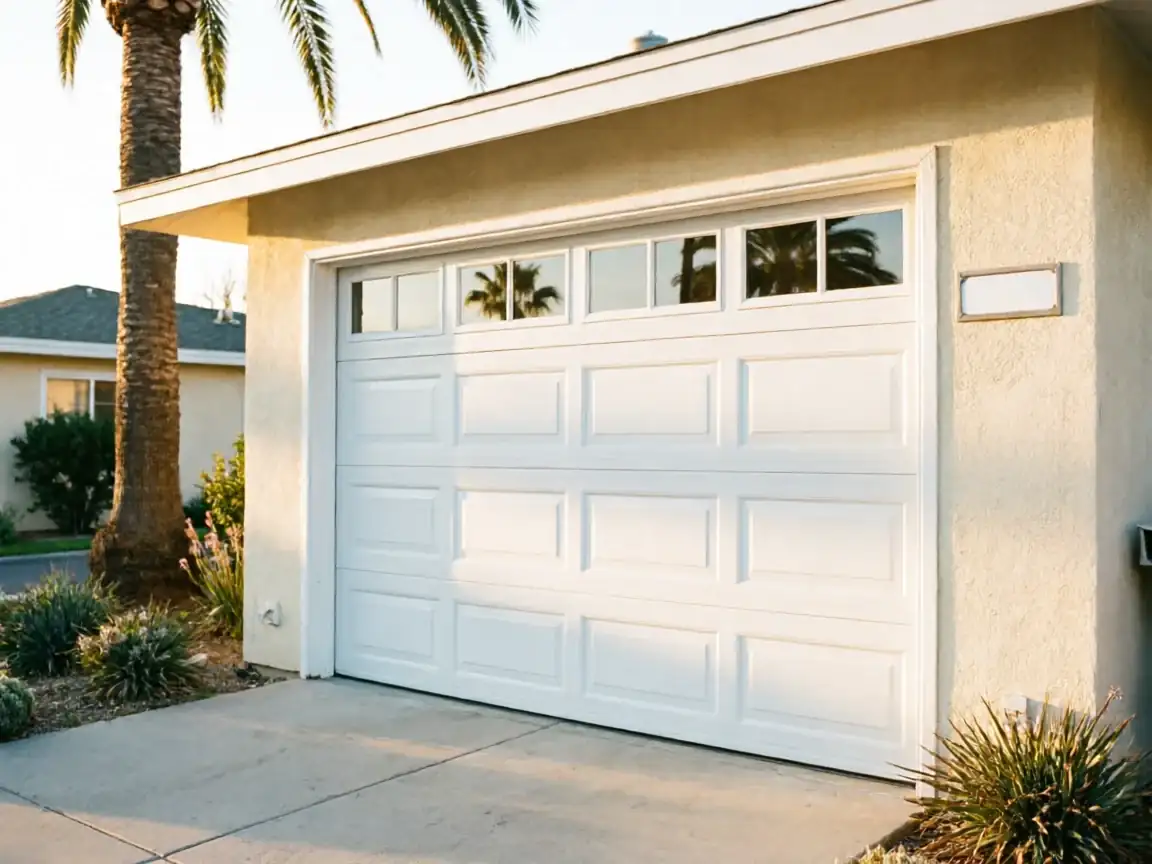
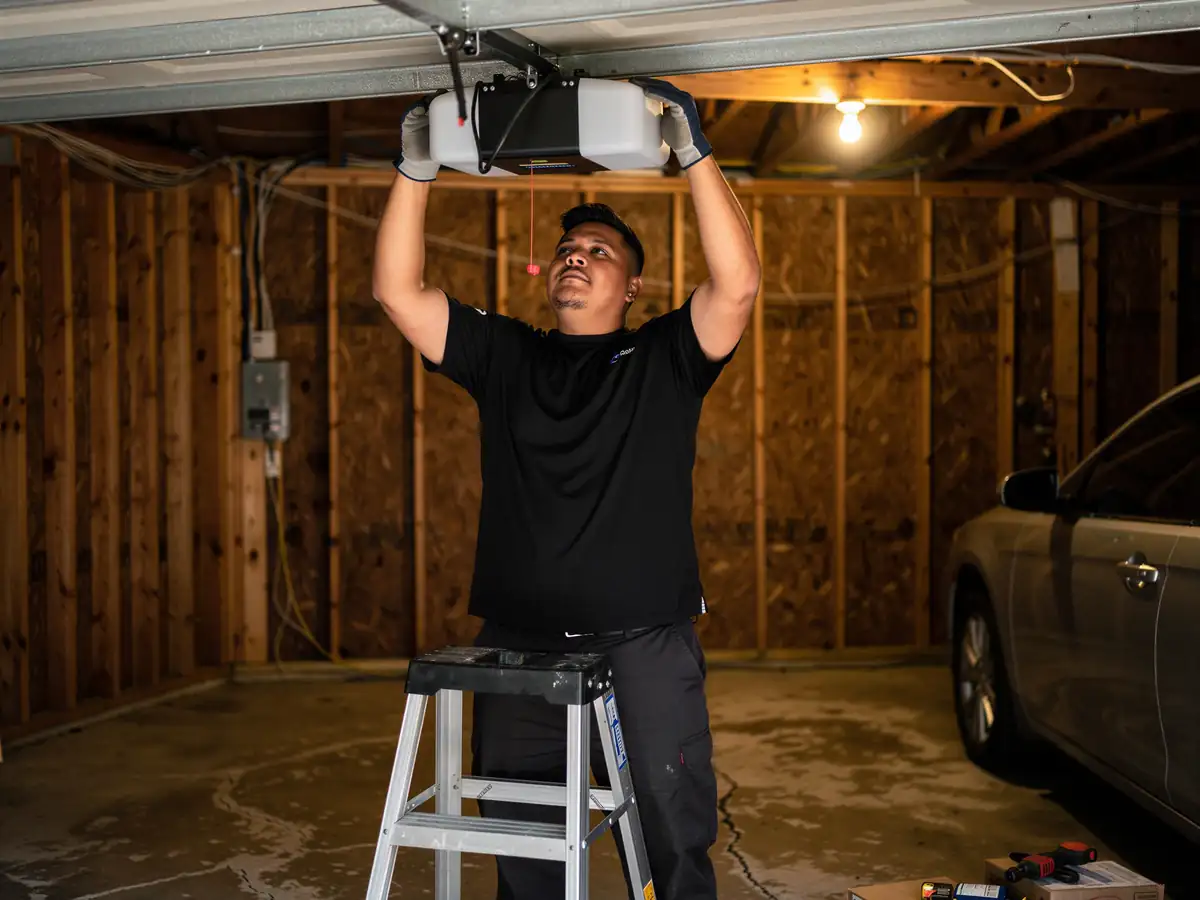
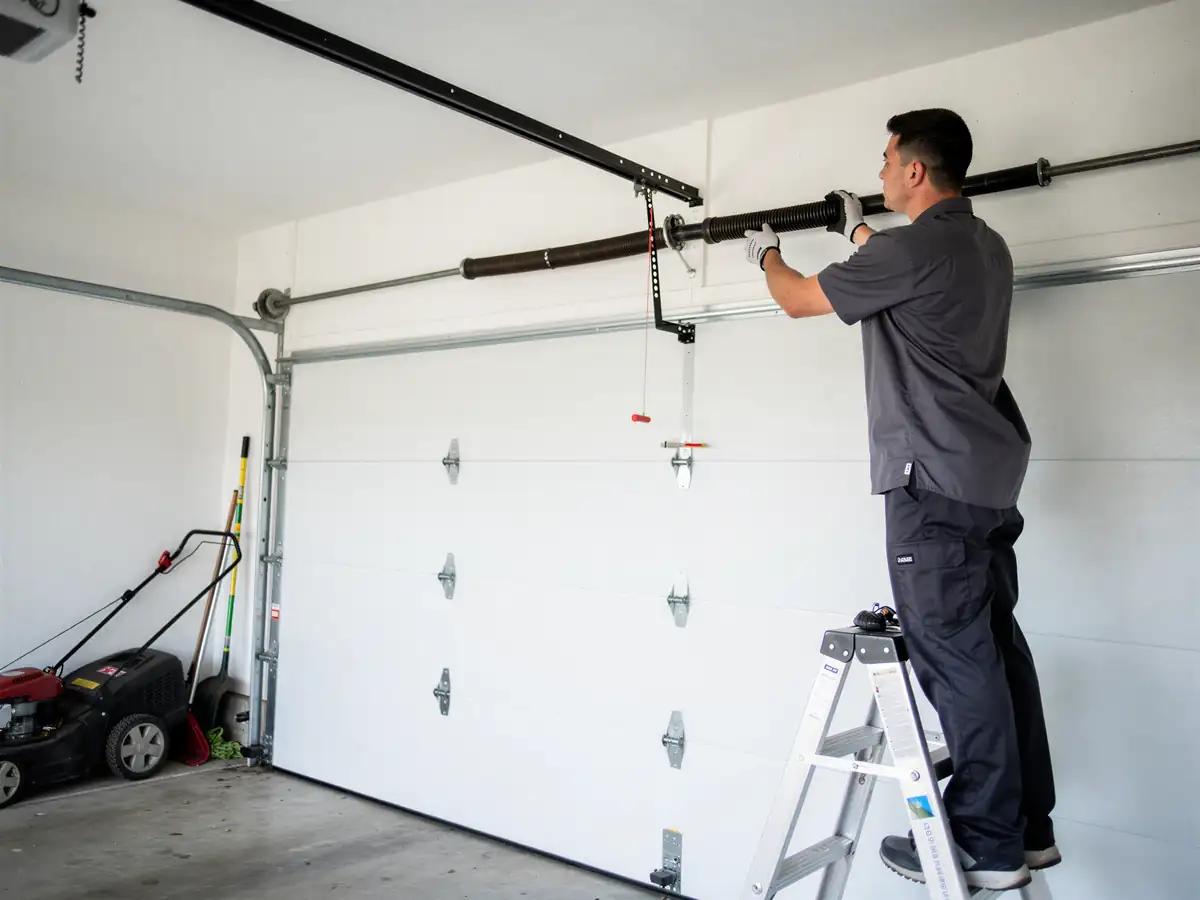
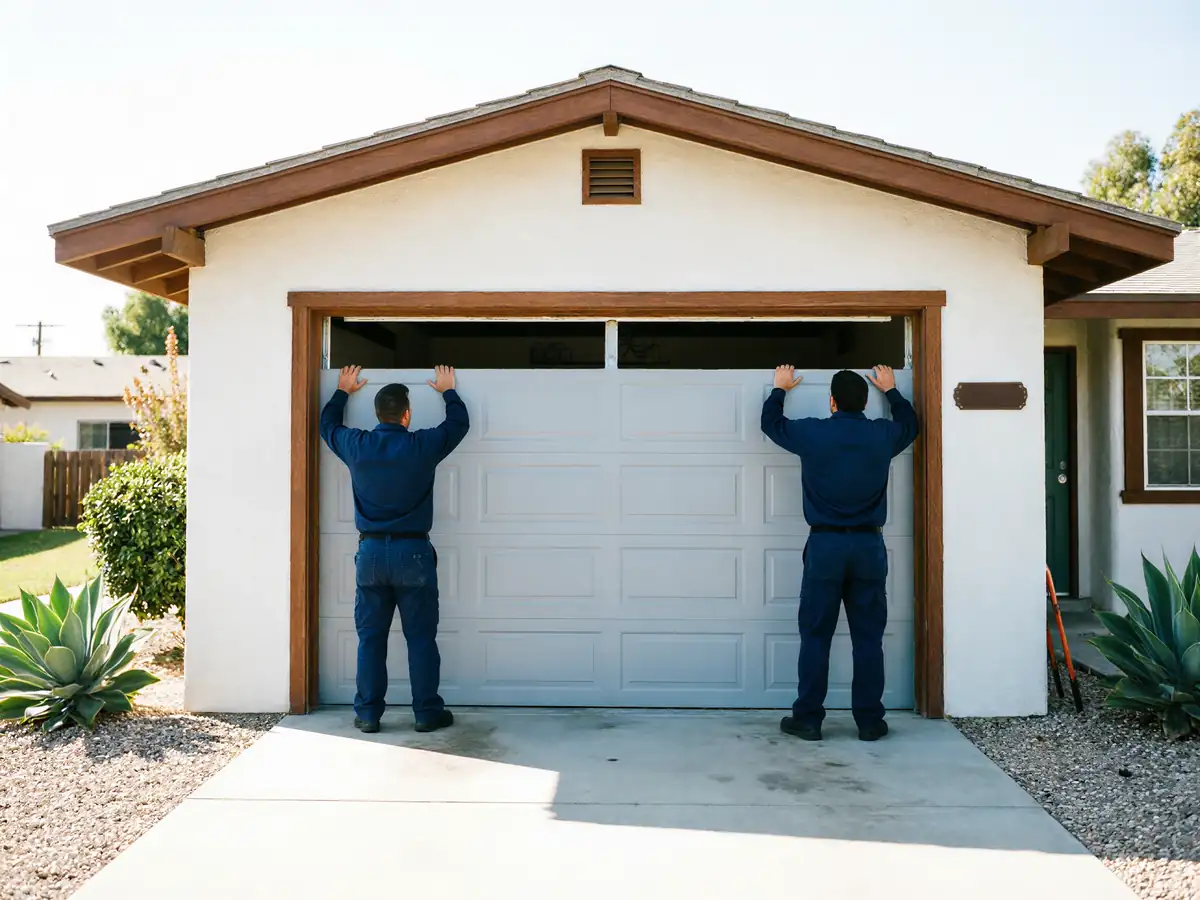
Rancho San Diego's housing stock runs newer than much of the rest of the area we cover - median year built is 1985 here, versus 1975 across the broader 1967-1988 range. That means fewer original one-piece doors and more early steel sectional doors on standard torsion springs, which is good news: parts for that era are still made, not scavenged. We stock torsion springs sized for mid-80s door weights, standard-width track for the garage openings builders used in that period, and openers that bolt to the same ceiling mounts those houses were framed for. We carry galvanized steel sectional panels in the widths that match 1980s two-car openings without a special order. What we don't keep on the truck is anything custom - oversized openings, insulated glass-panel doors, or non-standard track for additions built later onto these houses. That's a lead-time item, not a same-day part, and we'll tell you that up front instead of pretending otherwise.
Where This Job Goes Sideways
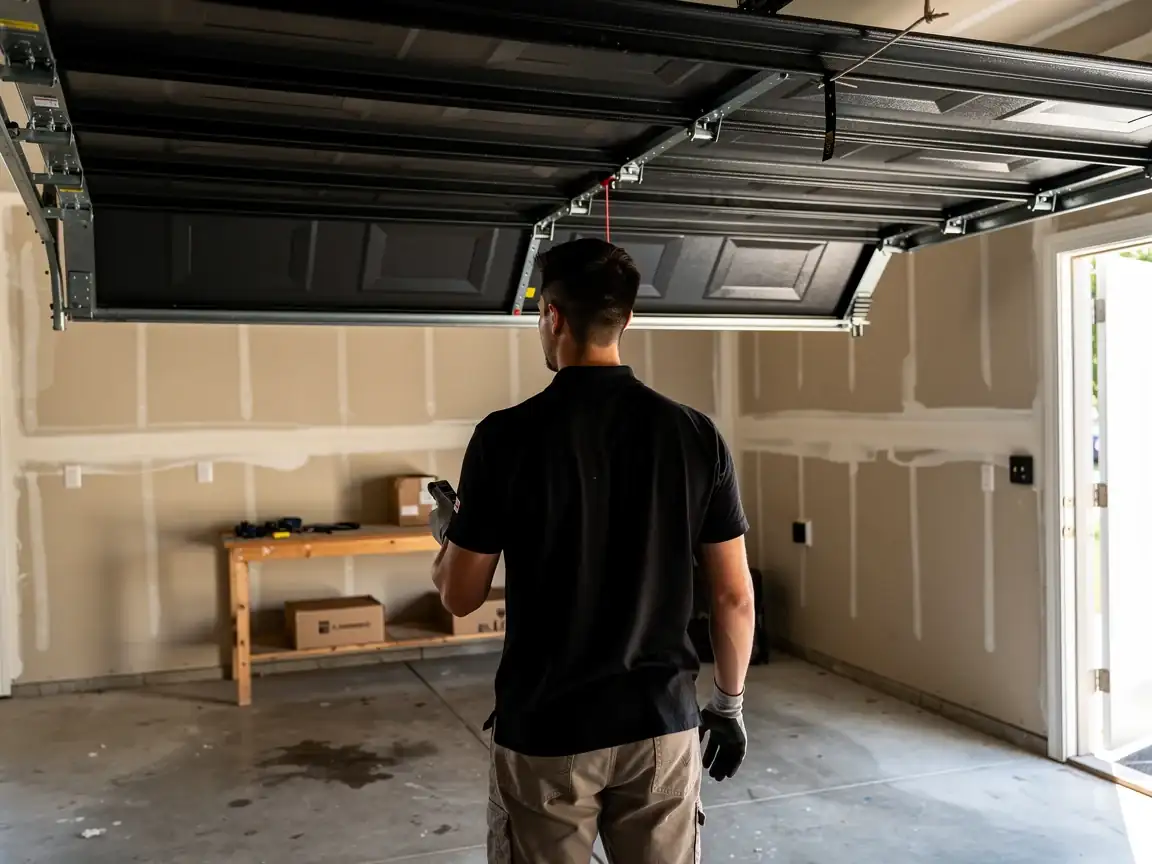
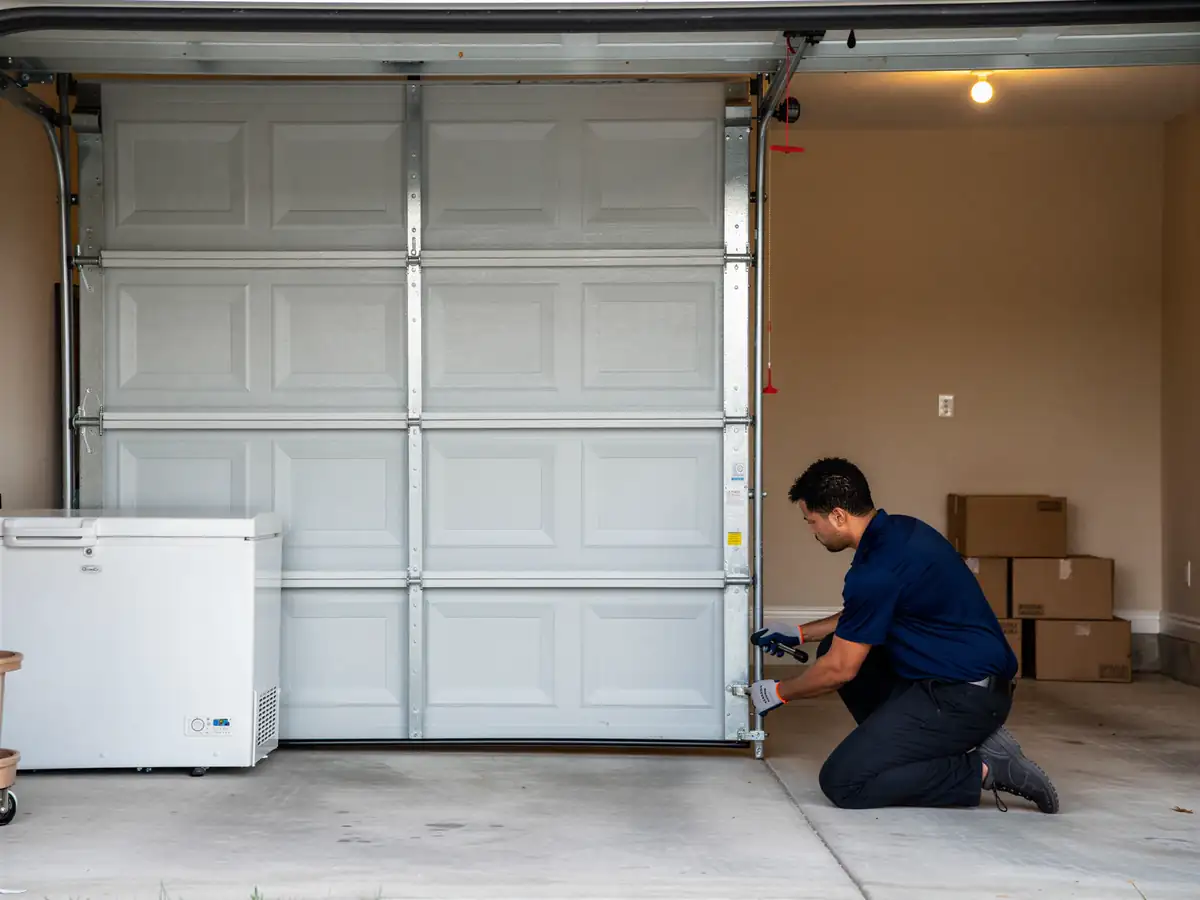
A straight install on a square 1980s opening is a clean job. Where it goes sideways is when the opening itself has shifted - these houses are forty years old now, and a slab that's settled even half an inch throws off the plumb of the jambs. We've measured openings that look fine from the driveway and turn out to be a quarter-inch out of square top to bottom, which means the new door won't seat right against the stock weatherstrip unless we shim the track or trim the jamb first. The other sideways moment is the header. Some additions and converted spaces in this area were framed without the extra backing a heavier insulated door needs, and we find that only once we're up on the ladder. Neither problem is a deal-breaker, but both add time to a job we might have quoted as a half-day. We'd rather tell you that during the estimate than discover it mid-install and have the conversation with a half-finished door hanging in your garage.
What You Are Seeing
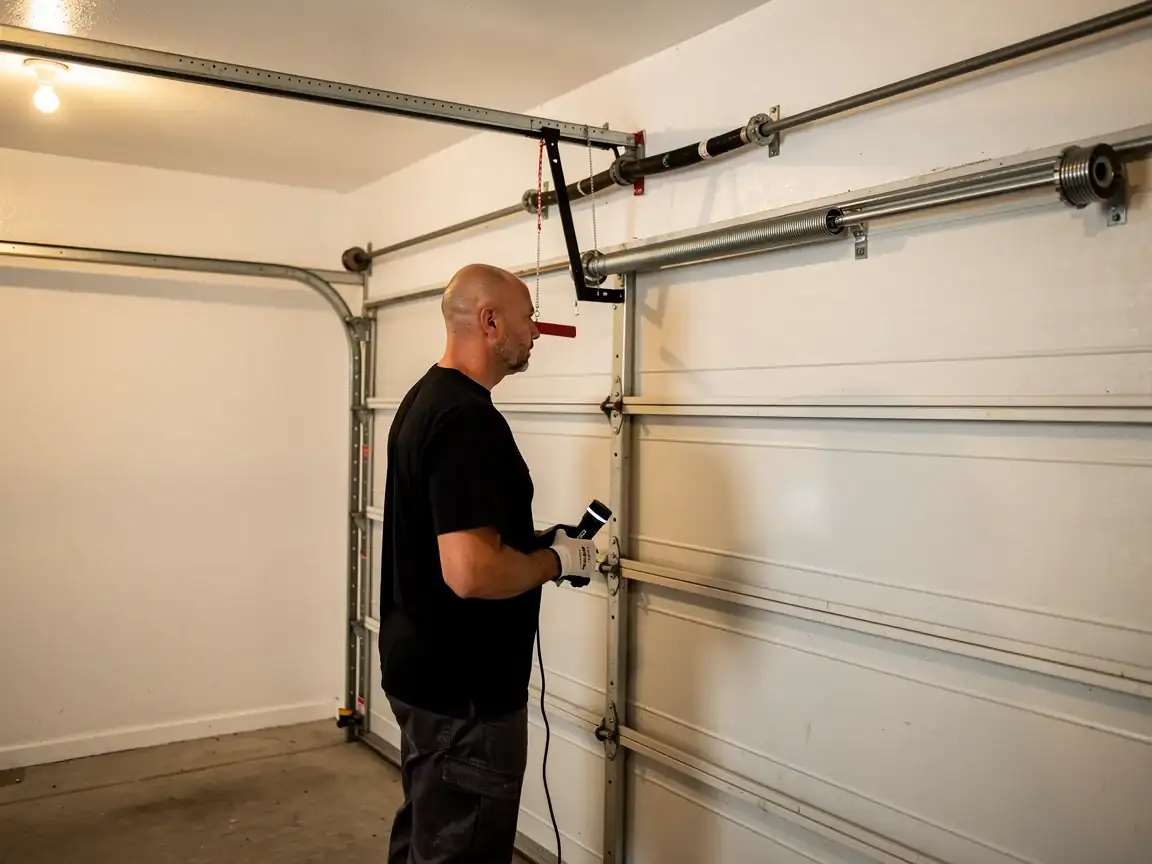
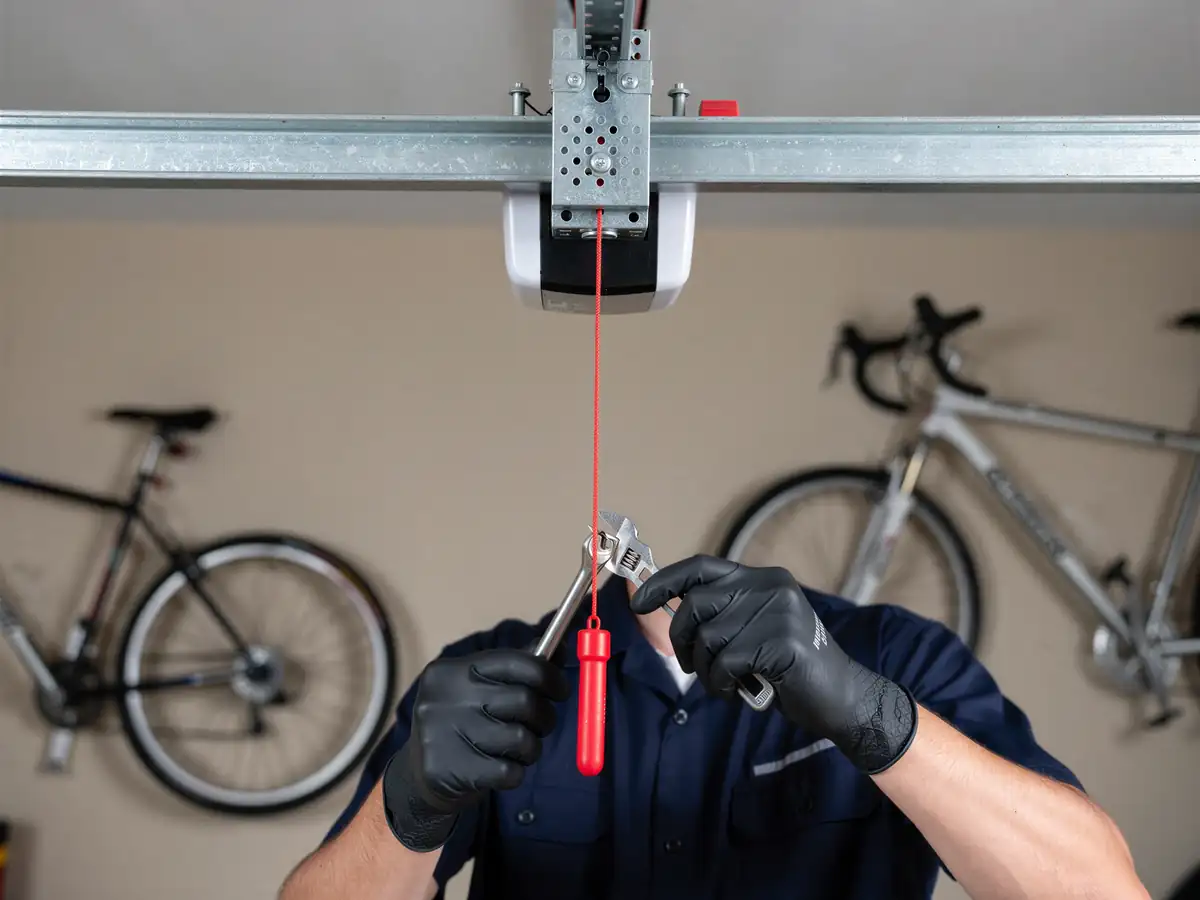
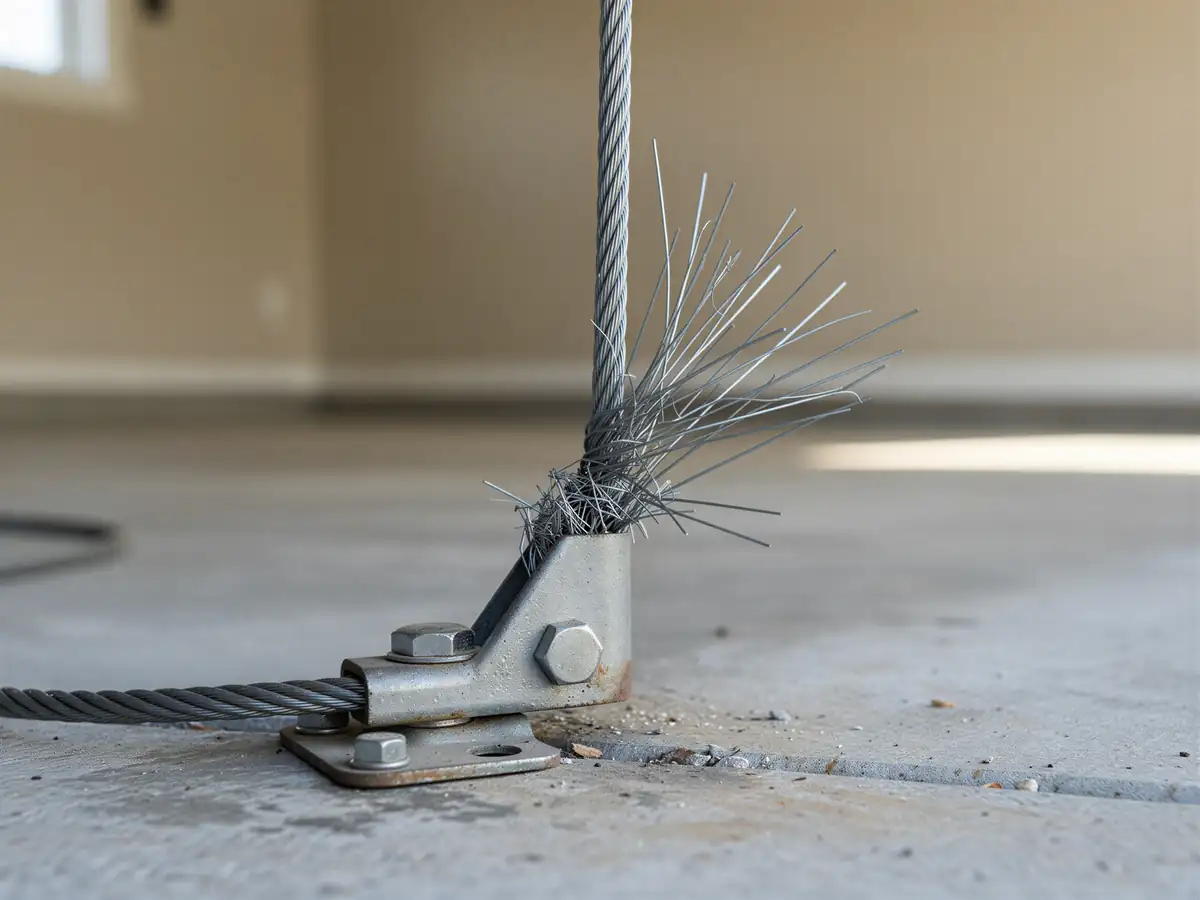
If your door is sticking partway up, or the opener strains and reverses before it closes, that's usually spring fatigue showing up right on schedule - a door installed when the house was built in the mid-1980s is past due for its second spring cycle by now. Rust streaking at the bottom panel seam is common too, not from any extreme weather here (the climate across the area stays mild, no deep freeze or heavy monsoon load to blame) but from decades of ordinary condensation sitting against galvanized steel at the lowest point of the door. A door that's gone visibly off-track, with rollers binding or the panel bowing at one corner, usually points back to that slab settling we mentioned - worth having looked at before you force it with the opener and strip the gears.
How Long You Are Without the Door
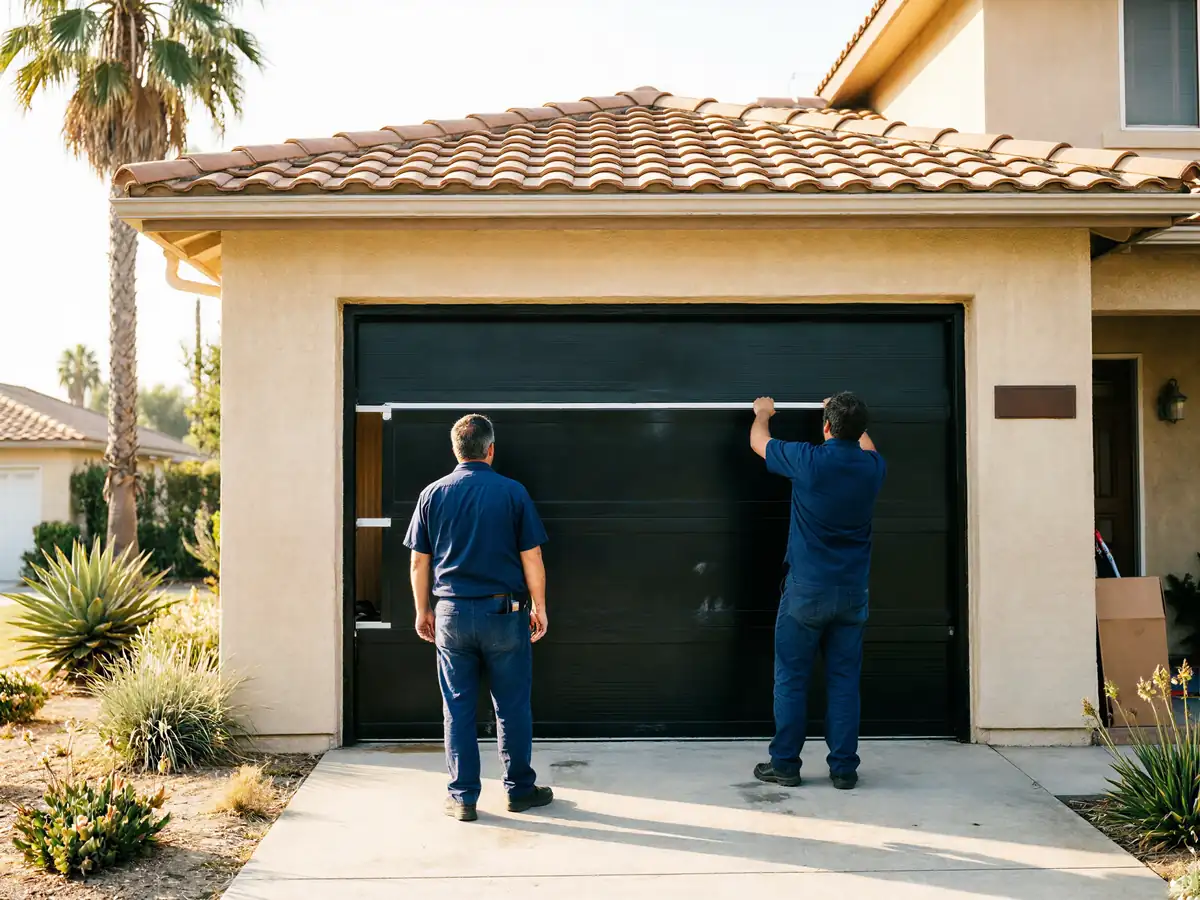
We run this job out of Spring Valley, about 5 miles from Rancho San Diego, so there's no local branch stocking extra inventory here - what's on the truck is what we bring. For a standard steel sectional install matching the openings common to 1980s construction here, the door itself typically goes in within the day once we're on site, assuming the opening doesn't need the jamb or header work covered above. If your house needs a non-standard width or an insulated glass-panel upgrade, that part isn't something we carry stock of, and you're looking at an order lead time before we can schedule the install. We'll give you a real number for that during the estimate rather than guess at it here.