Parts We Carry
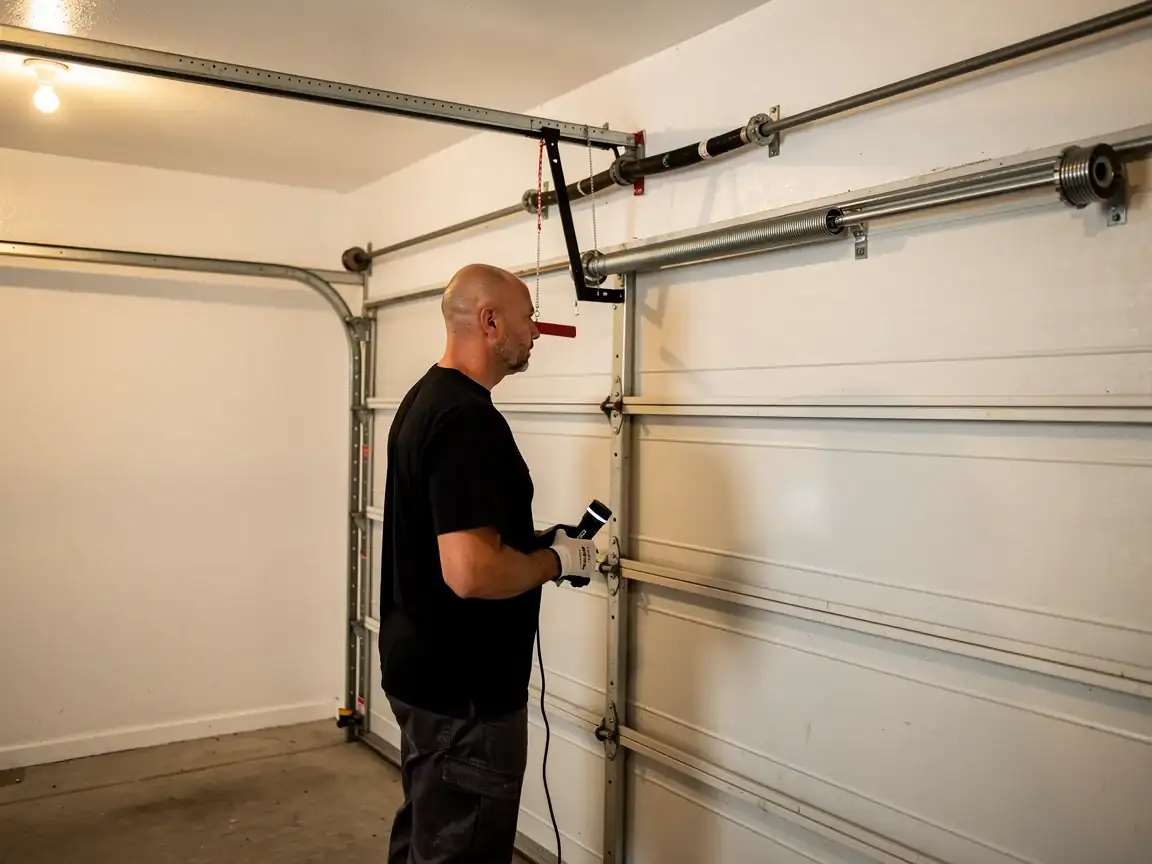
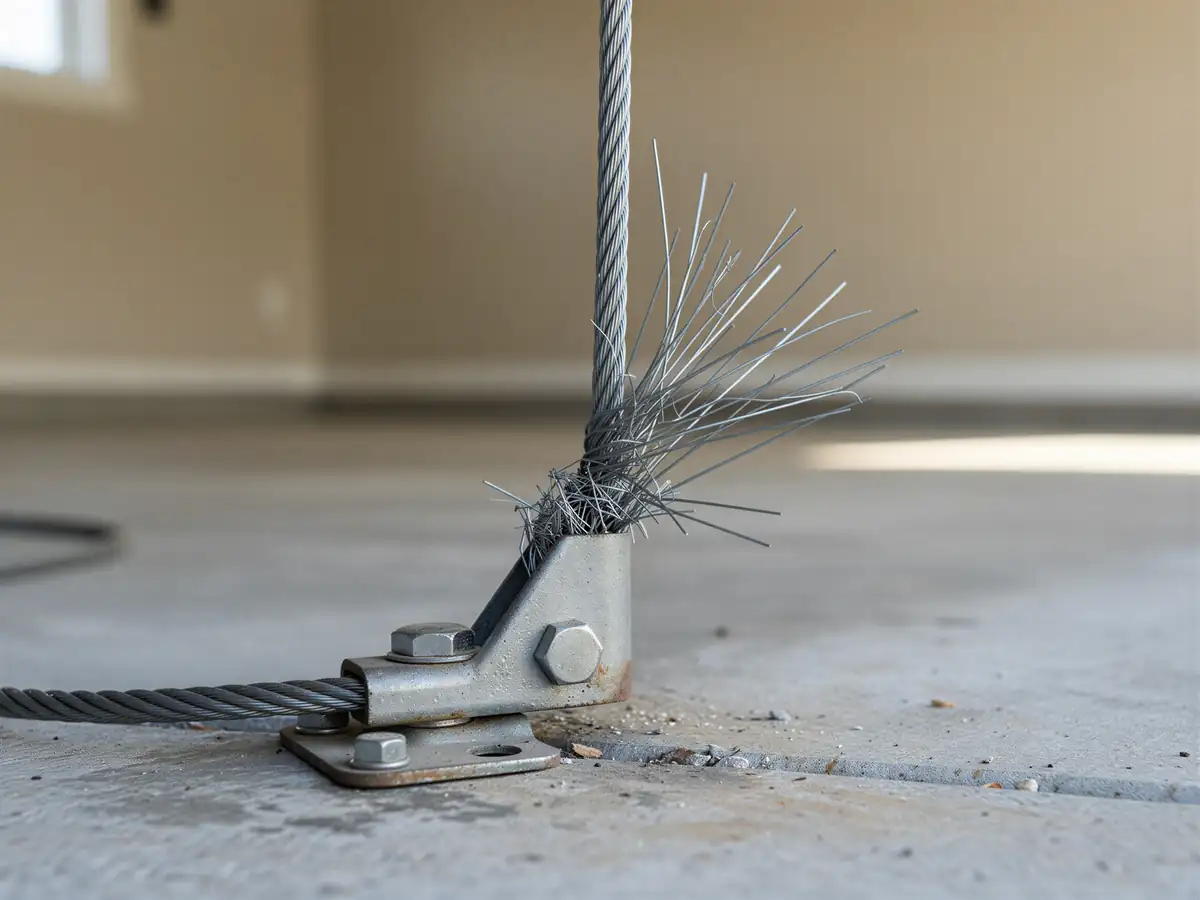
For a 1967-built door, the cable is usually galvanized aircraft cable wound on a cable drum at each end of the torsion shaft, not the newer extension-spring style pulley setups you see on younger builds. We stock standard 1/8-inch and 7x19 galvanized cable in the lengths that fit common torsion and extension door heights, plus the drums, S-hooks, and safety cables that tend to go bad alongside a snapped main cable on a door this age. The mild coastal-influenced climate here means we're not fighting heavy rust the way a shop further inland might, but galvanized cable still fatigues and frays from years of cycling, which is the actual failure mode we see most on these older doors. What we don't carry on the truck is obsolete drum sizing for a handful of odd-ball original installs - if your door has a drum pattern that's been discontinued, that's a special-order part, and we'll tell you that up front rather than make a return trip a surprise.
How We Fix It
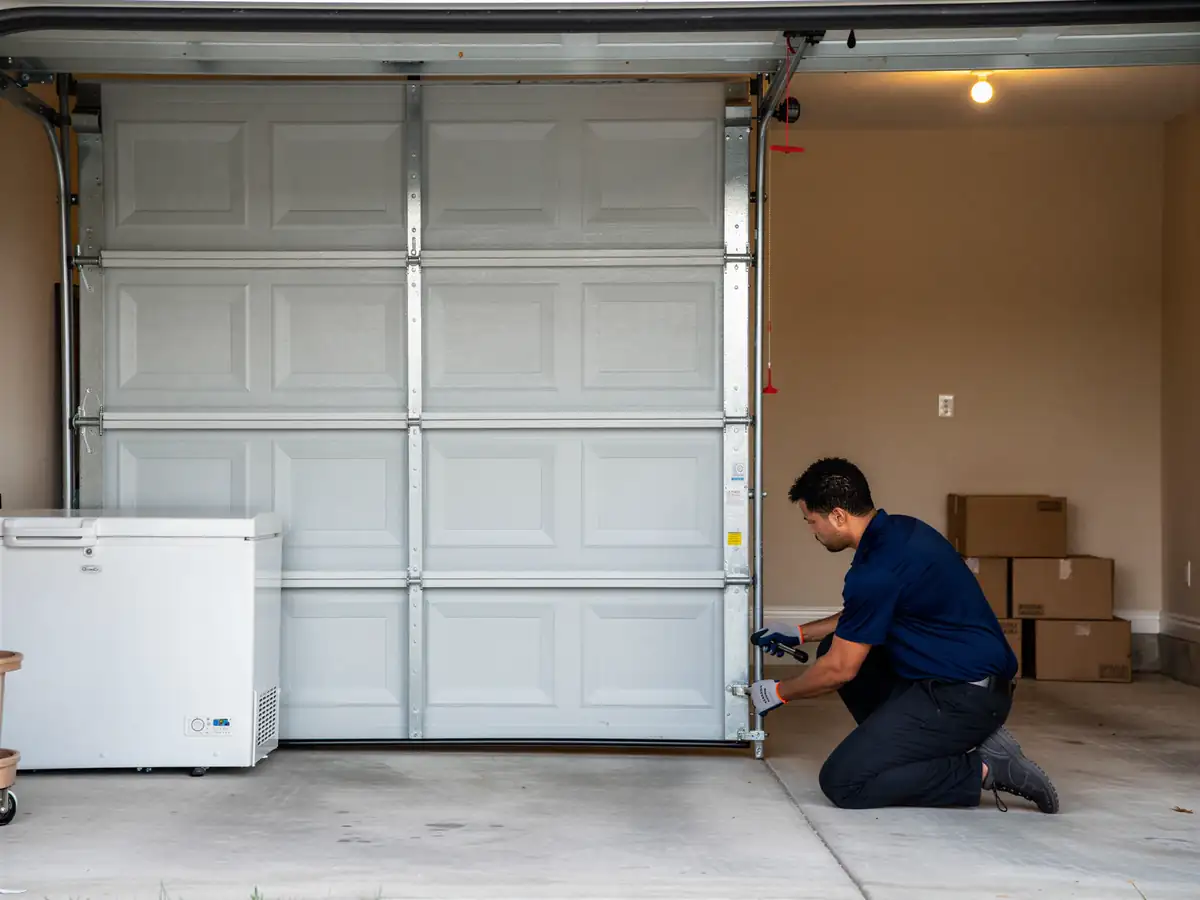
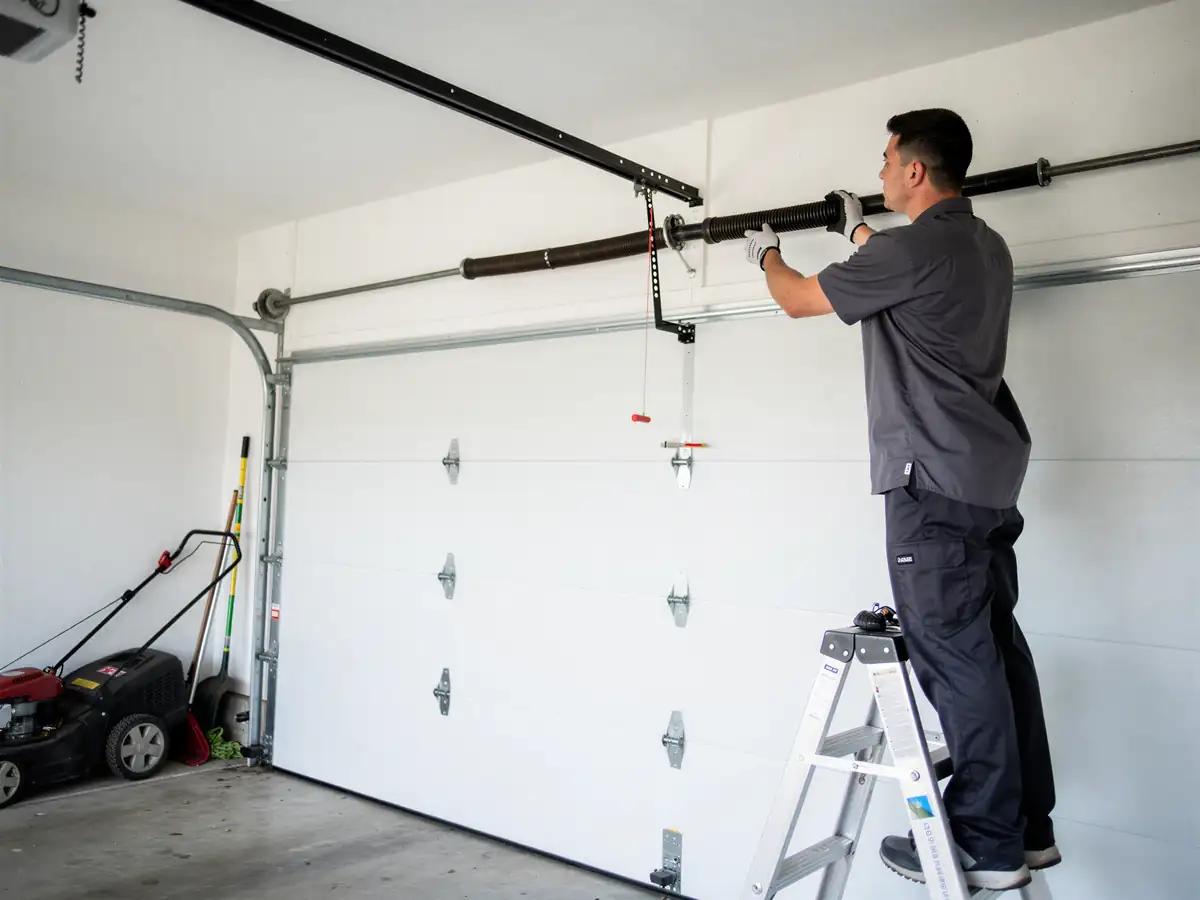
First we release tension on the torsion spring safely, because a cable job on a door this age almost always means working near original springs that have had decades of cycles on them. Then we pull the old cable off the drum, check the drum groove and the bottom bracket for wear, and look at the other side even if it hasn't failed yet - on a 1967 door, if one cable let go from age, the other is usually close behind. We cut and seat new cable to the correct wrap and tension, re-tension the spring, and run the door through a full open-close cycle checking for drift, uneven travel, or a drum that's started to slip on the shaft. On original hardware this age, we also check the bottom bracket bolts and the bearing plates, since those wear alongside the cable and a new cable on a worn bracket just fails again in a year.
Where This Job Goes Sideways
The job gets harder when the cable didn't just fray, it jumped the drum and wedged against the shaft or the bracket, which happens more on older torsion setups where the drum has worn loose over the decades. At that point we're not swapping a cable, we're freeing a jammed drum under spring tension, and that takes longer and costs more than a clean cable swap. It also goes sideways when the original drum size on a 1967 install has been discontinued and we have to special-order a match rather than pull one off the truck. The honest limitation: if your door's hardware is original and that worn, a cable repair patches one symptom on a system that's due for a full torsion hardware replacement, and we'll say so rather than keep sending you back out for the next part that lets go.