How Long You Are Without the Door
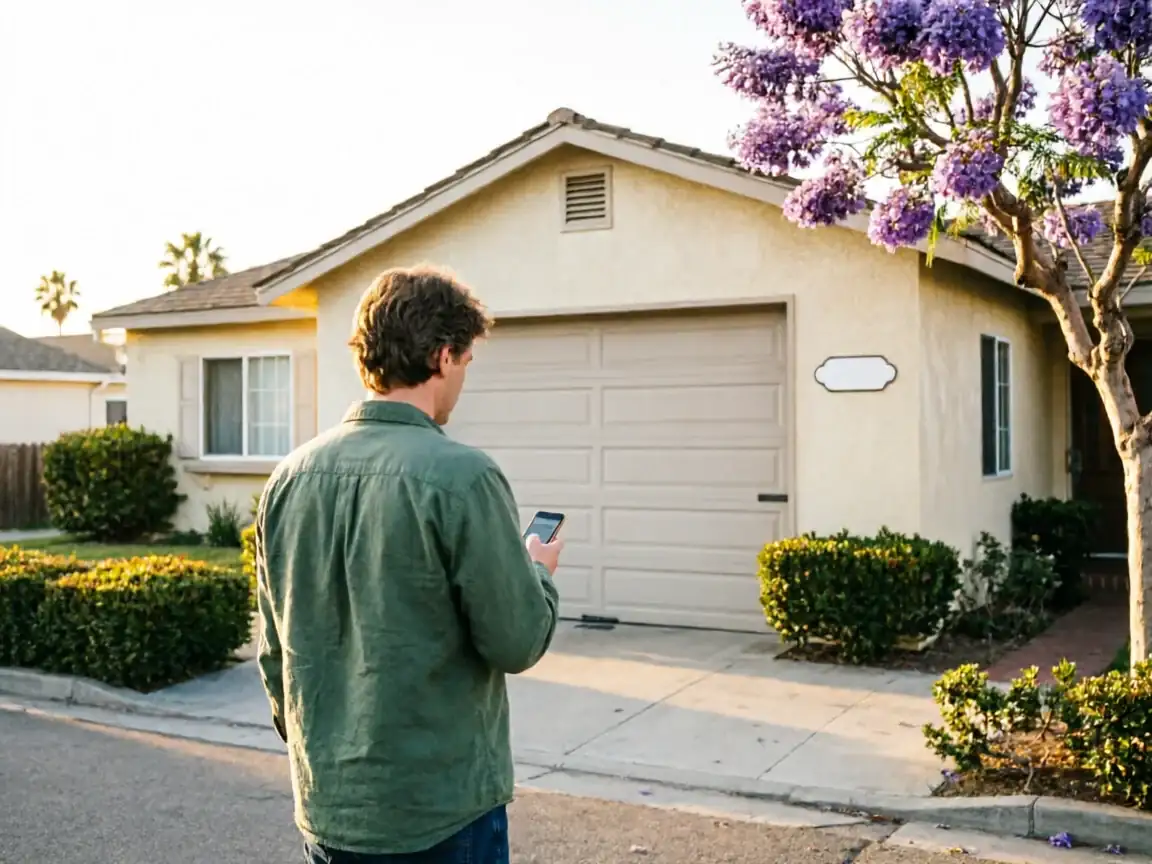
Lemon Grove sits about two miles from our Spring Valley shop
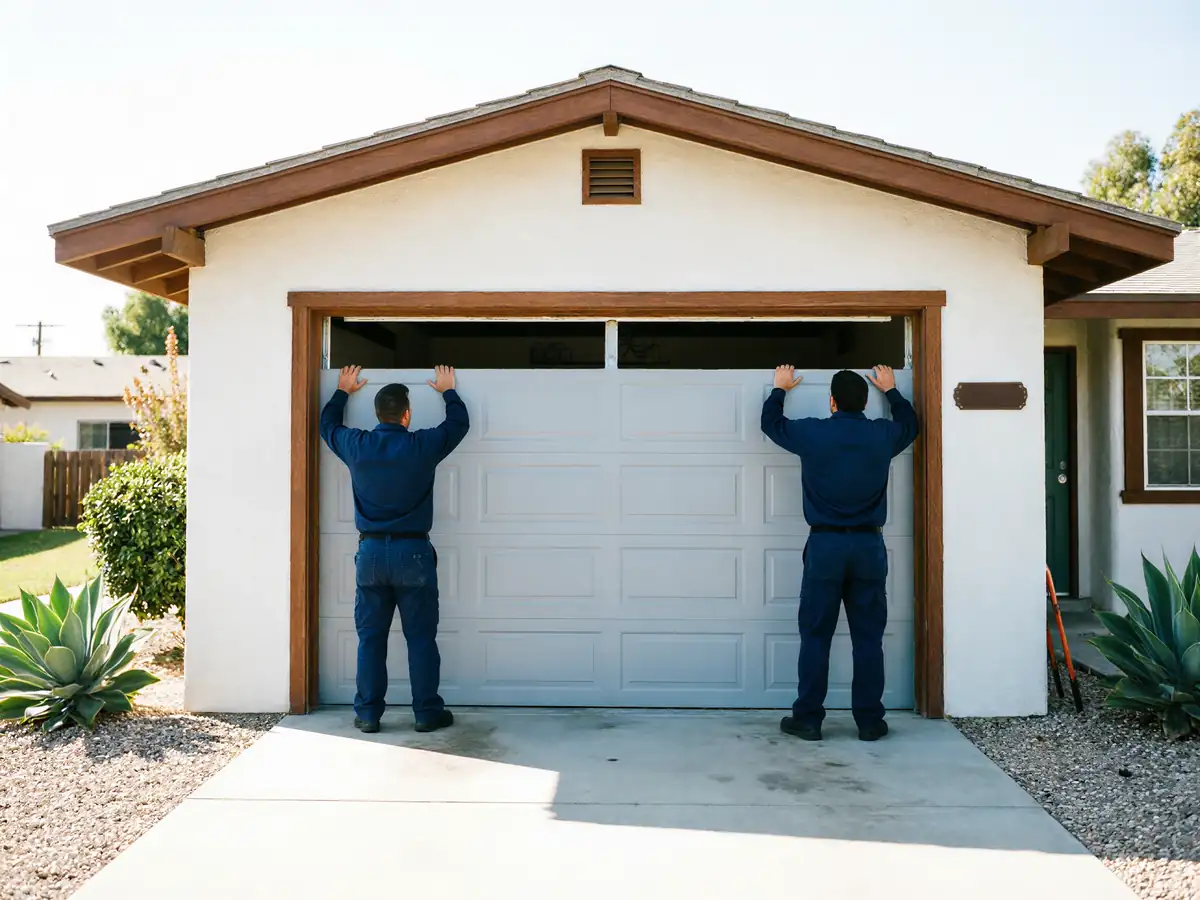
Which is close enough that a stuck or off-track door doesn't turn into an all-day wait. We don't run a branch inside Lemon Grove itself - we drive in for every call - but two miles is a short hop, not a cross-town trip, so the time you lose is mostly diagnostic and repair time, not travel time.
What actually keeps a door down longer here is the age of the hardware
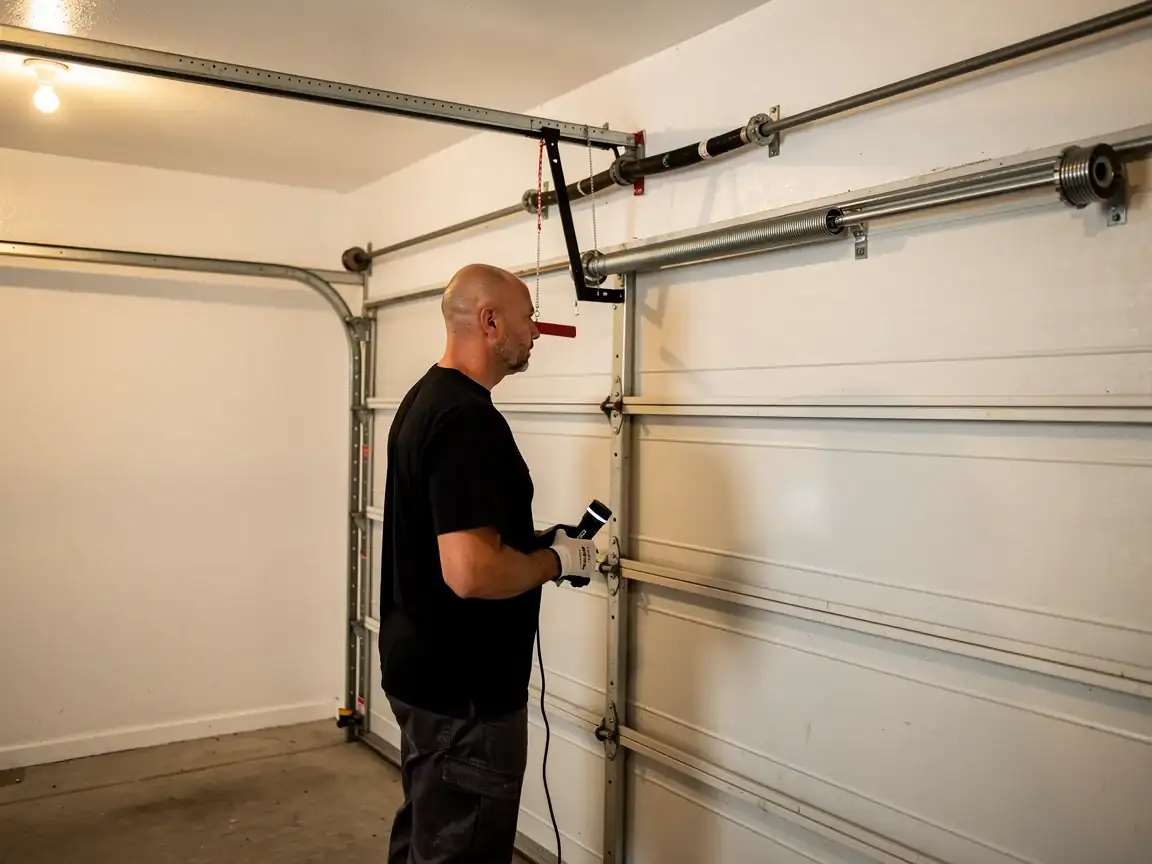
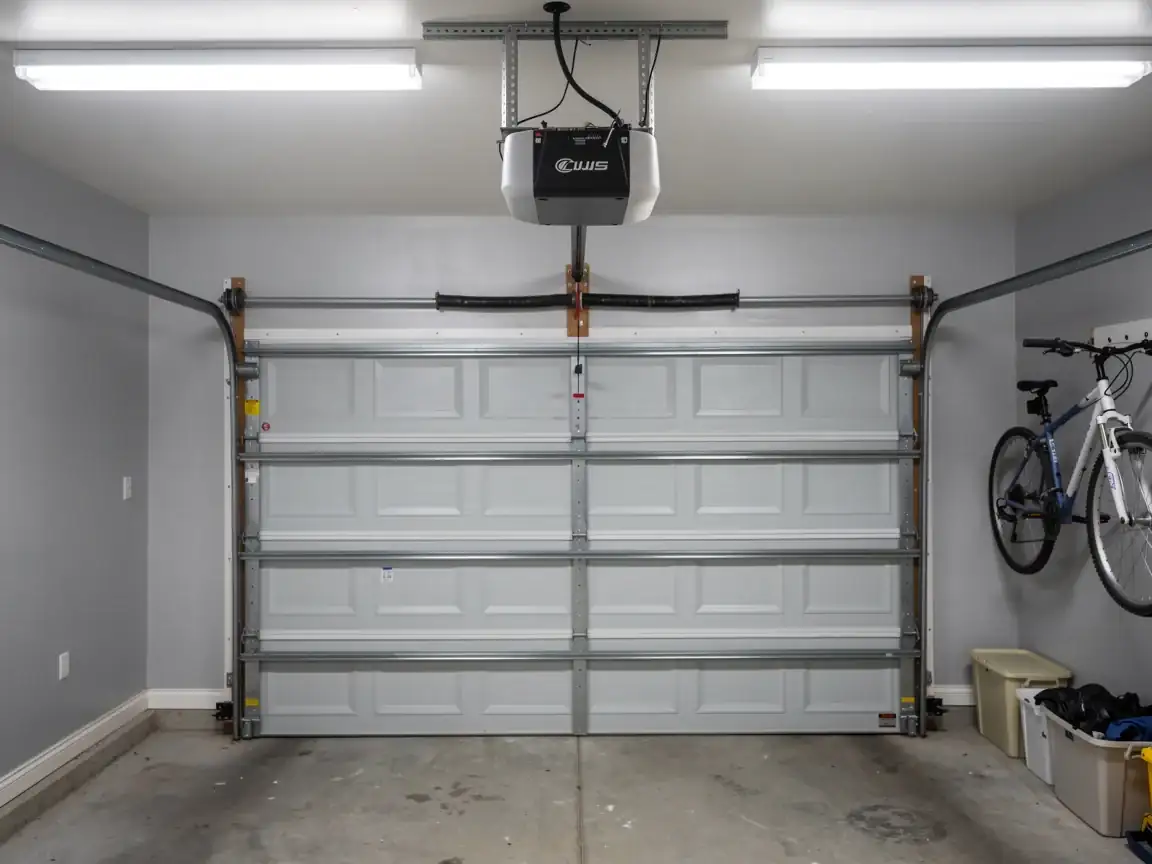
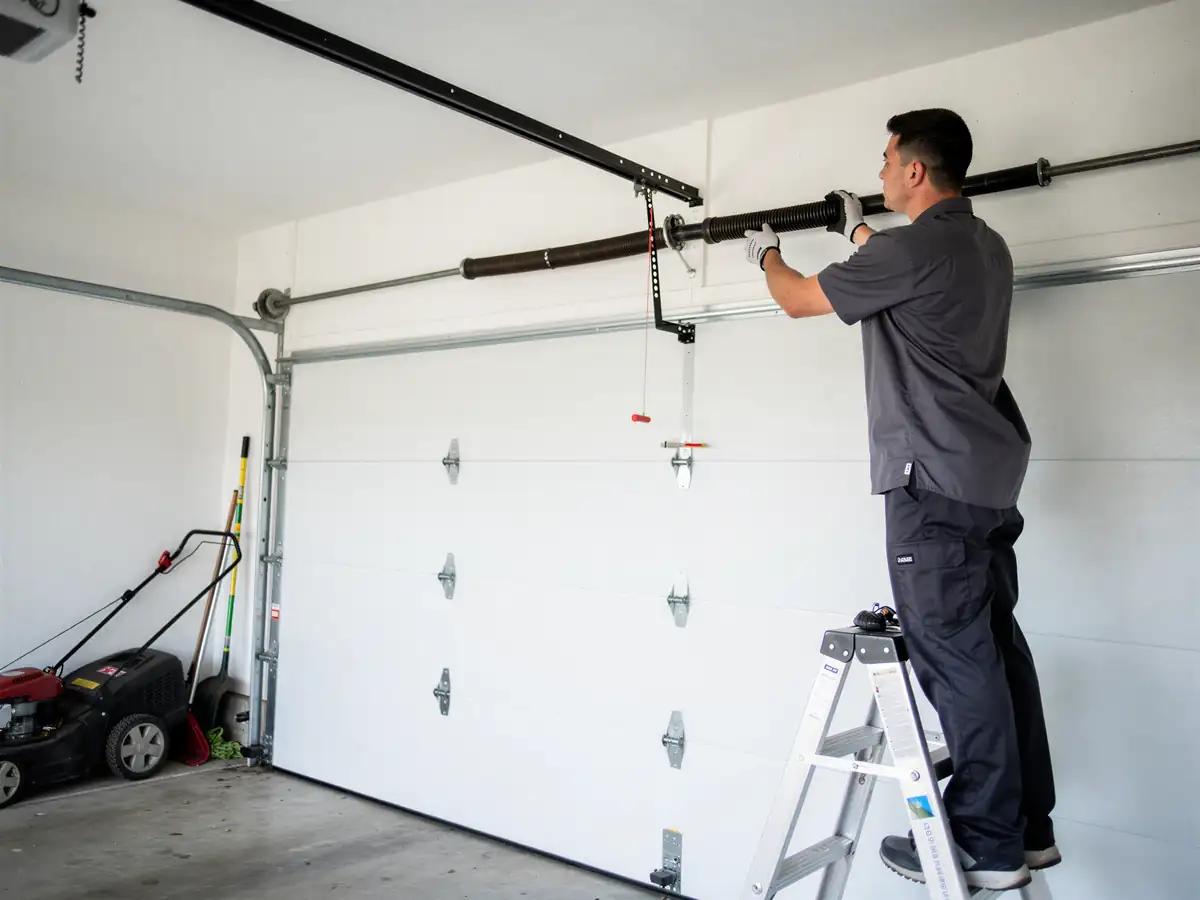
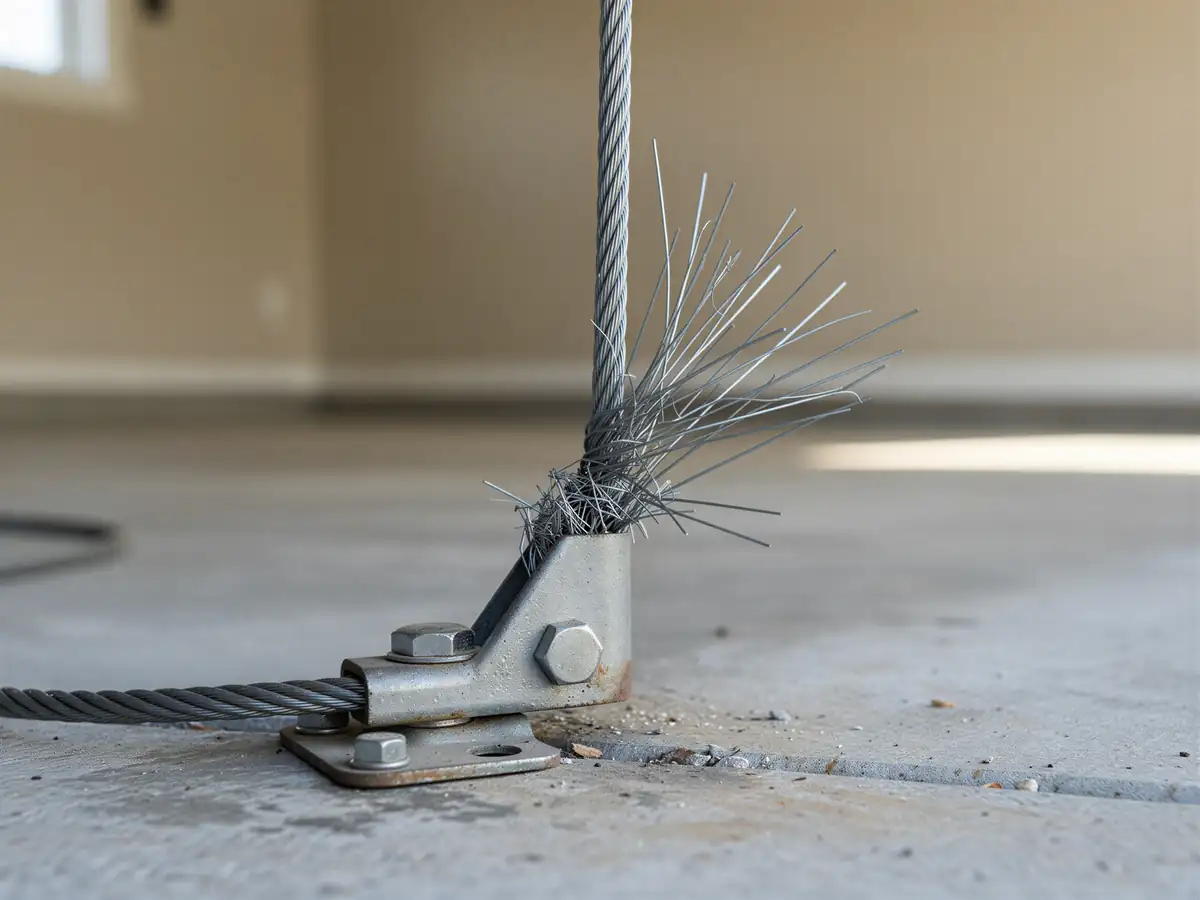
A door that's been on the same torsion spring since the house was built in the late 1960s doesn't fail the same way a five-year-old door does. Springs on original hardware tend to go all at once, cable can be frayed rather than just loose, and the drum or bearing plate underneath is often original too. That means a call that looks like "spring replacement" on the phone sometimes turns into spring, cable, and bearing plate once we're actually looking at the track.
We'll tell you on site if the job is bigger than what got described on the phone
And we won't start cutting a spring loose until you know what the full repair looks like.
Parts We Carry
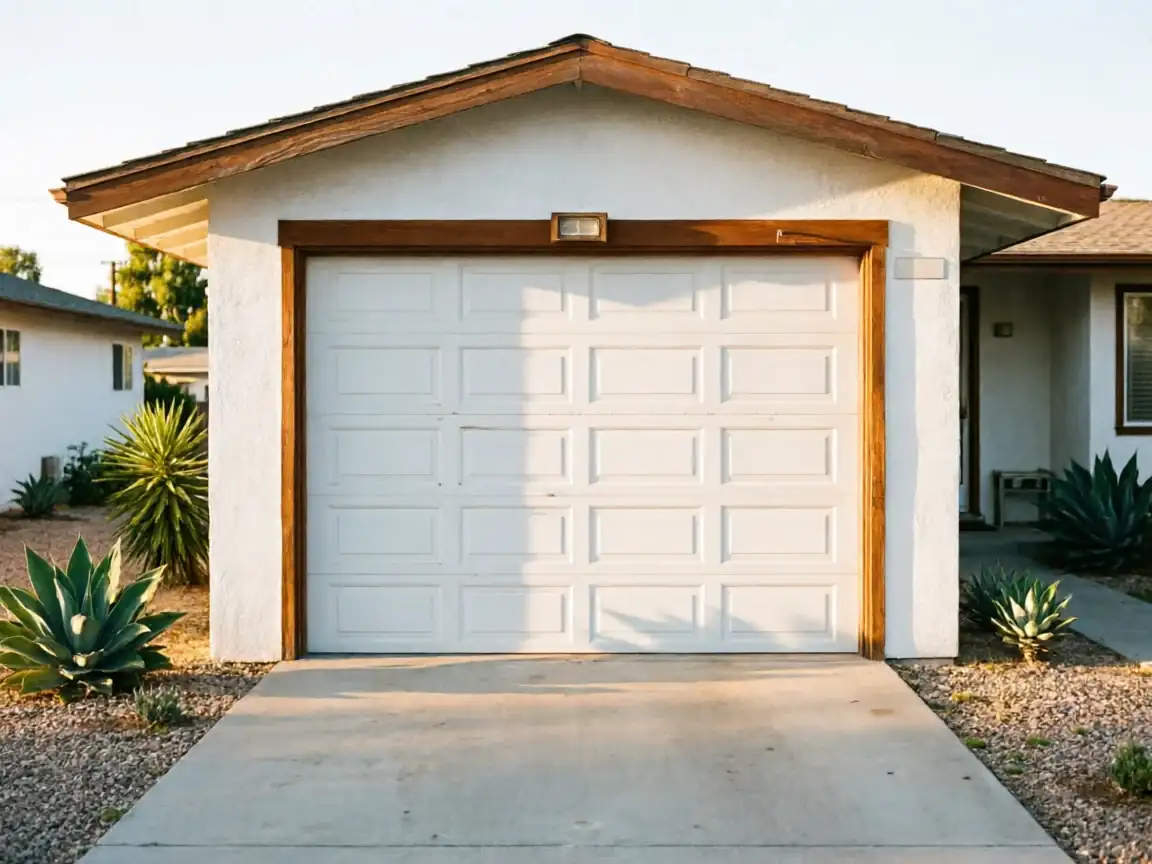
Houses in this part of the service area were mostly built between 1967 and 1988, with a lot of that stock going up right around 1967 - which in Lemon Grove specifically tends to mean one-piece or early sectional steel doors on torsion or extension springs sized for that era's lighter panel weight. We carry torsion springs wound to match that older sizing, along with the extension spring kits a lot of these garages still run instead of torsion hardware.
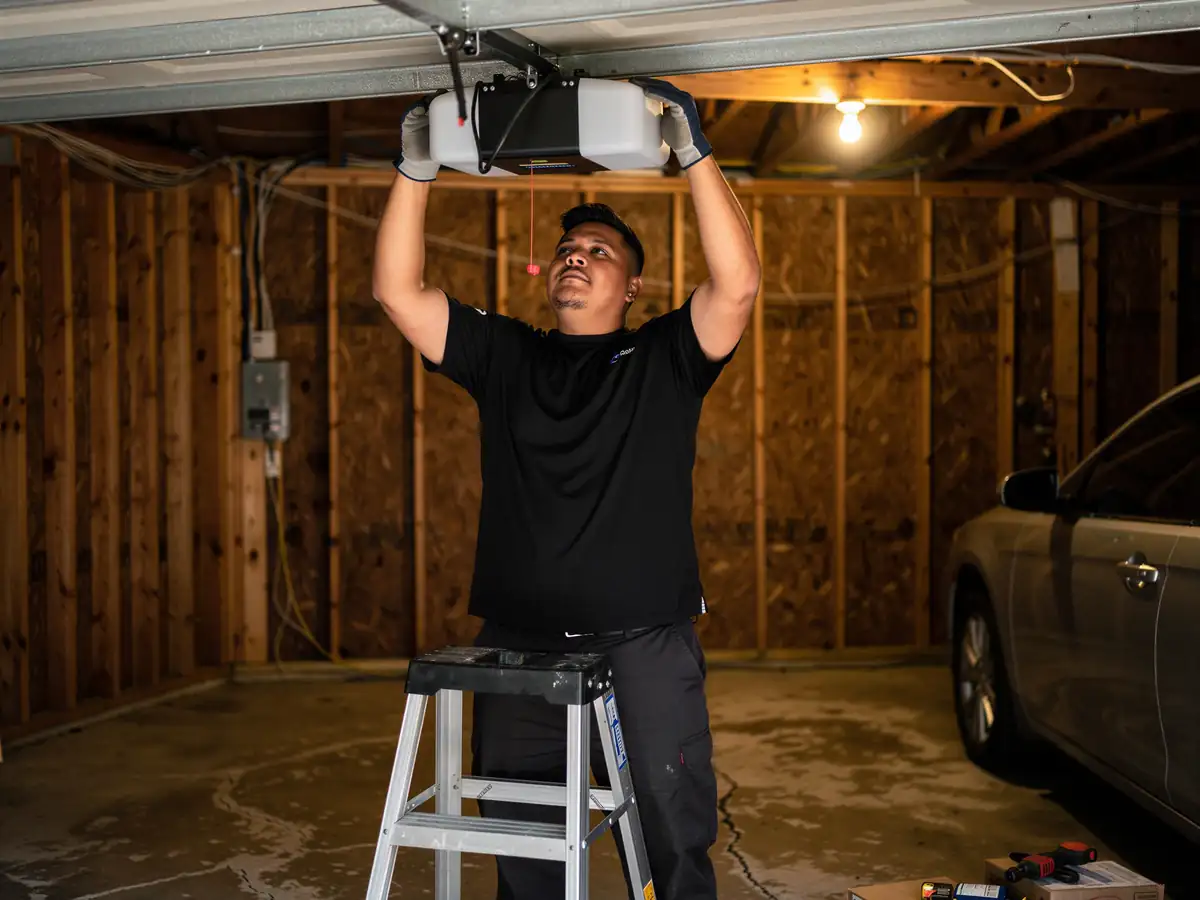
Openers from that generation of house are usually chain-drive units that have been swapped once or twice already - we carry replacement openers that bolt onto the same ceiling bracket pattern instead of requiring new framing. Rollers, hinges, and cable are stocked in both the older steel-roller spec and the nylon rollers most of these doors get upgraded to when we're in there anyway.
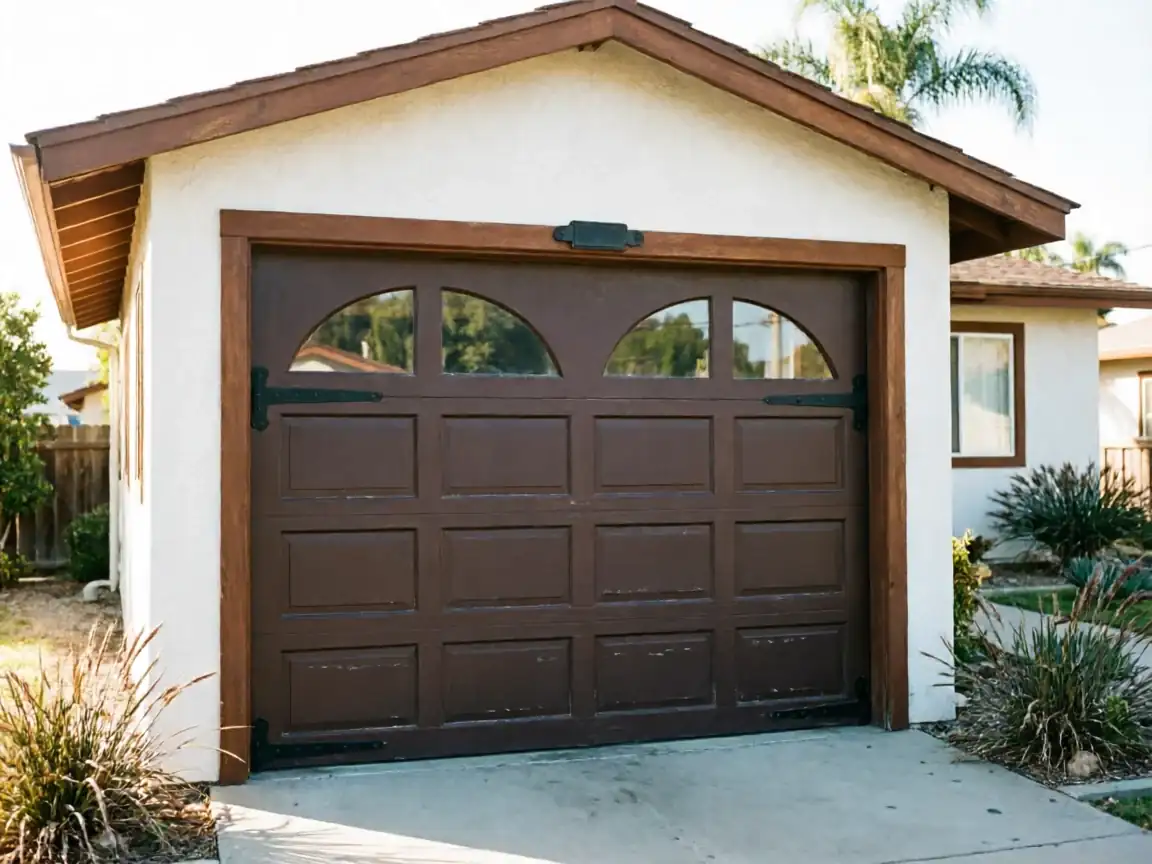
What we don't carry on the truck: wood panel sections for custom or carriage-style doors, since those get ordered per job and the lead time runs longer than a standard steel panel. If your door is one of those, we'll quote the part before we order it so you're not waiting on a surprise.
How We Fix It
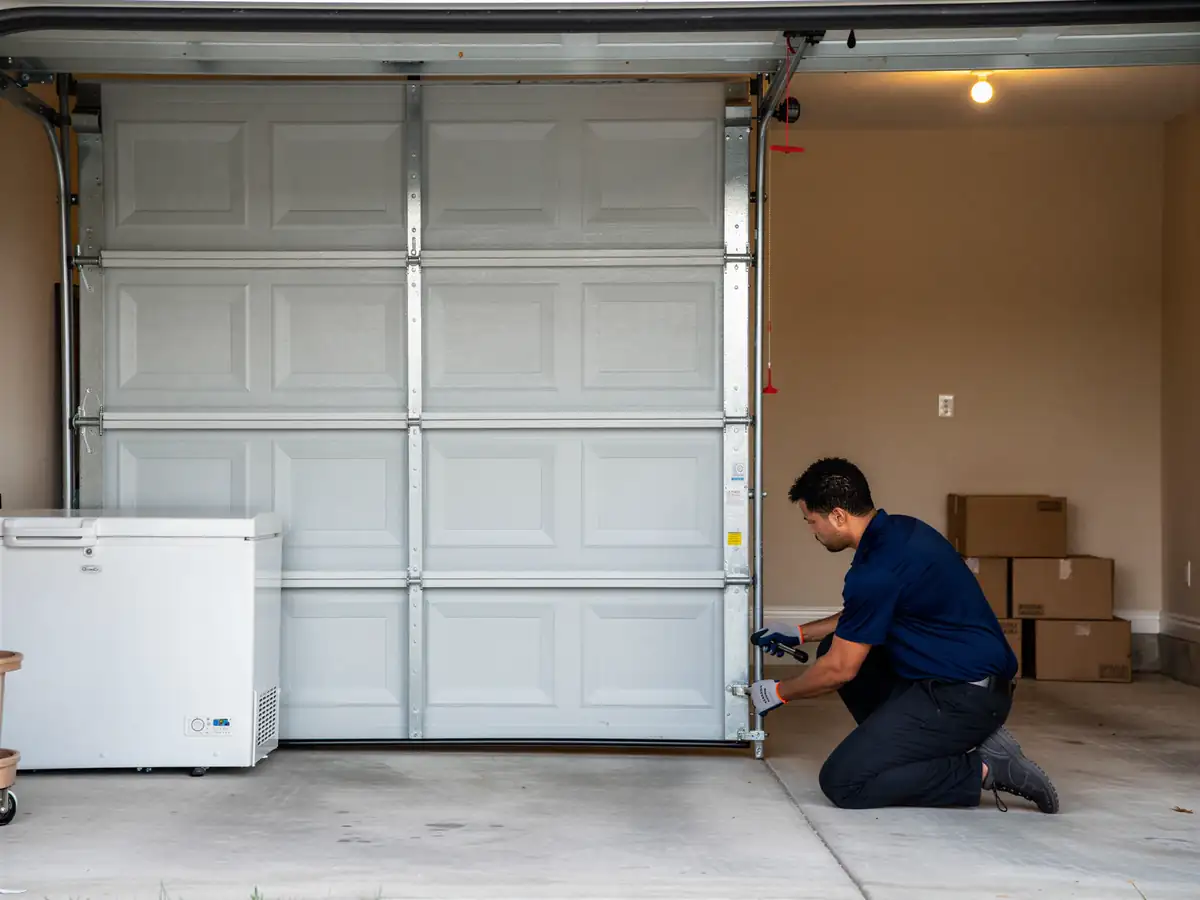
First call is almost always about a door that won't open, won't close, or is making a noise that wasn't there a month ago. We start by checking the spring - on a door this age it's the most likely point of failure - then move to cable, then to the track and rollers, in that order, because fixing a spring on a door with a bent track just means you're back out here in a month.
If the opener is the problem, we check the travel limits and the safety sensors before we touch the motor. A lot of chain-drive units from this era were installed before photo-eye safety sensors were standard, so we flag that even if it's not the reason you called - it's a cheap fix and it matters if there are kids or pets in the house.
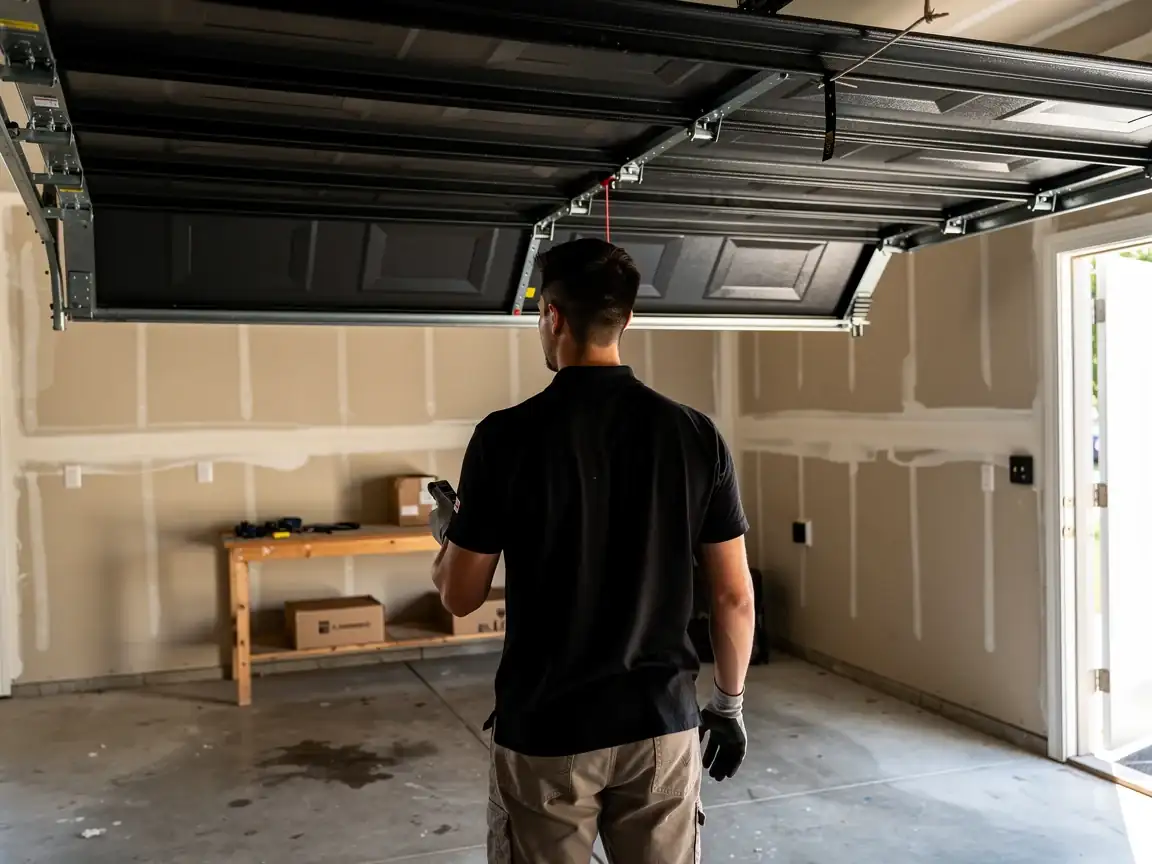
We test the full cycle before we leave: open, close, reverse on obstruction, and a balance check with the opener disconnected. If the door doesn't hold its position on its own with the opener unplugged, the spring tension isn't right yet, and we don't call the job done until it does.
The Cost of This Job
Median household income in Lemon Grove runs around $79,278
Noticeably lower than the roughly $105,887 median across the broader service area we cover from Spring Valley. We don't have a price list to quote here, and we're not going to invent one, but that income gap is part of why we quote repair against replacement honestly instead of defaulting to a new door.
On a door from the late 1960s, a spring and cable job is usually the right call rather than a full replacement
Original one-piece and early sectional doors were built heavier than what's sold today, and the steel itself is often still sound. Where it stops making sense is when the track is bent badly enough that panels are binding, or when a door has had three or four patch repairs stacked on top of each other. At that point the labor to keep rebuilding an old door starts costing more than a new one would.
We'll say it plainly on site if your door is past the point where another repair is the better option
We'd rather tell you that than sell you a fourth patch job.
Where This Job Goes Sideways
The thing that turns a simple spring call into a longer job on houses this age is rust on the hardware. Lemon Grove sits in the mild temperate band like the rest of the area we cover, so we're not dealing with the kind of freeze-thaw damage you'd see further inland or at elevation - but decades of garage condensation still corrode a bearing plate or seize a roller shaft, and that's not something you can see from the driveway.
The other place it goes sideways is mismatched parts from a previous repair. A lot of these doors have had one spring replaced at some point with whatever size was on the truck that day, not what the door actually calls for. When that happens, the door looks fine sitting still but binds or drifts when it's moving, and fixing it means correcting the mismatch, not just replacing whatever failed this time.
Our honest limitation: if the track is bent in more than one place or the door has been forced open enough times that the frame itself has racked, that's a bigger job than a service call, and we'll tell you so instead of patching around it.