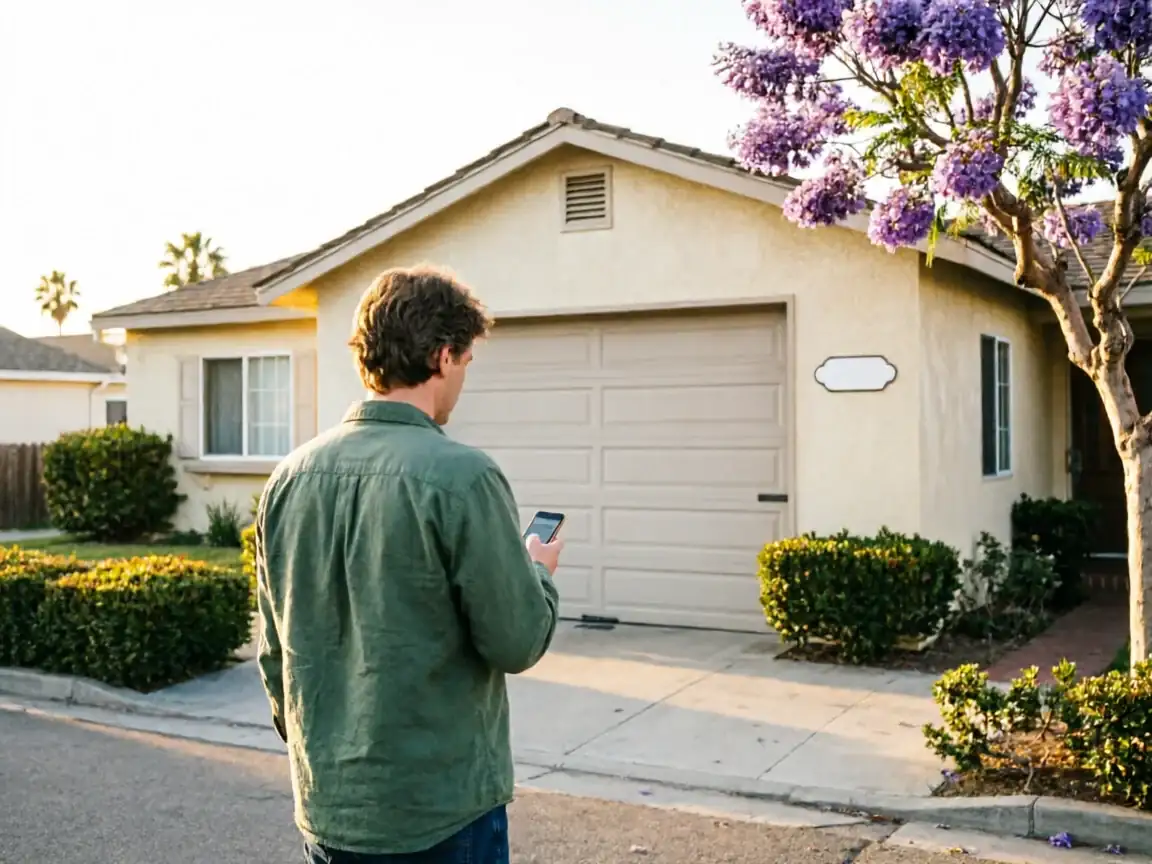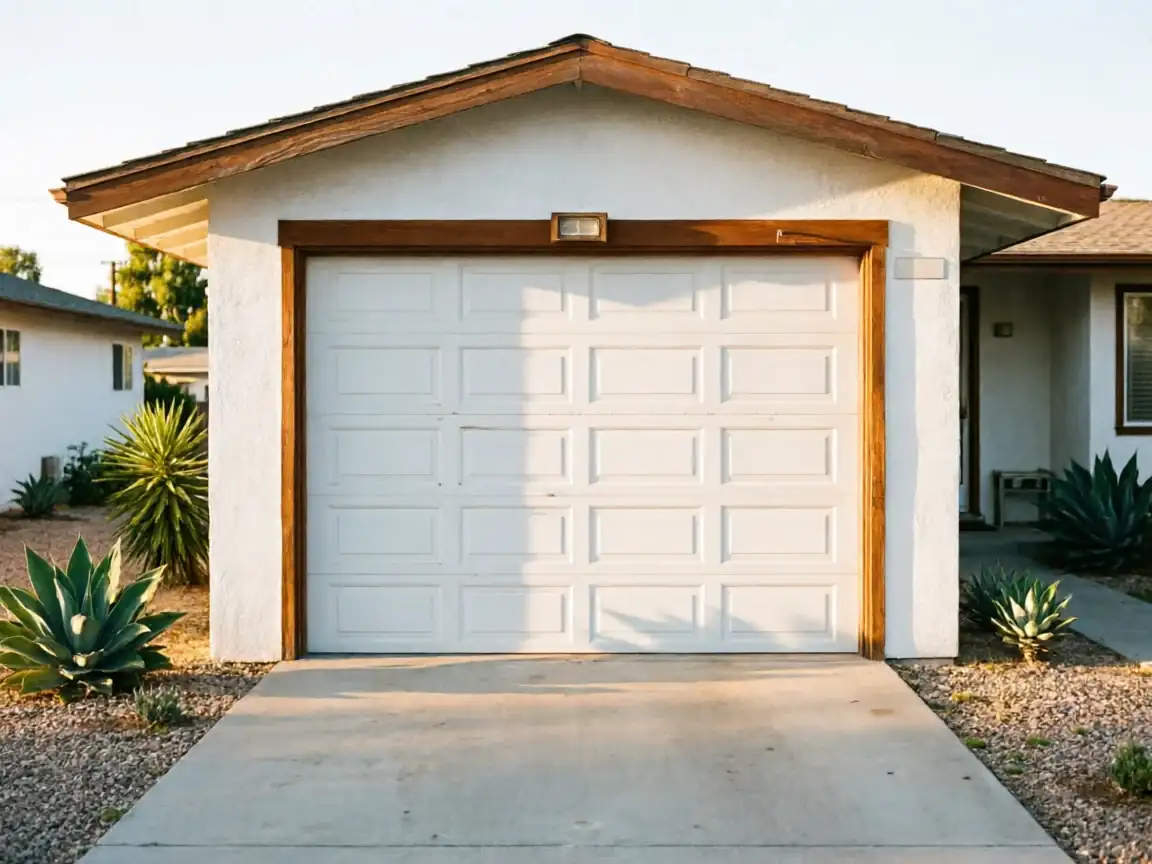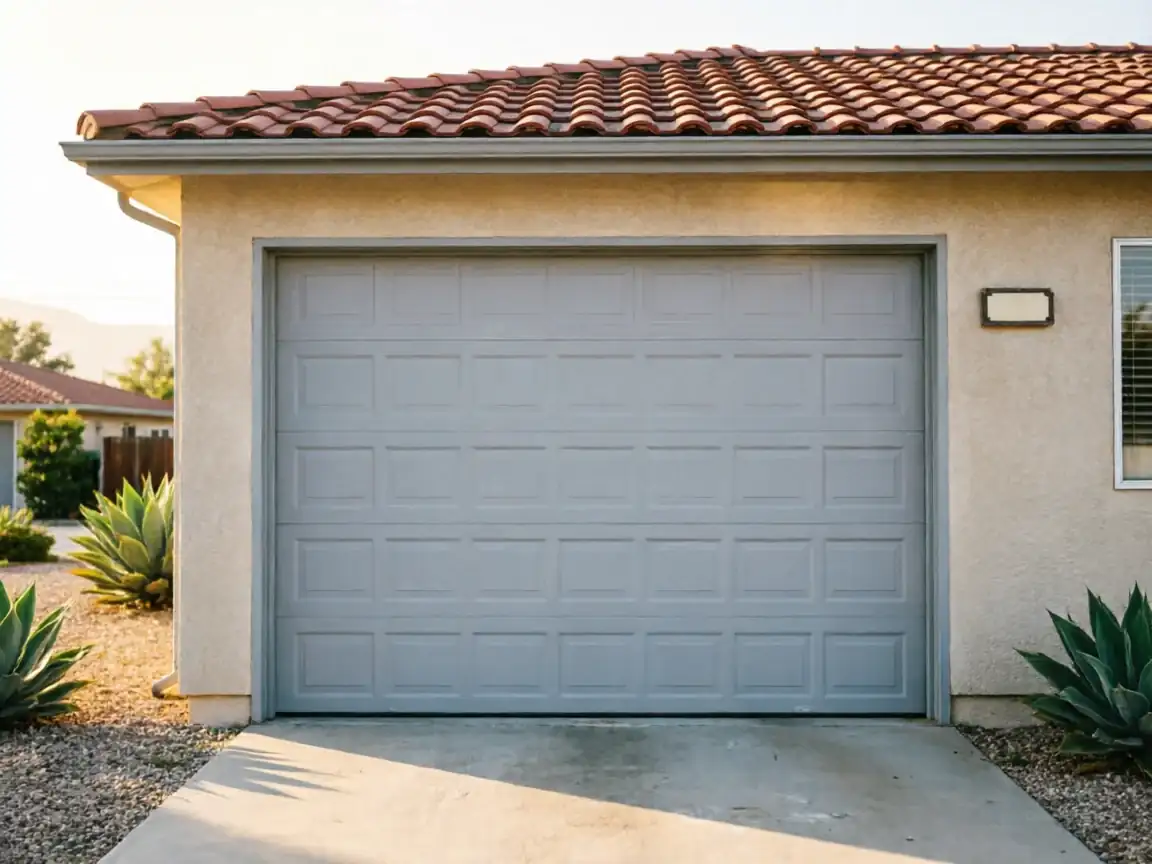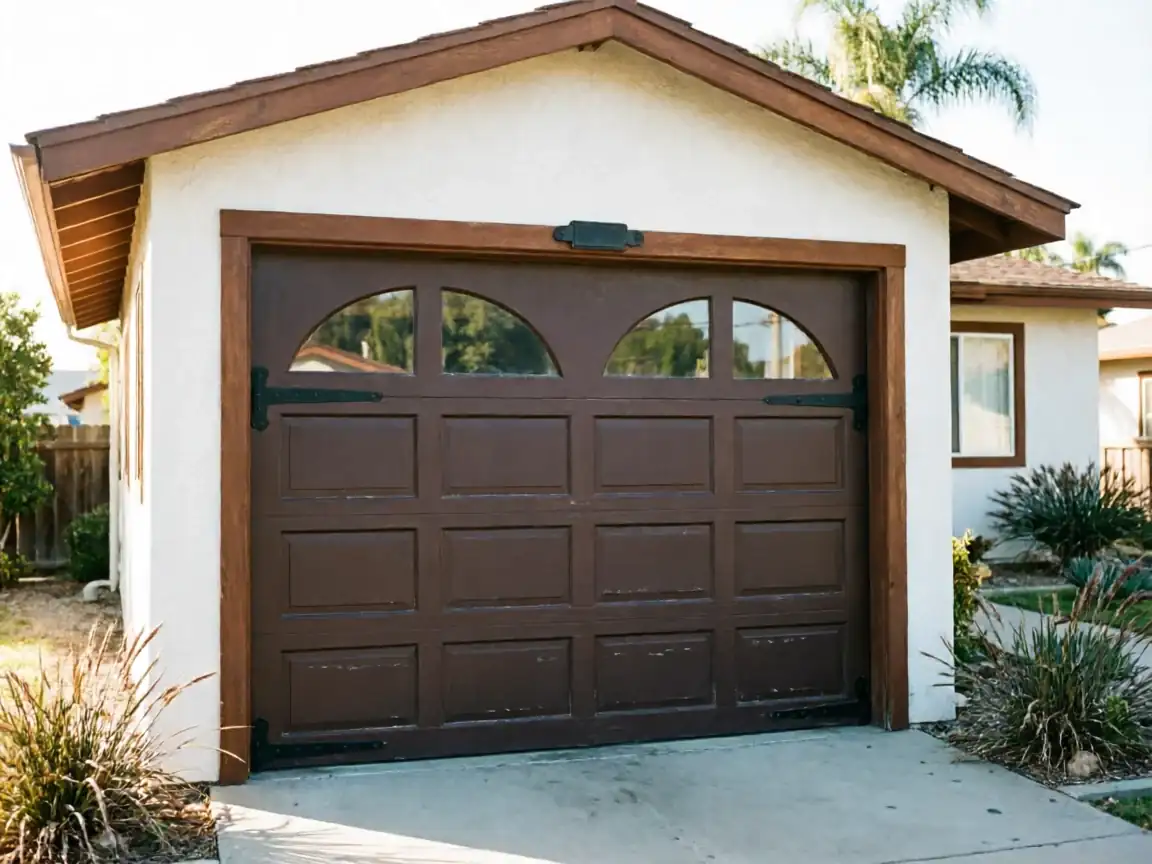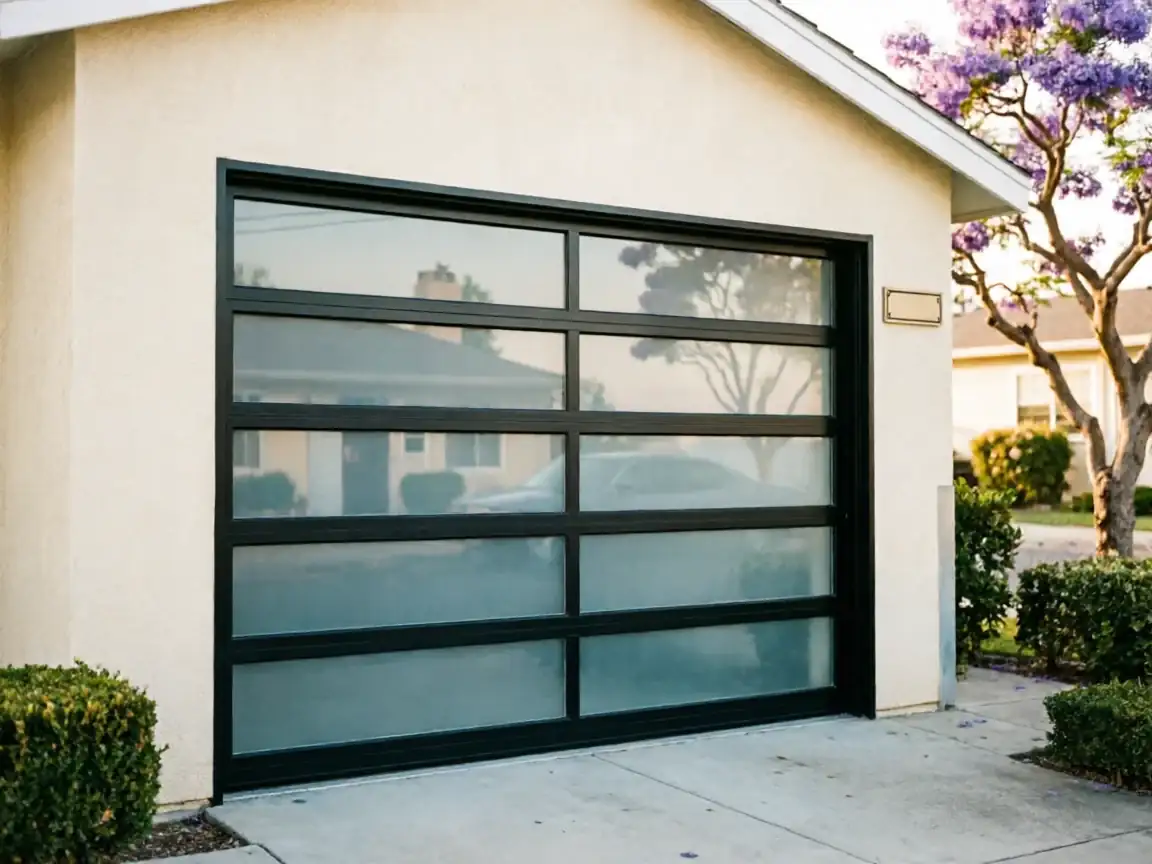
How Long You Are Without the Door
Lemon Grove's median household income sits at $79,278
Well under the $105,887 median across the rest of the area we cover. That gap matters more than it looks: on a door that's failing, it moves the decision from "repair it again" to "just replace it" sooner, because a $300 spring job on a door that's already near the end of its life stops making sense at this income level faster than it does elsewhere. Lemon Grove's housing also runs older than the broader stock - a lot of it went up around 1967, ahead of the 1967-1988 range and the 1975 median we see across the rest of the service area. Older doors, older track, older everything attached to the opening.
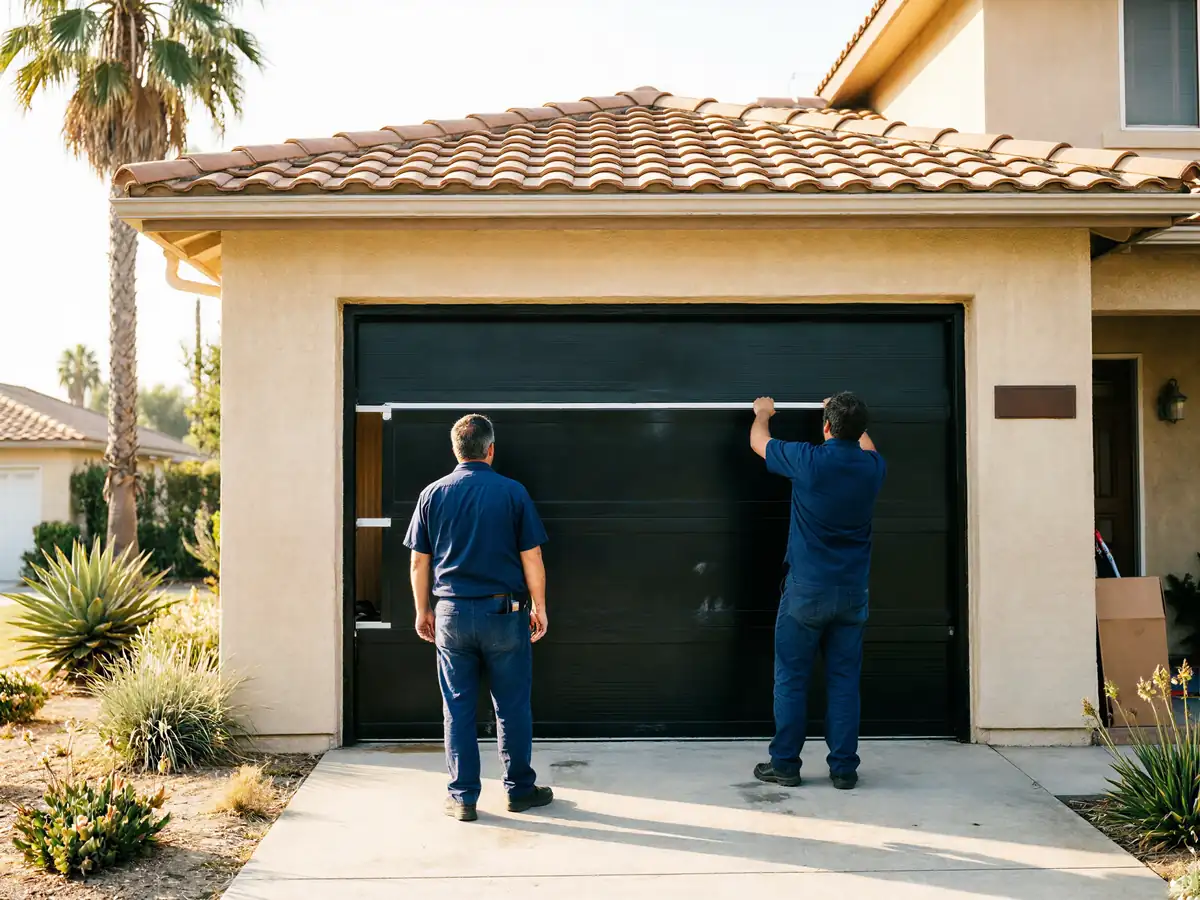
On the actual swap day, you're down to one vehicle in the driveway for part of a day
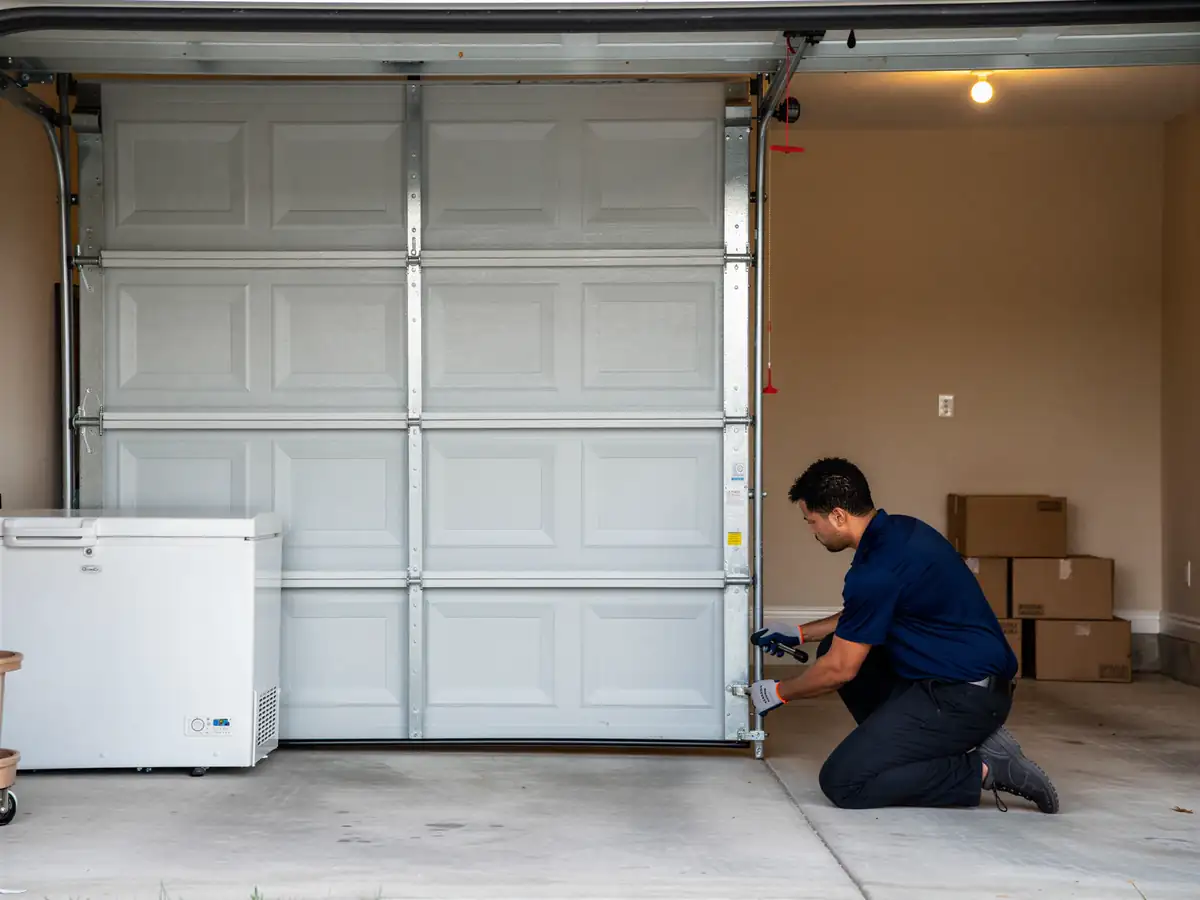
Not a week. We pull the old door and header hardware, set the new door, and balance the springs before we leave. The mild coastal-influenced climate here means we're not racing a cold snap or a heat spike to get the opening sealed - that's one less pressure point than installers in harsher climates deal with.
Parts We Carry
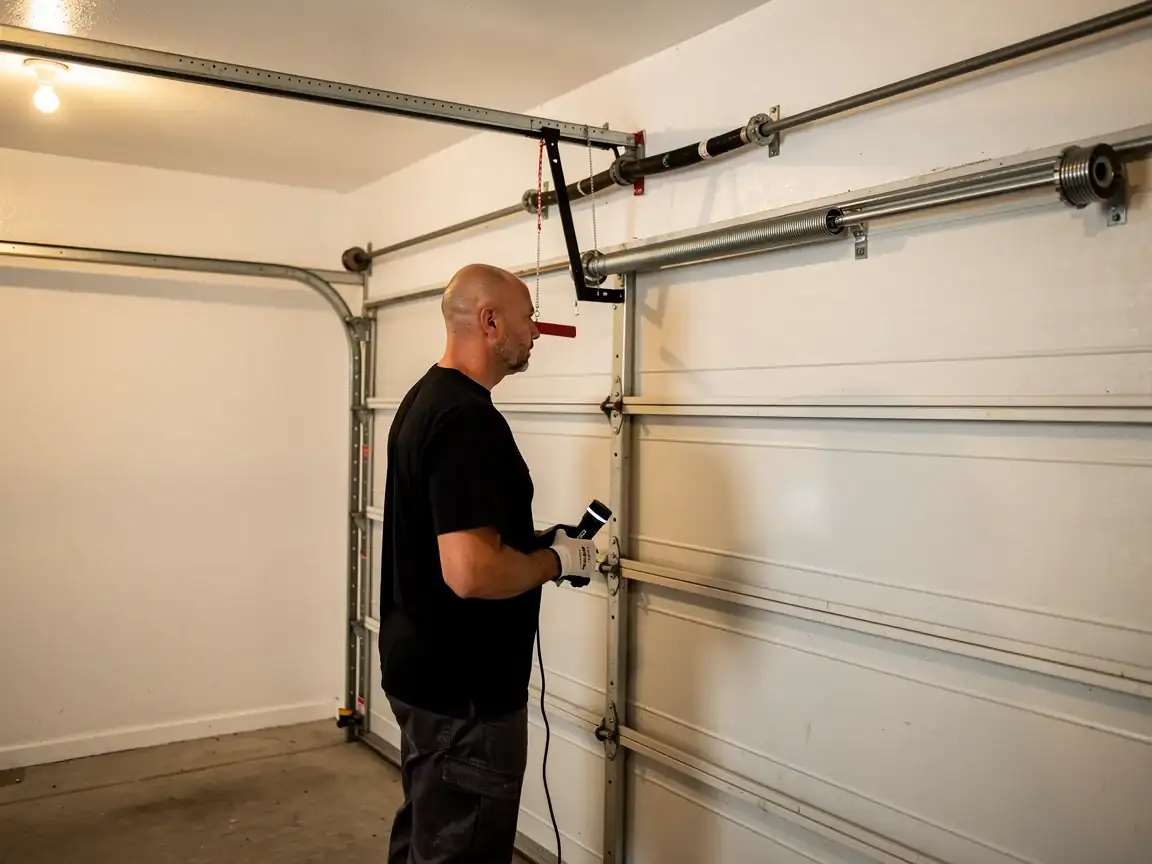
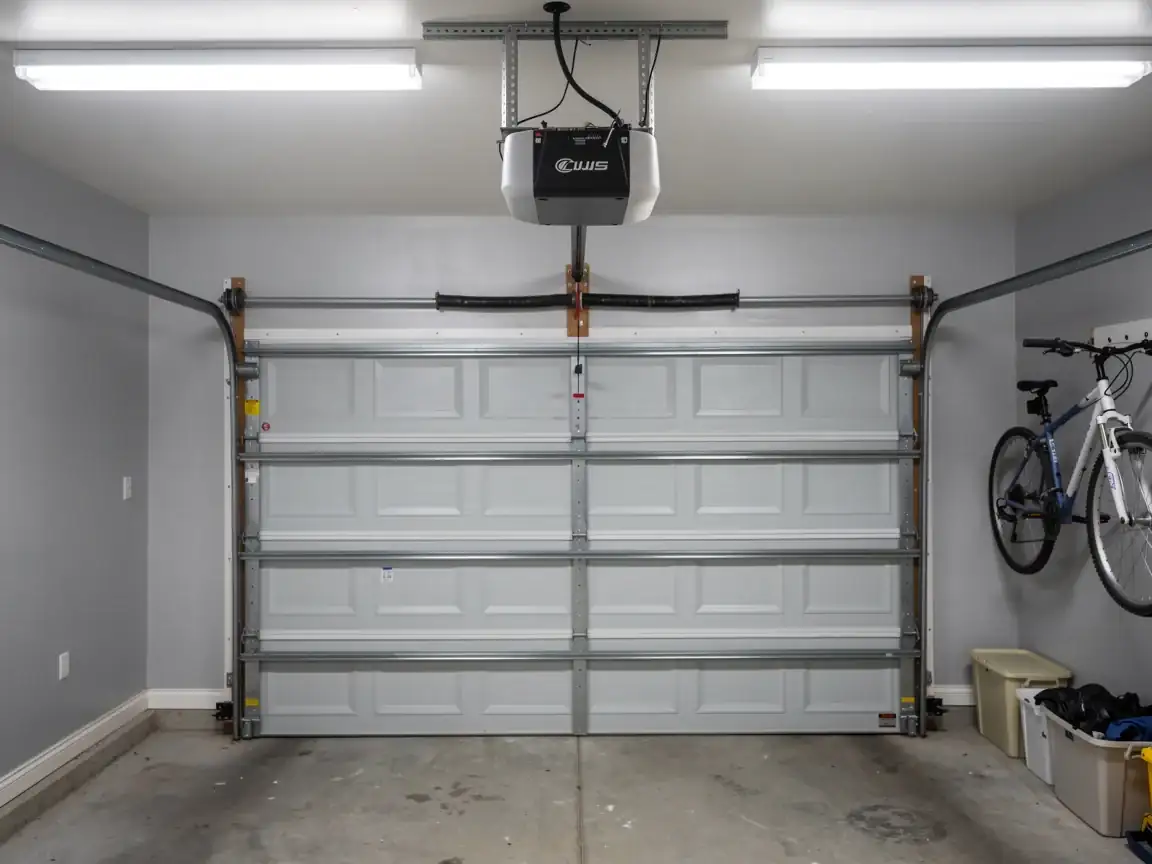
Doors on houses built around 1967 were usually hung with torsion springs sized for a lighter, single-layer panel, and a lot of those openings still have the original jamb brackets. When we swap in a new insulated door, the spring has to be re-rated for the new weight - you can't just bolt a heavier door onto 1967-era hardware and call it done. We stock torsion springs across the range these openings call for, standard-width tracks, and rollers and cable sized to current door weights rather than the lighter stock this era was built with.
We also carry the hardware to adapt an older opening - jamb brackets, header brackets, and the fasteners that modern track actually needs, since houses from this period often used undersized lag bolts that won't hold a heavier door safely. What we don't stock on the truck is anything custom-sized - a non-standard opening width or a specialty panel finish is a special order, and that's a lead-time conversation we have with you before we quote the job, not after.
How We Fix It
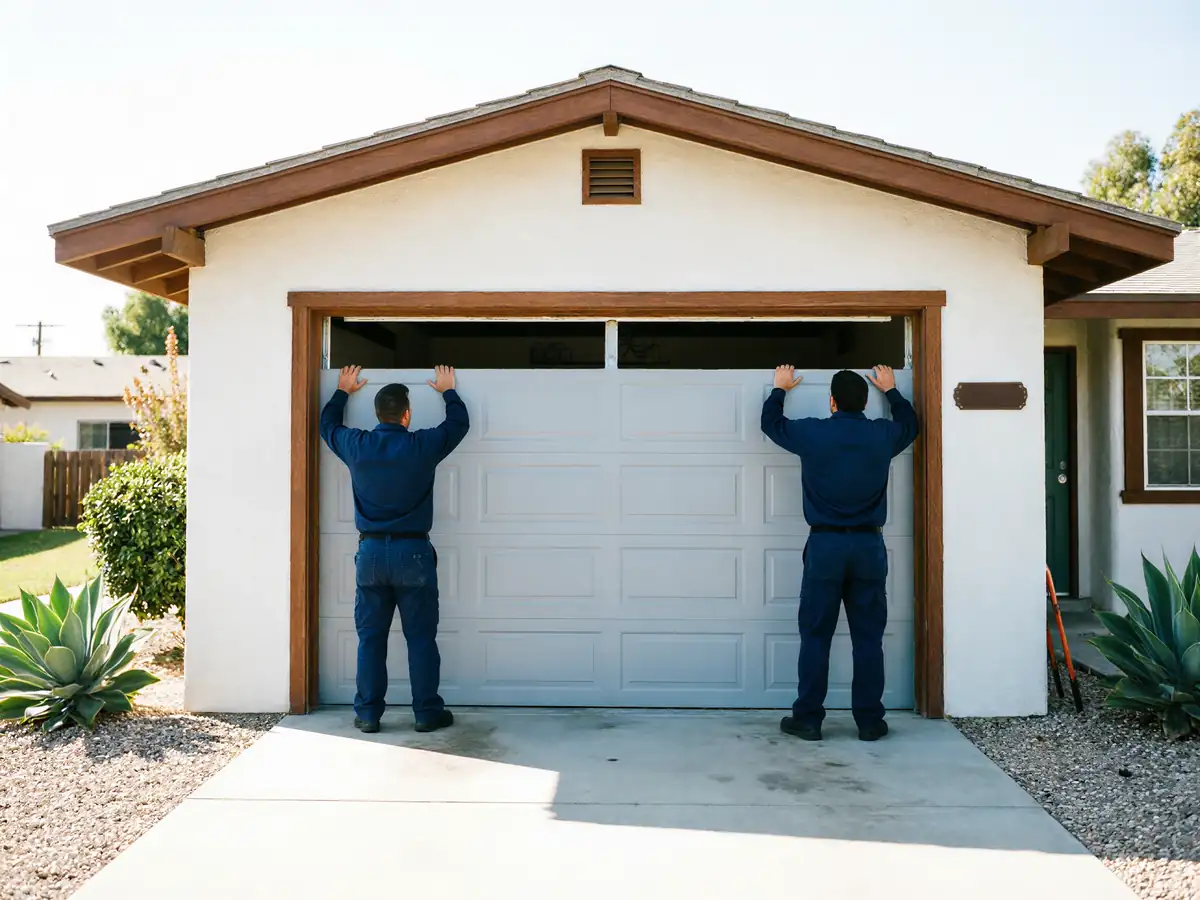
The job starts with measuring the actual opening, not trusting the old door's dimensions - on a house this age, the frame has usually settled a little since 1967, and the new door has to match the opening as it is now, not as it was built. We pull the old door, inspect the jamb and header for rot or movement, and reinforce anything that won't hold new brackets.
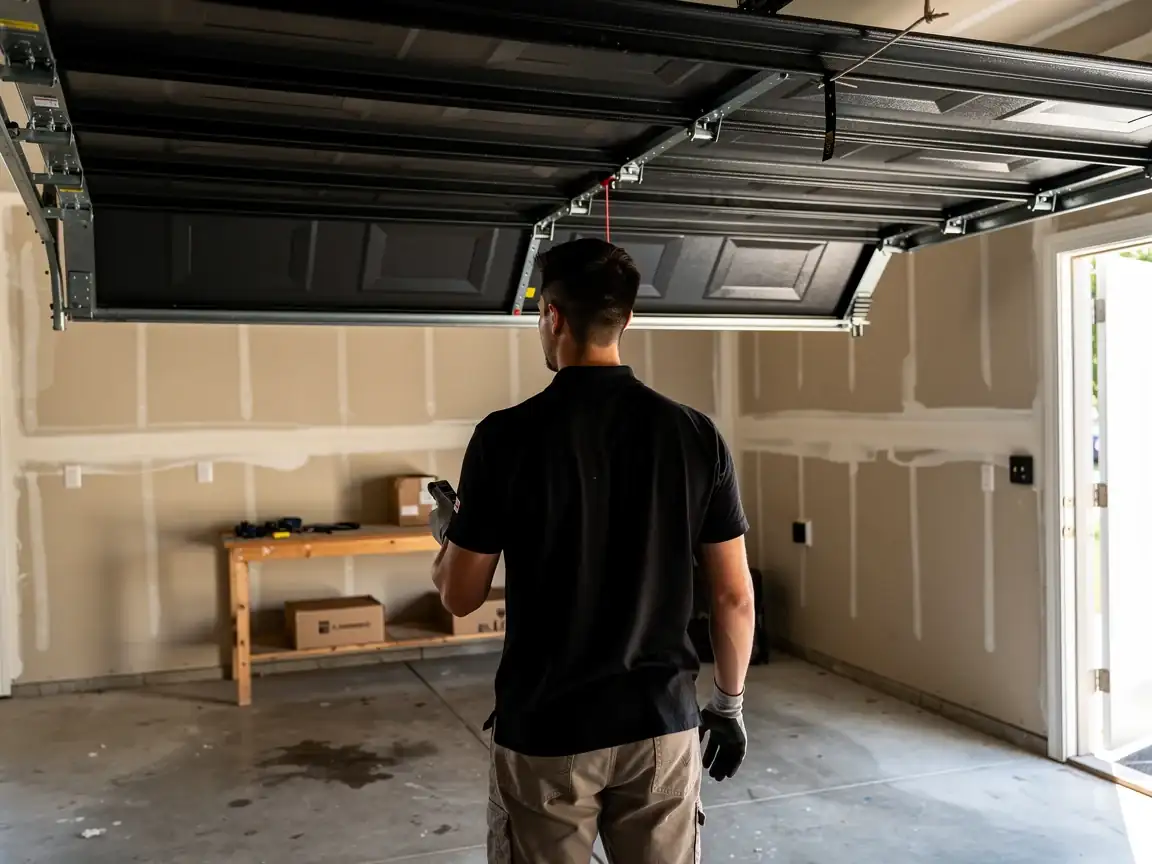
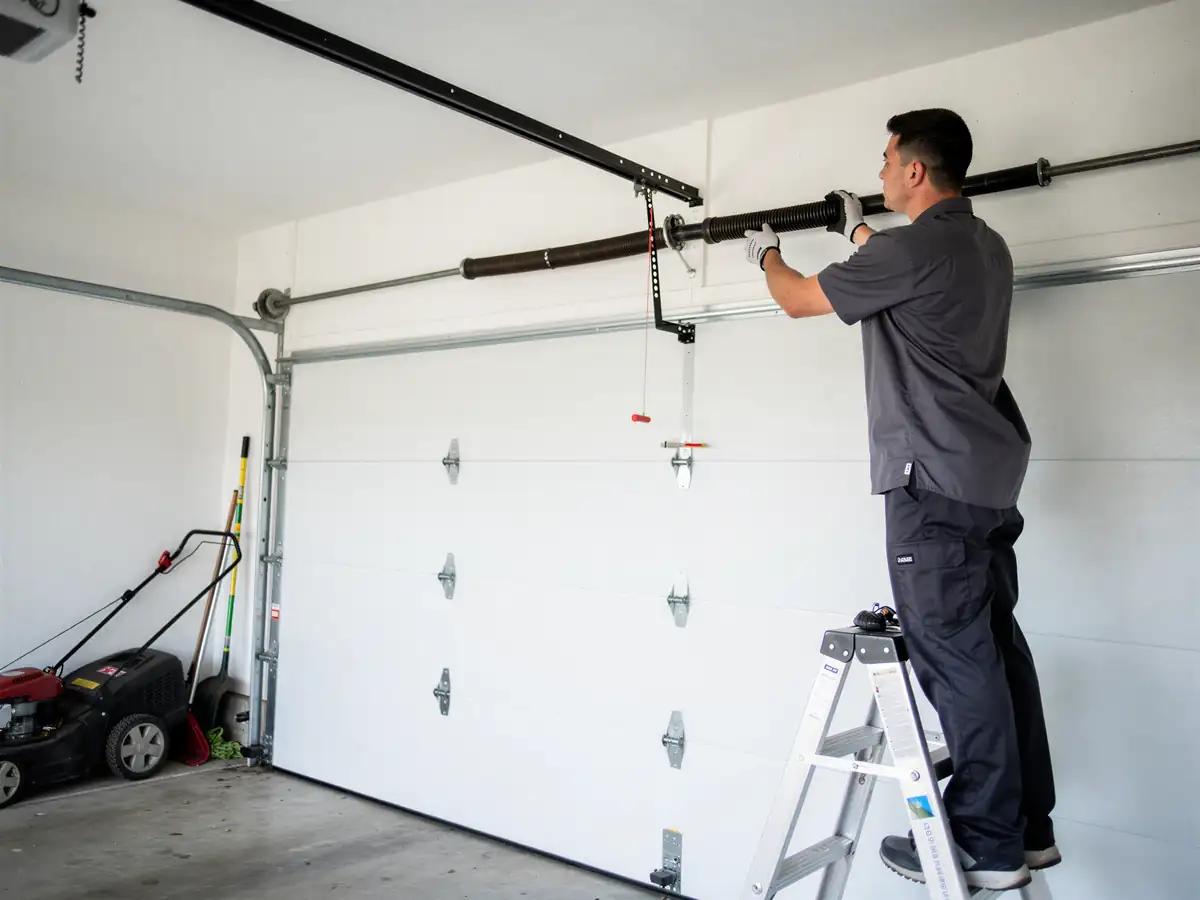
From there it's track, then door panels, then springs set to the new door's actual weight - this is where a lot of installers cut corners, setting the spring to a guess instead of the door's rated weight, which leaves you with a door that's hard to lift by hand if the opener ever fails. We finish with the opener connection and a full cycle test, checking balance by hand before we call it done. Because Lemon Grove sits only about two miles from our Spring Valley base, we're not building slack time into the schedule for a long drive - the day is mostly install, not travel.
The Cost of This Job
We don't have a posted price for this job, and we're not going to make one up
What we can tell you is how the decision usually breaks down for a Lemon Grove house. At a median income of $79,278, a full replacement is a bigger single outlay than it is for a household at the $105,887 area median, so the repair-or-replace line tends to land earlier here - if a 1967-era door needs more than one hardware fix in a year, replacement is usually the cheaper path over time, not just the more convenient one.
The other driver is the hardware itself
A straight panel swap on existing track costs less than a job where the jamb brackets or header need rebuilding because the original 1967 lag bolts won't hold a heavier insulated door. We quote after we see the opening in person, not off a phone description, because on houses this age the difference between those two jobs is common enough that a phone quote would be a guess.
Where This Job Goes Sideways
The most common surprise on a Lemon Grove install is what's behind the trim once the old door comes off. Houses from 1967 sometimes have jamb or header framing that's shifted enough over the decades that the new door won't sit square without extra bracing - we can't always see that until the old door is out of the opening, which means the quote can move once we're mid-job.
The honest limitation: if your opening needs a non-standard width or a specialty panel we don't carry, that's a special order, and we're not going to promise a same-day fix on that kind of door. We'd rather tell you that up front than quote a timeline we can't hit. If your framing is in good shape and you're taking a standard-width door, the swap is straightforward and we tell you that too - not every job here is a hard one.