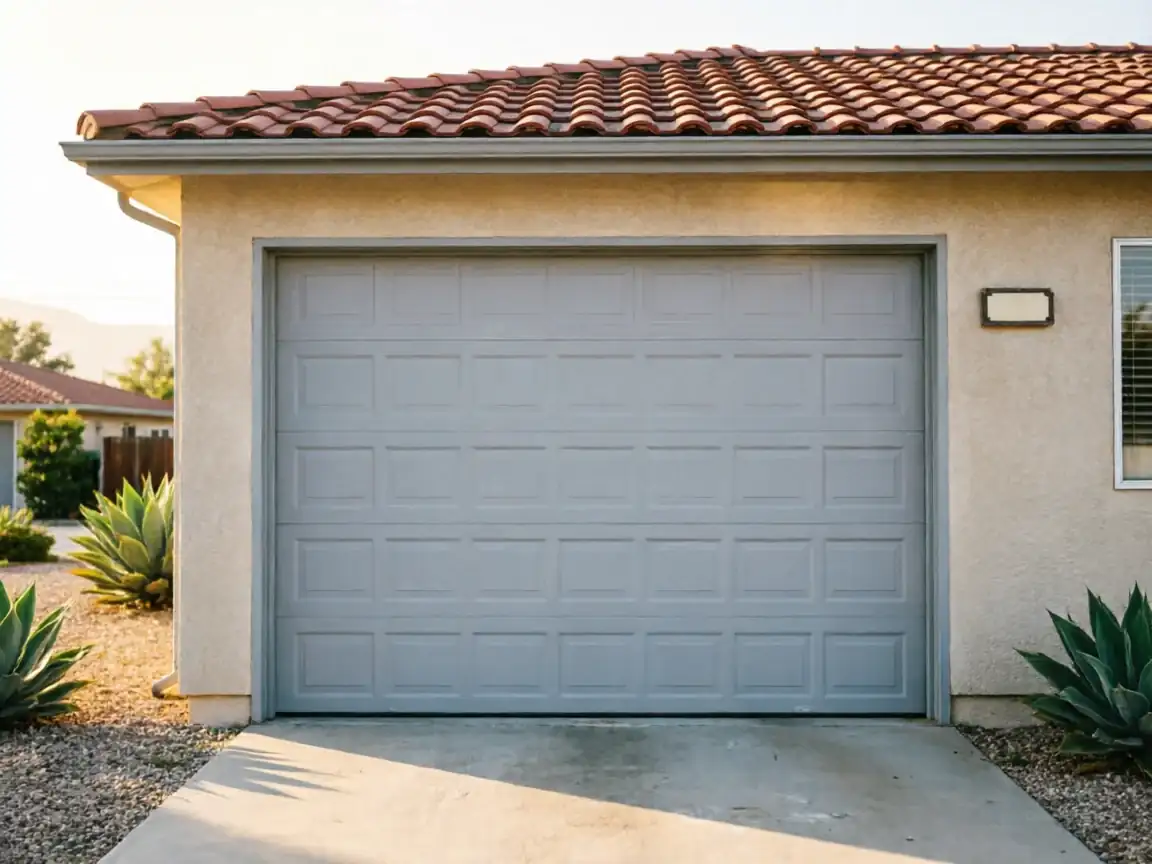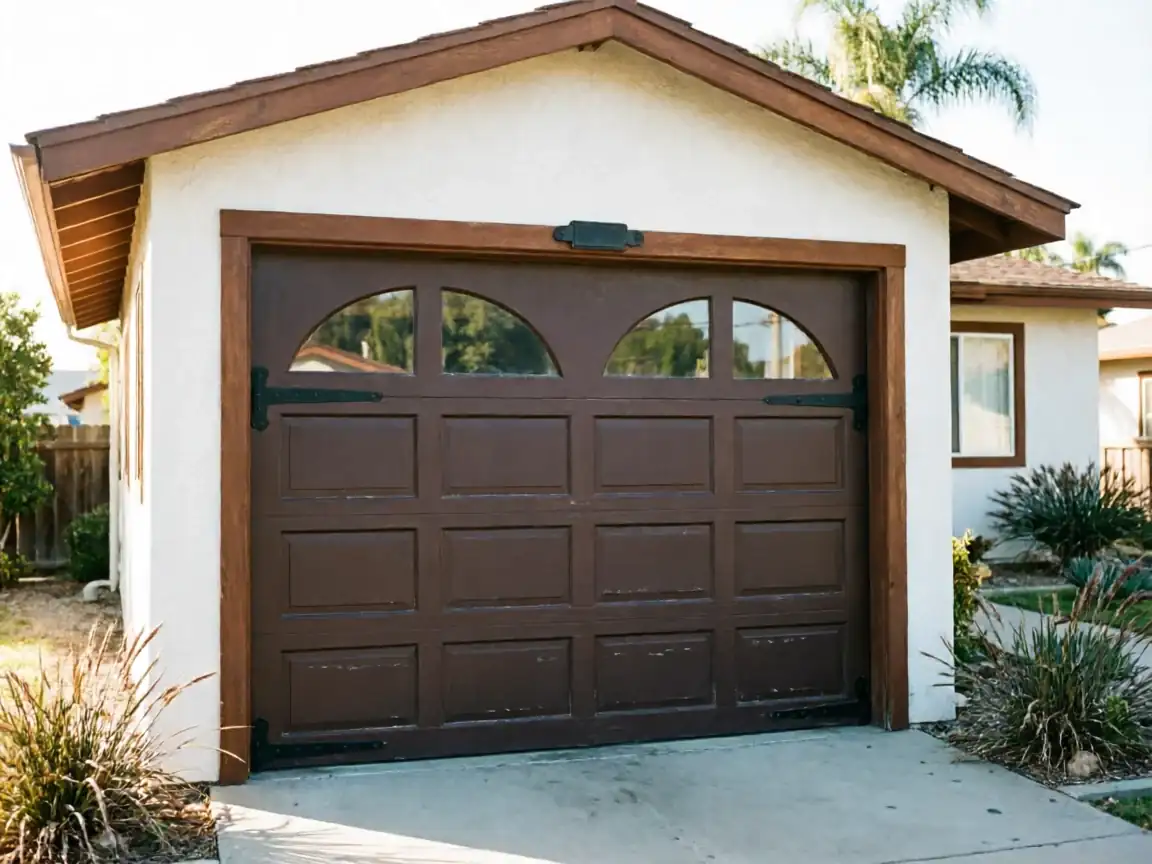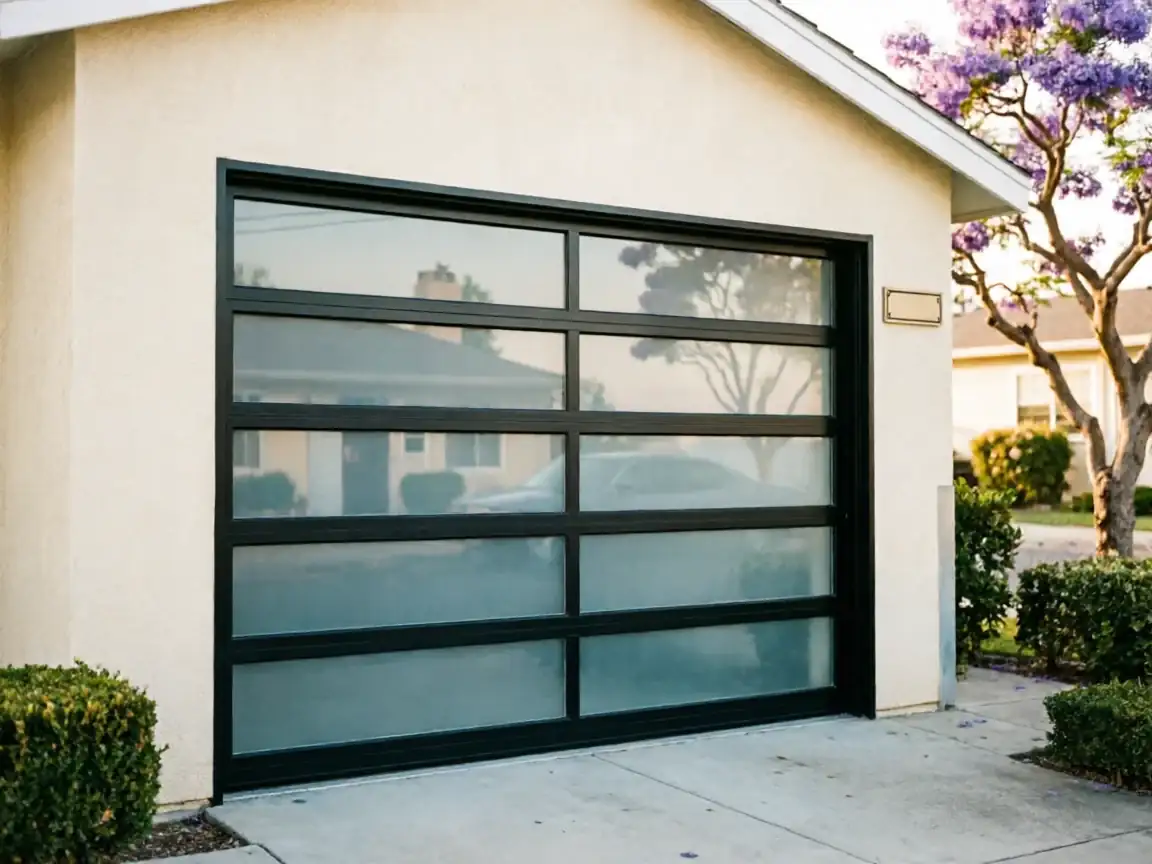
Parts We Carry
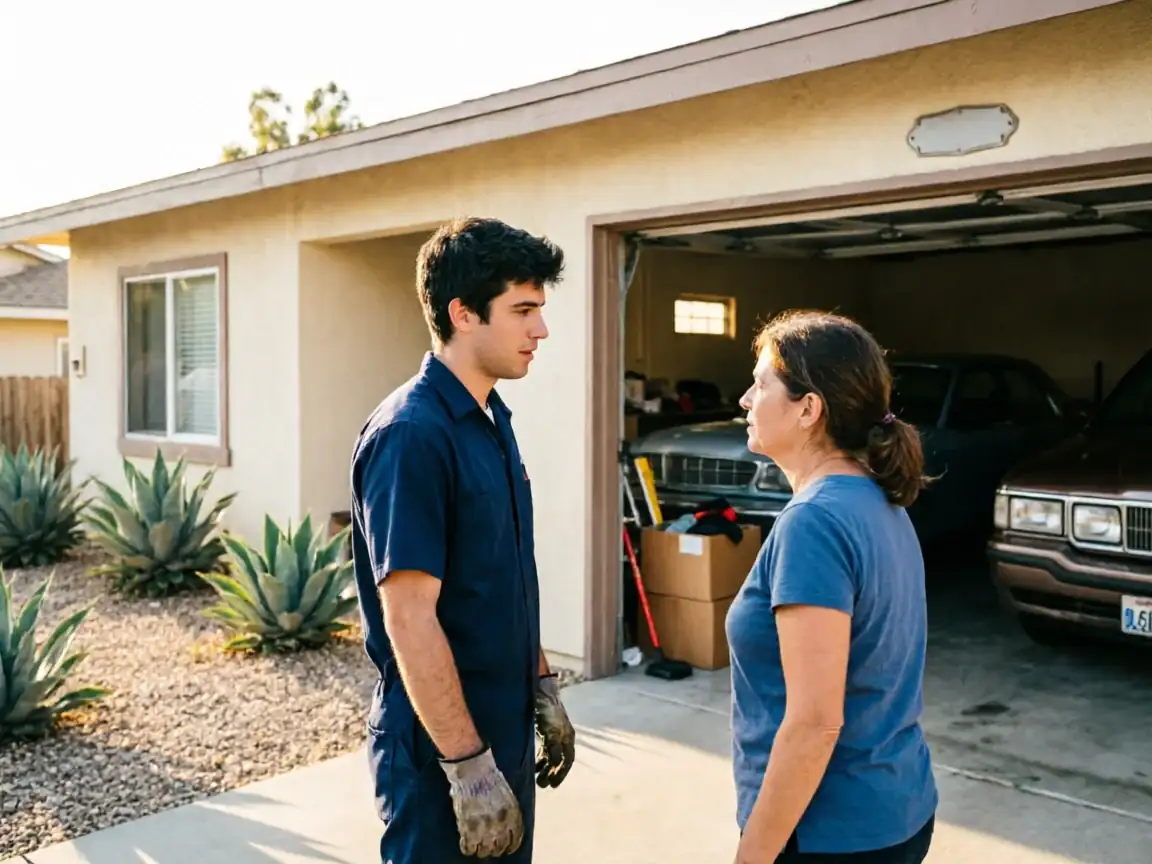
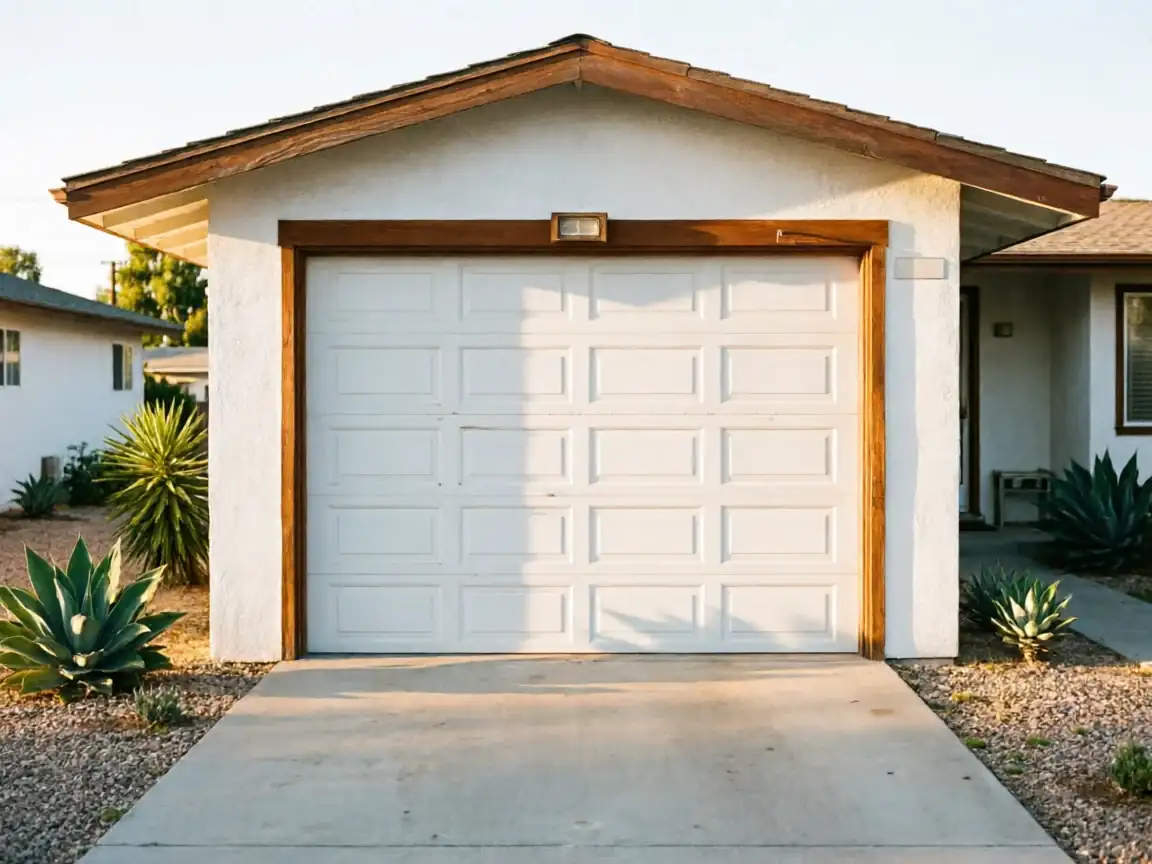
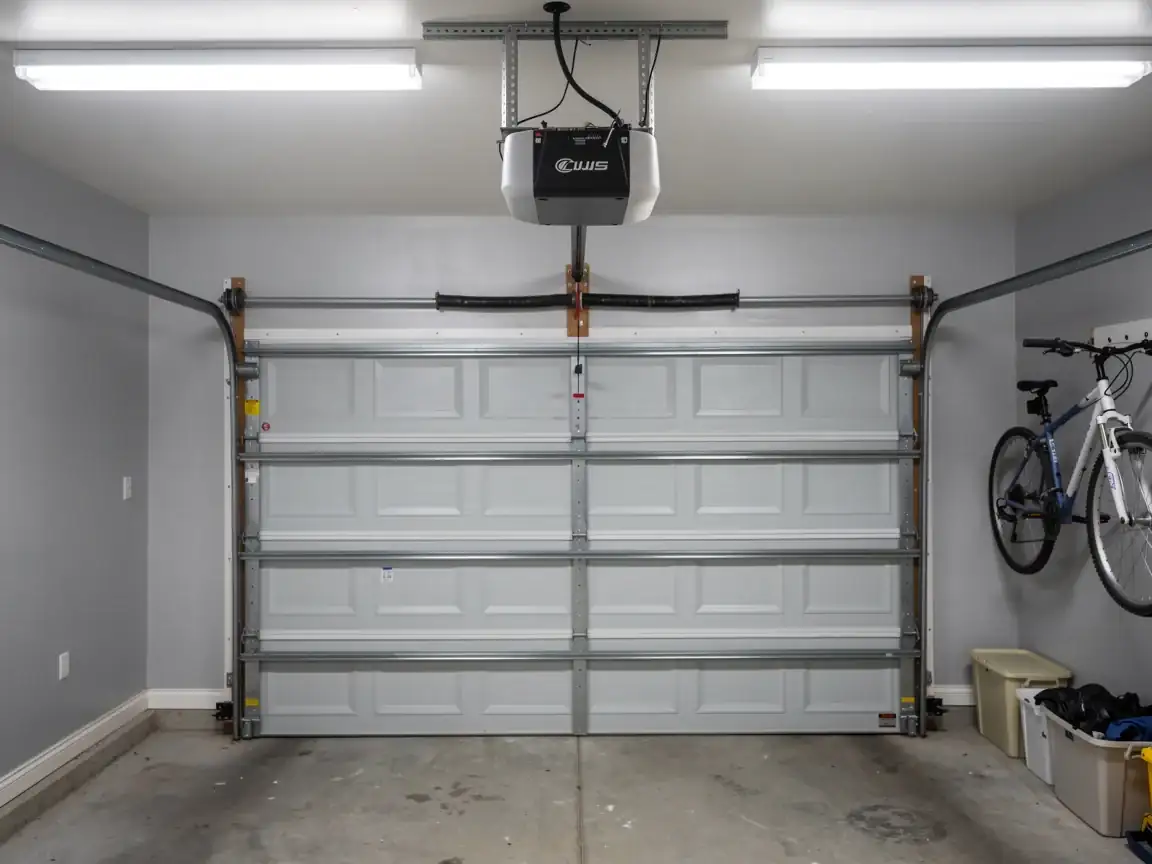
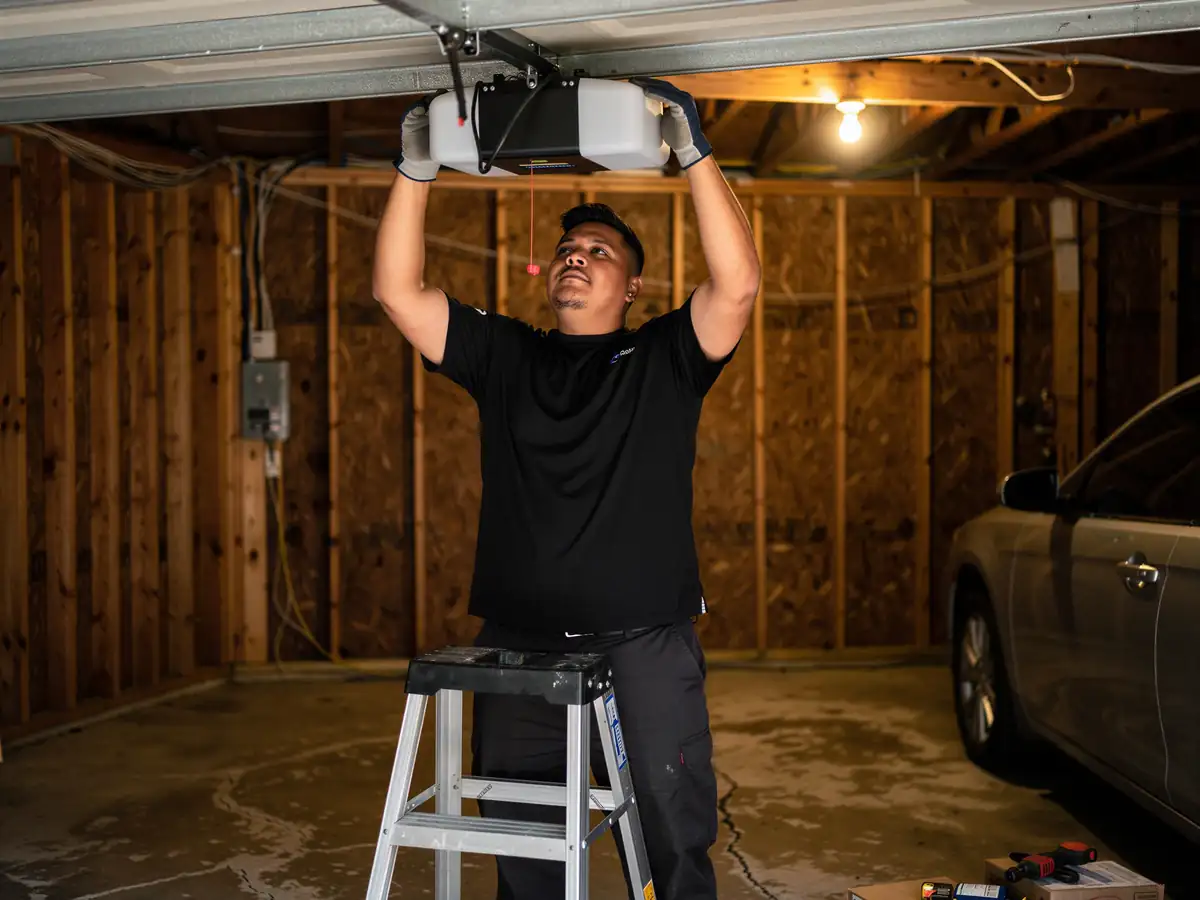
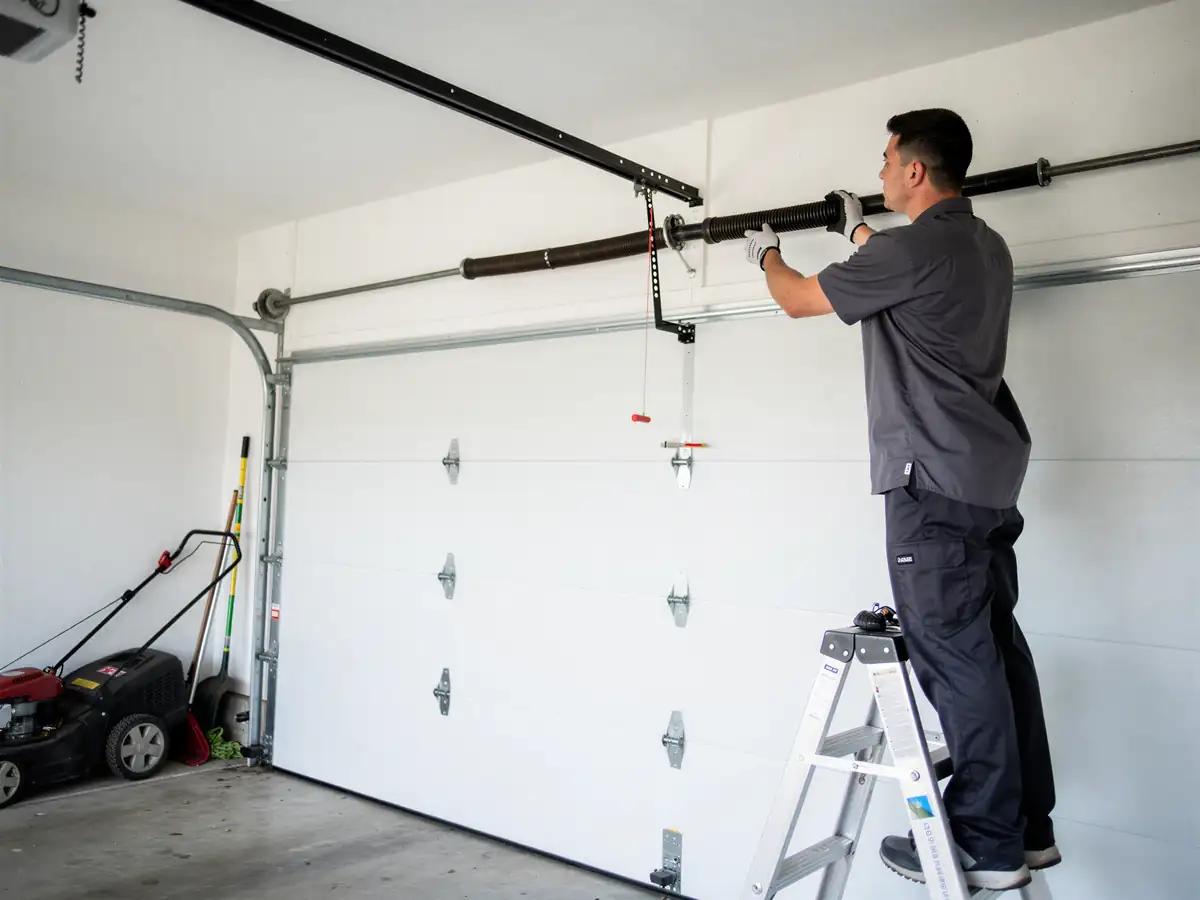
The median home in Lemon Grove was built around 1967, which is on the early edge of the 1967-to-1988 range across the wider service area. That matters because a house from 1967 is more likely to still have its original torsion or extension spring setup, older steel tracks, and in some cases a first- or second-generation opener that nobody's touched since the carport got converted. We stock standard torsion springs, extension springs, rollers, cables, and hinges that cover most of what shows up on doors from that era, along with current opener logic boards and belt-drive units for anyone who's already upgraded. What we don't always have on the truck is a part specific to a door brand that stopped making that panel profile decades ago - in that case we order it and come back, rather than force a mismatched fix that won't hold. If your door still has its original hardware from the late '60s, say so when you call; it changes what we bring.
How We Fix It
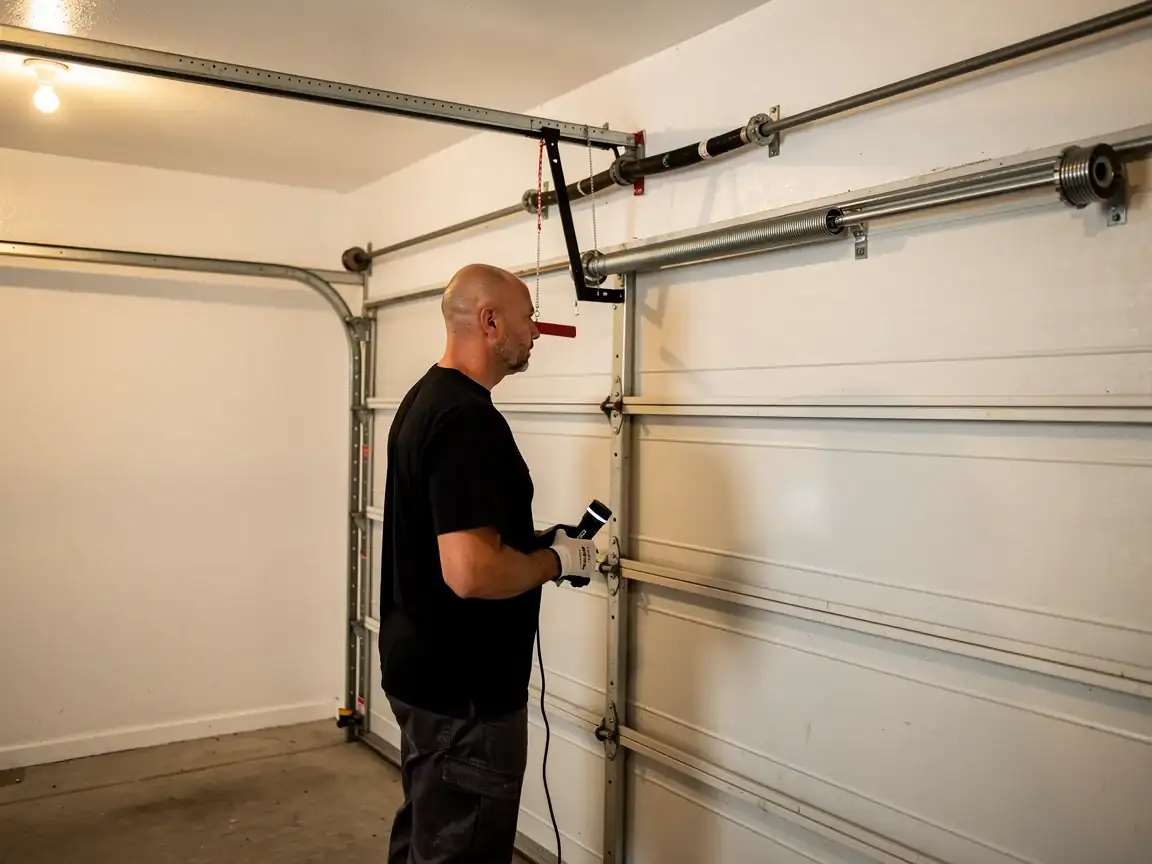
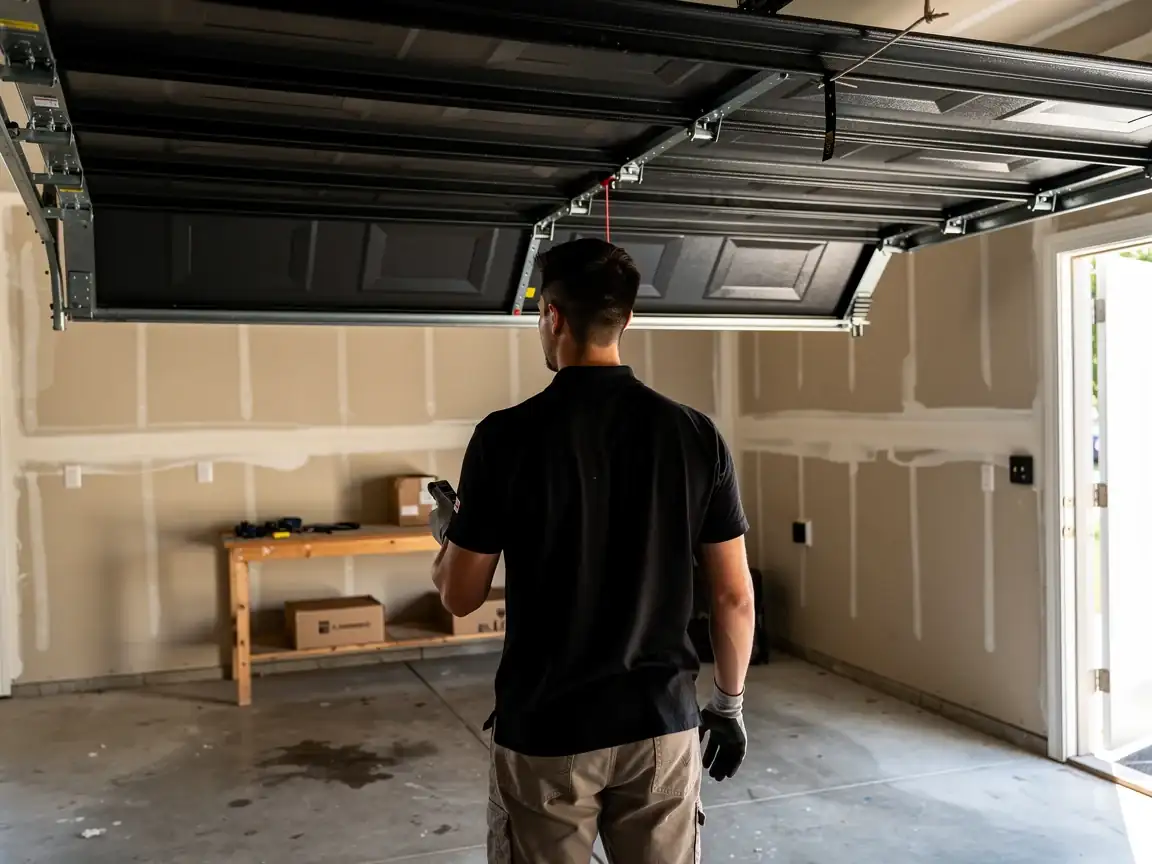
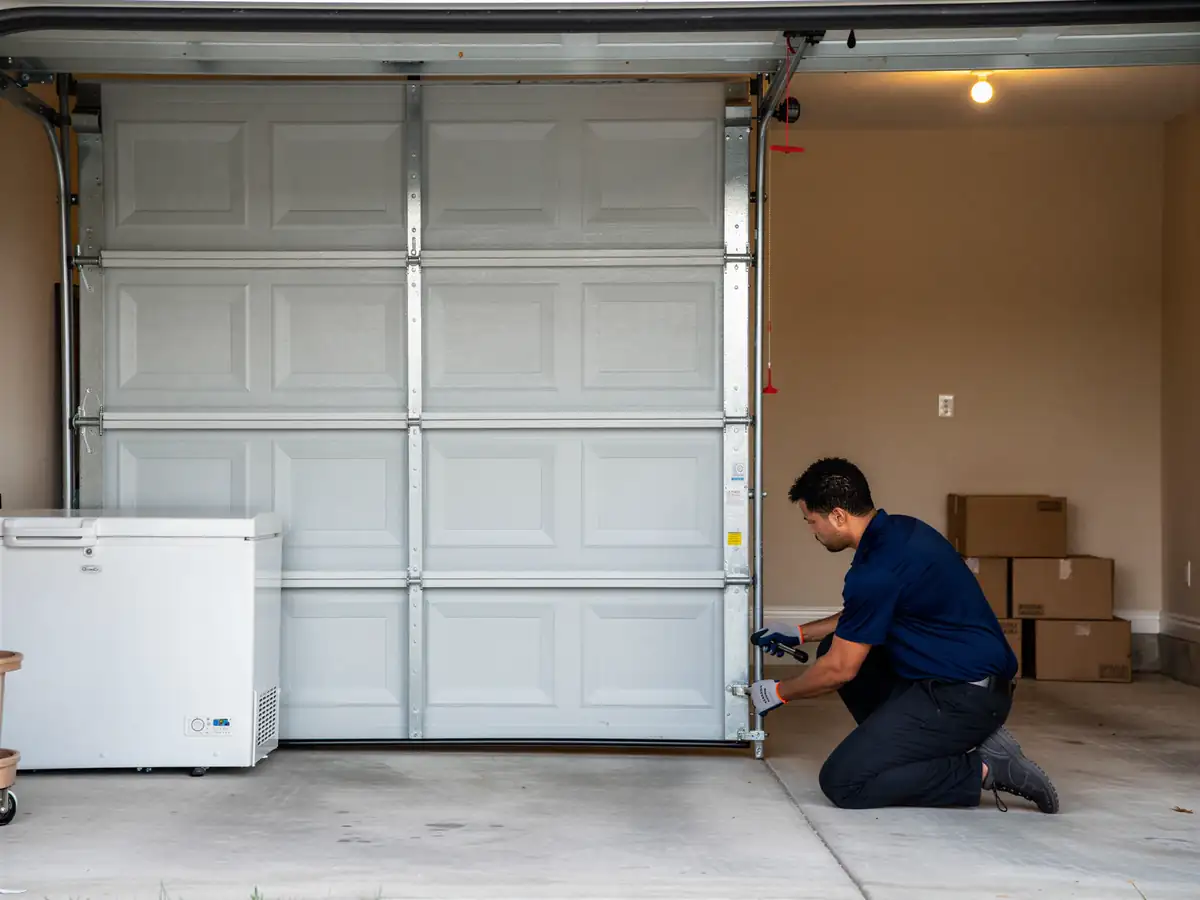
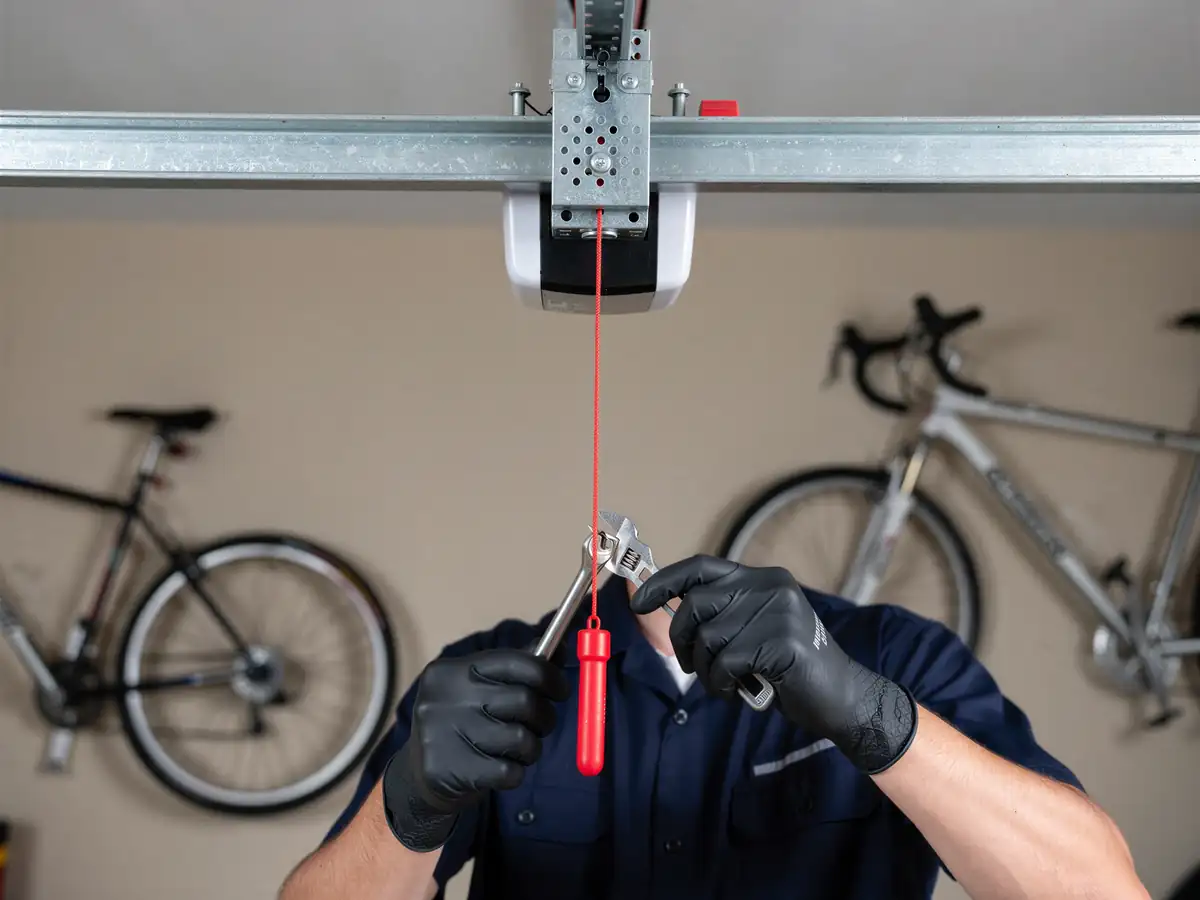
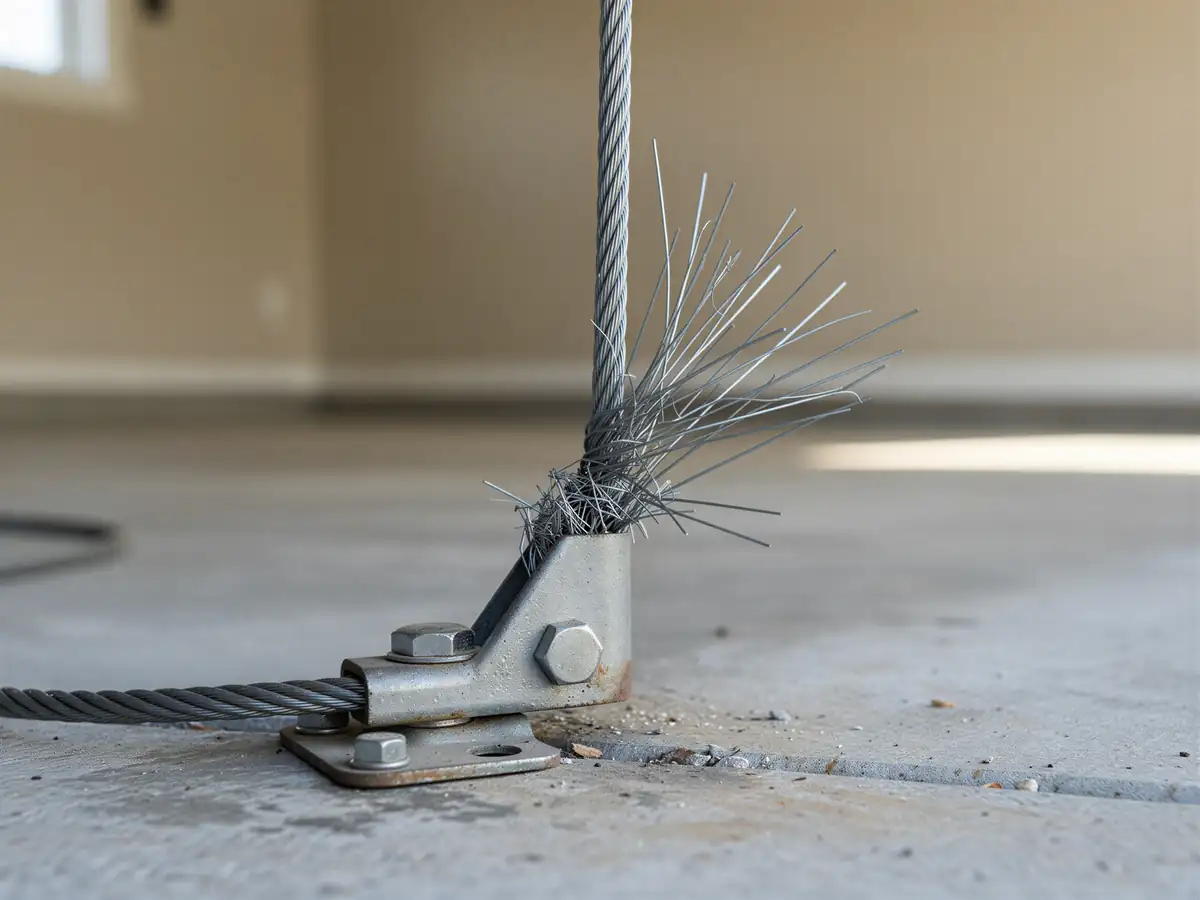
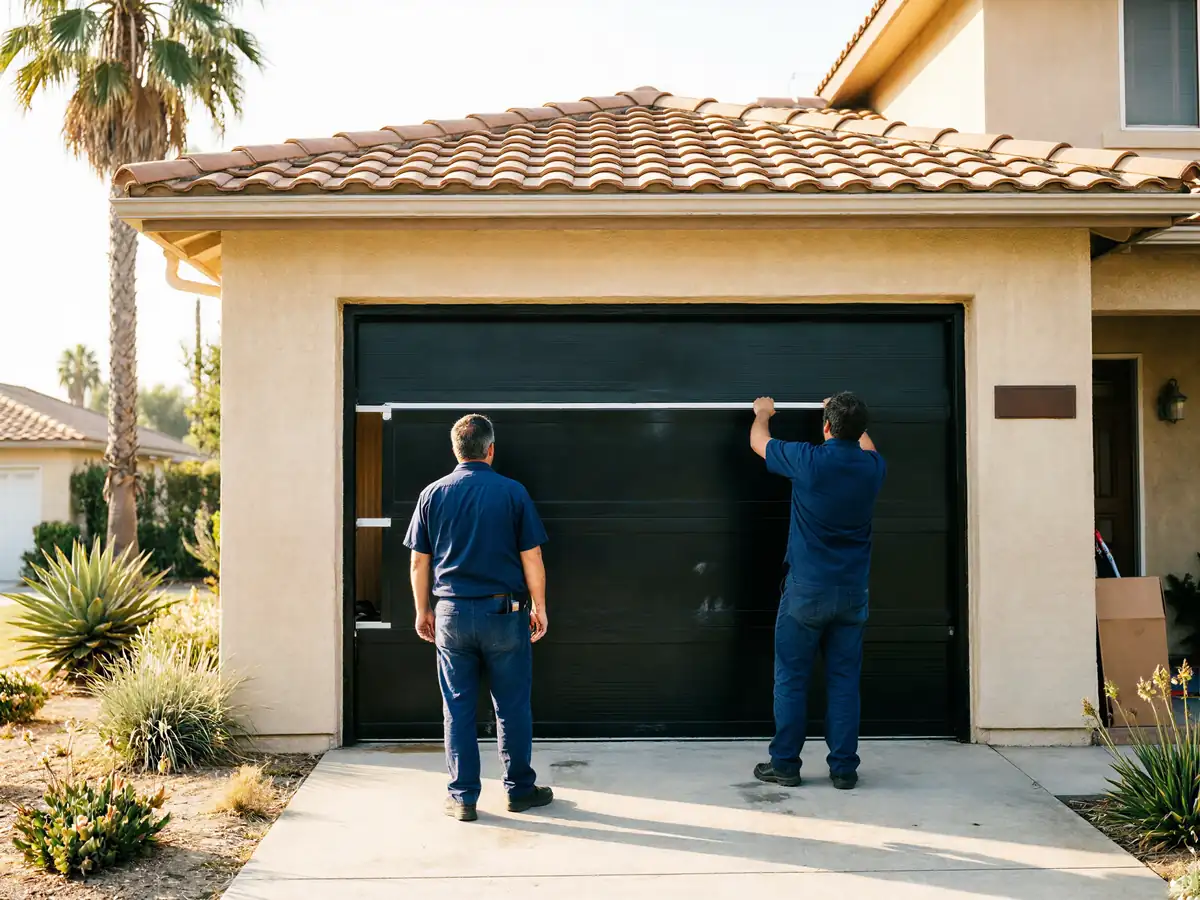
We start with the spring and the track, because on a door from this era those are the two things most likely to have worn past the point of adjustment rather than repair. A torsion spring that's lost its temper gets replaced, not re-tensioned - re-tensioning a spring that old is how people lose fingers. If the track is bent or the rollers are grooved out, we check whether the panel itself is still square before we spend time aligning hardware that'll just rack out again in a month. For openers, we test the logic board and the travel limits before assuming the whole unit needs swapping; a lot of calls that sound like 'the opener's dead' turn out to be a worn drive gear or a sensor knocked out of alignment, which is a cheaper fix. We don't replace parts that are still doing their job just because they're old - Lemon Grove's mild climate means hardware here doesn't corrode the way it would somewhere with real freeze-thaw cycles, so a lot of 1967-vintage steel is still sound.
Where This Job Goes Sideways
The job gets harder when a door from the late 1960s has had one or two amateur fixes layered on top of each other - a mismatched spring, a track bent back into shape instead of replaced, a bracket held with the wrong hardware. On a house with original 1967 construction, we sometimes find the drum or the end bearing plate was never rated for the door's actual weight to begin with, which means a 'quick fix' turns into pulling the whole spring system and starting over. Another spot it goes sideways: openers wired into old household circuits that were never meant to carry a modern unit's draw, which is an electrical question, not a garage door one, and we'll say so rather than force it. None of this is unique to Lemon Grove, but with a housing stock that skews toward this build era, we see it here more often than in newer-built pockets of the area.