How Long You Are Without the Door
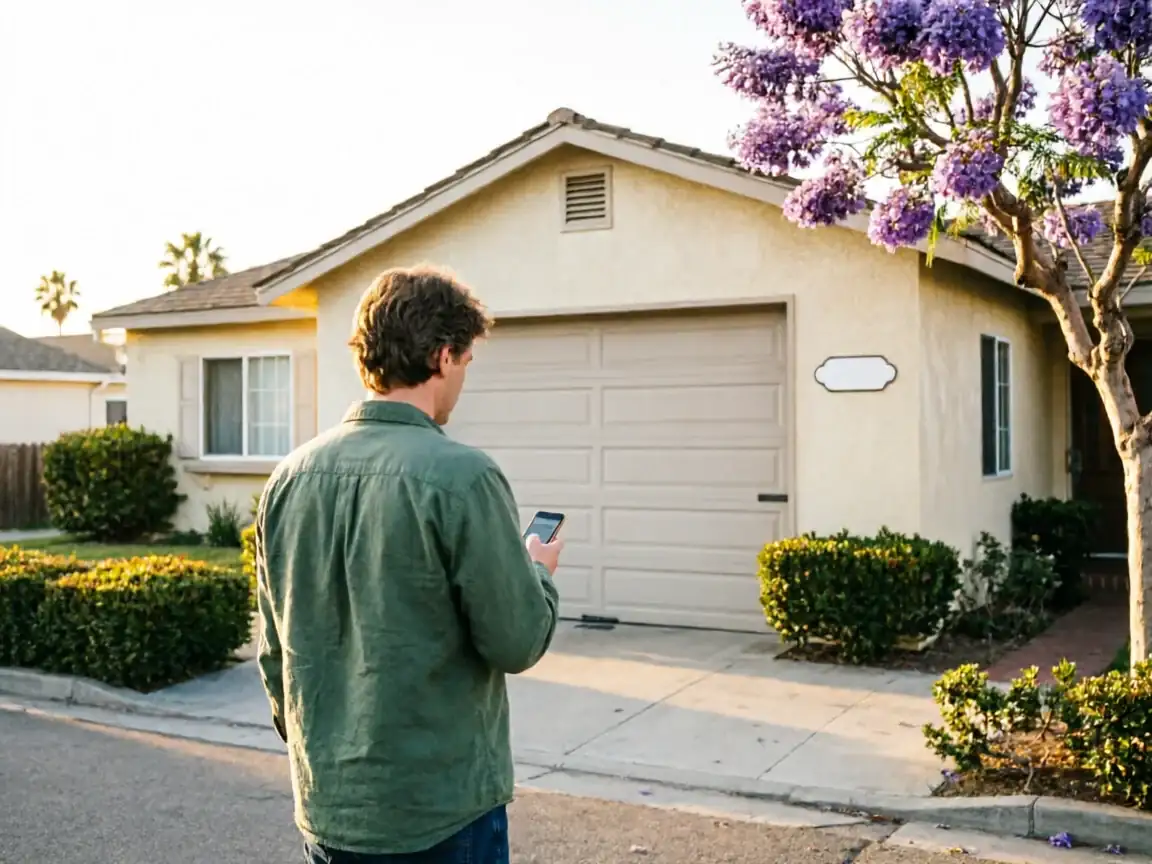
Most houses on this side of Lemon Grove went up around 1967
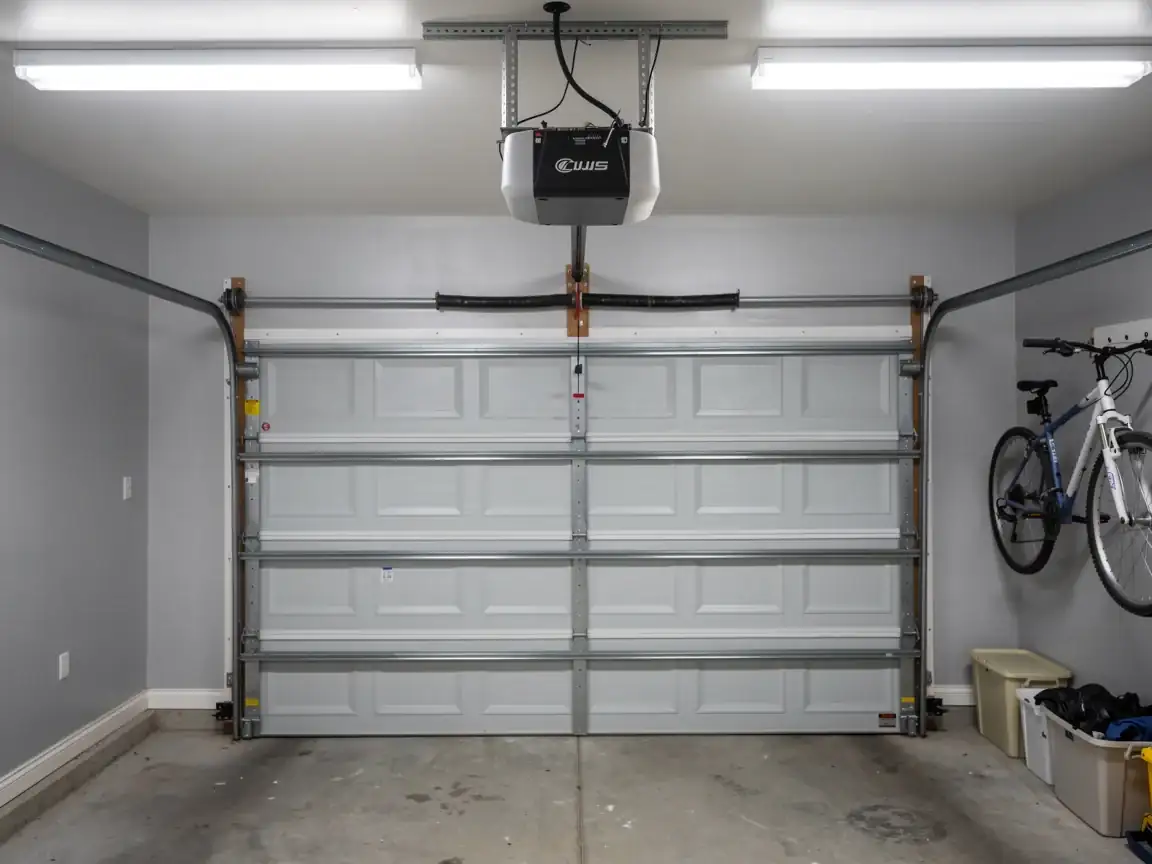
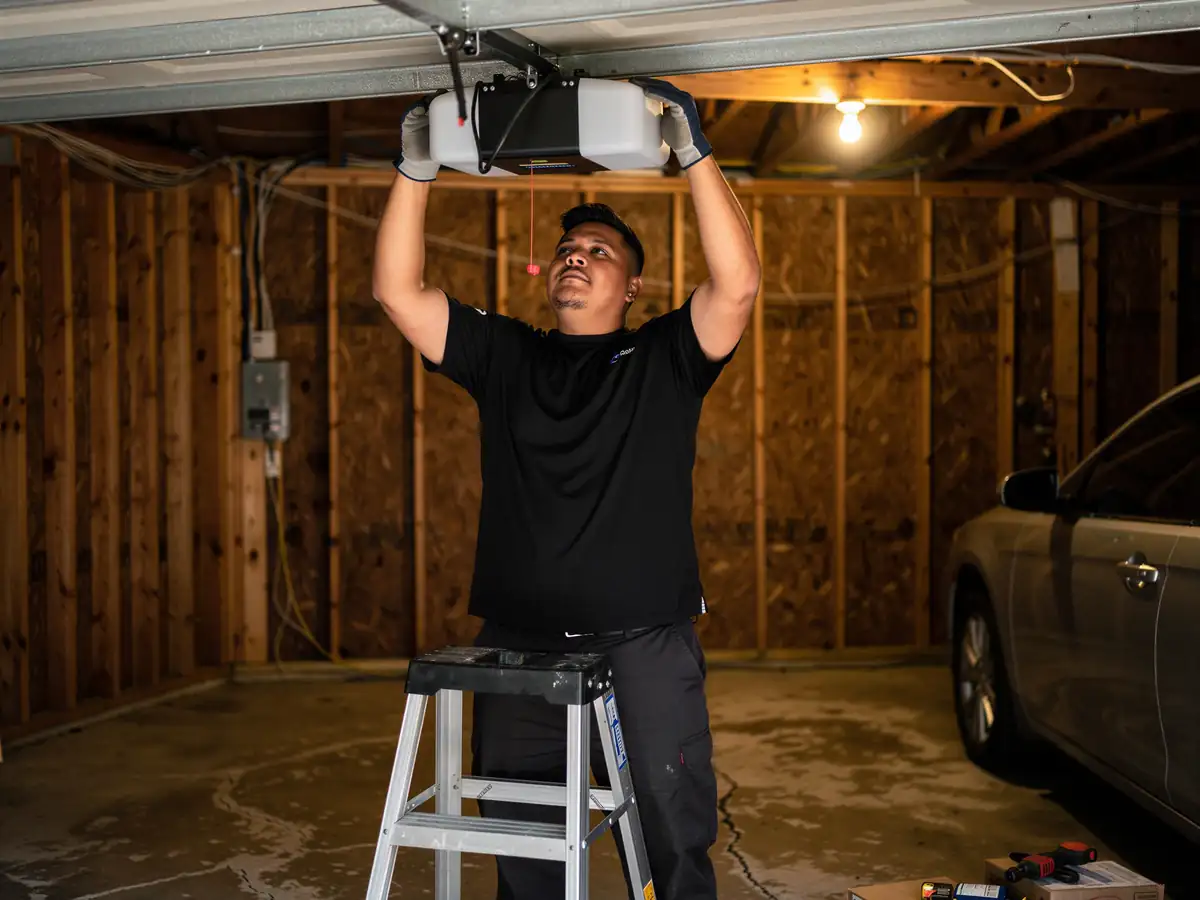
Which means a lot of garages still have the original header bracket and the original wall button wiring even if the opener unit itself has been swapped once or twice since. That matters for how long a repair takes once we're on site. A bad logic board or a worn drive gear on a motor that's otherwise sound is usually a same-visit fix. A unit that's been stacked on top of a 1967 track and rail setup that was never updated is a different conversation - we may be diagnosing two failures at once, the opener and the hardware it's bolted to.
We come from Spring Valley, about 2 miles out, so travel isn't the bottleneck here
The bottleneck is almost always parts. If your opener is a model that stopped shipping boards or gear kits years back, we tell you that up front instead of promising a same-day fix we can't back up. For most households in this area, though, the repair itself - once the right part is in hand - is a couple of hours, not a couple of days.
- 2 miles
Parts We Carry
Because so much of the garage stock here traces back to 1967, we carry gear-and-sprocket kits, trolley assemblies, and standard logic boards that fit chain-drive units from that generation, along with belt-drive parts for the newer openers homeowners have installed since. Safety sensor pairs and wall-button wiring are common swaps too - original wiring from a 1967 build has usually been through at least one re-route by now, and the insulation shows it.
We don't stock every control board ever made. If your opener is an older screw-drive unit with a proprietary logic board that the manufacturer discontinued, we'll tell you straight that sourcing it could take longer than the repair itself, and that replacement may end up cheaper than waiting on a part. That's the one limitation worth naming here - we'd rather lose an hour of your time being honest about it than string you along.
How We Fix It
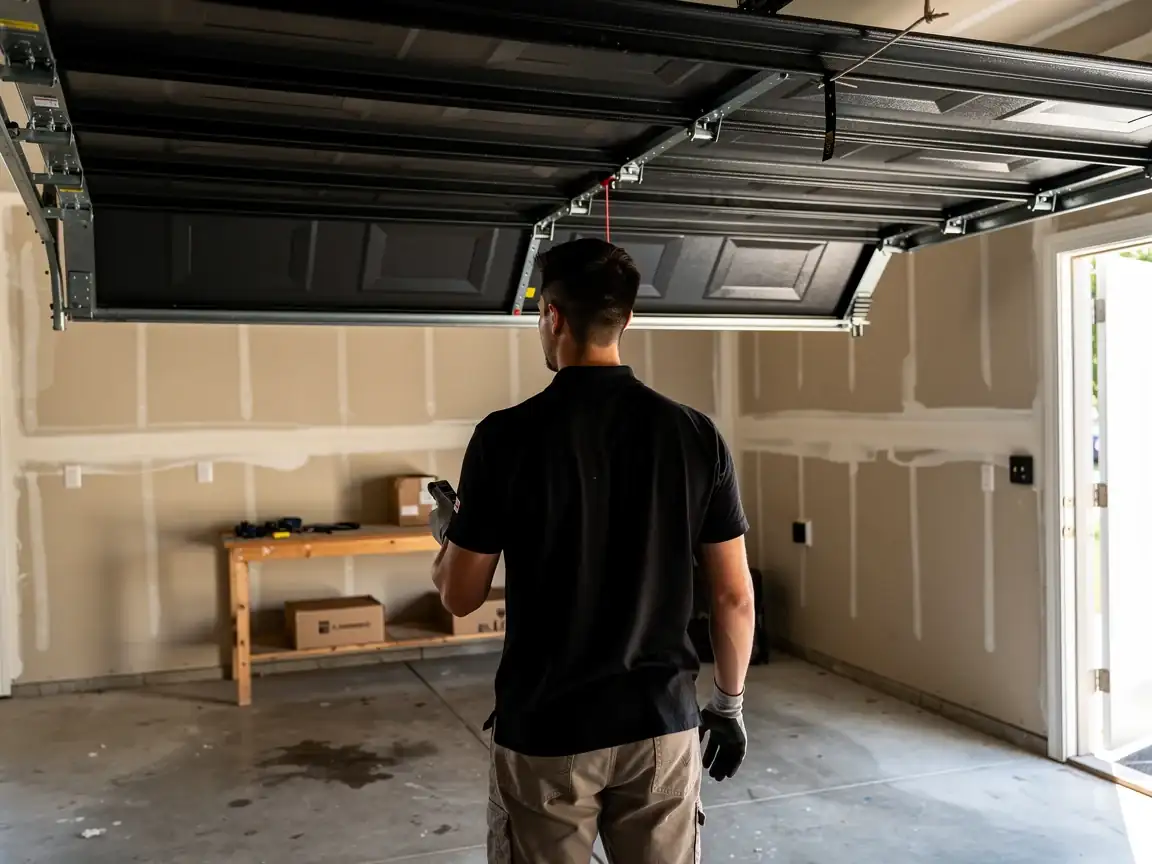
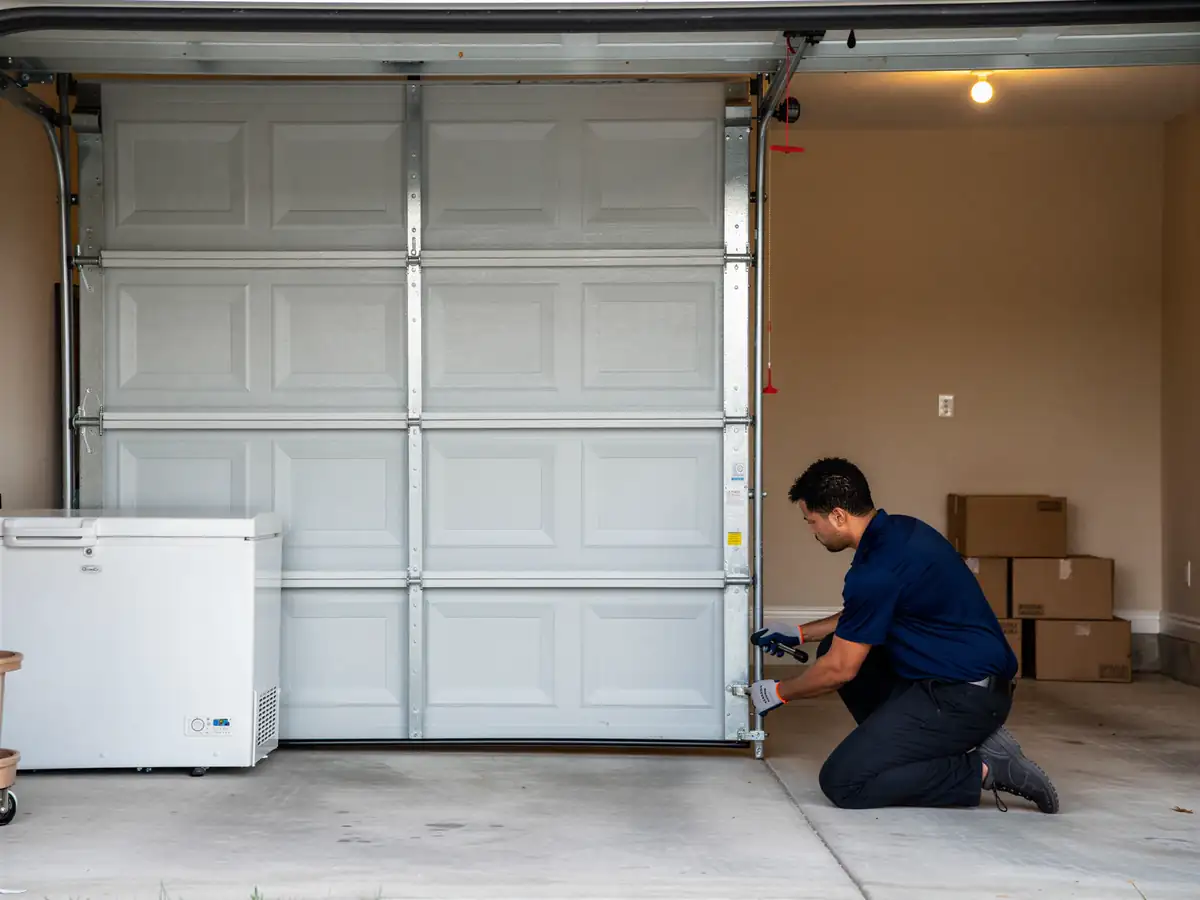
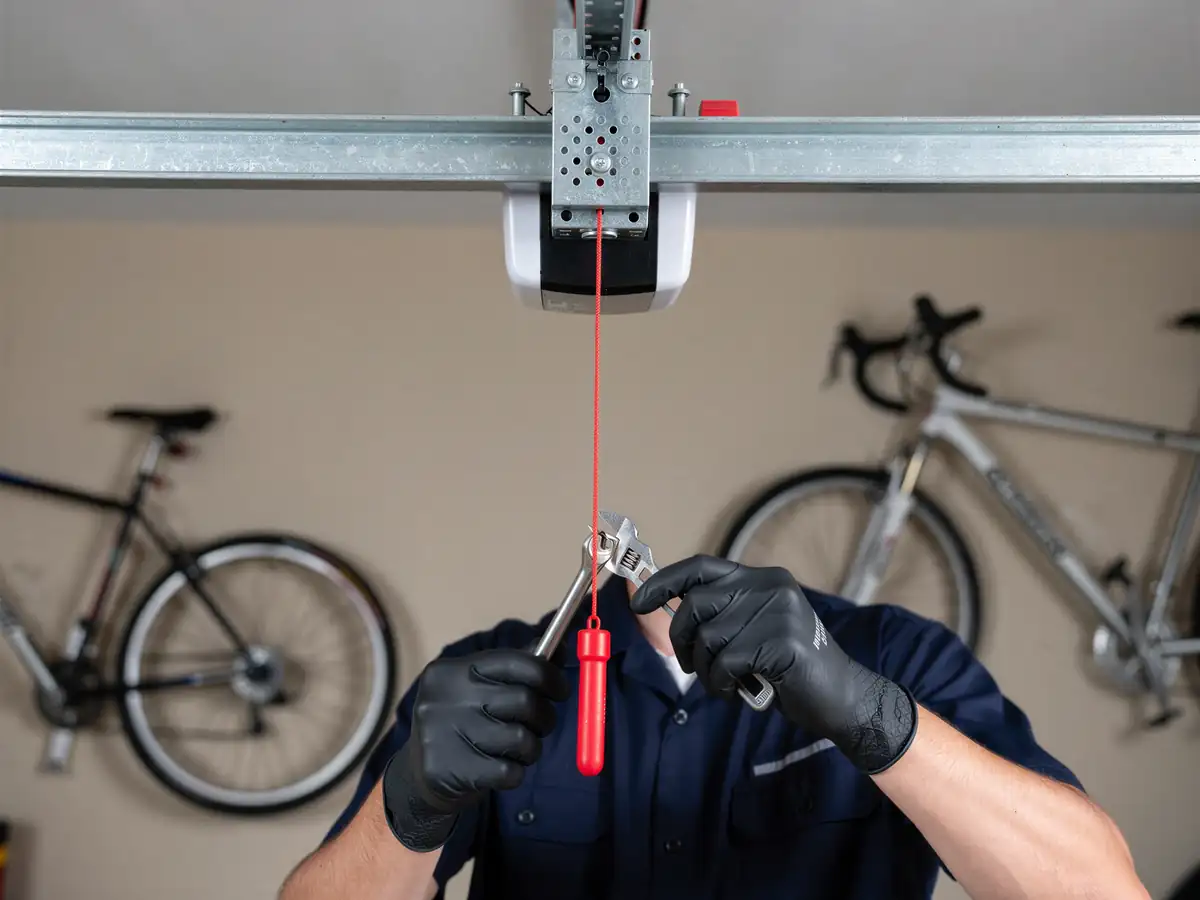
First we separate the opener from the door. A door that's hard to lift by hand - heavy, binding, dragging on the track - will burn out a motor or strip a gear no matter how new the opener is, and on houses from this era with the original track still in place, that's a common root cause. Once we know the door itself moves freely, we check the logic board, the capacitor, the drive gear, and the sensor alignment in that order.
Lemon Grove sits in the same mild temperate band as the rest of the area we cover, so we're not chasing the kind of humidity swelling or deep-freeze seizing that causes opener failures elsewhere. Here it's almost always wear - a gear that's turned for decades, a board that's taken one too many power surges, sensors knocked out of alignment by something leaned against the track. We test the fix under full load before we call the job done, not just on an empty door.
The Cost of This Job
Median household income on this side of the service area runs $79,278
Noticeably below the $105,887 average across the roughly 132,698 households we cover from Spring Valley. We mention that because it's the honest answer to why we quote the repair before we touch a screw, not after - a logic board swap and a gear kit swap are priced differently, and we'd rather you know which one you're facing before we start the clock.
- 132,698 households
We don't publish a flat number here because the spread between a sensor realignment and a full logic board replacement is real
What we can say is that for a household stock built mostly in 1967, the failures we see most are mechanical wear items - gears, trolleys, capacitors - not the kind of water or heat damage that drives costs up elsewhere. That keeps most jobs on the lower end of what an opener repair runs.
Where This Job Goes Sideways
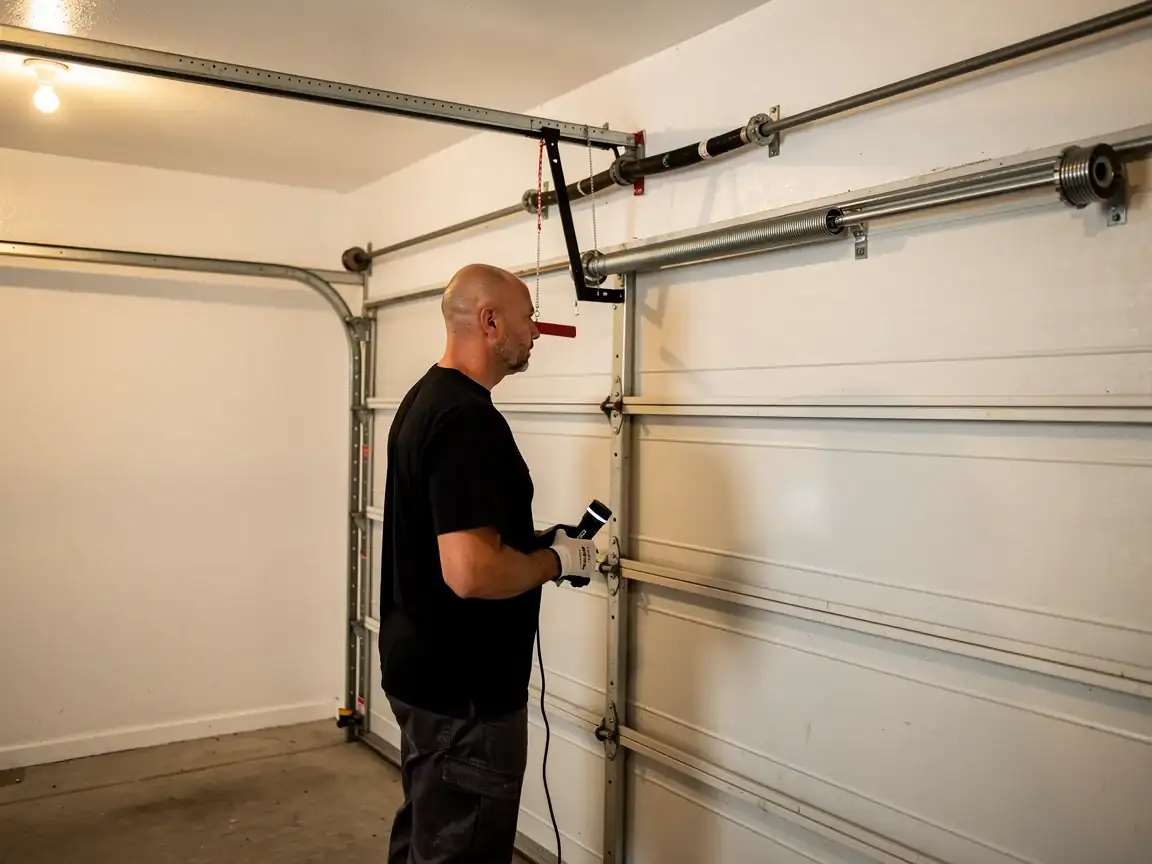
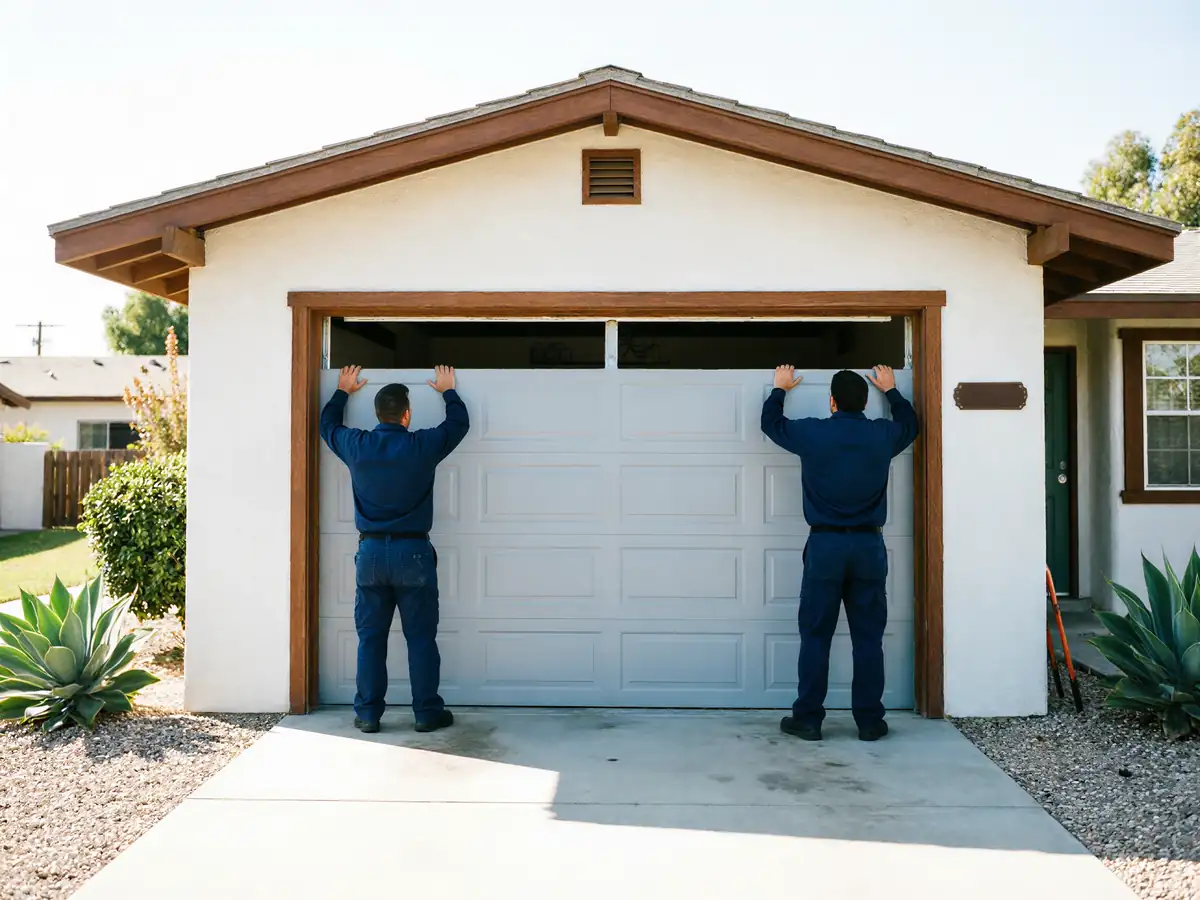
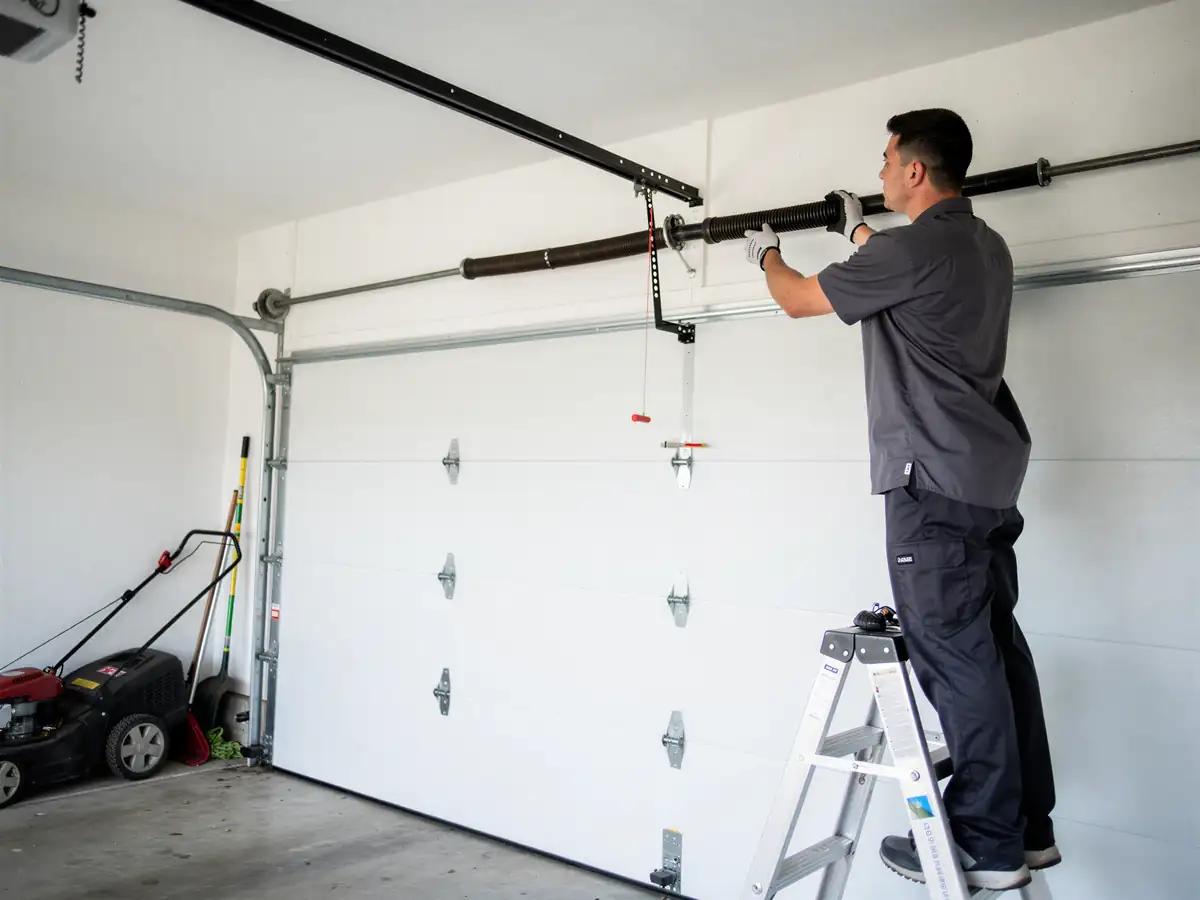
The job goes sideways when the opener is fine and the door isn't. On a house built around 1967, we see torsion springs and rollers that have never been replaced, and an opener straining against a door that's heavier than it was the day it was installed. Replace the board, the gear strips again in six months, because the real load was never on the motor's job list to begin with.
It also goes sideways when a homeowner has already swapped the opener once - sometimes twice - and each unit was mounted on brackets that were never re-leveled from the original install. A brand-new motor bolted crooked to a 1967 header will still bind. We check the mount before we call anything else finished. That's a five-minute look that saves a second truck visit, and we'd rather spend the five minutes.