Parts We Carry
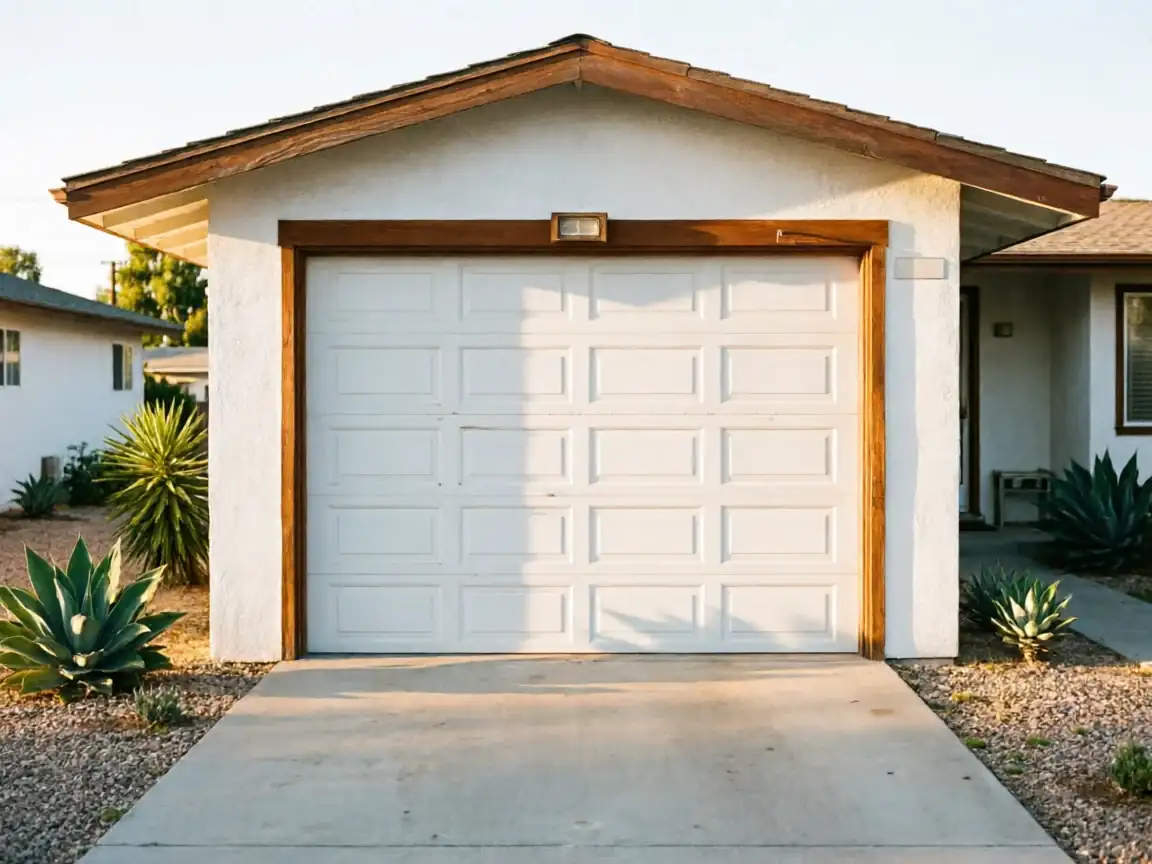
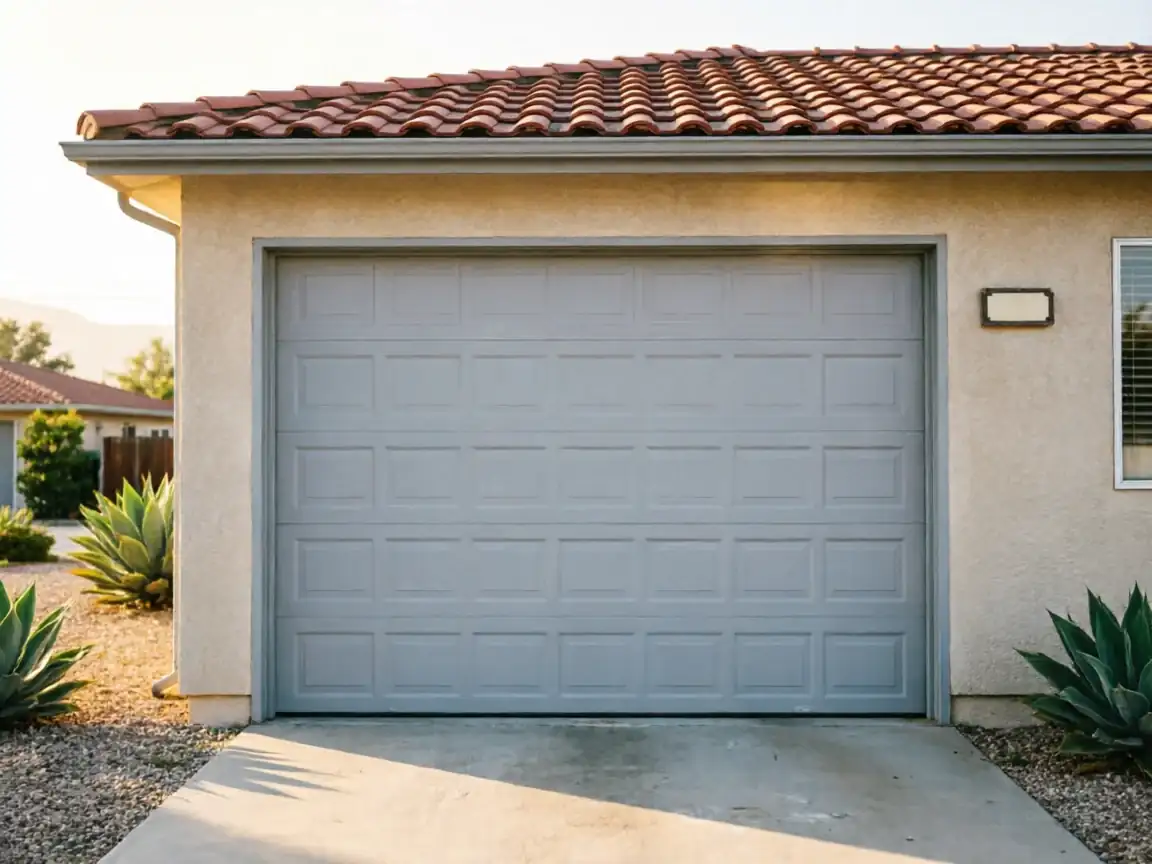
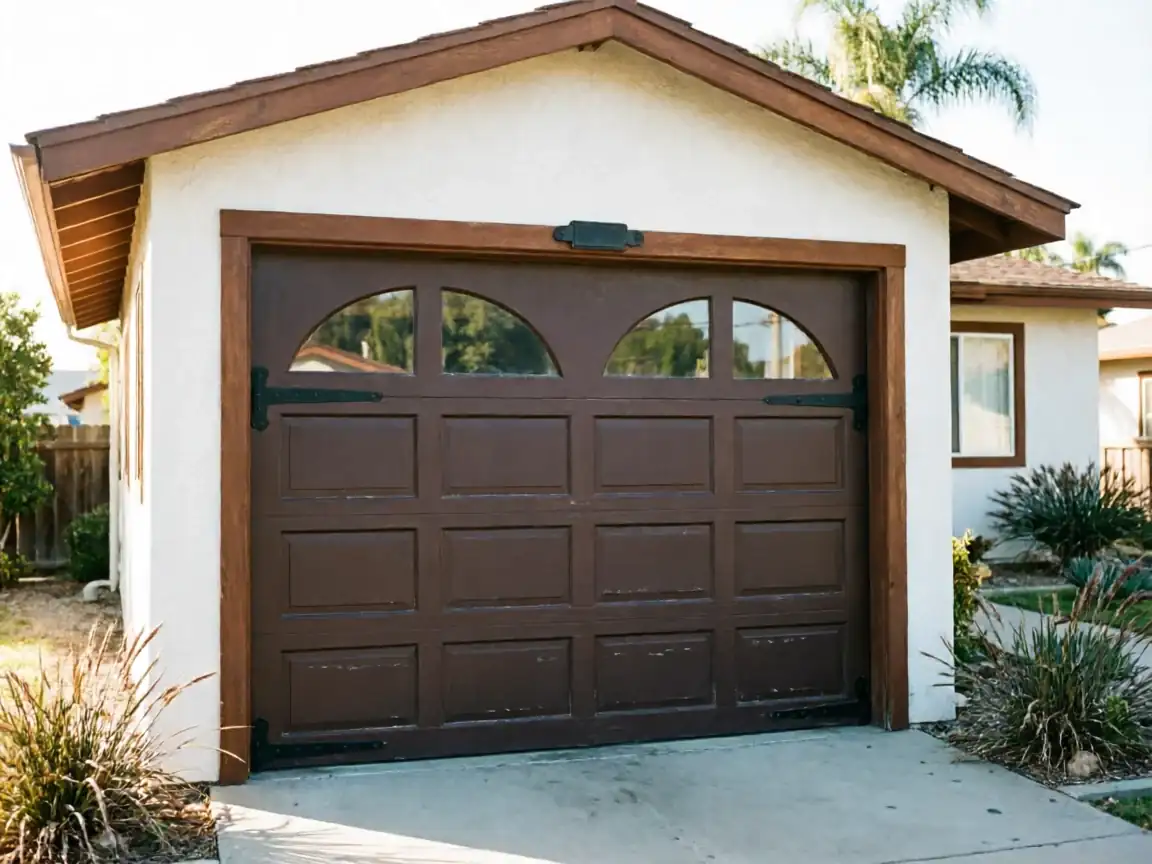
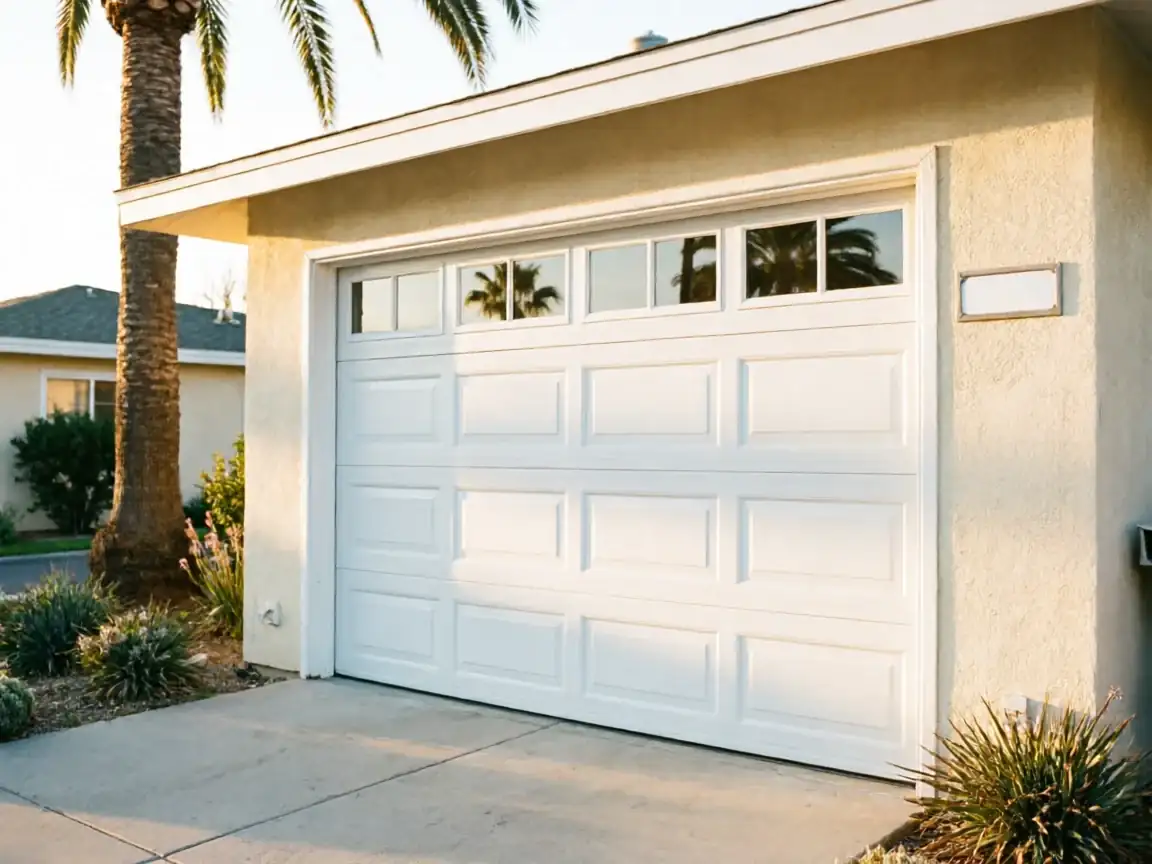
We keep common steel sectional panels in standard residential widths on the truck - the sizes that fit most doors installed from the late 1970s onward. What we don't carry as stock is the narrower, flatter panel profile that shows up on a lot of the original doors still hanging in Lemon Grove's older garages, the ones close to that 1967 build date. Those were often made to openings and rib patterns that newer manufacturers don't run anymore. When we hit one of those, we identify the hinge spacing and panel height on site, then order from whichever supplier still makes a compatible match. Sometimes that means a visually close panel rather than an exact one - we'll be straight with you about the difference before we order anything, not after it shows up on your door.
How We Fix It
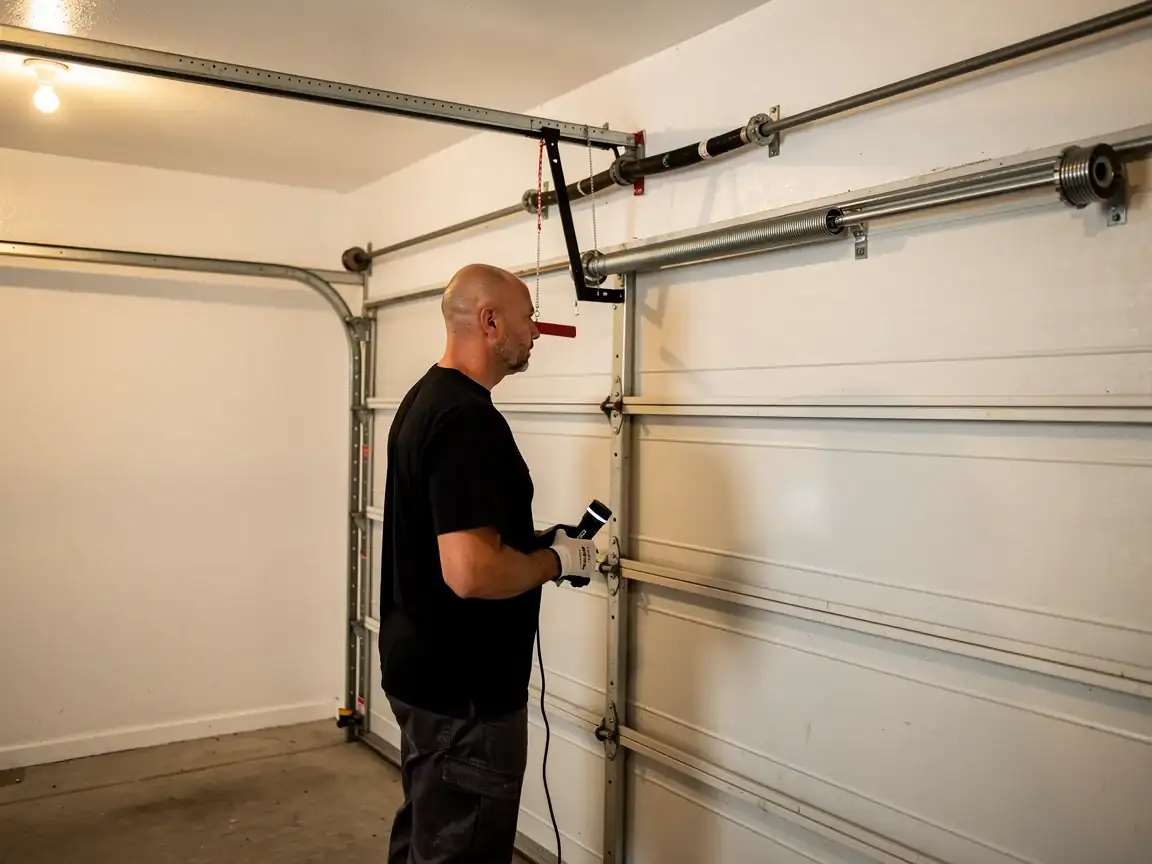
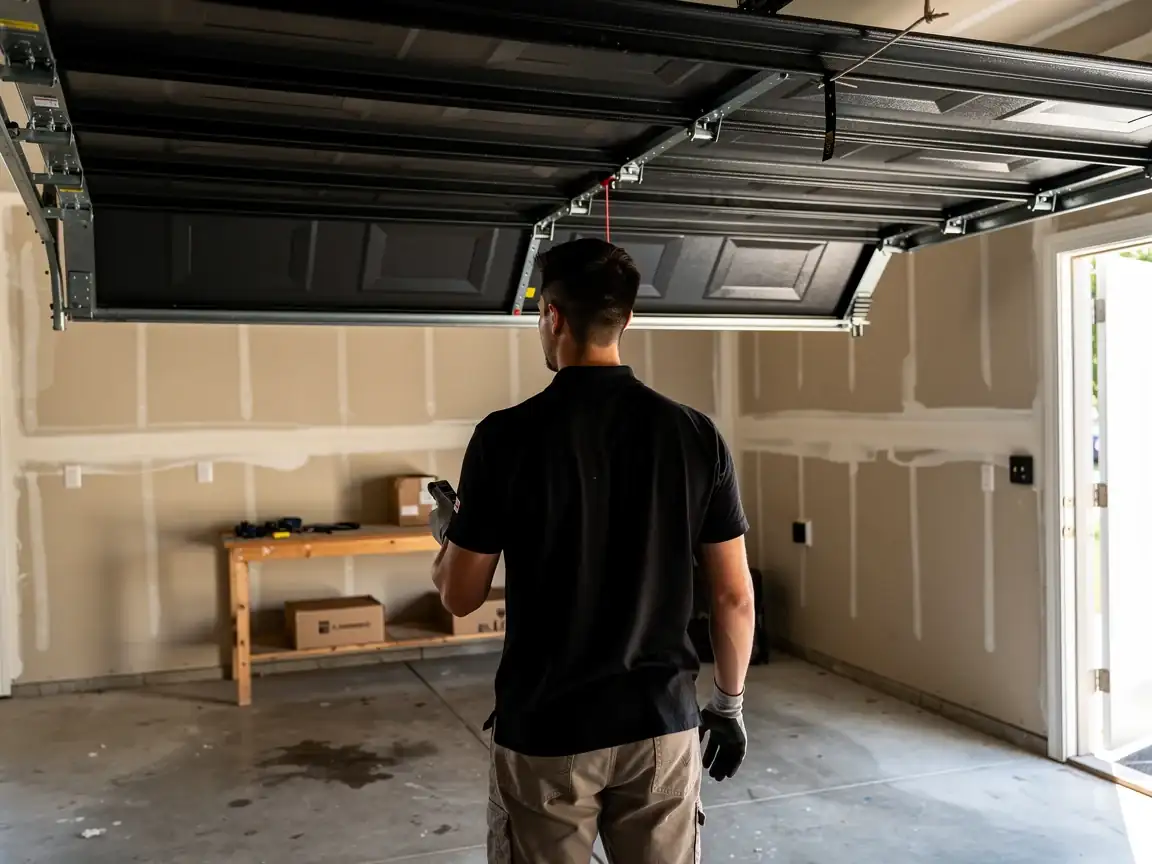
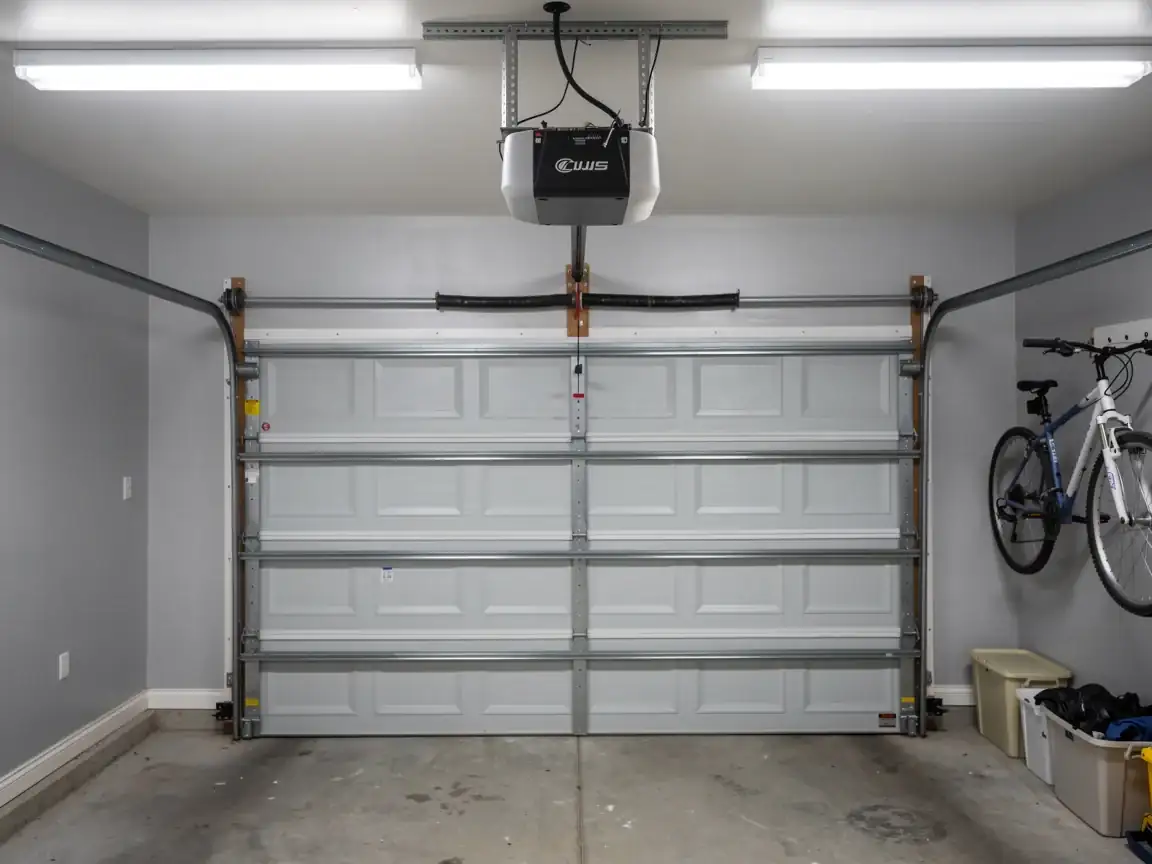
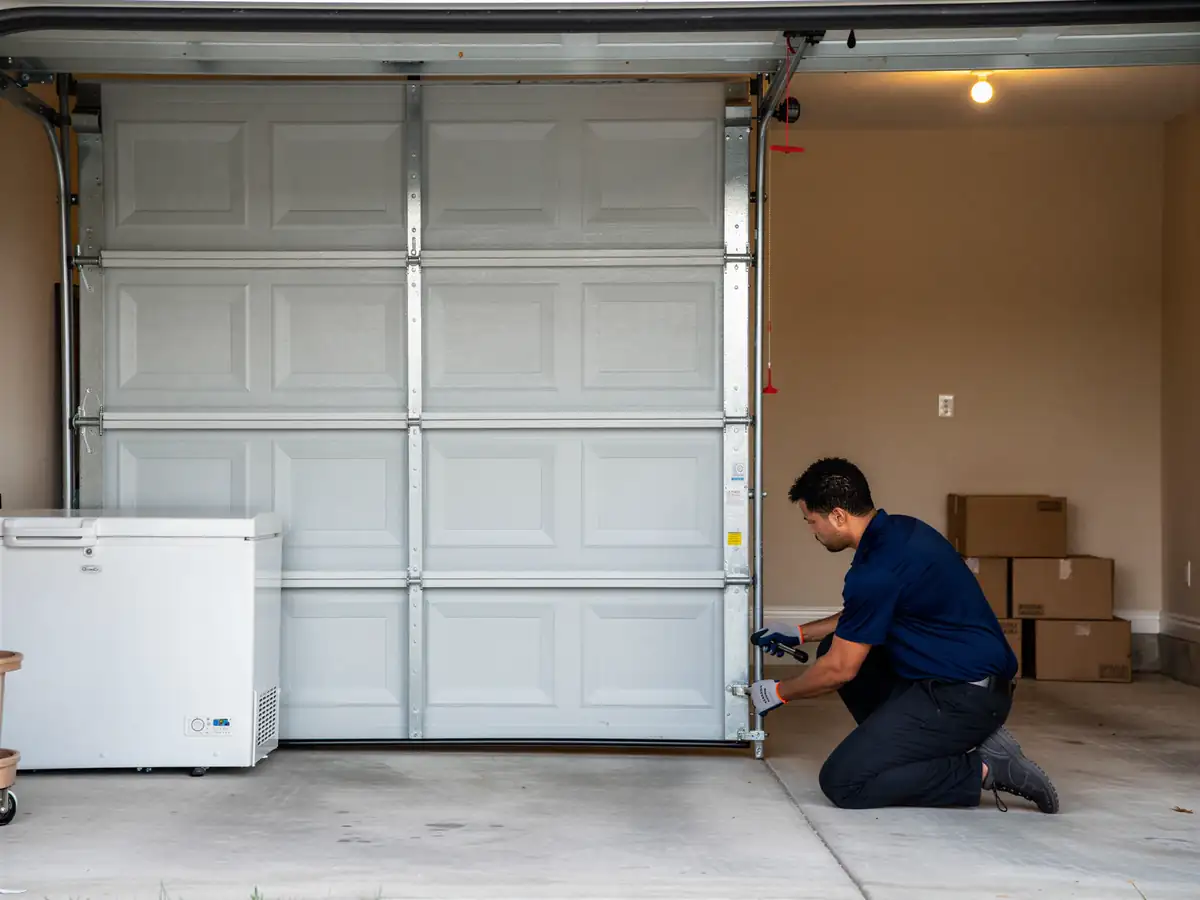
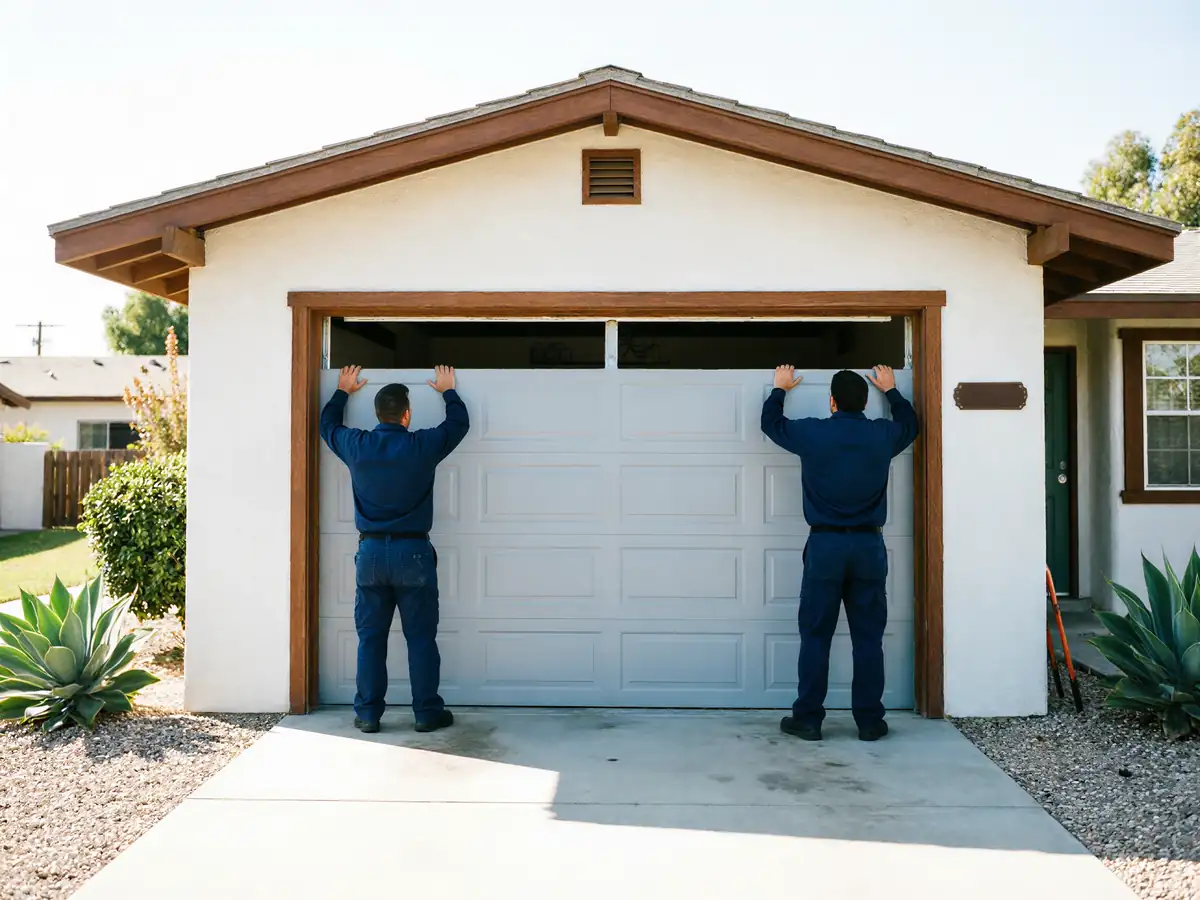
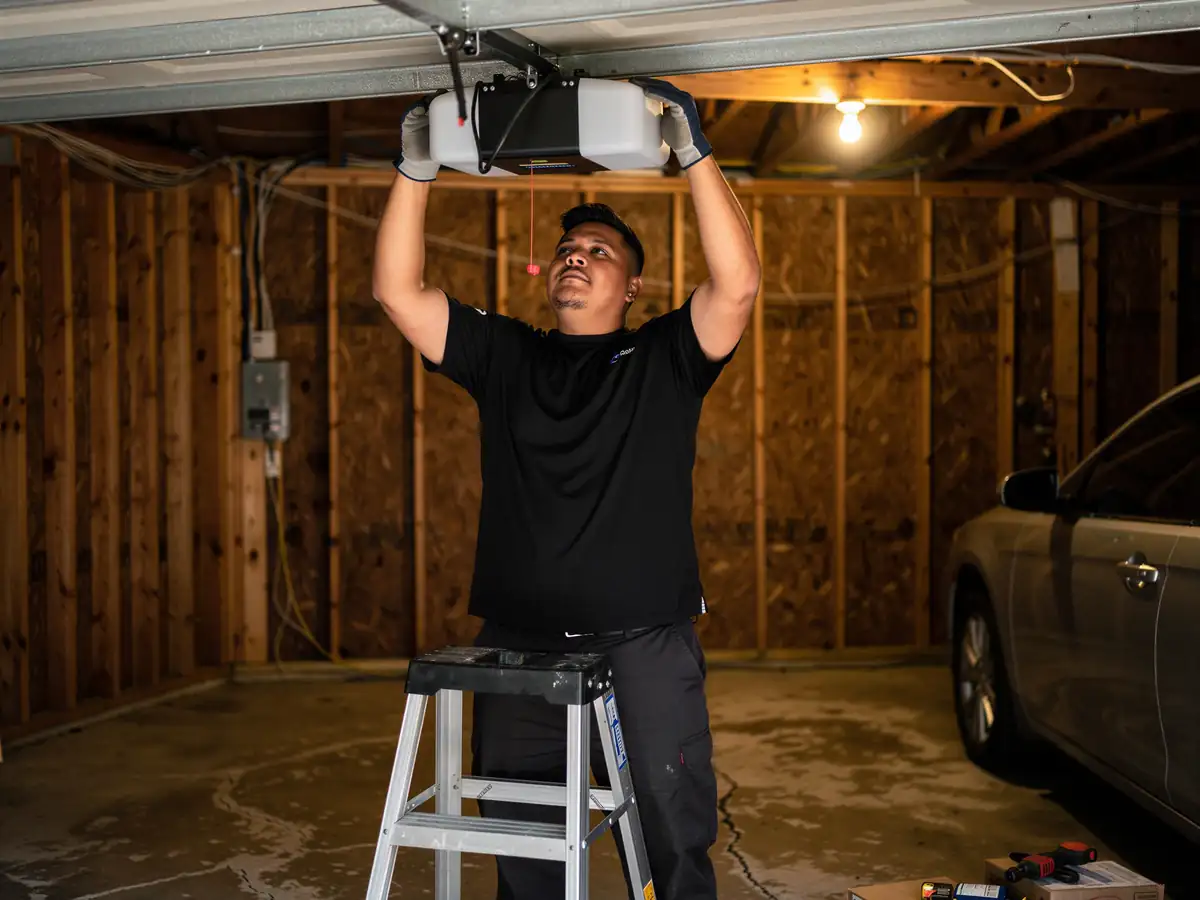
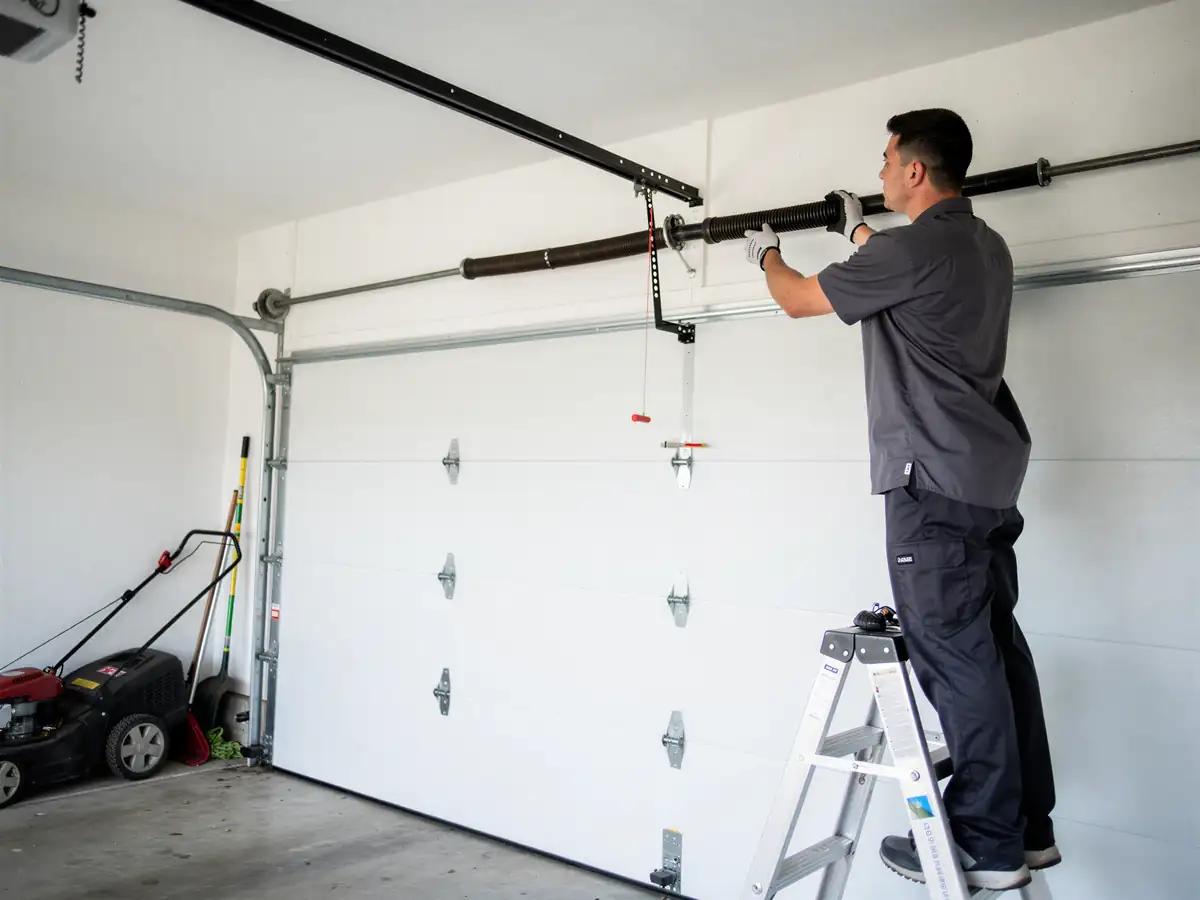
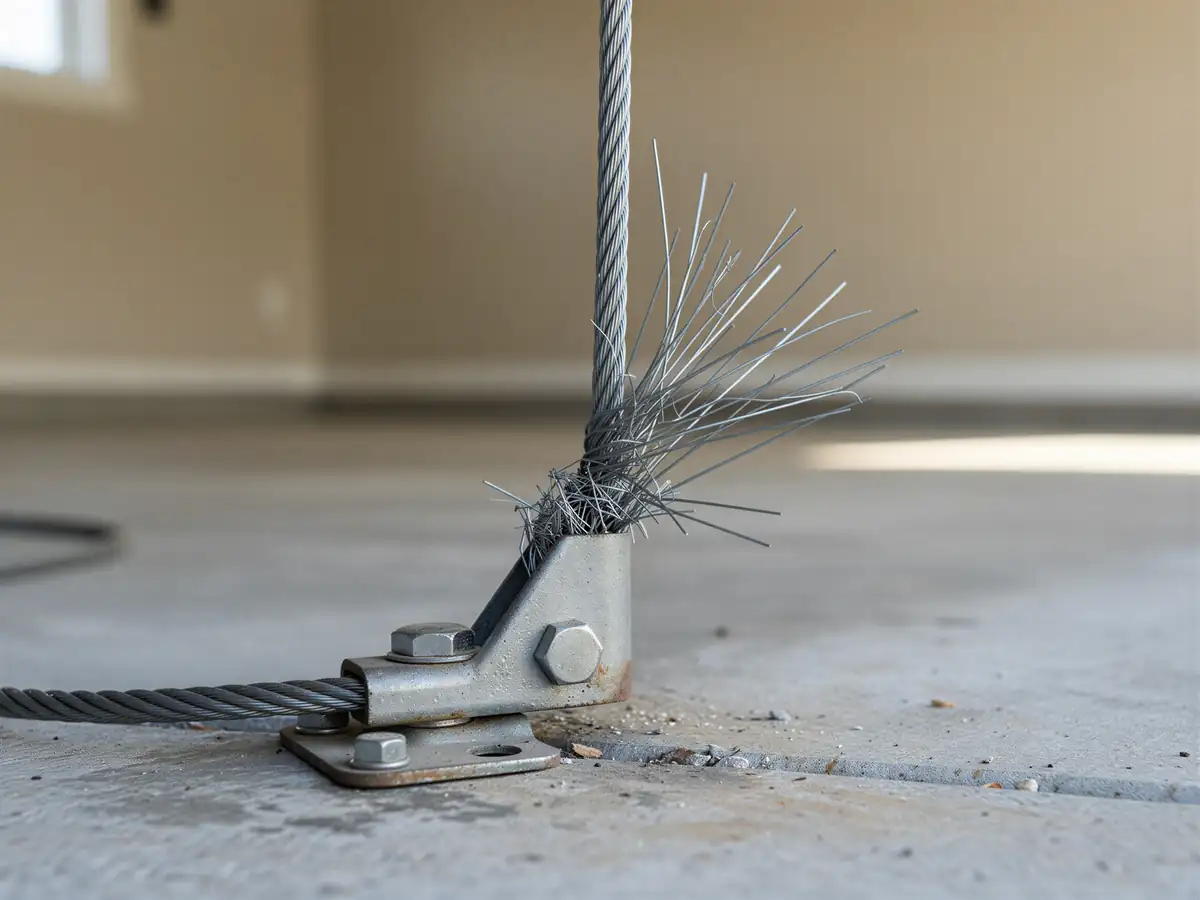
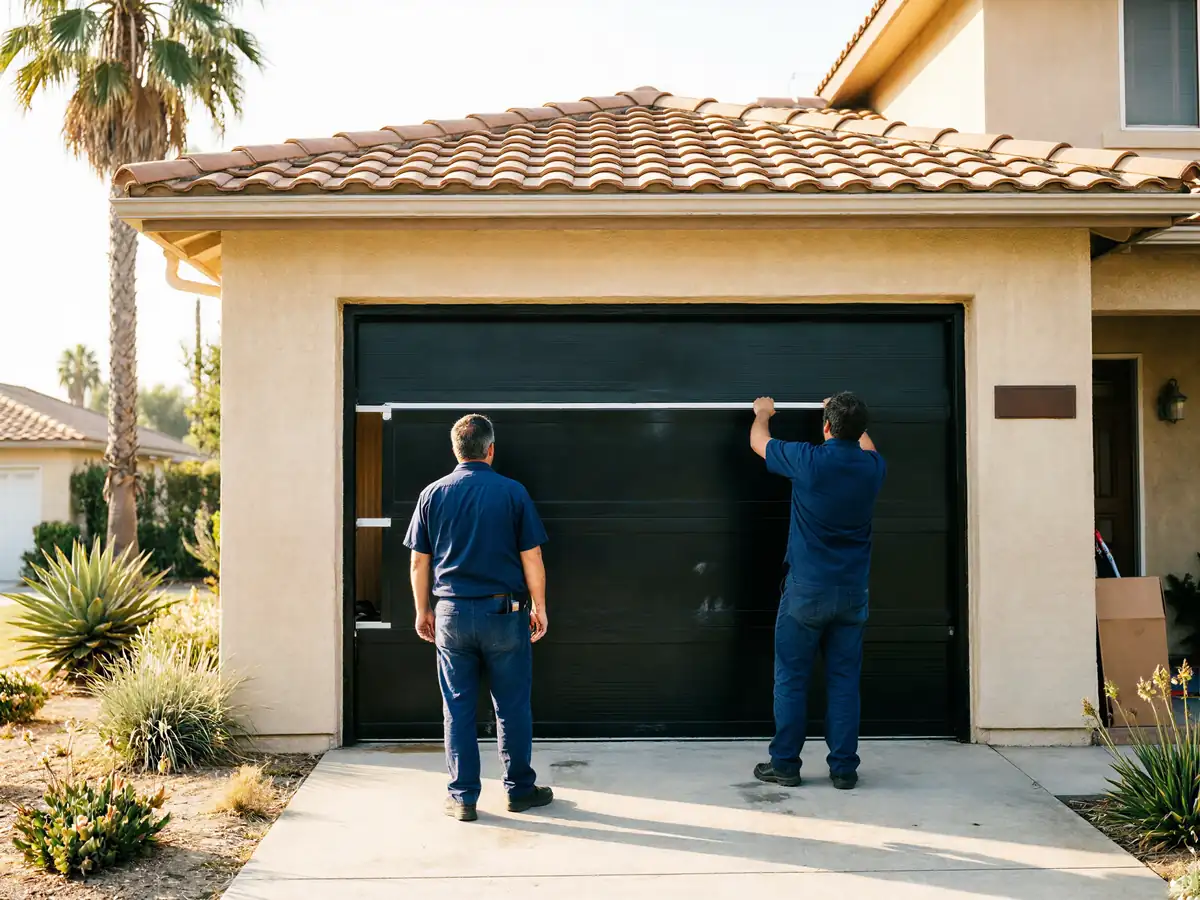
First we check whether the damage is limited to the panel or whether the track, hinges, and rollers took a hit too - on a door that's pushing fifty years old, one bent section can throw off alignment on the whole run. If the spring and track are sound, we pull the damaged panel, match hinge spacing and section height, and set the replacement in without touching the rest of the door. If the opener or spring system is original to the door, we'll flag that separately - we're not going to swap a panel and leave failing hardware in place, but we're also not going to upsell you on parts that are still doing their job. The honest limitation here: if more than one section is damaged on an older narrow-profile door, full replacement often costs about the same as chasing down matching panels one at a time, and we'll say so.
Where This Job Goes Sideways
Panel replacement stops making sense once the rest of the door is working against you. If the steel around the damaged section is rusted through rather than just dented, a new panel bolted next to corroded metal won't hold its shape long - we've seen that on doors in this climate band, where sprinkler overspray and coastal damp do more damage over decades than any hard freeze would. Color match is another one: a door that's faded unevenly over fifty years won't take a new panel without a visible seam, even if the panel itself fits perfectly. And if your door is one of the narrow single-car originals that's common on this side of Lemon Grove, sourcing a single matching panel can run close to what a full replacement door costs - at that point we tell you to replace, not patch.