Parts We Carry
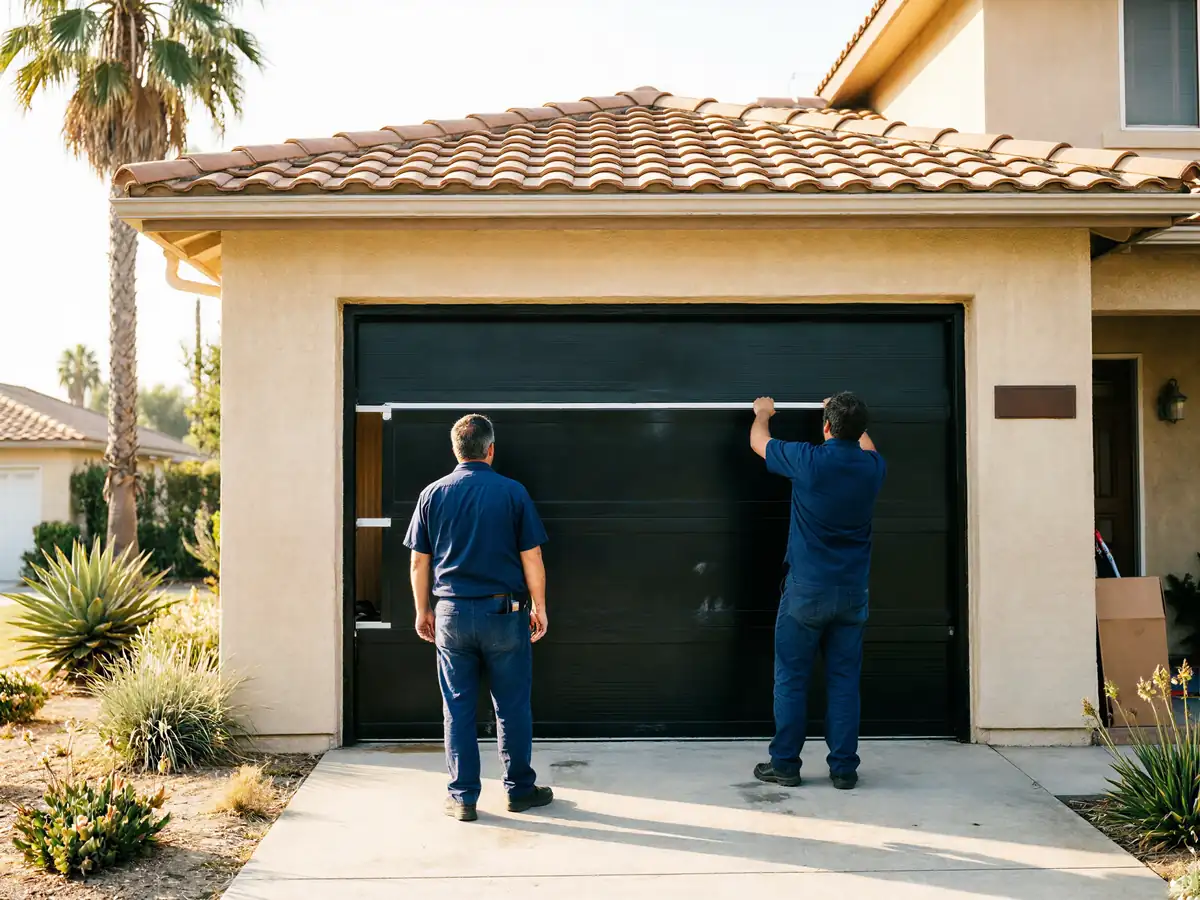
Given that Lemon Grove's housing stock runs older than the 1975 median for the broader territory, we stock springs that fit both the original torsion setups from the late 1960s and the extension-spring side-mount jobs that showed up on some tract housing from that same stretch. A double door here, built heavier in that era, usually takes a higher-cycle torsion spring than what a big-box store carries off the shelf - we carry both standard and higher-cycle options so we're not sending someone back for a second trip. What we don't stock is anything custom-wound to a nonstandard length; if a door's been modified or someone's already swapped in a mismatched spring, that part gets ordered and the job runs over two visits instead of one. We'll tell you up front if that's the situation rather than force a fit that won't hold tension right. With roughly 9,403 households in Lemon Grove against the 132,698 across the full service area, we're not treating this as a small side note - the hardware mix here gets specific attention, not leftover stock from newer builds elsewhere.
How We Fix It
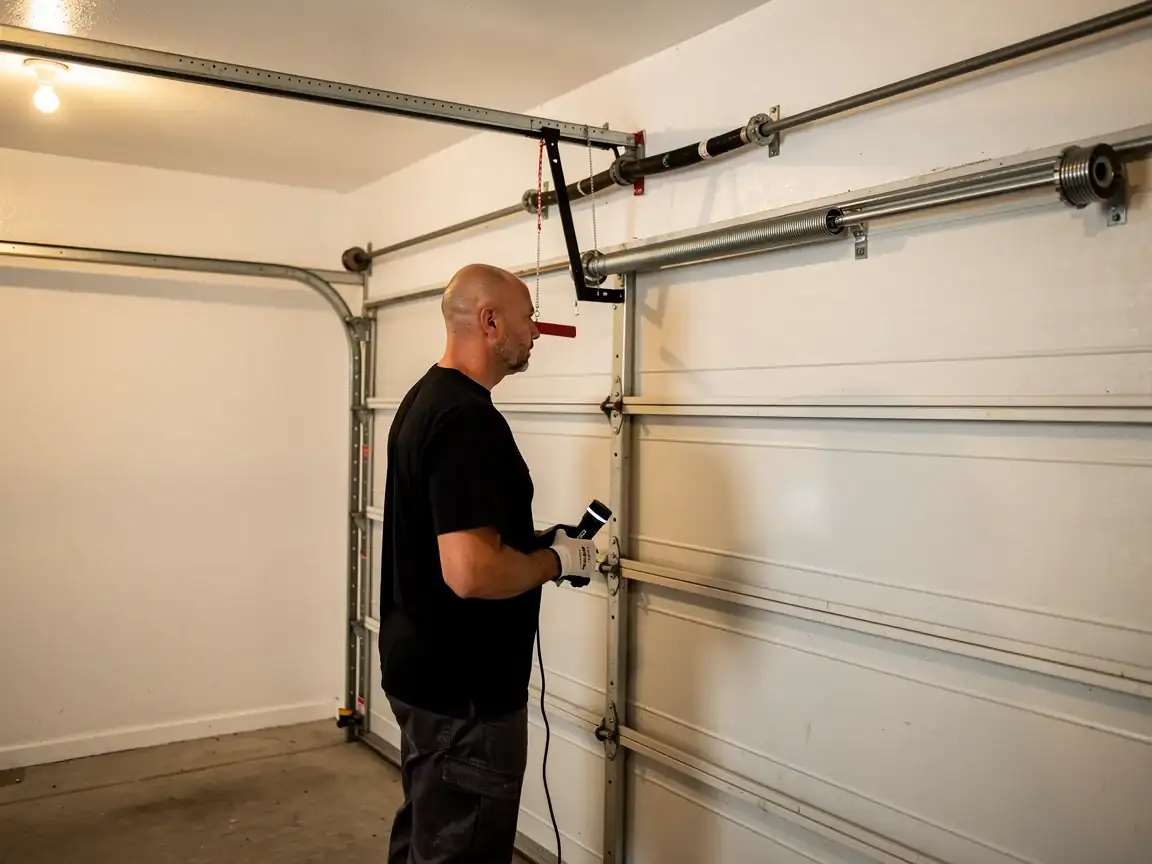
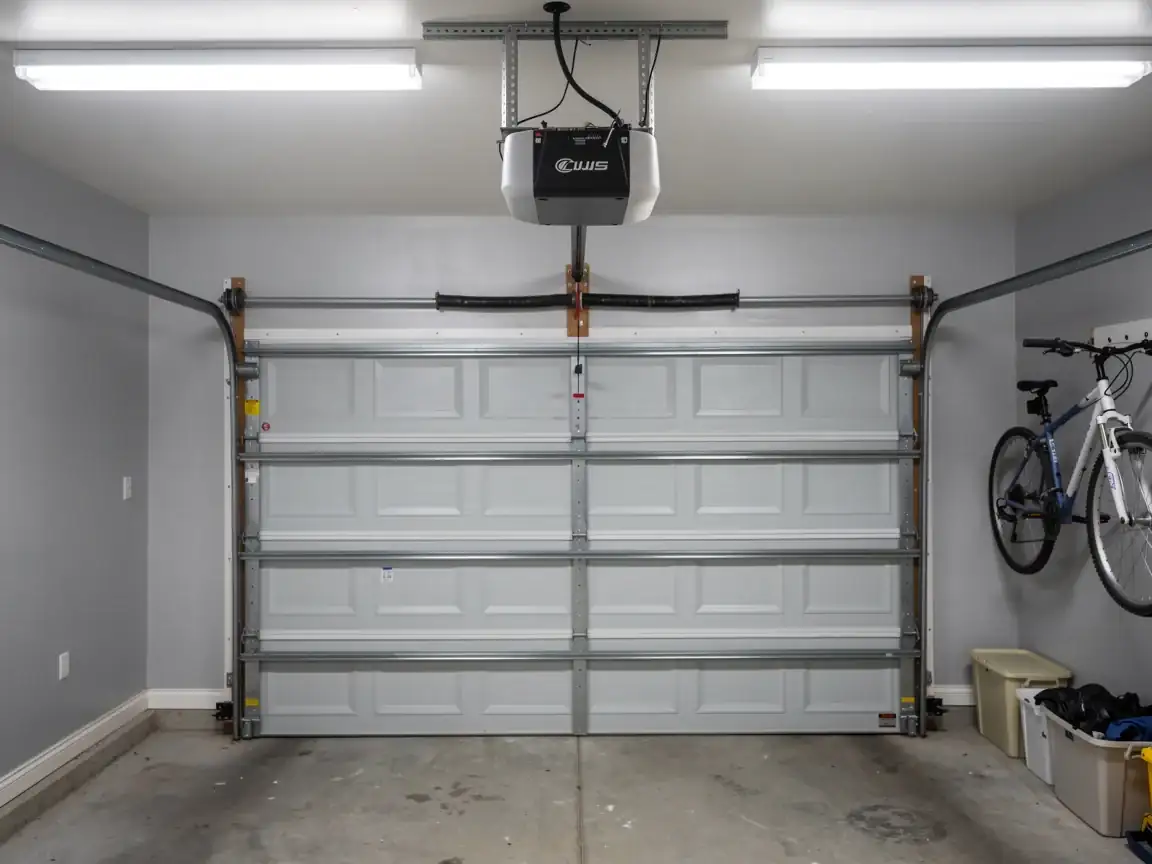
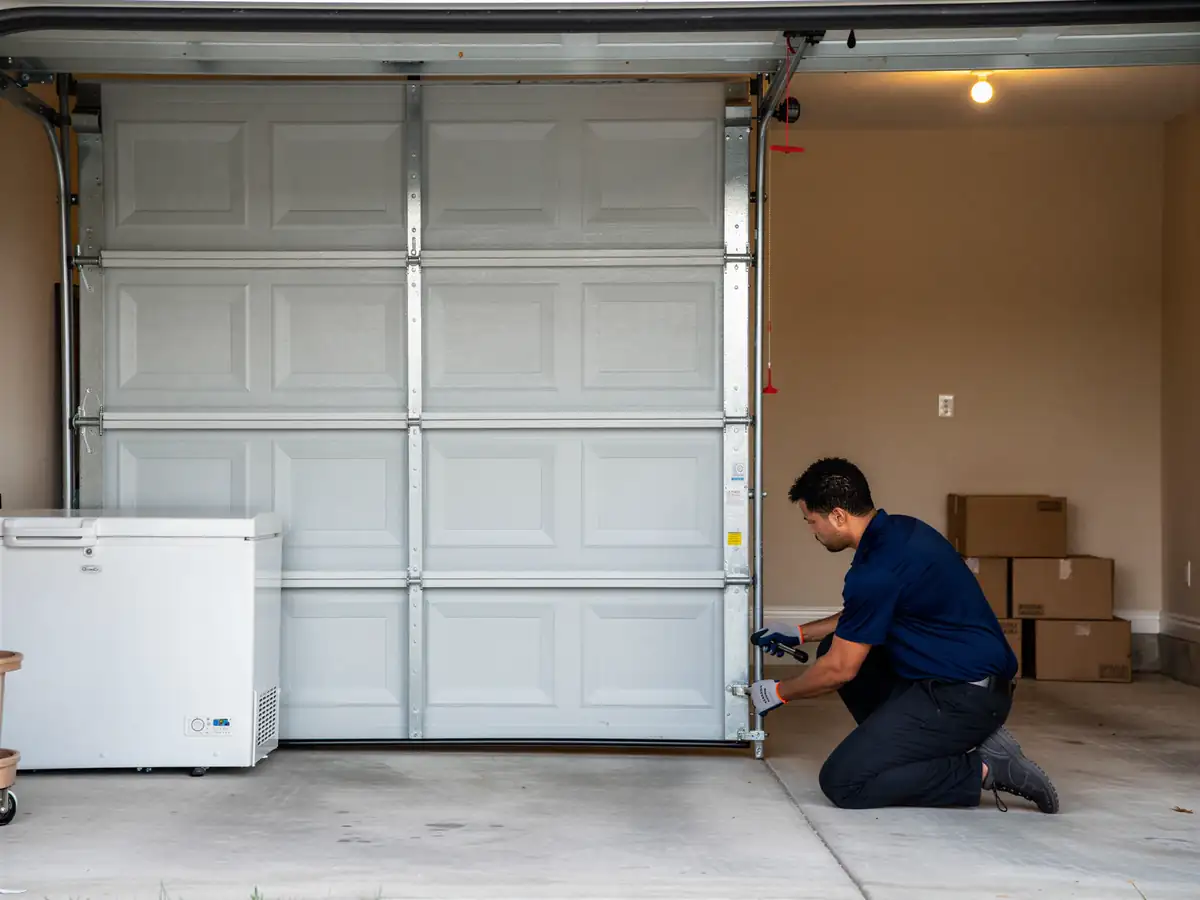
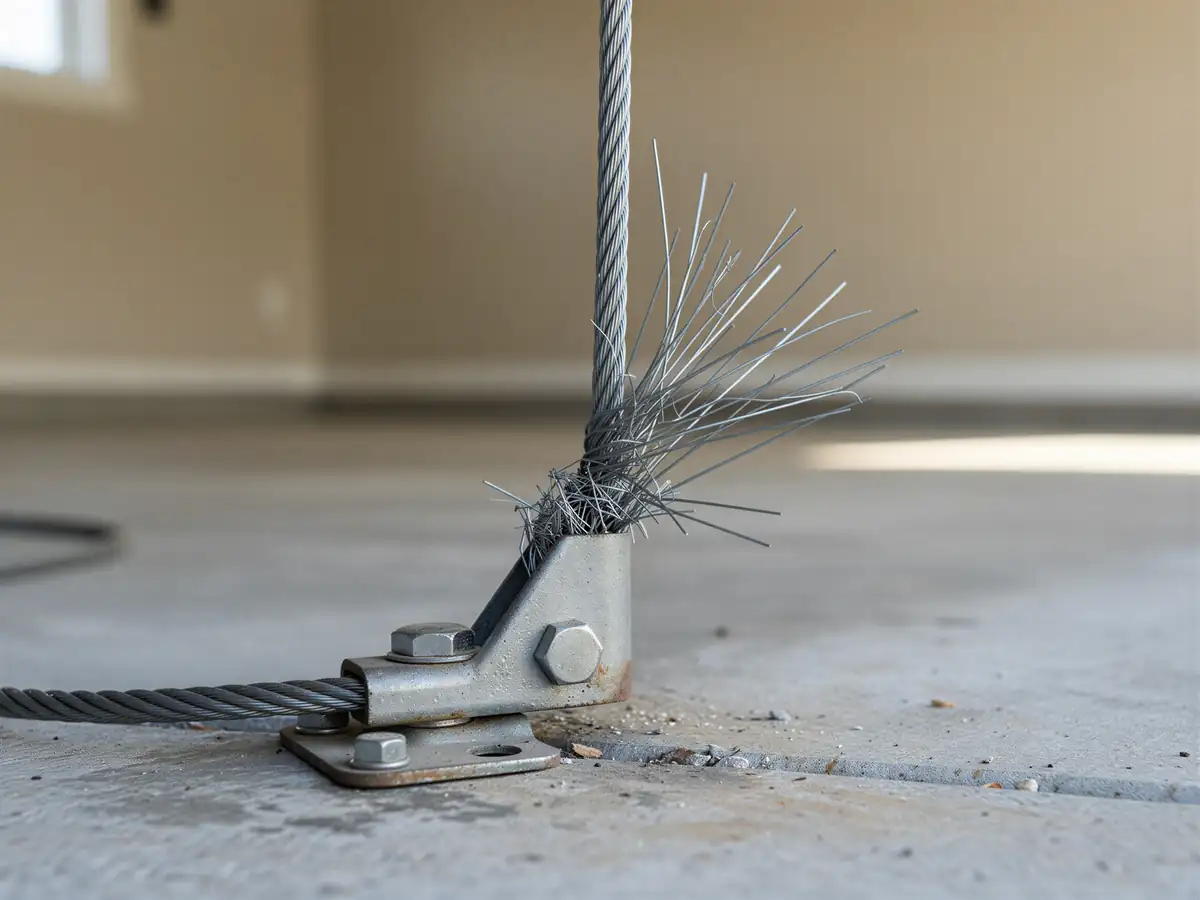
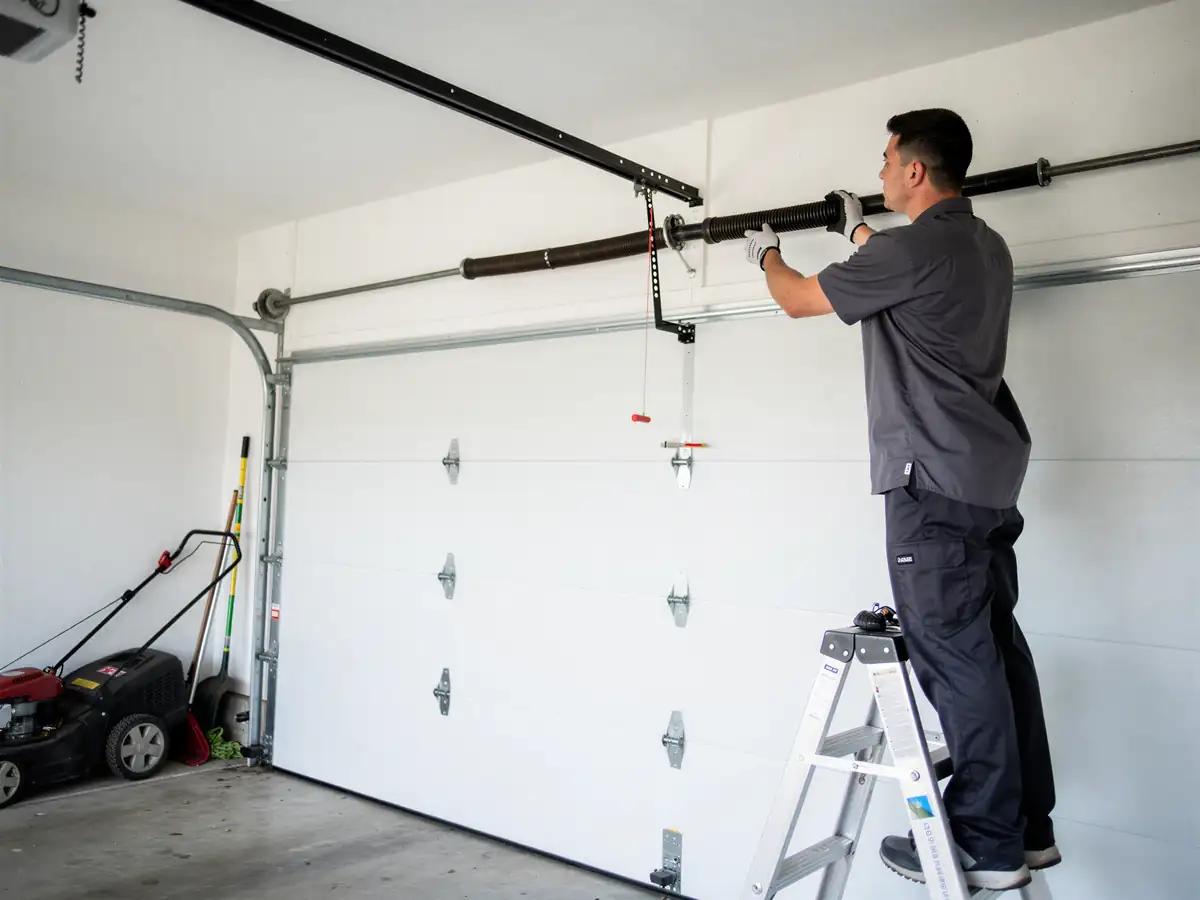
First step is identifying whether it's a torsion spring over the header or a pair of extension springs along the horizontal tracks - both show up on Lemon Grove's older stock depending on when the door was last replaced. For torsion jobs, we clamp the door, unwind the broken spring safely, measure wire gauge and inside diameter against the drum size, and wind the replacement to the door's actual weight rather than a generic chart number. Extension spring jobs get new safety cables run alongside them, which a lot of 1960s installs never had - that's a cheap add that keeps a snapped spring from becoming a projectile. The mild climate here means we're not fighting rust-seized winding cones the way a shop in a harsher climate would, so most of these jobs move at a steady pace once we're set up. The one thing we won't do is rewind a spring that's already been hand-repaired or spliced - that's a safety call, not a cost one, and it means a full replacement instead.
Where This Job Goes Sideways
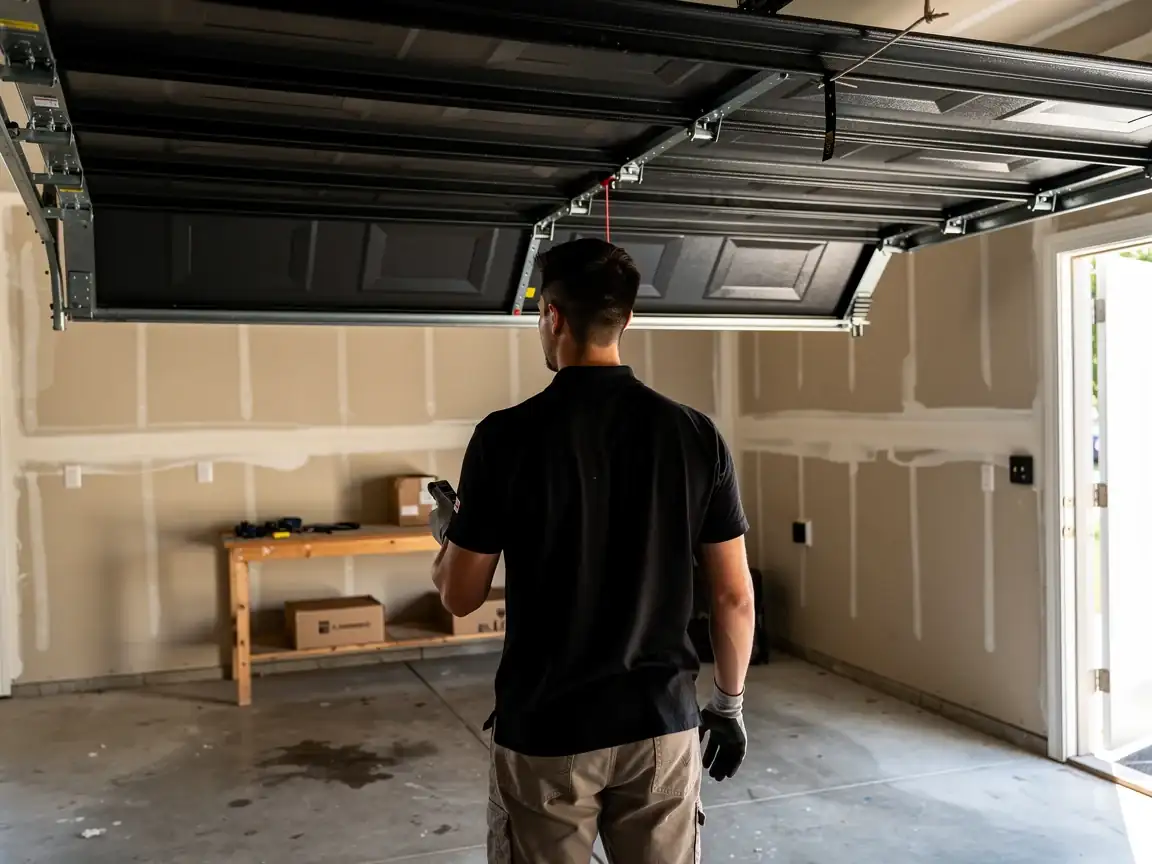
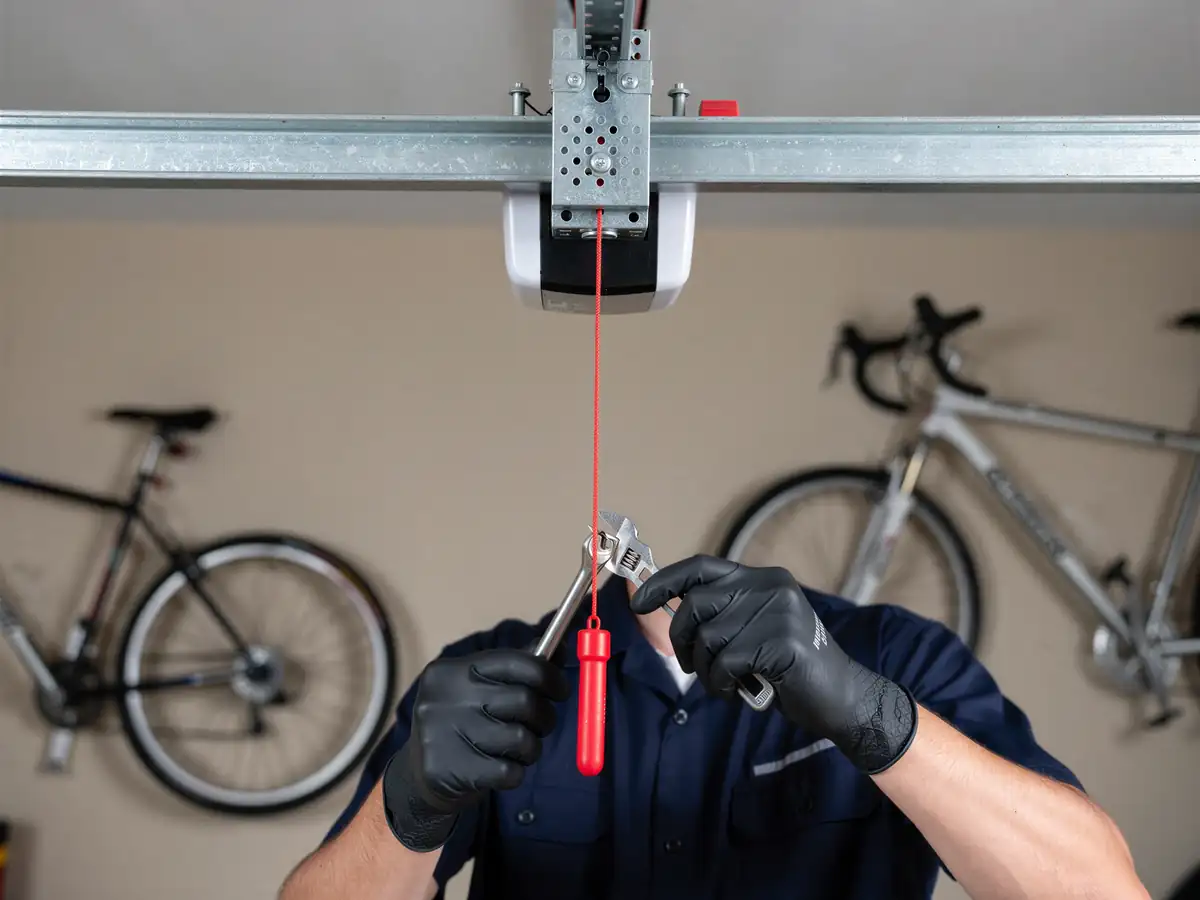
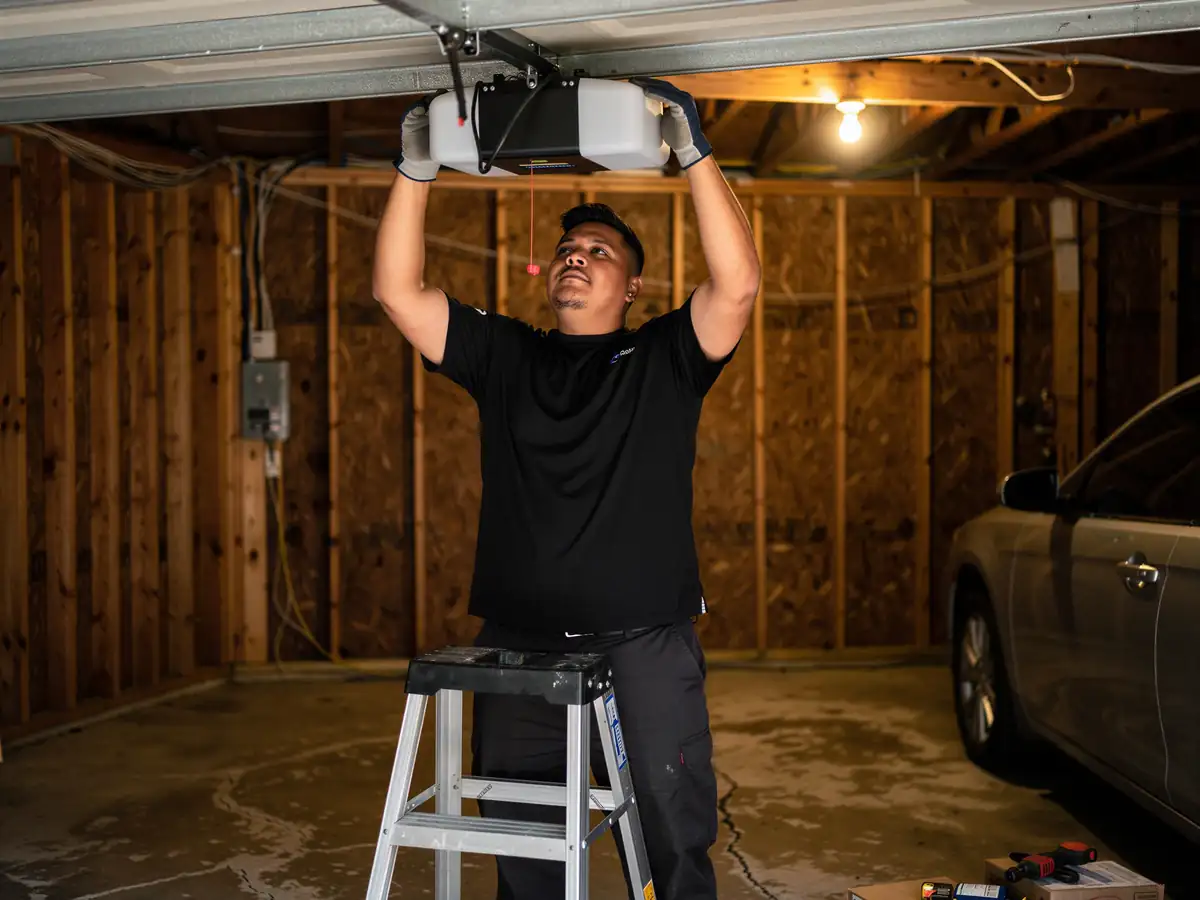
The most common surprise on Lemon Grove's older doors isn't the spring, it's what's attached to it. A 1967-era torsion setup sometimes has a bent shaft from years of an undersized spring doing extra work, or a drum that's worn a groove from a cable that was never quite the right length. We catch that during the install, not before, because you can't see shaft wear until the old spring's off. When that happens, the job runs longer and costs more than a straight spring swap, and we'll stop and tell you before going further rather than bolt a new spring onto bad hardware. The other spot this goes sideways: openers on these older doors sometimes still have the force settings cranked up from years of compensating for a weakening spring. Once the new spring's in, that force needs resetting, or the opener will keep straining the new spring the same way it strained the old one. That's part of the job, not an upsell, and we don't skip it.